







Description
Cardboard Retail Display Trays Guiding Retail Journeys
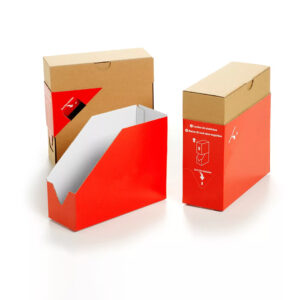
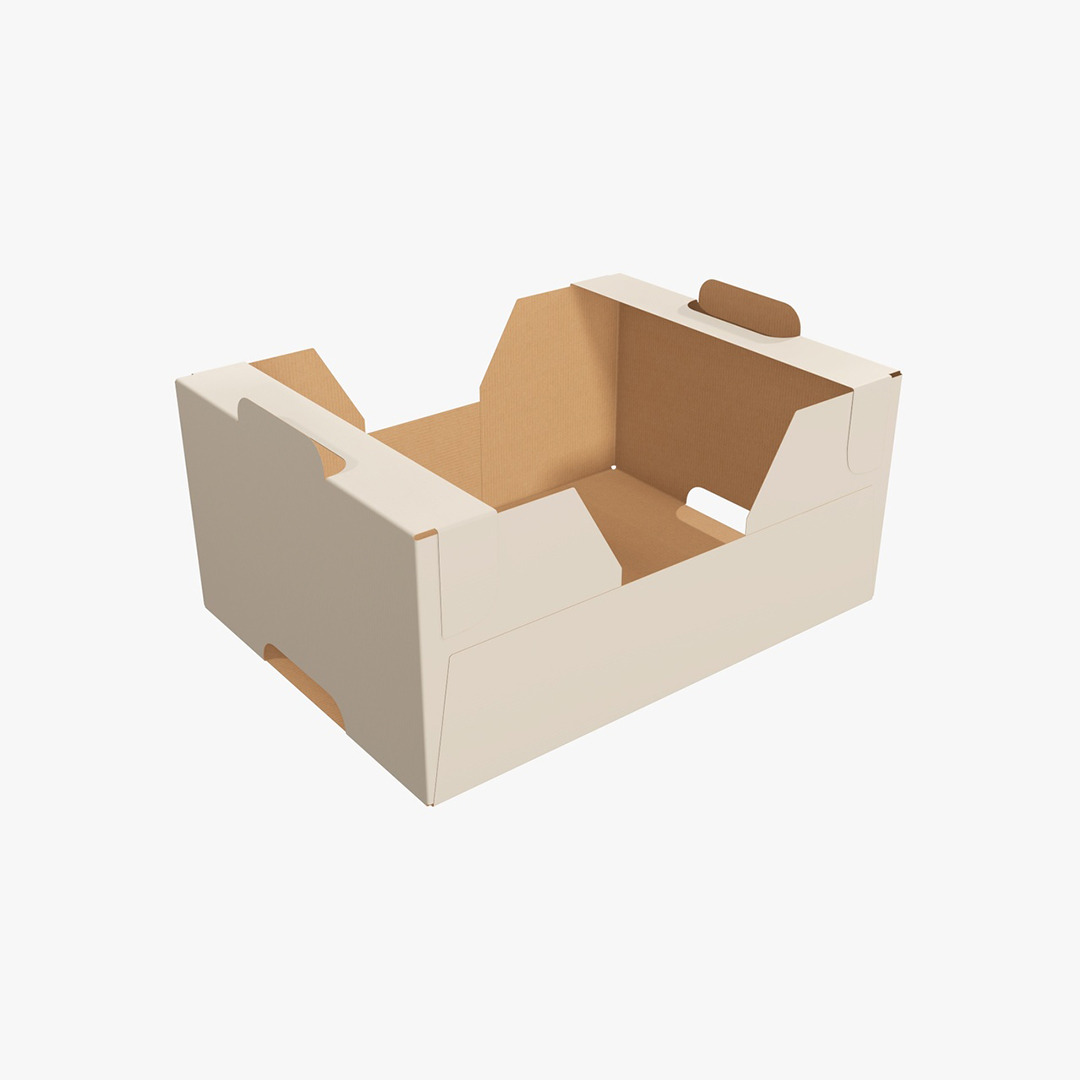
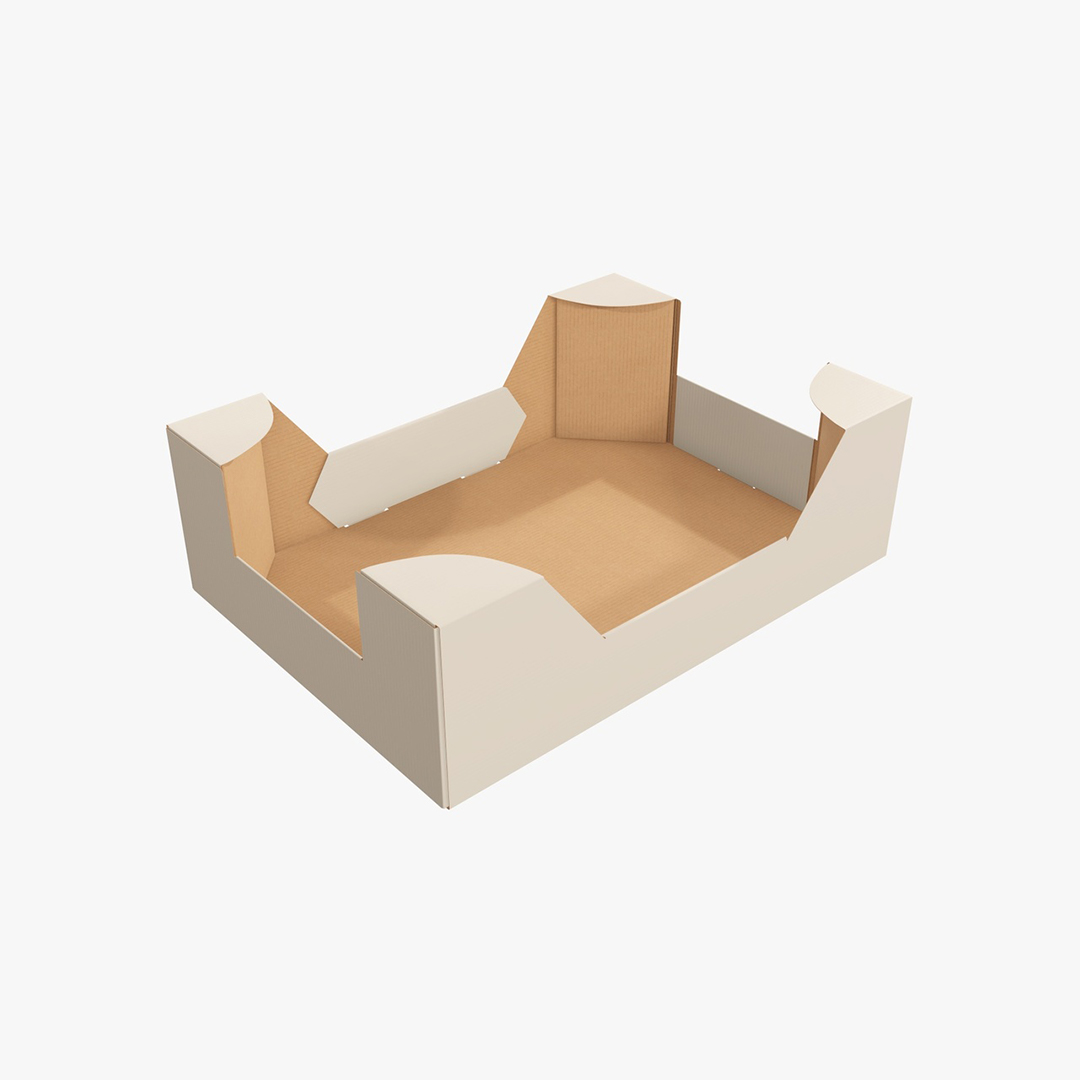
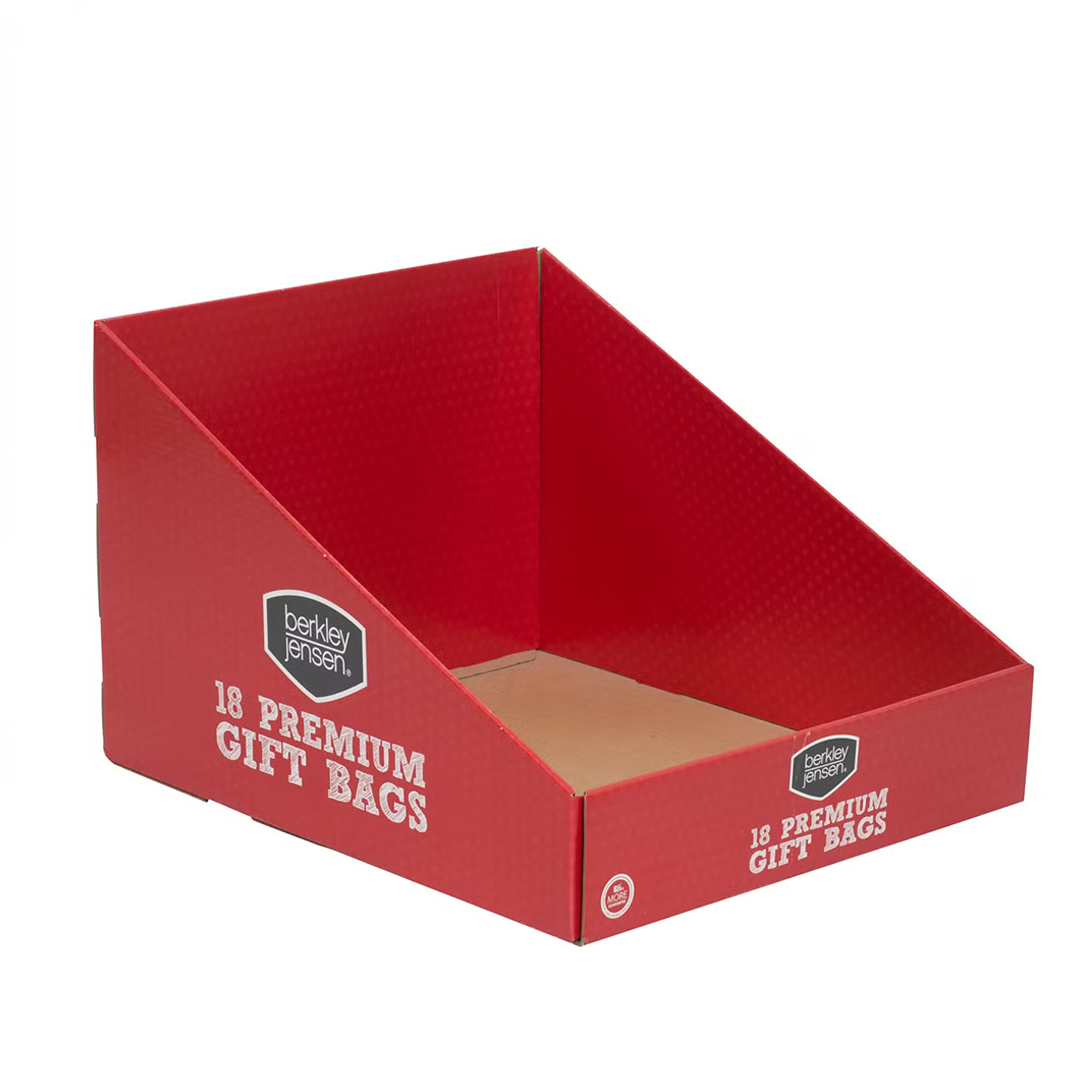
Cardboard retail display trays help stores keep products organised, visible, and easy to shop in every aisle, gondola end, and checkout zone. When brands compare Best cardboard retail display trays against loose stacks or plain cartons, many decide to build layered plans that combine bold front edges with Cardboard Counter Display Units on counters and near tills. Cardboard retail display trays for sale make it easier to group packs by flavour, size, or price point so shoppers understand choices at a glance. Custom cardboard display stands built from these trays highlight new launches, seasonal lines, and everyday bestsellers without needing heavy fixtures. Free standing cardboard displays and Tabletop Cardboard Display Stands can then plug into the same layout, giving teams a flexible way to refresh presentations while keeping replenishment simple.
These tray-based setups answer practical questions that managers ask every day such as “How do we keep shelves tidy during rush hours?” and “How can we change a promotion quickly without rebuilding the whole bay?” Cardboard retail display trays guide these decisions by giving each product family a fixed footprint and consistent height that works with price labels and POS strips. Staff can slide out a part-filled tray, top it up in the back room, and slide it back into place without creating gaps or uneven rows. Because the outer faces stay clean and aligned, shoppers see confident, well-managed shelves rather than clutter, which subtly supports trust in the brand and the store.
Improving shelf impact with best cardboard retail trays
Well-designed display trays work like a silent merchandising assistant. Their front lips, side wings, and angled faces frame each product so labels point toward the customer instead of hiding in shadows. When retailers use the Best cardboard retail display trays in high-traffic zones, they gain a wider “viewing window” that pulls attention from passing shoppers. This effect matters for snacks, cosmetics, small electronics, and personal care items where impulse decisions often depend on a split-second glance at colour, wording, and price.
These layouts also help answer voice-style questions shoppers may ask store staff or search online, such as “Where can I find a small gift pack near the counter?” or “Which stand holds the limited-edition flavour?” Cardboard display stand Template options make it easier for visual teams to sketch answers to these questions in advance. They can map which tray belongs on which shelf, how many facings each line gets, and where Free standing cardboard displays should sit for maximum visibility. Over time, this structured approach creates recognisable “zones” in the store so returning customers can find their favourite products faster.
Retail benefits of using structured display trays
- Present products in clear, repeatable blocks that match planograms and price strips
- Reduce messy gaps and leaning stacks as shoppers pick from shelves throughout the day
- Support cross-merchandising by grouping linked items in one easy-to-shop tray
- Make it simpler to test new lines or flavours without redesigning full fixture runs
- Help staff clean, rotate, and check stock levels in less time and with fewer errors
Steps for planning a cardboard retail tray setup
- Walk each aisle and list the product groups that need clearer, more visible presentation.
- Decide where Cardboard retail display trays for sale should sit, from eye-level shelves to end caps and counter points.
- Choose tray widths and depths that match both product size and shelf dimensions to avoid wasted gaps.
- Create simple layout sketches showing which lines occupy each tray and how many facings they hold.
- Test the setup during a busy trading period and adjust tray counts or positions based on real shopper behaviour.
| Retail zone or placement focus | Tray style and display approach | Typical product examples | Shopper benefit and visual effect | Store operations advantage |
|---|---|---|---|---|
| Main aisle shelves | Low-front trays in straight rows | Everyday snacks, toiletries, small packs | Clear rows, easy price comparison, tidy shelf edges | Faster facing-up and gap-filling during peak hours |
| End caps and promotional bays | Angled-front trays with bolder faces | Limited editions, launches, seasonal sets | Stronger “stop and look” moment at the aisle entrances | Simple swap-out when offers change or new themes go live |
| Counters and queue areas | Compact Tabletop Cardboard Display Stands | Travel-size items, mints, small gadgets | Quick-grab items stay visible near payment touchpoints | Easy movement for staff when reconfiguring till layouts |
| Power aisle or centre floor blocks | Free standing cardboard displays | Feature ranges, gift packs, multipacks | 360-degree visibility from several directions | Modular blocks can move with store events and traffic patterns |
| Back room or prep zones | Plain tray formats without strong print | Reserve stock, mixed cartons | Clear storage of products before they reach the sales floor | Simple “tray swap” between back room and shelf during refills |
Cardboard retail display trays wholesale support plans
Cardboard retail display trays wholesale programs help multi-branch retailers and brands keep their stores aligned without overwhelming teams with dozens of different designs. When planners group tray choices in the same way they group Cardboard Boxes For Specific Uses, they gain a simple hierarchy: light, medium, and heavier load solutions, each matched to particular shelf zones and campaign types. Cardboard retail display trays wholesale agreements allow them to lock in stable pricing and lead times while still leaving room for occasional print refreshes or one-off promotional runs. By working from a limited set of dimensions and board grades, national and regional teams can share planograms, artwork, and usage rules without re-teaching the basics for every store.
Wholesale agreements also answer the question “How do we keep fixtures consistent when every store looks slightly different?” Instead of designing unique hardware for each branch, brands can rely on adaptable tray sizes that sit comfortably on most common shelf widths and gondola formats. Custom cardboard display stands created from these base trays can then support different local needs, such as smaller shop footprints or wider aisles. Buyers comparing Cardboard retail display trays for sale across suppliers look beyond headline price and ask about stacking strength, print longevity, and how easily trays fold, fill, and recycle. These factors affect total cost over time far more than the initial unit figure.
Choosing tray footprints for aisles, ends, and counters
Selecting tray footprints starts with understanding both the product catalogue and the physical store environment. Teams ask targeted questions such as “How many flavours do we want to show in one row?” or “Should this product live on a full shelf or on a compact end display?” Free standing cardboard displays might handle the hero messaging and larger packs, while slimmer trays manage everyday stock along the aisle. By mapping product families to shelf heights and customer flow, designers can choose tray sizes that look deliberate rather than improvised.
Counters and smaller presentation points often rely on Tabletop Cardboard Display Stands that must stand strong without heavy fixtures beneath them. These stands usually share the same front lip height and branding style as the main shelf trays so shoppers instantly recognise the range. Because the underlying Cardboard display stand Template is consistent, it becomes easier to brief creative teams and suppliers when new campaigns are needed. They can drop updated artwork into known dimensions instead of redrawing the structure every time.
Wholesale considerations for display tray programs
- Decide which products deserve permanent tray positions and which are short-term promotional guests
- Match tray grades to both pack weight and expected shelf lifespan across campaigns
- Create a clear naming system so stores can request the right tray without confusion
- Allow space for local price labels, promotional flashes, and mandatory compliance messages
- Check that flat-packed bundles fit standard store storage spaces and staff handling routines
Process outline for retail display tray rollouts
- Segment products into core, seasonal, and experimental groups, then assign tray types to each.
- Build master planograms that show where each tray family should live across typical store layouts.
- Brief design teams using one shared Cardboard display stand Template for each tray size and front height.
- Run pilot installations in a small number of locations and review sales lift, shopper reactions, and staff feedback.
- Finalise tray quantities and artwork, then roll out across the full estate with simple, visual setup guides.
| Buyer or brand priority | Tray program focus | Suggested board grade range | Implementation detail shoppers notice | Operational impact for stores and teams |
|---|---|---|---|---|
| Strong brand consistency | Unified tray faces and lip heights | Medium to strong for key lines | Recognisable blocks across branches | Easier cross-store comparisons and shared promotions |
| Promotional agility | Flexible trays for short-run campaigns | Mix of grades based on dwell time | Fresh graphics and messaging in key hotspots | Faster seasonal refreshes without hardware changes |
| Cost and storage efficiency | Limited family of tray footprints | Optimised grades by weight category | Clean but simple designs without over-printing | Fewer SKUs to manage and simpler back-room organisation |
| Trial, test, and learn culture | Small-batch trays for test products | Lightweight to medium grades | Newness signalled by distinct but related styling | Lower risk when experimenting with product or layout |
| Multi-channel retail strategies | Trays suitable for store and events | Durable medium grades | Same product story in stores and pop-up spaces | Re-usable components for roadshows, fairs, and launches |
Finishing options and retail support for display trays
Finishing choices transform display trays from simple containers into effective brand carriers that work across campaigns and store formats. Many teams prefer to manage their tray, stand, and graphic needs through Cardboard Packaging Boxes so dimensions, print methods, and board grades stay aligned as product lines grow. Coating options such as Gloss, Matte, and selected Spot UV accents help certain parts of the artwork stand out, whether that means logo blocks, flavour indicators, or small icons that guide shoppers between variants. Custom cardboard display stands built from these trays can share the same finishes, giving whole bays a consistent look even when the underlying shelves differ.
Support does not stop at coatings. Free design and shipping on agreed programs help brands refine layouts without worrying about frequent prototype costs. Teams can test how Free standing cardboard displays, Tabletop Cardboard Display Stands, and shelf trays interact in real store lighting and footfall patterns. Custom sizes and styles are available where unusual fixture widths or speciality ranges demand them, while fast turnaround times keep campaigns in step with marketing plans rather than trailing behind. High-quality material and printing options ensure that edges stay clean, colours remain steady, and vital legibility is maintained even after weeks of handling.
Coating and graphic choices on cardboard display stands
Stores and shoppers both rely on clear information, so coatings need to balance appearance and practicality. Gloss finishes amplify colours and can make drinks, confectionery, and beauty ranges sparkle under strong lights. Matte finishes reduce glare for products with longer copy blocks or subtle tones, such as supplements or skincare. Spot UV highlights on logos, product names, or key icons can help answer quick shopper questions like “Where is the sugar-free line?” or “Which tray holds the travel-size packs?” by drawing the eye to helpful clues without overwhelming the wider design.
Graphic planning also supports digital and voice-led journeys. When customers ask queries like “Which stand has the multi-pack offer near the front of the store?” or “Where is the new flavour display in the snack aisle?” staff can point directly to trays that visibly match online and printed visuals. This connection between on-screen images and in-store fixtures makes campaigns feel joined up. Consistent use of fonts, colours, and key shapes across Cardboard retail display trays wholesale runs builds recognition over time so even rushed shoppers can spot their usual favourites or current offers at a glance.
Design and branding advantages of display tray printing
- Aligns in-store fixtures with online and social media campaign visuals for a joined-up story
- Gives smaller products a “frame” so they stand out even on busy shelves and end caps
- Helps highlight limited-time offers, new flavours, or collaborations without extra POS clutter
- Maintains brand standards across different fixture types, from Free standing cardboard displays to shelf trays
- Supports category navigation by using colours and icons that guide shoppers between related products
Simple path to order and refine display tray designs
- Collect product sizes, store photos, and existing brand guidelines for reference in the design brief.
- Work with the tray supplier to choose board grades, coating mixes, and sample layouts that reflect real-world handling.
- Approve plain and printed mock-ups, then place an initial order sized for both trial and early rollout stores.
- Monitor how trays behave in high-traffic locations and speak with store teams about refill speed and durability.
- Adjust artwork details, finishes, or tray counts based on performance, then lock in the refined design for wider wholesale use.
| Focus area for tray design | Coating or finish preference | Graphic treatment suggestion | Best suited product or campaign type | Long-term benefit for the brand and retailer |
|---|---|---|---|---|
| Bold, high-energy snack displays | Gloss with occasional Spot UV highlights | Large flavour cues and price flashes | New snack ranges, limited editions, impulse offers | Strong impact in fast-moving aisles and queue zones |
| Calm, information-led categories | Smooth matte finishes | Clear typography and subtle colour blocks | Health, beauty, supplements, personal care | Easier reading, reduced glare, confident product choice |
| Premium or gift-led presentations | Mixed matte and selective Spot UV areas | Focused highlights on logos and key icons | Gift packs, seasonal collections, curated bundles | Perceived added value without changing the base product |
| Everyday multi-brand shelf bays | Durable standard coatings | Shared layout rules across brands | Shared categories like drinks or breakfast items | Harmonised look while preserving brand individuality |
| Experimental or short-term runs | Practical, quick-drying coatings | Simple but punchy artwork blocks | Event tie-ins, local collaborations, trials | Fast reaction to trends and reduced design overheads |