





Description
Cardboard Counter Display Units Guiding Impulse Sales
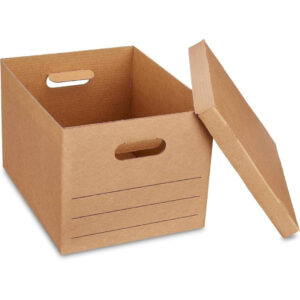
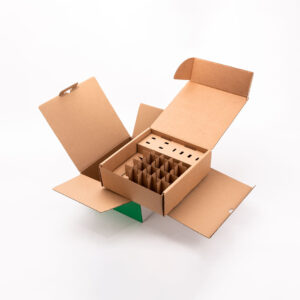
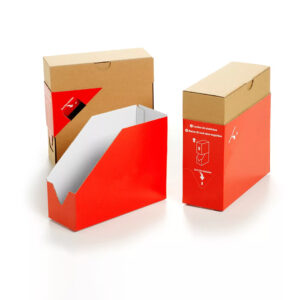
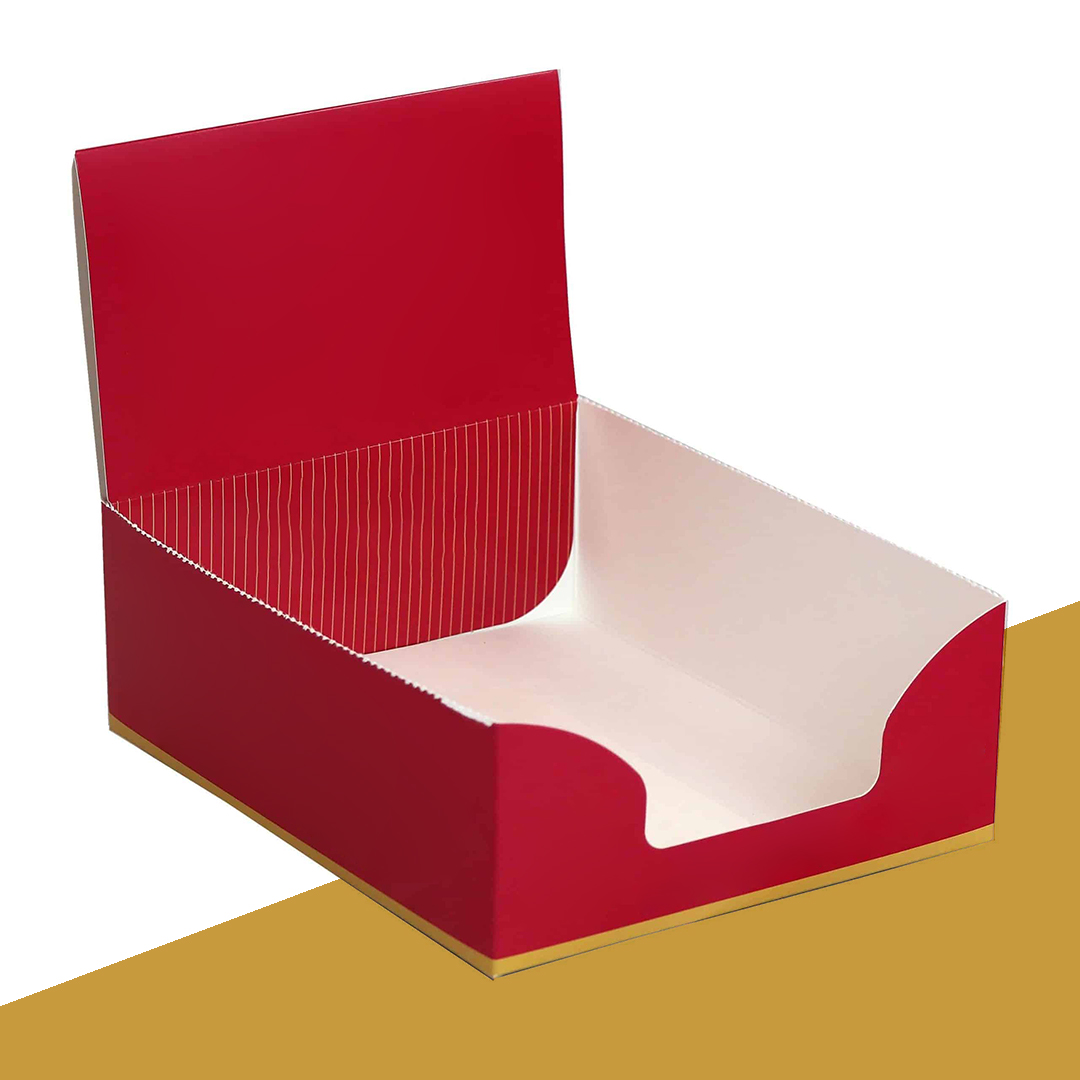
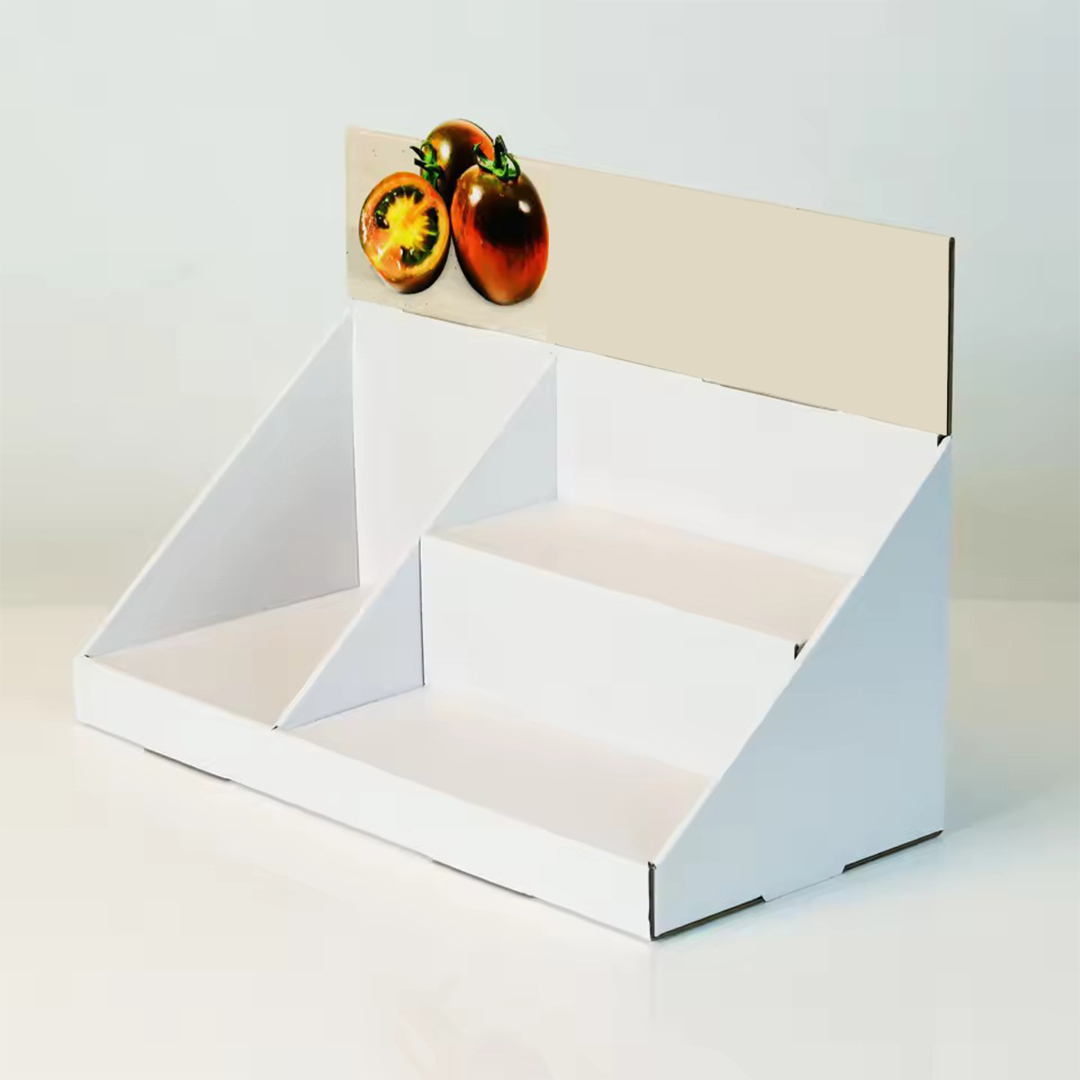
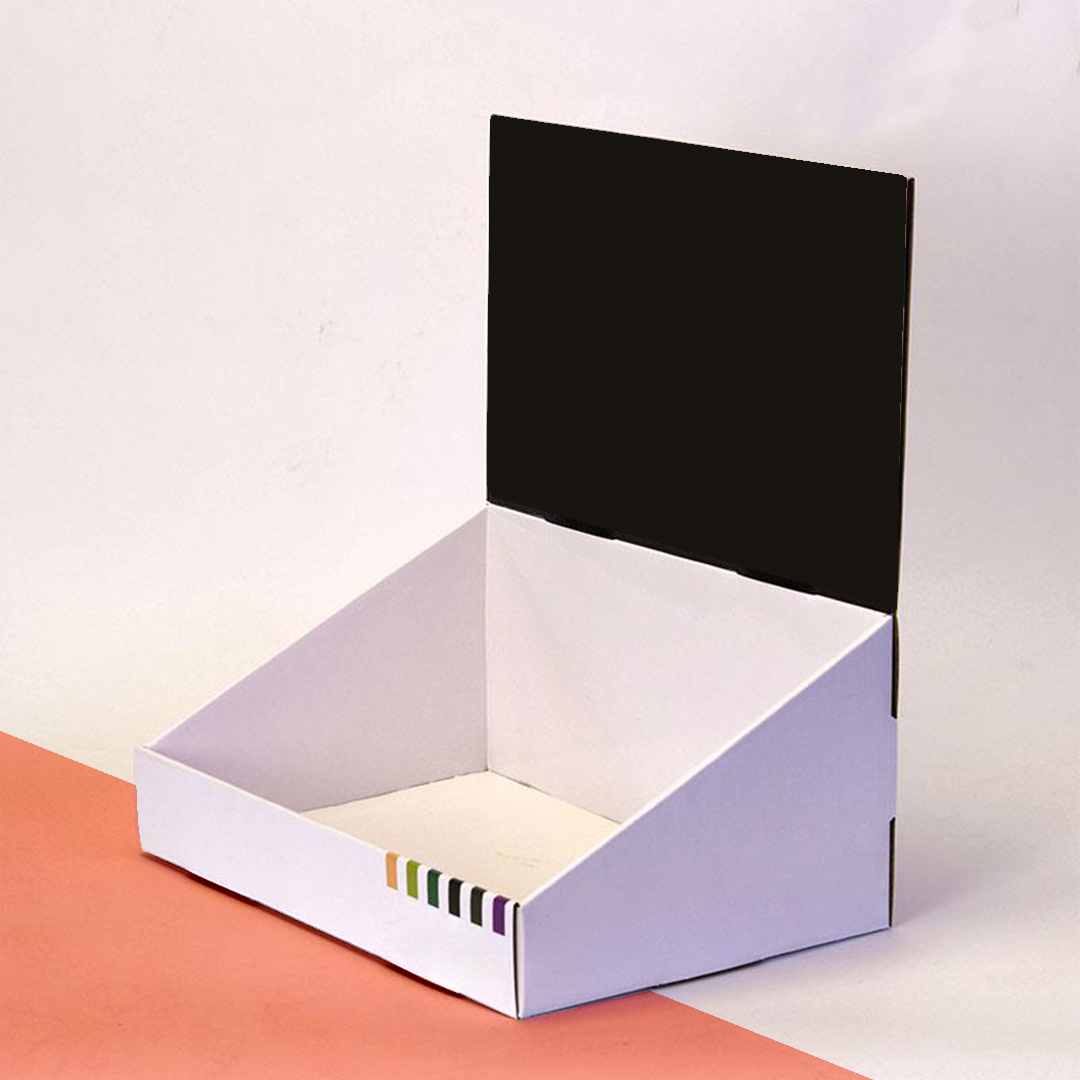
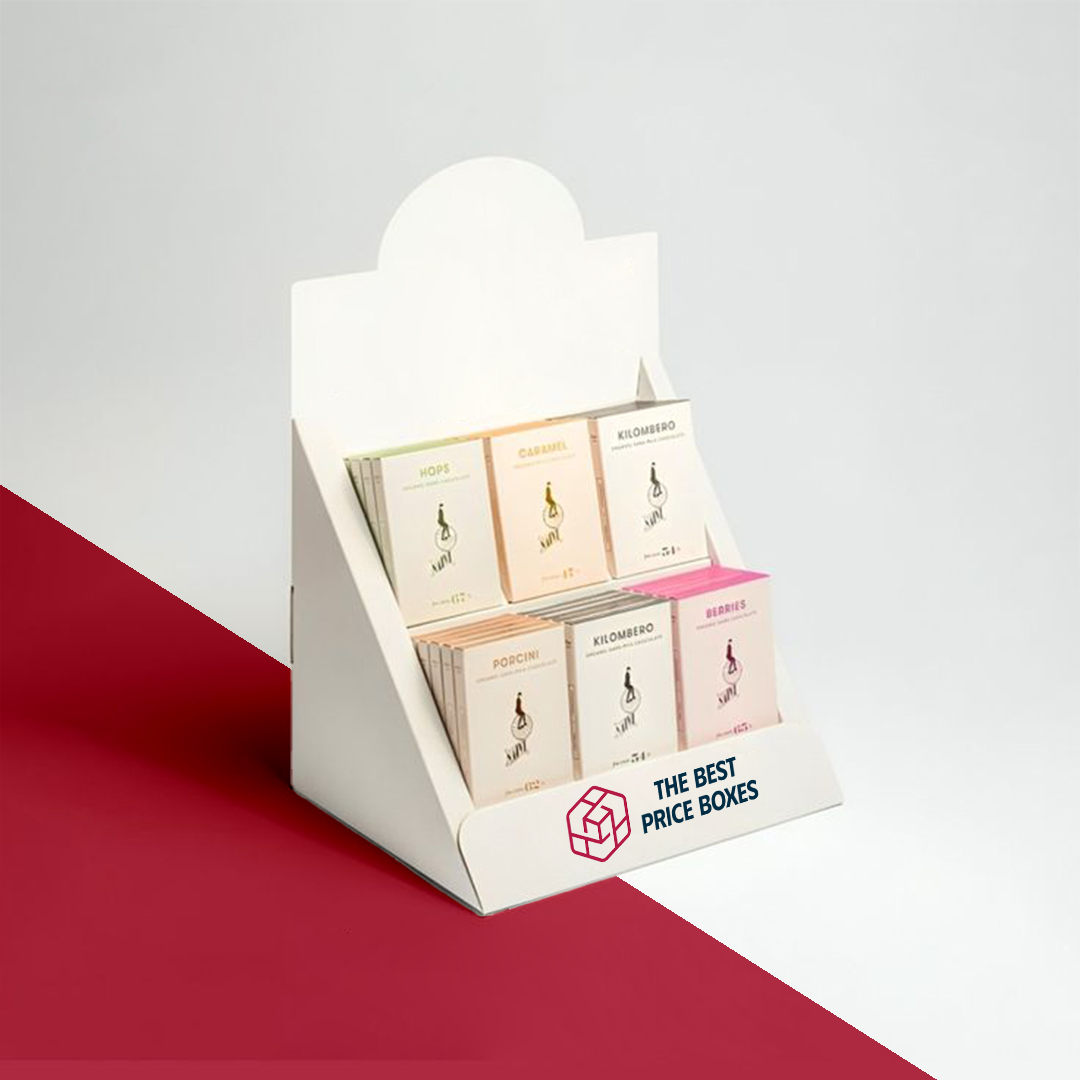
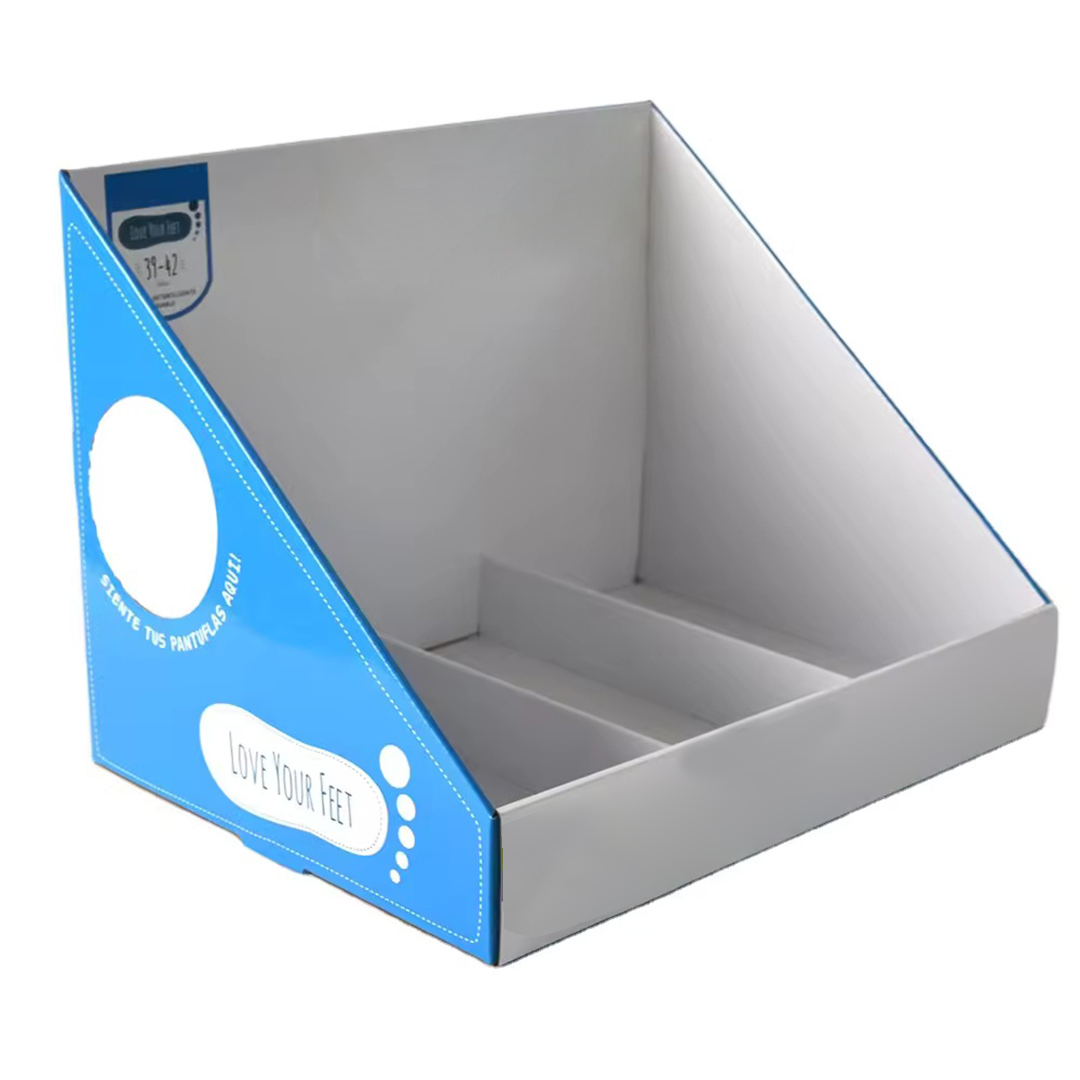
Cardboard counter display units help shape small but powerful selling zones at checkouts, service desks, and product information points. Retailers comparing Cardboard counter display units wholesale with simpler cartons often look for units that keep packs upright, readable, and easy to reach while working alongside Cardboard Retail Display Trays on nearby shelves. Cardboard counter display units for sale give brands a way to group trial sizes, add-on products, and seasonal lines in one compact footprint that fits standard counters. Custom cardboard display stands can be sized and angled so customers see key messages as they approach or pay. Free standing cardboard displays take over larger floor areas, while counter units keep attention close to the point of decision where impulse choices are strongest.
For many store teams, good counter units feel like another member of staff quietly guiding the shopper. They hold smaller packs at a comfortable viewing height, present prices clearly, and stop products sliding flat or hiding behind each other. When layouts change, staff can lift, rotate, and reposition each unit without tools or long setup times. Cardboard display stand Template ideas help planners test different shelf counts, back panel shapes, and branding zones before they lock in a final design. Over time, a well-planned set of Cardboard counter display units wholesale can be reused across campaigns, saving time, storage space, and design cost while still keeping the front of store fresh.
Designing cardboard display stands for strong branding
Designing effective Cardboard counter display units starts with understanding where the unit will sit and how customers move around it. Many store owners ask simple but important questions such as “What should be at eye level?”, “How many facings can I maintain?” and “How do I make sure the unit does not block other products?” A clear front lip and angled back panel let shoppers see the top halves of the packs, where brand names and key claims usually sit. Cut-outs, curved tops, or stepped shelves can be added where extra visibility is needed, while side panels carry imagery that works from both directions of approach.
Brands also think about how Cardboard counter display units for sale will behave once they are in real use. Staff need to refill units quickly, clean around them easily, and sometimes move them from one counter to another during the day. Simple tuck-in flaps and strong base folds make this handling easier. Custom cardboard display stands can also be designed with clear pack outlines printed on the base or shelves, so staff know exactly how many units to place in each row. This helps maintain a neat, full appearance even when stock is running low, which keeps the display attractive and avoids empty gaps.
Practical advantages of using counter display units
- Keeps small, high-margin items at eye or hand level near payment points
- Groups related products together so cross-sell ideas feel natural and helpful
- Uses compact footprints that work on narrow counters or shared surfaces
- Supports quick changeovers between seasonal themes or promotional offers
- Allows different artwork on front, side, and header panels for better messaging
Steps for planning and placing counter display units
- Map the most visible counter spots where customers naturally pause or wait.
- Decide which products deserve those spots based on margin, season, or launch plans.
- Choose Cardboard counter display units wholesale sizes that fit those locations without crowding.
- Test one or two sample units on the counter and monitor how customers interact with them.
- Adjust artwork, product mix, or unit shape before rolling out to all branches.
| Display focus | Unit layout approach | Material strength selection | Finish and print direction | Extra elements for usability | Typical usage in stores and reception areas |
|---|---|---|---|---|---|
| Quick impulse purchases | Low front lip, open top, stepped shelves | Medium grade board for everyday use | Matte or soft gloss for clear reading | Simple refill opening and easy lift points | Snacks, sweets, trial cosmetics, travel-size items |
| Brand launch and storytelling | Taller back panel with bold header area | Medium to strong grade for longer campaigns | High-impact print with focused imagery | Die-cut tops, shaped headers, message areas | New product launches, themed ranges on main counters |
| Space sharing on crowded counters | Narrow footprint with vertical stacking | Stronger board for busy handling | Clean, minimal artwork with precise labels | Compact base, stable footprint, corner strengthening | Pharmacies, service desks, checkout lanes with limited space |
Large cardboard counter display units supporting retail
Large cardboard counter display units supporting retail layouts give merchandising teams more room for facings, price communication, and cross-category stories. Retailers organising multi-product offers often plan how these larger units will sit alongside Cardboard Boxes For Specific Uses that hold refill stock under or behind the counter. Bigger units can combine several shelf levels, dividers, and header panels so different sizes or flavours stay clearly separated. Free standing cardboard displays may control an entire aisle end, while large counter formats guard the most valuable, high-traffic surfaces close to the till. Together, they create a family of displays that share artwork, structure, and messaging.
Because large footprints carry more product weight, planning the structure matters as much as planning the graphics. Units must stand firm when staff lean on the counter, re-stock items, or move equipment nearby. Reinforced bases and smart fold patterns help the unit behave like a stable piece of furniture while still being light enough to lift. Cardboard counter display units wholesale orders can be grouped into size families so that smaller shops take compact versions and larger stores take extended formats. By keeping the core Cardboard display stand Template similar across the range, brands can maintain a consistent identity while adjusting capacity to match floor space.
Using free standing cardboard displays for campaigns
Free standing cardboard displays and advanced counter units often support the same campaign from different angles. Customers might first see a floor-standing tower at the store entrance, then meet a matching counter unit later when they pay. This repeated exposure helps them remember offers and new products without feeling pressured. Because both formats are made from board, artwork updates and structural tweaks can roll out together across the chain. Units can be supplied flat, assembled quickly in store, and recycled through normal cardboard channels when a campaign ends.
Campaign planners also think about how long each Free standing cardboard displays format must stay on the floor. Short-term promotions may use lighter grades with simple construction, while longer-running features need stronger board and reinforcement at stress points. Counter display formats follow similar logic: high-turnover campaigns might use simpler shapes, whereas enduring core ranges benefit from sturdier designs. When Cardboard counter display units for sale are matched properly to campaign length and expected handling, they stay looking smart for the full period, supporting both sales and brand trust.
Benefits of combining counter and floor display formats
- Repeats key messages at several touchpoints on the shopper journey
- Gives flexibility to use either floor space or counter space depending on store layout
- Helps launch campaigns uniformly across mixed-sized stores in a network
- Supports seasonal adjustments with shared artwork and related structures
- Allows quick removal or replacement once the promotion period ends
Steps for setting up large counter and floor displays
- Decide which campaigns need both counter units and Free standing cardboard displays at once.
- Work out how many units of each type are required for each store size or format.
- Confirm board grades, shelf load limits, and assembly steps for all designs.
- Ship units flat with clear setup guides and simple reference images.
- Gather feedback from store teams and refine structures or print details for future runs.
| Campaign goal | Display combination choice | Board and strength direction | Print and finish orientation | Helpful construction features | Typical campaign scenarios |
|---|---|---|---|---|---|
| High visibility new product push | Large counter unit plus free standing tower | Strong board for both unit types | Bold core colours and clear product imagery | Interlocking shelves, reinforced main panels | National product launches, brand repositions |
| Seasonal themed promotion | Several small counter units close to tills | Medium grade board for short periods | Festive or themed artwork with simple icons | Quick-assemble folds and glue points | Festive ranges, event tie-ins, limited editions |
| Long-term range support | Robust counter units near category sections | Higher grade for long-running placements | Understated branding that works across seasons | Replaceable headers or clip-on message panels | Core product families, essential everyday ranges |
Cardboard counter display units supporting small brands
Cardboard counter display units supporting small brands help independent stores and growing labels make the most of every square centimetre on their counters. New producers often start with a single compact unit and then expand into a wider family as demand grows, using trusted partners such as Cardboard Packaging Boxes to keep board grades and print quality consistent. Custom cardboard display stands built in sensible volumes let these brands appear alongside long-established competitors without a heavy fixture investment. Counter units also suit trial projects, allowing labels to test flavours, scents, or price points before they invest in larger Free standing cardboard displays or permanent hardware.
For many small businesses, stockrooms and budgets are tight, so they need display materials that work hard in several roles. The same Cardboard counter display units for sale can move between tills, local events, and temporary pop-up locations. Units pack flat for transport, assemble without tools, and store easily when not in use. By keeping one core Cardboard display stand Template and adjusting only artwork or messaging, brands can switch between everyday ranges and seasonal ideas quickly. This helps Wholesale boxes for small business strategies feel organised and repeatable rather than improvised.
Planning custom cardboard display stand templates
Planning a custom structure usually starts with a few simple questions about who will use the display and how. Shop owners ask how many units they must show at once, whether customers usually stand or sit at the counter, and what viewing angles matter most. From there, designers sketch Cardboard display stand Template options that show different shelf numbers, back panel shapes, and header sizes. Some templates focus on width and stepped shelves, while others use more height and slim shelves to fit tight counter spaces.
Practical handling details are then layered onto the template. Fold lines, locking tabs, and support panels are set so that staff can assemble units quickly, even if they have never seen the design before. Clear marks for price holders, barcode zones, and messaging panels make it easier to keep every store looking consistent. Custom cardboard display stands can then be ordered in suitable runs, paired with appropriate shipping cartons, and backed by simple instructions that fit on a single sheet. Once the basic template proves itself in use, it forms a base for new campaigns and line extensions for years.
Reasons small and growing brands rely on counter units
- Help new products stand out even in crowded or competitive categories
- Use lightweight materials that keep freight and storage manageable
- Allow rapid artwork updates without needing new hardware each time
- Move easily between events, markets, and permanent retail locations
- Support Wholesale boxes for small business models that evolve step by step
Steps for moving from sample units to full rollout
- Test a small batch of Cardboard counter display units in selected stores or events.
- Ask staff about assembly time, refill comfort, and how customers interact with the unit.
- Adjust artwork, shelf spacing, or header height using revised Cardboard display stand Template files.
- Approve final board grades, coatings, and print settings for your ongoing orders.
- Plan replenishment cycles and storage space so units are always ready when new stock arrives.
| Brand development stage | Display size and style choice | Material and finish mix | Helpful design or print detail | Operational impact for the business |
|---|---|---|---|---|
| Early launch and trial presence | One or two compact counter-top units | Medium-grade board with neat print | Clear logo zones and straightforward product copy | Confident first steps into new stores and markets |
| Regional growth and more locations | Larger units and some Free standing cardboard displays | Stronger board, matte or semi-gloss finish | Cohesive family look across multiple display types | Easier brand recognition in wider retail networks |
| Established but flexible brand | Range of counter and floor formats | Mixed grades tailored to use duration | Interchangeable headers and seasonal message panels | Faster campaign refresh without full redesign costs |