





Description
Cardboard mailing boxes for modern shipping needs
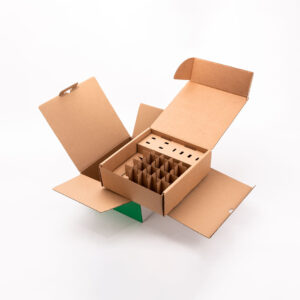
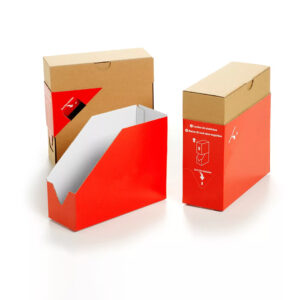
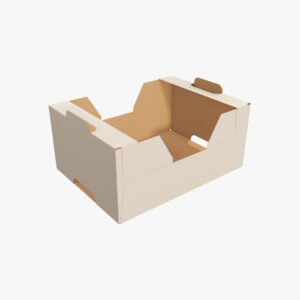
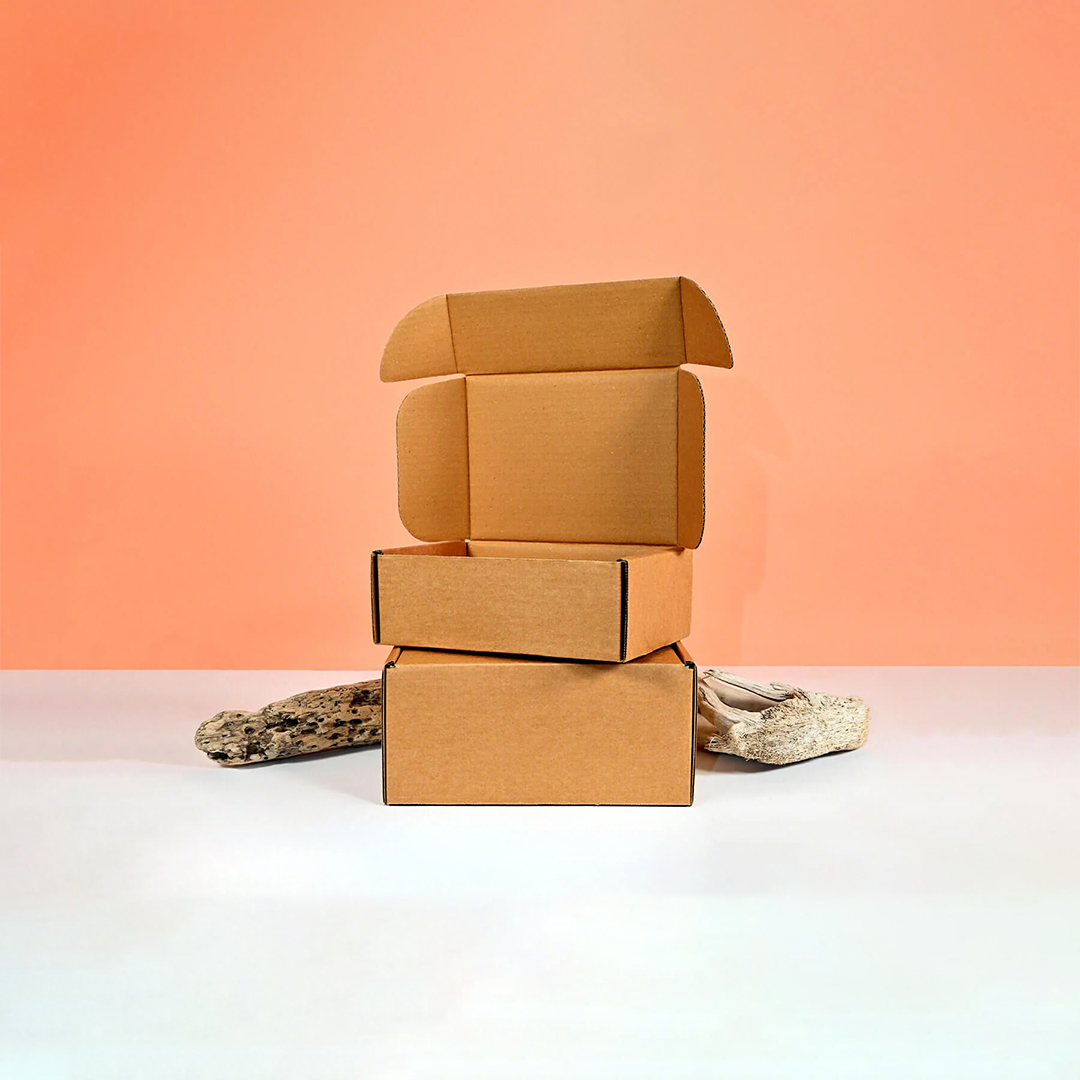
Cardboard mailing boxes give products a secure home from warehouse shelves to doorstep delivery without adding heavy weight. Many online brands rely on Shop Cardboard Boxes as a steady source when they want protective packaging that fits their shipping routines. These mailing styles suit cosmetics, accessories, electronics, books, bakery items, and clothing, giving each order a stable outer shell. Strong panels help parcels cope with courier sorting, vehicle movement, and storage racks while keeping the box easy to lift and handle. This balance of protection and lightness supports both small sellers and large eCommerce stores in their daily operations.
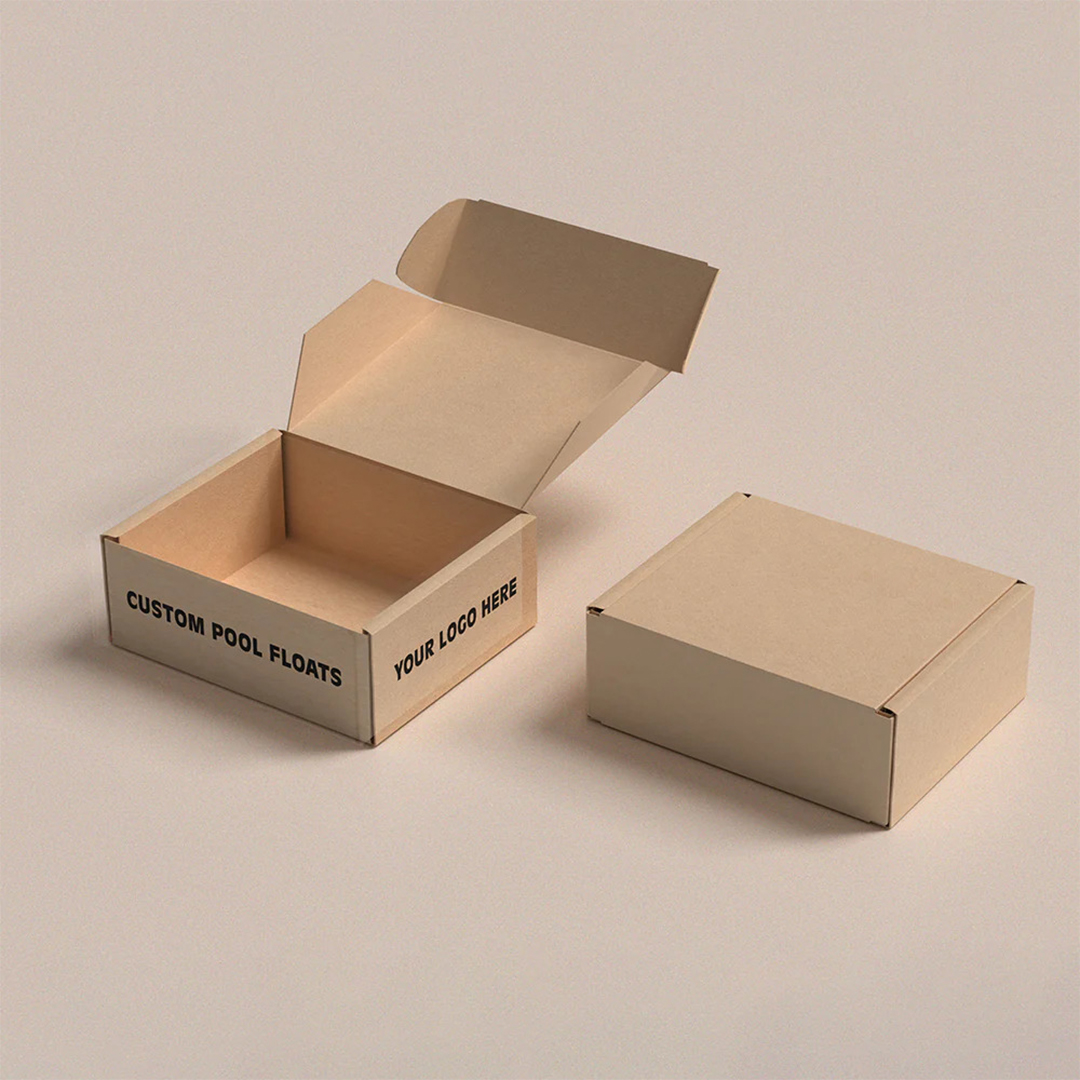
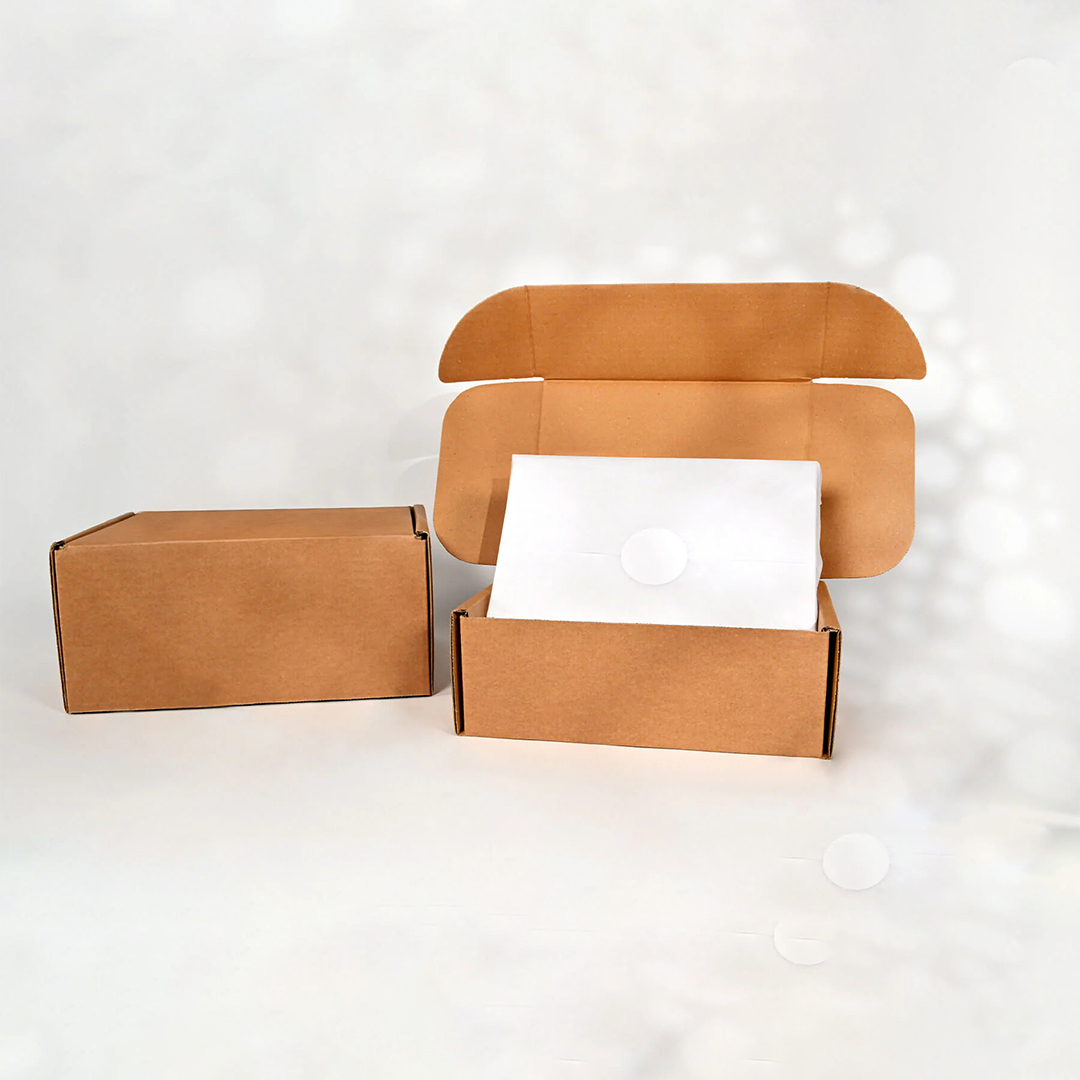
These boxes assemble quickly from flat form, so teams can keep stacks ready and build them as needed during busy packing times. Once folded, the tuck-top or mailer-style closure locks into place with a firm feel that supports labels and shipping paperwork. Businesses use these formats for direct eCommerce, subscription services, gift sets, and regular parcel runs to customers or stores. Custom printing and brand logos turn each mailed order into a quiet marketing touchpoint when the box arrives. Over repeated deliveries, the same familiar shape and print help customers recognise who their package came from before they even see the return address.
Everyday performance of protective mailing cartons
Cardboard mailing boxes are designed to work around real courier conditions, not just sample photos. Corrugated layers help absorb small knocks and vibration so the contents have a better chance of arriving in good shape. The structure resists crushing and bending, especially when boxes are stacked under moderate load in vans or depots. This practical strength is important for sellers who ship mixed products, from fragile items wrapped in internal padding to more robust goods that still need a tidy outer container.
Because these boxes remain lightweight, they support cost-conscious shipping plans where every gram matters. The tuck-top or flap closure system can often be secured without heavy extra taping for lighter loads, which speeds up packing lines. Clear outer panels make it easy to place labels, barcodes, and handling messages in well-defined zones. Over time, teams learn exactly how each size behaves, which brings more predictability to packing, storage, and dispatch.
Key protective strengths of mailing boxes
- Helps protect products from drops, bumps, and pressure in transit
- Keeps parcels light enough to support competitive postage rates
- Ships flat to save storage space before assembly
- Folds into place quickly for efficient packing workflows
- Seals neatly with tuck closures or additional tape when required
- Accepts printed branding, messages, and handling icons clearly
- Works across many product types, from single pieces to small sets
- Supports both domestic and international shipping routines
Practical steps for planning mailing packaging
- Map your product range and list which items need outer mailing protection.
- Group products by approximate size and weight so each box format has a clear role.
- Decide where you need single wall and where double wall strength is helpful.
- Plan label and barcode positions so scanners can access them easily.
- Test sample boxes through a realistic packing and courier cycle.
- Confirm which closures work best for your team and product mix.
- Note any extra internal padding needed for especially delicate items.
- Build a simple size chart so staff can match products and boxes quickly.
| Feature | Detail | Material options | Finish options | Usage and application |
|---|---|---|---|---|
| Core protection | Built to cope with courier handling and drops | Corrugated fluting grades | Matte or light gloss coating | Postal and parcel shipping |
| Weight balance | Keeps parcels light for cost control | Kraft brown cardboard | Smooth natural finish | Retail and eCommerce orders |
| Assembly style | Ships flat, folds quickly by hand | White premium cardboard | Anti-scratch outer layer | Subscription boxes and gift sets |
| Closure feel | Tuck-top or mailer flap closing | Recycled or mixed board | Optional lamination | Small and larger business dispatch |
Material selection and stable transit performance
The material combination behind each mailing box shapes both appearance and strength. Many product ranges sit comfortably inside Cardboard Boxes For Specific Uses, where formats like book mailers, garment boxes, and document packs share similar structural ideas. Kraft brown cardboard provides a natural, slightly textured surface that signals a simple, eco-aware message. White premium cardboard gives the cleanest print base for full-colour artwork and sharper logo edges. Inside, corrugated fluting adds an unseen but essential layer of cushioning and rigidity beneath the liners.
By pairing the right outer board with suitable fluting, brands can tune each box to its job. Lighter flutes manage small items and short journeys, while stronger combinations help heavier goods survive longer or more complex routes. Single wall builds can cope with many everyday shipments, and double wall options support heavier loads or multi-item bundles. A stable structure keeps edges firm, corners aligned, and panel faces flat so labels stick well and stay legible from dispatch to delivery.
How material choices influence delivered condition
Careful material selection can reduce damage claims and returned parcels over time. Durable corrugated layers distribute pressure away from single points and help boxes cope with stacking on pallets or in vehicle cages. Outer liners can be selected to resist scuffing, moisture, or abrasion during handling, which keeps print and key information readable. The right board grade also makes boxes easier to open without tearing, which adds to the sense of order when customers unpack their orders.
Brands that ship a wide mix of products often build a small family of materials into their system. Lighter grades serve accessory or apparel lines, while stronger configurations carry electronics, kits, or fragile items with more internal packaging. This hierarchy keeps the range manageable without forcing a single overbuilt solution on every order. When planned well, each layer of material adds something useful to the final box rather than simply adding bulk.
Benefits of well-chosen mailing materials
- Creates a consistent feel and strength across the mailing range
- Helps boxes resist common transit stresses like pressure and vibration
- Supports clean printing and stable label adhesion on outer faces
- Combines with coatings to manage minor moisture or scuff contact
- Provides a suitable base for inside printing if required for branding
- Allows different strength levels for light and heavy shipments
- Encourages better stacking performance in storage and transit
- Supports recycling streams when chosen with end-of-life in mind
Steps for matching materials to product needs
- Review the average and maximum weights for each product group.
- Decide where single wall board is enough and where double wall helps.
- Select flute types that balance cushioning with compact wall thickness.
- Match outer liners to your preferred print style and colour coverage.
- Consider coatings where parcels meet moisture or handling risks.
- Order trial runs and track how boxes behave over a full shipping cycle.
- Adjust board grades if damage or deformation appears in testing.
- Document final selections so reorders remain consistent over time.
| Feature focus | Detail | Material options | Finish options | Usage and application |
|---|---|---|---|---|
| Outer appearance | Natural kraft or clean white look | Kraft brown or white premium | Matte, satin, or gloss feel | Brand-led mailed packaging |
| Internal strength | Layered fluting for rigidity | Corrugated cores in B, C, or E | Light protective coating | Mixed product shipments |
| Wall build | Single or double wall formats | Recycled and virgin blends | Smooth print-ready surface | Light and heavy product runs |
Printed mailing boxes and branding opportunities
Custom printing turns a neutral mailing shell into a recognisable part of the brand journey for every parcel. Many sellers fold their shipping plans into broader Cardboard Mailing Boxes Wholesale programs so outer packaging looks consistent from one order to the next. Full-colour CMYK or carefully selected PMS tones can carry logos, taglines, and simple illustrations across lids and side walls. Even modest branding helps a package stand out among plain boxes in mail stacks or office reception areas.
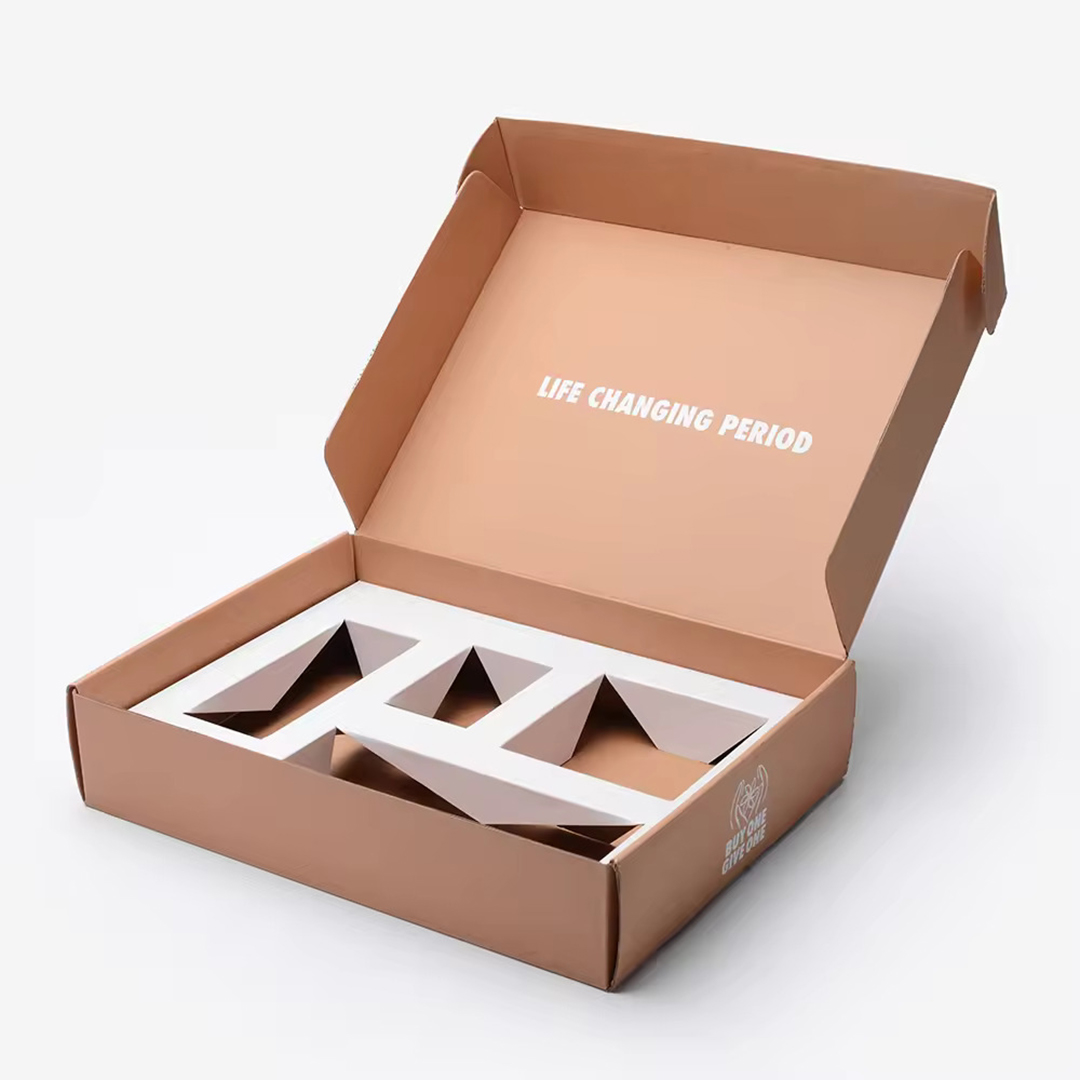
Print and finish options extend beyond the outer faces. Inside printing can add a quiet welcome message, care instructions, or campaign artwork customers see when they first open the box. Coatings such as matte or gloss help protect ink and keep surfaces looking tidy after handling. Spot UV can highlight key areas like logos or special communication zones. Together, these choices allow each mailing box to play two roles at once, protecting contents while also supporting recognition and messaging.
How printing and finishes support customer experience
Printed mailing boxes create a more considered feel when customers receive and unpack their orders. A neat logo on the lid confirms where the parcel has come from, and clear printing of product or brand names can reduce confusion when multiple deliveries arrive on the same day. Good colour reproduction reinforces existing marketing materials, from websites to retail displays. Finishes that resist marking or scuffing help boxes arrive looking cleaner, which subtly supports perceptions of care.
Different box styles, such as tuck-top mailers and flap-front designs, give flexibility in how print layouts are arranged. Side panels can carry text or icons that remain visible even when boxes are stacked. Window cut-outs can reveal a glimpse of inner packaging or product branding while keeping most of the structure protected. Together, these choices allow both small and large businesses to standardise their packaging look across many product lines and shipping destinations.
Branding strengths of printed mailing boxes
- Extends brand presence into the shipping and delivery stage
- Helps customers recognise parcels at a glance in busy environments
- Provides space for clear product names, care notes, and return details
- Supports logistics with printed barcodes, QR codes, or routing tags
- Works with inside printing for a more considered unboxing moment
- Allows campaigns or seasonal themes without changing core structures
- Keeps packaging feeling professional even for smaller order volumes
- Supports both direct-to-consumer and business-to-business deliveries
Planning points for printed mailing box ranges
- Decide which box sizes require full print and which can remain simpler.
- Map logo, text, and icon zones onto lid, sides, and base panels.
- Choose colour approaches that work on kraft, white, or both surfaces.
- Consider where Spot UV or subtle finishes will add the most value.
- Plan inside printing only where it genuinely supports the experience.
- Align all packaging artwork with wider brand guidelines and campaigns.
- Check print legibility and colour under typical storage and handling light.
- Build a small sample set covering all styles before final sign-off.
| Feature focus | Detail | Material options | Print and finish | Branding features | Style options |
|---|---|---|---|---|---|
| Material types | Kraft brown, white premium, corrugated | Recycled or premium board | CMYK and PMS systems | Barcodes, QR codes, product text | Mailer and tuck-top builds |
| Durability | Resists crush and bend in transit | Layered corrugated structures | Digital or offset print methods | Fragile or handling marks | Front or top flap closures |
| Visual impact | Clean, ordered presentation | White or smooth kraft liners | Matte, gloss, or soft-touch coats | Logos, lines, and icons | Windowed or solid panels |
Bulk mailing supply, logistics, and order planning
Large volume orders benefit from clear size planning and sensible dimension ranges. A good spread of small, medium, and large footprints helps minimise void space and padding needs, which keeps materials and labour leaner. Correct sizing also improves stacking in depots, on pallets, and in delivery vehicles. For regular runs, exterior measurements can be planned around common postal limits and carrier guidelines so parcels move through networks smoothly. Consistency in box choice simplifies training for packing teams and makes forecasting more accurate.
Logistics support and production efficiency for mailing runs
A well organised mailing program considers not only box design but also how supply and storage will work week by week. Wholesale options help businesses align unit cost with forecast volumes, whether they are shipping stable order counts or dealing with seasonal peaks. Some operations prefer palletised deliveries of flat-packed boxes, while others rely on staged shipments to match limited storage space. Clear planning ensures that boxes are available when needed, without eating up too much room in back-of-house areas.
Flexible ordering structures support both small batches for new product trials and larger commitments for established lines. Consistent materials and dielines keep production faster on the manufacturing side, which in turn supports quicker turnaround times. When artwork, box styles, and sizes remain stable, reordering becomes a simple process rather than a fresh project. This reliability is important for businesses that depend on regular, predictable dispatch schedules to maintain customer trust.
Advantages of a structured mailing box supply plan
- Aligns box sizes with real product and postage requirements
- Reduces void fill and excess padding for most orders
- Helps keep unit costs predictable through wholesale brackets
- Supports staged deliveries to match storage limits and demand
- Simplifies packing team training around a clear size ladder
- Lowers product damage risk and related return processing
- Integrates with broader packaging plans across the business
- Makes it easier to scale from smaller to larger order volumes
Steps to refine mailing box logistics and ordering
- List all product types and assign likely mailing formats and sizes.
- Check carrier guidelines for key destinations and note any limits.
- Align box footprints to fit commonly used pallets, shelves, and cages.
- Decide which sizes justify double wall or higher strength builds.
- Get pricing for different volume levels and compare across ranges.
- Plan delivery methods, such as pallet drops or split shipments.
- Set simple reorder triggers based on usage patterns and lead times.
- Review performance regularly and adjust sizes or materials as needed.
| Cost or logistics factor | Impact on usage | Control options | Planning tip | Example decision |
|---|---|---|---|---|
| Order volume | Influences unit price and availability | Combine sizes in shared runs | Group related SKUs in one production window | Seasonal ranges using common footprints |
| Box size and depth | Affects material use and shipping fit | Standardise key footprints | Reuse sizes for similar products | Same base size for several apparel items |
| Strength profile | Dictates handling and stacking safety | Mix single and double wall wisely | Reserve stronger builds for heavier bundles | Double wall for tech kits only |
| Coating and finish | Alters scuff and moisture resistance | Apply where conditions demand | Match finish to journey length and handling | Extra coat on long-distance shipments |