





Description
Cardboard Tote Boxes For Retail And Gifting Needs
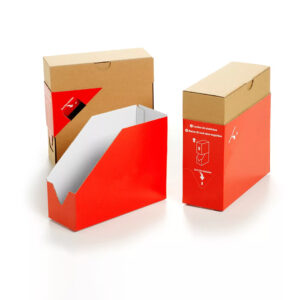
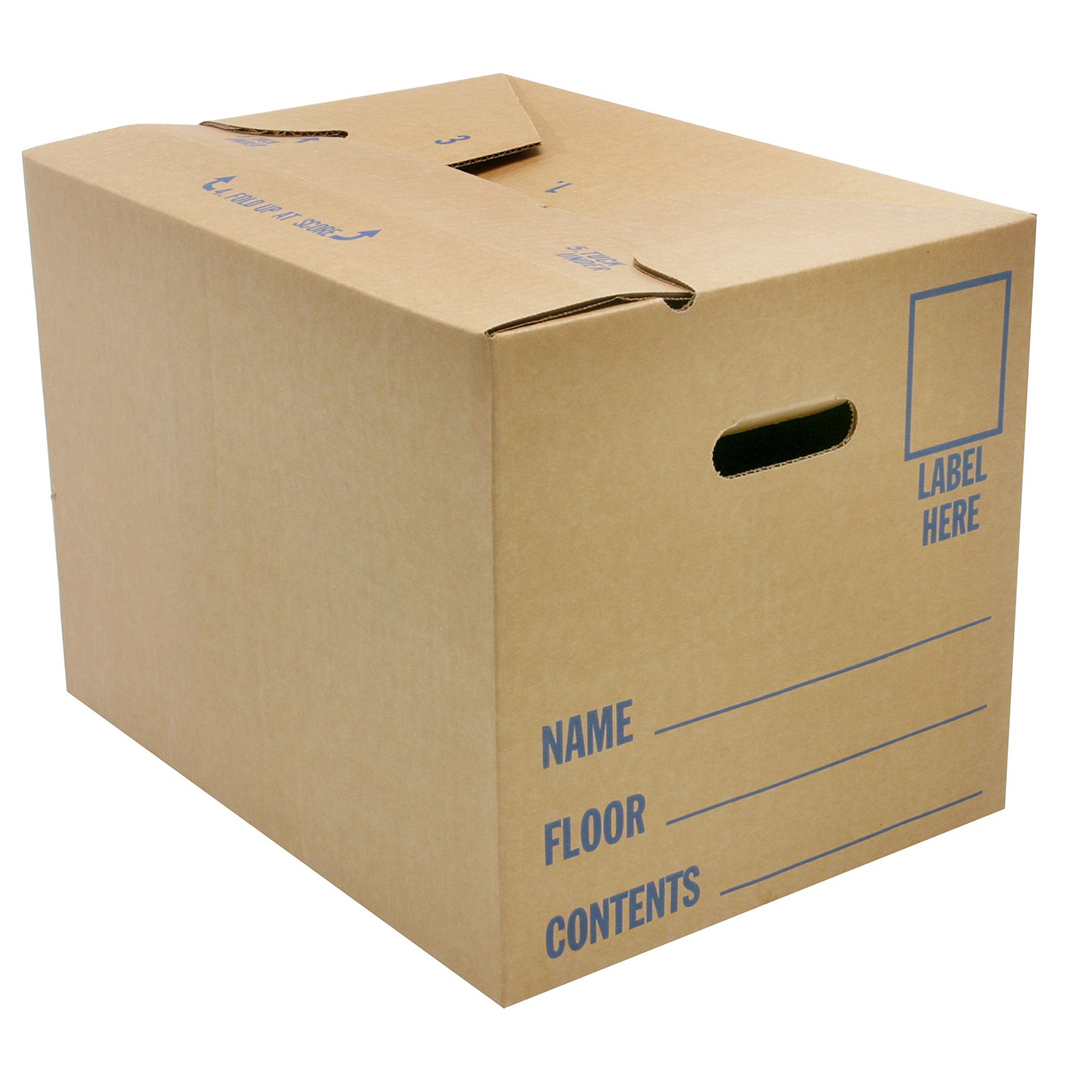
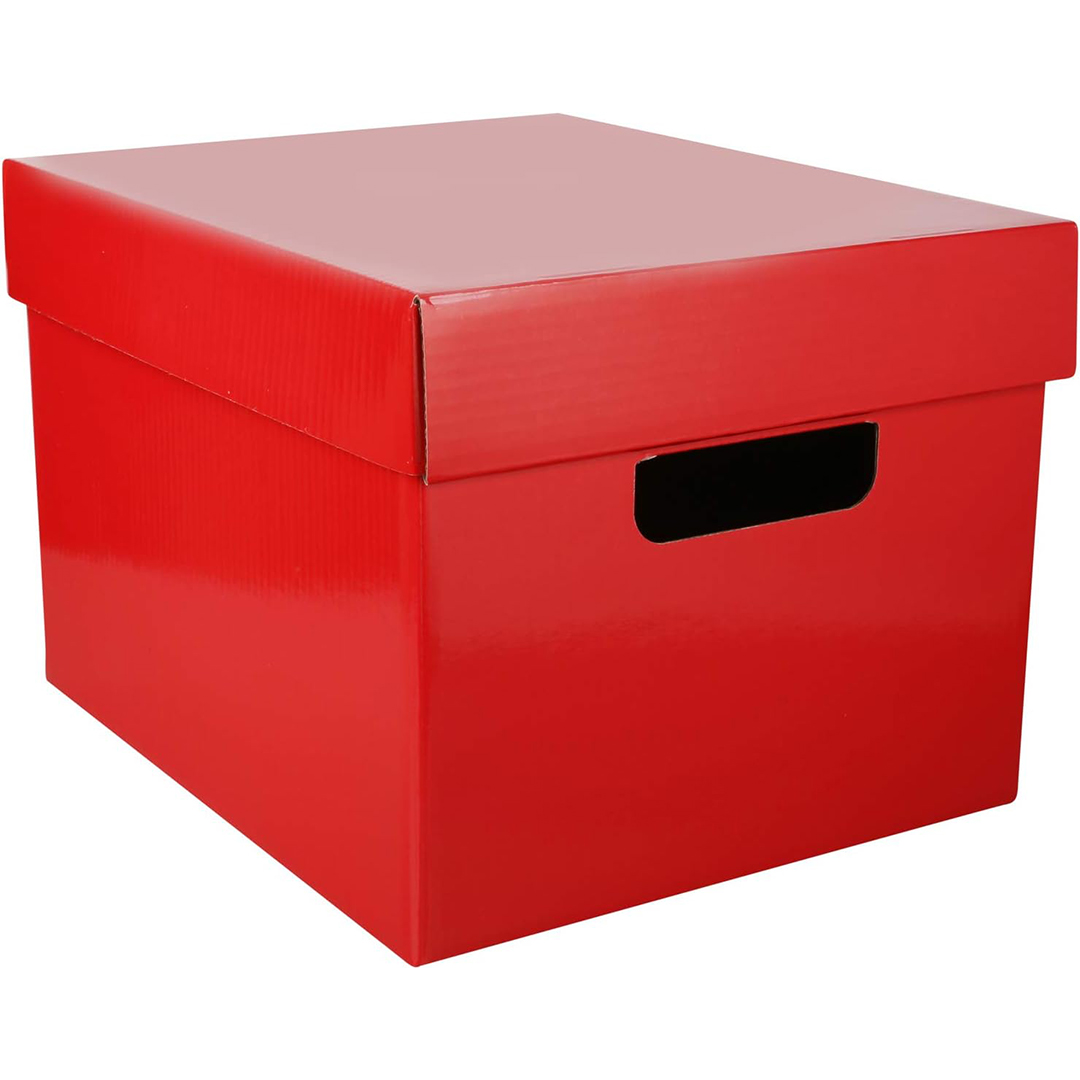
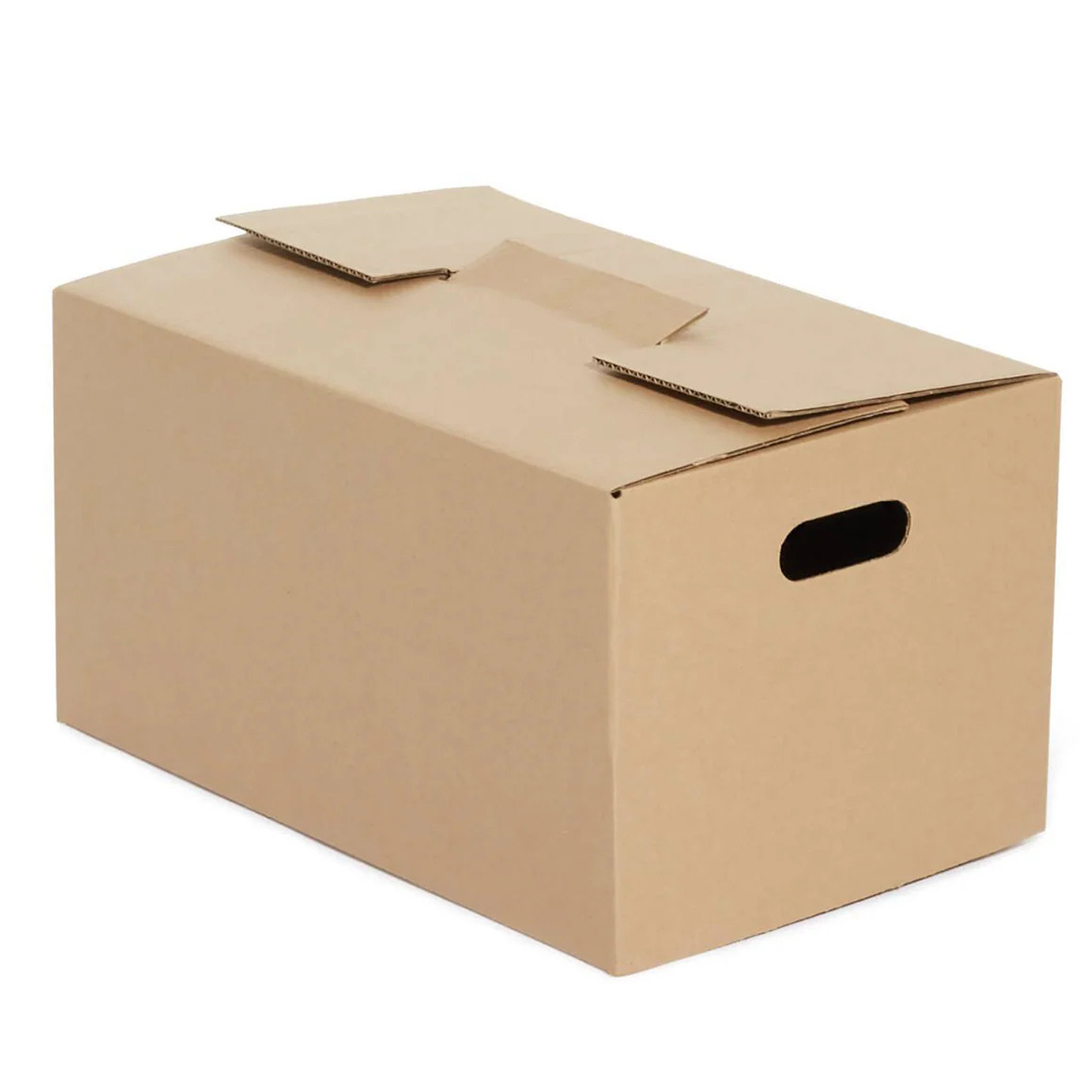
Cardboard tote boxes provide a secure, simple way to move products from counter to customer while keeping everything neat in the hand. Many stores that package small luxury items such as jewelry or keepsakes also rely on Cardboard Ring Boxes so their tiny pieces and larger carry packs both follow the same visual language. Built-in handles allow shoppers to carry purchases comfortably without a separate bag, which keeps the experience straightforward at the till. The light weight and reusable nature of these containers suits shops that want practical packaging with a tidy, finished look.
These tote formats work for retail products, gifting, food delivery, event giveaways, and promotional bundles where presentation still matters. Strong sides help protect contents on the move, while the open interior can handle folded clothing, wrapped food, or boxed items. Customers can set the tote straight onto a desk, counter, or table without needing extra support. Over time, the familiar shape and comfortable handle motion help reinforce a sense of reliability every time people pick up their purchases.
How Tote Style Supports Retail And Takeaway Flow
In busy shops and service spaces, staff need packaging that feels intuitive rather than complicated. Cardboard tote boxes fold together in a few steps, so teams can keep a stack ready near the counter and assemble more as queues form. Once products are placed inside, the handle section rises up and locks into position, giving customers a strong grip even when they are carrying several items. The neat silhouette also looks reassuring in hands and photos, which matters for brand perception.
For gifting and personal use, tote-style packaging feels like a small container rather than a loose bag. Recipients can place the box directly into a car, under a desk, or on a shelf and still feel that the contents are protected. Many people keep these boxes for storage, which quietly extends brand visibility into homes and offices. This balance between convenience and long-term usefulness is one reason tote forms keep returning in modern retail and event planning.
Practical benefits of cardboard tote box packaging
- Helps customers carry purchases without needing extra bags
- Offers a presentable shape for gifts, hampers, and branded bundles
- Supports a wide range of product types across one handle format
- Stacks neatly for storage before and after use in retail spaces
- Encourages reuse as a simple storage box in homes or offices
- Gives staff an easy way to pack varied items during busy periods
- Reduces reliance on single-use plastic carriers in many settings
- Provides clear faces for branding, labels, and product notes
Simple planning steps for first tote box projects
- List the products you intend to place in tote formats across the year
- Group these items by weight range so handle strength stays consistent
- Decide which size families you need for clothing, gifts, or food items
- Map which faces should carry logos, care information, or barcodes
- Check how many built units can fit comfortably behind the counter
- Review how totes will sit in vehicles or delivery bags for transport
- Test a small batch in real service conditions before scaling upwards
- Record feedback from staff and customers for future refinements
| Feature | Feature details | Material options | Finishing choices | Add-ons and features | Usage and application |
|---|---|---|---|---|---|
| Aesthetics | Clean, organised, gift-ready appearance | White cardboard stocks | Gloss or matte surfaces | Clear window cut-outs | Retail and special occasion packaging |
| Handling | Built-in, reinforced carry handles | Corrugated and strong board | Light protective coatings | Extra grip or folded handle sections | Boutiques, bakeries, craft fairs |
| Usability | Lightweight, re-usable structure | Thick kraft board | Soft-touch or natural finish | Quick-assembly base layouts | Promotional items and everyday retail use |
| Printing | Detailed CMYK and PMS branding | Recycled paper content | Spot UV on key areas | QR codes, barcodes, and small icons | Inventory tracking and brand awareness |
Structural Design And Application Versatility
The structure of a tote box has to balance strength, comfort, and speed of assembly. Larger cardboard tote boxes can hold clothing, food hampers, stationery packs, and product kits for both retail and corporate events. Handle sections are reinforced so they can support multiple items without tearing, even when customers hold them for longer periods. A stable base helps the box sit flat on counters, tables, and car seats, which gives users confidence while they are on the move.
Brands often treat tote containers as part of a wider packaging system rather than as a separate piece. In many cases, they sit alongside Cardboard Boxes For Specific Uses, such as bakery carriers, bottle boxes, or display-ready formats, so everything on a shelf or at an event feels connected. The shared material family helps keep colour, texture, and overall appearance aligned between different product categories. This consistency is valuable during seasonal promotions when a large number of items must still feel like they belong to the same brand.
Tote Structure Roles In Events And Multi-Product Kits
At events and in promotional campaigns, tote boxes act as portable containers that keep kits together. Organisers can place brochures, samples, merchandise, and gifts in one box, then hand it directly to guests without extra wrapping. The rigid frame and secure base also support food hampers, allowing several items to travel together without crowding or collapse. This works for staff as well as recipients, because the same format can move from packing tables to transport and then to venue floors.
In retail environments, the same structural logic helps with both back-of-house preparation and front-of-house service. Staff can build boxes in advance and stack them flat or semi-folded until they are needed. When it is time to pack, the structure completes quickly and holds shape without extra tape in many designs. The smooth faces and gently angled sides also display branding clearly when boxes are stacked or lined up at the point of sale.
Structural strengths that support everyday use
- Reinforced handle zones that support varied product weights
- Firm bases that help containers sit flat on counters and shelves
- Side panels that can fold in cleanly without creating weak points
- Flexible volumes that work with clothing, kits, and food bundles
- Simple lock-in flaps to complete the body without complex tools
- Clear faces that act as small standing billboards for the brand
- Ability to integrate windows or dividers without upsetting strength
- Compatibility with a wide family of other box types and carriers
Planning ideas for versatile tote applications
- Decide which events and retail settings will use the same tote sizes
- Combine product families so one structure serves several departments
- Introduce optional dividers for kits that carry multiple components
- Use handle height to balance comfort with overall visual impact
- Check that filled boxes fit under arms or in standard delivery bags
- Match tote proportions to shelves, tables, and display risers
- Design print layouts that still look clear when boxes are stacked
- Keep a record of how different items behave inside the same structure
| Feature | Feature details | Material options | Style options | Strength rating | Eco considerations |
|---|---|---|---|---|---|
| Material base | High-grade paperboard for daily retail use | Kraft, white board | Closed lid or open-top | Single and double wall builds | Recyclable paper fibres |
| Finish options | Added surface protection and visual interest | Corrugated combinations | Gable-style or square base | Lightweight but reliable | Support for responsible sourcing |
| Printing | Direct printing on multiple board types | Recycled content paths | Flat-pack shipping formats | Handles suited to varied loads | Designs that minimise offcut waste |
| Decoration | Tactile and visual enhancement elements | Custom colour boards | Reinforced edges and corners | Secure folding tabs | Reduced reliance on plastic carriers |
Material And Style Choices For Tote Box Programs
Material selection determines how well tote packaging copes with daily use, storage, and transport. For a natural, grounded feel, thick kraft board gives earthy tones that work well with organic products, bakeries, and lifestyle brands. When crisp, bright colour work is a priority, white cardboard allows artwork to stand out clearly on every panel. For heavier items or stacked display units, corrugated stock adds another layer of stability while keeping the tote format recognisable. Many brands plan their cardboard tote boxes wholesale ranges around these core material options.
Different styles support different service patterns without changing the general silhouette. Closed-lid cardboard totes give a secure container for travel or gifting, keeping contents hidden until the moment of opening. Open-top versions help with rapid service, allowing staff or customers quick access to items inside. Window cut-outs let people see the product, while dividers support multi-item kits or delicate arrangements. Together, these choices allow packaging teams to match structure and style to each product family while preserving a shared overall look.
Style Variations That Support Retail And Food Lines
In food and bakery contexts, window panels help customers check items such as pastries, snacks, or small meal kits before purchase. The tote form also suits takeaway and catering because handles distribute weight evenly while keeping the main body of the box steady. Clothing retailers use similar shapes with closed tops for folded garments or accessory bundles. In each case, the handle works as both a practical and visual feature, signalling that the box is meant to be carried comfortably.
Promotional campaigns often rely on striking yet simple tote styles that can be reused after the event. Smooth panels create space for seasonal graphics, slogans, or sponsor logos that remain visible when guests carry the box through venues or public spaces. Optional dividers let teams separate items, such as printed material and product samples, so nothing arrives crumpled. Over multiple campaigns, this flexibility helps marketing teams adapt content without reinventing the base packaging each time.
Material and style benefits for tote ranges
- Gives options that match product weight and handling needs
- Offers natural kraft, bright white, and corrugated looks in one family
- Supports open and closed layouts across both retail and food service
- Allows windows where visual checking helps decision-making
- Provides space for strong colour work and subtle branding alike
- Works with dividers for complex sets or delicate arrangements
- Packs flat in storage, then builds up without specialised tools
- Aligns with sustainable goals when recycled content is specified
Steps for selecting materials and visual styles
- Map your main product weights and handling patterns across the range
- Assign kraft, white, or corrugated options to each weight category
- Decide which lines need closed lids, open tops, or windows
- Plan where dividers will improve protection or layout clarity
- Test handle comfort for different materials and wall strengths
- Review how artwork appears on each board type under real lighting
- Check that folded stacks stay tidy in storage and shipping cartons
- Confirm recycled content targets and end-of-life recycling paths
| Feature | Feature details | Material options | Style options | Strength rating | Eco considerations |
|---|---|---|---|---|---|
| Material choice | Base board matched to product needs | Kraft, white, corrugated | Open, closed, and windowed | Standard and high strength | Recycled and recyclable content |
| Surface finish | Protection against marks and handling wear | Uncoated, matte, soft-touch | Plain or patterned panels | Everyday retail durability | Designed for recyclability |
| Style mix | Range that covers several product roles | Single or mixed substrates | Gable tops, square bases | Load ratings matched to content | Supports reduced mixed-material waste |
| Insert support | Space for dividers and inner supports | Board or card inserts | Fixed or removable layouts | Helps balance weight and movement | Encourages reuse and longer life |
Storage, Office Use, And Volume Supply Planning
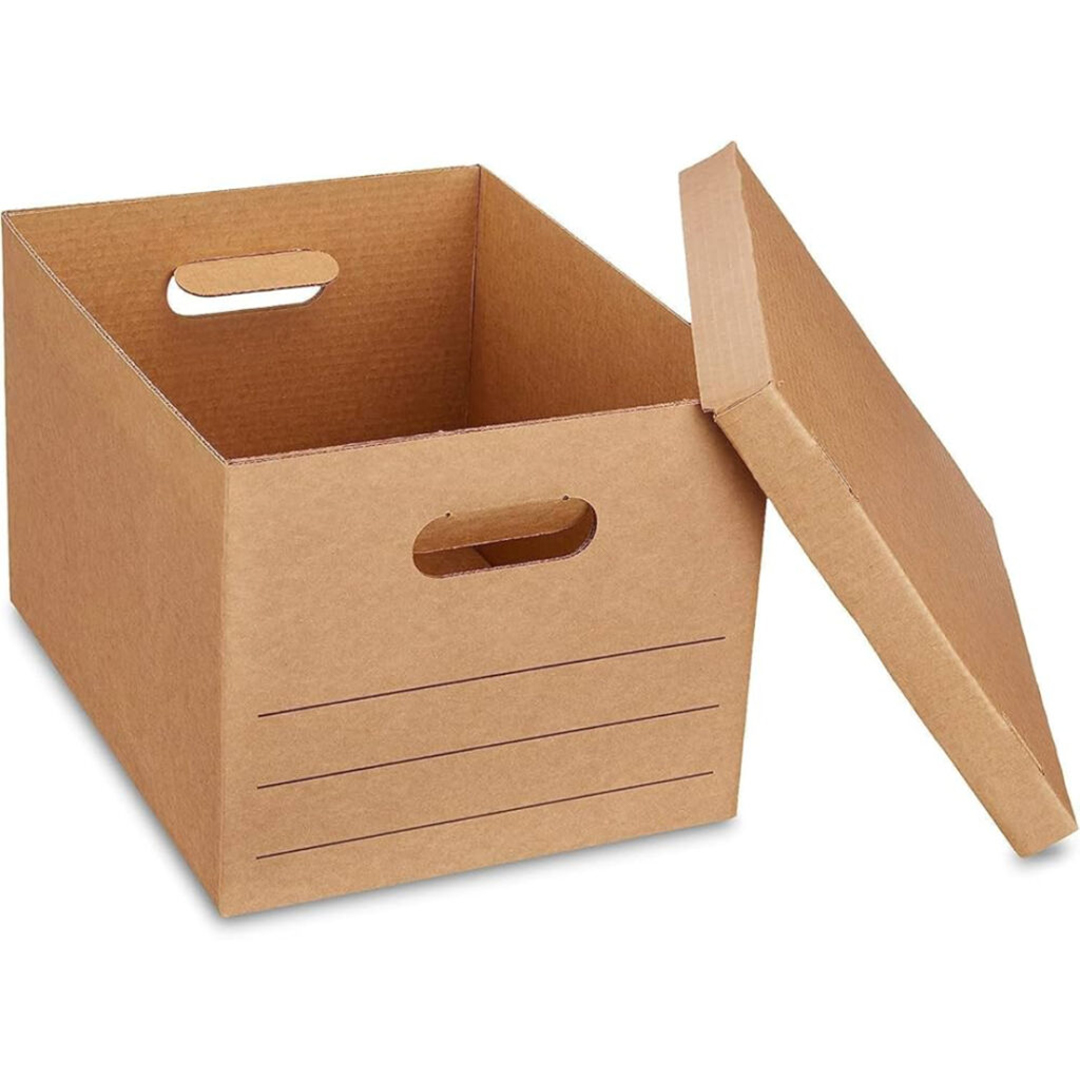
Tote containers also play a role away from retail floors. Many offices and administrative teams use tote-style boxes to move equipment, welcome packs, or paperwork between rooms and events. Some operations use dedicated cardboard file boxes with lids when they need longer-term storage for documents that remain accessible but out of sight. These file-focused totes stack well, label easily, and keep dust away from records while they sit in archives, cupboards, or storerooms. Handles allow staff to carry several folders at once without juggling loose items.
For a broader view of packaging choices, many buyers review full ranges at Shop Cardboard Boxes when they want tote formats that match mailing cartons, product boxes, and display pieces. Having one central source simplifies volume planning and artwork coordination because different structures can share exact or related print layouts. Wholesale supply and consistent print conditions make it easier to maintain a unified brand appearance across retail, office, and event touchpoints. This matters when teams are working with multiple branches or departments.
Logistics, Sourcing, And Repeated Order Management
From a logistics perspective, flat-packed totes offer strong advantages in storage and transport. Pallets and shelves can hold large volumes of folded boxes without occupying unnecessary space. When orders rise, staff can assemble more units as required rather than keeping built boxes permanently on hand. This flexibility supports both steady daily demand and unexpected spikes during promotions, sales events, or seasonal peaks.
For customers who want reliable access to cardboard tote boxes near their location, online ordering and planned replenishment cycles help keep supply smooth. Bulk quantities, combined with clear pricing bands, give purchasing teams confidence when forecasting costs. Many providers offer options such as staged deliveries, allowing companies to receive stock in manageable waves. This reduces pressure on storage facilities while making sure that packaging is ready when products or events need it.
Advantages of tote formats in storage and logistics
- Flat-packed designs save warehouse and stockroom space
- Built units stack neatly on trolleys, shelves, or pallets when required
- Label areas help teams identify contents quickly during movement
- Handle shapes make it easier to carry heavier or bulky items
- Strong walls resist compression when loaded carefully in transit
- The same core formats can serve retail, office, and event roles
- Reusable structures extend value beyond a single use
- Coordinated supply simplifies procurement for larger organisations
Planning points for sourcing and volume programs
- Review annual and seasonal demand to estimate realistic order volumes
- Arrange pallets or shelf space for flat-packed stacks in each location
- Decide which lines require file-style lids and which can stay open-topped
- Coordinate print runs so several tote sizes share related artwork
- Check how many built units can be prepared at once without crowding
- Consider phased deliveries for high-volume or multi-site programs
- Monitor how totes behave in real logistics routes and adjust sizes as needed
- Keep records of successful configurations as templates for future orders
| Feature | Feature details | Material options | Load capacity | Resistance to | Usage environment |
|---|---|---|---|---|---|
| Dimensions | Custom sizes for products or records | Kraft, white board, corrugated | Handles aligned to realistic weights | Tearing at stress points | Retail stores, offices, event venues |
| Strength | Lightweight but dependable build | Single and double wall | Stacking when empty or lightly loaded | Scuffing and surface marks | Gifting, promotional, and archive uses |
| Closure | Options for open, tab, or lid formats | Thick paperboard grades | Consistent load support when carried | Moisture with suitable coatings | Food deliveries and welcome packs |
| Assembly | Quick, manual folding for teams | Flat-stock corrugated or board | Suitable for longer storage periods | Compression under controlled loading | Corporate moves, storage, and repeat events |