






Description
Large Cardboard Tea Packaging Boxes For Organised Brands
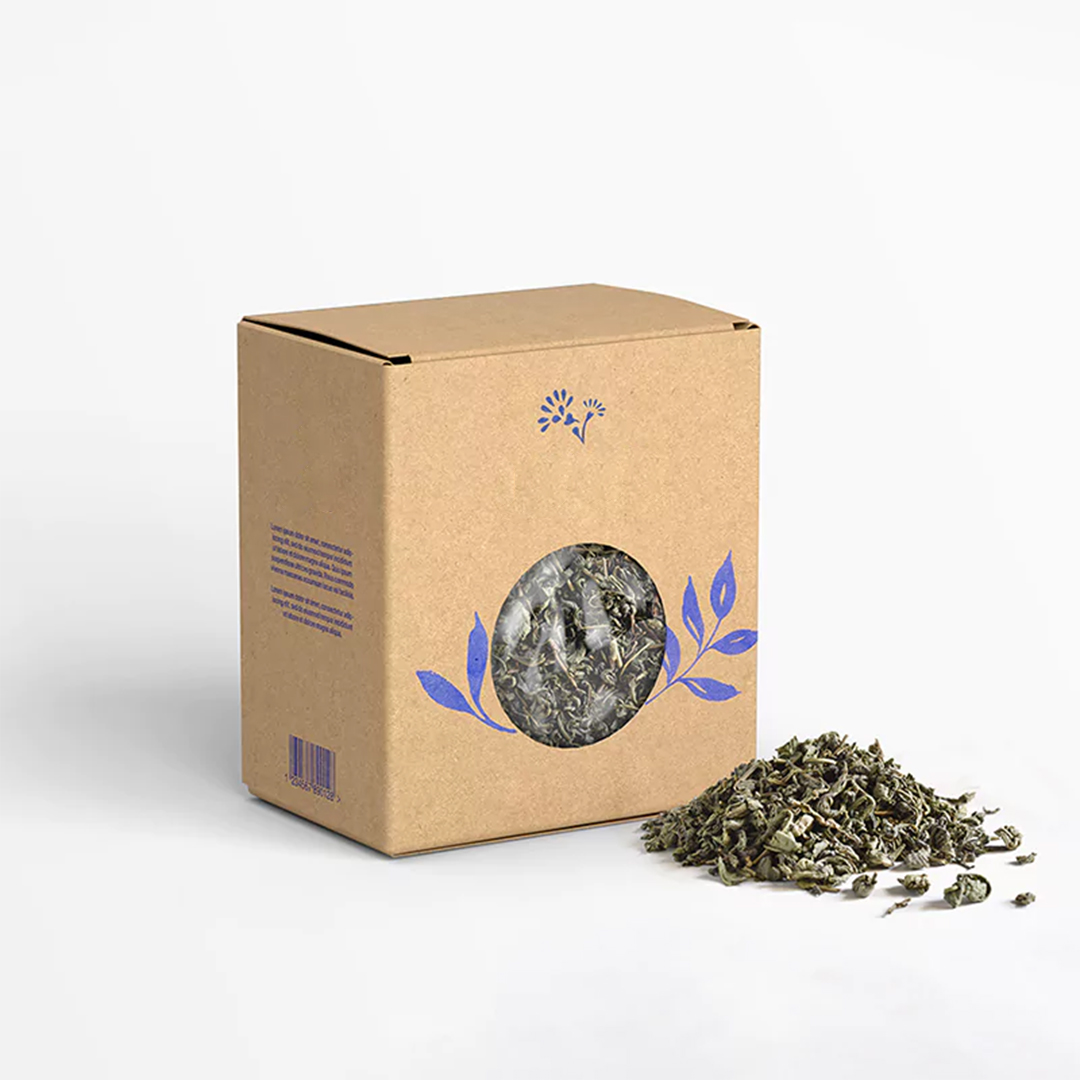
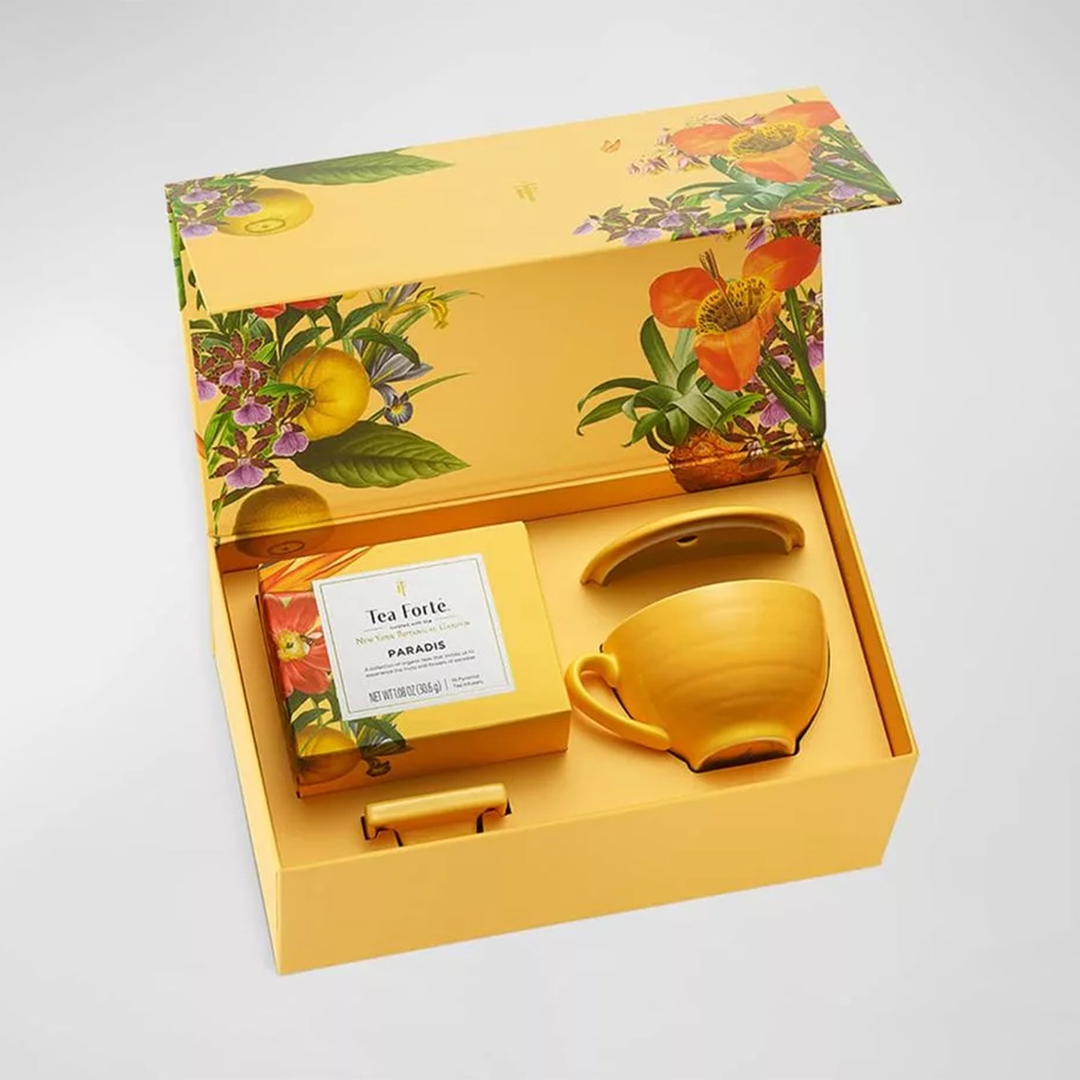
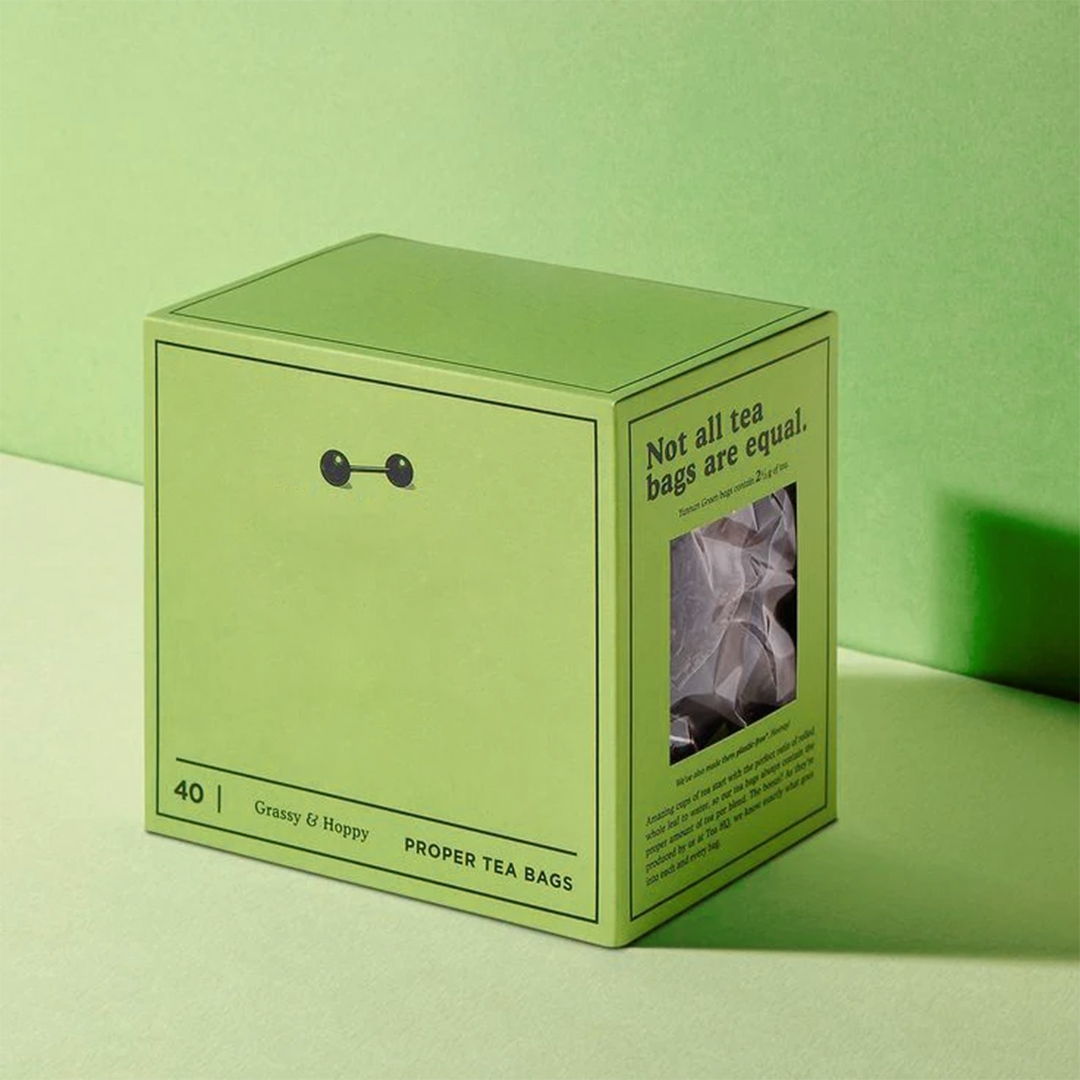
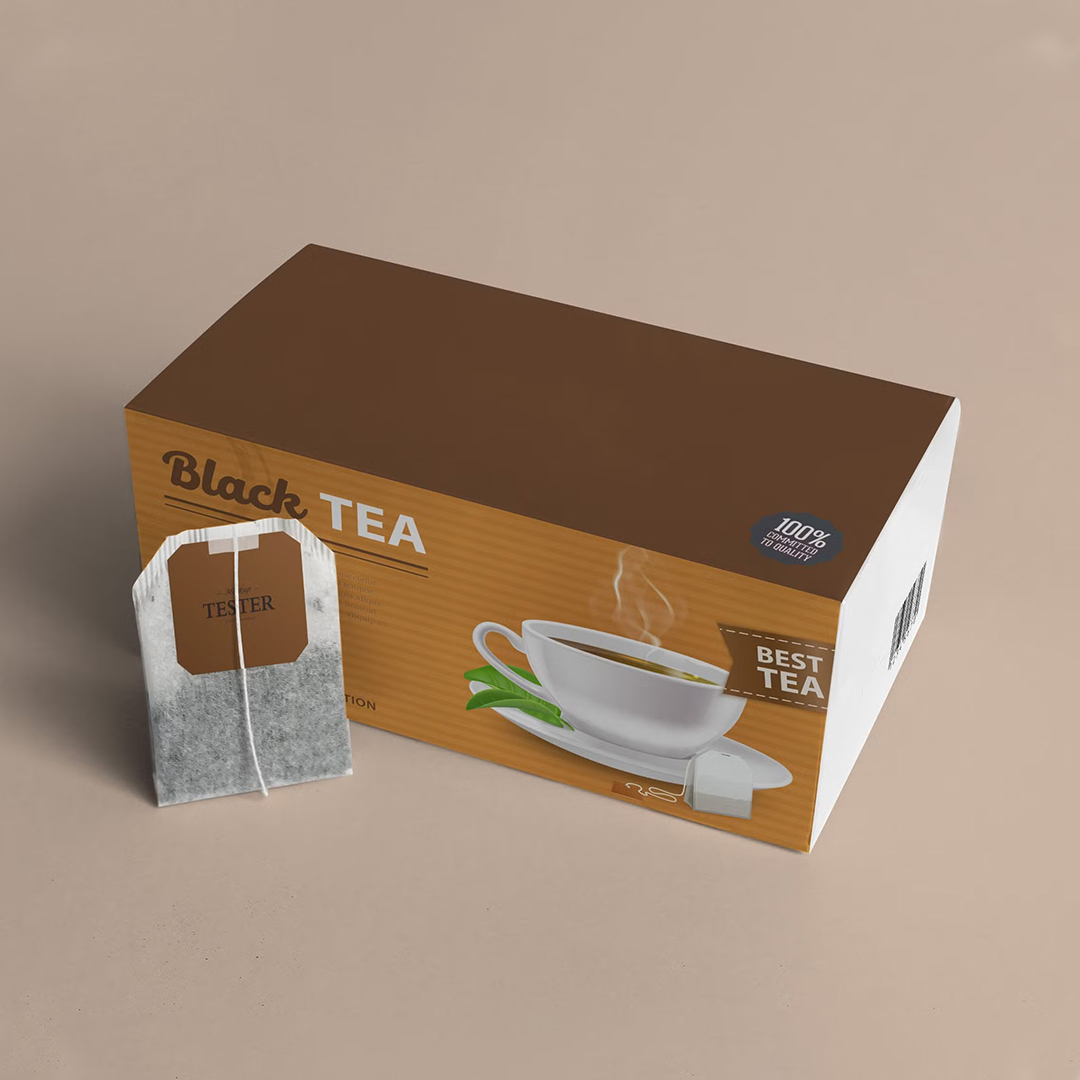
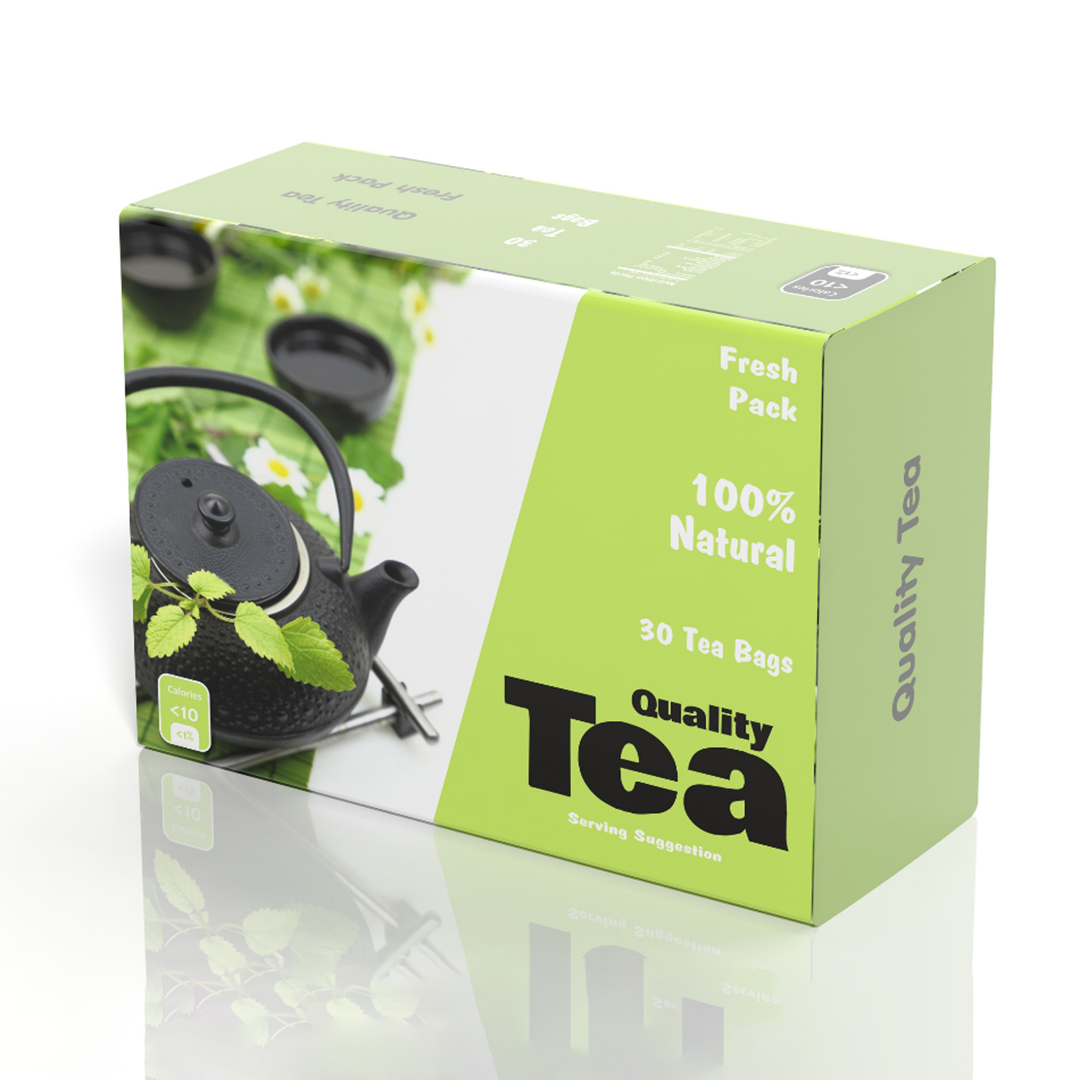
Cardboard tea packaging boxes give tea brands a structured way to pack loose-leaf blends, sachets, and sampler sets for both retail shelves and online orders. Many hot beverage ranges plan packaging for items such as Cardboard Coffee Packaging Boxes and tea cartons together so carton proportions, stacking behaviour, and handling stay consistent across related products. Cardboard tea packaging boxes wholesale programs cover long runs, while smaller batches of cardboard tea packaging boxes for sale and cardboard tea packaging boxes bulk are used when testing new blends or managing limited quantities. These cartons stay firm in storage, keep panels ready for printing, and support tea box packaging design that communicates flavour, origin, and brewing style clearly.
Tea brands often keep cardboard tea packaging boxes empty until filling begins, so the layout must be easy for staff to assemble during busy production windows. Strong creases and stable closures help cartons hold individual sachets, foil pouches, or inner bags without sagging. When box sizes are planned carefully, tea packs line up neatly in shippers, shop fixtures, and subscription mailers, making stock checks and refills more predictable. This combination of organised structure and consistent print areas makes cardboard tea box packaging wholesale suitable for small speciality shops as well as larger tea companies.
How Cardboard Tea Cartons Support Aroma, Freshness, And Handling
Tea leaves are sensitive to moisture, odours, and direct light, so the outer carton should support the inner barrier rather than replace it. Cardboard tea packaging boxes work alongside foil or barrier pouches by shielding them from abrasion, edge compression, and prolonged light exposure. When the internal dimensions are matched to typical pouch sizes, there is enough room for the inner pack to sit comfortably without excessive movement that might damage tags, strings, or seals.
Key Packaging Benefits For Daily Tea Storage And Retail
- Holds loose-leaf pouches, sachet sleeves, and sampler sets in stable rows
- Smooth outer panels support detailed artwork and regulatory text
- Works with inner barrier packs to support flavour and aroma protection
- Helps tea shelves stay organised across multiple blend families
- Adapts to cardboard tea packaging boxes empty or pre-packed workflows
Simple Steps For Loading Tea Pouches Into Cartons
- Confirm pouch size and stacking plan, then select a carton footprint that supports the chosen count.
- Pre-fold base and side panels along crease lines so the carton opens quickly during filling.
- Place each pouch or sachet stack inside, keeping tags and strings aligned to avoid tangling.
- Close top flaps in a consistent sequence so faces align in shippers and on shelves.
- Group completed boxes into outer cases, arranging faces in one direction for easier identification.
| Feature Focus | Description For Tea Pack Handling | Material Options Used For Tea Cartons | Surface Finish Choices For Print And Feel | Extra Elements That Support Tea Brands | Typical Usage Within Tea And Food Channels |
|---|---|---|---|---|---|
| Structural Support | Holds filled tea pouches upright with reduced corner crush | Kraft, SBS, recycled board combinations | Matte, gloss, or soft-touch outer panels | Locking bases and steady sidewalls | Loose-leaf tins with outer sleeves, sachet assortments, mixed tea kits |
| Aroma Protection Aid | Works with inner foil or barrier bags to limit light and rubbing | Food-contact-appropriate substrates and liners | Coatings that resist scuffing on shelves | Optional cut-outs that show inner pouch without large openings | Grocery aisles, health stores, online tea parcels |
| Shelf Organisation | Provides consistent outer dimensions for multiple blends | Smooth white board or natural kraft | Finishes that accept crisp typography and fine lines | Areas reserved for blend name, icons, and brewing steps | Retail fixtures, gifting gondolas, subscription assortments |
Wholesale Cardboard Tea Packaging Boxes For Growing Brands
As tea companies expand, they often move from a few mixed pack sizes to a planned set of cardboard tea packaging boxes wholesale that match different weights, sachet counts, and routes to market. Consistent footprints make it easier to manage cardboard tea packaging boxes bulk orders for core blends while still running smaller batches for limited editions. During range planning, many teams align tea carton footprints with other food packaging, for example, with dimensions used in Food Related Cardboard Boxes, so herbal infusions, snacks, and gift treats can share hampers and display trays with a better fit. Stable dimensions also support pallet layouts and courier cartons, making packing and shipping more predictable.
Planning Tea Box Packaging Design For Different Tea Ranges
Tea box packaging design serves multiple needs at once: brand teams, regulatory reviewers, and end customers. Front faces often carry the blend name, type of tea, and a short descriptor, while side panels support ingredients, brewing charts, and storage advice. Top panels may use icons for black tea, green tea, herbal infusions, or fruit blends so staff can recognise cartons quickly when shelves are crowded. When layout rules are documented in a consistent system, new products can be added without reworking the full structure each time.
Customisation Options Tea Suppliers Often Request
- Additional internal flaps to stabilise sachet stacks or tin inserts
- Alternate closures suited to shelf display, online shipping, or hanging formats
- Windows or cut-out shapes showing sachet wrappers or tin lids
- Dedicated zones for brewing time charts and temperature icons
- Areas reserved for origin narratives, wellness notes, or seasonal stories
Checks Before Confirming Bulk Tea Box Production Runs
- Review the blend list and assign each product to a defined footprint or size family.
- Confirm inner pouch or sachet formats so stacks fit without excessive space.
- Match board grades to the heaviest expected fill and to shipping routes and handling.
- Align the tea box packaging design templates with printer requirements and colour targets.
- Approve physical mockups under store lighting conditions before finalising the run.
| Feature Focus | Description Within Wholesale Tea Programs | Material Options Suitable For Batch Work | Surface Finish Guidance For Branding | Extra Elements That Support Flexible Use | Typical Application Across Tea Operations |
|---|---|---|---|---|---|
| Range Planning | Group multiple tea weights into a small set of carton sizes | Brown Kraft, coated SBS, recycled mixes | Soft matte or balanced gloss for repeated handling | Shared dielines and internal supports | Core blends, wellness ranges, sampler collections |
| Branding Space | Keeps front faces open for logos, names, and images | Smooth SBS or high-grade kraft | Gloss for stronger colour blocks, matte for text-led panels | Tear notches, tidy side-panel shapes | Supermarkets, speciality boutiques, department store tea walls |
| Production Scheduling | Links print runs to seasonal and permanent products | Recycled and virgin board combinations | Finishes suited to repeated handling on packing lines | Batch coding zones, interior printing if required | Year-round favourites, holiday teas, limited-edition collaborations |
Cardboard Tea Packaging Boxes For Branding And Shelf Organisation
In retail and online catalogues, cardboard tea packaging boxes should support quick identification and clear reading. Front panels often combine blend names, strength indicators, and small visual cues that differentiate calming infusions from breakfast teas. When cartons align in rows, colour blocks and icons remain consistent across the shelf rather than only on single packs. This makes cardboard tea packaging boxes wholesale usable in both high-traffic aisles and smaller boutique displays.
Because these packs carry both range information and preparation details, layout choices affect how easily people compare options. Many companies align tea carton sizes and design grids with structural rules used for Custom Cardboard Boxes, so typography, colour blocks, and icon systems stay consistent across different product types. When cardboard tea packaging boxes for sale follow the same panel hierarchy as other hot beverage or snack packs, photography and merchandising workflows remain more consistent. Stable structures that keep edges straight also keep print readable after repeated handling in stores, cafés, and home kitchens.
How Tea Box Packaging Template Ideas Guide Design Work
Once a basic tea box packaging template is defined, it acts as a reference for future blends and collaborations. Designers know where the main name, origin line, and brewing icons sit, while teams can plan short messages that fit the available space. This reduces layout guesswork and keeps panel order consistent across the range.
Branding Elements Tea Companies Often Like To Include
- Logos positioned where thumbs and shelf edges are unlikely to obscure them
- Strength or mood indicators using numbers, dots, or short phrases
- Brewing method guidance, such as cup, teapot, or cold-brew icons
- Colour bands or panels that differentiate black, green, herbal, and fruit blends
- Short tasting notes that describe aroma, body, and finish in everyday language
Ways Tea Box Packaging Wholesale Supports Range Planning
- Shared carton sizes help multi-pack and gift sets align with standard products.
- Coordinated colour systems make it easier to organise sub-ranges such as seasonal lines.
- Predictable front-panel structure simplifies photography for catalogues and online listings.
- Reusable design grids shorten the time needed to brief internal teams and printers.
- Stable packaging supports consistent storytelling across multiple product releases.
| Feature Focus | Description For Branding And Shelf Performance | Material Options For Visual Quality | Surface Finish Choices For Overall Feel | Extra Elements That Refine Presentation | Typical Usage In Tea Branding Strategies |
|---|---|---|---|---|---|
| Brand Visibility | Keeps key messages readable in crowded tea fixtures | SBS, coated or uncoated kraft boards | Gloss for clearer imagery, matte for text-led panels | Coordinated spine designs and colour bands | Supermarket tea aisles, boutique shelf displays, e-commerce photography |
| Flavour Signalling | Helps shoppers recognise blend type and strength quickly | Natural kraft or smooth white substrates | Matte that supports fine line work and calm layouts | Printed icons, rating scales, small flavour badges | Subscription boxes, curated tasting sets, gift selections |
| Display Resilience | Supports longer shelf periods without losing structure | Thicker board for repeated handling and movement | Soft-touch or low-sheen options that hide light scuffs | Perforated openings or controlled tear panels where needed | High-traffic stores, self-serve areas, hospitality service points |