






Description
Cardboard POP display boxes guiding retail sales
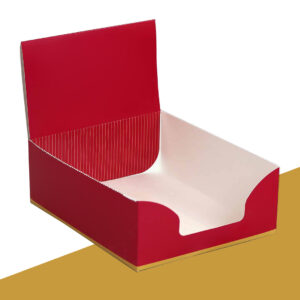
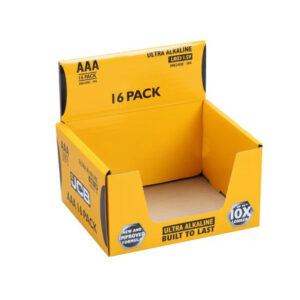
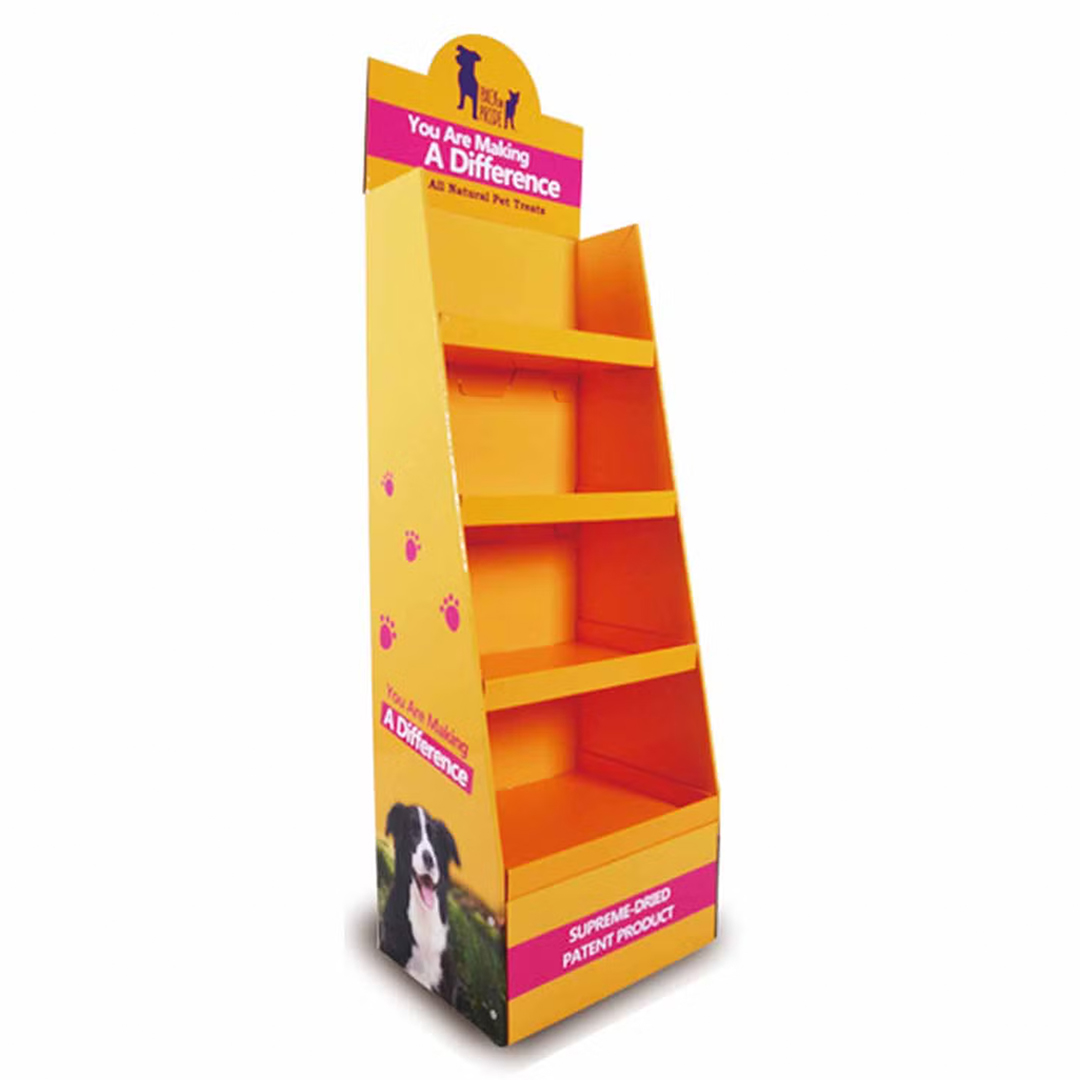
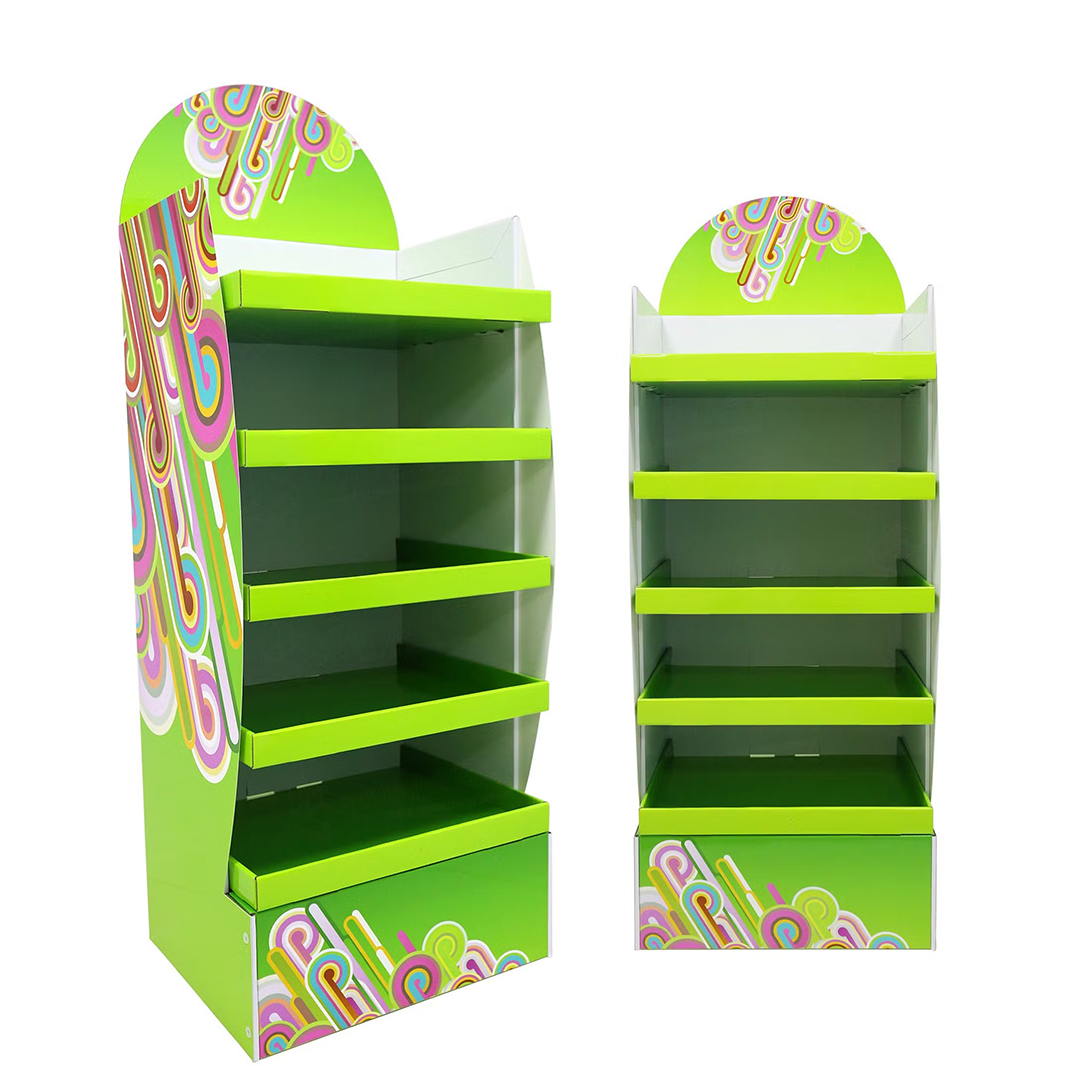
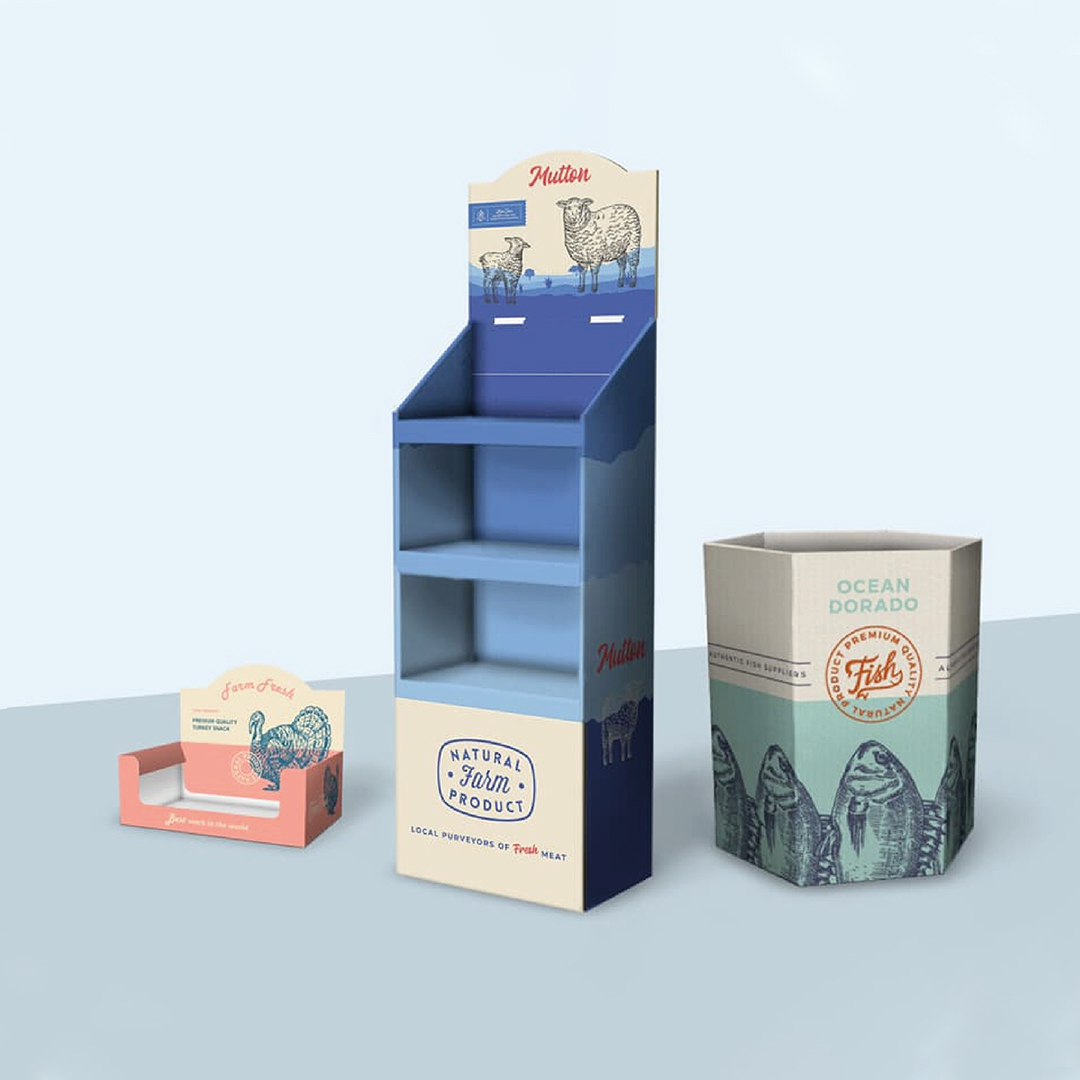
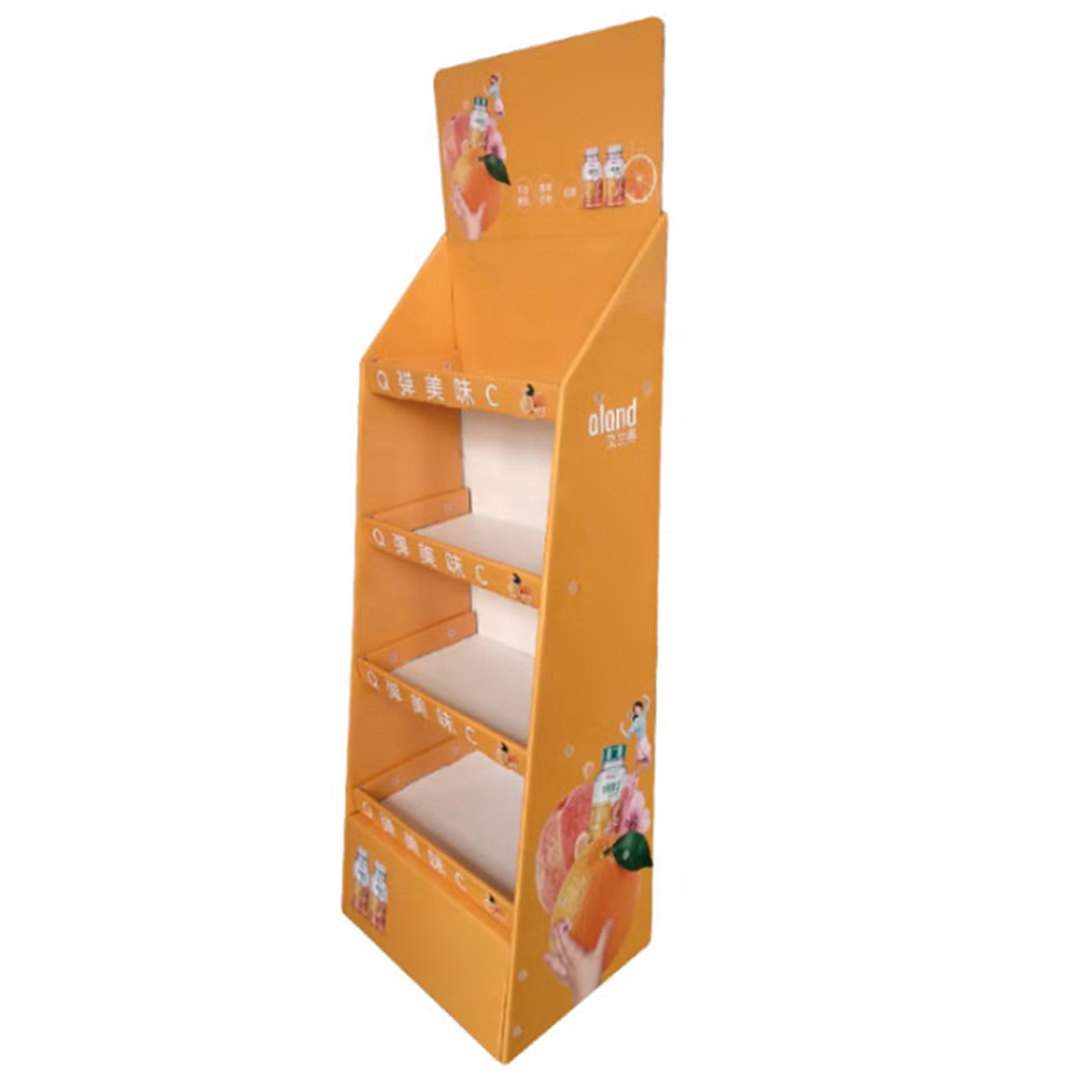
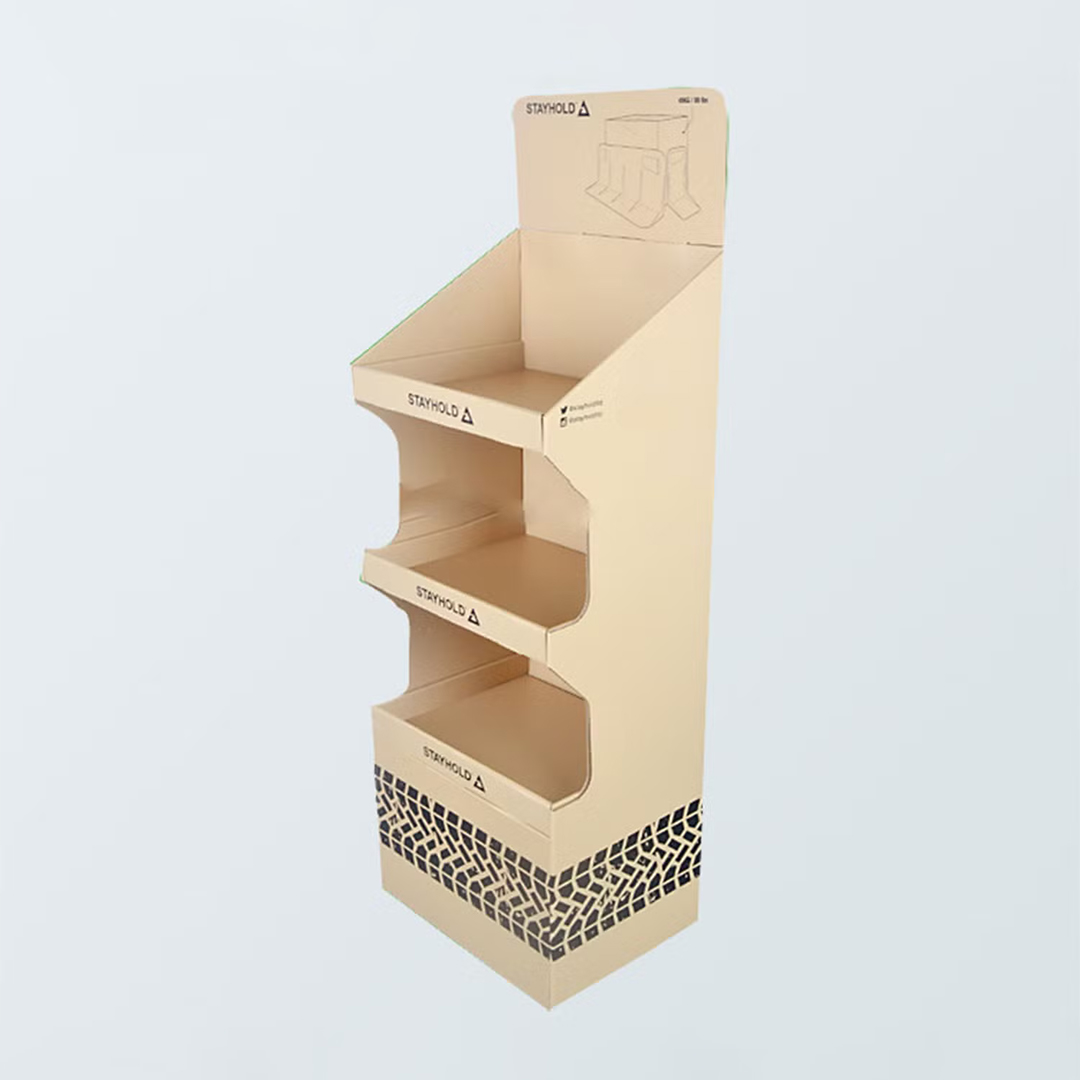
Cardboard POP display boxes help brands and retailers present small products in a focused way that nudges impulse buying without wasting shelf space. In many store layouts, Cardboard Shelf Ready Packaging works together with Cardboard POP Display Boxes so pallets, backroom shelves, and counters all share a consistent display style. Custom cardboard display stands made from strong board allow cosmetics, snacks, accessories, and gadgets to sit at eye level or at the checkout where shoppers naturally pause. Cardboard pop display boxes for sale give you a defined footprint for promotions, seasonal ranges, and launches while still keeping stock counts simple. Free standing cardboard displays and Cardboard counter display boxes built on the same core ideas keep campaigns flexible without constant redesign.
Behind the scenes, these units are part of a wider merchandising strategy rather than one-off props. Cardboard display Boxes Wholesale ranges help store planners standardise heights, depths, and pockets so products line up clearly across different stores. When teams re-set aisles or front-of-store zones, they can lift and move whole displays instead of rebuilding shelves from scratch. This saves time, keeps signage and pricing aligned, and reduces the chance of messy zones where shoppers struggle to see what is on offer. A well-planned mix of floor units, counter units, and small shelf headers makes it easier to balance visibility with smooth traffic flow.
How POP displays shape shopper attention and choice
Shoppers rarely read every label on a crowded shelf, so they rely on colour, shape, and position to decide where to look. Cardboard POP display boxes act as small stages that pull similar items together within that busy environment. When products sit in neat rows on a raised front lip, they look easier to browse than a loose group on a flat shelf. Many brands notice that when they move key SKUs into Custom cardboard display stands near the decision point, conversion lifts without any change to the product itself.
These displays also help answer silent questions shoppers bring to the aisle. When related items share one Cardboard POP unit, the range feels clearer and easier to compare. A shopper wondering which flavour, size, or pack format to try can scan a single stand instead of multiple scattered positions. For retailers, that means less time re-facing shelves and more time helping customers with genuine queries. For brands, it turns a small footprint into a focused conversation space that highlights a carefully chosen set of SKUs rather than a confusing wall of options.
Practical benefits from cardboard POP display layouts
- Presents grouped products in tidy, repeatable arrangements that stay clear during busy periods
- Keeps key SKUs at eye or hand level where shoppers naturally pause before deciding
- Reduces shelf clutter by moving small packs into structured pockets and tiers
- Supports seasonal or short-run themes without changing fixed shelving hardware
- Helps store staff reset promotions quickly when campaigns or price points change
Steps to roll out new POP displays across locations
- Identify the products, pack sizes, and ranges that benefit most from focused in-aisle or counter visibility.
- Define positions for Free standing cardboard displays, counter units, and small headers within each store layout.
- Approve a Cardboard display stand Template that sets base dimensions, tier counts, and branding zones.
- Test the new displays in a small group of stores, measuring ease of setup and early sales impact.
- Roll out refined versions to additional locations, using a simple planogram and guidance pack for staff.
| Display focus | Description of display purpose | Material options for box and stand bodies | Print and finish choices on visible panels | Structural extras for merchandising control | Best suited store environments and locations |
|---|---|---|---|---|---|
| Counter impulse trays and mini stands | Compact units for checkout and service counter add-on products | Corrugated board in light to medium grades | Smooth white or kraft with gloss or matte layers | Tiered pockets, raised lips, ticket or price holders | Convenience counters, pharmacy tills, bakery checkouts |
| Floor standing tower and dump bins | Taller Free standing cardboard displays with strong bases | Medium to stronger corrugated grades | Full-colour wraps with optional highlight zones | Reinforced bases, side wings, optional header boards | High-traffic aisles, seasonal islands, end-of-gondola spaces |
| Shelf clip-on or header modules | Add-on units placed in front of or above existing shelving | Light to medium fluted board combinations | Coordinated colours matching shelf labels | Clip features, folded hooks, shallow front trays | Aisle interrupters, category signposting, cross-merch sections |
Cardboard pop display boxes wholesale planning for brands
Cardboard pop display boxes wholesale programs give marketing and trade teams a repeatable structure for promotions instead of one-off designs that are hard to re-order. Many planners group their display types by product family and sales channel in the same way they group cartons through Cardboard Boxes For Specific Uses. This makes it easier to decide when to choose compact Cardboard counter display boxes, when to deploy tall towers, and when to add small bridge units above regular shelving. Cardboard pop display boxes wholesale runs help align costs with clear volumes, so campaigns can be scaled to national or regional levels with less guesswork.
Wholesale planning is not only about unit price; it is also about how fast displays can be set up and refreshed. When each style arrives pre-creased with clear assembly steps, store staff can move from flat pack to finished stand in minutes. Cardboard pop display boxes for sale in a well-structured range share similar folding logic even when their shapes differ, which keeps training simple. Multi-SKU stands can be planned so that pockets accept different pack sizes across seasons, giving designers more freedom while keeping the underlying footprint stable. Over time, this reduces the number of completely new structures that need to be engineered.
Comparing POP units with other cardboard display formats
POP units tend to work alongside other merchandising tools rather than replacing them. Fixed shelving, dump bins, pallet skirts, and hanging units all have roles, and Cardboard POP Display Boxes sit at the point where the shopper’s attention is most focused. Compared with plain shelf facings, a POP unit adds height, shape, and messaging without demanding permanent changes to the aisle. Compared with rigid long-term fixtures, it is easier to ship, store, and adapt for short campaigns.
There is also a difference in how data is used. Because POP units are often linked to a specific promotion window, brands can track uplift before, during, and after each wave. Cardboard display Boxes Wholesale ranges with consistent sizes and branding zones make it easier to keep this data clean across multiple markets. When designers work within a shared Cardboard display stand Template, they can test different graphic approaches without changing the underlying structure, which keeps logistics smooth while still allowing creativity. This blend of stability and controlled change is one of the reasons POP remains a core tool in many trade plans.
Wholesale planning points for display programs at scale
- Group SKUs and channels so each POP style has a clear role across the brand plan
- Limit the number of structural families while allowing varied graphic themes
- Decide which stands ship flat and which may ship pre-assembled for special channels
- Coordinate logistics so displays arrive aligned with promotional stock and signage
- Update range plans after each season using sales and setup feedback from stores
Steps to set up a repeatable POP wholesale structure
- Audit current displays to see which shapes and sizes already perform well across regions.
- Select core families such as floor towers, counter trays, and mid-shelf bridges to standardise.
- Work with design teams to build artwork guidelines that fit each structural family.
- Agree volume breaks and lead times for different markets so planning cycles stay realistic.
- Review each campaign wave, refining display mixes based on measured uplift and staff feedback.
| Wholesale planning focus | Description of planning need | Preferred material strength and grade | Print and surface finish direction | Structural features that simplify rollout | Ideal brand or retailer situations where this applies |
|---|---|---|---|---|---|
| National promotion for core SKUs | One design used across many outlets with consistent messaging | Medium-strength board suitable for mass runs | High-coverage CMYK with protective matte or gloss | Standardised folds and shared header sizes | Grocery chains, pharmacy networks, multi-outlet fashion |
| Channel-specific premium displays | Higher impact stands reserved for key partners or flagships | Stronger board with smoother outer liners | Enhanced print detail with spotlight areas | Additional shelves, product stops, and side wings | Electronics, beauty, and specialist retail environments |
| Agile test-and-learn display cycles | Smaller runs used for concept testing and limited launches | Flexible board choices matched to trial volume | Fast-turnaround digital print with simple layouts | Modular pockets or sleeves that adapt between tests | Emerging brands, seasonal ranges, and regional-only offers |
Free standing and counter cardboard display ideas for stores
Free standing cardboard displays and compact counters give retailers the tools to build themed zones without investing in metal or wooden fixtures. Many brands coordinate these flexible units with outer cartons, shipping packs, and sample boxes ordered through Cardboard Packaging Boxes so the supply chain keeps displays and stock aligned. A family of Custom cardboard display stands can cover tall floor towers, waist-level modules, and Cardboard counter display boxes that sit near payment points. When all three styles share similar visual language, shoppers recognise the range quickly across different parts of the store. Cardboard pop display boxes for sale in this family can be adjusted in height, width, or compartment layout while still using the same basic footprint.
Practical design details have a big impact on how these units behave day to day. Clear base stability, sensible reach heights, and shelf depths that match pack sizes all matter more than dramatic shapes that are hard to refill. Free standing cardboard displays designed with real traffic flow in mind stay out of pinch points while still claiming useful floor space. Where stores have limited room at the front, slimline towers or hanging headers might carry the brand message, while Cardboard counter display boxes handle impulse packs. The result is a display system that feels like part of the store rather than a temporary add-on that gets in the way.
How design choices support daily POP display operations
Design teams often start with mood boards or 3D visuals, but operations teams think in terms of loading, replenishing, and recycling. A workable Cardboard display stand Template connects those viewpoints by locking in safe heights, clear pack counts, and easy fold patterns before artwork is finalised. Simple shapes with well-placed graphics make products easier to recognise at a glance, which is vital in busy aisles. When shelves and pockets are sized around real pack dimensions rather than rough guesses, units stay neat longer between refills.
Cardboard pop display boxes wholesale runs can incorporate small adjustments without re-engineering everything. For example, a header shape might change to suit a new campaign while the main body stays identical, keeping packing lines and pallets consistent. In other cases, a brand might create several pocket layouts that all fit the same base footprint, so the same stand can hold different SKUs by swapping an insert. Planning these options ahead of time keeps later campaigns flexible without restarting the design process. It also allows brands to answer common user questions like “Can this stand hold a heavier product?” or “Can we adapt this layout for another channel?” with confidence.
Everyday benefits from well-designed POP and counter units
- Helps staff refill units quickly because pockets, tiers, and shelves are easy to reach
- Keeps branding, pricing, and product faces aligned in a clear, repeatable layout
- Supports both hero SKUs and smaller add-on items within one connected family
- Allows fast switching between campaigns using pre-agreed header and graphic zones
- Simplifies recycling and end-of-life handling compared with permanent fixtures
Steps to integrate POP units with finishing and service support
- Decide which display bodies will be used long-term and which are reserved for special campaigns.
- Choose coating options such as gloss or matte that protect print while suiting the brand look.
- Plan where Spot UV or similar highlights might help key logos or icons stand out on headers.
- Confirm service terms covering free design support, sampling, and shipping arrangements.
- Align lead times with promotion calendars so fast turnaround times are realistic for all markets.
| Display and service priority | Description of brand or retailer need | Material and strength direction | Print, coating, and visual treatment options | Service extras supporting ongoing programs | Typical situations where this approach brings advantages |
|---|---|---|---|---|---|
| Strong, reliable day-to-day units | POP structures used repeatedly with changing graphics | Medium to high-strength corrugated structures | Consistent brand colours with durable finishes | Template management, artwork checks, and sample rounds | Ongoing category blocks, permanent promotional hot spots |
| High-impact limited-time campaigns | Short-window displays for launches and seasonal pushes | Premium-feel board with neat edges and joins | Rich graphics with selected Spot UV emphasis | Focused design sessions and closely managed delivery | New product releases, seasonal capsule collections |
| Flexible support for growing brands | Displays that scale with volumes and route changes | Adjustable grades based on shipment patterns | Simple layouts that evolve as identity develops | Free design and shipping on agreed ranges, advisory input | Smaller teams moving from local trials to wider distribution |