






Description
Cardboard Magazine Storage Boxes For Offices, Archives, And Home Collections
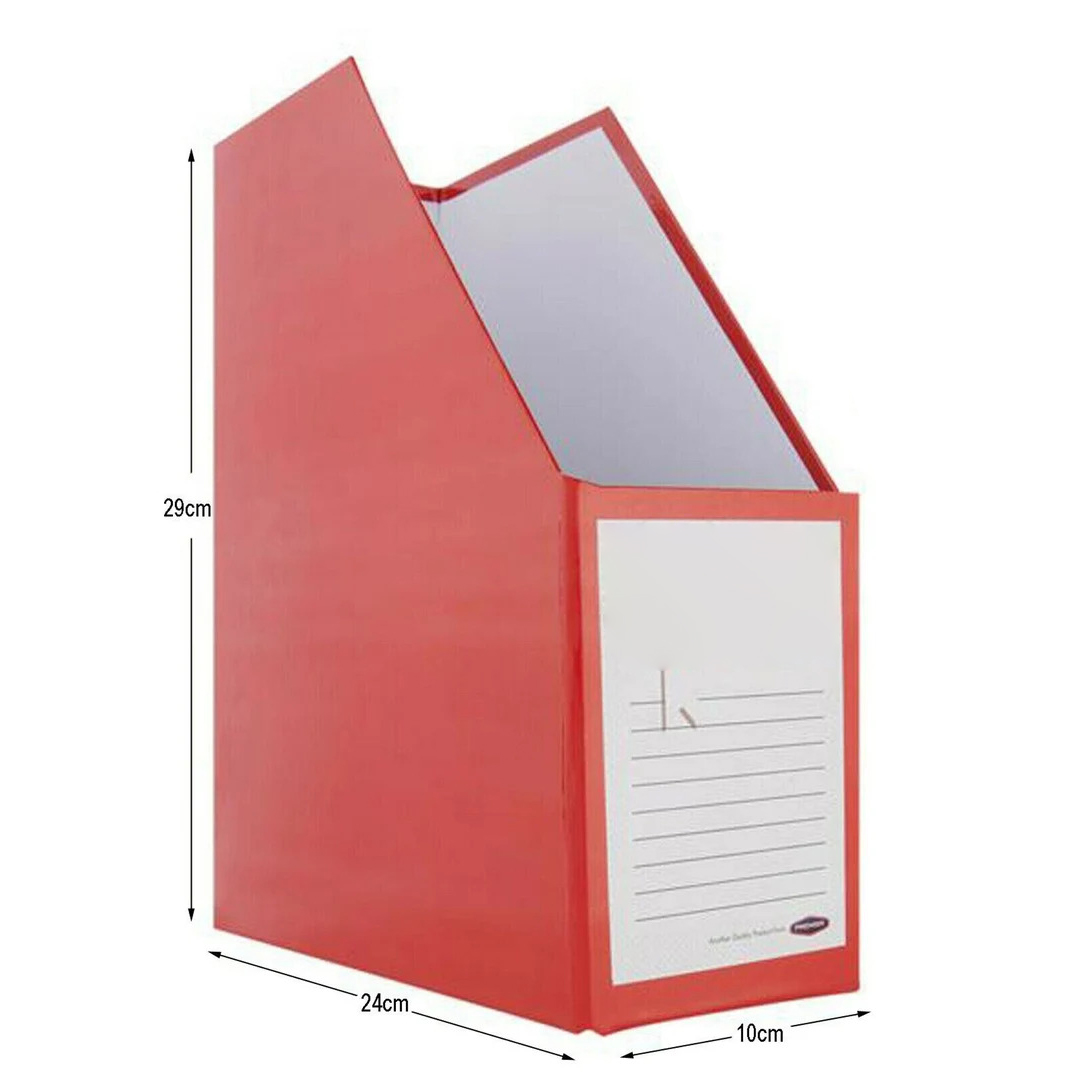
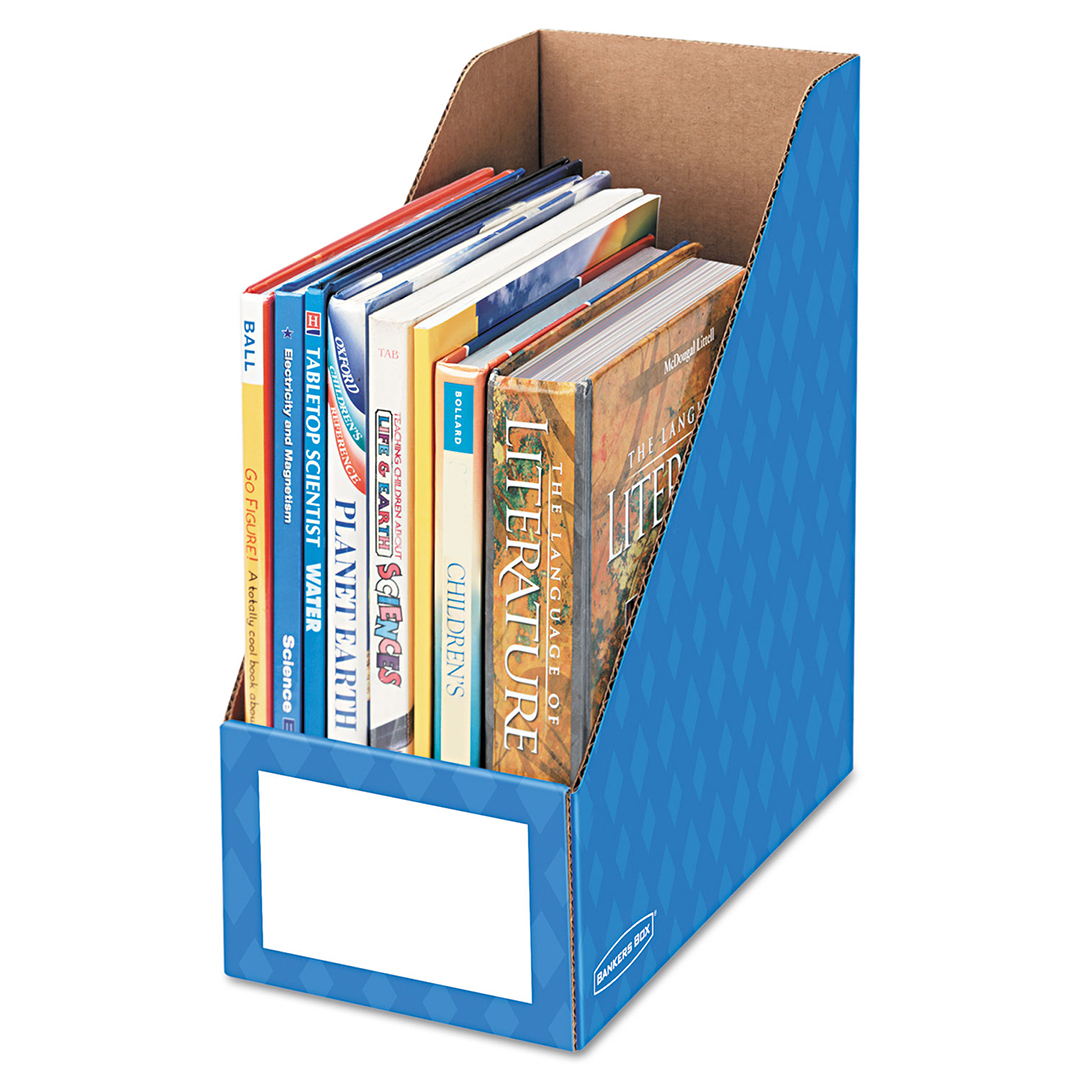
Cardboard Magazine Storage Boxes help keep magazines, journals, brochures, and slim books lined up neatly on shelves and in storage rooms. Larger sizes add height and depth so full issues can stand upright without curling, while lidded options help reduce dust, light exposure, and handling marks during longer storage.
Readers who keep special issues or mixed collections often pair these cartons with Cardboard Book Sleeve Packaging so magazines and books follow the same shelf pattern. This supports home offices, studios, and school libraries that rely on labelled spines and quick picking when someone needs a specific title, month, or subject set.
Daily Use For Reading Corners And Office Shelving
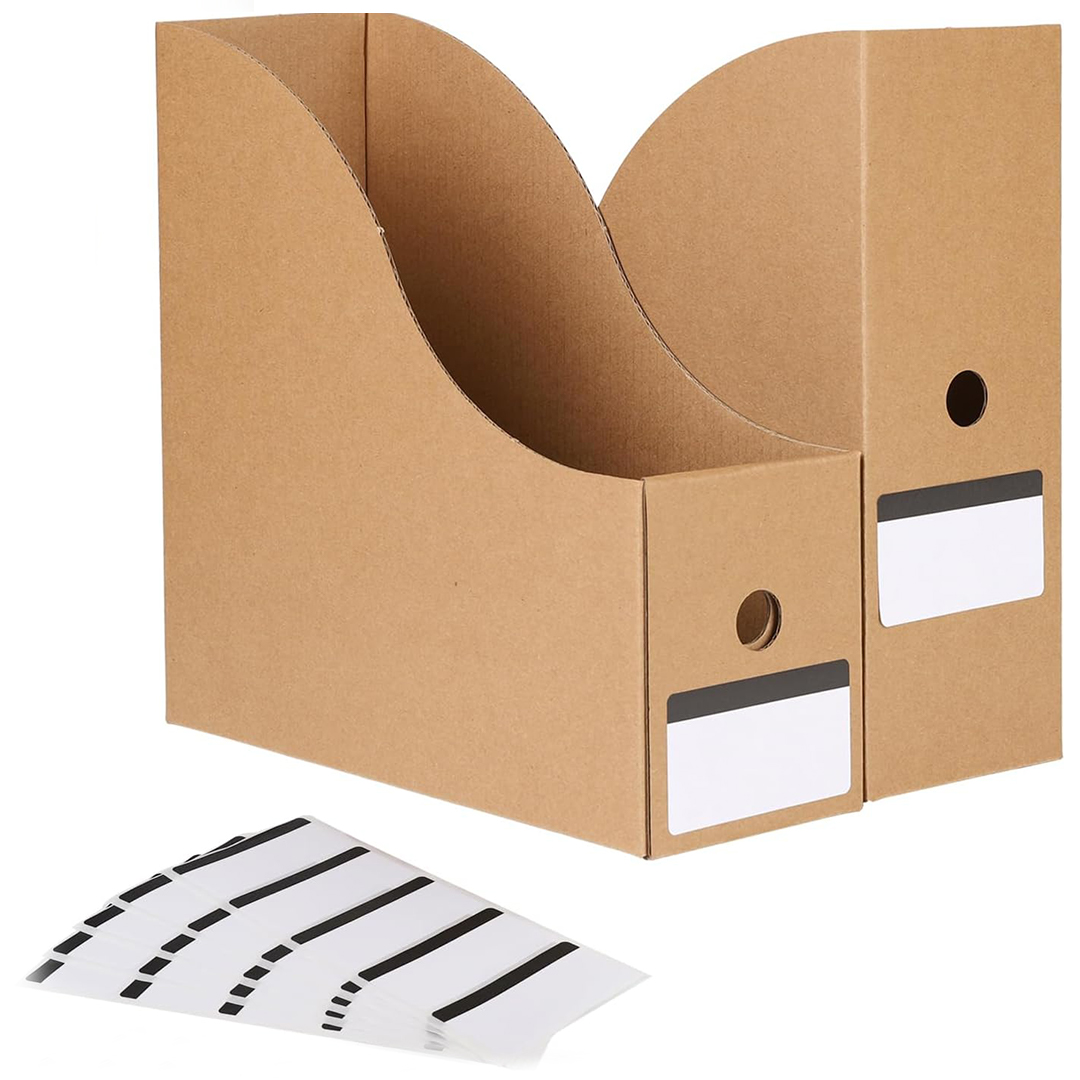
In active workplaces, magazines and catalogues can spread quickly across tables, counters, and waiting areas. Cardboard Magazine Storage Boxes group loose stacks into upright rows so teams can refresh displays without misplacing older content. Side or back panels can be marked with dates, topics, or departments so each box holds one clear category.
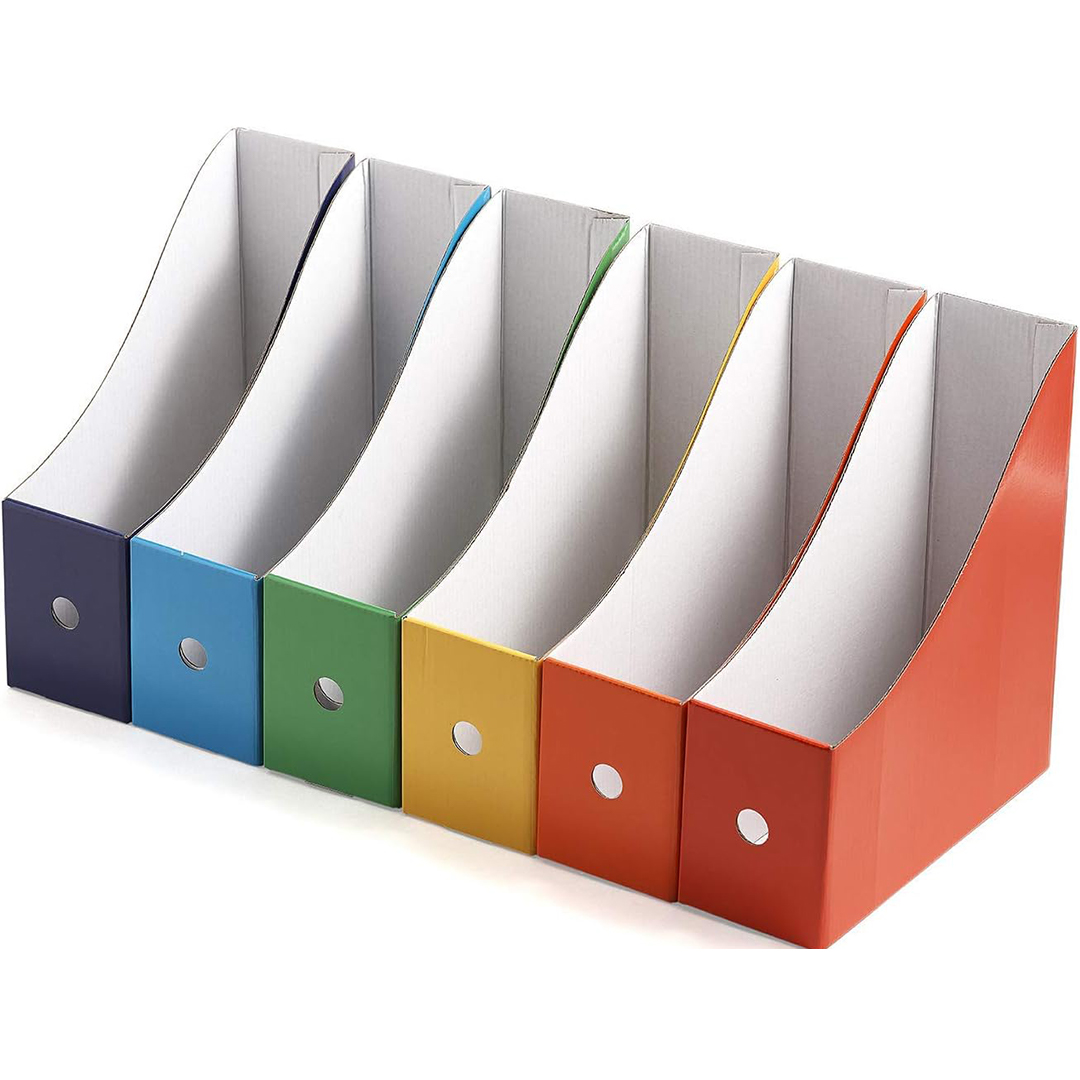
Homes and personal studios use the same method for favourite issues and reference collections. Angled-side holders and open-top designs make covers easier to see at a glance. Cardboard Magazine Storage Boxes apply that approach using sturdy board, with options for open-face holders and closed designs that slide into cubes and shelving systems.
Key Points For Organising Magazines And Slim Books
- Straight walls keep spines aligned instead of slumping across shelves
- Open-top holders support quick browsing in waiting rooms and studios
- Cardboard magazine storage boxes with lids help reduce dust and light exposure for archived runs
- Side and back labels help families and staff find sets without pulling every box
- Shared colours and print themes keep mixed shelves consistent and calm
Steps To Set Up Magazine Storage At Home Or Work
- Sort magazines and journals into themes such as hobby, design, news, or technical topics
- Decide which sets need quick access and which runs should stay in closed cartons
- Place current reading in open holders and older runs in lidded storage
- Mark box spines with short titles and date ranges for easy tracking
- Review shelves every few months and move older issues into archive storage or recycling
| Storage style | Typical location | Access speed | Protection level | Notes for long-term use |
|---|---|---|---|---|
| Open cardboard magazine holders | Desks, side tables, and reception areas | Very fast browsing | Light dust reduction | Fits current issues and frequently used content |
| Large cardboard magazine storage boxes | Archive rooms and deep shelving | Moderate, by label search | Strong dust and light reduction | Works well for full-year runs and long collections |
| Cardboard magazine storage boxes with lids | Top shelves and cupboards | Moderate to slower | Strong all-around protection | Useful for delicate covers and special editions |
| Mixed open and closed sets | Home offices and studios | Balanced | Balanced by box type | Keeps some titles visible while others stay protected |
| Magazine Storage Box Plastic comparison | Humid or spill-prone areas | Similar handling | Better moisture resistance | Plastic can suit damp areas, and cardboard suits most rooms |
Cardboard Magazine Storage Boxes Wholesale For High-Volume Use
Cardboard Magazine Storage Boxes wholesale supply supports schools, public libraries, bookstores, and offices that handle many titles each month. Bulk orders keep sizing consistent, so shelving layouts, cube systems, and archive rooms can be planned around repeat footprints instead of mixed cartons.
Many teams group selections under Cardboard Boxes By Functionality to separate designs for active display issues, deep archive sets, and mixed brochure or catalogue bundles. When deliveries arrive, matching boxes help staff move bundles into holders or cartons without forcing items into tight spaces. Over time, a consistent layout reduces search time and makes it easier to track months, titles, and languages by row.
Why Organisations Rely On Magazine Storage Systems
- Helps separate bound volumes, loose issues, and special editions into clear groups
- Adds consistent height and depth so new boxes fit beside older runs
- Supports front display with open holders and back storage with closed cartons
- Keeps back issues together for seasonal cycles and rotating selections
- Reduces confusion when multiple teams share the same shelves and rooms
Planning Tips For A Wholesale Storage Range
- Choose a small set of shared footprints that fit common magazine and journal sizes
- Keep one line for open holders and another for fully enclosed carton designs
- Allocate print zones for library codes, department names, or series identifiers
- Align case and pallet counts with incoming shipments to reduce repacking
- Use simple colour or icon cues for subject groups such as business, lifestyle, or education
| User group | Main box type used | Typical order style | Placement focus | Stock and re-order note |
|---|---|---|---|---|
| Public and school libraries | Large lidded storage boxes | Planned seasonal orders | Archive stacks and reading rooms | Connect new orders to cataloguing and growth |
| Corporate offices | Open holders plus closed cartons | Regular smaller batches | Meeting spaces and resource shelves | Review yearly for topic and title changes |
| Bookstores and newsagents | Open holders plus back-issue cartons | Mixed regular and seasonal | Front display and back-room storage | Re-order based on turnover and display cycles |
| Design and creative studios | Printed holders and lidded archive boxes | Occasional bulk runs | Studio walls and reference shelves | Keep extra boxes for expanding collections |
| Distribution and logistics | Coded cartons in multiple sizes | High-volume repeat runs | Warehouses and cross-docks | Track by route and publication family |
Large Cardboard Magazine Storage For Long-Term Keeping
Large cardboard magazine storage boxes support collectors, studios, and offices that keep long runs without losing structure. They can hold grouped years, bound volumes, or multi-title subject sets in a single unit that stacks well on sturdy shelves.
Many buyers use Cardboard boxes wholesale when they need repeat sizing, dependable board strength, and print areas for clear labelling. These larger cartons can sit upright like archive bins or lie flat in deeper shelving. With simple dividers or inner sleeves, they can also hold mixed content such as magazines, slim books, and supplements, while allowing labels to be updated without changing the whole storage system.
How To Choose Between Cardboard And Plastic Options
When setting up a full storage plan, it is common to compare cardboard magazine storage boxes with lids to rigid Magazine Storage Box Plastic options. Plastic units can handle damp conditions and spills better, while cardboard boxes stack more quietly, accept labels easily, and blend naturally with other file and storage cartons.
For most living rooms, offices, and libraries, cardboard provides solid protection while keeping shelves easy to adjust over time. Plastic can still work well in very humid areas or near sinks and utility spaces, with cardboard handling the main reading shelves and archive rows.
Practical Ideas For Getting More From Storage Boxes
- Use one colour tone per subject group, so shelves form clear topic bands
- Keep lidded boxes for rare, signed, or delicate issues
- Place frequently used sets at eye level and archives slightly higher or lower
- Match spine labels to catalogue codes so boxes and records stay connected
- Keep a few empty boxes ready for donations, new titles, or limited runs
Checklist For Maintaining Magazine Collections Over Time
- Review shelves quarterly and move older issues from open holders into closed storage
- Inspect corners and hand-grip points for wear on large boxes
- Refresh labels when titles change format, schedule, or publisher
- Separate damaged or duplicate issues and decide whether to repair, recycle, or donate
- Note gaps in important runs and track which months are missing
| Reuse or organisation idea | Who benefits most | Main advantage | Extra note | Typical life after first use |
|---|---|---|---|---|
| Seasonal display rotation | Retailers and gallery spaces | Keeps displaying fresh without replacing boxes | Store off-season issues in labelled cartons | Several display cycles |
| Home reading corner refresh | Families and individual collectors | Makes theme changes simple | Move older issues into closed boxes under shelves | Many years with light use |
| Archive consolidation projects | Libraries and records teams | Brings scattered runs into one clear system | Use codes that match catalogue entries | Long-term with relabelling |
| Mixed media inspiration boxes | Designers and creatives | Collects magazines, pamphlets, and small books | Pair with desk holders for quick access | Varies by project |
| Donation and sharing programs | Community centres and charities | Moves gently used magazines into new spaces | Use sturdy cartons with clear topic labels | One or more donation cycles |