






Description
Cardboard Book Sleeve Packaging For Shipping, Retail And Reader Experience
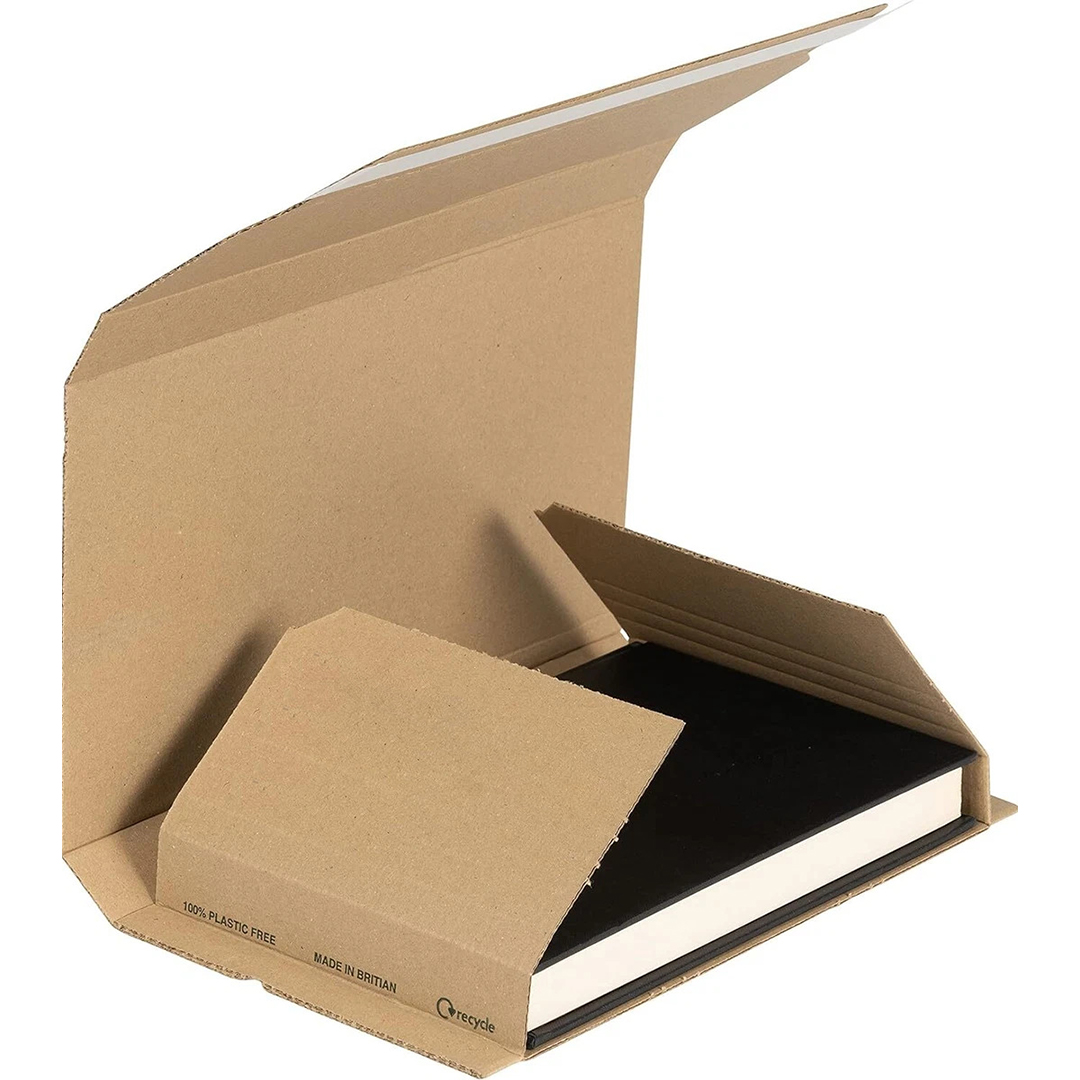
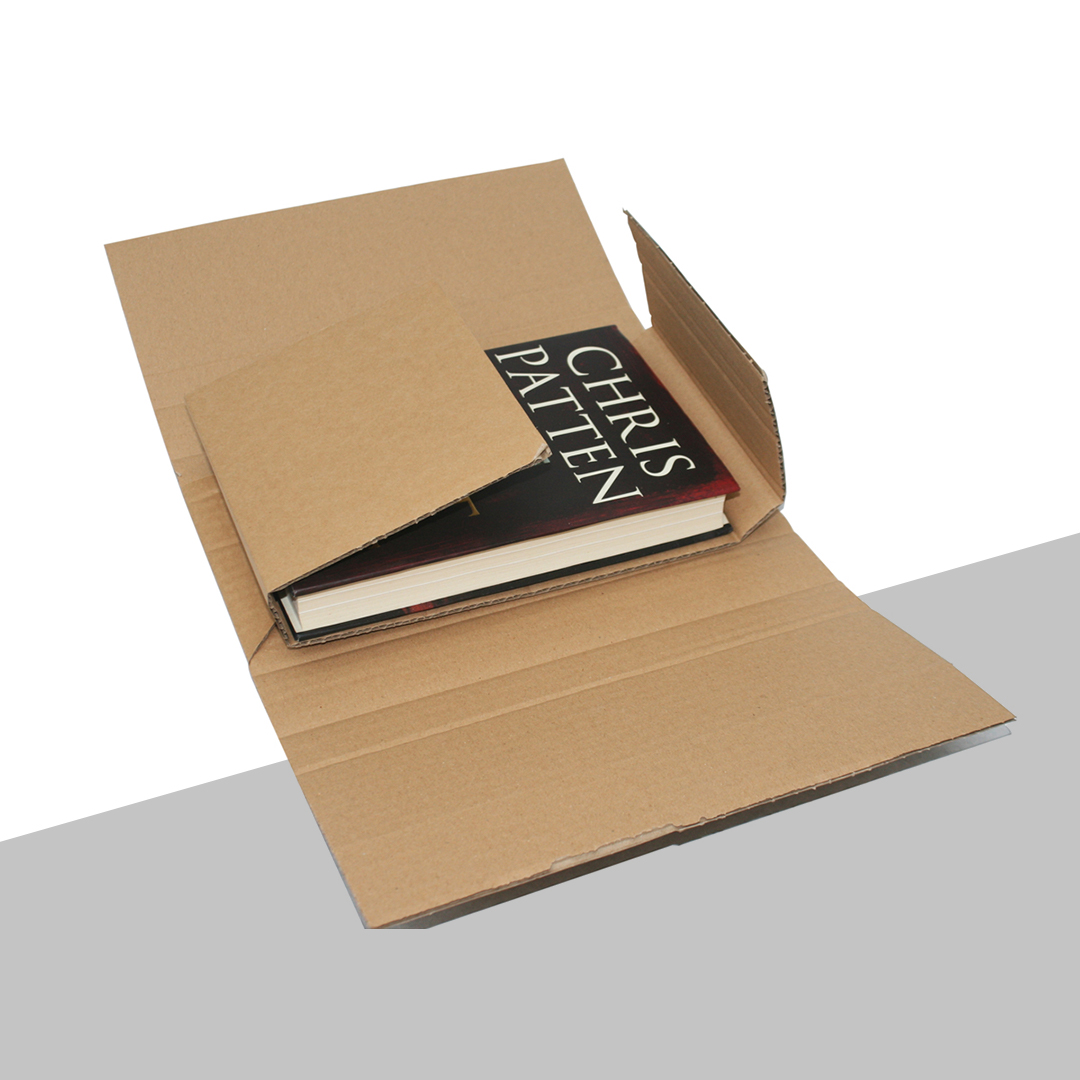
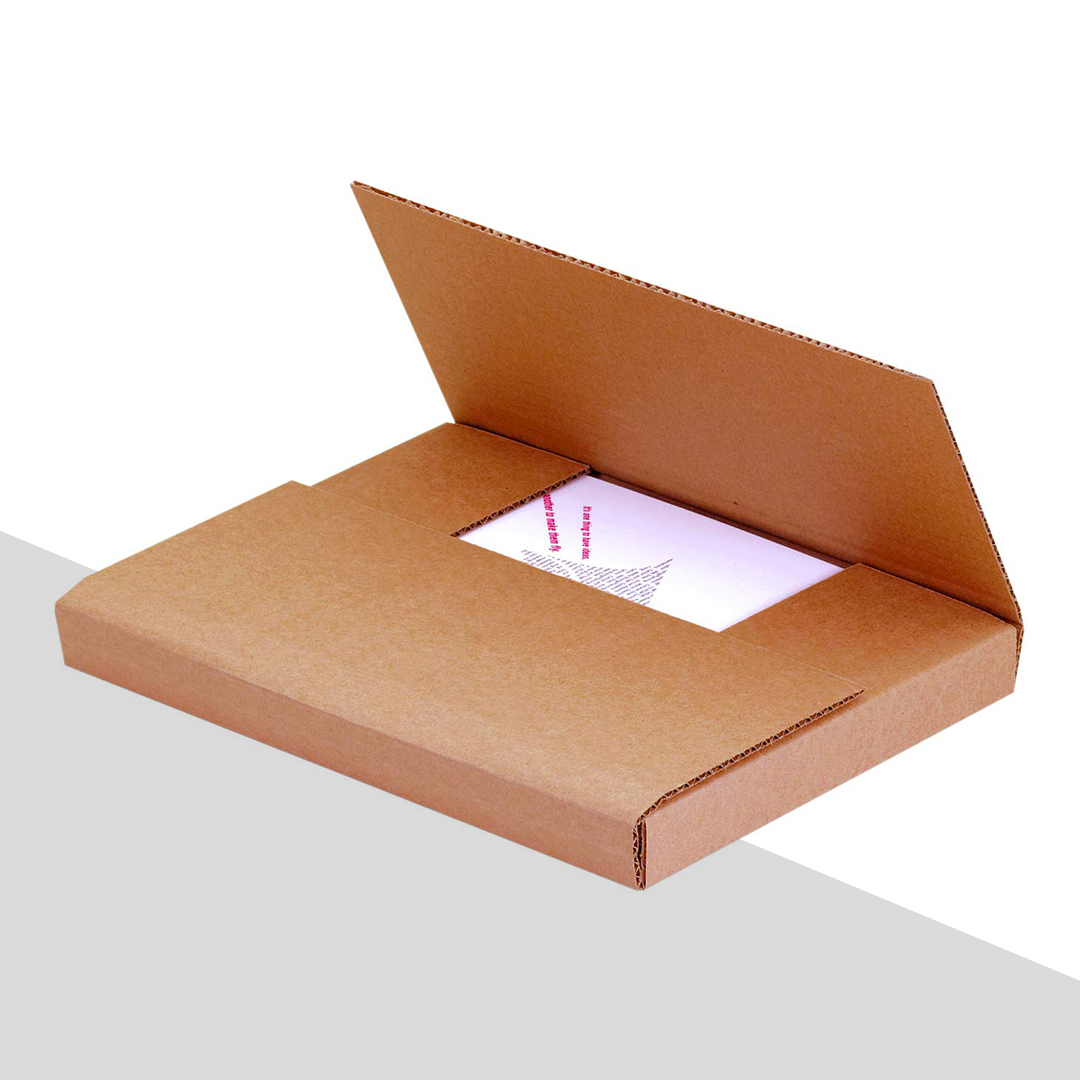
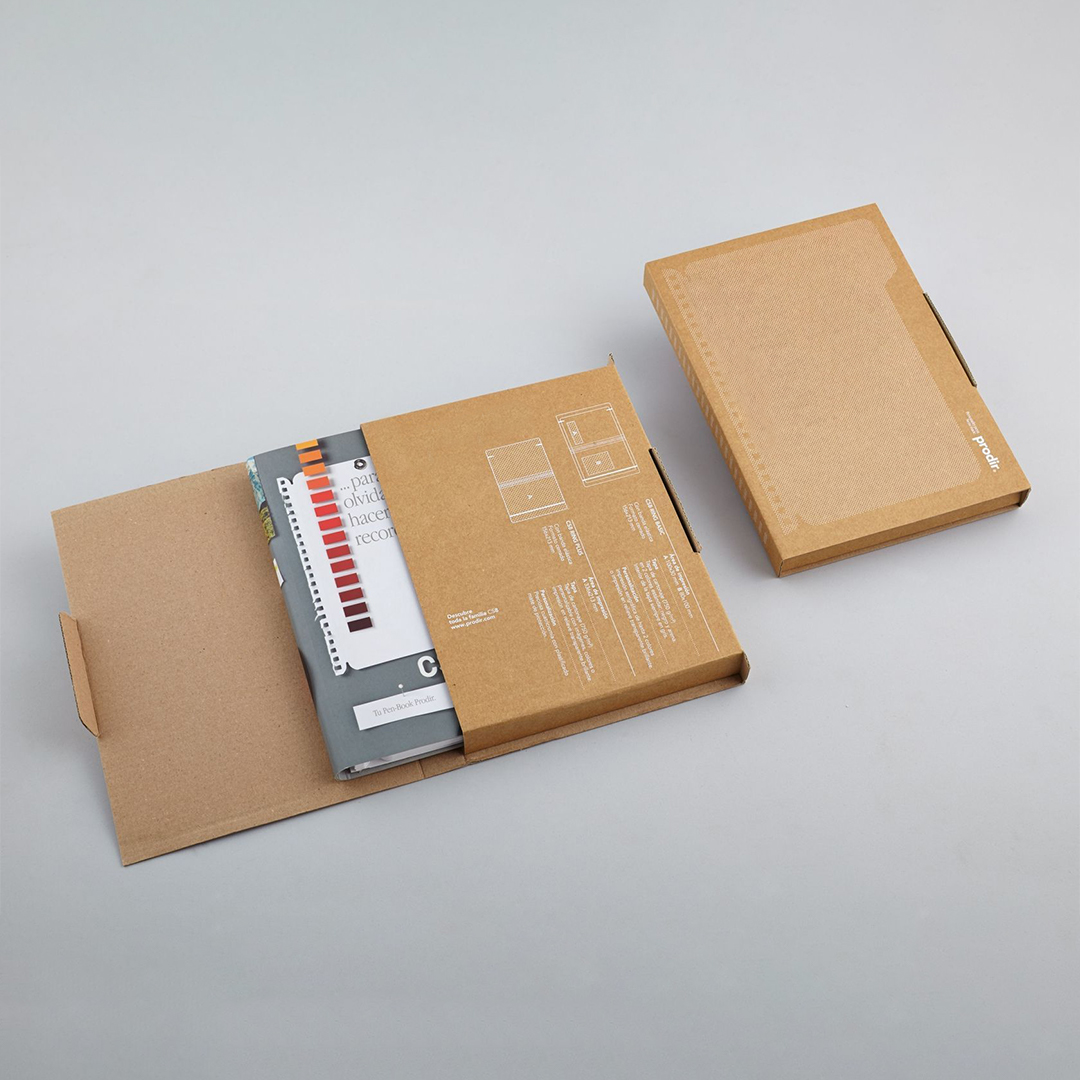
Cardboard Book Sleeve Packaging helps booksellers, publishers, and subscription services protect covers while keeping titles easy to scan on shelves and in mailers. Cardboard sleeves for packaging slide snugly around hardbacks, paperbacks, and notebooks, adding a smooth surface for artwork, messaging, and blurbs. Many teams use Cardboard book sleeve packaging wholesale to support first print runs, reprints, and special editions with steady sleeve sizes, whether they ship directly to readers or supply bookshops.
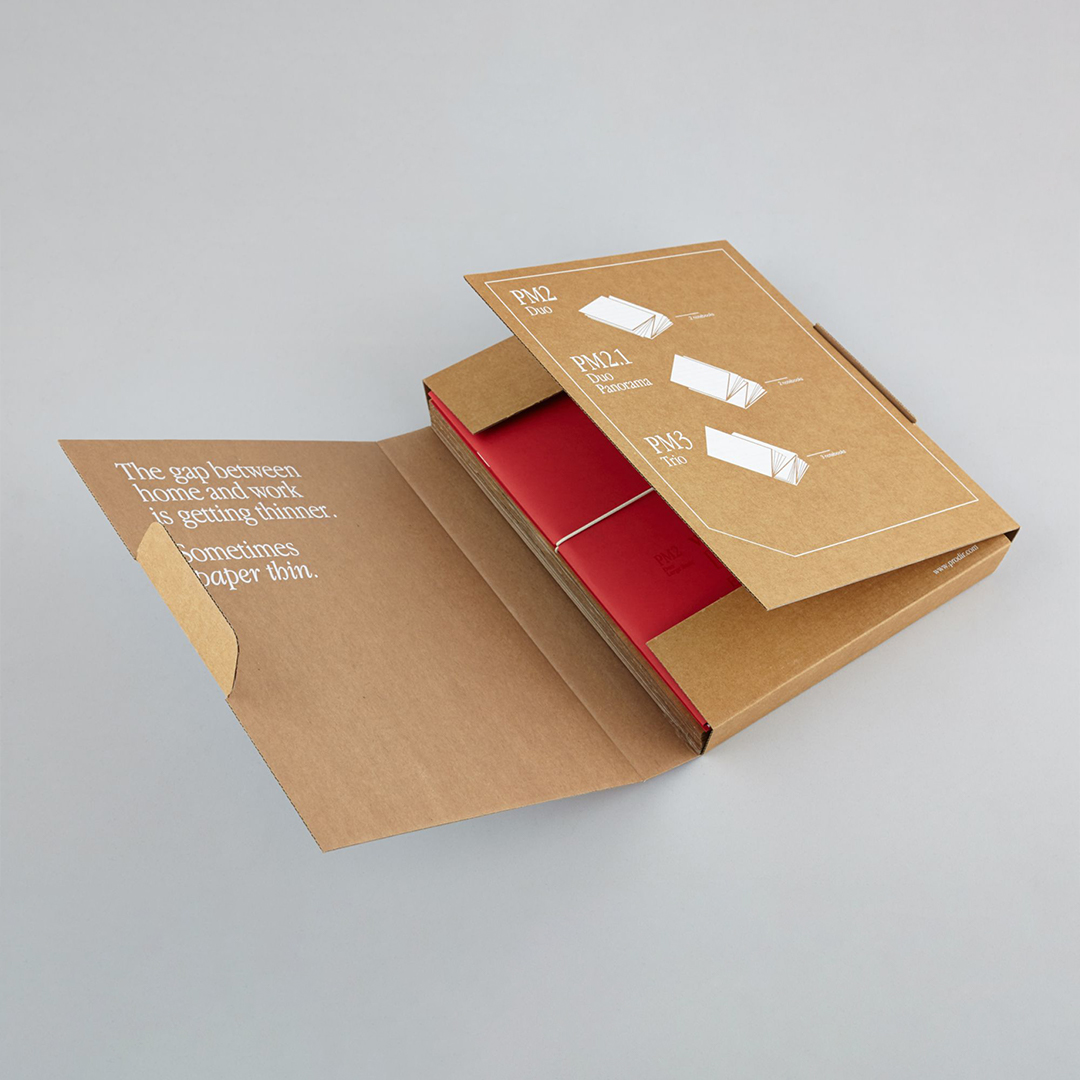
Readers and stationery fans often buy journals as well as novels, so teams like to keep a consistent look between book sleeves and Cardboard Notebook Boxes. Matching layouts help staff pack book-and-notebook bundles efficiently, while the shared structure helps protect edges in bags and courier boxes. This alignment also makes it simpler to design Packaging sleeves for boxes that carry themed collections, stationery sets, or author gift packs.
Everyday Use Of Sleeves In Stores And Mailers
In busy bookshops and warehouse aisles, staff handle stacks of titles all day. Cardboard Book Sleeve Packaging adds an outer layer so covers resist scuffs from nearby books, shelving, and tote bins. Cardboard book sleeve packaging for sale can be printed with series badges, age bands, or genre cues, helping teams place the right titles in the right zones as they restock.
Direct-to-reader fulfilment also relies on sleeves during packing. A snug sleeve keeps the cover tight against the book block while it travels inside a mailer or carton. When paired with a simple void fill, the sleeve reduces sliding and corner wear, so the parcel arrives with a clean, neat finish.
Key Points For Storage And Handling
- Snug sleeves help reduce rubbing between books in bins and cartons
- Smooth outer panels support blurbs, author panels, and campaign graphics
- Consistent sizes make Cardboard book sleeve packaging wholesale runs more easily on pallets
- Sleeves help bundles of two or three titles stay together inside one outer wrap
- Strong board supports Packaging sleeves printing that stays clear under shelf lighting
Steps For Packing Books Into Sleeve Packaging
- Review each book for dust, scuffs, or corner wear before sleeving
- Align the spine edge with the open end so the title area stays centered
- Press the sleeve gently along the front and back to remove loose gaps
- Stack sleeved books flat or spine-out based on the shelf and carton plan
- Place stacks into shipping boxes with corner support when routes are long
| Book Type | Sleeve Style | Main Usage Scene | Inner Fit Approach | Handling Note |
|---|---|---|---|---|
| Standard paperback novels | Open-ended slip sleeve | General bookshop and online sales | Tight wrap around front and back | Keep stacks aligned to reduce spine bending |
| Hardback first editions | Full-height printed sleeve | Launch displays and collector orders | Allow slight clearance at the head | Add corner support in outer cartons |
| Journals and planners | Minimal branding wrap | Stationery sections and gift bundles | Center sleeve on front artwork | Pair with matching bands if required |
| Boxed sets of two or three | Shared sleeve around the stack | Seasonal sets and themed offers | Compress the stack gently in the sleeve | Add banding for long-haul movement |
| Signed or limited copies | Heavier board sleeve | Collector shelves and direct shipments | Protect the dust jacket and edges | Handle copies one-by-one during packing |
Wholesale Planning For Sleeve Sizes And Reprints
Cardboard book sleeve packaging wholesale planning helps teams keep reprints, special editions, and backlist titles organized. When sleeves are grouped by trim size and thickness, it becomes easier to reorder without measuring every title again. Many planning teams map sleeve families under Cardboard Boxes By Functionality so they know which designs support single novels, multi-book bundles, notebook pairs, and mixed stationery sets.
Cardboard book sleeve packaging for sale in bulk also supports structured rollouts across a catalogue. You can keep one sleeve size for a series line, another for standard trade titles, and a third for large-format releases. By keeping a core set of footprints, Packaging sleeves printing plates can be reused or adapted with fewer changes, which keeps layouts consistent as collections expand.
Reasons Teams Build A Structured Sleeve Range
A sleeve system helps manage many titles without losing clarity. When widths and heights are standardized, a new release can often fit an existing size family with only artwork updates. This keeps structural work stable and reduces last-minute layout issues.
Print and fulfillment partners also benefit from repeatable sleeve footprints. Folding and gluing setups can stay configured for longer runs, and packing teams get familiar with how each sleeve family stacks and slides. Over a full season, this supports smoother handling and fewer mispacks.
Planning Tips For Wholesale Sleeve Programs
- Group titles by trim size and thickness so sleeve families stay simple
- Decide which sleeves fit single titles and which surround small bundles
- Keep spine-side artwork clean so titles remain readable when shelved
- Choose board weights that balance protection with easy sliding
- Align colors and type choices so series lines stay consistent
Steps For Setting Up A Sleeve Supply Program
- List active and upcoming titles with final trim sizes and page counts
- Create a small set of sleeve size families that cover most titles
- Build design templates matched to those families for repeat use
- Run Cardboard book sleeve packaging wholesale trials for sliding and stacking checks
- Adjust board weights or finishes where needed, then schedule reprints for key lines
| Sleeve Size Family | Typical Book Content | Usual Print Run Style | Outer Carton Count Per Case | Stock Planning Note |
|---|---|---|---|---|
| Compact paperback sleeves | Mass market paperbacks and novellas | Frequent medium runs | Higher count per case | Tie reorders to rolling sales data |
| Trade paperback sleeves | General fiction and non-fiction | Seasonal and steady backlist | Moderate count per case | Align to release and event cycles |
| Large format sleeves | Art, photography, reference | Smaller high-value runs | Lower count due to weight | Add clear handling notes for staff |
| Journal and planner sleeves | Notebooks, diaries, sketchbooks | Regular reprints | Variable by format | Coordinate with stationery planners |
| Multi-book bundle sleeves | Duos, trilogies, paired sets | Set-based short runs | Depends on bundle build | Monitor closely to match run length |
Creative Sleeve Reuse For Readers And Groups
Cardboard book sleeve packaging do-it-yourself projects help readers, clubs, and educators adapt sleeves to their own style. Some users keep plain sleeves and decorate them with stamps, markers, or labels, while others cut and fold upcycled Cardboard sleeves for packaging into fresh wraps for older volumes. Guides on how to make packaging sleeves are common among craft-focused readers who prefer seasonal themes or color-organized shelves.
A consistent sleeve shape also supports light customization. A plain or lightly printed sleeve leaves room for readers to add notes, track reading dates, or create shelf labels. This keeps the sleeve useful beyond first handling and supports practical organization across home, school, and shared libraries.
How Reuse Supports Repeat Sleeve Formats
When a consistent structural shape is used across a Cardboard book sleeve packaging wholesale range, surplus or older sleeves can be repurposed for simple projects. In schools and libraries, retired sleeves can become bookmarks, section dividers, or small pockets for reading prompts. This keeps the board in use longer before recycling.
Teams can also release simple prompt-based sleeve packs that encourage writing, drawing, or collage on the sleeve surface. These packs can include light outlines and blank areas that suit different ages and group settings, while keeping the sleeve easy to slide on and off.
Ideas For Sleeve Customization And Reuse
- Use light-colored sleeves as a base for quotes, notes, and rating marks
- Turn older sleeves into chapter markers by cutting slim strips
- Create themed sets by adding small icons to spines and front panels
- Use sleeves as covers for reading journals, notes, or study guides
- Ask group members to write names and finish dates on shared sleeves
Steps For A Simple Sleeve Customization Project
- Choose a clean sleeve from a recent order or use a blank sleeve version
- Pick a theme such as seasons, genre icons, or favorite quotes
- Sketch lightly in pencil, then add markers, stamps, or printed labels
- Let the ink or glue dry fully before sliding the sleeve back over the book
- Store the book spine-out, so notes and artwork remain visible
| Project Type | Common Leader | Main Purpose | Materials Added | Extra Note |
|---|---|---|---|---|
| Personal reading tracker | Individual readers | Track dates, ratings, key moments | Pens, stickers, small labels | Works best on light, plain sleeves |
| Classroom reading groups | Teachers and librarians | Track sets and student names | Name tags, subject tags, icons | Helps manage shared sets |
| Book club themed sleeves | Club organizers | Mark picks a meeting date | Notes, stamped motifs | Supports consistent group shelving |
| Gift-ready handmade sleeves | Crafters | Make a gift copy feel personal | Ribbon, washi, small cards | Keep decorations flat for shelving |
| Archive and storage sleeves | Collectors | Mark print numbers or signing notes | Pencil notes, small codes | Avoid heavy adhesives long-term |
Storage Reuse And Long Term Care Practices
Cardboard Book Sleeve Packaging also supports long-term storage, reuse, and sorting routines. Many teams plan their storage choices through Cardboard boxes wholesale so that sleeves, notebook packs, and outer cartons align across seasons. When books move from active display into archive shelves or off-site storage, sleeves help reduce rubbing and surface wear between nearby volumes.
When a display cycle ends, older sleeves can shift into backup roles instead of being discarded immediately. In back rooms, they can protect display copies, shield reference copies used for catalog work, or cover editions that are handled frequently by staff. This keeps worn covers out of customer handling while keeping the book easy to identify.
Keeping Sleeves Simple For End Of Life Handling
When planning how to make packaging sleeves for long-term use, it helps to consider how sleeves will be stored, reused, and eventually sorted. Clean, lightly coated boards are often easier to flatten and process. By keeping glue points limited and avoiding unnecessary add-ons, sleeves remain easier to handle at the end of their useful life.
Print choices can also guide handling without cluttering the design. Small symbols or short handling notes can help staff and readers understand how to flatten and sort sleeves when they are no longer clean enough for reuse.
Ideas For Keeping Sleeves In Use Longer
- Keep sleeves on display copies while rotating outer wraps as needed
- Move sleeves from front-area themes to internal reference and sample shelves
- Use surplus sleeves on dummy books for props and simple displays
- Allow staff to use spare sleeves on personal reading copies
- Flatten and store clean sleeves for future craft sessions
Steps For Everyday Reuse And Sorting Routines
- Separate clean sleeves from torn or heavily marked ones
- Set aside a bin for reusable sleeves that suit display or reference copies
- Use reusable sleeves during photo handling, cataloging, and staff movement
- Flatten worn sleeves and sort them based on local handling rules
- Review the routine each season and note what reduces waste best
| Route | Main User Group | Primary Benefit | Practical Approach | Expected Time In Use After First Cycle |
|---|---|---|---|---|
| Display and prop protection | Visual teams | Keeps props tidy during changes | Wrap dummy books with older sleeves | Multiple display cycles |
| Archive and sample coverage | Editors and catalog teams | Protects reference copies in offices | Keep labeled sleeves for sample shelves | Several catalogue seasons |
| Staff reading use | Booksellers and reviewers | Protects copies carried in bags | Use spare sleeves on reading copies | Until copies show heavy wear |
| Community or school donation | Outreach teams and librarians | Adds protection to donated books | Keep sleeves on books sent out | Through their next library life |
| Material recovery | Stores and readers | Supports fiber recovery | Flatten and sort by cleanliness | Final recovery cycle |