





Description
Cardboard Chocolate Boxes For Daily Counter Sales
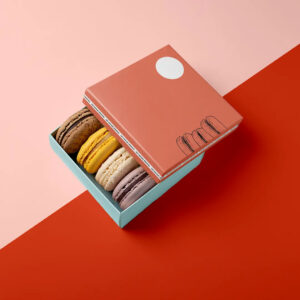
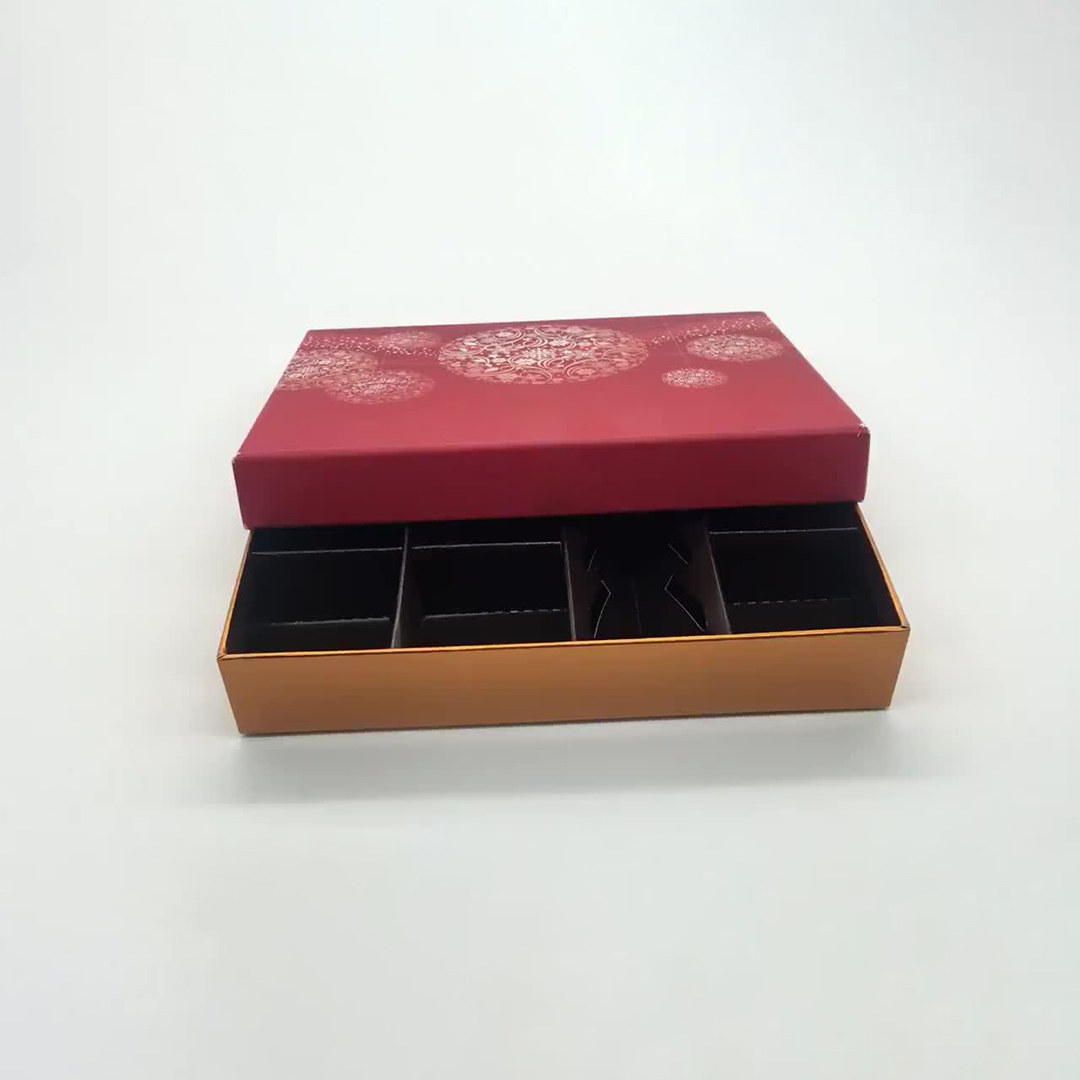
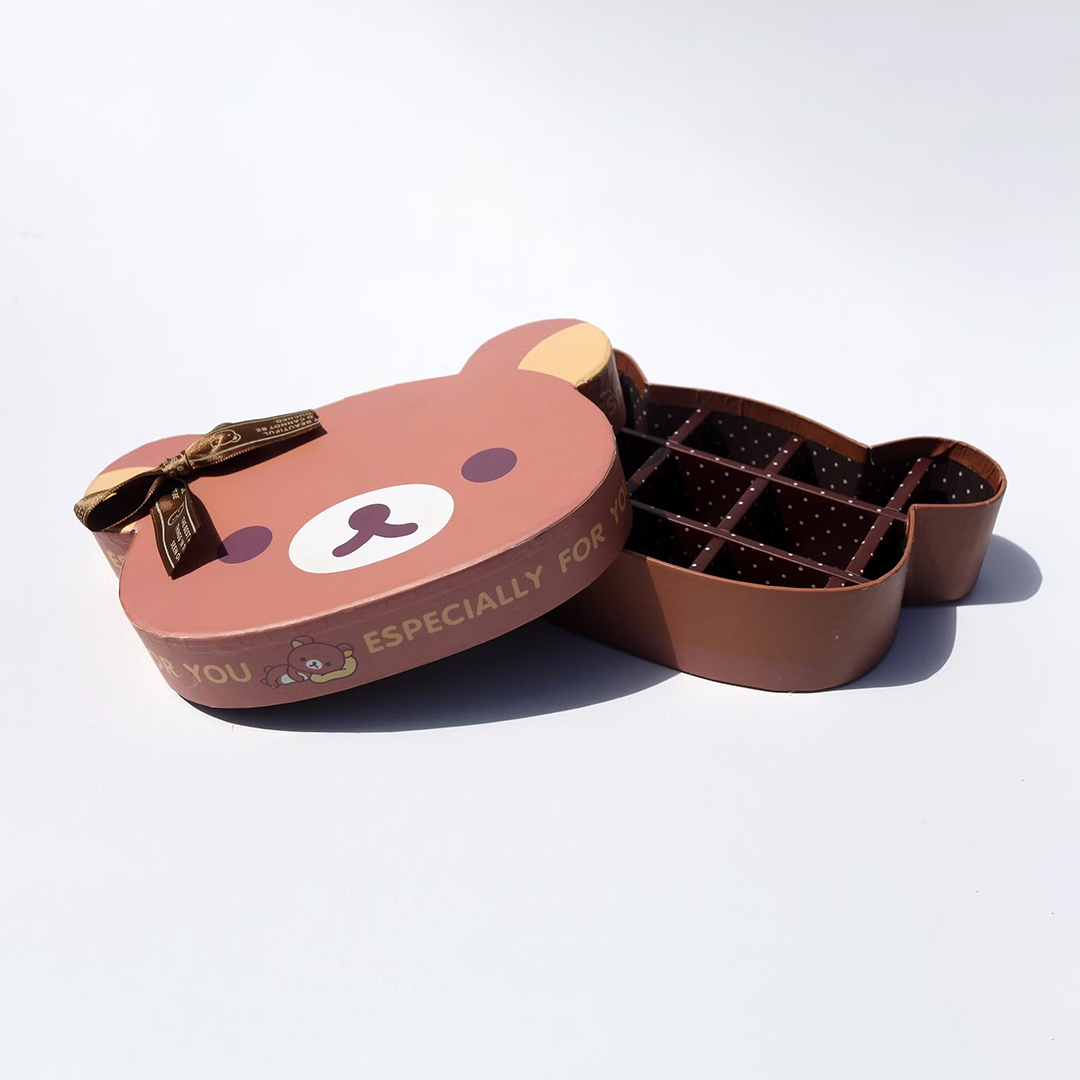
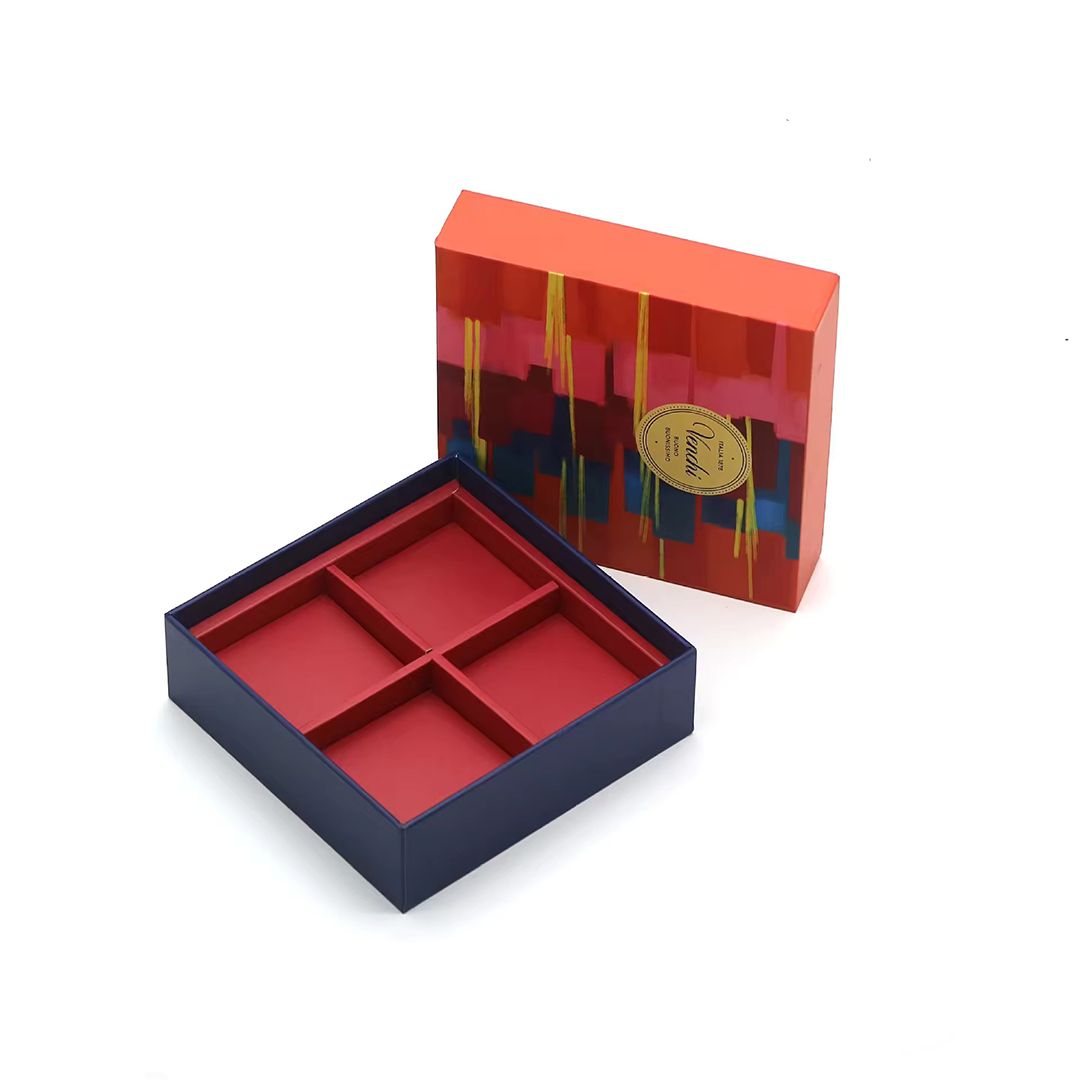
Chocolate sellers need packaging that stays clean, safe, and presentable for daily counter sales and gift orders. Many assortment planners also compare Cardboard Tea Packaging Boxes when they decide insert styles and tray layouts so each piece sits in a stable, organised pattern. This helps brands prepare chocolate sets that look tidy, travel well, and stay consistent across seasonal and everyday ranges.
These boxes protect delicate shells, toppings, and decorations while providing flat space for branding, flavour names, and ingredient details. With the right board grade and insert design, the same family can support small boxes for single pieces and larger formats for curated collections. This keeps presentation steady from packing lines to display shelves without making the box feel heavy or oversized.
How Inserts Protect Delicate Shells And Toppings
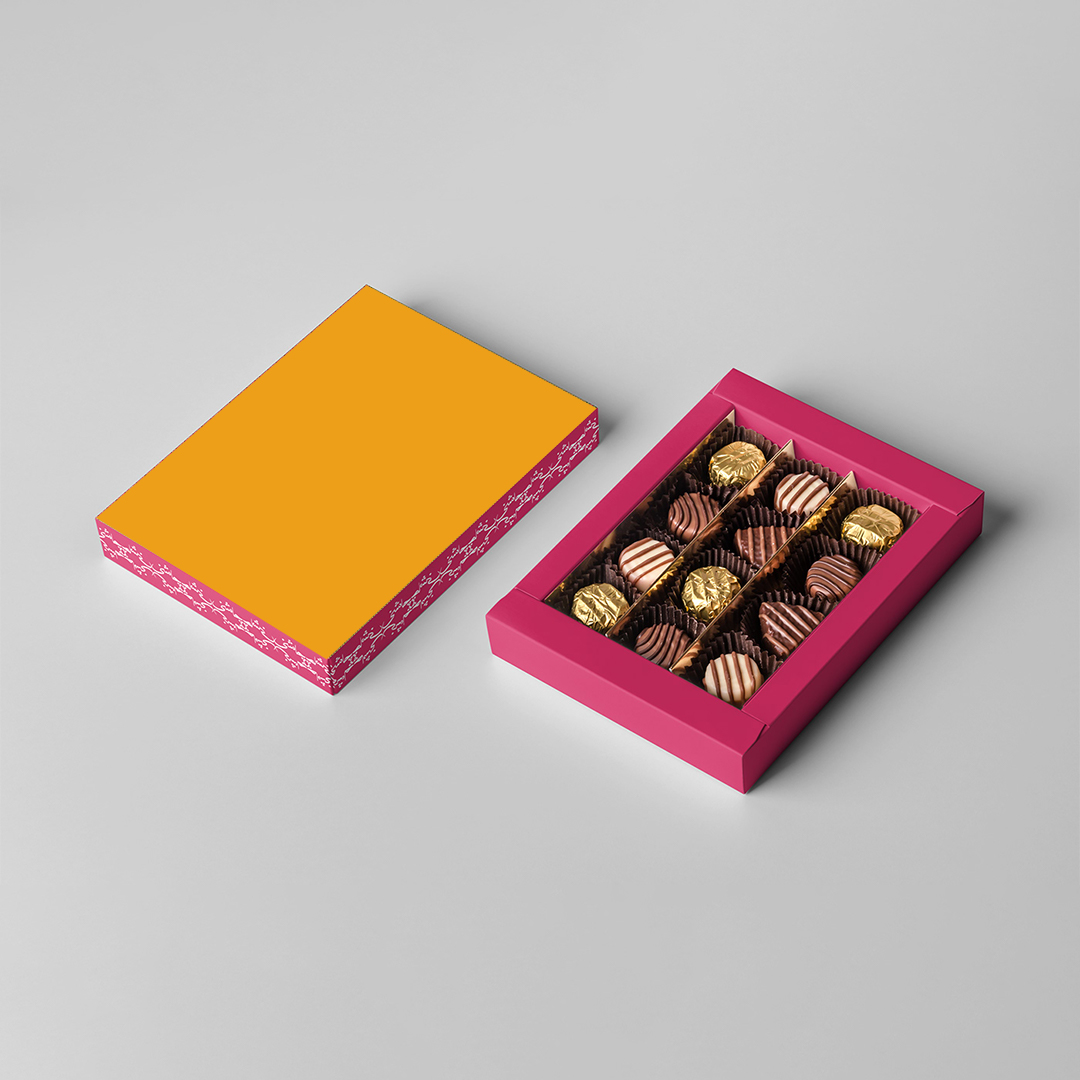
Internal supports reduce movement that can crack thin chocolate walls or disturb hand-finished textures. Brands often use die-cut cavities for individual pieces, or tray systems that keep rows aligned in straight grids. This approach is useful for mixed assortments where different shapes and heights need balanced spacing.
A well-fitted insert also improves the layout because each piece sits at a similar level and angle. When customers open the lid, they see an organised arrangement rather than gaps or overlaps. This supports gifting use and repeat purchases where customers expect consistent packing results.
Benefits Sellers Focus On
- Neat display that keeps each piece visible and separated
- Food-safe inner options for direct-contact assortments
- Clean zones for logos, flavour labels, and short notes
- Better protection for toppings and delicate finishes
- Easier handling for staff at counters and packing tables
Where These Boxes Support Sales
- Gift packs for personal and corporate orders
- Retail counters and boutique showcase shelves
- Online assortments needing tidy arrival condition
- Limited-event chocolates with themed layouts
| Feature Focus | Description | Material Options | Surface Finish | Extra Elements | Typical Usage |
|---|---|---|---|---|---|
| Freshness Support | Holds pieces steady and reduces shifting | Kraft, SBS, recycled board | Matte, gloss | Tray inserts, snug cavities | Sweet shops and boutique brands |
| Stable Structure | Protects during shelf and courier handling | Rigid cardboard | Spot UV accents | Inner cushions, corner supports | Delivery and subscription boxes |
| Brand Clarity | Keeps artwork readable on flat faces | White or brown board | Food-safe coatings | Pattern wraps, logo zones | Corporate gifting ranges |
Wholesale Chocolate Boxes For Retail And Events
Wholesale planning helps chocolate brands prepare for festivals, weddings, and holiday bundles using a consistent base across multiple assortments. Many packaging teams also review Food Related Cardboard Boxes to align outer sizes with tray counts and piece layouts. This simplifies stock decisions and helps staff repeat packing steps with fewer errors during busy seasons.
A focused set of sizes supports efficient storage because cartons stack well in back rooms and shipper bundles. When teams reuse proven footprints, they can change artwork and insert patterns without redesigning the entire structure. This approach supports steady workflows and consistent layout when demand increases quickly.
Planning Sizes For Festivals And Corporate Orders
Brands usually select two to four core sizes that cover most retail and gifting needs. These sizes can be paired with adjustable tray designs so the same outer box can hold different piece counts. This makes it easier to release limited editions while keeping supply and training simple.
Wholesale buyers often value predictable folding behaviour for rigid or semi-rigid formats that assemble cleanly on-site. When the build feels familiar, staff can handle sudden spikes in orders without slowing the packing line. This reduces the risk of misalignment and keeps packing results consistent across the range.
Benefits Sellers Focus On
- Faster seasonal readiness with stable base sizes
- Easier stock control for multiple chocolate lines
- Consistent shelf look across festive themes
- Reduced training time for new staff
- Lower risk of underfilled-looking assortments
Where These Boxes Support Sales
- Holiday assortments built in repeatable formats
- Wedding and event gifting with uniform layouts
- Corporate bundles that need consistent branding
- Market stalls and pop-up retail counters
| Feature Focus | Description | Material Options | Surface Finish | Extra Elements | Typical Usage |
|---|---|---|---|---|---|
| Bulk Consistency | Keeps size and feel uniform across runs | Kraft, SBS, rigid board | Matte, gloss | Standardised inserts | Festivals and retail peaks |
| Storage Efficiency | Supports stable stacking in cartons | Recycled board | Anti-scuff finishes | Flat-pack options | Back-room inventory |
| Assortment Flexibility | Allows tray swaps within same shell | Mixed board grades | Soft-touch options | Adjustable cavities | Seasonal rotations |
Lidded Chocolate Boxes For Simple Gift Presentation
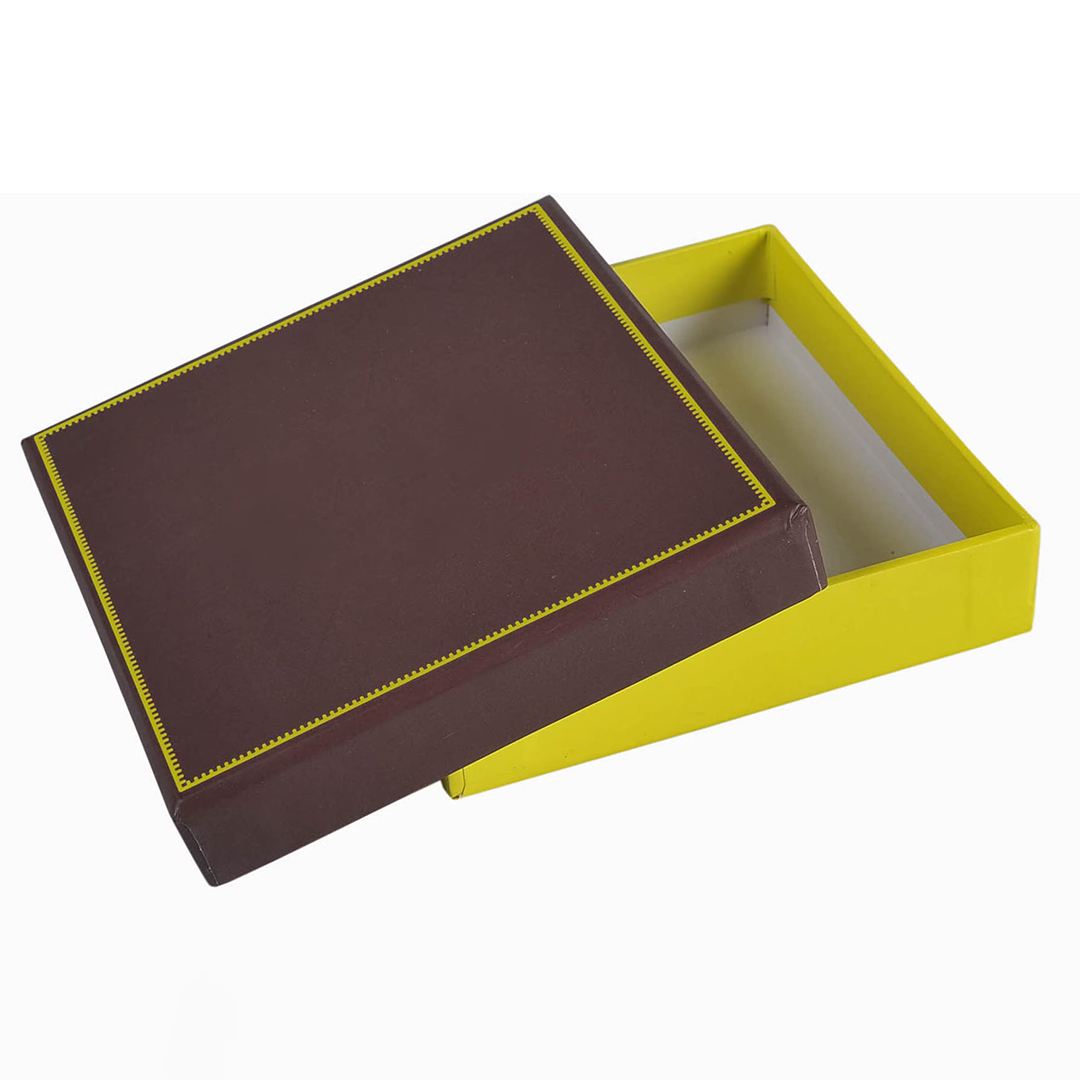
Boxes with lids create a clean opening experience because the top panel protects artwork and helps corners stay crisp during handling. Many brands use Shop Cardboard Boxes styles as a reliable base for standard assortments and gift formats. The lid also provides a flat area for short messages, brand marks, and seasonal graphics.
Lidded formats work well with belly bands, sleeves, and ribbon accessories because these add decoration without changing the core structure. The inside of the lid can carry light patterns or simple branding to extend identity beyond the exterior. This keeps the presentation flexible across thank-you gifts, corporate packs, and celebration assortments.
Why Lid Geometry Improves Gifting Reliability
A well-measured lid helps trays stay stable in transit by reducing headspace above the chocolates. Inserts hold each piece in its own cavity so delicate finishes remain intact when the pack is opened. This stability also improves stacking inside shipper cartons and gift bags without pressing directly against the product.
Lids can be paired with optional windows for customers who prefer to preview an assortment before purchase. When the window size and tray pattern match, the pack looks balanced and orderly. This supports counter sales and online listing photography.
Benefits Sellers Focus On
- Better protection for artwork and outer surfaces
- Orderly layout with clean top-face branding
- Stronger stacking behaviour for gifting logistics
- Compatibility with raised or flat insert designs
- Reliable structure for assortments
Where These Boxes Support Sales
- Assortments for corporate and formal gifting
- Wedding favours and event giveaways
- Mixed chocolate sets with planned piece placement
- Seasonal thank-you packs for retail shelves
| Feature Focus | Description | Material Options | Surface Finish | Extra Elements | Typical Usage |
|---|---|---|---|---|---|
| Lid Support | Keeps trays centred during movement | Kraft board, rigid board | Soft matte | Inside prints | Gift sets |
| Visual Clarity | Provides clean space for artwork | White or brown board | Gloss accents | Foil highlights | Limited runs |
| Window Options | Offers visibility without opening | Kraft + PET | Matte edges | Clear panels | Retail display counters |
Consistent Chocolate Packaging For Repeat Launches
Repeat ordering becomes simpler when a brand uses a small set of reliable sizes, board grades, and insert patterns for ongoing sales. Many planners group these lines under Custom Cardboard Boxes so proven structures can be reused while artwork changes with new flavours and events. This supports stable costs, predictable storage, and faster rollouts.
When the same shapes appear across multiple chocolate ranges, customers begin recognising the layout style and box proportions. Staff also benefit because they learn one packing routine that stays consistent across most orders. Over time, this improves recognition and makes day-to-day packing more consistent.
Print Layout For Ingredients Branding And Flavour Notes
Chocolate packs often need small but clear text for ingredients, allergens, and storage guidance. Clean fold lines and stable board behaviour help maintain print clarity near edges and corners. This is important for boxes where design must remain readable under retail lighting.
Brands can extend identity with coordinated insert colours, inner patterns, or small icons that guide piece selection. When these design elements align with the outer print, the opening experience feels planned and consistent. This is useful for tasting collections and gift sets where layout supports selection.
Benefits Sellers Focus On
- Easier reorder planning with tested base styles
- Consistent packing footprints across product lines
- Clear recognition on shelves
- Reliable alignment for small text and logos
- Simpler seasonal artwork updates
Where These Boxes Support Sales
- Daily retail ranges with stable piece counts
- Online packs requiring consistent photos and layouts
- Brand launches and tasting collections
- Long seasonal campaigns with repeat stock
| Feature Focus | Description | Material Options | Surface Finish | Extra Elements | Typical Usage |
|---|---|---|---|---|---|
| Brand Identity | Maintains colour and logo consistency | SBS, kraft, recycled board | Matte or gloss | Repeat patterns | Range building |
| Insert Variety | Supports different tray layouts | Kraft and rigid blends | Soft-touch options | Multi-layer dividers | Tasting collections |
| Bulk Scheduling | Aligns production for peak seasons | Recycled board | UV accents where needed | Coded batch runs | Holiday sales cycles |