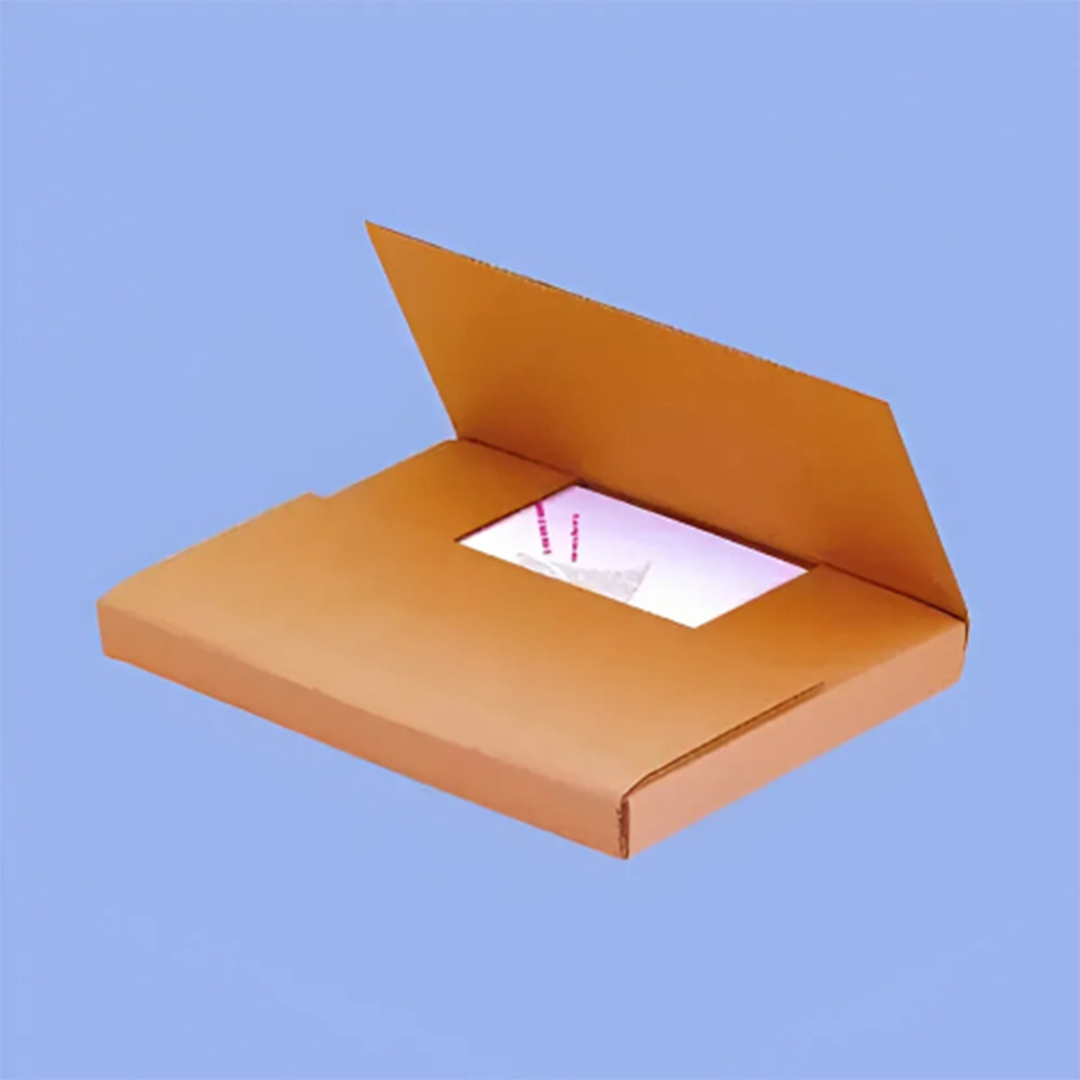
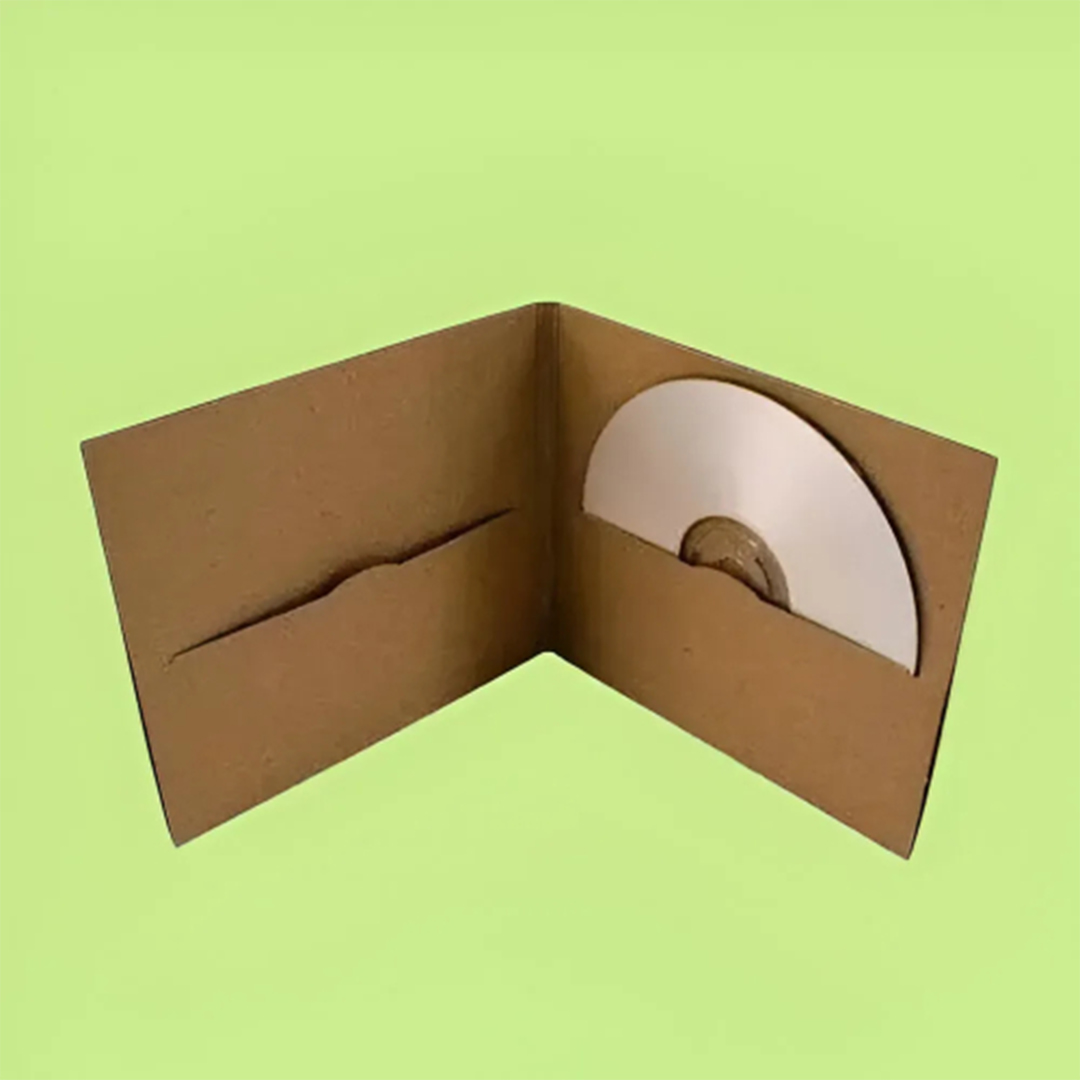
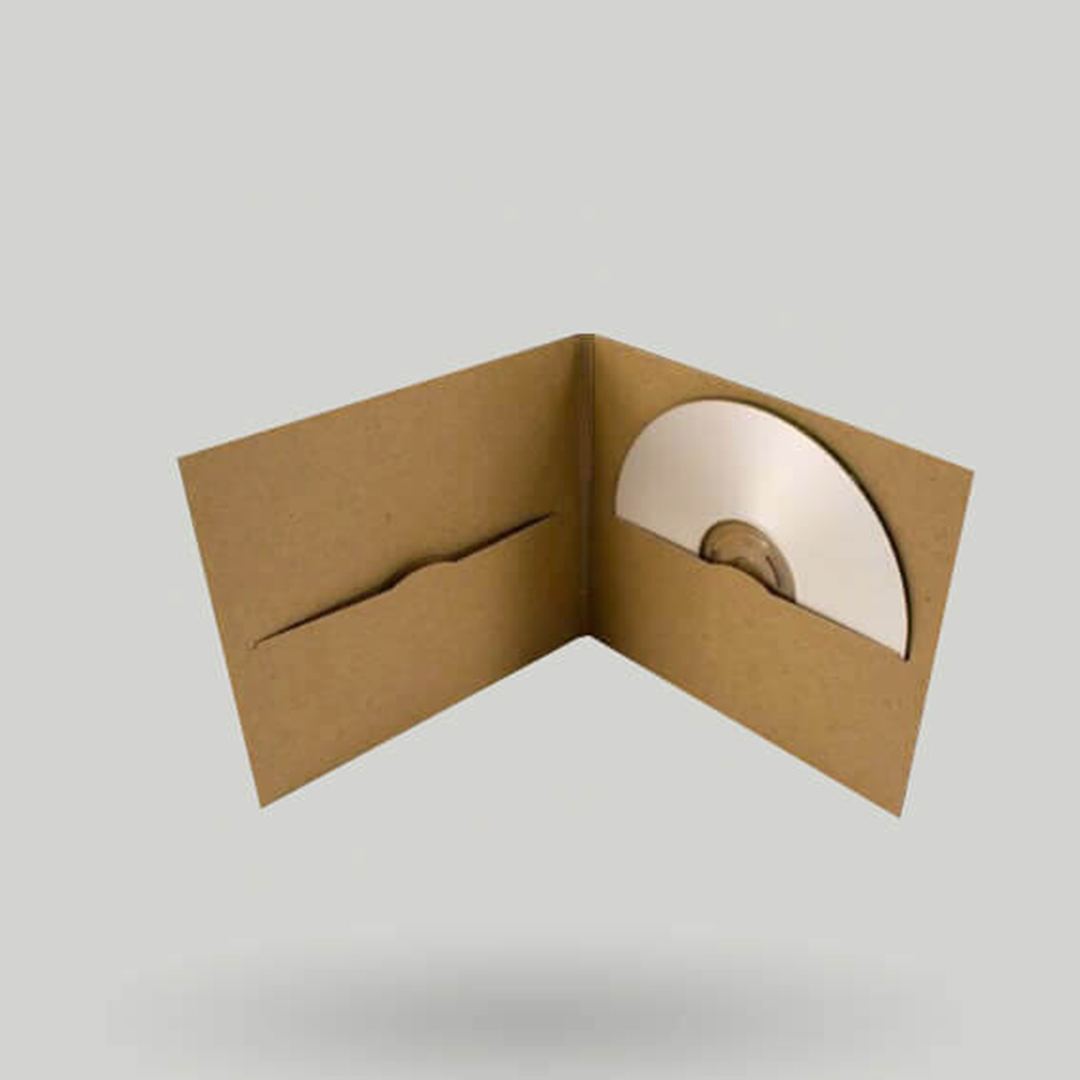
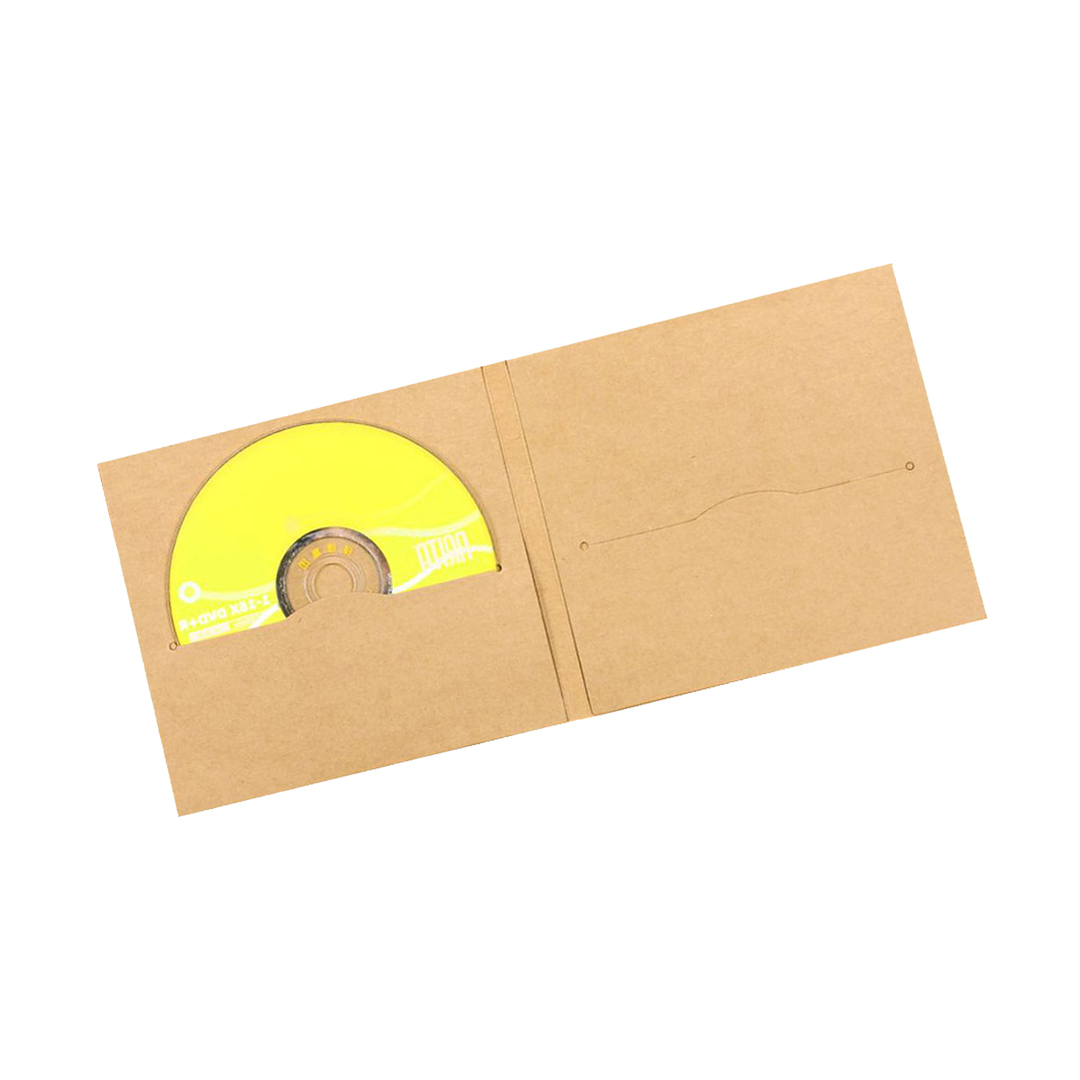

Cardboard CD/DVD Packaging Boxes

Price: Starting From the $0.20 per piece. Final price varies by quantity and customization.

SSL Badge

Cardboard CD/DVD Packaging Boxes keep music, movies, games, and backup discs in neat, clearly labelled rows while shielding them from dust, light scuffs, and shelf wear. Designed in wholesale runs by Shop Cardboard Boxes, these units give collectors, teams, and archives a calm way to group discs by project, artist, or year without adding heavy furniture.

Description

Cardboard CD DVD Packaging Boxes For Daily Storage Use

Cardboard CD, DVD, and packaging boxes help keep music, movies, and data discs in a clear order for home shelves, offices, and studio storage. When you also use Cardboard Photo Frames Packaging on the same shelves, printed memories and discs can sit in one consistent layout that feels easy to scan. This makes it simpler to maintain one steady media zone instead of scattered stacks in different places. Each disc has a defined spot, so less time is spent searching and more time is spent using the content. Over weeks and months, returning discs to the same box helps keep the whole area under control.

These boxes suit both small collections and growing sets. A single Cardboard CD Storage box can hold favourite albums, podcasts, or family recordings in one place. Larger sets like training discs or client files can be split across multiple units, so each group stays separate and easy to find. Shelves stay tidy, and discs remain upright in rows instead of slipping behind other items. People quickly learn where each type of disc belongs, which reduces mix-ups and missing cases.

Organised Mixed Media Collections In One Place

When discs are stored inside cardboard CD and DVD packaging boxes, every group gets a visible boundary. Sorting can be done by artist, client, year, project, or subject, with each box acting like a small media library. Booklets, photo cards, and inserts can sit with the disc, keeping related items together for future reference. This is useful when returning to older campaigns, lessons, or personal projects and needing everything within one reach.

Many people like the look of a modular shelf-style DVD storage setup without being limited by rigid plastic furniture. Several narrow boxes can sit side by side, each with a clear title and code. Together, they can offer capacity similar to large multi-disc storage layouts while staying easier to lift, rearrange, and recycle. As the collection grows, more boxes can be added without changing the entire shelf plan.

Key Storage Advantages

  • Discs stay upright instead of shifting into random piles
  • Side panels provide more label space than thin case spines
  • Bundled sets keep discs, inserts, and notes together
  • Units move easily between shelves, cupboards, and meeting rooms
  • Cardboard reduces reliance on hard plastic around the storage area
  • Worn units can be placed into common paper recycling streams

Planning Steps For Your First Disc Layout

  1. List the discs used most often and group them by purpose or topic.
  2. Measure shelf depth so box lengths sit flush and do not overhang edges.
  3. Decide whether sleeves, wallets, or plastic cases will sit inside each unit.
  4. Match board strength to how often the boxes move between rooms or sites.
  5. Plan simple titles or codes for front and side panels for easy reading.
  6. Keep one spare unit ready for new discs that arrive during the year.
  7. Review groups every few months and adjust if habits or projects change.
Disc Grouping Type Approx Discs Per Unit Profile Style Typical Use Case Handling Note
Audio CDs in sleeves 10–40 Compact upright Music and spoken word sets Light to carry and simple to label
Movie DVDs in sleeves 15–50 Medium length Film and series collections Helpful when title labels matter
Slim DVD cases 8–30 Deeper upright Home cinema and office racks Works well for upright shelf storage
Blu-ray style cases 6–24 Shorter, taller High-definition releases Supports slightly thicker cases
Data backup discs 20–80 Long, low profile IT and backup archives Easy to tag with date and batch codes
Mixed media bundles 10–25 sets Custom inner support Training packs and combo kits Holds discs plus booklets or inserts
Promo sample discs 25–100 Light bulk packaging Events and mailout packs Handy for quick distribution

Large Cardboard CD DVD Packaging Boxes For Archives

Large cardboard CD and DVD packaging boxes help teams manage media growth over time by keeping projects, events, and seasons separated into clearly marked units. Many buyers who browse Cardboard Boxes By Functionality prefer larger units so each category can stay in its own container. This layout works well for training teams, studios, schools, and libraries that run recurring media cycles. Each carton becomes a clear segment in a storage system that stays readable across years.

These units fit well on warehouse racks, library shelves, and studio storage rooms. One carton may hold recordings from a single conference, another may store a full year of course content, and another may protect long-term client archives. Over time, rows of dated cartons form a timeline that can be understood from a distance. Large cardboard CD and DVD packaging boxes carry more volume while remaining practical to lift and reposition with care.

Bulk Media Storage Support From Larger Units

A large disc carton can help prepare media for multiple departments, branches, or partner sites from one central space. Inside, smaller bundles can be arranged by region, team, or classroom. People can read the code on the outer panel, open the carton, and identify the correct set to send. This reduces guesswork and helps avoid packing mistakes.

For high-capacity needs, many users prefer several long cartons rather than one heavy storage block. Each carton holds its own range of discs, and front-and-side labels show what is stored inside. If one subject grows faster than others, an additional carton can be added for that group without disturbing the rest. This keeps archives flexible while still structured.

Situations Where Larger Units Work Well

  • Training teams update course media each year
  • Schools storing exam prep and recorded lessons
  • Studios archiving campaigns, edits, and behind-the-scenes media
  • Nonprofits keep recordings of talks, workshops, and events
  • Software teams storing legacy release discs as offline records
  • Libraries and media centres organising mixed-format sections

Simple Archive Planning Process

  1. Estimate how many discs each project, season, or year usually produces.
  2. Assign one carton to each major segment rather than mixing unrelated items.
  3. Decide whether inner bundles will be sorted by month, client, topic, or module.
  4. Match carton length and height to existing racks, pallets, or cupboards.
  5. Print project names, years, and codes on both front and side panels.
  6. Keep a few spare cartons available for sudden growth or special events.
  7. Move older segments to higher or deeper shelves as new content takes priority.
Project Style Disc Volume Trend Suggested Unit Mix Storage Placement Long-Term Aim
Client media projects Medium steady Several medium and large Mid-height racks for quick reach Keep the current work easy to access
Annual conference sets High once per year A few very large units Higher racks after each season Preserve clear records by event
Training course series Constant additions Balanced small and large Mixed levels sorted by course Help trainers locate current modules
Software release archives Heavy technical load Long sturdy cartons Controlled storage space Support retention and audit needs
Public event recordings Irregular spikes Flexible medium units Movable racks or trolley setups Easy redeployment for new occasions
Educational media kits Moderate steady Medium labelled units Classroom-side cupboards Simple access for staff
Museum or gallery audio Slow but important Strong protective units Secure archive areas Protect delicate media for years

Cardboard CD DVD Packaging Boxes For Different Users

Cardboard CD, DVD, and packaging boxes work best when they match how discs are handled day to day. Some buyers use Cardboard boxes wholesale so their CD, DVD, and mixed media packaging follows the same material standards used across storage cartons and other packaging formats. When sizes and stacking rules stay consistent, shelves and storage areas become easier to manage.

Home collectors often need boxes that fit narrow shelves while keeping titles easy to read. Offices need access during meetings without loose cases spreading across desks. Archives rely on clear coding and safe stacking so cartons can remain in place for years. Planning around these patterns helps the storage system support real habits instead of becoming extra clutter.

Matching Box Styles To Everyday Use

For home setups, a simple Cardboard CD Storage box can hold albums, games, or film discs under one clear label. Several units lined up on a shelf can store a large amount of media while still looking tidy. Grouping by genre, decade, or household member can work well when the same order is followed consistently.

Main Points To Check Before Choosing A Design

  • Current disc count and likely growth over the next year or two
  • A mix of audio, video, data, and game formats in the collection
  • Sorting rules such as by artist, client, year, subject, or branch
  • Shelf, cupboard, or rack dimensions in each location
  • Preference for plain labelling or designed outer panels
  • Delivery routes that may require a stronger board selection
  • Recycling goals and material preferences for the space

Straightforward Path From Idea To Filled Units

  1. Note disc types, quantities, and who uses each group most often.
  2. Divide content into small, medium, and large sets based on daily activity.
  3. Match each set with an open or lidded unit, depending on stacking needs.
  4. Prepare titles, series names, and reference codes for the outer panels.
  5. Confirm sizes, finishes, and wholesale quantities that fit budget planning.
  6. Fold units along score lines and load discs in stable upright rows.
  7. Place the most-used sets at eye level or near main work areas.
User Group Main Storage Goal Suggested Unit Type Disc Quantity Range Helpful Extra Detail
Home media collector Organised shelves Compact upright disc units 20–120 discs Notes written along box spines
Small business owner Clear client delivery Medium labelled cartons 30–200 discs Contact details on outer panels
Training coordinator Smooth course rollouts Lidded coded cartons 50–400 discs Course and module codes outside
IT administrator Stable backup archive Strong long disc units 100–600 discs Date and system tags on side panels
Creative studio team Project-based filing Mix of small and large 40–300 discs Colour accents by client or theme
Library media manager Controlled access Heavy-lidded units 80–500 discs Large, readable category labels
Event organiser Post-event media storage Light carry disc units 20–250 discs Event title and year on every unit
Feature / aspect Details Material options Finishing choices Add ons and features Usage and application
Core product Cardboard CD/DVD Packaging Boxes in small, medium, and large formats Standard white board, natural kraft board, recycled content Gloss, Matte, Spot UV on key artwork Custom die cuts, inner supports for sleeves and cases Storage and transport of CDs, DVDs, Blu ray, and data discs
Storage capacity From compact home sets up to layouts similar in volume to a DVD Storage Case 500 Single wall board for light loads, heavier board for archives Full panel printing, spine and front text Printed codes for years, projects, events Home collections, studios, training libraries, software archives
Layout styles Upright rows, long low profile units, and lidded stackable cartons Custom heights and lengths to match shelves and racks Inside and outside print available Index marks, category colours, barcode and QR print areas Living room shelves, office cupboards, warehouse and library racks
Lidded options Cardboard cd dvd packaging boxes with lids for stacked storage Reinforced lid edges if needed Matching or contrasting lid artwork Space for large titles and series marks on lids Stacked archives, busy stockrooms, event kits and conference media
Branding and artwork Panels sized for album covers, film art, and series branding Smooth white surfaces, natural kraft backgrounds Gloss or Matte base, optional Spot UV Logo highlights, artist names, series numbers Retail display, client presentation packs, collector and gift editions
Handling and logistics Units supplied flat and folded on site for efficient transport Board grades matched to courier or pallet routes Print that remains readable after handling Hand holes or grip flaps on larger cartons Bulk shipping to branches, event venues, education campuses
Sustainability approach Paper based media storage with easy end of life recycling Recycled and recyclable boards where required Low glare print setups for long term use Minimal plastic where discs already use cases or sleeves Organisations and individuals aiming to reduce heavy plastic storage use


1. What do cardboard CD DVD packaging boxes actually do for a disc collection?

These boxes group discs into calm, labelled units so that music, films, games, and backups stop drifting into random stacks. Each unit gives you a specific place to return discs after use, which keeps shelves readable and easy to scan. Over time, this routine reduces missing cases, saves search time, and helps every user understand where each type of content belongs.

2. How many discs can a single box hold at one time?

Capacity depends on whether you use sleeves, wallets, or full plastic cases, as well as the internal size you choose. Compact units may hold 10–40 CDs in sleeves, while larger formats can reach volumes similar to a DVD Storage Case 500 layout when several long boxes work together. Planning disc counts in advance lets you match each unit to home collections, studio shelves, or archive racks without overloading any one container.

3. What is the difference between small units and large cardboard cd dvd packaging boxes?

Smaller units focus on everyday access, so they fit easily into living room furniture, small cupboards, or desktop racks. Large cardboard cd dvd packaging boxes are designed for archives, training libraries, or high volume media projects where many discs must live together under one code. Using both sizes side by side lets you keep active content nearby while older or bulk material moves into deeper, long term storage.

4. How do cardboard cd dvd packaging boxes with lids help in busy storage areas?

Lidded units close across the full top surface, so dust and light debris stay away from discs during movement and stacking. Pressure from other boxes rests on the lid instead of on disc edges or plastic cases, which lowers the risk of cracks and warping. This design suits studios, libraries, and stockrooms where units travel on trolleys, sit on higher racks, or move between locations on a regular schedule.

5. Are these boxes suitable for mixed media like discs plus booklets or photo cards?

Yes, many layouts support discs alongside slim booklets, photo inserts, or printed guides in the same unit. Inner supports or simple dividers help keep paper items upright so they do not curl or snag when discs move. This approach turns each unit into a compact media kit, which is useful for training packs, special editions, or client presentation sets that combine audio, video, and print.

6. How do these boxes compare to a DVD Storage box IKEA style solution?

A DVD Storage box IKEA style setup usually provides a fixed, ready made container, while cardboard units give more freedom in sizing and artwork. You can line up several slim cartons to mimic the same tidy grid while deciding exactly how many discs each unit will carry. If your collection grows or room layout changes, you can add, move, or recycle individual units without replacing an entire furniture piece.

7. Can cardboard CD DVD packaging boxes be used for professional archives and compliance needs?

Many archives, IT teams, and studios use these units because they support clear labelling and consistent codes across years. When discs carry backup data or important recordings, strong board grades and stable stacking patterns help keep content safe for long periods. Paired with sensible climate control and indexing, the boxes become one layer in a wider compliance and retention strategy.

8. What role does a Cardboard CD Storage box play in a home media setup?

A Cardboard CD Storage box turns loose piles of albums or audio discs into a simple, tidy row that is easy to browse. Once you pick a rule such as alphabet, artist, or decade, the spine labels on the discs and the box title work together as a quick visual guide. This keeps listening areas pleasant to use and makes it much harder for favourite discs to disappear behind furniture or into other rooms.

9. Are these boxes strong enough for frequent moves between rooms or sites?

Units made with the right board grade and crease pattern handle repeated lifting, stacking, and transport without collapsing. Handles, grip cutouts, or simple openings can be included on larger cartons so people carry them comfortably. For high traffic projects such as training courses or events, planning slightly thicker board and modest disc counts per unit improves long term handling.

10. How can I plan storage if I want capacity similar to a DVD Storage Case 500?

Instead of relying on one very heavy container, you can break that volume into several long units that sit side by side. Each unit receives a clear label for part of the collection, such as season, course level, or year, so you always know which segment you are lifting. This layout gives you the rough capacity of a DVD Storage Case 500 while keeping each move light enough for day to day work.

11. Do cardboard CD DVD packaging boxes work well for lending collections and libraries?

Yes, they help librarians and media staff separate content into categories that match shelving schemes and lending rules. Units can hold discs that share a subject, reading level, or genre, and the outer panels carry large, readable category text. When items return, staff simply drop discs back into the right unit, which keeps back room areas calm even during busy periods.

12. Can these boxes support both retail display and back room storage at the same time?

Front facing units can carry stronger artwork, titles, and logos for store shelves, while back room units focus on clear restocking codes. Because all units follow similar sizes and folds, staff can move discs from storage to display without changing packaging styles. This consistency saves time, reduces errors, and keeps both customer facing and staff areas aligned.

13. How do I decide whether I need open units or lidded versions?

Open units suit media that stays on reachable shelves where dust is low and discs are used often. Lidded versions suit stacked layouts, longer storage periods, or spaces where units move around more, such as vans, trolleys, and busy stockrooms. Many collections use a mix, with open units near daily users and lidded formats in deeper archive or shipping zones.

14. Are cardboard CD DVD packaging boxes suitable for eco focused or low plastic projects?

Because these units rely mainly on paper based board, they reduce the amount of rigid plastic needed to house discs. When local recycling rules allow, worn units can usually enter paper or cardboard streams once any non paper parts are removed. Choosing natural kraft or recycled boards also supports visible sustainability goals for brands, schools, and households.

15. What finishing choices make sense for the Best cardboard cd dvd packaging boxes?

For the Best cardboard cd dvd packaging boxes in a branding sense, coating and print choices should match how people use the discs. Gloss surfaces support bold, image led releases, while Matte works well when long text panels or low glare reading are important. Spot UV and carefully chosen inks help highlight series names or logos so users can recognise key titles on a crowded shelf in just a glance.

Built for protection

Material Strength and Box Structure

The strength of a cardboard box plays a critical role in protecting products during storage, handling, and transportation. Our boxes are manufactured using reliable materials and structural designs to match different load and usage requirements.

Single Wall Cardboard Boxes

Suitable for lightweight products and short-distance shipping. These boxes provide dependable protection while keeping packaging costs economical.

  • Ideal for retail and inner packaging
  • Easy to handle and stack
  • Cost-effective solution

Double Wall Cardboard Boxes

Designed for medium to heavy products that require additional strength and resistance during shipping and storage.

  • Extra cushioning and rigidity
  • Suitable for long-distance transport
  • Improved stacking strength

Triple Wall Cardboard Boxes

Built for maximum durability, these boxes are suitable for heavy-duty industrial shipping and high-load packaging requirements.

  • Excellent load-bearing capacity
  • Enhanced protection against impact
  • Recommended for bulky items

Corrugated Cardboard Boxes

Corrugated structures combine strength and flexibility, making them a reliable option for everyday shipping and storage needs.

  • Shock absorption and strength
  • Versatile across industries
  • Supports sustainable packaging
Practical applications

Where These Cardboard Boxes Are Commonly Used

These cardboard packaging boxes are designed to support multiple industries and everyday business needs. Their structure, strength, and finish make them suitable for both protection and presentation.

Food Packaging

Suitable for bakeries, takeout food, snacks, burgers, and pizza packaging where freshness and structure matter.

Retail & Shelf Display

Ideal for retail packaging, in-store display, and branded presentation of consumer products.

Shipping & Logistics

Designed to protect products during transit, stacking, and long-distance transportation.

Storage & Organization

Useful for organizing inventory, documents, seasonal items, and warehouse storage.

Gifting & Events

Suitable for gift packaging, promotional events, holidays, and special occasions.

Subscription Boxes

A reliable choice for monthly subscription services that require consistent sizing and durability.

Flexible customization

Customization Options to Match Your Packaging Needs

Choose the size, shape, printing, and finish that fits your product and branding goals. Our customization options are designed to support both standard packaging and fully branded solutions.

Sizes and Shapes

Select from standard dimensions or request custom sizes and structures to fit your product precisely.

  • Large, medium, and small boxes
  • Cube, rectangular, and specialty shapes
  • Custom dimensions available

Printing and Branding

Enhance visibility with high-quality printing that reflects your brand identity.

  • Digital and offset printing
  • Full-color CMYK printing
  • Pantone color matching

Coating and Finishes

Choose surface finishes that add protection and improve the visual appeal of your packaging.

  • Matte and gloss coating
  • Spot UV for highlighted areas
  • Soft-touch finish

Premium Add-Ons

Optional enhancements that help your packaging stand out on shelves and during unboxing.

  • Foil stamping
  • Embossing and debossing
  • Window cut-outs

Let’s work together

Get in touch today and receive a complimentary consultation.