






Description
Cardboard WiFi Device Boxes For Stable Tech Storage
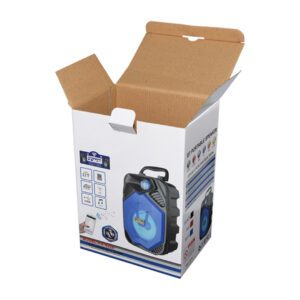
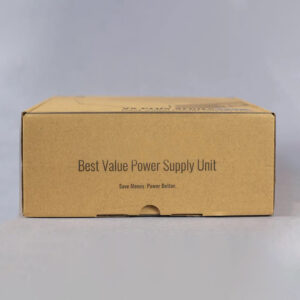
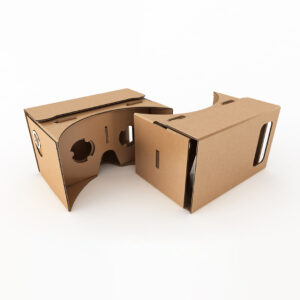
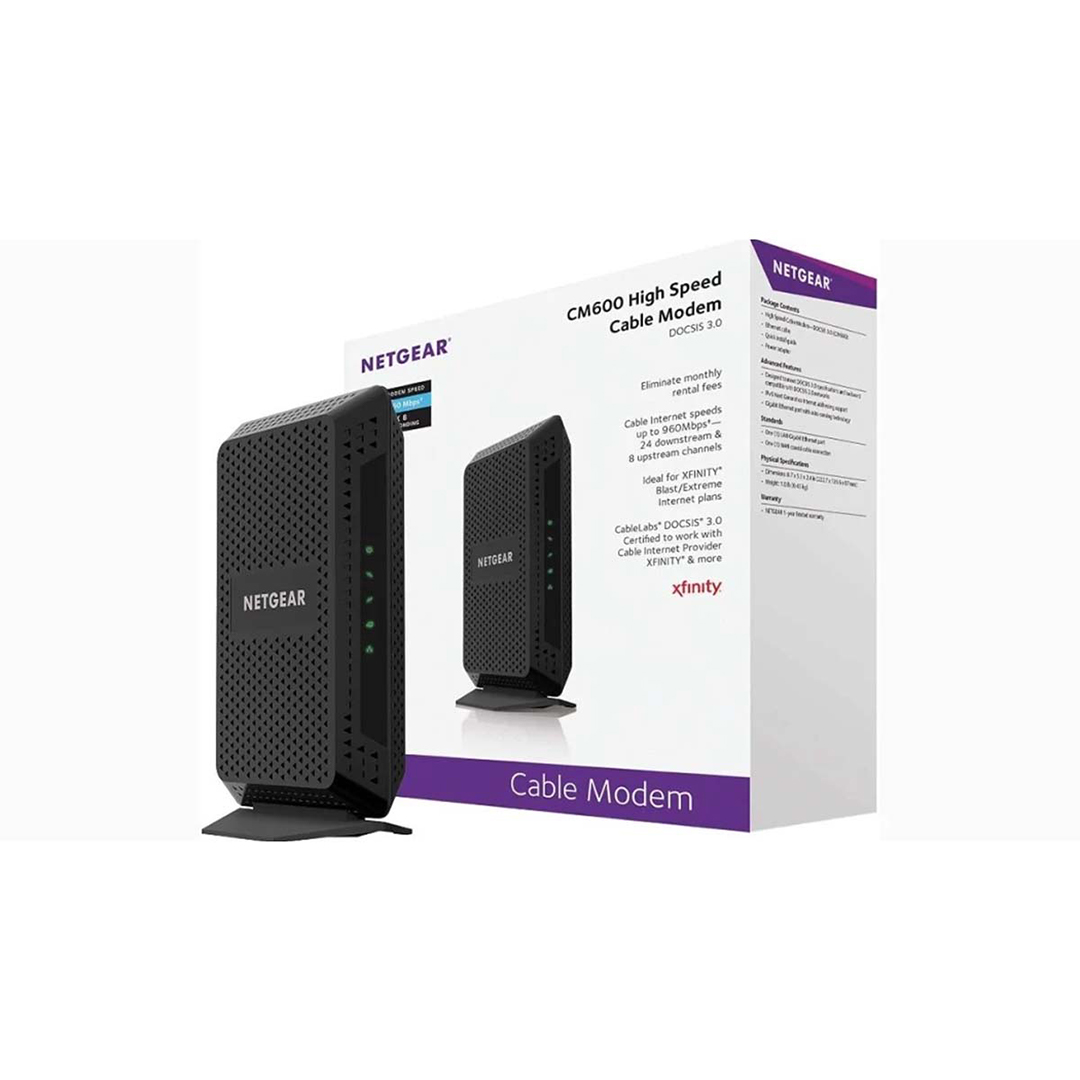
Cardboard WiFi device boxes give routers, hotspots, access points, and signal units a steady place to sit so they stay safe and organised over time. In many tech storage setups, the Cardboard Router Packaging Boxes range sits alongside these WiFi units, so the whole networking section looks and behaves like one controlled system on the shelf. The firm outer structure helps reduce small knocks and scuffs during daily handling, while the shaped interior keeps hardware from rolling, leaning, or pressing into corners. This makes it easier for staff to move boxes between rooms, racks, or counters without worrying that the device will slide around inside.
These same boxes support clean shelf rows in storerooms and retail areas where different networking tools sit side by side. Straight edges and reliable shape stop stacks from tilting, so boxes stay aligned even when they are picked up and put back many times a day. Staff working with several tech categories can place units in neat lines and keep rows clear, even in narrow cabinets. Smooth exteriors help boxes glide into position without catching, while consistent internal space keeps devices balanced and protected during their time in storage.
Handling and stability benefits for WiFi hardware
WiFi device boxes help keep routers and extenders positioned evenly so staff can manage daily shelf adjustments with less effort. The structured layout supports the body of the device and gives accessories, such as cables or adaptors, room to sit without sliding across the base. This calmer internal environment protects ports and surfaces from pressure marks that sometimes appear when items move around loosely inside a carton. Staff get more predictable results whenever equipment is moved or re-packed.
The same stability improves presentation in offices, workshops, and stores where networking tools are often moved between desks or counters. Boxes stand upright without sagging, and matching outer dimensions make them easier to line up in compact spaces. When equipment needs to be shifted for cleaning, counting, or reconfiguring, the packaging remains firm in the hand. Over time, this reduces wear on both the product and the outer box, so displays stay tidy and hardware remains ready to use.
Key functional advantages for daily device handling
- Helps keep compact WiFi units centered inside the packaging
- Limits internal scuffing caused by movement during carrying
- Supports neat shelf layouts thanks to consistent external shape
- Makes it easier for staff to manage several rows of devices at once
Structural performance benefits for storage systems
- Keeps stacked boxes firm so columns stay straight on shelving
- Reduces direct pressure on sensitive device edges and corners
- Limits deformation of packaging across many handling cycles
- Supports clear, category-based organisation in tech storage areas
| Feature | Details | Material options | Finishing choices | Add-ons and features | Usage and application |
|---|---|---|---|---|---|
| Dimensions | Fully custom width, height, and depth for each model | Kraft, White SBS, Recycled cardboard | Gloss, matte, spot UV | Window cut-outs, thumb notches, cable slits | Retail device packs, IT storage, shipment units |
| Printing | Full-colour CMYK, PMS, or simple line work | 14pt–24pt board ranges | Offset or digital printing | High-res logos, QR codes, barcodes | Branded sleeves and outer wraps for tech products |
| Die-cutting | Custom die-lines for snug fits and clean edges | Kraft or white interior options | Precision cutting for smooth folds | Rounded corners, glue-free fold styles | Accessory kits, bundled media and device sets |
Cardboard WiFi device boxes for organised shelf layouts
WiFi device boxes support daily organisation in offices, retail spaces, repair centres, and IT storerooms where networking products are grouped by type or project. Their firm shape helps staff keep rows tidy whether boxes sit in cupboards or on open racking. In many environments focused on structured tech layouts, the Cardboard Boxes By Functionality range keeps routers, extenders, and related tools following the same packaging language on the shelf. This consistency reduces clutter and helps prevent units from pressing into each other or leaning into gaps between stacks. Clear rows are easier to scan and safer to adjust.
These boxes make it simpler for employees to move equipment between departments or support desks. The rigid body offers a comfortable grip and resists bending during short walks between rooms, lifts, or corridors. When boxes stand close together on narrow shelves, their dependable shape keeps the whole row balanced rather than sagging in the middle. This matters in compact storerooms where every centimetre counts and where equipment may be accessed several times a day. Over time, the packaging becomes part of a reliable routine that staff can trust.
Multi-device storage benefits for network teams
The structural consistency of WiFi device boxes keeps columns and rows steady whether they are stacked or lined up side by side. Smooth outer edges reduce friction between neighbouring boxes, which helps protect both print and board even when items are moved often. This makes the format suitable for tight storage spaces, rolling racks, and mobile carts that IT teams use while handling tasks around a site. Equipment looks organised instead of scattered across different types of cartons.
Boxes support visibility within category-based storage as well. Printed panels, label zones, or simple codes help staff find the right device quickly when they are working on urgent tickets. Because each unit follows the same basic footprint, shelves look ordered even when stock levels change. This gives storerooms a calmer appearance and can shorten the time needed to locate the correct router, hotspot, or access point during a busy day.
Organisational strengths in multi-device layouts
- Keeps grouped devices aligned whether stored or displayed
- Reduces stress on corners and seams when boxes are stacked together
- Supports clear separation between device categories on shared shelves
- Handles frequent shelf adjustments without losing overall stability
Practical storage benefits for IT and retail spaces
- Helps reduce disruption when staff adjust or rotate device rows
- Supports neat multi-unit alignment on narrow wall-mounted racks
- Allows quicker movement of stock during peak work periods
- Improves shelf clarity for both employees and visiting customers
| Feature | Details | Material options | Finishing choices | Add-ons and features | Usage and application |
|---|---|---|---|---|---|
| Storage support | Internal spacing designed for stable device seating | E-flute and similar lightweight corrugated | Matte or gloss coatings | Side reinforcements, support flaps | IT storerooms, equipment cages, server-room shelving |
| Handling ease | Outer surfaces shaped for comfortable gripping | Recycled cardboard and blend boards | Satin or smooth finishes | Clean, rounded edges | Retail shelves and tech demo areas |
| Exterior strength | Walls engineered for long-term shape retention | Duplex and other rigid boards | UV protective coats | Printed labels, code zones | Help desks, device issue counters, service windows |
WiFi device packaging for active retail presentations
WiFi device boxes support daily shelf adjustments in tech aisles where products move regularly through restocking and re-facing. Firm walls help each box keep its form while staff manage front-facing displays and promotion changes. Shops presenting routers, extenders, and mesh systems depend on packaging that maintains symmetry when several SKUs stand side by side. In many retail routines where tech sections must stay tidy, Cardboard Packaging Boxes with matching size standards across related products make displays easier to shape and maintain. Rows stay consistent even as stock levels rise and fall.
These boxes help protect the visual condition of the presentation by preventing bulging and internal shifting. Retail staff who move items many times a day notice when a box keeps its edges and graphics intact. Proportions designed for shelving make it simpler to line devices up in long runs without gaps that break the rhythm of the layout. When shelves are re-set for new ranges or seasonal offers, the same packaging continues to support clear placement and a clean overall look.
Display and handling benefits in tech aisles
WiFi device boxes contribute to a neat, easy-to-read shelf layout in busy tech areas. Controlled outer edges reduce uneven gaps between rows, which makes the whole section look more balanced to shoppers scanning for the model that suits their needs. When packaging dimensions follow a consistent pattern, planograms and display plans are easier to build and follow across multiple branches. Staff can copy the same layout in different stores without guessing spacing.
The structured body supports the contents during repeated handling. Team members can pull a box forward, check a code, and slide it back without collapsing the row or denting the sides. By limiting internal movement, the packaging supports a steady presentation even late in the trading day. This contributes to a more professional impression and can help customers feel comfortable picking up devices for a closer look.
Retail display advantages for networking products
- Helps maintain clean, even rows along store shelves and wall bays
- Supports secure handling when staff refresh or re-balance displays
- Keeps devices centered so artwork and information stay aligned to the front
- Reduces surface wear and creasing caused by everyday movement
Display system benefits during stock rotation
- Supports aligned product layouts across several shelf levels
- Helps reduce denting and soft spots along exposed edges
- Makes repositioning units easier during price or planogram changes
- Improves the overall visual impression of the tech category section
| Feature | Details | Material options | Finishing choices | Add-ons and features | Usage and application |
|---|---|---|---|---|---|
| Retail handling | Reinforced edges to cope with frequent touches | White cardboard and coated boards | Gloss or matte outer coats | Smoothed corners, easy-open panels | Store counters, promo tables, gondola shelves |
| Display alignment | Dimensions tuned for balanced row layouts | Kraft-based and blended boards | UV protection for printed art | Dedicated label areas | Tech aisles, end caps, wall displays |
| Protective build | Internal space created for stable device seating | SBS and other strong carton stocks | Soft-touch or smooth finishes | Branded logos and info panels | Electronics sections, branded shop-in-shop areas |
Bulk WiFi device packaging for storage and supply chains
Bulk runs of WiFi device boxes support distributors, warehouses, and larger retailers who need packaging that behaves well from initial packing through to final installation. Many operations align their device packaging with Shop Cardboard Boxes so WiFi units, accessories, and related tech products share compatible outer sizes and stacking behaviour. This approach helps pallets, cartons, and shelf runs stay predictable throughout the supply chain. Boxes remain firm inside transit packaging, which reduces the risk of edges crushing or rows collapsing during longer journeys.
Empty device boxes give packing teams flexibility when stock levels rise or new models arrive. Flat-packed units take up minimal room in storage, then fold into shape quickly when it is time to prepare hardware for shipment or shelf display. Once assembled, they work with inserts or simple supports to accommodate routers, hotspots, and smaller accessories in the same format. Balanced structure suits both central warehouses and smaller back rooms behind retail areas, so one packaging family can support several stages of the distribution flow.
Bulk handling and storage advantages for networks and retail
Supply and storage teams benefit from boxes that pack tightly into outer cartons, move smoothly on pallets, and still look smart once they are unpacked. WiFi device boxes with matched footprints and controlled heights simplify carton planning, which can reduce transport costs over time. Because the packaging resists deformation, boxes unpacked at the final destination still hold their shape and are ready for immediate display or installation.
In day-to-day storage, medium and large sizes can be mapped to specific device types so shelves and racks follow a simple, repeatable pattern. This helps staff know where to place each unit and speeds up stock counts or batch checks. Bulk device boxes can share racking and pallets with other cardboard carriers in a coordinated setup, which reduces wasted space and confusion across the system. Over many cycles, this steadier flow supports more reliable service for customers and internal teams.
Benefits of bulk-focused WiFi device box programs
- Helps maintain box shape and print quality through long-distance transport
- Supports efficient stacking in pallets, cartons, and storage racks
- Keeps different device types easy to group and separate on shelves
- Reduces the chance of hardware shifting inside mixed consignments
Workflow advantages of flat-packed and assembled units
- Flat stock uses less room in warehouses and back-of-house spaces
- Fast folding styles support high-volume packing and repacking tasks
- Secure closures stay firm in both local and regional distribution
- Clear outer panels make labelling and scanning faster for staff
- Heavy-duty options suit larger or more delicate WiFi units
- Shared sizes across product families simplify reordering and forecasting
- Flexible insert choices allow one outer shell to fit several device types
- Simple, clean interiors support tidy cable coiling and accessory placement
| Box type | Folding style | Material | Base width | Common use |
|---|---|---|---|---|
| Flat-packed device box | Quick fold from flat blank | Kraft or white card grades | Medium footprint | Warehouse packing, direct-to-store shipments |
| Locking lid tech carton | Secure close once assembled | Strong cardboard and duplex board | Wider base profile | Retail back rooms, on-site IT storage |
| Windowed device pack | Clear panel for product visibility | SBS or similar display-grade board | Standard or slim base | Retail tech walls, demo shelves |
| Heavy-duty WiFi carrier | Reinforced sides and base structure | Corrugated or rigid composite board | Broad base for weight support | Distribution hubs, high-value device logistics |