





Description
Cardboard Boxes For Regular Vegetable Supply
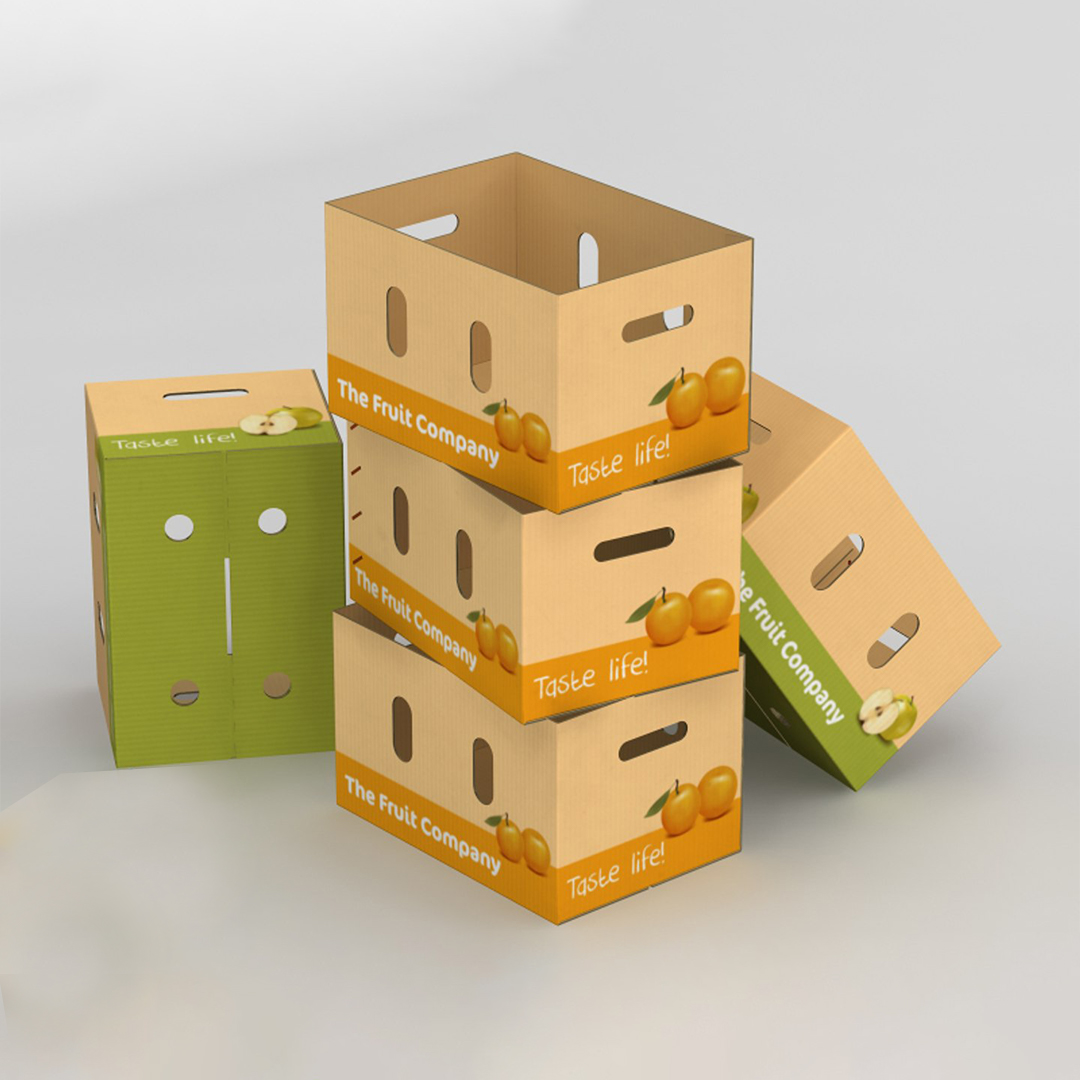
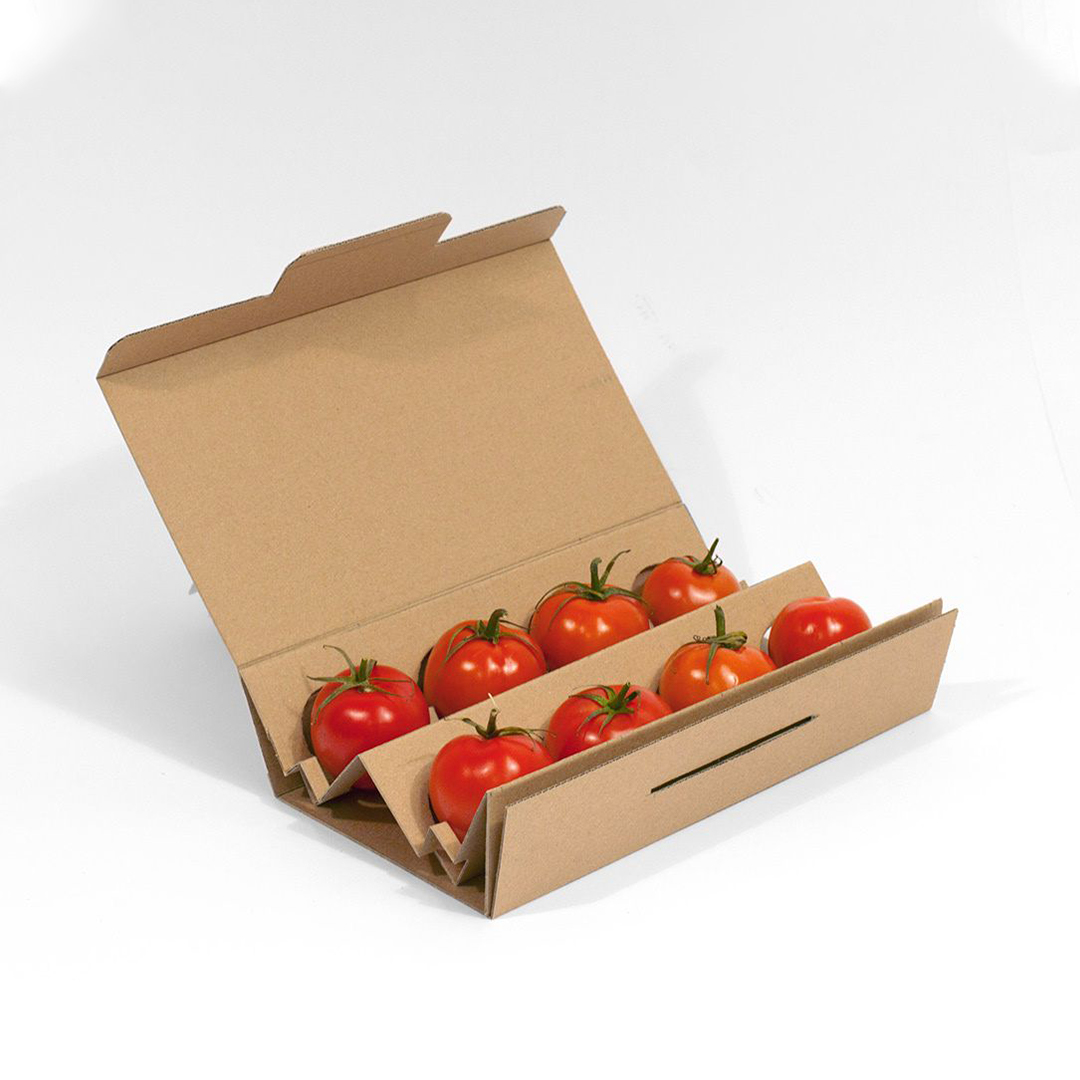
Cardboard Vegetable Packaging Boxes are used by farms, wholesalers, and supermarkets to move produce in cartons that keep a consistent shape during handling and stacking. Some food brands group fresh lines with Cardboard Noodle Boxes, so hot food and produce packaging follow a similar board category for storage and transport handling. Large cardboard vegetable packaging boxes can be sized for crates, shelf-ready trays, and mixed assortments. This keeps carrots, peppers, greens, and root vegetables separated by pack layout from the field to the cold room.
The board structure supports ventilation, stacking, and label placement without crowded panels. Cardboard vegetable packaging boxes are used in local markets, supermarket chains, and wholesale depots where produce moves frequently and needs clear identification. Short sentences and clear panel layouts allow staff to read a variety of names, grades, and dates at a glance. This is useful when teams are picking orders or arranging front-of-store displays. It also supports selection when multiple grades or sizes are displayed together.
Board Strength And Airflow Support For Produce
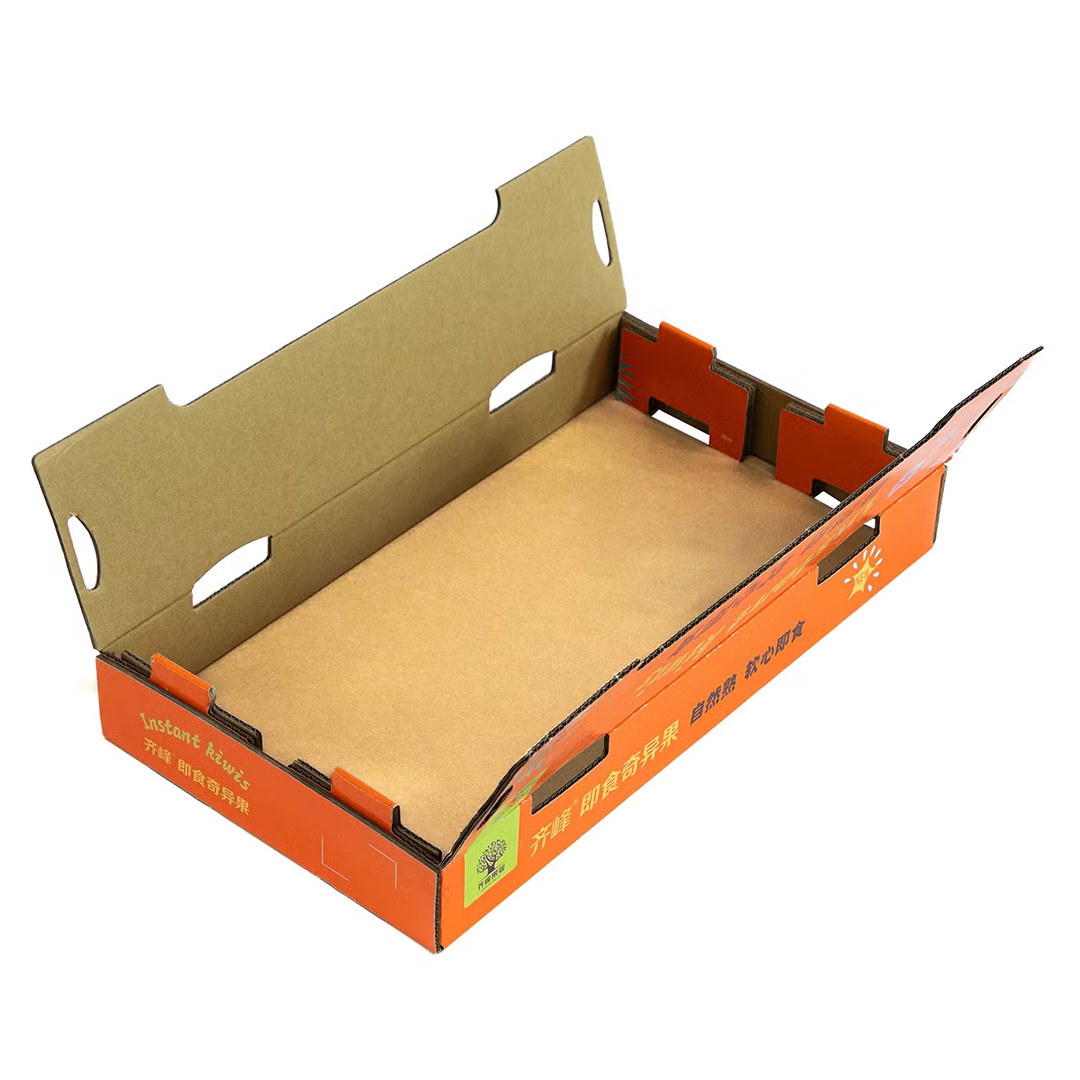
Fresh vegetables need packaging that balances structural support with controlled airflow. Cardboard vegetable packaging boxes with lids or open tops can be cut with side vents so air can move around leafy items without creating loose stacks. When boxes are sized correctly, loose movement is reduced, and the risk is reduced. This kind of structure supports local transport and overnight holding, where stacking and temperature changes may occur. It also supports stacking units without compressing lower layers.
Key Handling And Display Benefits
-
Supports stacked pallet loads for regular supply
-
Helps reduce bruising with better weight distribution
-
Keeps vegetable lines visually separated on racks
-
Allows simple branding without crowding panels
Operational And Logistics Highlights
- Supports Cardboard vegetable packaging boxes wholesale runs
- Helps cold-store teams move units with clearer labeling
- Reduces repacking time between the depot and the retail floor
- Improves shelf rotation for daily vegetable replenishment
| Feature Focus | Description | Material Options | Surface Finish | Extra Elements | Typical Usage |
|---|---|---|---|---|---|
| Load support | Holds loose or bagged vegetables in place | Corrugated cardboard, solid board | Matte, light gloss | Double-wall options | Palletized depot loads |
| Venting layout | Side vents for airflow and cooling | Produce-grade cardboard | Uncoated kraft, light seal | Perforation patterns | Chilled storage crates |
| Size range | Fits single items and mixed assortments | Medium and thick flute grades | Plain kraft look | Corner reinforcements | Market and store trays |
| Lid formats | Open top or lid-ready structures | Corrugated and flat board | Smooth print-friendly faces | Locking flaps | Transport and display |
Cardboard Vegetable Packaging Boxes With Lids
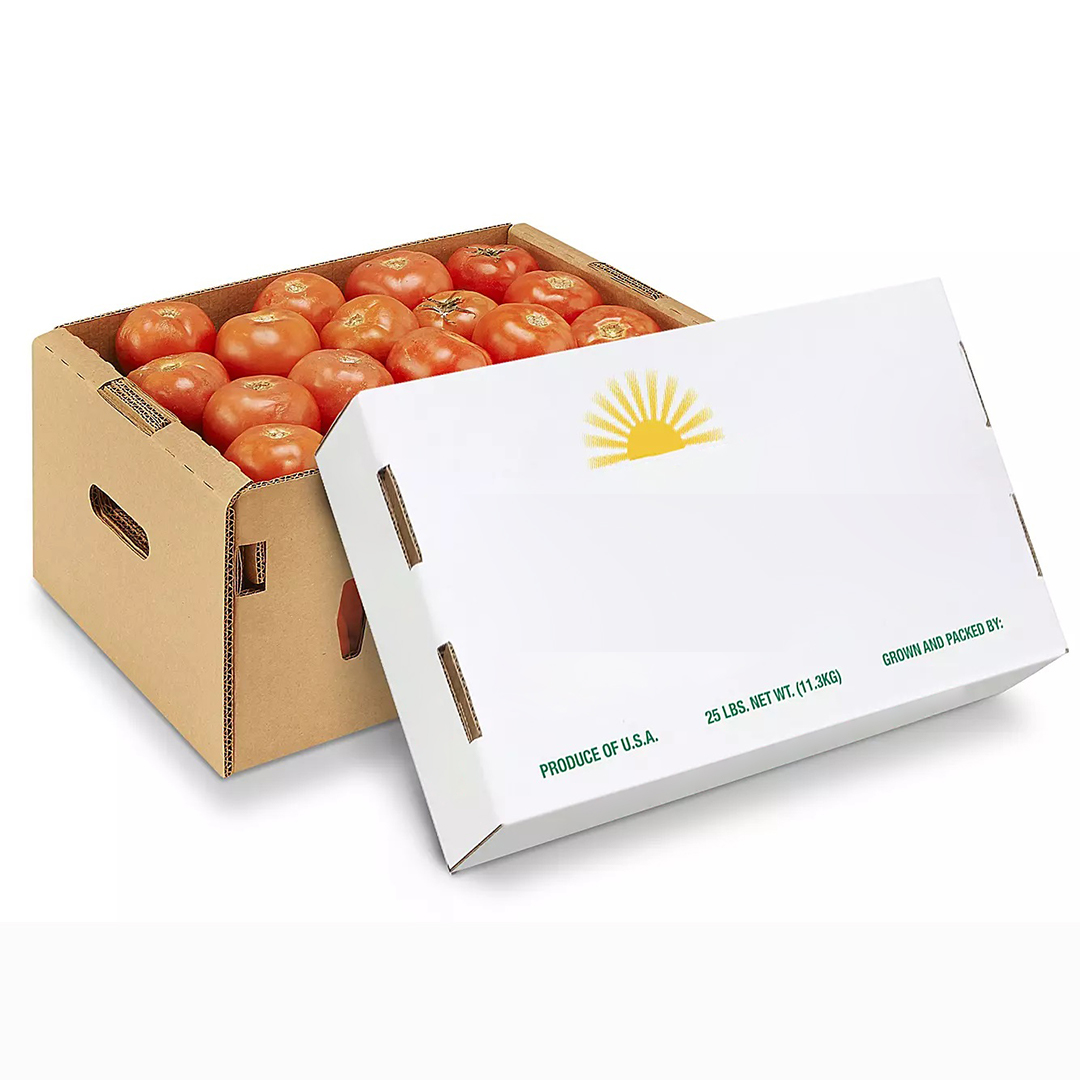
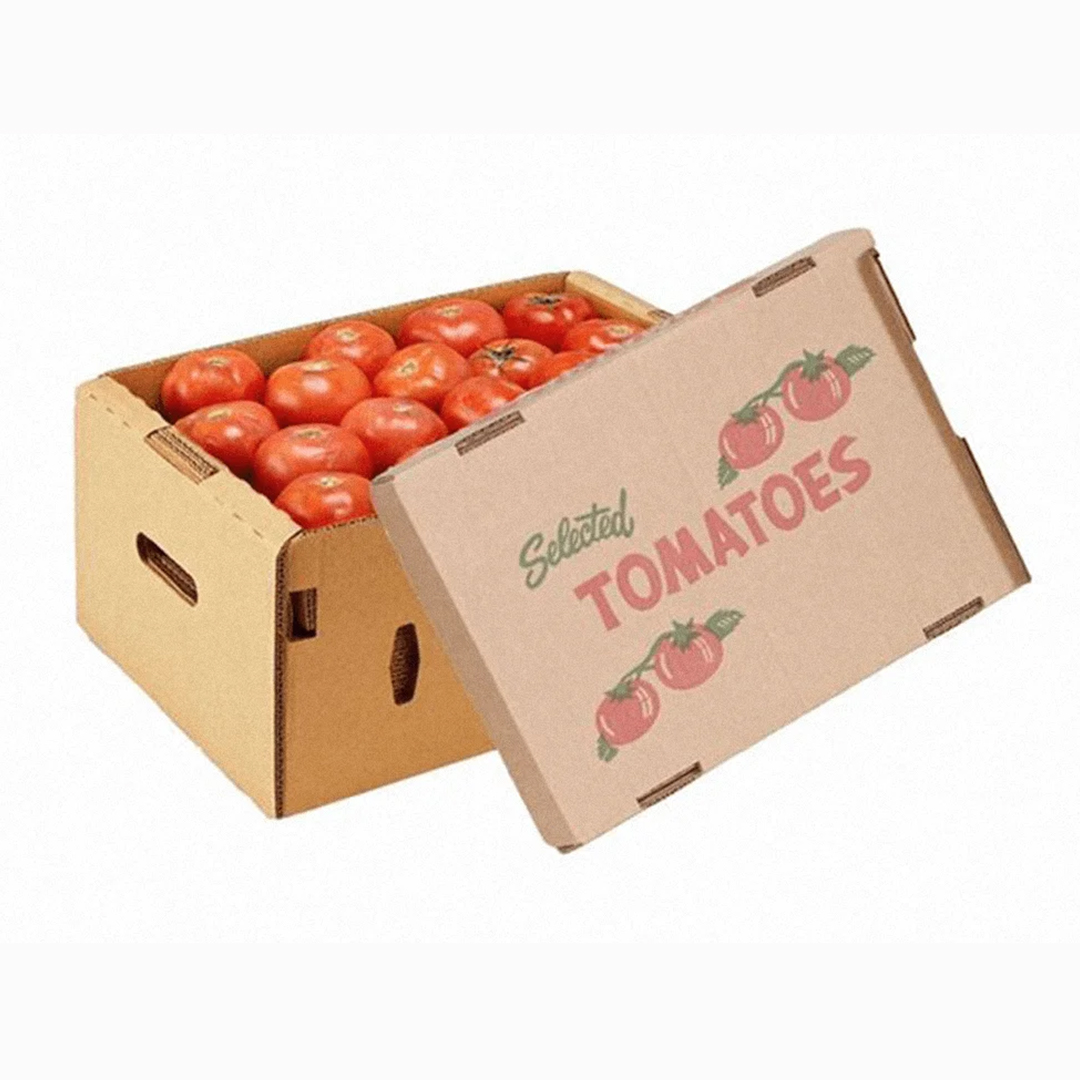
Cardboard vegetable packaging boxes with lids add coverage during stacking, transport, and overnight storage in depots. Many fresh-food suppliers group these packs under Food Related Cardboard Boxes, so food packaging formats can be organized under one category for reference and sorting. Lids add a protective layer that can carry labels, barcodes, and routing information. This is useful for mixed pallets where different farms or regions share the same load. The lidded design reduces exposure to external particles during transport and short-term storage.
Large cardboard vegetable packaging boxes with lids can be sized for heavier items like potatoes, onions, pumpkins, or bulk greens. When lids and bases align, stacked loads keep a flatter top surface, which supports pallet stability. Workers can move units from the field to the truck and storage to retail with fewer adjustments to restack uneven layers. Cardboard produce boxes wholesale plans often use these footprints because the same dielines can be reordered across multiple crops. Using the same footprint across seasons can limit changes in layout and handling steps.
Handling And Stacking Needs In Daily Vegetable Runs
Daily vegetable runs demand boxes that can handle quick loading, stacking, and restacking. Lidded formats support this by creating flatter tops that stack more evenly on both pallets and store trolleys. When lids and bases align well, weight spreads across the structure instead of pressing down on one corner. This reduces the chance of pressure damage in lower layers during multi-layer stacking. It also keeps stacks easier to move in tight storage areas and aisles.
Protection And Stacking Benefits
-
Supports tidier pallet and trolley stacking
-
Helps reduce top-layer crushing in taller loads
-
Reduces exposure for open produce
-
Allows additional labeling on lid surfaces
Supply Chain Planning Points
-
Supports Cardboard vegetable packaging boxes used in large programs
-
Helps distributors control mixed-load consolidation
-
Reduces breakage during repeat loading and unloading
-
Improves outbound accuracy for store and market deliveries
| Feature Focus | Description | Material Options | Surface Finish | Extra Elements | Typical Usage |
|---|---|---|---|---|---|
| Lid strength | Supports stacking in multi-layer pallets | Corrugated board with reinforced walls | Plain kraft, print-ready | Locking tabs and flaps | Depot to supermarket routes |
| Label support | Lid space for routing labels | Smooth outer surface | Matte or light gloss | Zone guides for stickers | Mixed regional loads |
| Corner security | Corners designed for repeat handling | Heavy-duty flute grades | Uncoated kraft | Extra corner folds | Crate-style vegetable boxes |
| Size flexibility | Options for small to large vegetable packs | Custom die-cut formats | Print-friendly finish | Lid height variants | Farm-cooperative shipments |
Wholesale Produce Boxes For Fresh Vegetables Supply
Wholesale produce programs rely on Cardboard Vegetable Packaging Boxes that hold shape across multiple harvests and regional shipments. Many buyers work with Cardboard Boxes Wholesale to keep ordering, sizes, and base materials aligned across vegetable categories and seasonal ranges. When one source covers most cardboard ranges, teams handle fewer changes in board type and structure. This supports more consistent packing and handling steps across growing, packing, transport, and store display planning.
Vegetable Trays That Support Store Routines
Vegetable trays and cartons with consistent panel layouts support repeatable shelf routines across multiple aisles. When each box footprint is chosen with shelf height, depth, and facing in mind, staff can move crates directly from delivery to display. Cardboard Vegetable Packaging Boxes that follow one design family can carry simple printed identities or color cues. This supports the identification of ranges by panel layout and label zones. It can also reduce reliance on additional notes when the carton already carries clear variety and origin labeling.
Wholesale And Retail Link Benefits
-
Supports unified branding from depot to shelf
-
Helps answer common store and shopper queries faster
-
Keeps back-of-house and aisle layouts easier to manage
-
Works across changing seasonal and rotating ranges
Store And Depot Coordination Points
- Supports Cardboard produce boxes wholesale for broad assortments
- Helps align display footprints with transport units
- Reduces time spent reshaping mixed vegetable loads
- Improves clarity of origin and variety labeling in stores
| Feature Focus | Description | Material Options | Surface Finish | Extra Elements | Typical Usage |
|---|---|---|---|---|---|
| Branding panels | Panels for farm, co-op, or chain branding | Solid and corrugated board | Matte print surfaces | Simple icon sets | Supermarket and market chains |
| Shelf fit | Dimensions planned for typical shelf bays | Custom footprint controls | Natural kraft tone | Shelf-ready edges | Store display runs |
| Rotation support | Boxes that move between areas | Mid-weight to thick board | Light-protective prints | Code and date areas | Back-of-house rotations |
| Mixed-range use | Formats suitable for different crops | Standardized carton families | Plain or printed finish | Label and signage compatibility | Multi-crop wholesale programs |