





Description
Cardboard takeout boxes for everyday food service
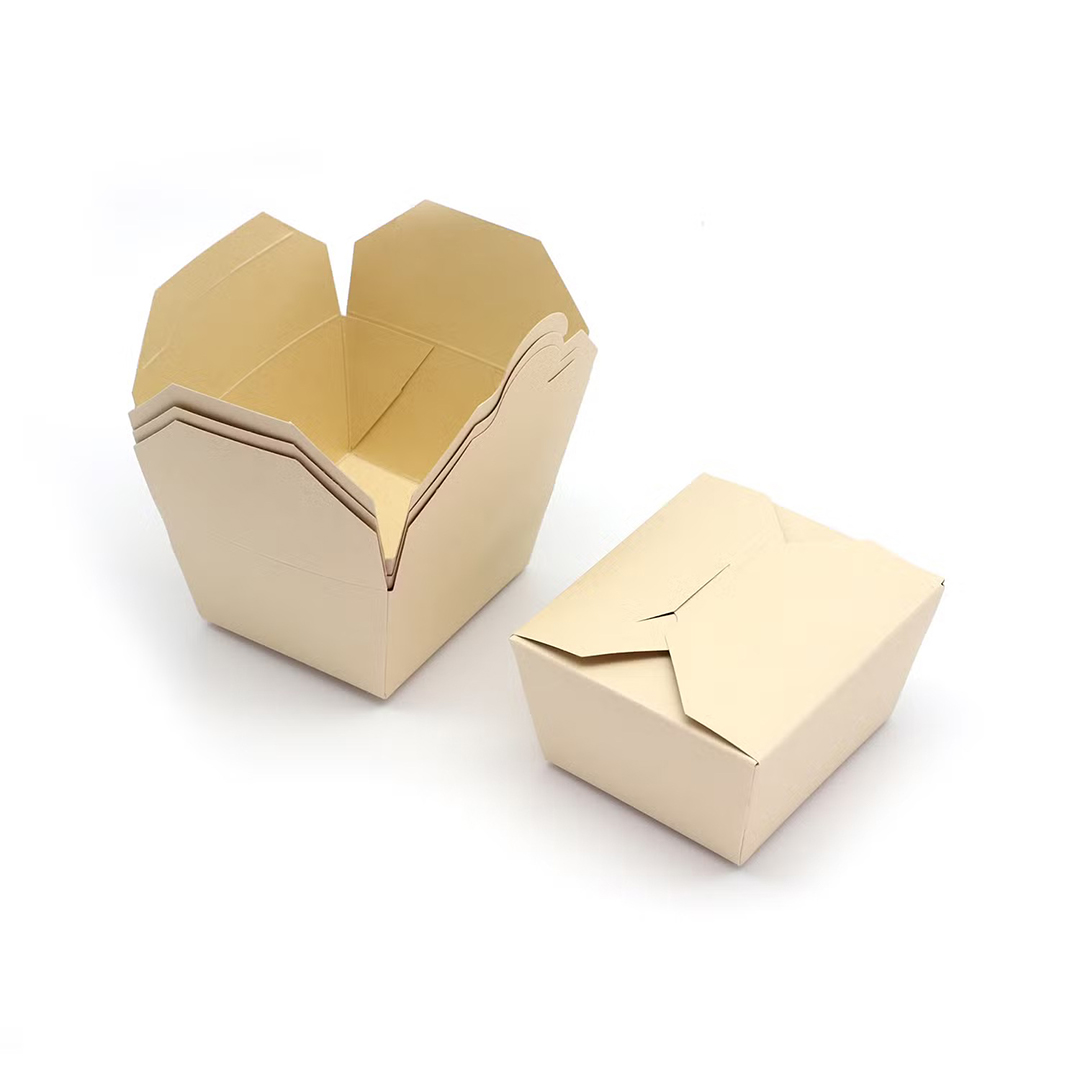
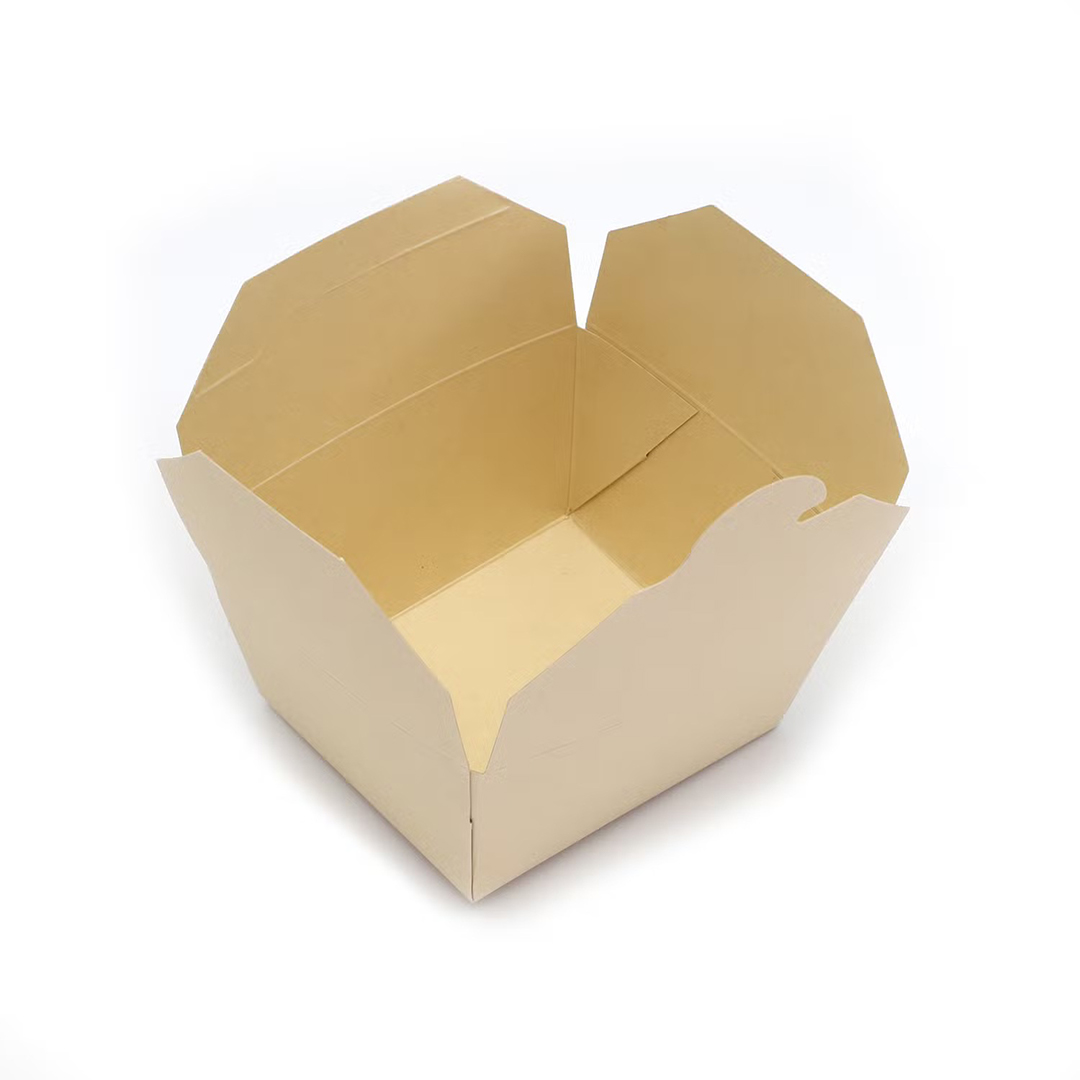
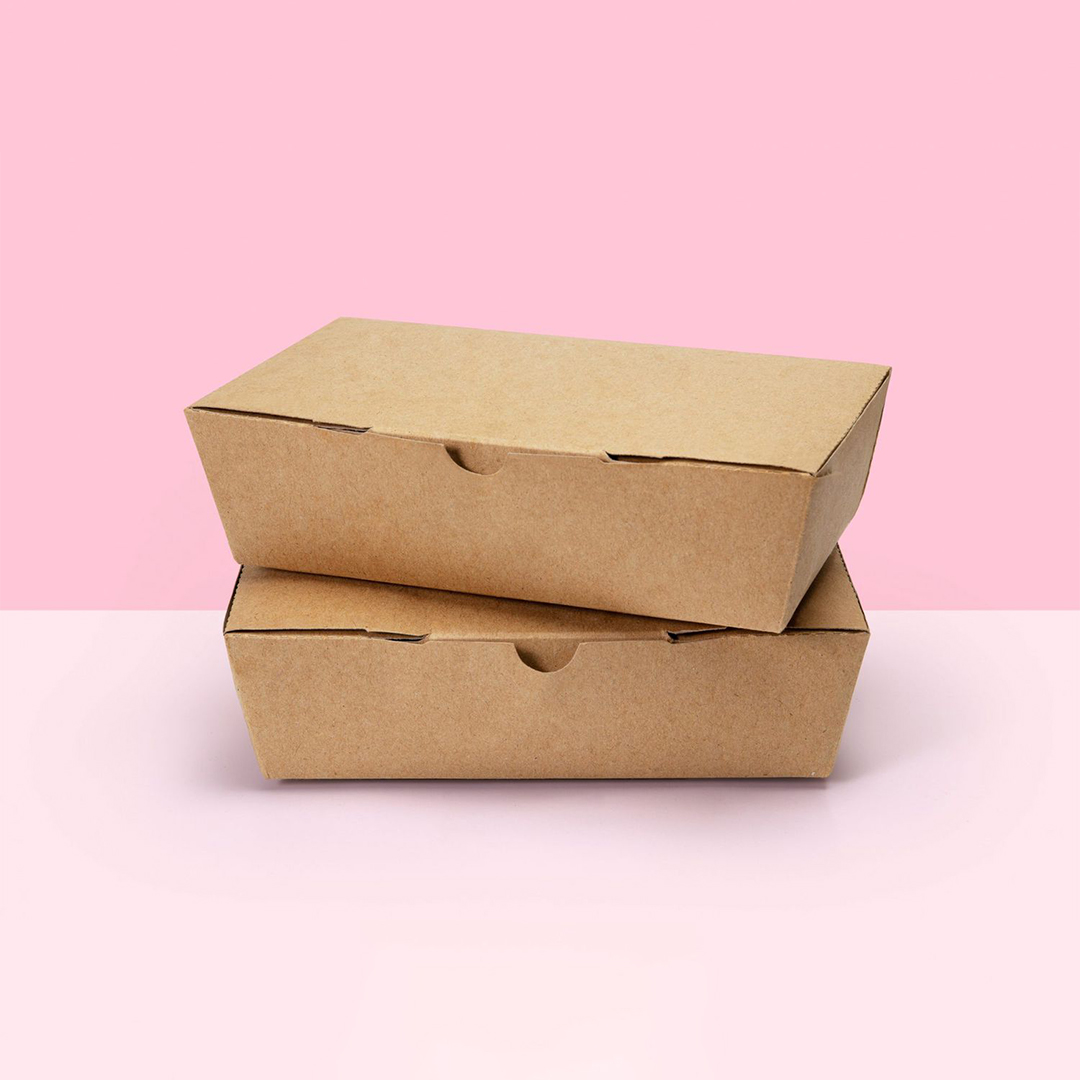
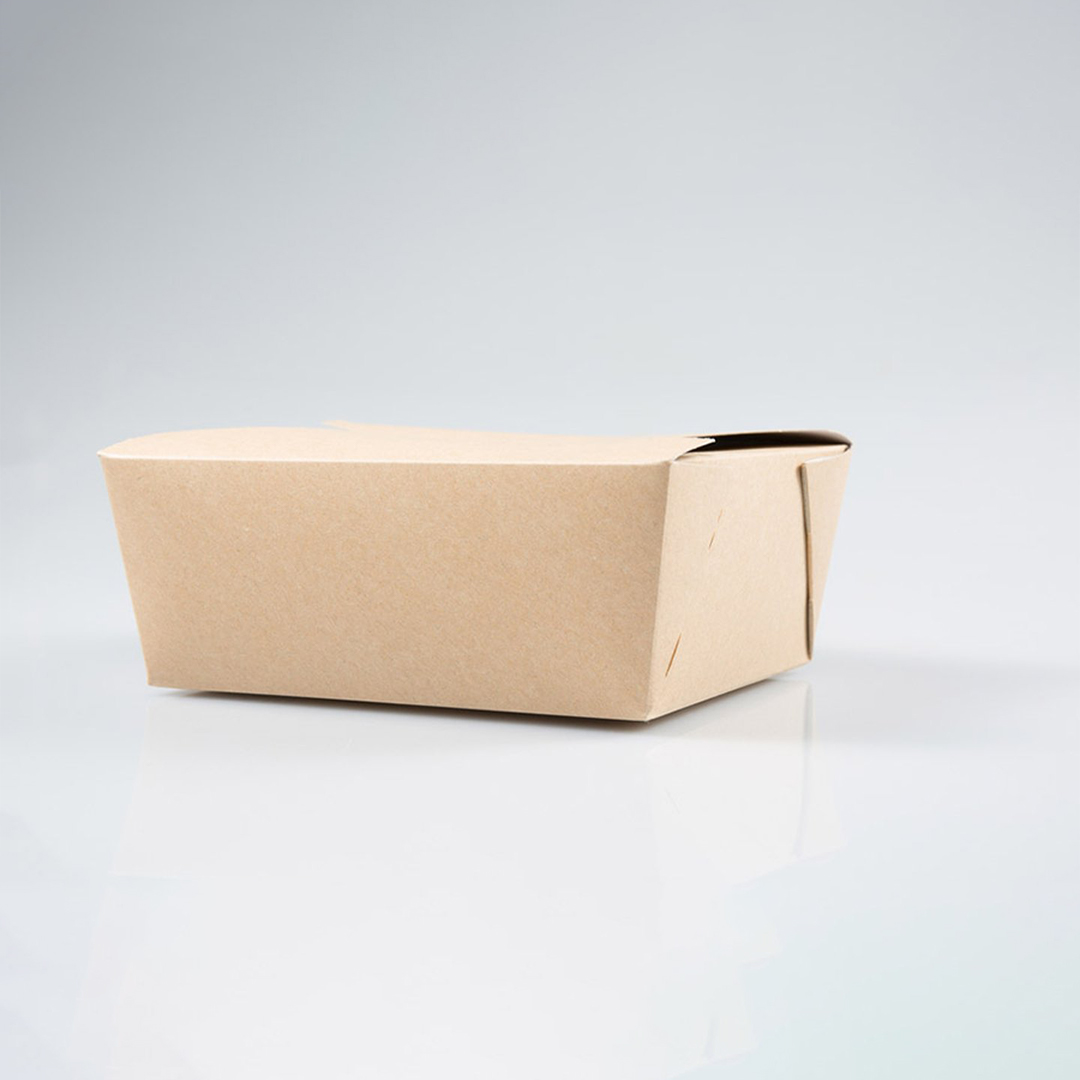
Cardboard takeout boxes are a core part of daily operations for restaurants, food trucks, and catering teams that send meals away from the counter. Their rigid paperboard structure helps meals stay intact while moving from kitchen to table, even when food is hot or moderately heavy. Many brands pair these units with Cardboard Snack Boxes when they want the same reliable style for sides, desserts, and smaller portions. The fold-and-lock layout of a cardboard takeout box with lid keeps food contained so sauces, toppings, and sides travel together without spilling into delivery bags. This reliability makes the format feel familiar to staff and customers across a wide range of menu styles.
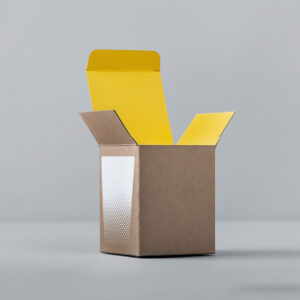
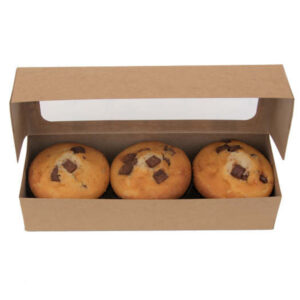
The interior of each box is designed to hold main courses, mixed plates, and layered meals without losing shape. Food-safe paperboard maintains its form under heat, while crease lines allow smooth assembly at the packing bench. Standard folded designs include an integrated lid and self-locking panels, so staff can close boxes quickly and move full orders to collection points. Window patch versions add a clear, food-safe view panel that lets customers see fresh contents inside without opening the box. Larger cardboard takeout box options support family meals, party platters, and shared dishes where one container must handle generous portions.
Performance and reliability in busy meal operations
For busy service teams, a takeout container has to be more than a simple shell around the food. Cardboard takeout boxes need to be easy to store, quick to assemble, and strong enough to stack during rush periods. Flat-packed stock fits into tight spaces, then folds into shape in a few moves, allowing staff to keep up with sudden order spikes. Once built, the box structure supports both hot and cold items with enough rigidity to resist bending when carried with one hand. This balance of convenience and strength supports consistent service even when the kitchen is under pressure.
The surface of the box also plays a role in how customers remember their experience. Food-safe inks and coatings keep branding clear and clean, resisting smudges from condensation or light grease. This means logos, colour blocks, and menu details still look sharp when the meal reaches the customer. Coated liners or grease-resistant interiors help the box maintain a tidy appearance from first fill to final bite. In turn, the packaging reflects care and reliability without requiring extra effort from the team.
Key strengths of cardboard takeout packaging
- Supports hot and cold meals with a stable paperboard shell
- Fold-and-lock lid design helps reduce spills during transit
- Flat-pack storage frees up space until boxes are needed
- Grease-resistant options maintain a tidy outer appearance
- Clear window panels can show fresh food inside when required
- Larger sizes manage family portions and shared platters
- Food-contact compliant materials support safety standards
- Recyclable paper structures help reduce plastic use
Practical improvements for food service teams
- Integrated lids reduce the number of separate components on the bench.
- Self-locking designs help staff close containers quickly and securely.
- Flat bases make it easier to stack multiple meals in delivery bags or boxes.
- Window options let customers check their order visually without opening it.
- Vented lids can be used to reduce condensation on hot items.
- Clear panel and logo zones assist with order checking and brand recall.
- Standard size sets simplify storage planning and reordering.
- Eco-conscious materials support sustainability goals without changing routines.
| Feature | Feature details | Material options | Finishing choices | Add-ons and features | Usage and application | Eco safe |
|---|---|---|---|---|---|---|
| Product style | Custom cardboard takeout box designs | Food-grade paperboard | Aqueous water-based coating | Integrated locking tabs | Prepared meals and delicatessen lines | Recyclable paper construction |
| Structure | Die-cut, single-piece layout | Kraft or white paperboard | Grease-resistant interior lining | Optional vented lids | Hot and cold food service | Sustainable paperboard core |
| Safety focus | Built to meet food contact guidelines | Certified paper stocks | Food-safe inks and coatings | Optional clear window patch | Visibility with hygiene in mind | Recyclable paper structure |
| Size range | Small, medium, and large options | Rigid paperboard grades | Precision die-cutting for clean folds | Large cardboard takeout box format | Catering trays and family meals | Recyclable paper structure |
Convenience and versatility of lidded takeout formats
A cardboard takeout box with lid is designed to work smoothly for both the vendor and the customer. Flat-pack construction allows large quantities to be stored in a small footprint before service begins, then opened and shaped as orders come in. The same design supports quick loading of meals, clean closure, and easy handover at the counter or through delivery services. When boxes stack neatly, staff can move multiple orders at once without disturbing the food inside. This reduces the need to repack or double-wrap items, even during peak hours.
Reheating has become an important part of the modern takeout experience, especially when customers bring leftovers home or eat later in the day. Certain material combinations allow for safe Cardboard takeout box microwave use when specified, giving people the option to reheat food directly in the container. These units must balance heat resistance with structural integrity so the box holds its form during warming. Within the wider family of Food Related Cardboard Boxes, takeout designs can be matched with side dish boxes, snack carriers, and dessert packs that share the same board quality and printing approach. This creates a unified system that covers an entire menu.
How takeout boxes support branding and high-volume use
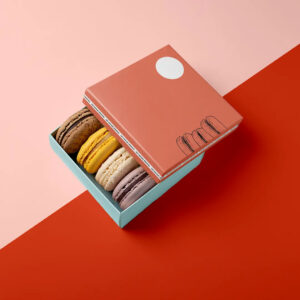
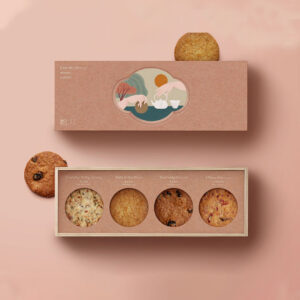
Brand visibility is a natural extension of the functional role of a takeout box. Smooth outer panels make room for logos, colour schemes, and simple illustrations that communicate the restaurant story. High-impact print methods turn each box into a moving brand piece, whether it is carried down the street, stored in a workplace fridge, or opened at a family table. When designs are applied consistently across sizes, customers learn to recognise the packaging even before they see the label. This is especially valuable for repeat orders and regular catering contracts.
For high-volume restaurants, reliable supply and steady quality are just as important as graphics. Controlling board sources, coatings, and die-cut accuracy helps every box feel the same in hand, which streamlines staff training and daily operations. Flat-pack shipping supports continuous replenishment without overwhelming storage rooms. As new menu items are added, existing footprints can often be reused, keeping the packaging family coherent. In this way, takeout boxes become part of a long-term system rather than short-lived, one-off items.
Convenience and branding advantages
- Supports reheating when specific microwave-suitable materials are chosen
- Flat-pack design makes restocking back-of-house areas easier
- Smooth outer panels create clear zones for branding and messages
- Grease-resistant coatings help artwork stay sharp after use
- Consistent sizes improve stacking in carriers, bags, and delivery boxes
- Wide range of certified paper stocks supports food-contact safety
- Optional handles make it simpler to carry multiple meals
- Internal dividers can separate sides, mains, and desserts in one unit
High-volume planning and application ideas
- Align size sets with popular menu combinations to reduce confusion.
- Group artwork for multiple SKUs to keep printing efficient.
- Use spot finishes sparingly on logos or key design details.
- Plan flat-pack carton counts around daily and weekly order volumes.
- Apply clear icons for microwave suitability where relevant.
- Maintain quality checks on folding performance and locking points.
- Integrate boxes into standard operating procedures for staff training.
- Monitor customer feedback on reheating and handling to refine materials.
| Feature | Feature details | Material options | Finishing choices | Add-ons and features | Usage and application | Eco safe |
|---|---|---|---|---|---|---|
| Convenience | Supports reheating and easy serving at home | Paperboard with selected coatings | Insulating and heat-tolerant finishes | Easy-carry handle or grip points | Takeout meals and leftovers | Sustainable fibre-based materials |
| Branding impact | High-visibility print surfaces | White coated or smooth kraft | Full-colour CMYK printing | Logo emphasis zones | Marketing and long-term brand recall | Recyclable paper construction |
| Volume supply | Suits large, continuous supply needs | Certified paper stocks | Consistent quality checks | Flat-pack shipping and storage | High-volume hospitality venues | Recyclable paper structure |
| Security | Helps prevent spills and contamination | Rigid paperboard | Self-locking closures | Internal partitions and dividers | Meal separation and food safety | Recyclable paper structure |
Structural features and customer experience with takeout boxes
The structural quality of a cardboard takeout box influences both how it handles in service and how it feels in the customer’s hands. Clean die-cut lines help panels fold neatly and lock into place without tearing. Coatings add a layer of protection so the outer surface stays tidy even when exposed to steam or light grease from hot meals. A well-built box reflects positively on the food, reinforcing the idea that care has been taken at every step of preparation and packaging. This impression quietly supports repeat orders and recommendations.
Many food businesses compare general retail packaging to more specialised solutions when planning their takeout range. A basic Cardboard takeout box equivalent may work for simple needs, but custom-focused suppliers allow fine-tuning of structure, board thickness, and finishing. This makes it easier to match the feel of the box to the brand promise, whether the goal is a simple, everyday look or a more refined appearance for premium dishes. Clear communication of reheating guidance, disposal notes, and safety information can be printed directly on the surface to keep customers informed.
Enhancing the off-site dining experience
The moment a customer opens their takeout meal is part of the dining experience, even when it happens far from the restaurant. A box that opens smoothly, reveals the food clearly, and holds everything in place supports that experience. Vent options can be used to manage steam so battered foods stay crisper, while snug folds help retain warmth for bowls and rice dishes. When the container feels sturdy in hand, customers are more confident carrying their meals to parks, offices, or home.
Environmental responsibility is another important part of the modern experience. Many cardboard takeout boxes are produced from responsibly sourced paperboard, with options for recycled content and biodegradable structures where contamination allows. Clear disposal guidance helps customers know when boxes can go into recycling streams. By choosing paperboard instead of foam or rigid plastic, businesses show a measurable commitment to more responsible packaging choices. Supporting documents and material information can be shared with clients who require deeper sustainability insight.
Experience and structure benefits
- Clean folds and strong locks help meals arrive looking composed
- Coatings support a neat appearance despite contact with steam or light grease
- Structural options adapt to different cuisines and serving styles
- Printed guidance can explain reheating and disposal in simple steps
- Responsibly sourced materials support sustainability aims
- Recycled and recyclable content helps reduce long-term waste impact
- Window patches allow quick food checks without opening the box
- Well-engineered forms support both comfort food and premium menus
Ideas to improve customer interaction with packaging
- Use clear, simple icons to indicate reheating and recycling guidance.
- Adjust vent patterns for dishes that need to release steam.
- Balance board thickness for strength without unnecessary weight.
- Add subtle branding inside the lid to reinforce identity at opening.
- Keep closure points easy to reopen for leftover storage.
- Offer a mix of plain and printed versions for different menu lines.
- Ensure window films are food-safe and aligned with recycling plans.
- Provide documentation for business clients needing sustainability proof.
| Feature | Feature details | Material options | Finishing choices | Add-ons and features | Usage and application | Eco safe |
|---|---|---|---|---|---|---|
| Structural design | Engineered folds and locking tabs | Food-grade board ranges | Smudge-resistant coatings | Vent patterns where required | Takeout and catering service | Paper from responsible sources |
| Customer comfort | Easy open and close behaviour | Rigid yet lightweight board | Smooth-touch outer surfaces | Internal print or messaging | Everyday meals and premium dishes | Recyclable where clean |
| Sustainability focus | Options with recycled content | Certified and traceable fibres | Low-impact coating choices | Clear disposal instructions | Eco-driven food concepts | Recyclable and potentially biodegradable |
Supply continuity and custom sizing for takeout programs
Maintaining a consistent flow of quality packaging is essential for any food service operation. From first design discussion to regular deliveries, a dependable system keeps kitchens supplied with the right sizes at the right time. Brands that work with partners such as Shop Cardboard Boxes can coordinate takeout formats with other cardboard packaging styles, including carriers for drinks, bakery items, and pantry products. Aligning materials and board types simplifies storage while maintaining a unified visual language across the entire packaging range.
Custom sizing helps takeout boxes fit real meals rather than forcing food into generic shapes. Depth, footprint, and lid style can all be tuned to suit specific menu items, from single bowls to multi-compartment dishes. Free design support can include layout advice, artwork preparation, and practical suggestions based on common kitchen routines. Fast, reliable delivery schedules help restaurants, food trucks, and caterers handle peak seasons, new openings, and recurring large events without packaging shortages.
Planning logistics and volume supply for food packaging
Efficient logistics support the full life cycle of a takeout range, from initial trial runs to established high-volume programs. Coordinating production batches with projected meal counts keeps unit pricing stable while avoiding excessive storage demands. Clear communication on lead times, reprint windows, and delivery routes lets planners schedule orders around seasonal peaks or promotional campaigns. For businesses that rely on continuous takeout trade, a dependable supply chain for cardboard boxes is as important as ingredient sourcing.
Volume pricing structures can make it practical to run several sizes within one family of designs. By grouping related SKUs into shared print or cutting runs, brands can hold a flexible mix of containers without fragmenting their packaging budget. Over time, performance data on which sizes and formats work best helps refine the range, focusing efforts on the most effective options. The result is a system of cardboard takeout boxes that fits the brand, supports staff, and serves customers consistently across everyday service and special events.
Supply and sizing advantages for long-term programs
- Consistent sourcing supports steady quality from batch to batch
- Custom footprints match real meal portions and menu categories
- Coordinated designs work alongside other branded cardboard formats
- Design support helps artwork and structure fit real workflows
- Reliable delivery windows support launch plans and seasonal peaks
- Volume-based pricing can lower unit costs across a size family
- Centralised planning simplifies stock management across locations
- Flexible ranges adapt as menus grow or change over time
Logistics and planning steps for food packaging teams
- Map core menu items to specific box sizes and lid styles.
- Estimate volume needs for regular service and peak occasions.
- Group related sizes into combined production runs where possible.
- Align printing schedules with brand updates and new campaigns.
- Track stock levels and consumption rates at each location.
- Review quality and performance regularly with suppliers.
- Adjust size mixes based on sales data and new dishes.
- Keep contingency plans for urgent restocks during busy periods.
| Feature | Feature details | Material options | Finishing choices | Add-ons and features | Usage and application | Eco safe |
|---|---|---|---|---|---|---|
| Supply planning | Designed for ongoing, repeat use | Standard and premium board grades | Consistent branded finishes | Coordinated with other packs | Restaurants, food trucks, catering | Recyclable paper-based systems |
| Sizing strategy | Built around real meal dimensions | Food-safe rigid paperboard | Matte, gloss, or soft-touch | Optional internal fitments | Single meals and shared portions | Responsible fibre selection |
| Logistics support | Structured for efficient delivery | Strong outer cartons | Protective outer wraps | Clear labelling and barcoding | Multi-site food operations | Focus on recyclable transport materials |