






Description
Cardboard Sushi Boxes For Daily Restaurant Packaging
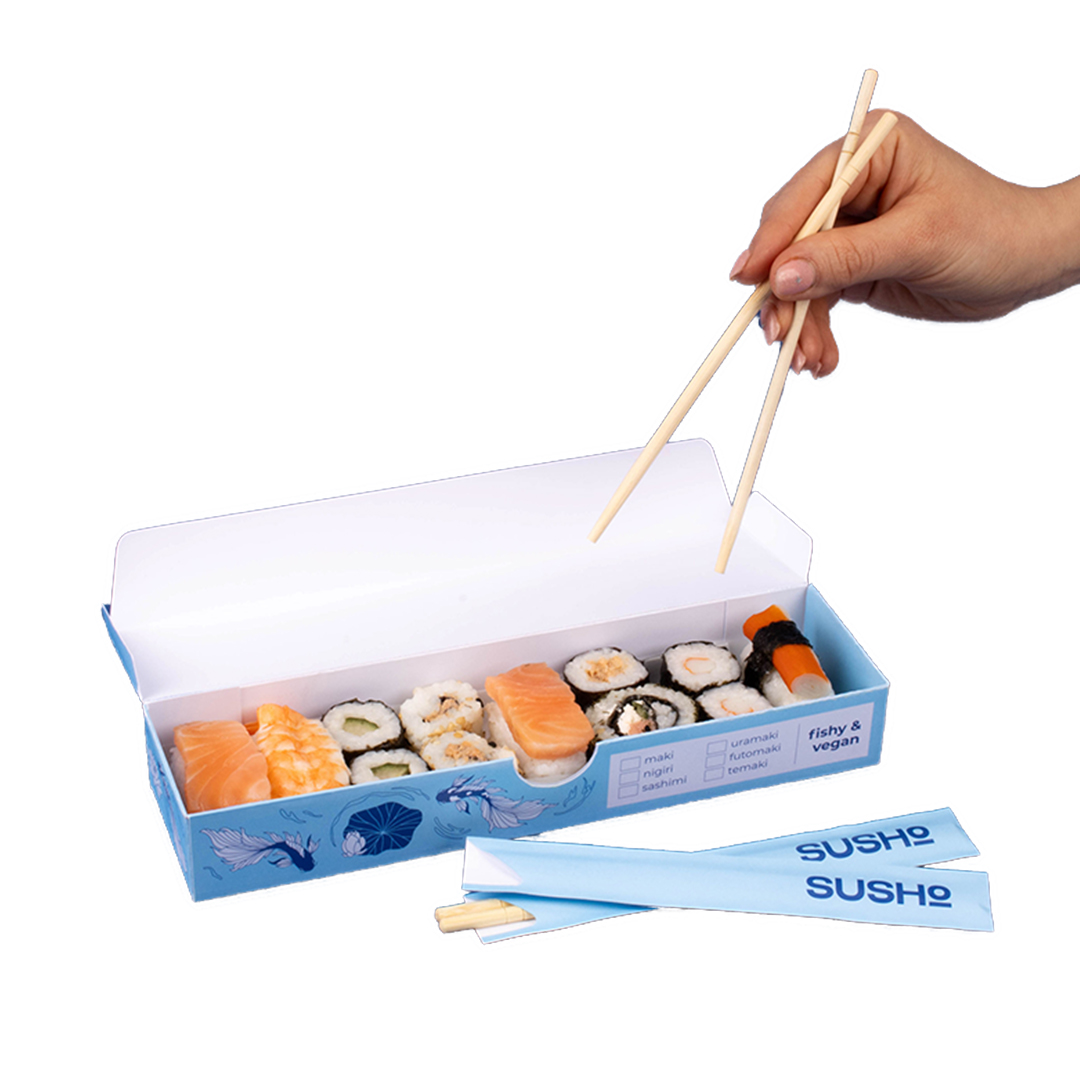
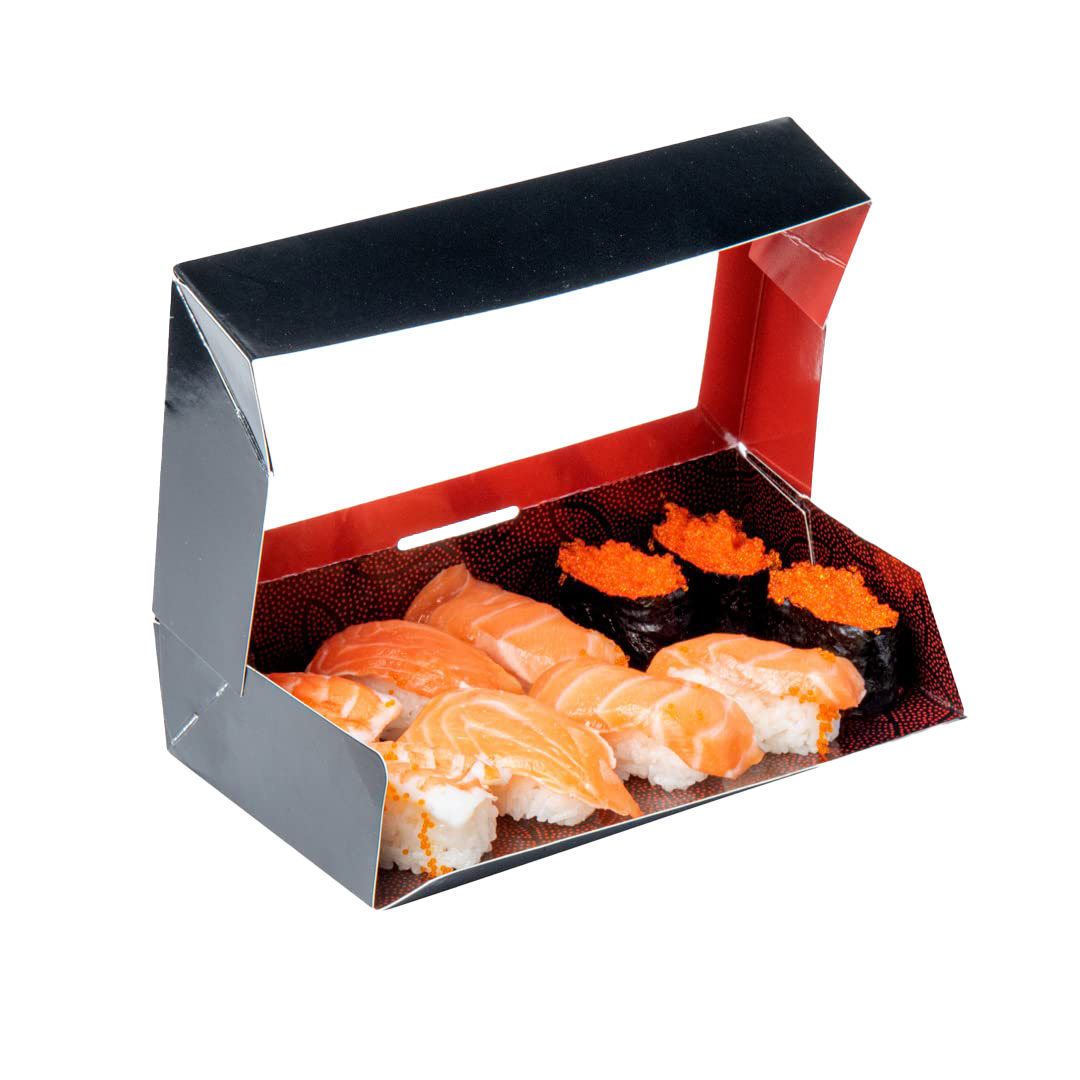
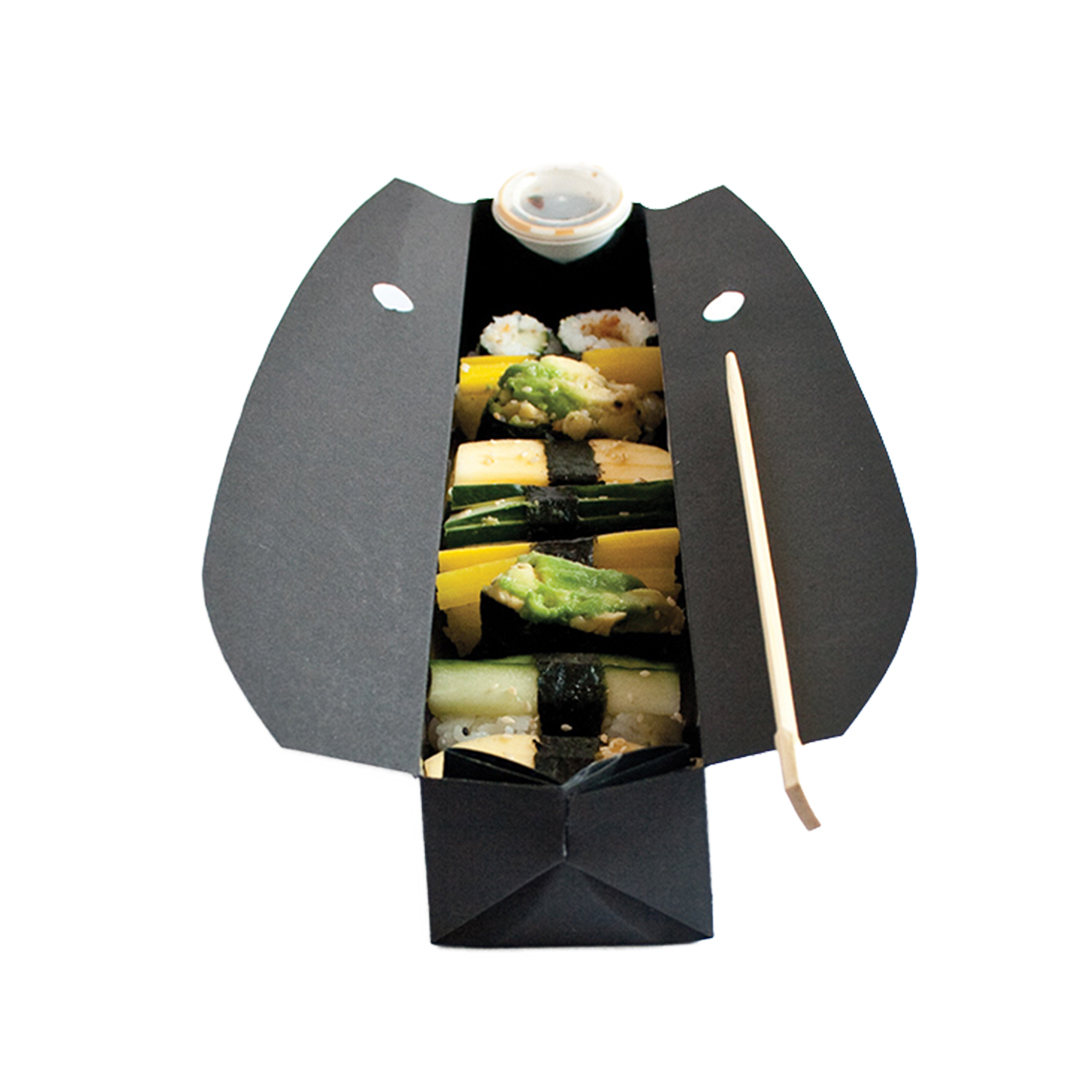
Sushi requires stable packaging that limits movement, protects toppings, and maintains freshness across short routes and busy service windows. Some restaurants use Cardboard Macaron Boxes when they need dessert packaging that follows the same material family used for sushi orders. These sushi boxes provide a stable base that helps rolls stay aligned during rider handling.
Short-distance delivery, dine-in takeaway counters, and event catering rely on packaging that supports tidy arrangement and helps reduce sauce spills. Restaurants offering multiple cuisines sometimes pair sushi boxes with Fast Food Packaging Box formats to keep packing routines and material standards consistent across menu categories.
Why Structured Sushi Boxes Reduce Product Movement
A firm base and controlled spacing help rolls stay intact during stacking, dispatch, and last-mile delivery. This reduces topping smudging and helps prevent rolls from sliding out of position when the box is handled repeatedly during order preparation.
A stable interior also helps kitchens pack mixed assortments efficiently, especially when a single order includes different roll sizes or a bento-style layout. This helps manage moisture buildup and keeps toppings and garnishes in place throughout handling.
Movement Control Benefits
1. Maintains sushi roll arrangement
2. Reduces topping smudging during movement
3. Supports separation for mixed sushi sets
4. Minimizes roll breakage during delivery
Service And Packing Advantages
- Helps staff prepare orders faster
- Keeps layout organized for takeaway handoff
- Helps manage moisture buildup inside the box
- Supports consistent packing routines
| Feature | Detail | Material | Finish | Purpose |
|---|---|---|---|---|
| Sushi Holder Base | Flat And Firm | Cardboard | Matte | Roll Stability |
| Window Panel Option | Clear View | SBS Board | Gloss | Product Visibility |
| Deep-Base Sushi Box | Extra Depth | Rigid Card | Soft Matte | Mixed Sushi Sets |
| Divider-Friendly Box | Section Layout | Kraft | Natural | Bento-Style Layout |
Sushi Box Packaging With Stable Lids
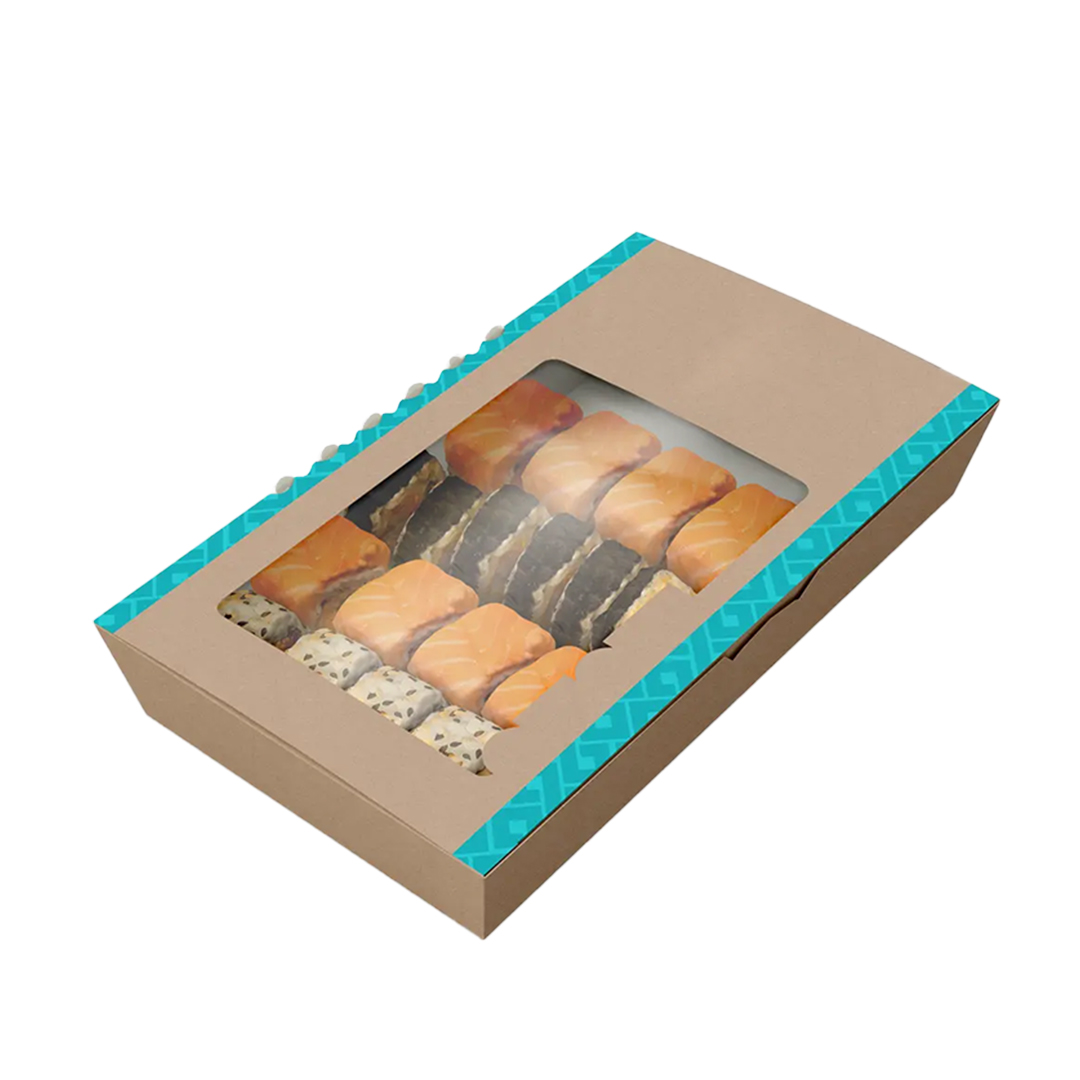
Sushi packaging needs lid support that helps prevent external pressure from affecting the rolls inside. Many restaurants use Food Related Cardboard Boxes across sushi, burgers, snacks, and other menu items to keep one packaging material standard for multiple categories. A well-fitted lid helps maintain freshness and reduces spill risk until the box is opened.
Delivery platforms increase handling touchpoints, so reinforced lids help protect delicate toppings and reduce garnish movement. Sellers who offer multiple cuisine items sometimes align sushi packs with Custom Shawarma Box styles to keep packing routines consistent across counter service and delivery bundles.
Why Lid-Based Sushi Boxes Are Essential For Delivery Brands
A lid that closes firmly helps preserve roll alignment and reduces exposure to shifting pressure during transport. This supports stacking and helps maintain space for sauces and garnish without forcing items against the top panel.
Reliable lid structure also supports covered handling and helps protect the sushi surface from accidental contact. This helps keep the order arranged when it reaches the recipient, especially for mixed sets.
Lid Performance Benefits
1. Supports stacking during transport
2. Helps manage moisture balance inside
3. Reduces pressure impact from outside
4. Supports covered handling during delivery
Delivery Readiness Points
- Helps prevent sushi from touching the lid
- Supports multi-roll servings in one tray
- Provides space for labels and order details
- Supports safer carrying during rider handling
| Carrier Type | Capacity | Material | Depth | Use Case |
|---|---|---|---|---|
| Flat-Top Sushi Box | Single Row | Cardboard | Shallow | Quick Orders |
| Window Sushi Carrier | Multi-Roll | Kraft | Medium | Counter Sales |
| Deep Sushi Pack | Large Meals | SBS Board | Deep | Party Orders |
| Sectioned Sushi Box | Mixed Items | Rigid Card | Structured | Bento Sets |
Sushi Packaging Options At Shop Cardboard Boxes
Restaurants need packaging that supports temperature control, stable layout, and organized packing for dine-in and delivery orders. Some food sellers rely on Cardboard Boxes for Packaging to develop sushi boxes that align with wider fast food packing routines without changing sourcing rules or layout standards. These boxes create controlled space for rolls, sauces, chopsticks, and side items.
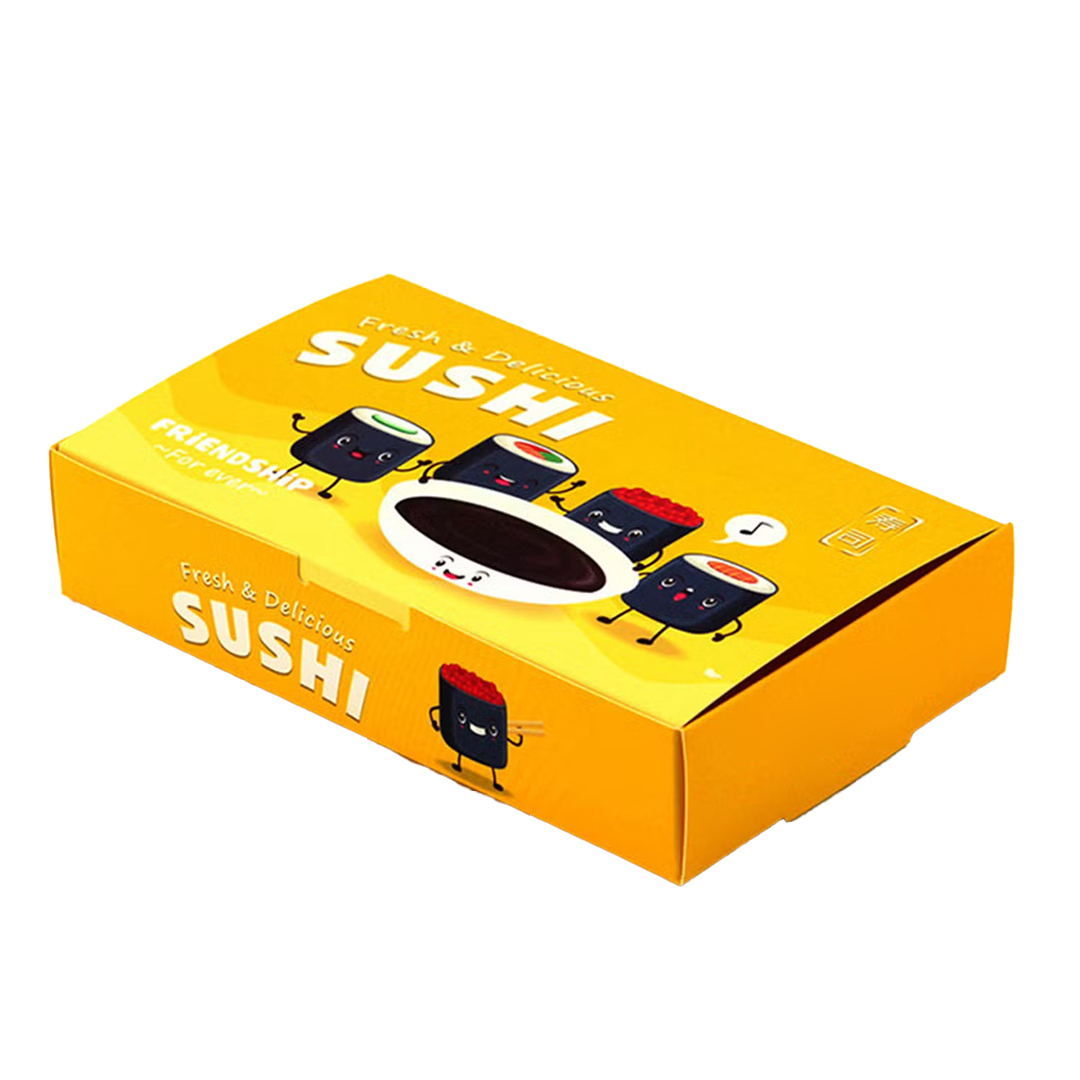
Printed sushi boxes help keep labeling consistent across different order types and service channels. Businesses that offer multi-cuisine menus sometimes coordinate sushi boxes with Shawarma Box formats so the same packing approach is used across different food categories.
Why Printed Sushi Boxes Support Clear Labeling
Consistent print placement helps kitchens label flavors, combos, and portion types clearly while keeping the layout consistent. This supports order sorting because staff can identify packs quickly without opening the box.
A clear printed surface helps during busy service periods where staff need to verify orders from the outside. This reduces packing mistakes and supports organized handoff for pickup shelves and delivery drivers.
Labeling Clarity Benefits
1. Adds clarity for flavor names
2. Supports icon-based labeling
3. Helps identify sushi combos
4. Maintains consistent outer layout
Order Identification Points
- Supports faster sorting at the packing station
- Helps staff verify orders without opening packs
- Helps recipients identify sets quickly
- Supports consistent packing across menus
| Area | Printing | Material | Finish | Application |
|---|---|---|---|---|
| Mark Zone | CMYK | White Board | Gloss | Outer Identification |
| Side Labels | Minimal Text | Kraft | Matte | Flavor Marking |
| Top Window | Clear View | SBS | Smooth | Product Visibility |
| Divider Zone | Light Print | Strong Card | Natural | Bento Layout |
Large Sushi Delivery Boxes For Restaurants
Large sushi orders require structured boxes that keep multiple rolls, sauces, and garnishes aligned across wider layouts. Proper spacing helps prevent roll collision, which can distort shape and affect topping placement in bulk or event-size orders.
Deep cardboard sushi boxes with multi-compartment support help kitchens reduce packing time because staff can arrange sets with fewer adjustments. This helps offices, events, and party orders receive organized assortments.
Benefits Of Large Sushi Carrier Boxes
Large carriers support faster preparation of multi-roll sets and reduce the risk of topping disruption during movement. Added depth and a structured base help keep garnish and condiment areas separate from the main roll zone.
This format helps kitchens maintain consistent arrangement when serving large mixed orders. Orders arrive with an organized layout even when multiple varieties are packed in one delivery.
Large Order Handling Benefits
1. Helps prevent roll shifting
2. Supports sauces and garnishes in separate zones
3. Helps manage party-sized orders
4. Maintains organized arrangement for mixed sets
Operational Efficiency Points
- Reduces packing time for large sets
- Supports steady delivery flow
- Supports consistent packing across categories
- Helps maintain freshness during bulk handling
| Size | Rolls Capacity | Material | Depth | Uses |
|---|---|---|---|---|
| Medium | 8–12 Rolls | Kraft | Standard | Daily Orders |
| Large | 16–20 Rolls | Cardboard | Deep | Parties |
| Bento Style | Mixed Items | SBS | Structured | Meals |
| Extra-Large | 20+ Rolls | Rigid Board | Reinforced | Catering |
| Mixed Wedge | Variable | Reinforced Card | Adjustable | Multi-Portion Packs |