





Description
Cardboard Stationery Gift Goxes For Organised Desk Sets
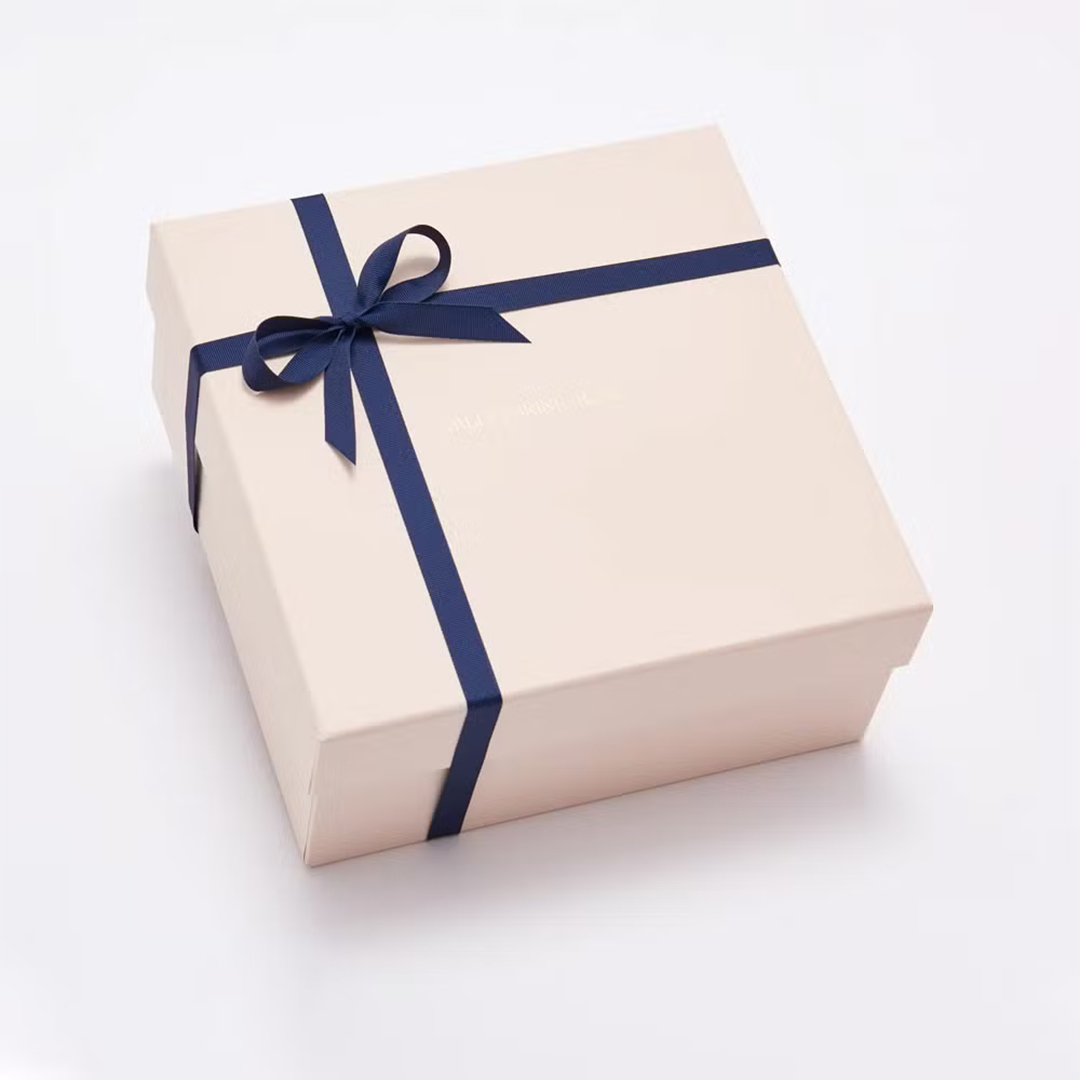
Cardboard stationery gift boxes help brands, bookstores, and online sellers present pens, notebooks, cards, and accessories as one calm, gift-ready set instead of a collection of loose pieces. Many stationery ranges pair their desk sets with Cardboard Pen Packaging Boxes so the main writing tools and the larger gift box feel visually connected on shelves and in online photos. This shared look makes it easier for customers to understand that single pens, pen sets, and full desk kits all belong to the same stationery family. It also helps staff plan displays without constantly changing how items are grouped.
These formats work well for collections that mix notebooks, sticky notes, clips, and small gifts in one place. Straight edges and flat tops line up closely on tables and wall bays, so retailers can build clear rows without awkward gaps. Brands that run ongoing campaigns often develop size families that also suit cardboard stationery gift boxes wholesale planning, allowing the same footprints to support both everyday gifting and larger bulk runs. Over time, this keeps racking layouts stable and gives teams a familiar base when new themes, colours, or collaborations arrive.
Everyday role of stationery gift packaging in stores
In busy stationery stores and studio shops, small items can quickly look scattered if they are not grouped. Cardboard stationery gift boxes bring order by holding themed sets together, so notebooks, pens, clips, stickers, and small cards arrive as one defined unit. Staff can restock by simply placing complete sets into rows, instead of arranging each piece separately. This is especially helpful on feature tables and near tills where space is tight and turnover is high.
For online orders, structured gift boxes help smaller items stay in place inside outer cartons, so pen barrels and notebook corners are less likely to rub or scuff. When customers open their parcel, the main set presents itself in a calm, framed way rather than appearing shaken or jumbled. Brands that ship regularly often notice that well-built cardboard stationery gift boxes encourage better reviews and repeat business, because buyers see that their gifts arrive in neat, ready-to-present condition.
Practical benefits for desks, shops, and gift aisles
- Keeps notebooks, pens, and cards together as a single gift
- Reduces scuffing and corner damage during transport and storage
- Helps staff build tidy displays with straight, repeatable rows
- Gives panels for set names, contents, and simple care notes
- Adapts easily to office, school, and creative stationery themes
- Provides space to add charms or keepsakes alongside paper goods
- Supports both single orders and small subscription-style bundles
- Fits naturally into back-room racking and warehouse shelves
Steps for assembling neat stationery gift sets
- Group notebooks, pens, cards, and accessories into clear themes before packing.
- Place heavier items, such as hardback journals or tins, in the lower part of the cavity.
- Position lighter pieces like stickers, tags, or clips in upper sections or shallow trays.
- Close flaps or lids carefully and secure with labels, bands, or simple ribbons if required.
- Pack finished cardboard stationery gift boxes into outers with just enough padding to stop movement.
- Mark outer cartons with size family and theme names so teams can find the right sets quickly.
| Product type | Recommended box style | Inner support approach | Main usage scene | Handling note |
|---|---|---|---|---|
| Simple notebook and pen sets | Slim tuck-end or sleeve format | Card tray or elastic holders | Everyday office and student gifting | Keep pen tips away from cover edges |
| Full desk stationery collections | Two-piece or hinged rigid format | Multi-compartment tray | Premium Cardboard Stationery Gift Boxes lines | Use firm dividers for heavier items |
| Small card and tag assortments | Compact folding carton | Shallow tray or banded stacks | Weddings, seasonal notes, event favours | Arrange artwork so key designs face the opening |
| Sets with jewellery-style add-ons | Larger box with tiny cavities | Mini compartments or ring pads | Stationery plus Small Gift Boxes for Jewelry keepsakes | Label sections clearly for mixed contents |
Store and studio use of stationery gift packaging
In physical stores and studio-style shops, teams handle frequent restocks of products that are similar in size but very different in design. Cardboard stationery gift boxes keep each collection contained so themed notebooks, pens, stickers, and clips stay grouped from stockroom to shelf. When a display needs refreshing, staff simply replace whole sets rather than arranging small pieces one by one. This steady routine helps keep fixtures looking organised even during busy periods.
Creative brands that focus on writing tools often pair their desk sets with cardboard pen packaging boxes so individual pens, refills, and special editions share a visual language with larger gift kits. This shared approach helps when building mixed orders that place pen boxes, journal sets, and card collections into one coordinated stationery gift package. Customers recognise the same design logic whether they buy a single pen or a full desk bundle, and retailers gain a clearer story to present across different zones of the shop.
How boxed stationery sets support online and hybrid retail
For online and hybrid sales, cardboard stationery gift boxes simplify shipping because items sit in defined cavities instead of moving freely in transit. Sets can be packed into outers with minimal void space, reducing the need for excessive wrapping materials. As parcels move from warehouse racks to courier vans, the structure keeps notebooks, pens, and small accessories lined up, which lowers the chance of bent corners or scratched finishes.
Subscription and curated-box models also benefit from this format. Once a size family is defined, teams can plan each month’s contents to fit that footprint, mixing cards, pads, and writing tools within a known capacity. This keeps packing checklists simple and makes it easier to brief fulfilment teams. When boxes are opened at home or in the office, the layout supports a steady, intentional unboxing experience that encourages recipients to reuse the container for storage.
Store and studio advantages of ready-made gift boxes
- Groups multiple pieces in one easy-to-merchandise format
- Speeds up shelf changes and promotional display resets
- Protects delicate finishes on pens, clips, and notebooks
- Offers clean space for labels, barcodes, and price points
- Supports themed ranges such as study kits or creative bundles
- Works well in both boutique shops and larger chain environments
- Helps maintain consistent layout across multiple branches
- Encourages after-gift reuse as desk or drawer organisers
Steps for in-store and online handling routines
- Align each stationery gift set with a defined box size family.
- Train staff to identify which contents belong in which format quickly.
- Use simple diagrams or photos showing final layout inside each box.
- Keep a few open samples on tables while storing the rest sealed for sale.
- For online orders, test a sample shipment to check how sets behave in transit.
- Record any common movement issues and adjust inserts or packing materials accordingly.
| Usage style | Recommended box format | Inner supports | Typical retail position | Extra handling note |
|---|---|---|---|---|
| Everyday notebook and pen gifts | Slim folding box with inner tray | Card channels or elastic loops | Front tables and gondola ends | Rotate designs regularly to keep displays fresh |
| Full desk and study kits | Rigid or semi-rigid presentation box | Multi-section tray or foam base | Feature bays and gifting walls | Check that heavier items sit towards the back |
| Creative studio bundles | Hinged or sleeve-style carton | Flexible sections for varied items | Artist and crafting corners | Leave room for odd-sized tools or samples |
| Compact add-on packs | Small tuck-end or mini rigid box | Simple card nests or pads | Till points and impulse shelves | Keep packs light for easy grab-and-go purchases |
Wholesale planning for stationery gift box ranges
When a stationery line grows, planning cardboard stationery gift boxes as part of a wider system keeps complexity under control. Many brands map their formats using Cardboard Boxes By Functionality so teams can quickly see which cartons are best for desk sets, school kits, craft bundles, or business gifts. By anchoring new designs to a small family of footprints, you make cardboard stationery gift boxes bulk and repeat orders easier to manage and more predictable season after season.
Structured packaging also supports clear price tiers. Entry-level sets can use lighter folding cartons, while premium kits move into sturdier rigid formats with richer finishes. When size families stay consistent, it becomes simpler to organise Cardboard stationery gift boxes cheap campaigns around specific footprints, knowing exactly how many units fit into each outer and onto each pallet layer. This helps teams avoid unnecessary board changes and keeps artwork planning reusable.
Why brands favour structured stationery gift systems
Stationery gifting often involves multiple small items that need to feel like one complete present. Cardboard stationery gift boxes give panel space for set names, content lists, and care notes, while presenting everything as a single unit. This supports higher-end collections where layout and protection matter as much as the printed design itself, especially in lines positioned as best cardboard stationery gift boxes within a catalog or online store.
Warehouse and fulfilment teams also gain from fixed footprints. When every three-piece set uses one size and every five-piece kit uses another, case counts remain consistent. Staff learn how many units will sit in standard outers and how those outers stack on pallets. This makes planning easier for both regular reorders and special Cheap Gift Boxes wholesale runs tied to events or promotional campaigns.
Reasons to build a planned stationery gift box family
- Reduces the number of different footprints needed across a range
- Keeps racking and pallet layouts stable even as designs change
- Helps buyers understand cost and margin behaviour at each size
- Simplifies training for warehouse and fulfilment teams
- Supports clear segmentation between standard and premium offers
- Makes seasonal updates easier by reusing existing box structures
- Improves forecasting for board, print, and insert materials
- Encourages consistent brand presentation across all gift lines
Steps for setting up stationery gift packaging supply
- List all current and planned stationery gift sets along with contents and rough dimensions.
- Group sets into small, medium, and large families that can share footprints.
- Decide which families will use folding cartons and which need rigid or two-piece structures.
- Approve print layouts for each family, checking that content lists and branding remain readable.
- Map how many units of each box size fit into standard outers and onto pallet layers.
- Schedule cardboard stationery gift boxes wholesale runs around key peaks such as school openings, holidays, and corporate gifting periods.
| Size family | Typical contents | Usual order volume | Outer carton count per case | Stock control suggestion |
|---|---|---|---|---|
| Small flat cartons | Single notebook and pen sets | Steady all-year orders | High unit count per case | Link reorders to weekly sales data and online demand |
| Medium presentation boxes | Multi-piece desk sets and bundles | Planned runs around campaigns | Moderate unit count per case | Tie production to mapped gifting seasons |
| Large gift cartons | Full desk kits and deluxe mixed sets | Focused runs for special occasions | Lower count per case due to size | Label clearly and stack with extra care |
| Compact add-on cartons | Charm pieces and tiny stationery extras | Smaller but frequent replenishment | Very high count per outer | Track closely around jewellery and add-on events |
| Entry-level promo cartons | Basic sets for price-aware buyers | Bulk promotion orders | High count with lighter board | Monitor margins and adjust volumes as needed |
Lidded formats, reuse, and storage ideas
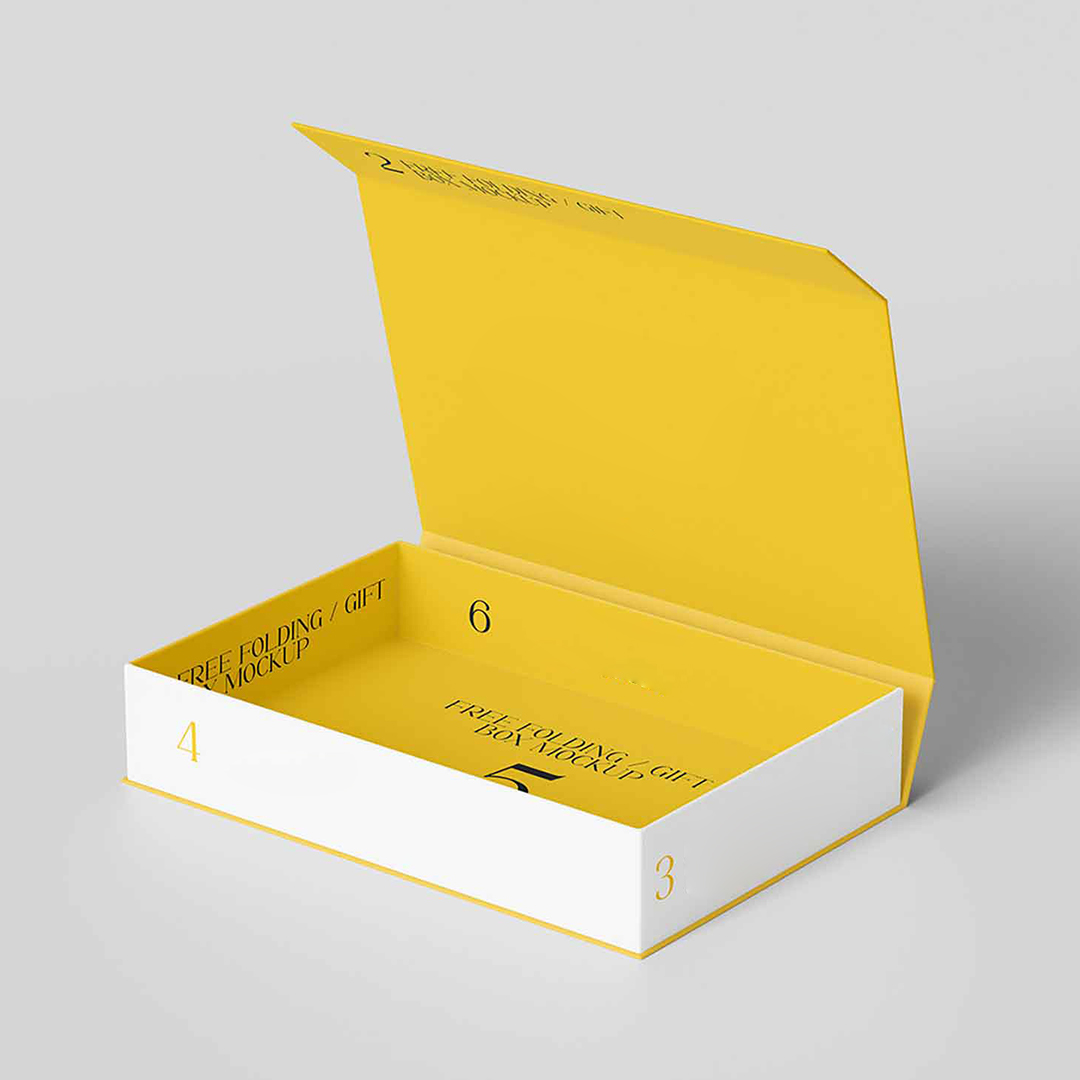
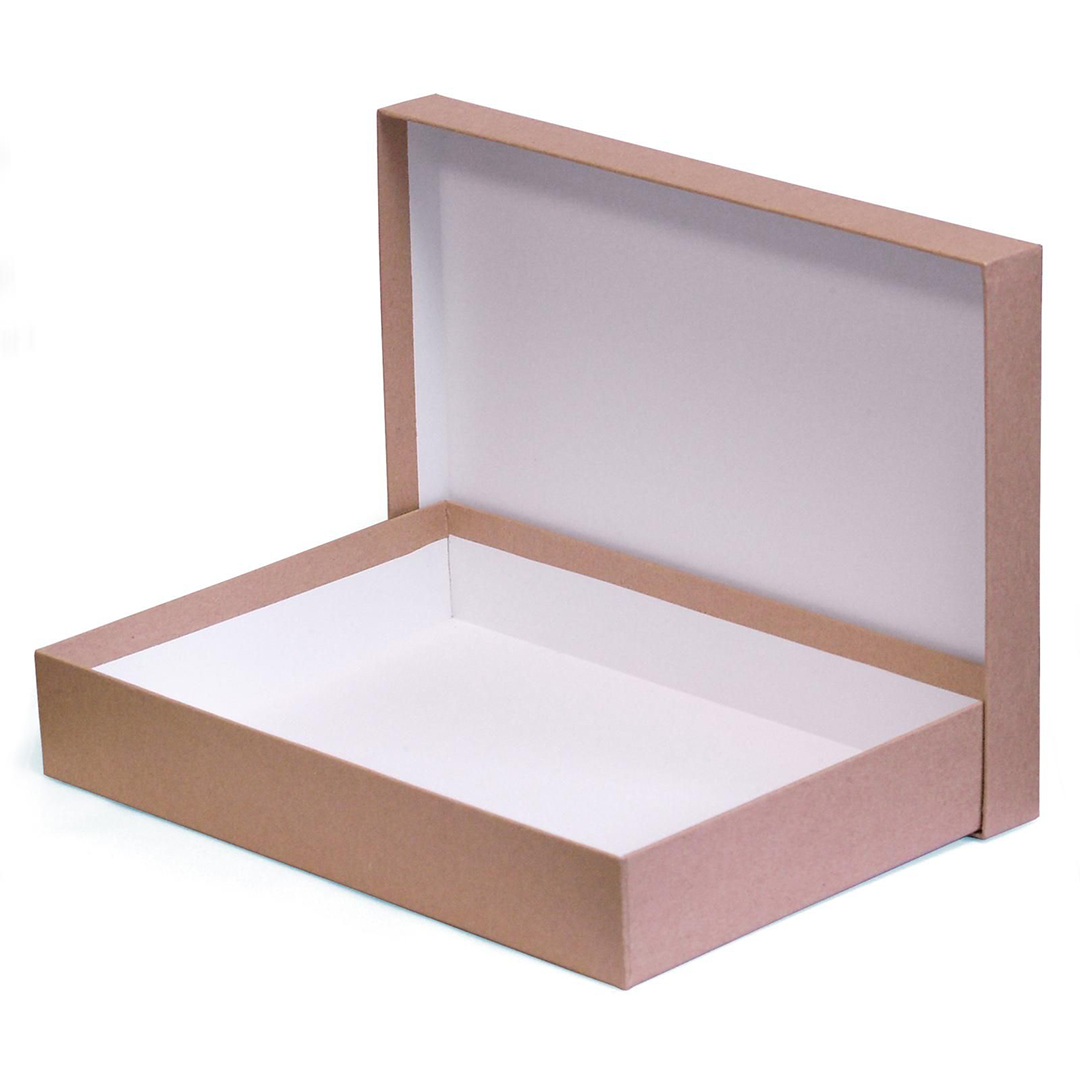
Cardboard stationery gift boxes with lids support layered layouts where notebooks, pens, clips, and small keepsakes sit in separate tiers. Two-piece rigid formats, tray-and-lid sets, and shallow boxes with clear tops keep items in position even when customers lift the lid in-store or at home. This creates a calm overview of the contents whether the box holds a simple writing kit or one of your higher-value collections. Many brands treat these lines as their most considered cardboard stationery gift boxes with lids, using them for executive gifts, special collaborations, or milestone occasions.
Lidded designs also work well in bulk programmes for corporate gifting and subscription-style deliveries. Once the lid is closed, sets can be stacked in outers with less risk of items slipping out of place. Some brands plan their premium lines through Custom Cardboard Boxes so lid depth, tray style, and material choice all match the wider visual identity. When these cartons reach customers, the mix of print, closure style, and interior layout helps the gift feel carefully arranged and ready to live on as a storage box.
Long-term storage and reuse for desks and studios
Because stationery gift packaging often remains in good condition after first use, many recipients keep their boxes for storage. People use them to hold letters, refills, art materials, or small keepsakes on desks and shelves. When sizes are chosen thoughtfully, these boxes stack neatly in cupboards or slide into drawers without wasting space. This extends the life of the pack and keeps branding present in homes and workplaces.
Retail and back-room teams can also reuse sturdy cartons that once carried Shop Cardboard Boxes deliveries. Clean, undamaged boxes are often repurposed as organisers for refills, labels, and sample sets behind the scenes. This habit reduces clutter in smaller stockrooms and supports internal organisation without buying extra containers. Once boxes eventually wear out, they can be flattened and sent into local recycling streams where facilities allow.
Ideas for choosing lid and insert options
- Use snug lids on rigid boxes to help them stay closed during handling and stacking
- Select insert materials that prevent pens, clips, and notebooks from rubbing together
- Reserve inside-lid space for short notes, simple brand messages, or care tips
- Consider clear lids when colour, pattern, or artwork is a key selling point
- Test sample sets in both retail and courier conditions before large-scale rollout
- Check that premium and entry-level lines still stack safely in outers and on shelves
Suggestions for reuse and storage of stationery cartons
- Set aside clean, undamaged boxes for reuse instead of discarding them after unpacking.
- Group saved cartons by size so they can stack neatly on shelves or in cabinets.
- Label reused boxes for refills, samples, or seasonal stock to keep back rooms tidy.
- Encourage staff and customers to repurpose sturdy boxes for home desk organisation.
- In studios, use older cartons to hold project materials, swatches, or small tools.
- When boxes finally wear down, flatten them and send them to appropriate recycling channels.
| Format or reuse idea | Main user | Key advantage | Extra note | Typical life after first sale |
|---|---|---|---|---|
| Desk and drawer organisers | Office workers and students | Separates pens, notes, and small items | Smaller boxes can act as inner trays | Often used daily for many months |
| Craft and art material storage | Artists, crafters, hobbyists | Groups paints, brushes, and bits per project | Mark sides or lids with project names | Varies by project length and rotation |
| Back-room stock and sample holders | Retail teams and merchandisers | Keeps samples and refills sorted by range | Reuse sturdy cartons from regular deliveries | Usually lasts several seasons |
| Jewellery and keepsake storage | Gift recipients and collectors | Acts like small keepsake boxes in drawers | Soft liners protect delicate items | Can remain in use for years |
| Workshop and event supply organisers | Workshop leaders and event planners | Groups pens, notes, and name tags per session | Label each box with event details | Often reused across multiple events |