






Description
Cardboard Small Equipment Boxes For Warehouse Storage And Daily Use
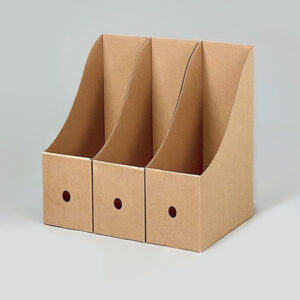
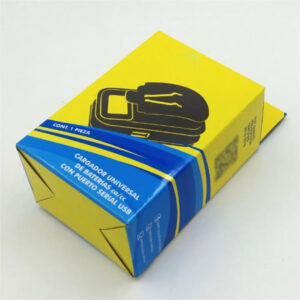
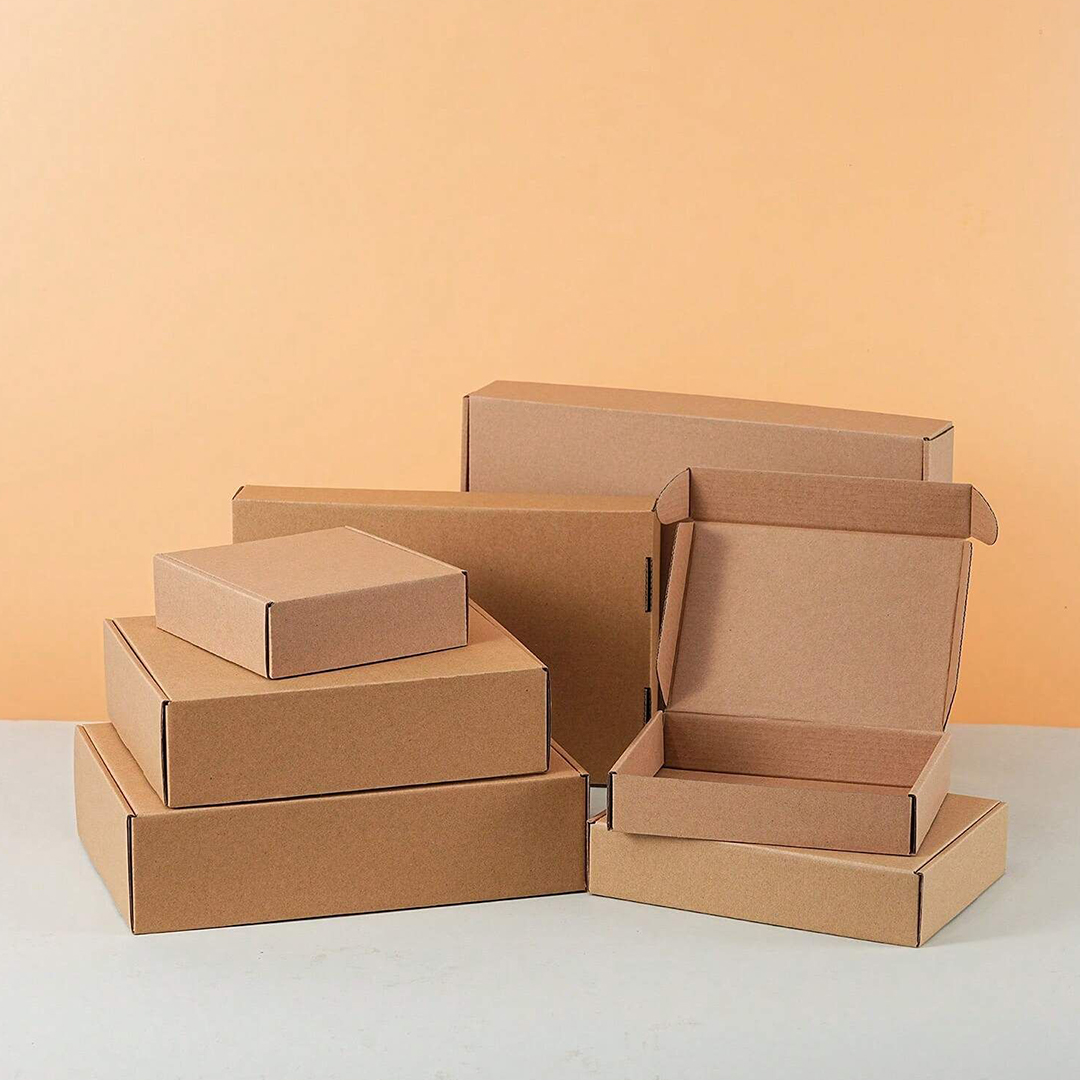
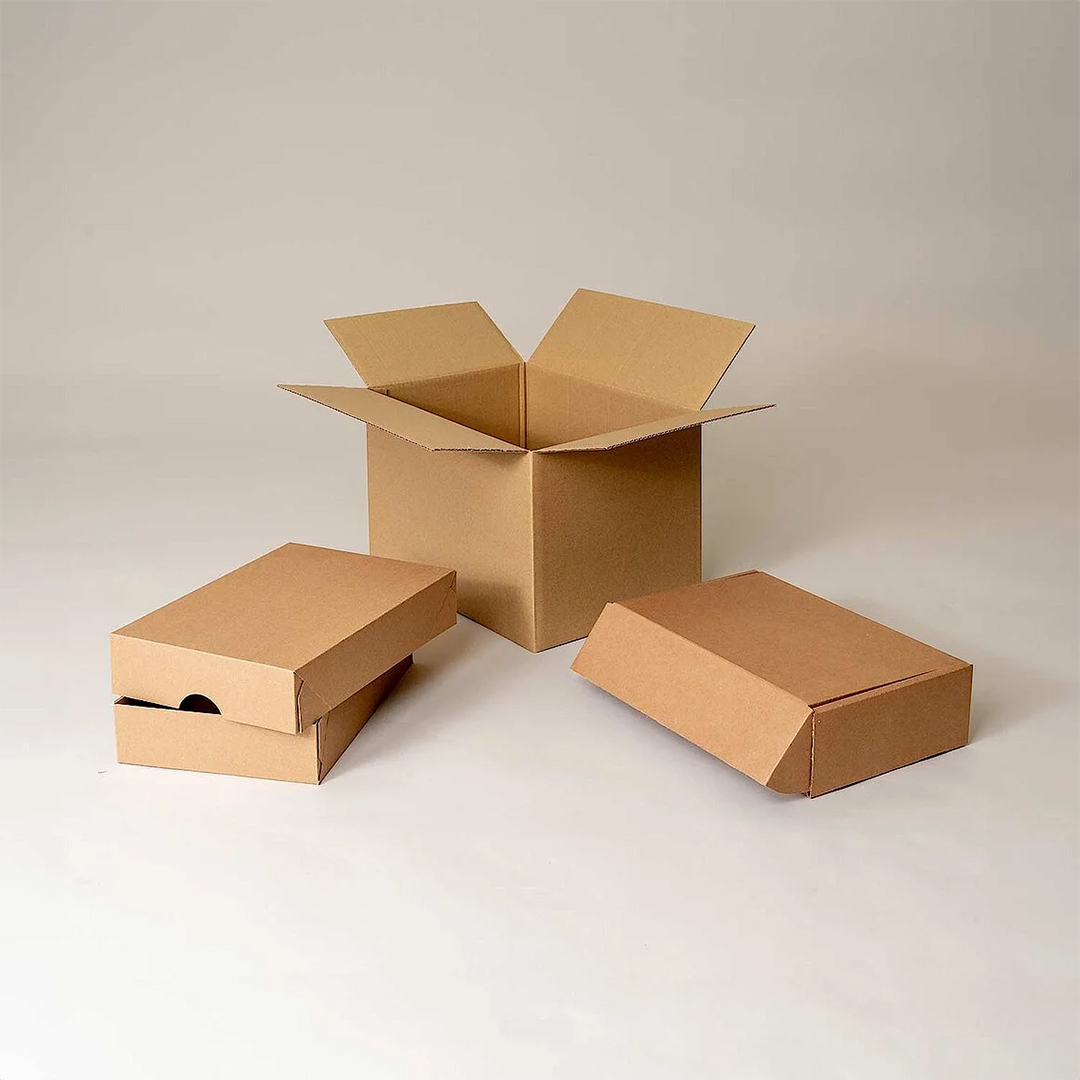
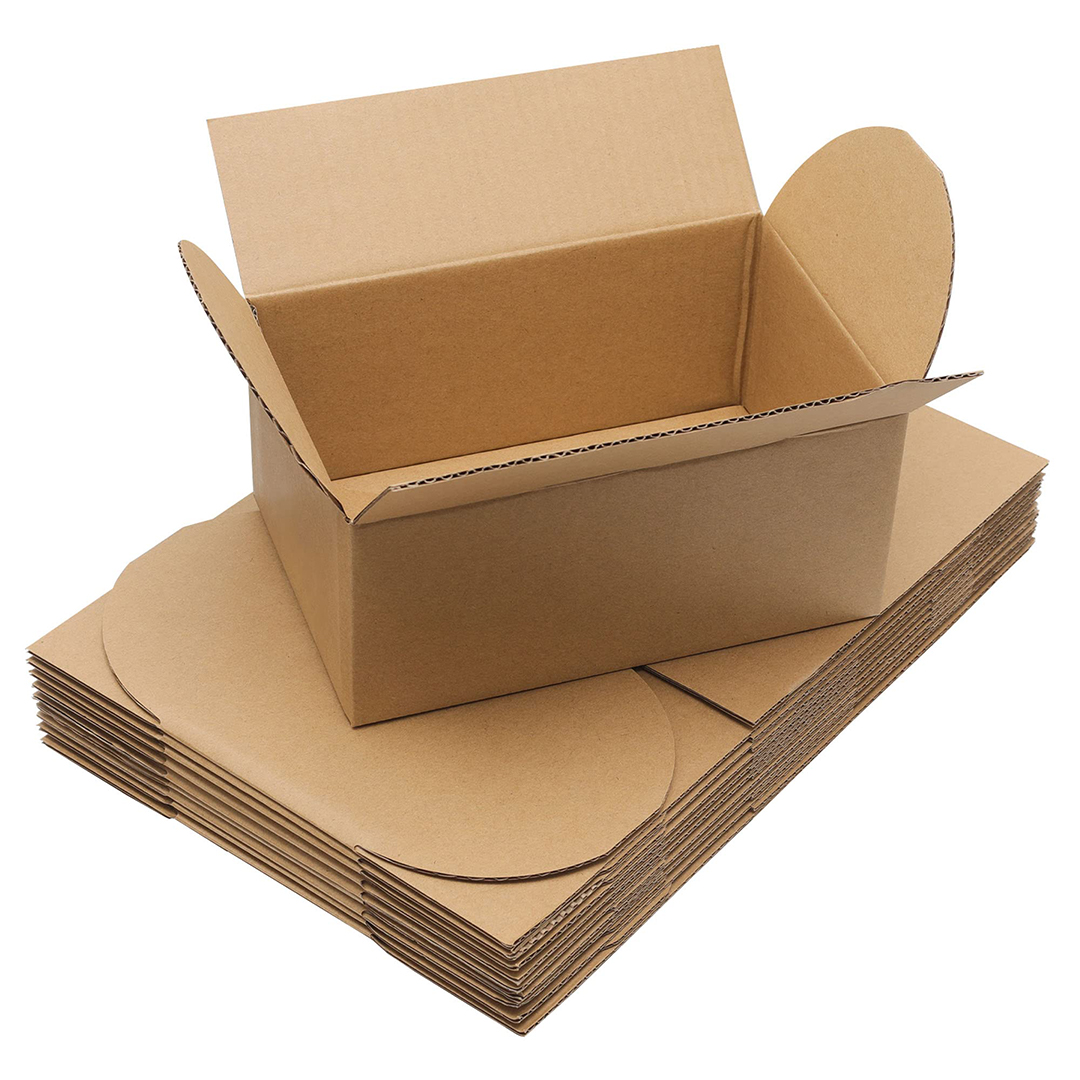
Cardboard Small Equipment Boxes help you keep tools, parts, and light machinery components under control in workshops, warehouses, and service vans. Large cardboard small equipment boxes handle bulkier items, while compact units look after tools, testers, and accessories. This mix supports clean shelving, smoother picking, and safer transport from storage areas to the production floor or job sites.
Many brands already move appliances and related gear in Cardboard Appliance Packaging Boxes and extend the same system to small equipment. When outer cartons for machines and inner boxes for parts share a similar look, staff quickly recognize each range. Cardboard small equipment boxes for sale can then slide into existing stock plans and packing lines without changing how teams stack, scan, and label their loads.
Daily Use Of Small Equipment Packaging
In busy warehouses, small tools and components often pile up in open bins or loose trays. Cardboard Small Equipment Boxes give each tool group or spare kit its own address on the shelf, reducing lost parts and rushed searches. Labels and simple icons on the box sides help pickers find the right item from a distance, even when racks are high or aisles are crowded.
Service teams and light manufacturing lines also benefit from a clear layout. Cardboard Bins for warehouse storage can pair with small equipment cartons, so boxed items slide into clearly marked slots. Technicians grab one box holding a full set of clamps, sensors, or fittings, then return it to the same place after use. Over time, this habit cuts down on missing pieces and keeps tools ready for the next shift.
Small Equipment Storage And Handling
- Cardboard walls shield sensitive tools from scratches and minor impacts during moves
- Straight edges let boxes align with Cardboard Bins for warehouse shelves and flow racks
- Neutral inner surfaces make it easy to add foam pads, dividers, or wraps where needed
- Side faces hold printed part ranges, barcodes, and reorder codes for faster scanning
- Stacked cartons create tidy columns that free more working room in narrow aisles
Packing Small Equipment In Cardboard Boxes
- Sort small equipment by task, series, or maintenance kit before assigning a box
- Wrap sharp or delicate parts so they do not mark nearby items during transport
- Place heavier tools at the bottom of the carton and lighter accessories near the top
- Fill spare gaps with light padding so nothing rattles or bounces inside the box
- Mark outer faces with clear kit names and counts before placing cartons on shelves
| Equipment group | Recommended box style | Inner support idea | Main usage scene | Extra handling note |
|---|---|---|---|---|
| Hand tools and gauges | Compact rectangular format | Simple pads or roll wraps | Tool cribs and service vans | Keep handles away from thin box walls |
| Light measuring devices | Medium depth format | Foam or board cradles | Quality checks and calibration labs | Mark “delicate” on outer faces |
| Small electrical components | Sectioned inner format | Cardboard Bin Boxes with Dividers | Assembly and repair benches | Label each section with part codes |
| Spare parts for appliances | Long or tall format | Layered pads and inner wraps | Warehouses linked to appliance lines | Match labels with appliance model numbers |
| Mixed maintenance kits | Multi-compartment format | Grid style compartments | Facility maintenance teams and contractors | Include kit checklists inside the lid |
Cardboard Small Equipment Boxes Wholesale Planning For Warehouses And Stock Rooms
Cardboard small equipment boxes wholesale supply helps operations standardize storage and reduce costs at the same time. Bulk runs keep the price stable across Large cardboard, small equipment boxes, and smaller units while giving teams one shared look for racks and pallets. Many planners align these cartons with Cardboard Boxes By Functionality so every box group reflects how it will be used rather than just its dimensions.
This planning makes Cardboard small equipment boxes for sale easier to roll out across multiple locations. One branch might focus on repair parts, another on light assembly, and a third on outbound kitting. When all of them draw from the same core set of cartons, it becomes simpler to move stock between sites and to pack unified kits for different customers without redesigning packaging each time.
Reasons Teams Rely On Cardboard Small Equipment Boxes Wholesale
Warehouse managers rely on a steady flow of cartons that match shelf layouts and picking routes. Cardboard small equipment boxes wholesale options let them choose a small family of footprints and reuse them for many different items. This reduces confusion, because staff learn where each size belongs and how many units sit in a set rack bay, even as product mixes change.
Buyers also appreciate the control that wholesale runs offer. Predictable orders simplify budgeting, and matching batches ensures that fresh cartons look the same as those already on the shelf. Clear printing, consistent board quality, and shared die lines all feed into stable performance across seasons and product cycles.
Wholesale small equipment box planning
- Choose a limited number of footprints that match the depth and width of existing racks
- Keep one size line for single tool kits and another for mixed maintenance packs
- Reserve one panel on each carton for warehouse, project, or customer-specific codes
- Align art layouts so logos, warnings, and barcodes appear in the same place every time
- Track how many cartons fit on a pallet row to keep freight planning straightforward
Setting up a small equipment box program
- List the tools, devices, and components that need structured storage or shipping
- Group them by approximate size, weight, and fragility to identify box families
- Decide which items require Cardboard Bin Boxes Wholesale support with dividers or cradles
- Design inner layouts that can be reused for similar parts with minimal changes
- Order test runs, monitor how cartons behave in real use, and adjust before expanding orders
| Storage style | Typical box or bin type | Divider or insert idea | Main application area | Key planning note |
|---|---|---|---|---|
| Open picking bins | Cardboard Bins for the warehouse | Optional front cutouts | Fast-moving small parts and consumables | Use bold labels on front lips |
| Sectioned component sets | Cardboard Bin Boxes with Dividers | Fixed or removable partitions | Electronics, hardware, and repair benches | Balance the divider count with finger room |
| Closed kit cartons | Lidded small equipment boxes | Full base trays and pads | Field service and maintenance rounds | Add inner labels that match outer codes |
| Drawer-style shelf units | Shallow pull-out bin boxes | Row-based dividers | Lab tools and precise measuring equipment | Keep drawer weight within safe limits |
| Pallet-ready bin stacks | Reinforced Cardboard Bin Boxes Wholesale | Nested bin and box combinations | Bulk storage for chain locations | Standardize heights for stretch wrap use |
Cardboard Small Equipment Boxes With Lids For Safe Stacking And Dust Control
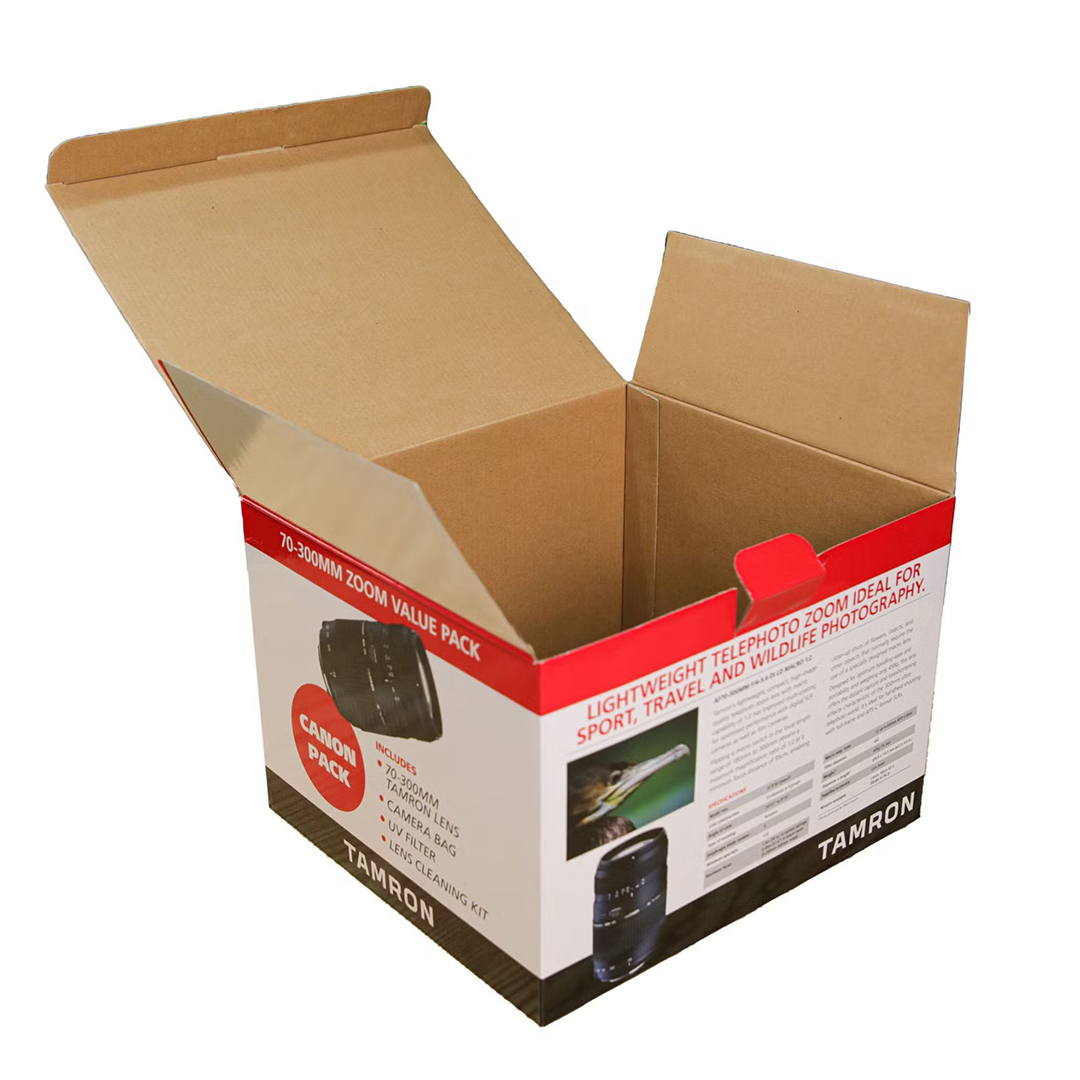
Cardboard small equipment boxes with lids protect tools and components from dust, light, and casual contact on busy floors. The lid closes down over the contents, keeping both loose and padded items in place when staff lift or move the carton. For mixed racks, sealed lids also reduce the chance that small parts drift into neighboring slots or fall through gaps.
Lidded designs also help when boxes travel long distances on pallets. Stacked columns stay neat when every carton offers a flat, closed top, which is important when loads include Large cardboard small equipment boxes at the base and smaller units above. The added structure supports stretch wrap and straps, keeping everything aligned until the pallets reach their destination.
How To Choose Sizes For Different Small Equipment Types
Selecting the right box size begins with measuring the longest and widest item in each kit. Allow space for padding or internal dividers while leaving enough room for a hand to reach in and grab the contents without forcing things. Overly tight fits slow down picking and repacking, while very loose fits invite damage from movement.
For mixed tool kits, it often helps to sketch the intended layout on paper or screen first. Tools with sharp points or unusual shapes may need their own space instead of sharing a compartment with more delicate items. Once the draft layout feels practical, you can match it to one of your existing box families or request a size that fills a missing gap.
Selecting the right small equipment box
- Measure tool length, width, and height with padding in mind, not just the bare item
- Keep box footprints aligned with shelf depth so no space is wasted front or back
- Allow enough internal height for stackable layers when kits need multiple levels
- Use lids for dusty or high-traffic environments where protection matters more
- Reserve lighter-grade boxes for simple parts and stronger grades for heavy tools
Testing size and fit before full orders
- Build a sample kit and place all tools and parts inside a trial carton
- Shake and tilt the box gently to see whether items shift or press on the walls
- Adjust padding or divider positions until movement is controlled without tight strain
- Ask team members who will use the kits daily to handle the sample and give feedback
- Lock in the final dimensions only after confirming that storage, use, and repacking all feel natural
| Kit type | Recommended box depth | Height suggestion | Typical contents | Extra planning guidance |
|---|---|---|---|---|
| Light maintenance tool sets | Medium depth | Low to medium height | Hand tools, testers, and simple accessories | Keep the weight comfortable for one person lift |
| Precision instrument kits | Shallow to medium depth | Low height with padding | Meters, sensors, and calibration tools | Allow room for clear labels on inner trays |
| Spare part assortments | Medium to deep depth | Medium height with dividers | Screws, connectors, and small replacement parts | Balance compartment size with part volume |
| Appliance spare modules | Deep box with lid | Medium to tall height | Motor units, pumps, or compact modules | Provide extra clearance around fragile parts |
| Contractor and service kits | Medium depth with a strong lid | Medium height and reinforcements | Mixed tools, parts, and fasteners | Design handles or grip zones on the sides |
Materials, Coatings And Print Options For Small Equipment Cartons
Cardboard Small Equipment Boxes rely on board grades that balance strength with manageable weight. Thicker walls support heavy or metal tools, while lighter grades handle fast-moving consumables and small plastic components. Smooth faces help barcodes, safety notes, and brand marks remain readable in warehouse light.
Surface finishes also play an important role. Gloss, Matte, and Spot UV options adapt the box to your environment and design style. Teams that want clean reading surfaces often choose matte panels for text and reserve higher sheen or Spot UV accents for logos or key symbols.
Finishing Choices And Service Support
Many operations want more than just blank cartons. Custom sizes and styles help you match Cardboard Small Equipment Boxes to specific racks, trolleys, or kit layouts. High-quality material and printing options keep both brand and safety information clear, even after repeated handling.
Alongside this, you can plan bulk runs with coating options such as Gloss, Matte, and Spot UV to support different product lines. When artwork is final, free design tweaks for layout alignment and free shipping on qualifying orders combine with fast turnaround times so new boxes enter your workflow without delay.
Materials and finish selection
- Pick board thickness according to equipment weight and stacking height
- Use Gloss where images and bold brand marks need extra shine
- Keep Matte areas for dense text blocks, codes, and checklists
- Add Spot UV selectively to highlight kit names or warning icons
- Test a small printed batch under real warehouse or workshop lighting before scaling up
Planning a production run
- List the box sizes you need and the equipment groups each size will serve
- Decide which faces carry branding and which focus on handling or safety information
- Work with artwork that keeps key details away from heavy crease or crush zones
- Approve pre-production samples that show board, finish, and print quality together
- Schedule repeat runs in advance so Cardboard small equipment boxes wholesale stock never runs low
| Aspect | Available choices | Typical usage situation | Benefits of small equipment storage | Notes for long-term planning |
|---|---|---|---|---|
| Board grade | Single-wall and double-wall | Light to medium-weight tools and parts | Matches strength needs without extra mass | Standardize grades by kit category |
| Outer finish | Plain, Gloss, Matte, Spot UV areas | Warehouses, workshops, service depots | Supports both branding and clear reading | Keep finishes consistent across locations |
| Print coverage | Minimal text or full graphic layouts | Low-profile stock rooms to branded hubs | Adapts to your visibility preferences | Track ink coverage for cost management |
| Order style | One-time runs or scheduled repeats | Seasonal or ongoing supply programs | Keeps supply aligned with real usage | Link order timing to inventory thresholds |
| Design assistance and shipping | Layout checks and free design input, free shipping on eligible volumes | New rollouts and rebrands | Removes friction during setup and artwork changes | Combine orders to reach efficient volumes |
Sustainable Storage And Reuse Ideas For Small Equipment Cartons
Cardboard Small Equipment Boxes also support sustainability goals in warehouses, workshops, and training spaces. Many teams plan storage layouts and reuse patterns through Custom Cardboard Boxes so their cartons can move from first use in shipping to long-term roles on shelves before heading into local recycling streams.
Before that point, these boxes often see many cycles. A unit that once carried new tools may later hold spare parts, repair kits, or calibration sets. In training rooms, older cartons become practice kits that teach new staff how to build, label, and stack boxes safely without risking damage to current equipment.
Reusing Small Equipment Boxes In Shops And Homes
Workshops often set aside a shelf for clean, flattened boxes of popular sizes. When new tools arrive without enough storage, staff pull from this reserve and quickly assign a carton that matches the rack layout. This keeps storage uniform and avoids a mix of random containers that slow down daily tasks.
At home, small equipment boxes can help organize hobby tools, craft supplies, and DIY hardware. Clear marking on the sides lets users build neat rows in cupboards or garages, keeping gear easy to find for weekend projects while still supporting eventual recycling when the boxes finally wear out.
Reuse planning with small equipment boxes
- Save cartons that remain structurally sound after shipping and initial use
- Flatten spare boxes and store them by size in a dry corner of the warehouse
- Relabel reused cartons clearly so staff always know what each one holds
- Use worn but intact boxes for low-risk roles such as training or light storage
- Encourage teams to share new reuse ideas so more cartons get a second life
| Reuse idea | Main users | Primary benefit | Extra note | Typical life after the first assignment |
|---|---|---|---|---|
| Long-term tool and part storage | Warehouses and workshops | Keeps small equipment grouped by task | Refresh labels when contents change | Several years if kept dry |
| Training and onboarding kits | HR and operations trainers | Teaches correct packing and stacking | Use retired sizes that match current stock | Multiple training cycles |
| Hobby and DIY organization | Home users and hobby makers | Reduces clutter in drawers and garages | Group by project, tool type, or material | Varies with project frequency |
| Temporary project staging cartons | Project managers and site leads | Holds tools and parts near active work | Mark the project and date on the outer faces | Until the project closes out and the recycling stage |