






Description
Cardboard Seafood Packaging For Cold Chain Delivery
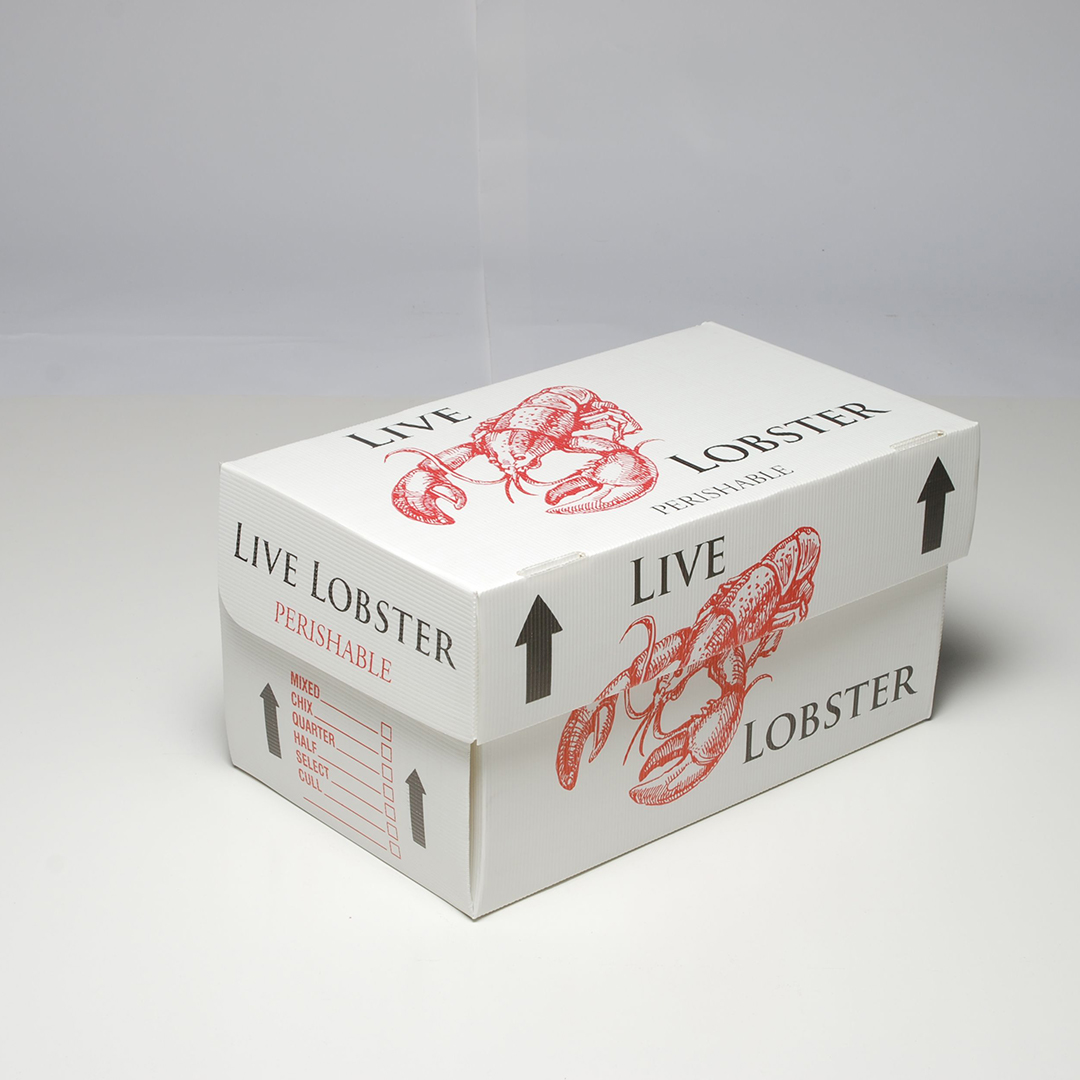
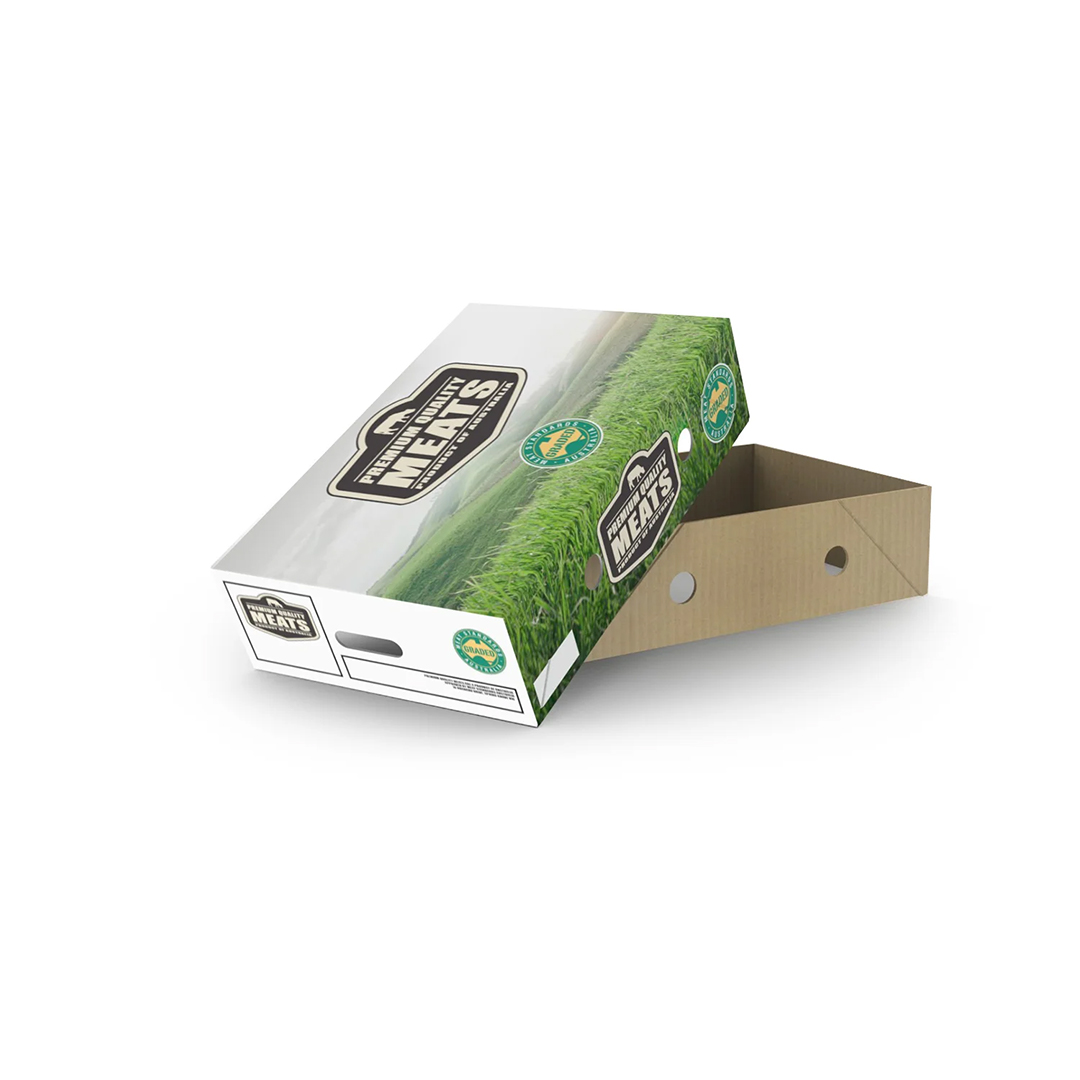
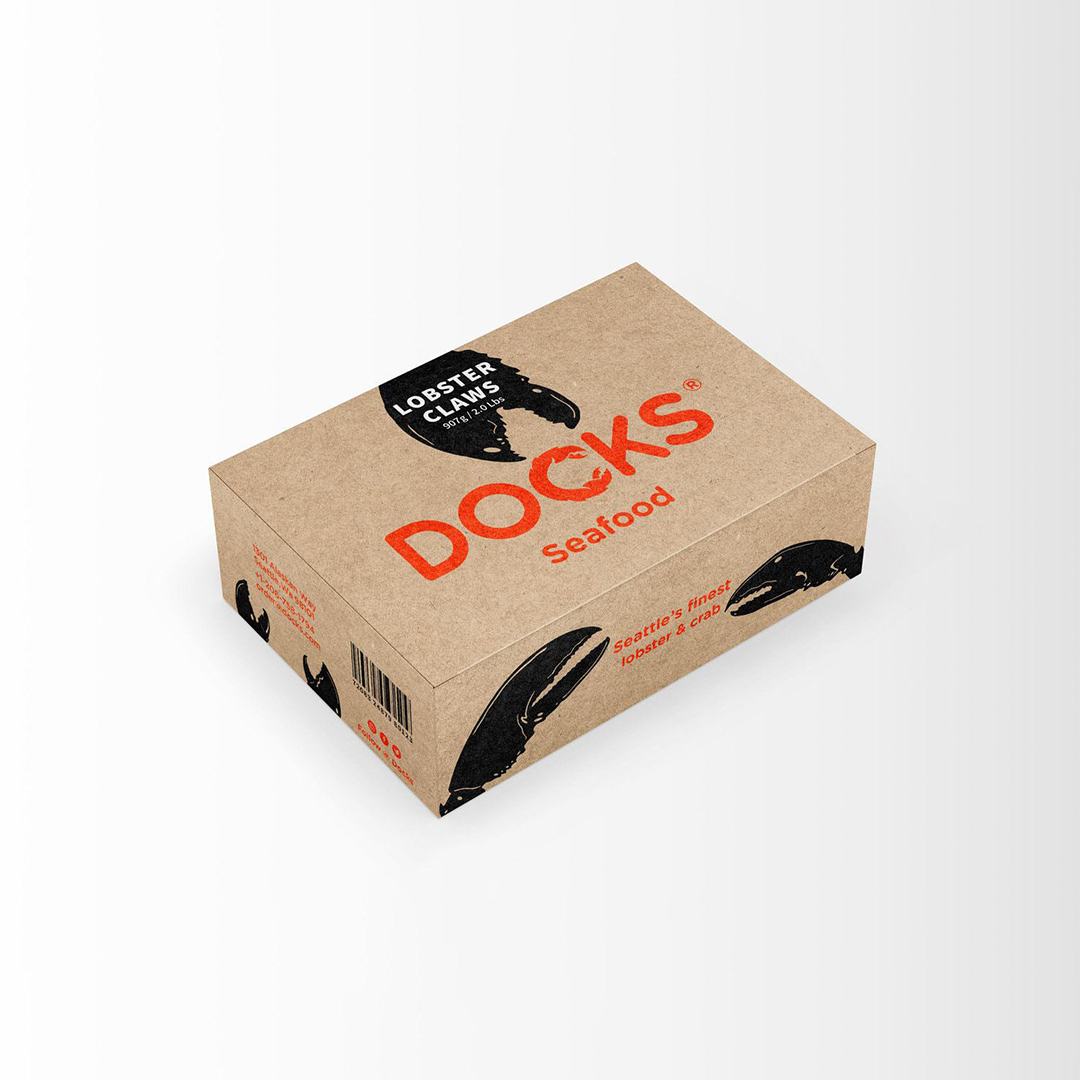
Cardboard seafood packaging boxes are used to move fish, shellfish, and chilled seafood through cold-chain steps while keeping packing and stacking routines consistent. Some facilities align seafood cartons with cardboard meat packaging ranges, including Cardboard Meat Packaging Boxes, so both categories share similar outer sizes, board grades, and stacking patterns inside shared cold rooms. When outer sizes follow the same sizing set, pallet layouts, rack spacing, and vehicle loading plans can remain consistent across mixed loads. This approach is commonly used where meat and seafood move through the same storage zones.
A consistent carton format is used to handle mixed seafood dispatch, where sorting and route changes occur during the day. When board grade and liners are selected for chilled use, cartons keep their shape under low temperatures and damp handling conditions. Liners and internal packing layouts are used to limit shifting inside the carton, which can reduce surface marks on fillets and maintain separation between items.
Daily Handling Behaviour In Seafood Facilities
In cold storage and processing rooms, seafood shipments use boxes that remain workable to lift, slide, and stack when floors are damp, and temperatures stay low. Sidewalls and base panels are planned so cartons can be moved through narrow aisles and placed on racking without frequent corner damage. When weight is distributed evenly across the base, cartons can be stacked in straight columns with fewer shifts during movement. This is relevant in areas around chillers, blast freezers, and loading bays where cartons are handled repeatedly.
Key Advantages Of Cardboard Seafood Packaging
- Maintains internal condition when used with liners and ice
- Allows placement of whole fish, fillets, and shellfish trays in defined layouts
- Reduces pressure points on softer cuts during stacked storage and transport
- Keeps loads steadier when pallets and trolleys stop or change direction
- Matches common cold-room rack spacing and pallet footprints
- Works with moisture-control layers while keeping the base structure intact
- Keeps the top and side panels available for labels and handling notes
- Fits into carton families used across chilled distribution
Cold-Storage Workflow Improvements
- Reduces time spent reboxing loads that shift inside weaker cartons
- Supports straight stacking columns rather than uneven stacks
- Lowers the corner crush risk during forklift handling
- Supports aisle layouts when outer sizes remain the same
- Allows route-based stack building without changing carton formats per shift
- Keeps labels visible during routine stock checks
- Reduces cartons that are downgraded due to handling damage
- Makes handling routines easier to teach because carton behaviour is consistent
| Feature | Description | Material | Finish | Primary Use |
|---|---|---|---|---|
| Moisture-Tolerant Walling | Used with liners and ice under chilled handling | Food-grade cardboard | Matte outer surface | Fisheries and cold rooms |
| Ice-Pack Friendly Cavity | Space for ice bags or gel blocks | Kraft-based board | Smooth outer surface | Chilled transport runs |
| Reinforced Base Zone | Base structure for seafood weight | SBS or strengthened card | Light sealed coat | Retail counters and storage racks |
| Deep Internal Profile | Internal height for layered trays or larger cuts | Rigid board structures | Natural or lightly coated | Wholesale shipments and markets |
Wax Seafood Boxes For Moisture-Heavy Chilled Loads
Wax seafood boxes are used in workflows where wet loads and meltwater are present during cold-chain transport and storage. Some operations plan cold-room layouts around broader chilled packaging families, such as Food Related Cardboard Boxes, then assign wax-coated seafood cartons to product lines that sit with ice and moisture regularly. This keeps outer sizes aligned across categories while applying moisture barriers to the cartons that need them most. This approach is used where different chilled categories share the same racks, pallets, or vehicle routes.
Wax-lined units are used to keep the board from absorbing water quickly when ice and liners sit inside the carton. This is common in fish markets, seafood delivery runs, and facilities that dispatch several shipments during the week. A sealed inner surface is used to reduce water transfer through sidewalls, which can reduce damp areas around pallet bases and cold-room floors.
Moisture Control In Daily Seafood Operations
Wax-coated inner layers are used where seafood releases liquid during storage, thawing, and transport. A sealed lining slows water absorption so the board does not soften as quickly under damp, cold conditions. This is relevant when multiple species are packed in similar outer sizes, and cartons pass through the same storage and dispatch routines. When wall stiffness and base strength stay stable, scheduling and load planning can follow standard patterns without frequent packaging changes during the shift.
Moisture-Control Benefits For Seafood Shipments
- Keeps inner walls more stable under damp conditions
- Supports routes where direct ice contact is part of the packing method
- Reduces weakening caused by meltwater during longer journeys
- Maintains product separation and placement inside the carton
- Limits leakage that can affect floors, equipment, and nearby loads
- Keeps pallet movement easier when bases remain flat
- Reduces reboxing caused by softened or damaged cartons
- Supports longer schedules where moisture exposure is continuous
Transport Reliability Points For Wax-Coated Cartons
- Reduces repacking steps for wet loads
- Limits moisture build-up around truck floors and racking surfaces
- Maintains carton strength through stop-and-go delivery patterns
- Keeps the carton shape stable for market opening and handling
- Keeps labels readable during condensation and stock checks
- Allows closer stacking patterns when cartons remain firm
- Supports separation between ice-heavy consignments and drier loads
- Maintains repeat behaviour across regular long-haul routes
| Type | Capacity Range | Material | Lining | Typical Use |
|---|---|---|---|---|
| Wax-Lined Fish Box | Whole fish and larger cuts | Cardboard base stock | Wax interior layer | Fisheries and processing plants |
| Ice-Interior Carton | Chilled prepared portions | Strong kraft board | Waterproof coating | Retail-directed chilled loads |
| Market Seafood Box | Mixed seafood assortments | SBS or similar boards | Moisture-safe barrier | Daily market sales and stalls |
| Long-Haul Export Box | Extended volume shipments | Corrugated structures | Reinforced moisture barrier | Long-distance routes |
Cardboard Seafood Boxes And Printed Identification Systems
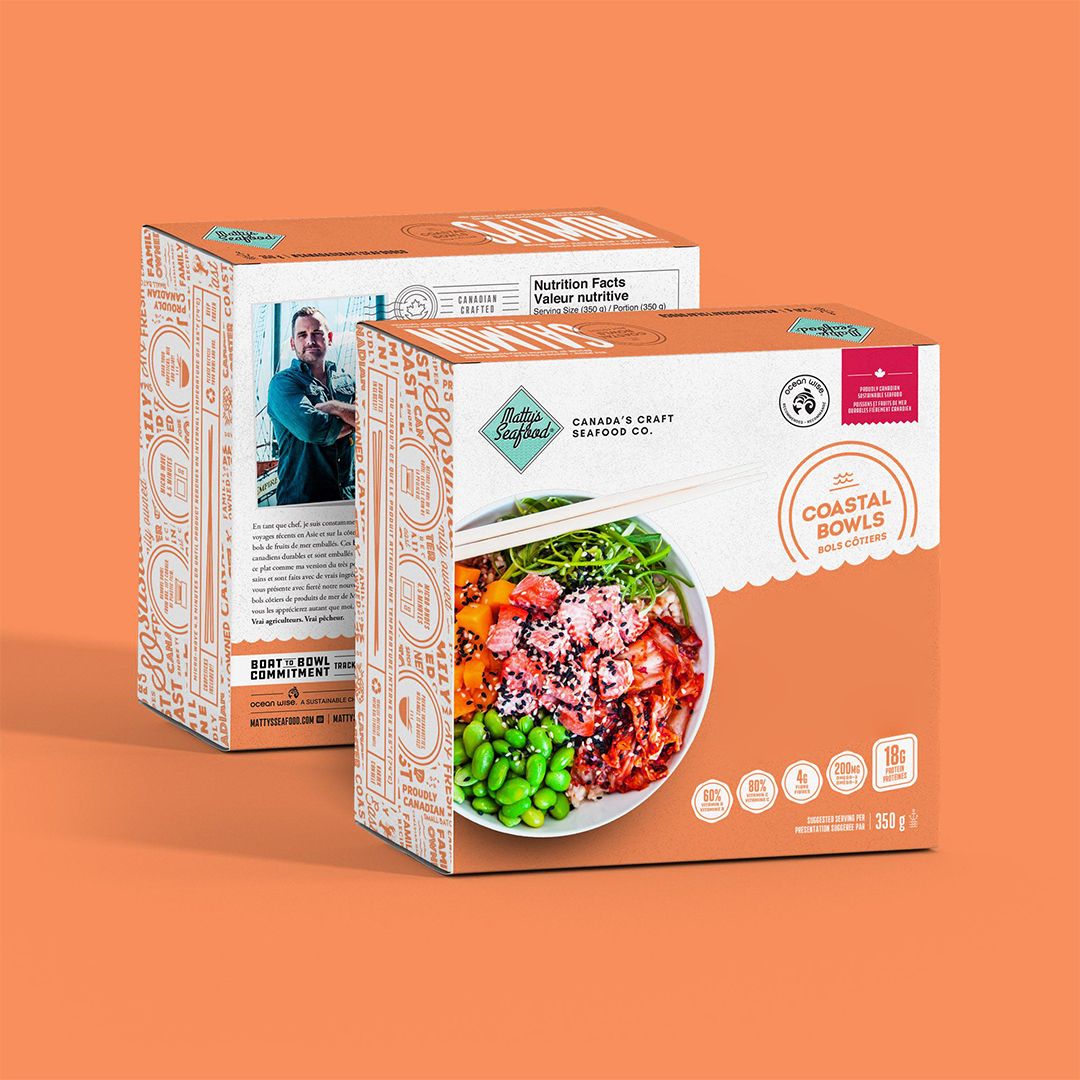
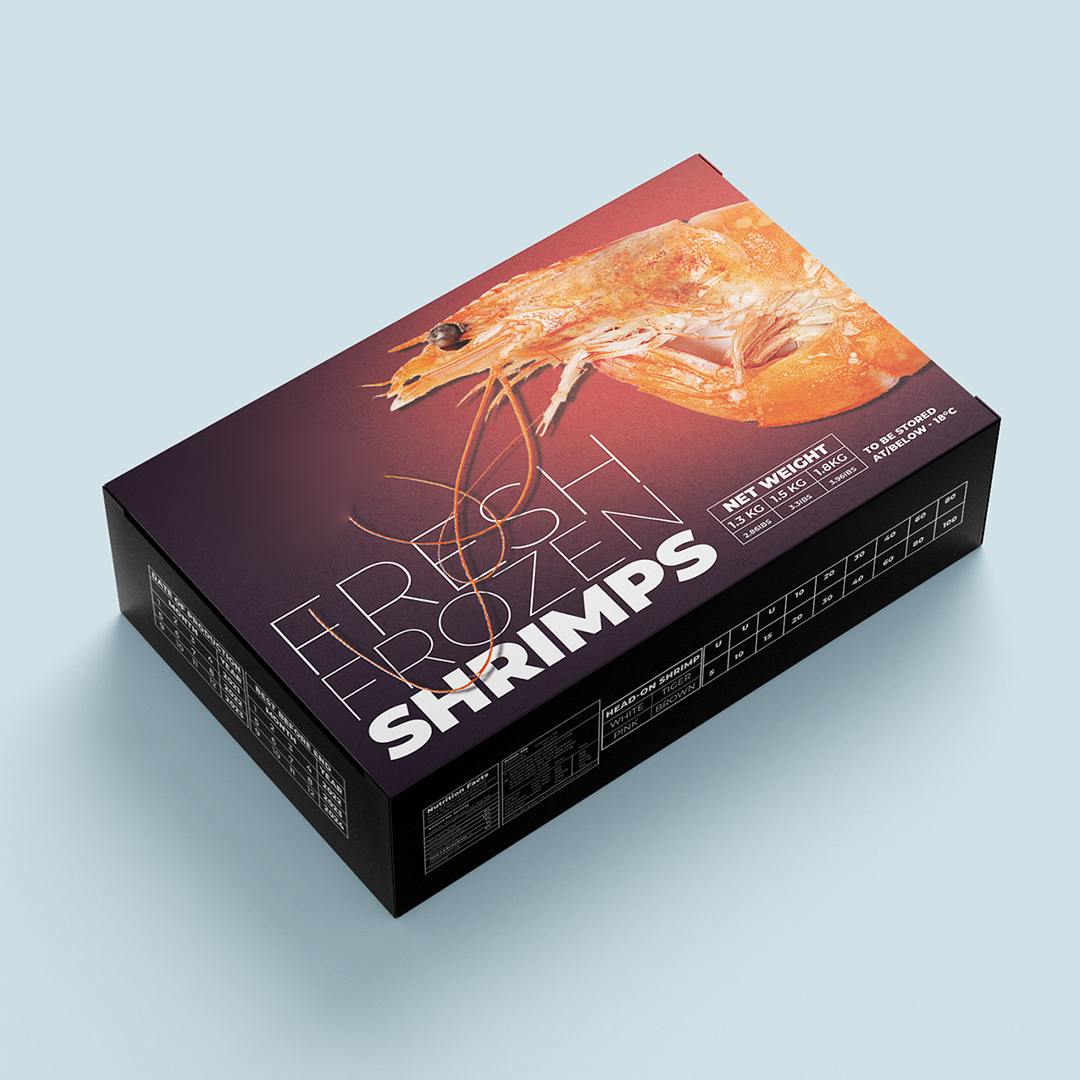
Seafood distributors, fish markets, and cold-storage teams use packaging that fits cold-chain conditions and supports identification without opening cartons. Some operations use formats such as Custom Cardboard Boxes when they want carton sizing, base reinforcement, and moisture-aware structures planned around chilled seafood lines. Printed panels are used to show species, batch details, and handling notes on the outside so staff can read key information while cartons remain stacked. This is used in cold rooms where noise, gloves, and time constraints make repeated opening impractical.
Cardboard seafood packaging boxes are used for fresh fish, shellfish assortments, and portioned seafood moving to wholesalers, retailers, and foodservice buyers. Some fisheries ship certain products in dedicated formats, such as Live fish shipping boxes, which follow different handling needs than standard chilled packs. Cartons that take liners and ice packs without losing shape are used where pallets are built ahead of fixed dispatch times, auctions, or market openings.
Sorting And Labelling Behaviour In Seafood Logistics
Printed sidewalls and top panels are used to provide access to key details when stacks are high. Label zones can hold batch identifiers, species names, catch locations, and temperature notes in a repeated layout that staff can recognise. When cartons arrive with these details already placed, sorting time can be reduced and picking errors can be reduced during peak windows. This supports separation between similar products and supports traceability steps during intake, storage, and dispatch.
Sorting And Labelling Advantages For Seafood Suppliers
- Provides label areas that remain visible in stacked layouts
- Leaves space for species names, cut types, and weight details
- Supports handling icons and temperature symbols on outer panels
- Supports category sorting in shared cold rooms and depots
- Reduces carton opening for content confirmation
- Supports batch tracking during processing hours
- Works alongside barcode and QR tracking systems where used
- Supports both neutral and customer-branded print layouts over time
Operational Control Points In Printed Box Systems
- Supports locating specific lines on racks and pallet bays
- Supports catch-date and processing-run labelling
- Supports coordination in markets and auction settings
- Reduces category mixing in storage stacks
- Supports separating export consignments from local deliveries
- Provides delivery-sequence notes for drivers
- Supports traceability requirements with repeated label zones
- Supports consistent pallet and rack planning across shifts
| Label Area | Preferred Material | Print Approach | Finish | Main Usage |
|---|---|---|---|---|
| Side Walls | White or light board | CMYK or bold line type | Smooth or lightly sealed | Storage racks and pallet sides |
| Top Panel | Kraft or white board | PMS spot colours | Matte or semi-matte | Transport staging and route planning |
| End Panel | SBS or strong card | Colour tags or icon sets | Light sealed finish | Quick sorting and aisle marking |
| Inner Layer | Rigid card backing | Minimal codes or marks | Natural finish | Grading zones and internal supports |