





Description
Cardboard Rigid Flip Top Boxes For Modern Packaging Needs
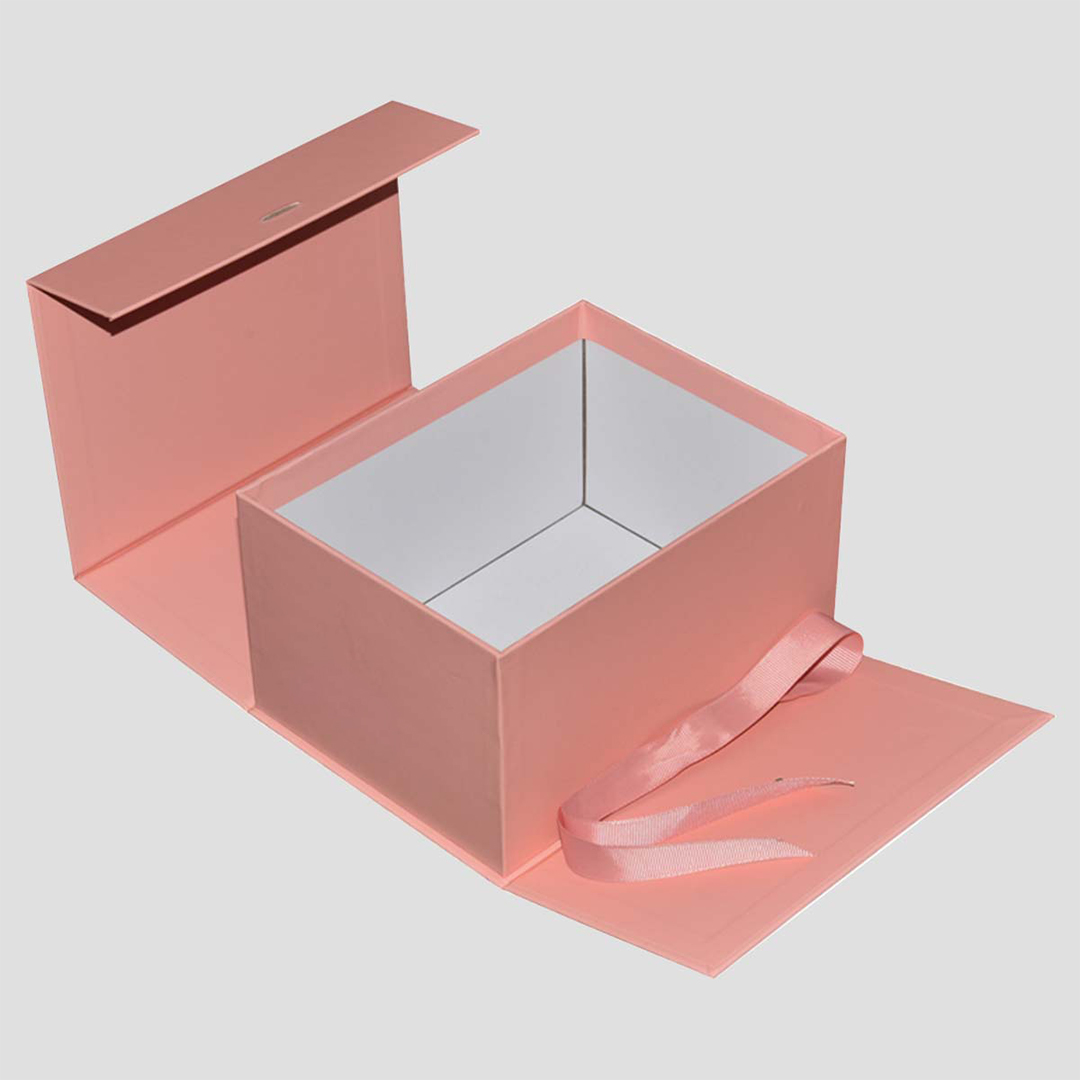
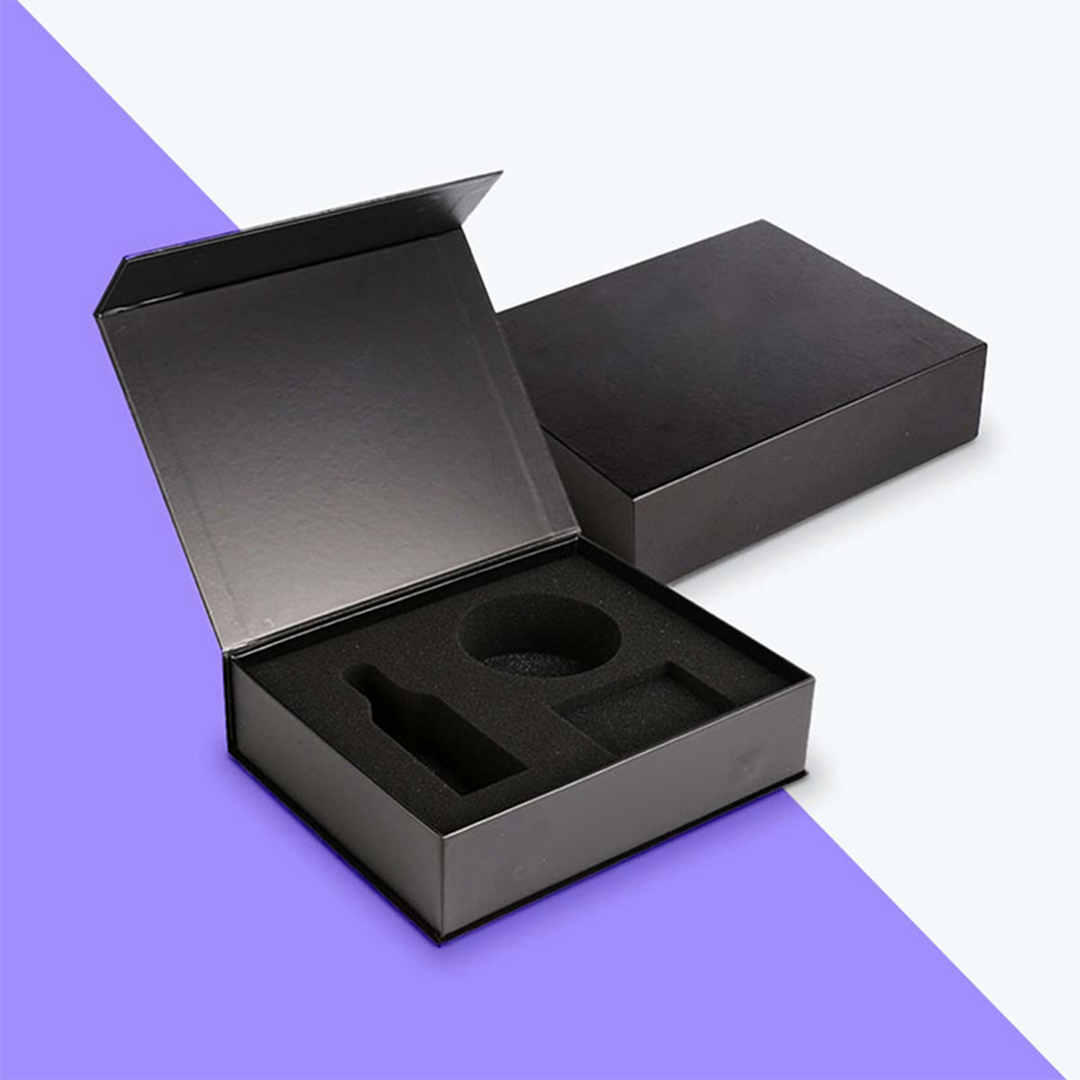
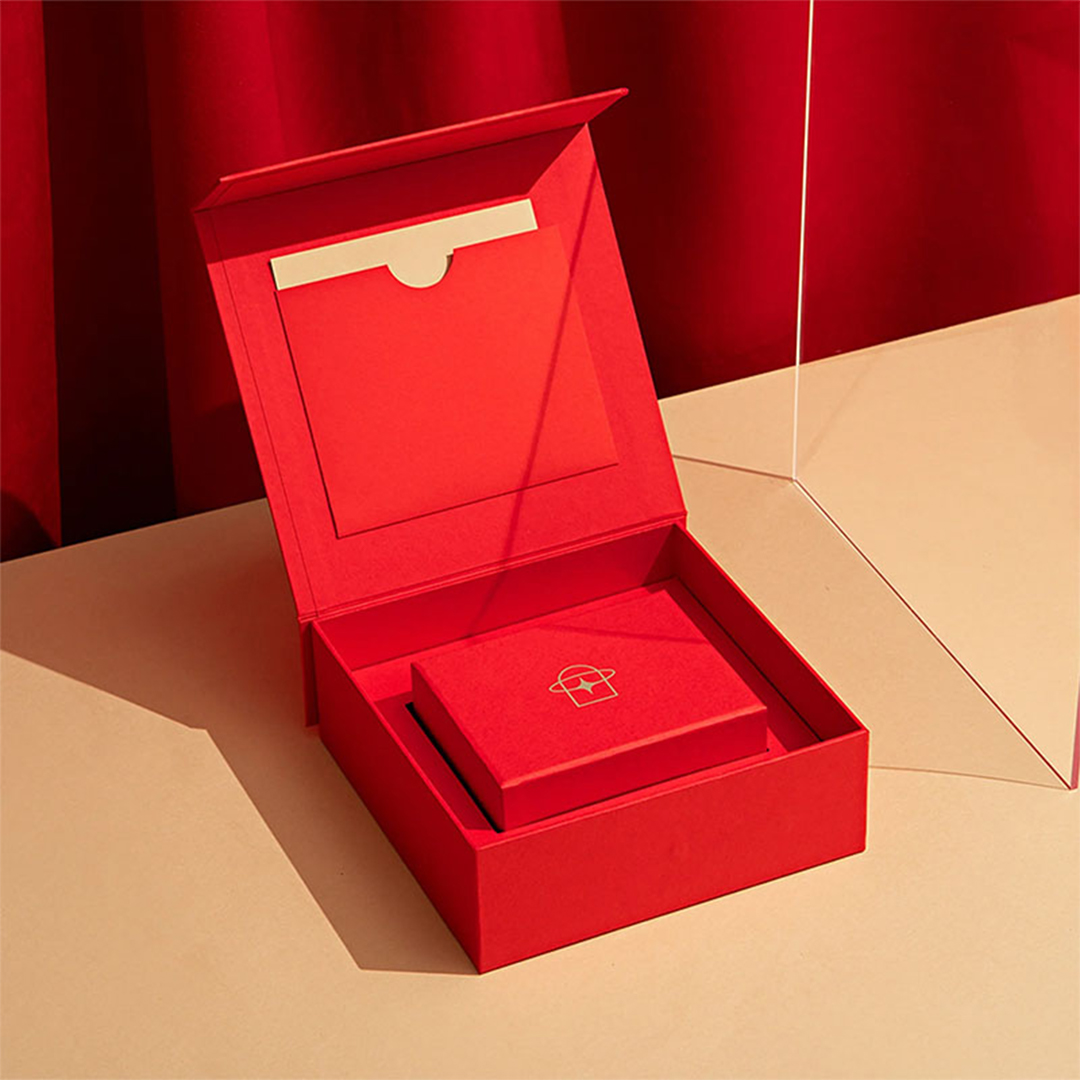
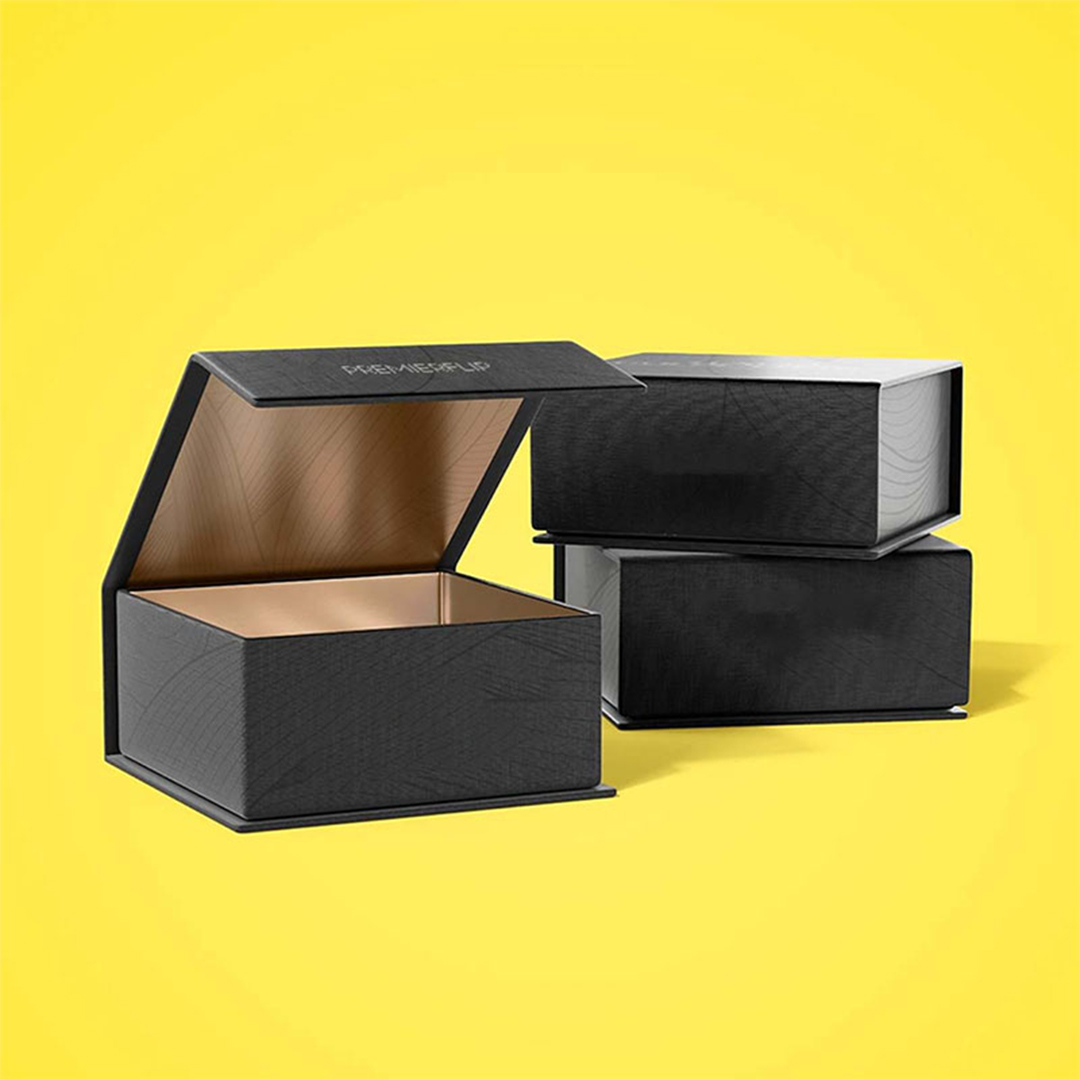
Cardboard Rigid Flip Top Boxes give products a steady home with a smart opening style that customers remember. These boxes work with candles, cosmetics, electronics, gifts, and small fashion pieces where packaging needs to look clean and feel secure in the hand. Many brands compare them to Cardboard Rigid Lid & Base Boxes when planning how items will sit on shelves, in storage, and during shipping. The simple hinged motion lets staff pack quickly while still giving customers a controlled reveal at unboxing. Over time, this layout keeps products aligned, protected, and easy to stack in retail or warehouse settings.
Inside, products sit in a snug space supported by board strength that behaves like reliable rigid product boxes. A Cardboard box with hinged lid keeps lids attached so staff never misplace tops at busy packing benches. Different depths suit jars, bottles, folding garments, or tech accessories, while outer walls stay smooth and ready for branding. Flip top boxes with Magnetic Closure can hold higher value items where a tight close supports product confidence. When needed, tuck top boxes and simple inserts can be combined with these units to control movement further during transit.
Everyday uses for rigid flip top packaging
Cardboard Rigid Flip Top Boxes help brands manage both shelf presence and storage routines without constant repacking effort. Staff can load items in straight runs, close lids in a single gesture, and then move full cases to display or back rooms. Customers then enjoy an easy open and close movement that feels tidy every time they interact with the product.
For subscription sets and gift collections, the same format works across many product themes. Boxes can house self care bundles, stationery sets, or small tech kits while keeping everything lined up. When buyers ask how to choose between a simple Cardboard box with hinged lid and more complex Rigid product boxes, the answer often depends on how often lids will be opened, and how long items will stay on display. In many cases, Cardboard Rigid Flip Top Boxes give a calm balance between strong storage and simple daily use.
Key packaging strengths for daily operations
- Attached lids mean fewer loose parts to manage in busy packing rooms
- Flat inner bases help items sit level and reduce sliding during movement
- Straight walls stack well in cartons, on shelves, and on pallets
- Hinged Lid boxes support repeated opening without extra strain on corners
- Box interiors welcome foam, card, or paper inserts when needed
- Outer panels give clear areas for branding, labels, and product details
Simple planning steps for your first flip top box order
- List each product that will use flip top packaging and note its size.
- Measure height, width, and depth including any inner wrapping or inserts.
- Decide whether you want plain Cardboard rigid flip top boxes or Flip top boxes with Magnetic Closure.
- Check how boxes will be displayed, stored, and shipped so stacking stays safe.
- Plan artwork for the main panels, side panels, and lid area.
- Confirm preferred coatings such as Gloss, Matte, or Spot UV for surface strength.
- Review quantities for each size so wholesale runs stay efficient and consistent.
| Box style option | Lid movement type | Typical product uses | Closure strength level | Handling notes |
|---|---|---|---|---|
| Basic flip top | Simple hinged open | Everyday retail items | Standard close | Good for quick packing lines |
| Flip top with magnets | Magnetic contact | Higher value or gift products | Firmer close | Helpful when boxes are opened frequently |
| Deep flip top | Long side walls | Bottles, jars, taller products | Strong side support | Works well with inner fitments |
| Wide flat flip top | Shallow height | Documents, shirts, flat items | Balanced close | Easy to stack on flat shelves |
| Inner tray flip top | Tray plus outer lid | Multi piece sets or kits | Double layer feel | Adds structure for delicate contents |
| Narrow flip top | Slim profile | Pens, small tech, accessories | Light yet secure | Simple for narrow display spaces |
| Windowed flip top | Hinged lid with view | Items that benefit from preview | Same as base box style | Supports visual merchandising |
Cardboard rigid flip top boxes sizes for organised product lines
Sizing is important when you want Cardboard Rigid Flip Top Boxes to hold different SKUs in a calm, repeatable grid. Brands often mix small, medium, and larger units so each product family has a sensible home while shelves still look aligned. Buyers who evaluate options in Cardboard Boxes by Size and Shape can match depth, width, and height to both product and display plans. With the right measurements, Cardboard rigid flip top boxes sizes feel consistent across a full range, even when items inside vary in shape.
Many teams run two sets of dimensions at the same time one for standard stock and one for seasonal items. This keeps base lines under control while leaving room for special editions, limited runs, or gift kits. When customers ask how to choose Cardboard rigid flip top boxes sizes for their range, the answer usually starts with product footprint, then moves to how units will ship, and finally how they will look in real world stores or online photos. Matching these views keeps inventory simple and reduces packing surprises.
How to decide on sizes and formats for flip top boxes
Start by measuring the longest, widest, and tallest versions of your products, including any inner wrap or protective layer. Add a small allowance so items slide in easily without rattling, then adjust depth to control how they appear when lids open. If items have glass or fragile parts, a slightly deeper base can make room for cushions or foam.
Next, think about how units will sit together. Rows of similar height create an organised look at retail and help warehouses stack shipping cartons without wasted space. For ranges that combine heavy and light products, you can use the same lid footprint but vary depth to control strength. This is where Custom flip top boxes make sense, because one consistent outer face hides clever changes inside.
Helpful sizing and format tips
- Use one shared lid footprint for related products where possible
- Adjust base depth for heavier or taller items within the same family
- Leave enough room for inner dividers if kits contain several pieces
- Plan space on lids and sides for SKU codes, barcodes, and messages
- Test sample sizes with real products before confirming full runs
- Combine Cardboard rigid flip top boxes with Tuck top boxes for support SKUs
Steps to match box sizes with product types
- Group products by rough size such as small, medium, and large.
- Measure sample items from each group including any retail inner wrap.
- Decide whether each group needs standard flip lids or Flip top boxes with Magnetic Closure.
- Plan one or two main lid footprints that can be reused across groups.
- Set base depths for each product type to balance support and material use.
- Check how many units per size will fit into shipping cartons for each destination.
- Review photos or mockups to confirm that Cardboard rigid flip top boxes sizes look consistent on shelf.
| Product group type | Suggested box footprint | Example depth range | Main display environment | Extra notes on layout |
|---|---|---|---|---|
| Small cosmetics | Compact square | Short to medium depth | Counter tops and glass shelves | Keep lids easy to open with one hand |
| Medium skincare sets | Rectangular footprint | Medium depth | Retail shelving and gift walls | Leave room for tissue or inserts |
| Candle and home scent | Round or square base | Deeper depth | Lifestyle and home décor areas | Consider inner collars for jars |
| Fashion accessories | Wide flat footprint | Short depth | Apparel tables and wall bays | Helps show brand logos on lids |
| Tech accessories | Slim rectangular | Medium depth | Electronics stores and kiosks | Support cables or manuals inside |
| Stationery and prints | Flat wide base | Shallow depth | Bookshops and office suppliers | Match standard paper sizes where possible |
| Gift and seasonal kits | Flexible footprints | Varies by content | Pop up spaces and seasonal bays | Use consistent lid style across themes |
Cardboard rigid flip top boxes price and ordering approach
Cardboard rigid flip top boxes price planning matters when you want packaging that feels strong yet still works at wholesale volumes. Many buyers look at unit counts, sizes, and finishes together so they can balance visual impact with budget. When you plan supply with Cardboard Packaging Boxes, it becomes easier to match Cardboard Rigid Flip Top Boxes with other items like shipping mailers and storage units without breaking the cost structure. Careful planning lets your team reorder quickly and keep ranges aligned season after season.
Price discussions often start with quantity brackets, then move to print coverage, coatings, and extras such as magnets or inner trays. Flip top boxes with Magnetic Closure generally sit above simple hinge styles in price because they carry small extra hardware and closer finishing work. Tuck top boxes and lighter board options can support less demanding roles like inner gift layers or short term campaigns. Overall, Cardboard Rigid Flip Top Boxes let you scale from small batch launches to large repeat orders with a clear view of cost drivers.
Using rigid boxes as part of a broader packaging plan
When rigid flip tops become part of a full packaging story, they can work alongside Rigid product boxes, mailer units, and shelf ready formats. This lets you keep core visual elements such as colour and logo placement stable while tailoring board strength and closure styles to different stages of the supply chain. Staff enjoy familiar shapes during packing, while customers recognise your look across multiple channels.
Questions often sound like how to choose between Custom flip top boxes and plain stock or which closure to use for delicate items. In many cases, the answer lies in how often the box will be opened in store, how long products will sit on display, and whether buyers will keep the packaging. A strong Cardboard box with hinged lid and neat print may stay with the customer for storage long after purchase, adding ongoing exposure for your brand.
Cost related benefits and planning ideas
- Clear size planning reduces wasted board and surplus storage space
- Shared footprints across SKUs bring price efficiencies in print and cutting
- Coating choices can protect artwork, reducing damage in transit
- Stronger units reduce product damage risk and return costs
- Custom flip top boxes support limited series without changing full lines
- Stable designs simplify staff training at packing benches and fulfilment areas
Steps to fine tune cardboard rigid flip top boxes price
- List your core SKUs and predicted quantities for each run.
- Decide which lines should use basic lids and which need Flip top boxes with Magnetic Closure.
- Choose coatings such as Gloss, Matte, or Spot UV based on handling and display conditions.
- Check how many assembled or flat units will fit into storage areas and shipping cartons.
- Review artwork coverage and consider where full colour is essential and where simple print will work.
- Ask about price breaks at higher volumes across the whole family of sizes.
- Confirm timelines so fast turnaround times align with launch dates and restock cycles.
| Cost factor | Impact on unit price | Typical control options | Planning tip | Example consideration |
|---|---|---|---|---|
| Order quantity | Larger runs lower unit cost | Combine SKUs in shared runs | Group artwork for related products | Seasonal lines with shared lid layout |
| Box size and depth | More board adds cost | Standardise footprints where possible | Reuse sizes across ranges | Same footprint for several fragrances |
| Closure type | Magnets cost more | Choose magnets only where needed | Use simple hinge for standard items | Magnets on hero products only |
| Print coverage | Heavy print adds cost | Mix full colour and limited areas | Reserve full coverage for hero sides | Plain inside, artwork outside |
| Coating selection | Special coats vary | Match coat to role and handling | Use Spot UV only on key brand marks | Highlight logos or product names |
| Inner fitments | Extra materials involved | Use flexible inserts per range | Design inserts that suit many SKUs | Shared insert for similar bottle shapes |
| Shipping and storage use | Carton efficiency matters | Optimise how units pack together | Test packing counts during sampling | Check pallet and shelf fit early |