





Description
Cardboard Recycled Kraft Boxes For Eco Shipping And Storage
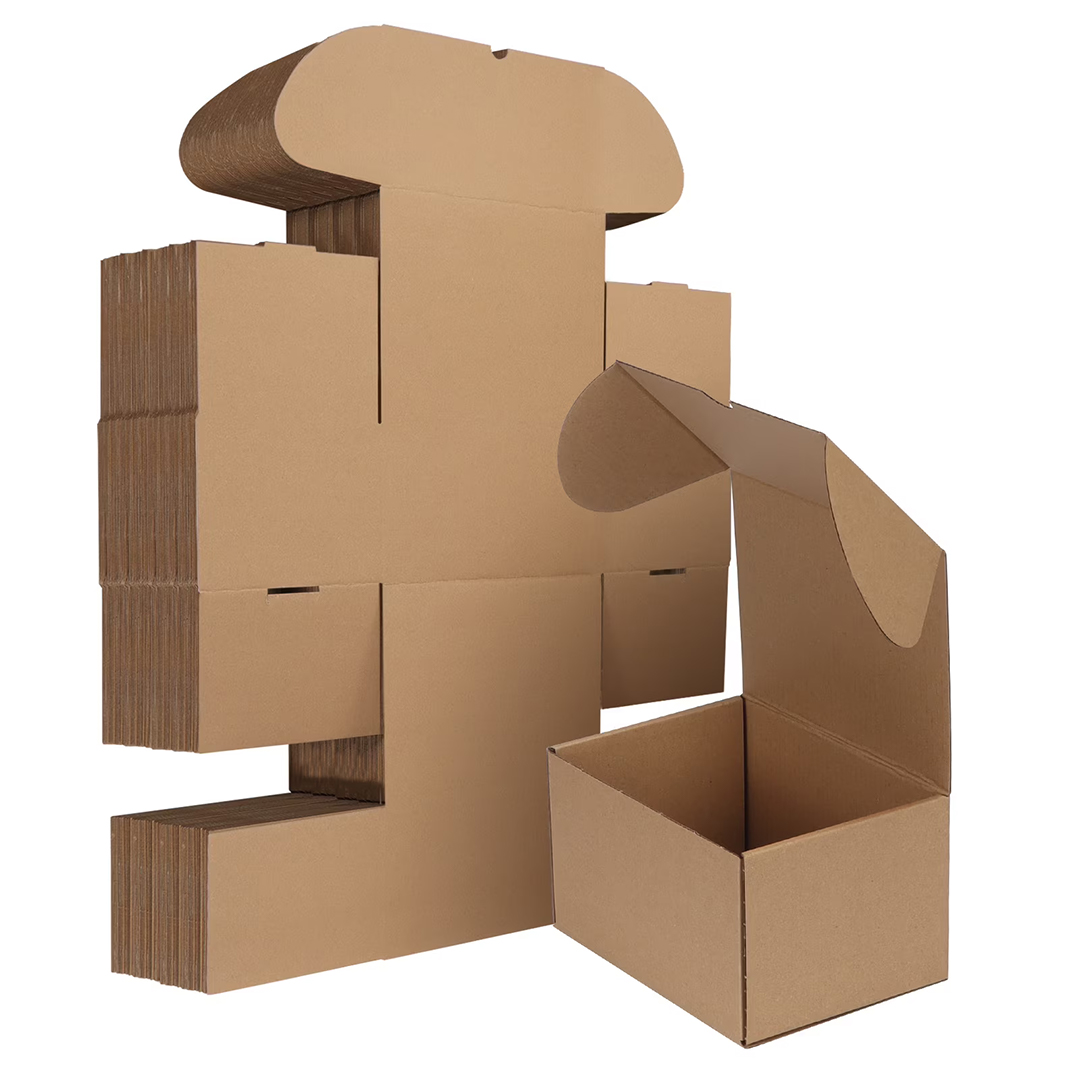
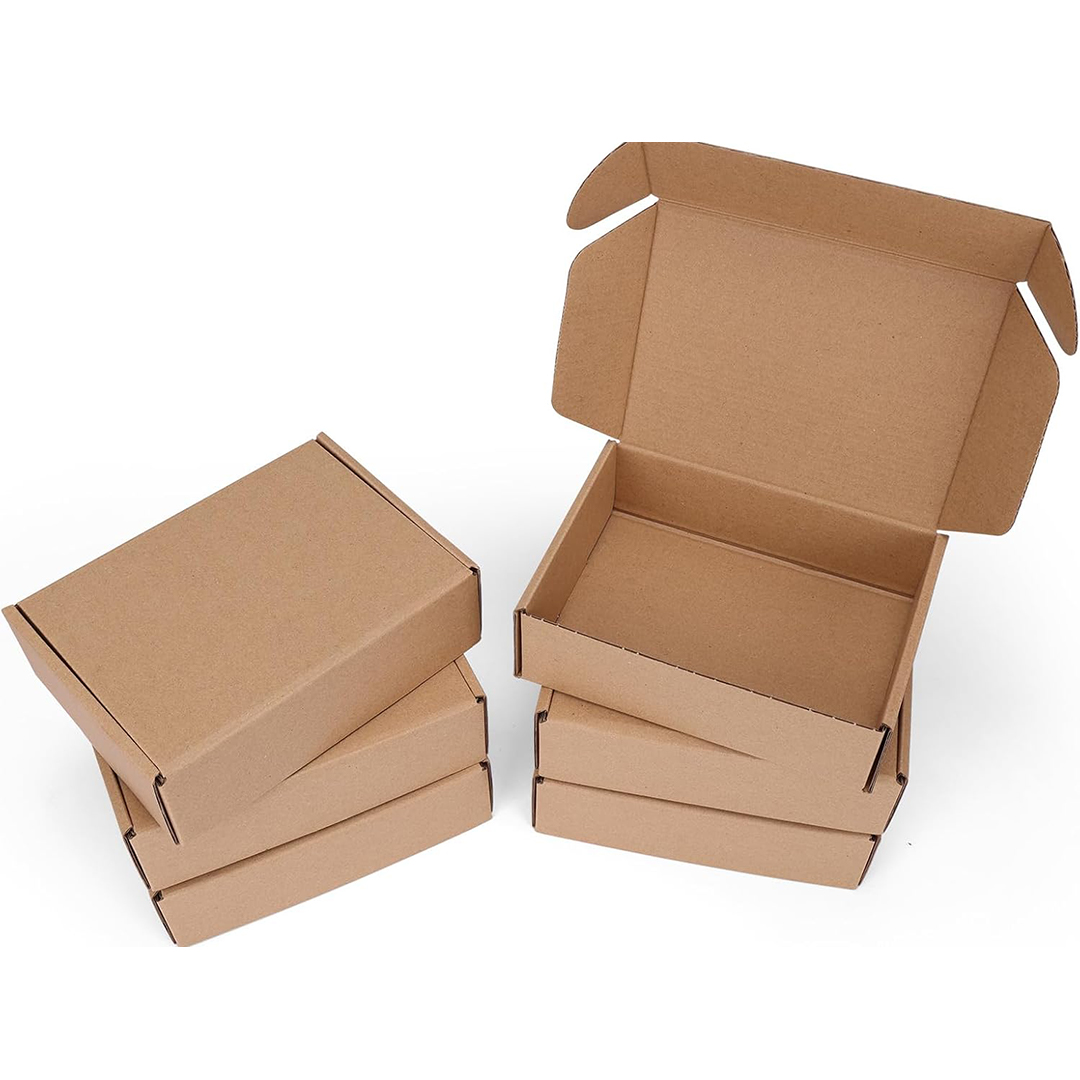
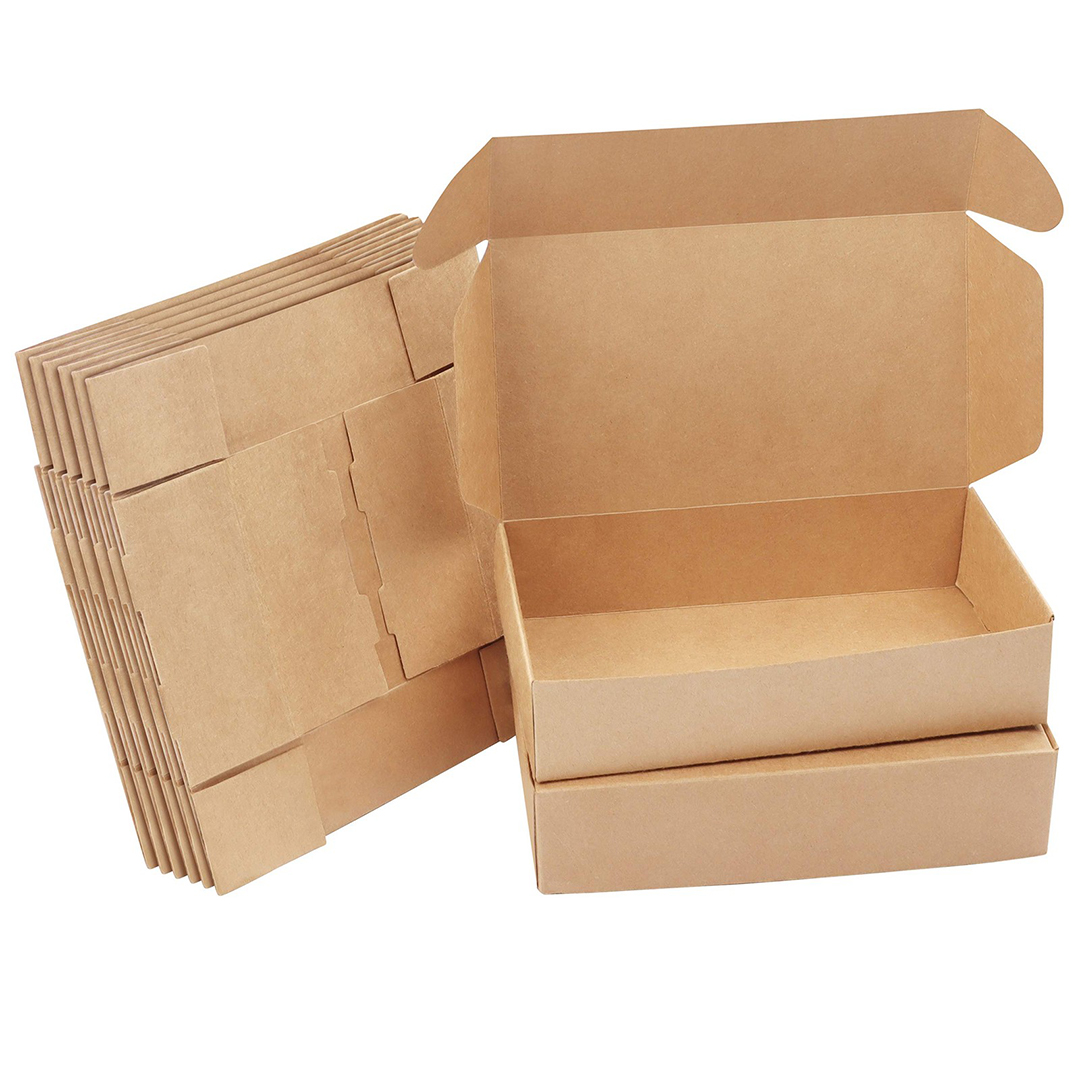
Cardboard recycled kraft boxes give brands a reliable way to ship, store, and present goods using packaging made from recycled fibres that still looks clean and professional. Many eco focused businesses that already ship items in Cardboard Eco Friendly Compostable Boxes add recycled kraft cartons for heavier or more delicate products that need extra wall strength. Cardboard recycled kraft boxes wholesale options let you standardise on a single earthy brown look across e-commerce, wholesale, and retail channels so everything feels consistent. When teams compare Cardboard recycled kraft boxes bulk bundles with mix-and-match cartons, they usually find that one well planned range reduces waste, speeds up packing, and keeps stockrooms more organised. Because the natural brown surface works with simple print and labels, it becomes easier to manage changes in product lines, seasonal runs, and long term stock without redesigning the outer packaging every time.
These boxes support many roles at once: they can hold cosmetics, gifts, electronics, books, stationery, and subscription kits while still keeping materials aligned with environmental goals. Cardboard recycled kraft boxes for sale in graded thicknesses help warehouses match wall strength to real load weight instead of using a single heavy board everywhere. This thoughtful match between product, route, and board grade keeps packaging weight under control while maintaining safety margins for stacking in racking and vehicles. The neutral surface also works well with simple ink colours, monochrome graphics, or eco messaging, so smaller brands can still create a recognisable image without complex artwork.
Everyday questions about eco friendly cardboard kraft packaging
Many buyers want to know whether recycled kraft can truly support daily logistics, or if it is mainly a visual choice. In practice, well specified cardboard recycled kraft boxes wholesale lines are built on tested corrugated grades that handle the same loads as standard brown board. The difference is that fibre sourcing and finishes are chosen more carefully, often with higher recycled content and coatings selected to keep the board recyclable in typical waste streams. For brands that want to answer customer questions like “What kind of packaging are you using?” or “Can I recycle this at home?”, recycled kraft boxes help give clear, confident responses.
Another set of questions focuses on the balance between strength and sustainability. Buyers often ask how to pick thickness, flute profiles, and formats such as Kraft boxes with lids so that packs stay secure without adding unnecessary material. The answer lies in matching board levels to weight bands and stacking heights, then keeping that mapping consistent across the range. When this is done well, Cardboard recycled kraft boxes bulk orders can be spread across different products, seasons, and campaigns without overcomplicating warehouse decisions or artwork planning.
Key benefits of recycled kraft shipping and storage boxes
- Support eco goals by using recycled fibres while still handling daily logistics
- Present a natural brown look that suits gifts, lifestyle products, and subscription sets
- Work across e-commerce, wholesale, and retail channels with one consistent style
- Accept simple, clear printing for branding, handling icons, and recycling guidance
- Allow standardised sizes so teams pick the right carton quickly in busy operations
Steps to plan recycled kraft cartons for your product range
- List products by weight band and fragility so you know which items need more protection.
- Select two or three key box footprints that match your most common order sizes.
- Assign board grades to each footprint so light, medium, and heavier loads all have clear options.
- Decide where you will use plain cartons and where you need printed designs or labels.
- Run test shipments, record feedback from warehouse staff and customers, and refine the box mix.
| Packaging focus area | Description for recycled kraft boxes | Material levels and fibre sourcing | Surface finish and printing approach | Extra elements and closure styles | Typical usage examples |
|---|---|---|---|---|---|
| Core shipping cartons | Everyday boxes for movement and storage | Recycled corrugated board in graded strengths | Natural kraft with simple line art and handling icons | Standard flaps, strong tape seams | Online orders, B2B shipments, warehouse storage |
| Presentation and gift ready use | Neat, presentable boxes for direct customer viewing | Smooth outer liners with recycled content | Clean logos and limited colour accents | Kraft boxes with lids, sleeve wraps, tissue space | Gift sets, subscription kits, branded promotional packs |
| Eco signalling and messaging | Packaging that highlights responsible choices | High recycled percentage, clear sourcing notes | Text blocks explaining recycling and reuse guidance | Printed recycling marks and information panels | Lifestyle brands, natural cosmetics, ethical retail |
| Consolidated bulk shipments | Larger cartons for grouped smaller units | Stronger board grades for higher stacking | Simple monochrome printing for codes and destinations | Reinforced corners, double taped seams | Pallets of mixed products or top-up store deliveries |
| Lightweight sample dispatch | Smaller cartons for sample and trial orders | Leaner board that still resists crushing | Minimal print with label-ready faces | Easy open tear strips if required | Sample campaigns, influencer kits, trial size bundles |
Large cardboard recycled kraft boxes for flex storage and transit
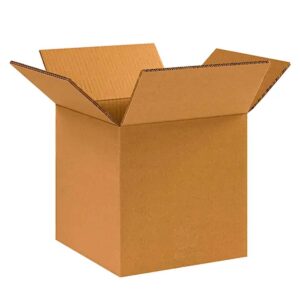
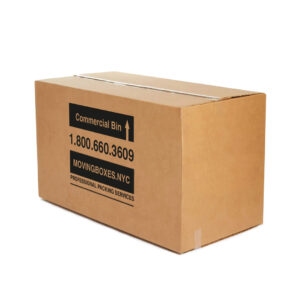
Large cardboard recycled kraft boxes support bulky items, grouped smaller cartons, and mixed orders moving through longer routes or higher stacking plans. Buyers who already organise their heavy duty and medium duty cartons using graded categories such as Cardboard Boxes by Material Strength can add large recycled kraft formats to extend that structure. This makes it easier to answer questions like “Which large carton should we use for this weight band?” or “How high can we stack these pallets in our warehouse?” without relying on guesswork. Cardboard recycled kraft boxes bulk packs in larger sizes help central teams stock a small family of dimensions that handle most orders, instead of carrying dozens of rarely used variants.
In multi channel setups, large boxes often serve both as shipping outer cartons and as temporary storage containers in stockrooms, returns areas, and outlet sites. Cardboard recycled kraft boxes wholesale orders in taller or wider sizes give staff the space to handle oddly shaped goods, consolidated picks, and seasonal clearances while still keeping materials consistent. Because the same natural kraft appearance runs from small e-commerce shippers to large distribution cartons, brands maintain a clear visual link between orders from different channels. The combination of high recycled content and strong corrugated structure helps these boxes manage the weight of grouped products while still fitting corporate sustainability goals.
Planning recycled kraft box sizes and strength for stacked loads
Planners often want clear guidance on how to choose between several large box sizes when building pallets. The aim is to avoid half empty cartons and prevent loads that are too heavy for safe manual or mechanical handling. With large cardboard recycled kraft boxes for sale in multiple heights and footprints, it becomes possible to match each product group to a sensible size and board grade. This reduces the number of different outer cartons required while still protecting goods during long journeys or extended storage in racking.
Another common question concerns long term use in warehouses, where cartons may be opened and re sealed several times. Teams want to know whether flap designs, tape choices, and corner strength can cope with repeated handling. When large kraft boxes are specified carefully, they can support repeated cycles of picking, returns processing, and stock checks without losing shape too quickly. By monitoring where boxes show wear, operations managers can decide whether to step up the board grade or adjust stacking rules rather than automatically switching to heavier materials in every case.
Points to remember when choosing larger recycled kraft boxes
- Map large SKUs and bundled orders to a small set of standard box footprints
- Match box height to typical fill levels so void fill use stays under control
- Choose board grades that reflect stacking height and route complexity, not just product weight
- Consider extra supports such as corner pieces for very tall pallets or long routes
- Keep print layouts simple so codes and handling marks stay visible after wrapping
Steps for rolling out large recycled kraft cartons in warehouses
- Analyse current shipments to see which orders most often need larger boxes.
- Select two or three large sizes and assign board strengths based on weight and stacking data.
- Train warehouse teams on which products and order types use each size.
- Capture feedback about any issues with filling, sealing, or stacking during everyday use.
- Adjust box heights, board levels, or pallet patterns if you observe regular wear or damage points.
| Large box use case | Description of size and handling role | Board grade and strength focus | Outer finish and labelling choices | Helpful inner supports and fillers | Example product or shipment types |
|---|---|---|---|---|---|
| Grouped consumer products | Large cartons holding many smaller retail units | Medium to strong grade for stacked pallets | Natural kraft with clear barcodes and route codes | Light fillers, dividers, or inner sleeves | Store replenishment, mixed retail restock |
| Equipment and device shipping | Boxes sized for devices with protective packaging | Stronger board for extended transit and stacking | Neat print zones for serials and compliance marks | Foam, corrugated inserts, corner buffers | Small appliances, tech equipment, assembled kits |
| Seasonal and promotional loads | Flex boxes for irregular and short run assortments | Grades selected for route and expected storage time | Simple campaign or seasonal identity on box faces | Modular inner cartons that reuse across seasons | Mixed promotional stock, clearance bundles |
| Archive and long term storage | Boxes suited to archive shelves and high racks | Board chosen for long duration and moderate loads | Label spaces sized for archive codes and dates | Optional file dividers or envelopes | Records, sample libraries, display materials |
| Bulk internal moves and returns | Cartons acting as carriers inside a wider network | Grades tuned to frequent handling and repacking | Plain print that fits multiple route labels | Strong seams, reinforced tape areas | Returns processing, inter site transfers, repair loops |
Recycled kraft boxes supporting retail, gifting, and food brands
Cardboard recycled kraft boxes help retail, gifting, and food brands present goods in a way that feels honest, natural, and aligned with responsible material choices. Many teams that buy Kraft boxes wholesale for everyday stock also use more detailed designs for gift sets and curated selections, all built on the same kraft base. Working with a supplier such as Cardboard Boxes Wholesale allows brands to keep shipping cartons, shelf ready packs, and premium wraps connected through shared board types and sizes. Kraft paper boxes for food, cosmetics, and lifestyle items can then travel together on pallets, be stocked in the same back rooms, and still reach very different customer segments with coherent branding.
In food and food adjacent categories, packaging often needs to support both inner food grade packs and outer presentation roles. Kraft paper boxes for food items like jars, bakery goods, and dry snacks commonly sit inside a secondary shipping carton during long routes, then appear on shelves or in gift bundles closer to the point of sale. Cardboard recycled kraft boxes wholesale programs let buyers plan both layers together, aligning inner and outer sizes so that pickers and packers always know which combination to use. When a brand reaches the stage where its orders need more pallet space and more regular transport slots, this alignment goes a long way toward keeping logistics manageable.
Using recycled kraft boxes in food, gifting, and retail channels
Food brands often ask whether recycled kraft can cope with the realities of chillers, ambient shelves, and customer handling. The answer is that Kraft paper boxes for food generally act as an outer visual and structural layer around primary food safe packaging such as bags, wraps, or jars. As long as board grades and coatings are chosen with storage conditions in mind, these boxes stay neat in chillers and ambient aisles alike. By separating direct food contact materials from the kraft outer, brands retain flexibility to adjust recipes, inner packs, or expiry labelling without redesigning their outer box range each season.
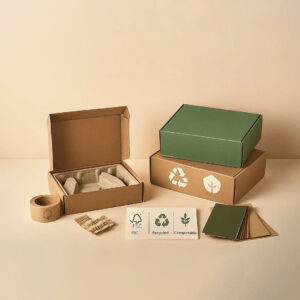
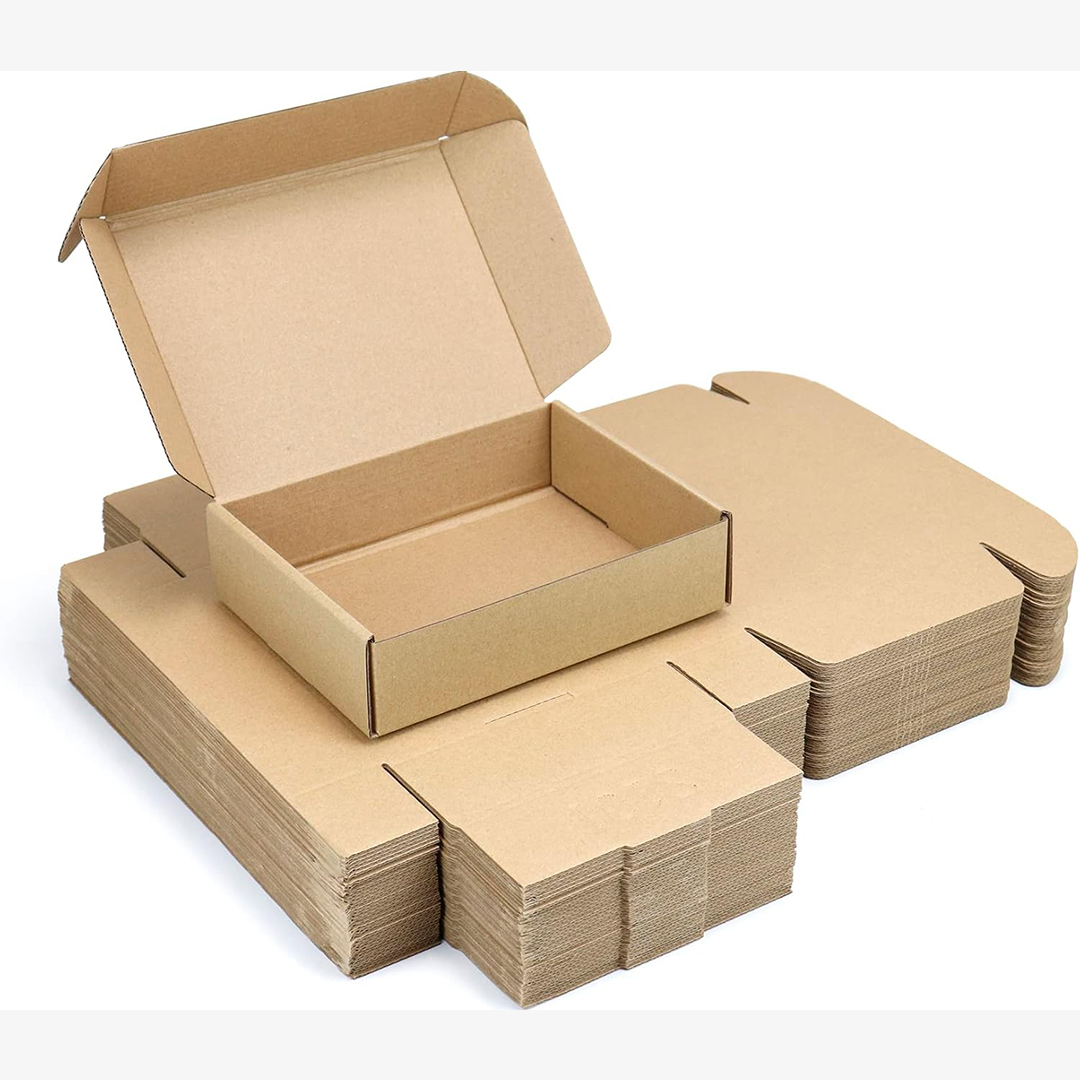
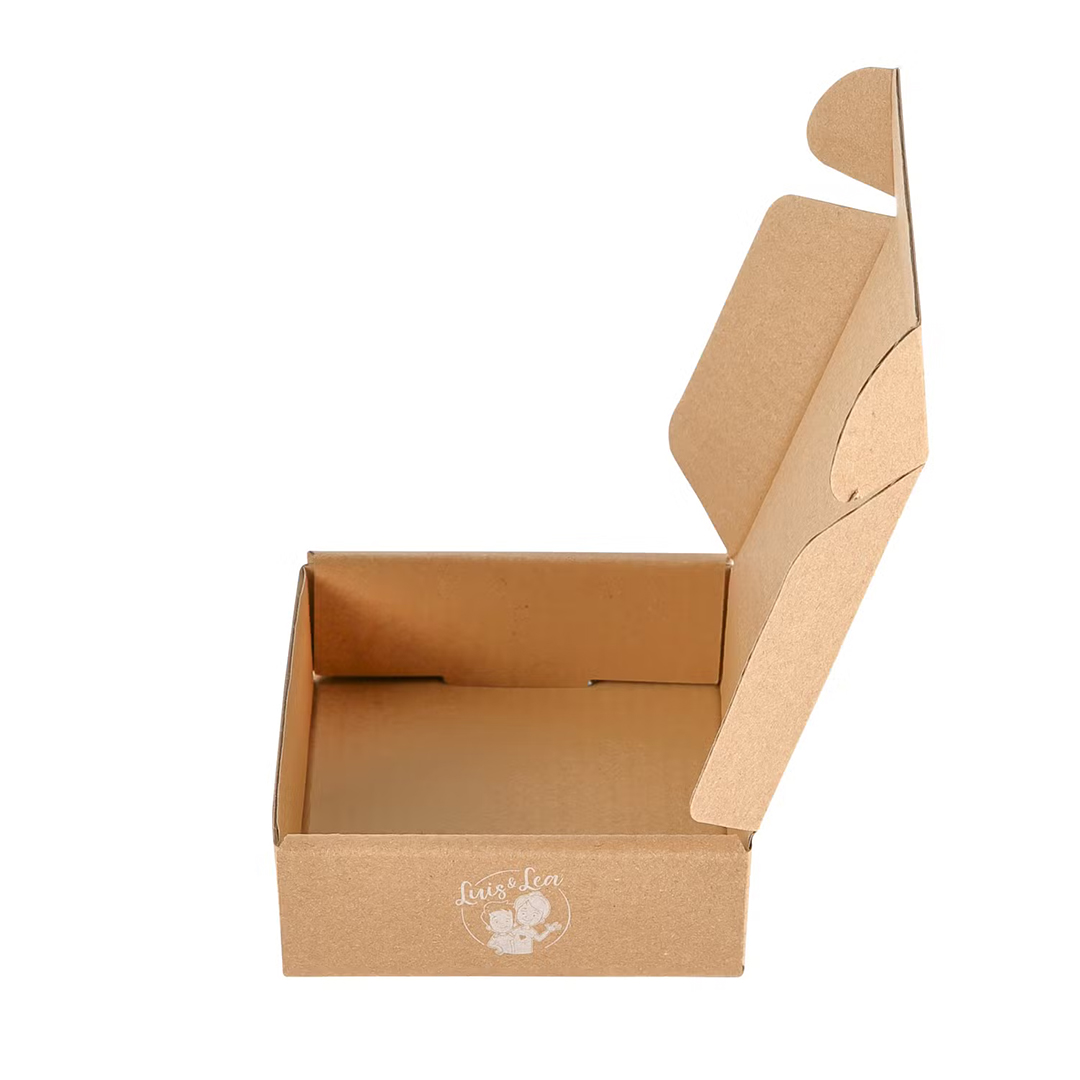
Gift and lifestyle brands usually care about how recycled kraft looks and feels when customers unbox or handle items in stores. The natural tone helps products sit comfortably in premium, rustic, or minimalist themes without clashing. When Kraft boxes with lids are used as keepsake style packs, many customers keep them for storage at home, extending the useful life of the packaging well beyond the first purchase. By planning lid heights, base sizes, and insert patterns carefully, brands can support both day to day shipping and longer term reuse, which often leaves a better impression on buyers who pay close attention to packaging waste.
Advantages of recycled kraft boxes for retail and food brands
- Present an eco aligned look that supports brand stories about responsible materials
- Allow one board family to work across gifting, lifestyle, and selected food categories
- Support clearer unboxing experiences through neat printing and simple internal layouts
- Encourage reuse when sizes and lid styles make boxes useful for storage at home
- Help answer customer questions about recycling and material choices more confidently
Steps for integrating recycled kraft boxes into product ranges
- Group products by channel, such as e-commerce, retail gifting, and food or beverage lines.
- Decide where Kraft boxes wholesale programs will focus on plain shipping versus higher presentation roles.
- Align inner packs and outer boxes so dimensions, padding, and inserts combine cleanly.
- Set standard printing rules for logos, ingredient or content notes, and recycling guidance.
- Review customer and store feedback, then refine which lines use kraft and which keep other materials.
| Brand and channel focus | Description of recycled kraft role | Box style and closure options | Printing and artwork direction | Inner support or insert ideas | Typical examples in active product ranges |
|---|---|---|---|---|---|
| Gifting and curated sets | Boxes that hold grouped items as one collection | Lift off or hinged Kraft boxes with lids | Simple logo, short story text, and care guidance | Card trays, shredded paper, custom cut inserts | Skincare sets, wellness kits, stationery bundles |
| Food and drink outer presentation | Boxes that wrap primary food safe packaging | Kraft paper boxes for food and drink combinations | Clear product names, nutritional callouts on inners | Dividers for jars, bottles, or pouches | Tea selections, snack multipacks, condiment trios |
| Lifestyle and homeware items | Recycled kraft used as steady visual backdrop | Collapsible and rigid styles for varied products | Emphasis on icons and short messages, limited colours | Card spacers, foam, or fabric lined compartments | Candles, textiles, home accessories, reusable utensils |
| Retail shelf and e-commerce dual use | Packs that serve both shelf and shipping tasks | Stronger board with lid or sleeve combinations | Barcode zones for shelf and shipping labelling | Folded inserts that lock products in position | Direct to consumer boxes that also sit in store displays |
| Small producer and maker brands | Simple, adaptable boxes supporting growth | Core sizes ordered through Kraft boxes wholesale | Single colour prints that are easy to update over time | Reusable generic inserts for several product types | Artisan foods, handmade goods, market and pop up ranges |