





Description
Custom printed cardboard packaging for brands
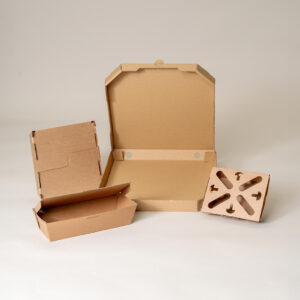
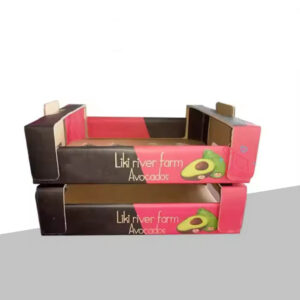
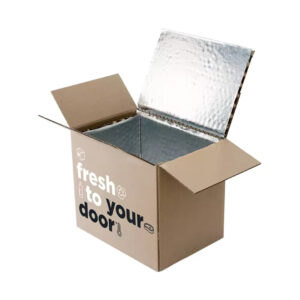
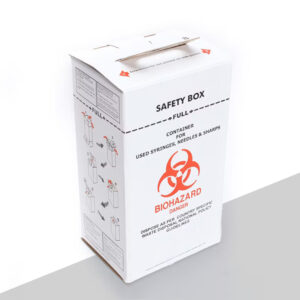
Custom printed cardboard product packaging gives retail, eCommerce, and warehouse lines a neat, protective outer skin that still feels easy to manage day to day. Many teams rely on Triple Wall Cardboard Boxes when they want a strong, reliable base for heavy or sensitive products that will travel through busy distribution networks. Strong boards, clear printing, and consistent sizing help products move from production to shelf without constant repacking or relabelling along the way. This steady experience matters just as much for a small launch as it does for nationwide distribution.
These printed cartons protect items during drops, pressure, and vibration while keeping labels and artwork clean. From lightweight units for simple pick-and-pack work to heavy-duty shells for bulk deliveries, there is room to match board grade to the job. Businesses can stay with one packaging style across several departments, which keeps staff workflows simple and familiar. Over time, this approach reduces wasted space in storage, keeps product lines organised, and supports a cleaner presentation in both physical and online settings.
How printed cartons support product presentation
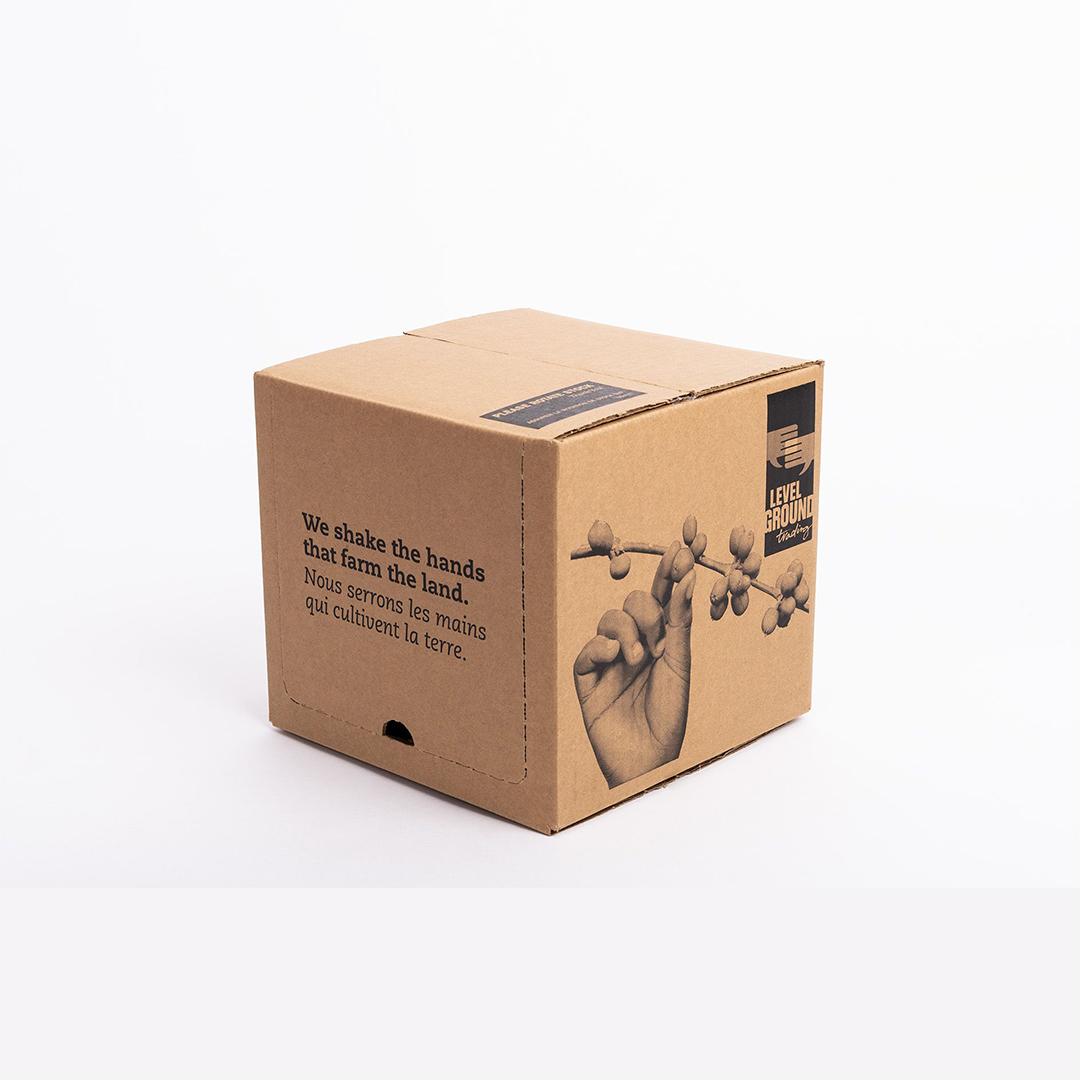
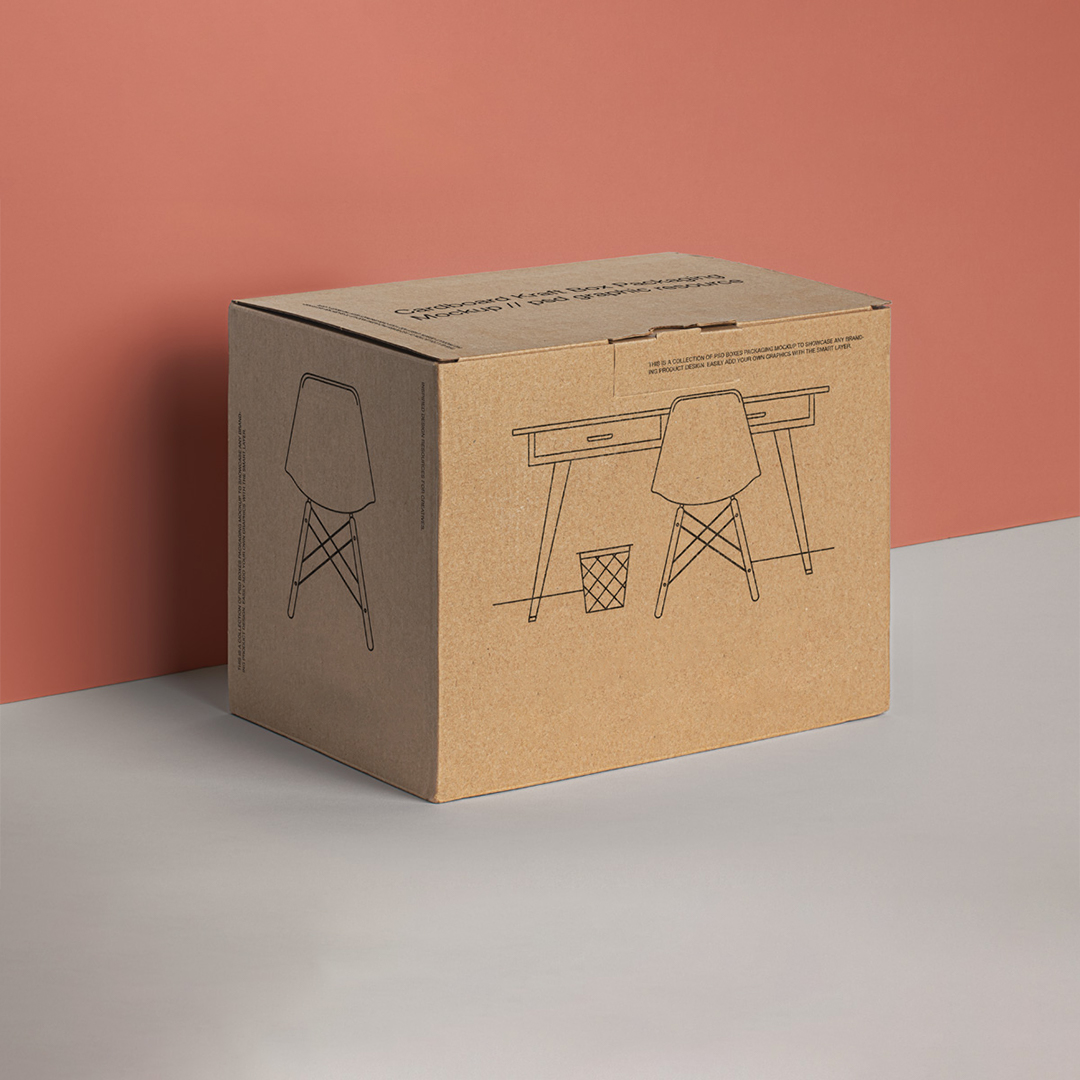
Printed cardboard boxes allow brands to place their logo, product story, and essential details directly on the surface that carries the item. Customers see the same mark on parcels, shelf packs, and in-store displays, which quietly builds confidence in the range and helps products stand out in busy aisles. Clear colours and tidy lines give even small items a more ordered presence, especially when ranges include multiple sizes or flavours. With the right layout, even straightforward boxes can feel aligned with higher-end retail spaces.
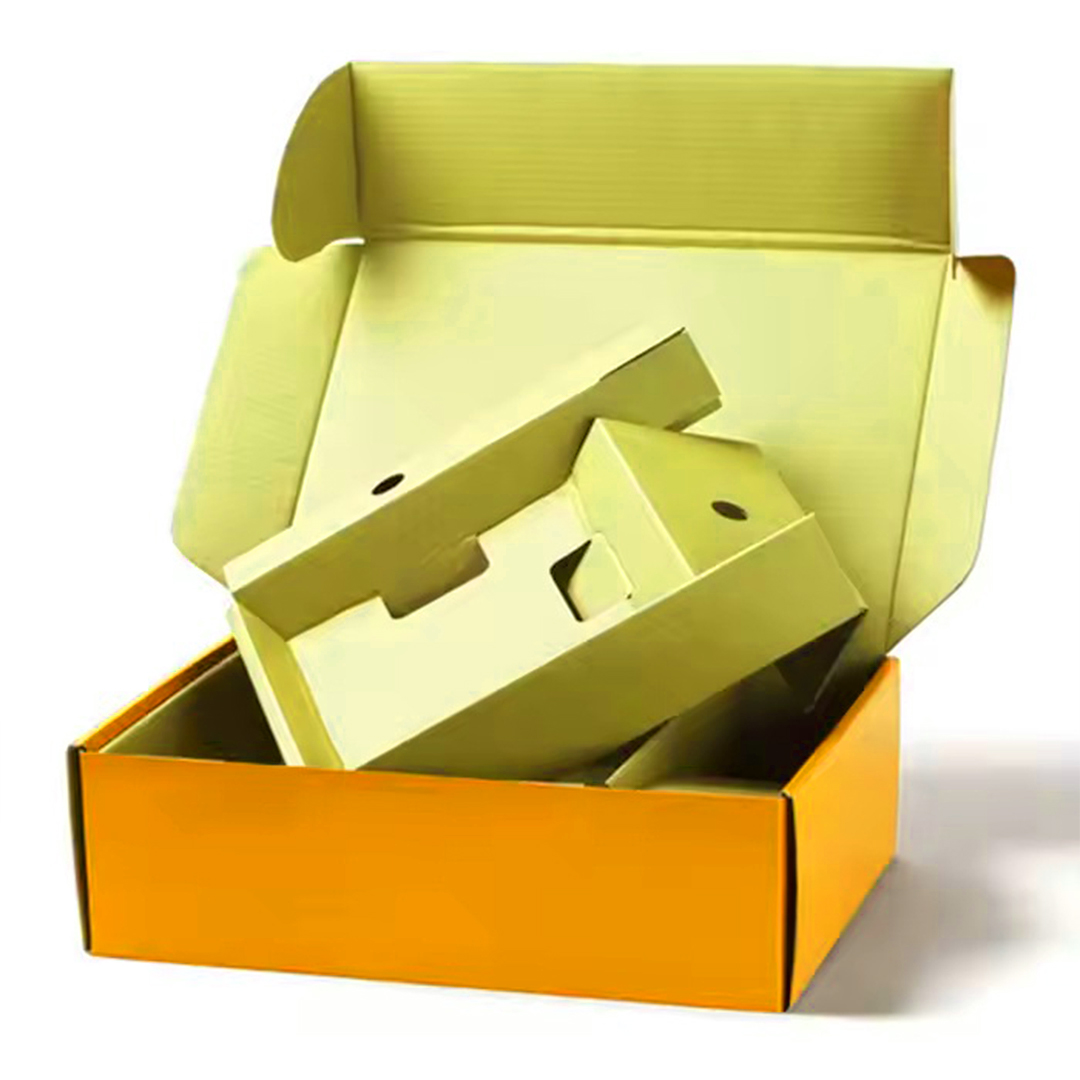
Because printing and structure are planned together, delicate items such as candles, skincare, or small electronics can travel safely without dull packaging. Inserts, dividers, and foam supports work with the outer shell to keep everything still, while the print wraps around the outside in a single, controlled layout. This makes stock counting and shelf filling easier for staff, since each face holds predictable zones for barcodes, names, and branding. The same consistency also simplifies product photography and online listing work.
Practical benefits of printed product packaging
- Protects items from bumps, stacking pressure, and frequent handling
- Keeps branding, instructions, and safety icons in one tidy visual layout
- Supports both retail display and direct shipping from the same base style
- Works with inserts and dividers for fragile or high-value products
- Folds flat before use, saving valuable warehouse and back-room space
- Accepts labels, QR codes, and barcodes without cluttering artwork
- Suits single units, bundled sets, and launch kits across a range
- Helps new products align visually with established core lines
Simple steps for planning a new packaging run
- List all products that will use custom printed cardboard boxes.
- Group them by rough size so a few footprints can serve the full range.
- Note which items need extra padding, inserts, or internal dividers.
- Sketch where logos, product names, and codes should appear on each face.
- Decide how many units feel realistic for your first or next order.
- Check storage space for flat stock and assembled packs at each site.
- Plan how orders will move from packing benches to shelves or couriers.
- Request printed proofs so colours and details match expectations.
| Feature | Detail | Material options | Finishing choices | Add-ons and features | Usage and application |
|---|---|---|---|---|---|
| Pack style | Mailers, sleeves, displays, cartons | Kraft, white SBS, corrugated | Matte, gloss, soft-touch | Tear strips, peel-and-seal | Retail and eCommerce lines |
| Print layout | Full wrap or panel-based design | Recycled or virgin board | Offset or digital print | Barcodes, QR codes, icons | Branded outer shells |
| Handling comfort | Easy grip and stacking faces | Single or double wall | Anti-scuff layers | Thumb cuts, tuck ends | Stock rooms and shelves |
| Brand space | Clear panels for artwork | Natural or coated surfaces | Spot highlight zones | Emboss, deboss, foil | Launches and promotions |
Cardboard product packaging across industries
Custom cardboard product packaging touches many sectors at once, from online-only brands to long-standing retail chains. Many packaging planners working with Shop Cardboard Boxes also look through Cardboard Boxes by Material Strength when they want a clear path from small sample packs up to heavy industrial shipments. By matching board thickness and flute type to product weight, they can reduce damage, simplify returns processes, and keep customer satisfaction steady over time. The same logic helps warehouse teams combine shipping cartons with smaller product-size units in predictable, repeatable ways.
Every industry has slightly different needs around shape, opening style, and inner support. Cosmetics often favour small tuck-end units with clean edges that sit well on shelves, while electronics might rely on mailers with reinforced corners and room for cables. Food items call for food-safe inks and coatings that meet relevant standards, and books need snug fits that prevent corner dents and spine damage. With a flexible style library that includes mailer boxes, display units, storage trays, and die-cut styles, it becomes easier to build a complete packaging system around one central idea rather than a stack of unrelated solutions.
How sectors use product cartons in their daily work
Retail shelves depend on boxes that look tidy and store staff can handle quickly without complicated folding steps. Sturdy, well-sized cartons line up neatly and make it easier to face shelves or restock when crowds arrive. Clear panels carry product names, features, and codes where staff can see them at a glance and customers can quickly read what they need. For eCommerce, the same or similar boxes can sit inside outer shippers to maintain presentation from website to doorstep, even when deliveries include several different items in one parcel.
In warehouse and distribution settings, labelled cartons help pickers identify items without opening each pack. Pallets can be built with repeated sizes that sit flush against each other, which improves safety and space use in racking. For direct-to-consumer brands, multi-use designs allow the same basic pack to serve as storage at home, reducing waste and keeping branding in view for longer. This shared behaviour supports smoother operations across departments and reduces the need to juggle many disconnected packaging lines.
Ways businesses apply cardboard packaging in practice
- Shelves and display stands in physical stores and pop-up spaces
- Direct shipments for online orders, subscriptions, and bundles
- Gift sets, starter kits, and promotional or seasonal collections
- Food and bakery packs that use food-safe inks and coatings
- Clothing, accessories, and footwear shipments with clear sizing panels
- Tech and gadget packaging with room for accessories and leaflets
- Book and stationery cartons that protect corners and edges during transit
- Bulk warehouses with labelled cartons for efficient picking and pallet builds
Planning steps for industry-wide packaging systems
- Map where packaging appears, from factory lines to customer homes and returns.
- Note which boxes need food contact approvals or special coatings.
- Set a core group of sizes that can be reused across several product families.
- Mark which units will be on display and which are mainly for transit or storage.
- Plan inserts or dividers for categories that break easily or shift in transit.
- Match print approaches to how closely people will inspect each pack.
- Decide where to show instructions, care details, or multi-language content.
- Review how all these packs stack together on pallets, in vans, and on shelves.
| Feature | Detail | Material options | Finishing choices | Add-ons and features | Usage and application |
|---|---|---|---|---|---|
| Retail focus | Neat panels and tidy edges | Solid board, SBS, kraft | Satin, matte, or light gloss | Euro slots, hang tabs | Shelves, hooks, end caps |
| Online focus | Strong corners and closures | Corrugated mailer grades | Protective coatings | Tear strips, return seals | Direct-to-door shipping |
| Storage focus | Label-friendly outer faces | Kraft or recycled corrugated | Plain or lightly coated | Large print panels | Warehouses and stock rooms |
| Display focus | Extra clear brand panels | White or tinted boards | Reserved accent effects | Die-cut windows | Pop-up stands and feature bays |
Bulk supply, eco options, and ongoing support
Bulk orders allow brands to stabilise costs while keeping quality consistent across many production cycles. Long-term clients often work with Shop Cardboard Boxes to secure ongoing supply for both standard product packaging and seasonal campaigns under one coordinated plan. Order brackets from smaller runs up to large programs in the thousands support everything from limited launches to wide distribution. When the same dielines and materials are reused, repeat jobs move faster through production and colour results are easier to keep aligned across time.
Eco-focused ranges benefit from recyclable and biodegradable board options, especially when kraft papers or recycled fibres form part of the structure. Simple on-pack messages can encourage customers to reuse or recycle boxes once they no longer need them at home or work. At the same time, careful board and finish selection keeps strength and presentation intact, so lower-impact choices still feel robust in the hand. With the right mix, brands can reduce environmental load without losing the steady handling and print quality that customers already expect.
How ongoing supply supports brand growth
A reliable packaging partner helps businesses plan ahead for launches, restocks, and seasonal peaks. When sizes, boards, and print settings are already tested, teams can focus on artwork changes and product details rather than reworking the structure each time. This shortens the path from design meeting to delivered stock and reduces the risk of last-minute surprises. Controlled turnaround times keep campaigns on schedule and help packaging arrive in step with products.
Bulk pricing windows support both regularly scheduled orders and occasional larger pushes. Businesses can adjust quantities per SKU while staying within familiar price bands, which helps finance and operations teams plan budgets and stock levels more clearly. When design support is available, it becomes easier to adapt existing layouts to new variants or updated branding without starting again. Altogether, this keeps packaging as a steady part of the brand experience instead of a recurring bottleneck.
Advantages of bulk and eco-aware packaging supply
- Keeps print and structure consistent across many production runs
- Supports price stability through planned quantity brackets and schedules
- Offers recycled and recyclable options for lower-impact product lines
- Reduces delays by reusing proven dielines and material combinations
- Allows brands to phase in new designs while core structures remain familiar
- Simplifies collaboration between design, operations, and purchasing teams
- Encourages end customers to reuse or recycle boxes after delivery
- Helps packaging feel like a reliable extension of the product, not a throwaway afterthought
Steps to set up long-term cardboard packaging support
- Confirm which sizes and styles are likely to stay in use for several years.
- Decide which items should use eco-labelled materials or recycled content.
- Group SKUs so shared footprints can benefit from bulk pricing and simpler stocking.
- Work with design teams to create flexible artwork templates for each structure.
- Agree on typical lead times and options for urgent or rush runs.
- Track how boxes perform in real shipping, storage, and retail conditions.
- Update materials only when data shows a clear benefit in strength or impact.
- Keep a clear record of print, board, and coating settings for every major line.
| Feature | Detail | Material options | Finishing choices | Add-ons and features | Usage and application |
|---|---|---|---|---|---|
| Bulk tiers | From focused runs to large programs | Kraft, SBS, corrugated blends | Standard or premium coats | Reprint-ready setups | Ongoing brand ranges |
| Eco choices | Recyclable and biodegradable boards | Uncoated or lightly coated stocks | Matte or soft-touch feel | Printed recycling prompts | Food, skincare, consumer goods |
| Service focus | Design help and proofing support | All main board families | Colour-managed workflows | File checks, layout advice | New launches and rebrands |
| Supply stability | Repeatable, documented specs | Locked-in board and ink sets | Controlled variation ranges | Scheduled restock slots | Long-term distribution plans |