






Description
Cardboard PPE Cartons For Clean Daily Dispensing
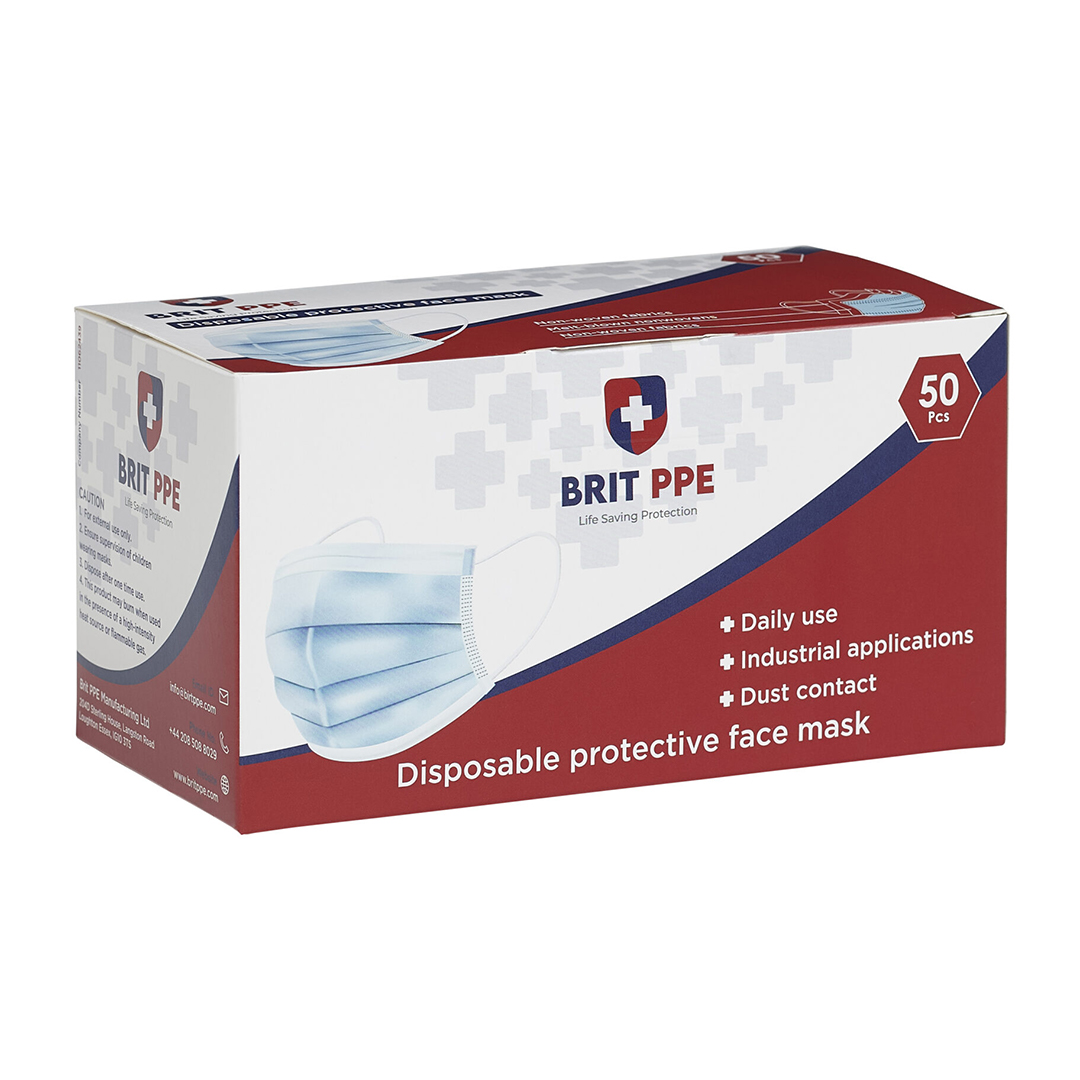
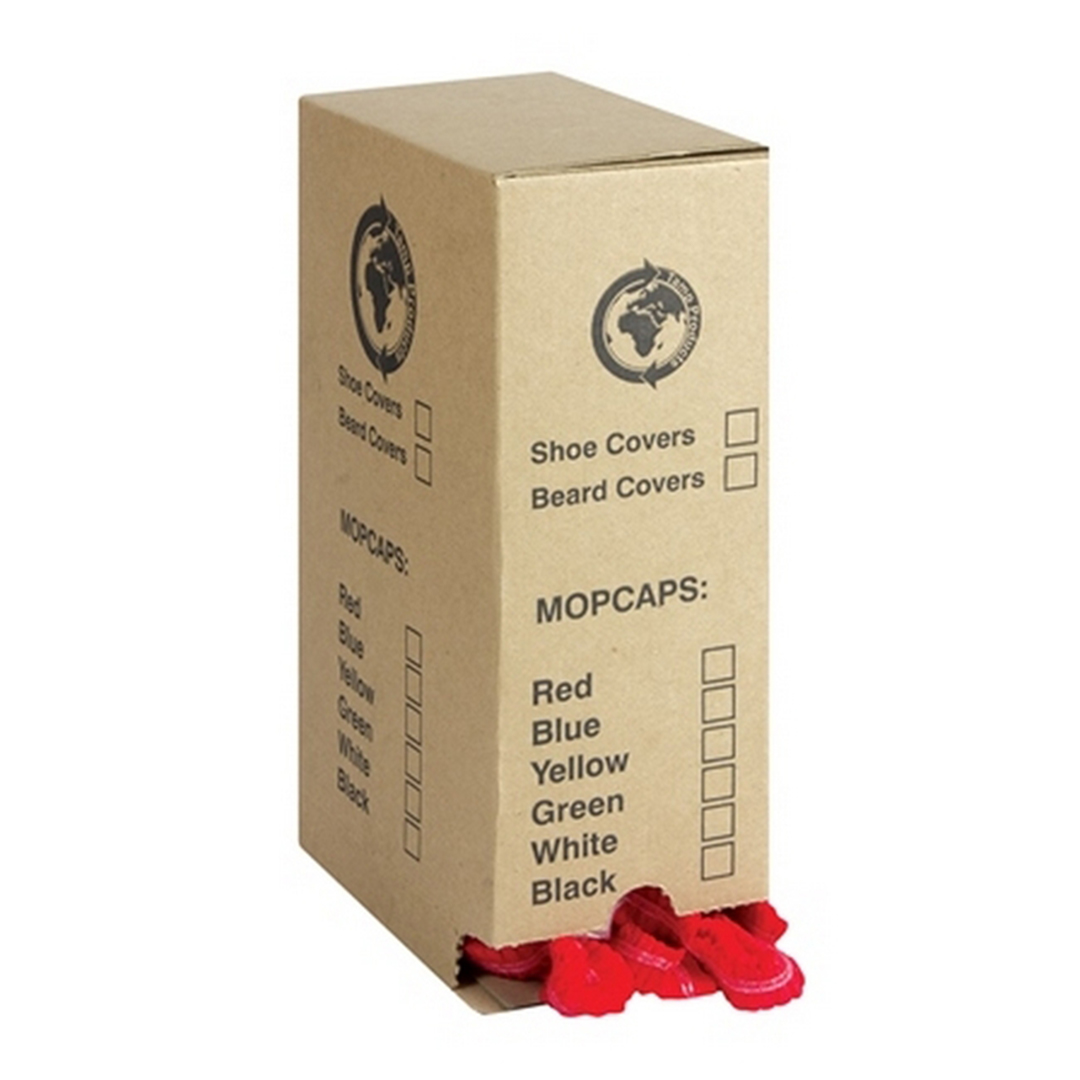
Cardboard PPE Packaging Boxes help clinics, factories, warehouses, and labs move masks, gloves, gowns, face shields, and sanitizer in a controlled and hygienic way. Cardboard Boxes Wholesale lines often pair with these inner cartons so PPE stays protected from dust, crushing, and rough handling across routine routes. The result is a clear inner-and-outer system that keeps kits tidy, reduces mix-ups, and supports faster counting during busy shifts.
In daily operations, staff want boxes that stack well, show sizes clearly, and open without damaging soft packs or sealed items. These cartons create neat, labeled units for glove sizes, mask grades, and gown categories, so teams do not waste time opening the wrong pack. When inner cartons fit smoothly into heavier outer cases, the full chain from storage room to ward or worksite becomes easier to manage.
Daily Handling Patterns In Clinics And Warehouses
In busy clinics and hospital stores, PPE is reached for repeatedly throughout the day, so cartons must stay stable and readable even after constant movement. Clear side panels and predictable labeling zones allow teams to check size, grade, and batch details quickly, which reduces errors during urgent restocking. This organized format also helps supervisors spot low stock sooner, because the box footprint and label placement remain consistent.
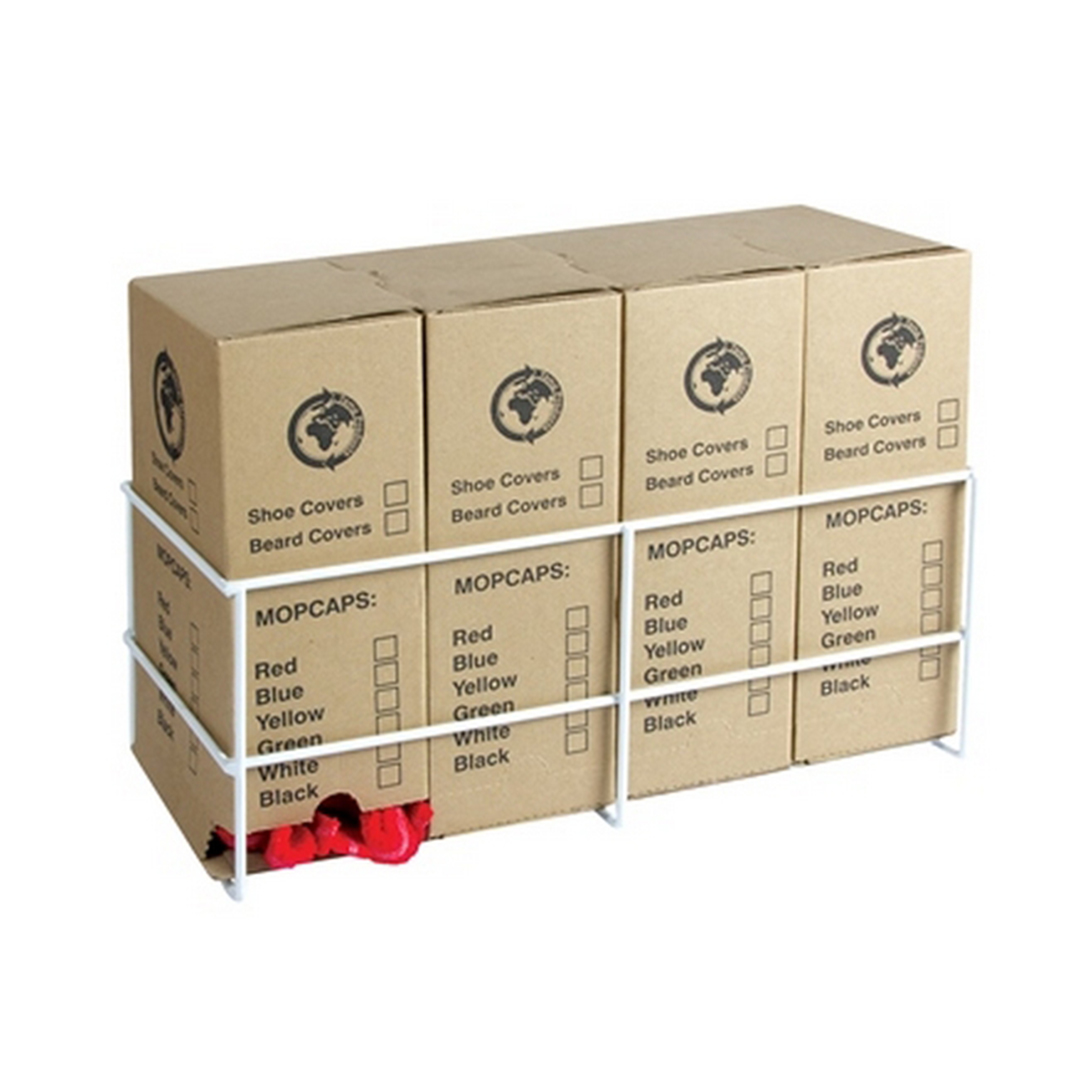
Warehouse crews benefit in the same way because inner PPE cartons sit inside larger shipping cases without slipping or deforming under pressure. When every item type has a dedicated inner box, there is less risk of loose bags tearing and fewer chances of soft packs getting crushed by outer stacking. This keeps inbound and outbound inspections simple and helps maintain a clean, professional supply chain rhythm.
Storage and handling highlights
- Keep cartons upright where type and size markings are visible
- Use consistent side panels for grade and batch details
- Group smaller PPE items into matched inner sets
- Select board grades that support steady stacking
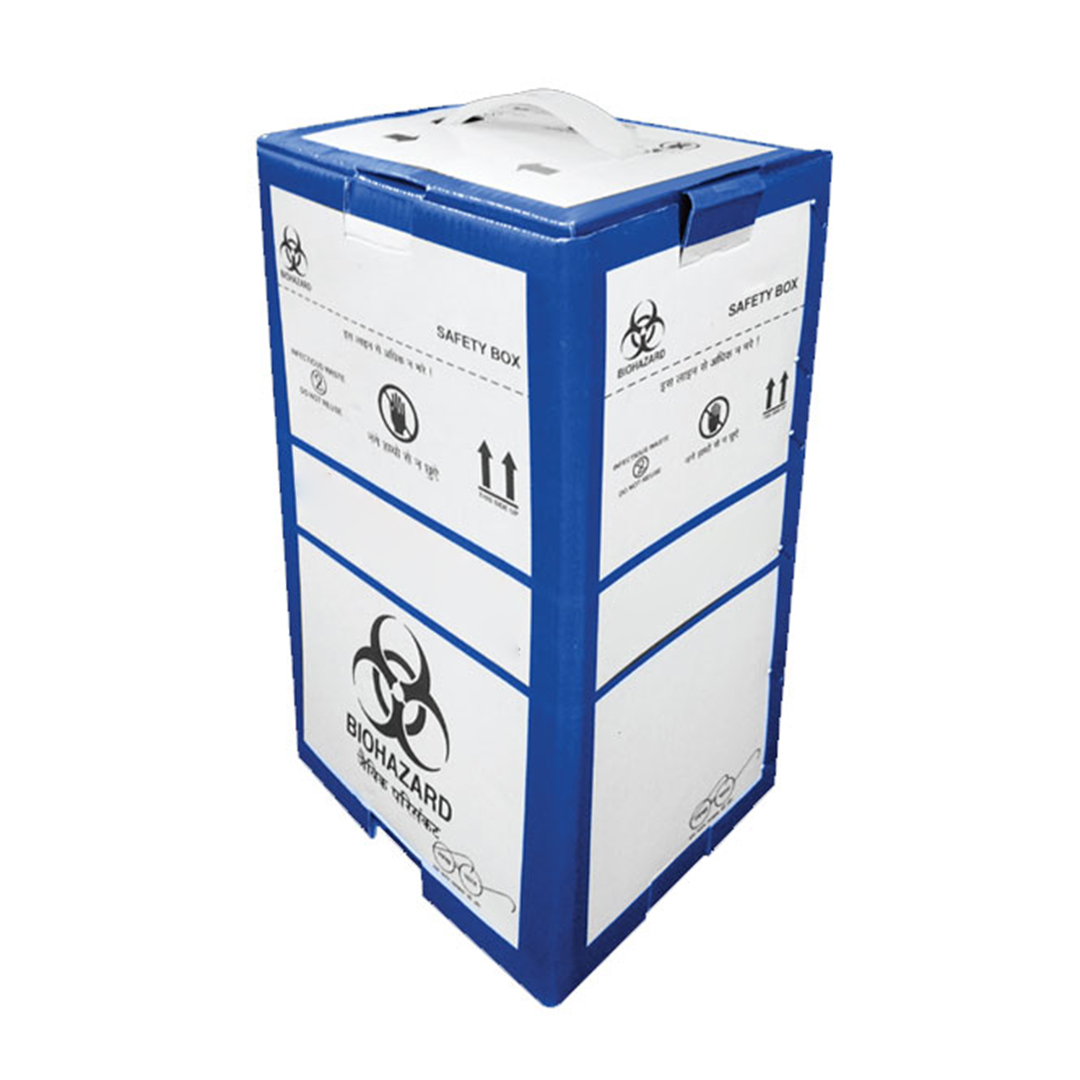
- Reserve space for safety icons and disposal reminders
Packing sequence overview
- Decide which PPE items travel together in each kit
- Place each type into its own labeled inner carton
- Arrange cartons so weight spreads evenly inside outers
- Fill small gaps with light pads to limit movement
- Seal and mark cases with the kit name and count
| PPE contents group | Recommended inner box style | Typical outer pairing | Main usage scene | Handling note |
|---|---|---|---|---|
| Disposable masks | Slim dispenser or tuck-end carton | Standard shipping outers | Clinics and offices | Keep cartons dry |
| Examination gloves | Medium-depth rectangular carton | Heavy-duty shipping outers | Hospitals and labs | Mark sizes clearly |
| Gowns and coveralls | Larger foldable PPE cartons | Lidded heavy-duty cases | Isolation and safety zones | Fold consistently |
| Face shields and visors | Wide shallow cartons with inserts | Master cases for bulk | Triage and factory entrances | Use dividers |
| Sanitizer and wipes | Compact multi-pack cartons | Bulk shipping cases | Reception and vehicles | Check closure strength |
Cardboard PPE Packaging Boxes Wholesale For Scale
Cardboard PPE Packaging Boxes wholesale programs give distributors and safety buyers a stable way to manage high-volume demand without losing layout discipline. Cardboard Pill Packaging Boxes can be aligned with PPE cartons so shelves, pallet logic, and picking lines follow one consistent system across medical and safety categories. This shared approach supports faster training, clearer stock rotation, and simpler reorder rules when demand rises suddenly.
Standard inner footprints also reduce wasted space in outer loads, especially when mixed PPE kits move from central warehouses to regional hubs and then to final sites. Case counts and pallet layouts become predictable when inner box families are locked, which avoids weak stacks and prevents random size combinations in transit. This is how bulk purchasing stays efficient while still protecting presentation and product condition.
Outer Case Choices For PPE Load Tiers
Buyers who source higher volumes usually need a balance of light and heavy outer strengths depending on kit weight and route length. Smaller, dry PPE items may ride safely in lighter outers, while liquid-heavy packs and bulky protective sets often require stronger boards and reinforced corners. Matching inner cartons to each outer tier creates a clear hierarchy from single-use packs up to master cases.
Artwork and icon systems work best when they are simple and repeated across inner and outer panels. When the same symbols and naming logic appear at both levels, staff can identify glove, mask, or gown categories quickly during fast-paced shifts. This visual consistency reduces picking errors and improves route-based sorting in busy warehouse environments.
Layout planning highlights
- Choose standard inner footprints that repeat across kits
- Keep one size family for single-item cartons
- Use another size family for mixed emergency sets
- Align inner counts to outer case counts
- Test real PPE samples before long bulk runs
Stock control sequence
- Group items by usage zone and risk level
- Define inner carton counts for each kit type
- Assign outer strengths based on combined weight
- Label both levels with matching kit logic
- Review demand cycles and refine reorder triggers
| Box size family | Common PPE contents | Typical destination type | Outer support style | Stock control suggestion |
|---|---|---|---|---|
| Compact PPE cartons | Mask-only or glove-only packs | Clinics and small offices | Single-wall outers | Link restock to weekly use |
| Medium PPE cartons | Mixed mask and glove sets | Hospitals and labs | Double-wall outers | Match to monthly forecasts |
| Large PPE cartons | Full emergency or field kits | Industrial sites | Lidded heavy-duty cases | Use clear weight labels |
| Oversize PPE cartons | Bulk gowns or shield sets | Central depots | Reinforced master cases | Allocate special pallet zones |
| Specialty PPE cartons | High-risk custom kits | Mobile response teams | Extra inner bracing | Track by kit code |
Heavy-Duty Shipping Logic For PPE Safety Kits
Many buyers search for reliable heavy-duty shipping solutions when they need trusted packaging for hospital PPE and industrial safety gear. Cardboard Boxes By Functionality planning helps map which inner cartons support storage rooms, transport kits, field kits, and emergency reserves without changing the core footprint logic. When inner PPE cartons and outer shipping cases are designed together, the system feels stable rather than improvised.
This unified structure also reduces damage across multi-leg routes where loads are handled repeatedly by different teams. Consistent sizes allow carriers to load vehicles more efficiently and help receivers store cases quickly without reorganizing every delivery. The goal is a dependable, repeatable packing pattern that works across routine replenishment and urgent response scenarios.
Reuse-Friendly Thinking For Clean Storage Cycles
Cardboard PPE Packaging Boxes often remain structurally strong after the first delivery, especially when used for dry supplies and standard kits. Clean cartons can be repurposed for non-sterile storage, training drills, or temporary sorting in back-of-house environments, provided facilities follow local safety and disposal guidelines. This supports practical material savings without interfering with active PPE stock controls.
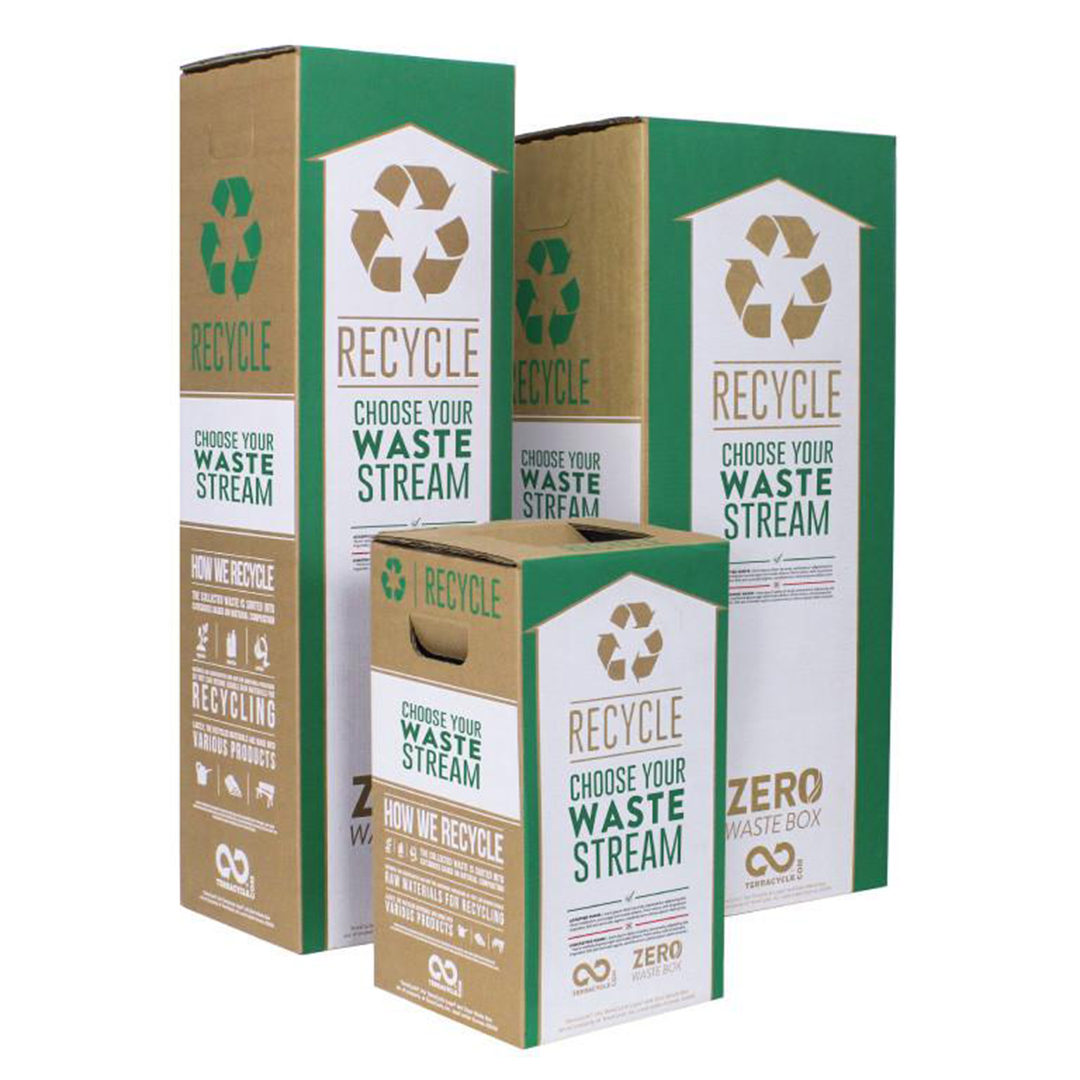
Larger former cases can serve as return-sorting bins or inspection holding units for damaged items, while smaller cartons may store labels, paperwork, or maintenance parts in clinic and warehouse settings. Clear relabeling helps prevent confusion and keeps older cartons separated from active supply lines. When boxes become worn or heavily marked, teams can flatten and route them into responsible recycling streams.
Selection and handling highlights
- Match outer strength to the combined kit weight
- Consider a handling method for size decisions
- Use clear marks for route and kit type
- Reserve the strongest outer for long routes
- Keep inner cartons consistent for stable loads
Setup sequence for safer shipments
- Map routes from central storage to end sites
- Assign outer strengths by distance and handling stages
- Standardize inner cartons to fit repeat patterns
- Train teams on sealing and labeling rules
- Review damage data and adjust weak points
| Heavy-duty use case | Typical PPE contents | Route style | Closure preference | Handling focus |
|---|---|---|---|---|
| Export-ready PPE loads | Mixed clinic kits | Long-distance multi-leg | Strong lids or overlap flaps | Reduce crush risk |
| Regional replenishment | Gown and glove cases | Regular hub routes | Standard heavy-duty flaps | Fast loading |
| Emergency reserves | Sealed rapid-deploy kits | Stored then rushed | Lidded access formats | Clear quick ID |
| High-risk servicing | Specialized masks and coveralls | Direct isolation runs | Reinforced cases | Traceability |
| Industrial support | Plant and warehouse PPE | Mixed pallet loads | High-strength taped flaps | Pallet stability |