







Description
Blister card outer cartons for fast pharmacy flow
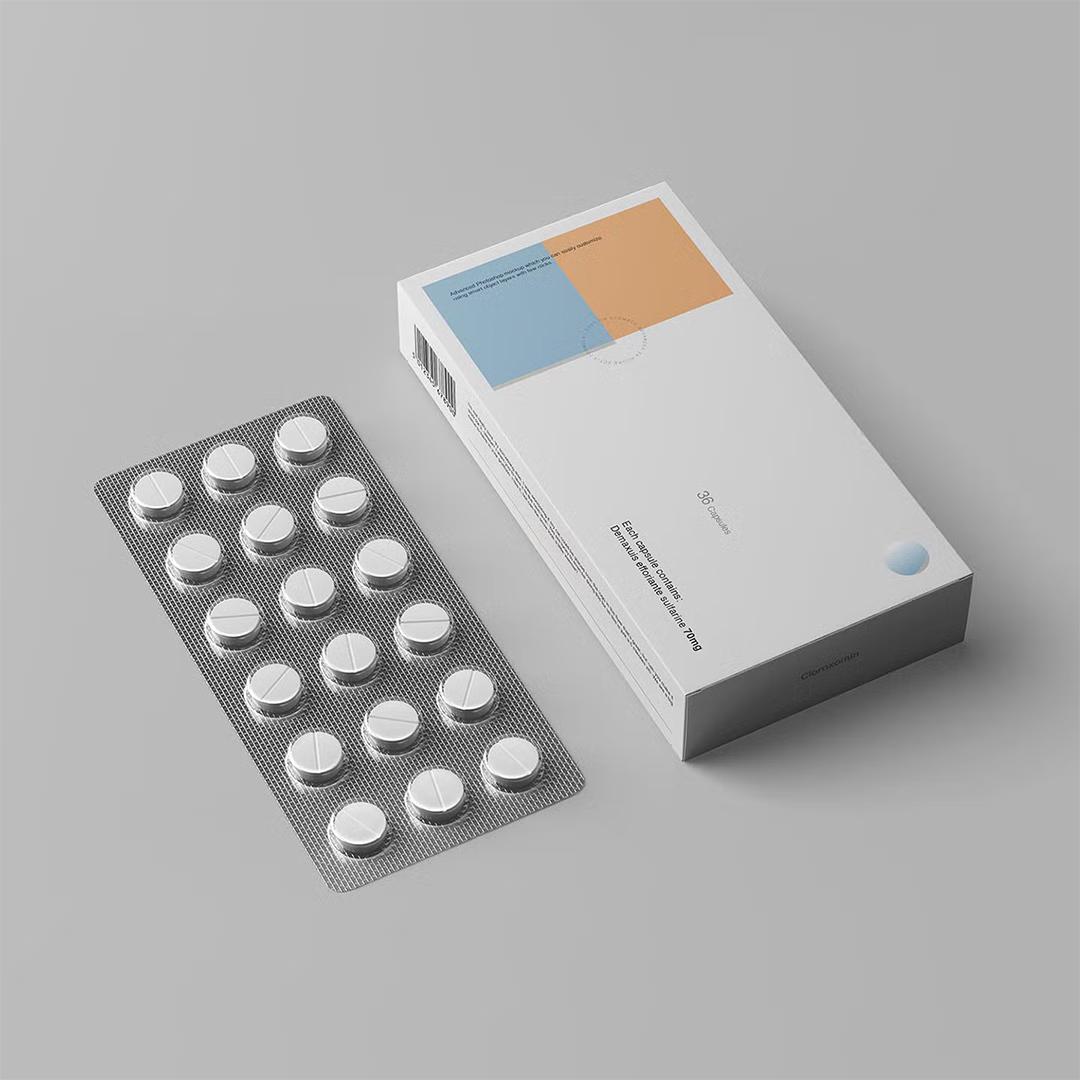
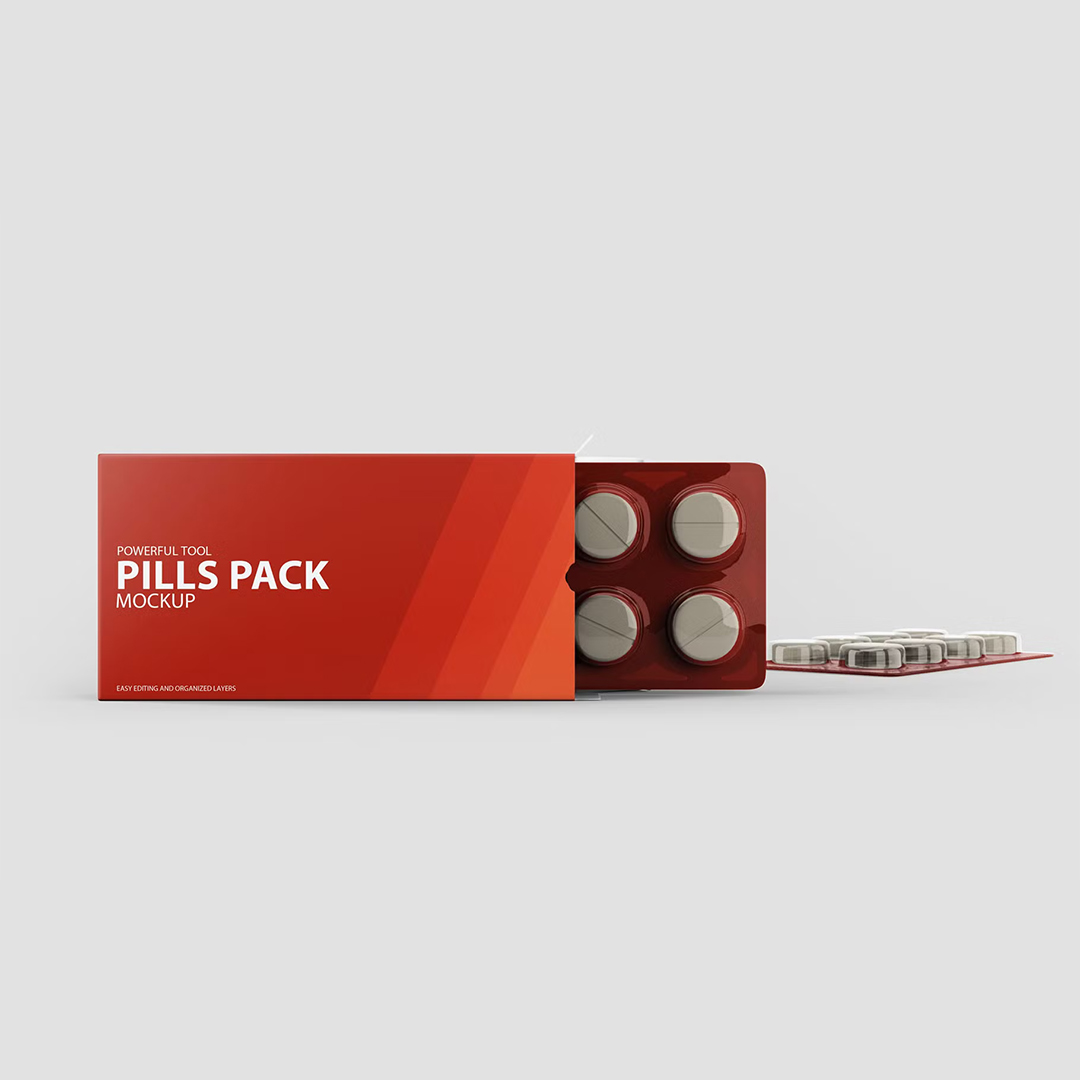
Cardboard Pill Packaging Boxes bring order to pills, capsules, and small-dose packs across busy pharmacy benches and clinic programs. Teams often align pill and liquid ranges through Cardboard Syrup Packaging Boxes so shelves, labels, and storage cues follow one clean system. This shared visual language helps staff move from packing to racking without second-guessing formats during rush hours.
These cartons give prescription names, strengths, and timing cues a stable, readable face. Outer packs also reduce handling wear on blister edges during courier movement and internal trolley transfers. When sizes repeat across weekly and monthly courses, scanning becomes quicker. That saves time during both counter handovers and branch-to-branch supply runs.
Clear Labeling Support For Daily Dispensary Routines
In real workflows, these cartons strengthen dispensers, card racks, and organizer stations rather than replacing them. A consistent outer family keeps storage lanes predictable, so technicians can pull the right course with fewer checks. It also supports safer sorting when similar medicines exist in multiple strengths. The carton becomes a quick visual confirmation layer.
Care homes benefit in the same way because rounds depend on speed and clarity. Named outer cartons can be matched with room lists before opening cards. This reduces interruptions during medication passes. The structure also helps keep weekly and two-week cycles separated in shared cabinets.
Practical storage points for blister cartons
- Keep upright alignment so medicine names are readable at a glance
- Group by ingredient, strength, and course duration across shelves
- Reserve side panels for barcode and internal tracking placement
- Use simple icons for weekly or monthly layout identification
- Maintain consistent color bands across related therapy lines
Steps for pack preparation before transport
- Verify cards match prescription data and sealing checks
- Seat cards snugly so edges do not bow inside the cavity
- Add simple printed guidance if dosing needs reminders
- Close along fold lines and secure tabs by route length
- Mark faces strength, card count, and course period
| Pack style | Recommended carton format | Inner support approach | Main usage scene | Handling guidance |
|---|---|---|---|---|
| Single weekly blister card | Slim straight tuck carton | Light side pads | Community refills | Keep cards flat |
| Multi-card monthly courses | Medium-depth carton | Folded separators | Chronic therapies | Show start and end dates |
| Roll dispenser refills | Long narrow carton | Guided cradle | Central fill hubs | Store upright to prevent dents |
| Mixed card and leaflet sets | Compact carton | Back wall leaflet pocket | New therapy starts | Keep leaflets visible |
Long-Term Supply Planning For Multi-Branch Programs
Pharmacy groups often need cartons that remain consistent as new medicines and strengths enter the same service line. Many operations stabilize this growth through Cardboard pill packaging boxes wholesale, so size families and artwork rules stay predictable across the full year. This makes training easier because staff already know how the cartons stack, label, and travel between sites.
Shared footprints also help plan shelves, totes, and delivery crates with better accuracy. When weekly packs look and feel like weekly packs everywhere, route teams can load faster. When monthly cartons remain uniform, back-room planning gets simpler. These small efficiencies compound across large networks.
Why Standard Sizing Improves Checks And Safety
Size discipline becomes a silent safety layer in high-volume environments. If a course normally arrives in a medium carton and a smaller unit appears, the mismatch can trigger a quick verification step. This helps catch potential packing errors before handover. Over time, staff build instinctive familiarity with the relationship between box scale and therapy length.
Consistent families also make seasonal forecasting steadier. Central teams can tie reorder triggers to prescription volumes without constantly adjusting storage space. This supports predictable replenishment during flu seasons, chronic therapy renewals, and new program launches.
Planning points for stable-sized families
- Group courses into weekly, two-week, and monthly sizes
- Match blister card heights to carton walls to avoid sagging
- Allocate clear zones for batch and expiry details
- Use color or icon bands for morning, evening, or mixed dosing
- Align footprints with delivery crate dimensions
Steps for building a supply program
- Map current and planned medicines by course length and card style
- Assign them to a small core of carton footprints
- Create repeatable artwork layouts for names and strength panels
- Approve crease samples under real handling conditions
- Set reorder thresholds based on data and seasonal peaks
| Size family | Typical contents | Common distribution pattern | Storage style in pharmacy | Stock control note |
|---|---|---|---|---|
| Compact weekly range | Single weekly card or mini case | Frequent refills | Front shelves and drawers | Link to weekly data |
| Medium course range | Two to four cards | Clinic and care-home supply | Labeled bins | Review monthly |
| Long course range | Monthly multi-card sets | Planned care services | Deep shelves and crates | Track expiry ahead |
| Roll refill range | Dispenser rolls | Central to local routes | Roll racks | Match route cycles |
Organizer Cartons For Patient Clarity And Safer Routines
Patient-facing packs benefit when outer cartons explain the course clearly and protect small cases during delivery. Many teams categorize these formats within Cardboard Boxes By Functionality, so pill, syrup, device, and support lines remain easy to identify across a unified system. This structured sorting helps both staff and patients trust that each pack belongs to the right pathway.
Outer cartons can hold a Pill Box Organizer, mini cases, or mixed card-and-leaflet setups for new starts. Simple front panels help patients confirm names and course periods without opening every insert. For families managing multiple therapies at home, this reduces confusion. It also supports calmer adherence routines.
Home Delivery Resilience And Readable Guidance
These cartons assist common patient concerns about storage, travel, and course tracking. Short, clear notes placed on side panels can remind patients about cool, dry conditions and safe carrying. This keeps guidance visible every time the pack is handled. It also reduces repeated reliance on leaflets.
For short starter courses, compact outer boxes protect the edges of cards and mini organizers through courier networks. For complex therapy sets, slightly reinforced builds help keep multiple components grouped correctly. The result is a more confident experience from doorstep to daily use.
Design points for organizer-support outers
- Reserve front space for patient name and course period
- Leave side zones for barcodes and pharmacy identifiers
- Use time-of-day icons instead of dense paragraphs
- Choose heights that allow a smooth organizer slide-out
- Keep openings easy for older hands
Steps to match organizers with cartons
- Confirm which organizer formats will be standard across branches
- Measure each format and map to a small footprint set
- Build artwork templates with stable information placement
- Test readability with staff and a small patient group
- Refine creases and openings before full rollout
| Organizer type | Carton format used | Main patient scenario | Storage notes in pharmacy | Extra guidance suggestion |
|---|---|---|---|---|
| Single large weekly organizer | Medium front-opening carton | Standard weekly routines | Store upright by name | Add reset notes |
| Multi-week mini cases set | Stacked cavity carton | Long-term therapies | Use labeled pigeonholes | Mark the active week |
| Day-and-night split sets | Wider icon-led carton | Mixed schedule patients | Group by route | Simple color cues |
| Travel mini packs | Slim short-course carton | Portable routines | Keep near counters | Heat and light caution |
Reuse And Recycling Alignment For Clean Outer Packs
Pharmacy chains can also reduce waste when local rules permit clean outer carton reuse for non-medicine tasks. Many operations source through Cardboard Boxes Wholesale to keep board types and size families consistent for easier sorting and recycling at the branch level. This makes it simpler to separate reuse candidates from cartons that must go straight to recycling streams.
Larger long-course outers can be repurposed for storing leaflets, label rolls, or training kits once old identifiers are removed. Weekly cartons may serve as demo carriers during patient education days. Clear markings are essential to avoid any confusion with active medication packs. A standardized policy across branches keeps these routines safe.
Controlled Reuse Without Workflow Risk
Reuse works best when it is limited to clean, intact outers and clearly separated from active stock zones. Staff should be trained to cover or remove old panel details before repurposing cartons. This protects patient safety and helps maintain compliance routines. It also keeps the back room more organized.
Where reuse is not suitable, aligned board choices still improve recycling outcomes. Consistent materials reduce sorting errors and support smoother collection processes. Over time, these practical steps can tighten both cost and waste control.
Safe reuse habits for branch teams
- Reuse only clean cartons for non-medicine storage
- Mark them clearly as admin or training use
- Remove or cover old identifiers before reuse
- Keep damaged cartons out of reuse streams
- Standardize the routine across all branches
Steps for end-of-cycle planning
- Identify which sizes hold structural strength longest
- Assign secondary uses for admin and training needs
- Train teams to separate reuse and recycling paths
- Align collection practices with local waste rules
- Review outcomes and adjust future carton designs
| Reuse path | Who gains the most | Main benefit | Extra note | Usual lifespan after first use |
|---|---|---|---|---|
| Label and stationery storage | Admin teams | Organizes small supplies | Use compact outers | Many months are dry |
| Training and demo carriers | Educators | Holds sample packs | Mark as demo-only | Several training cycles |
| Returns sorting bays | Review staff | Separates issues quickly | Use stronger outers | Multiple review rounds |
| Outreach material boxes | Support teams | Carries leaflets | Choose hand-carry sizes | Full campaign duration |