





Description
Cardboard Partitioned Insert Boxes For Organised Shipping
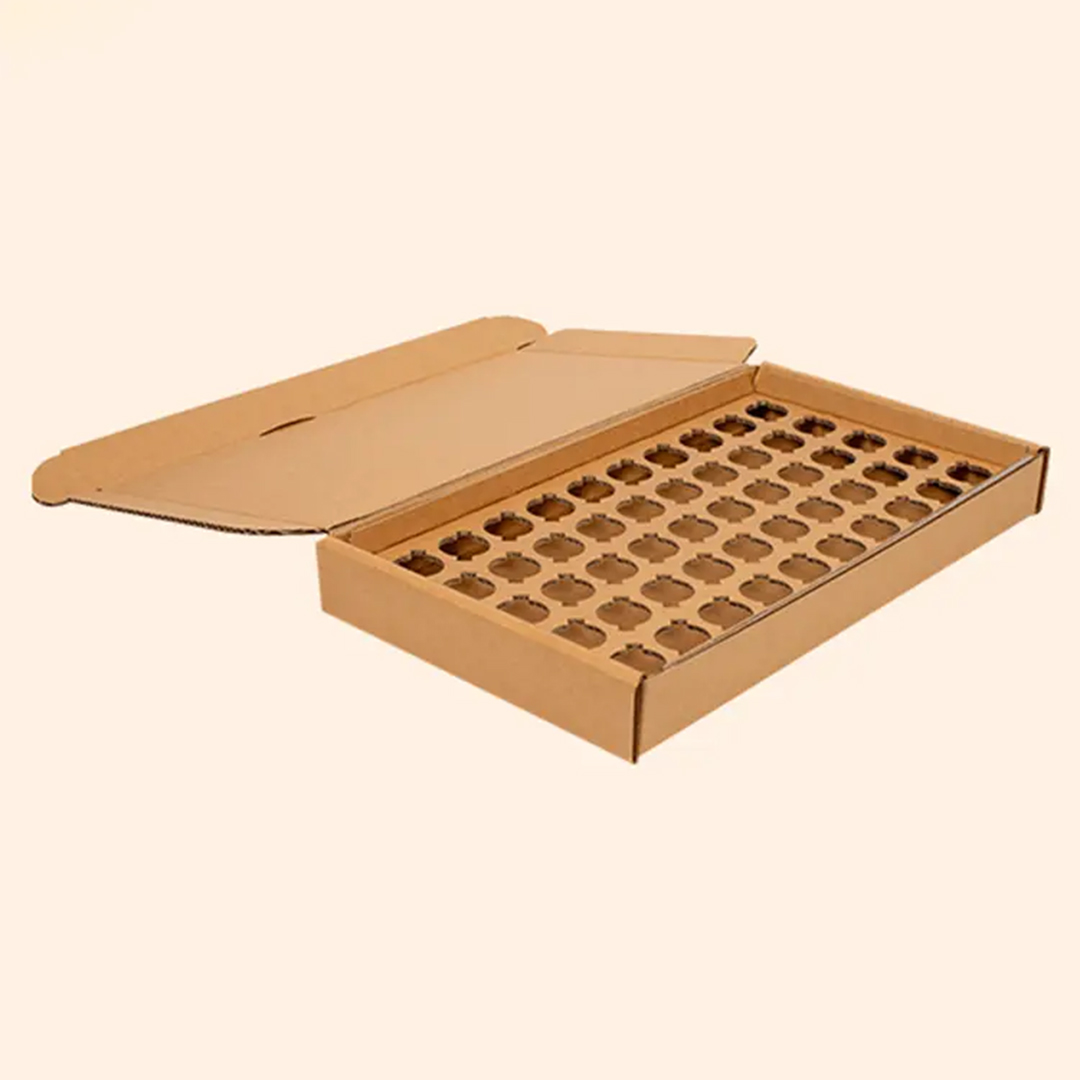
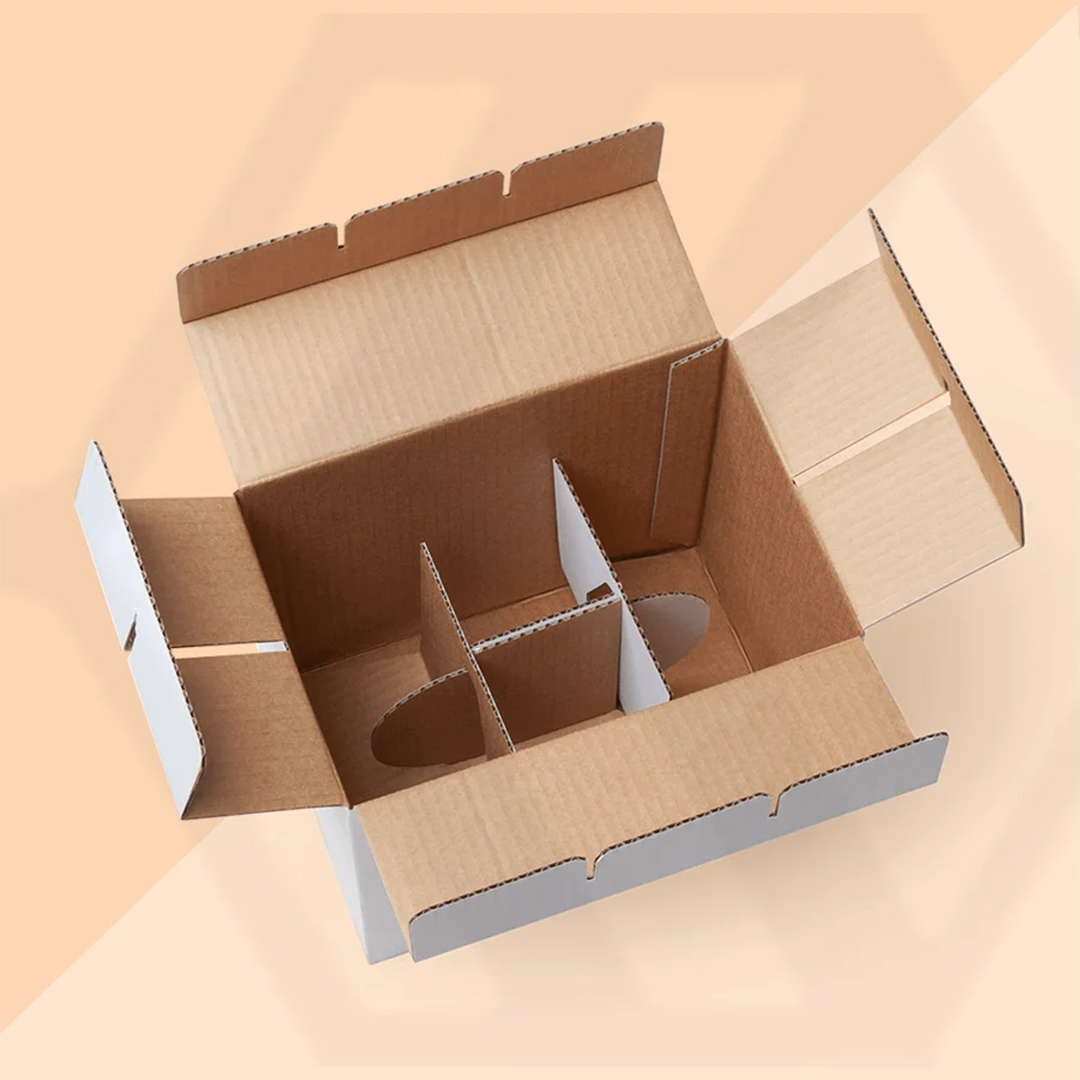
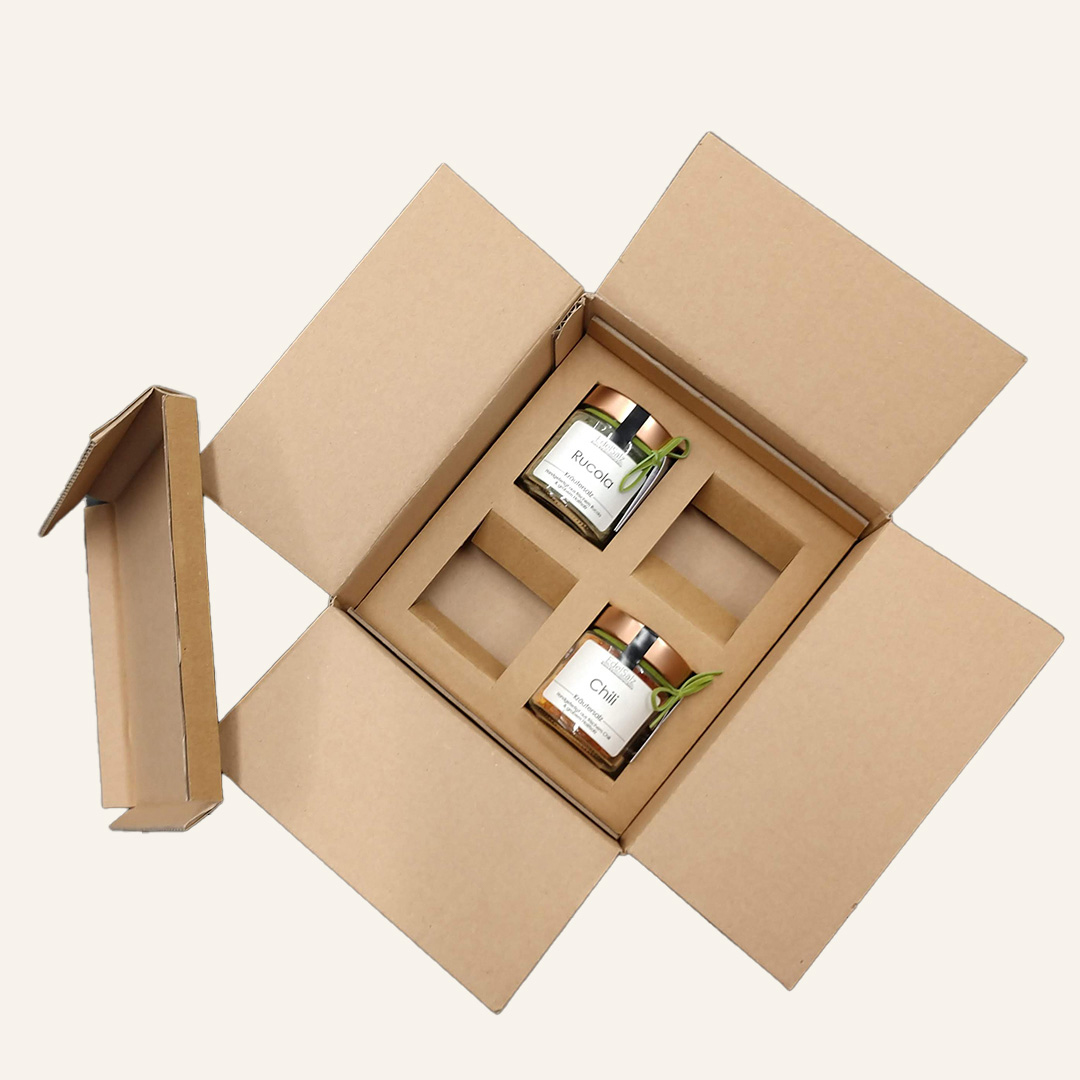
Cardboard Partitioned Insert Boxes help products travel in neat rows so every unit stays steady, separated, and easy to count from packing line to shelf. Brands that already use structured layouts like Cardboard Divider Packaging often add these inserts to keep jars, bottles, gadgets, and gift assortments in calm, predictable positions through the entire journey.
This arrangement cuts down on collisions inside cartons, which means fewer cracked jars, dented tins, or scuffed labels when shipments reach warehouses and stores. Cardboard box divider inserts support both single-SKU and mixed orders, so you can send several items together while keeping them visibly organised. Over time, a consistent insert layout helps your team pack faster, reduce waste, and maintain quality standards even during busy seasons.
Why brands rely on cardboard box divider inserts in cartons
Well-designed Cardboard box Divider inserts act like a grid that guides packers and receivers. Each cell represents one item, so fill levels and counts are clear the moment a carton is opened. This is useful for food jars, cosmetics, home fragrance, delicate accessories, and small devices that should not roll around in an open box.
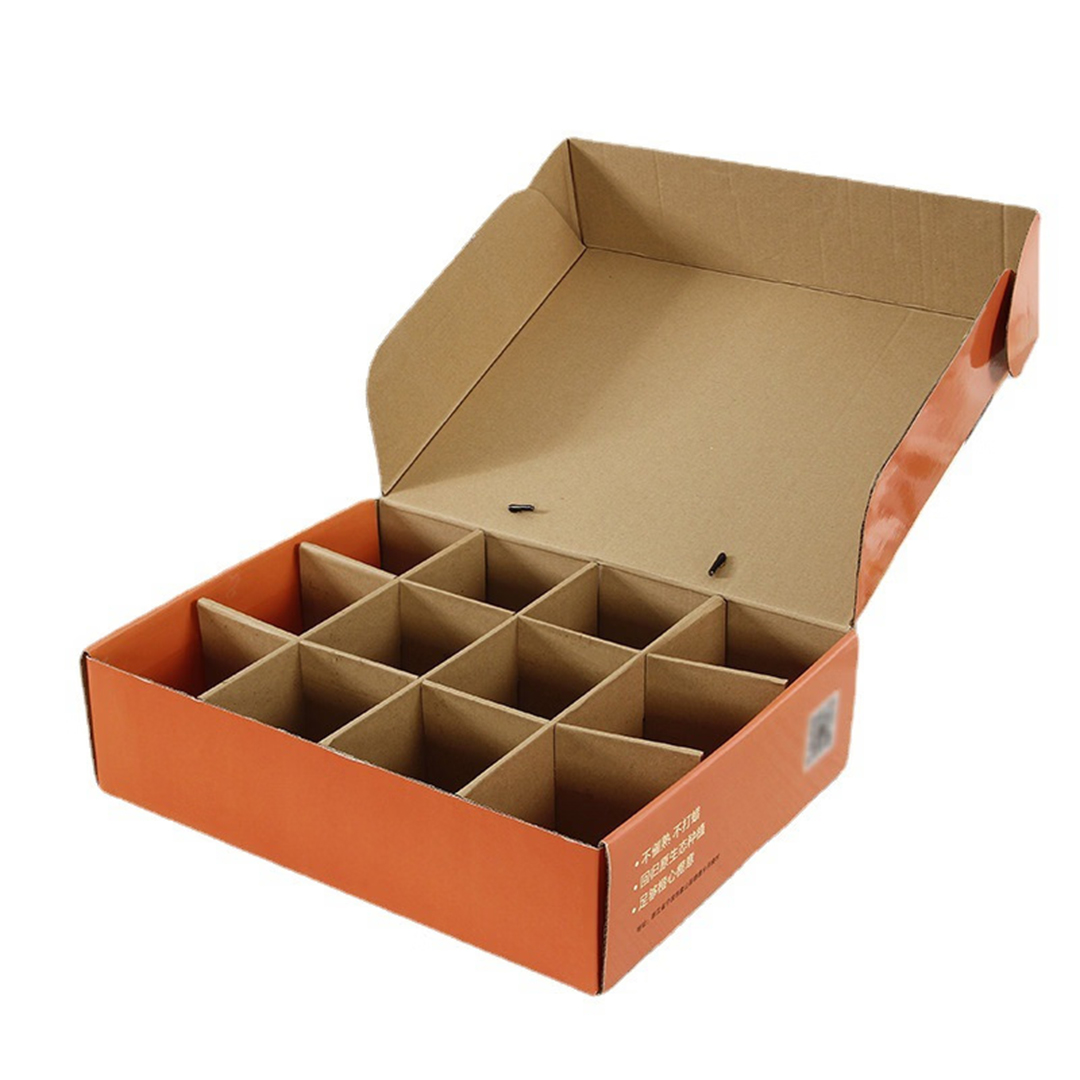
Custom box dividers can be produced in different cell sizes, heights, and patterns, including options like a 12 cell box divider or larger grids for big assortments. Many teams also balance their use of cardboard partitions with Plastic Box divider inserts in sample rooms, choosing cardboard for shipping and plastic trays for long term internal storage. By aligning these choices, you get predictable layouts with less confusion for staff.
Main advantages of cardboard partitioned insert boxes
- Separate items so glass, ceramic, and delicate packaging stay free from knocks
- Keep mixed orders in clear sections with less risk of product clashes
- Give packers a simple visual guide, reducing packing mistakes under pressure
- Help receivers count units quickly without emptying the entire carton
- Support Cardboard Box Divider Inserts DIY trials before larger production runs
- Work across many sectors, from food and beauty to electronics and ornaments
- Use recyclable materials that support environmental and material policies
Steps to use partitioned inserts in daily packing
- Measure the height, width, and depth of your main products, including caps or closures.
- Decide how many items should be placed in each carton for shipping and storage.
- Choose a partition layout that keeps enough space around each product without wasting board.
- Assemble the Cardboard Partitioned Insert Boxes or place folded inserts inside the outer carton.
- Load products into each cell so labels face useful directions for later stock checks.
- Add any top layer padding if needed, then close and seal cartons as usual.
- Monitor breakage and feedback, then refine cell size or board grade if patterns appear.
| Aspect | Role in the packing setup | Material options | Surface and print choices | Typical usage areas |
|---|---|---|---|---|
| Core partition board | Creates the inner grid that separates products | Kraft, white board, recycled fibre blends | Plain, light gloss, or soft matte feel | Jars, bottles, small boxes, compact devices |
| Cell arrangement | Defines how many items sit in each carton | Square, rectangular, or mixed cell layouts | Plain interior or minimal guidance print | Single-SKU cartons and mixed assortments |
| Height of inserts | Controls how far up the walls support the products | Low, mid-height, or near full-height panels | Smooth edges for safe handling | Glass jars, skincare, home fragrance vessels |
| Stack support | Helps cartons tolerate stacking on pallets or racks | Single wall or stronger grades where required | Can carry small handling icons | Warehouse storage, export shipments, bulk orders |
| Recycling potential | Keeps packaging aligned with paper-based disposal | High recycled content options available | Water-based inks for messaging | Brands with clear sustainability messaging |
| Assembly style | Affects how quickly staff can prepare cartons | Pre-cut, slot-together, or pre-glued inserts | Clean cutting for faster build-up | High-throughput packing lines and fulfilment centres |
| Product compatibility | Matches inserts with specific product families | Layouts sized to key bottle and box ranges | Subtle print for product codes if needed | Food, cosmetics, ornaments, gadgets, and small tools |
Cardboard box Divider inserts DIY and custom layouts
Cardboard Box Divider Inserts DIY testing helps small teams shape layouts before they commit to large runs. Many brands sketch grids that match their key carton footprints, then refine measurements so partitions align with boxes from Cardboard Boxes by Size and Shape and keep spare space controlled. This careful pairing lets you use the same outer sizes while swapping different inserts for seasonal ranges or special assortments.
DIY mockups provide a quick way to explore cell sizes for Box partition electrical components, beauty kits, food jars, and ornament collections. Once teams see how products sit in each cell, they can decide whether to tighten or loosen spacing, and whether a 12 cell box divider or a higher count grid fits their picking and packing routine best. When the layout works in trials, the same logic moves into full Cardboard Partitioned Insert Boxes production.
How Cardboard Box Divider Inserts DIY supports small teams
Cardboard Box Divider Inserts DIY projects are popular in studios, workshops, and small warehouses where shelf space is limited but variety is high. Spare cartons can be cut into strips, slotted together, and tested inside current shipping boxes without disrupting daily work. Staff gain a clear sense of handling comfort, weight balance, and label visibility before any production decisions are made.
Small runs of custom box dividers based on these tests often become long term standards. Even as product ranges grow, the early DIY experiments show which partitions support stable pallets, calm unboxing, and straightforward stock checking. For delicate categories like Cardboard Dividers for Ornaments, this early insight prevents later issues with tangled hooks, scratched finishes, or lost pieces.
Ways DIY inserts improve organisation
- Give a low-cost method for modelling different grid patterns and cell sizes
- Reveal how products behave in transit before full production is ordered
- Help teams visualise stock levels and counting steps straight from cartons
- Support testing of layouts for Box partition electrical parts and accessories
- Offer a quick way to trial Cell Box dividers for seasonal or limited runs
- Encourage feedback from packers about comfort and handling effort
- Provide reusable internal organisers for studios and back rooms
Planning stages for custom box dividers
- Map your core product families and note common dimensions across each group.
- Decide which items will share Cardboard Partitioned Insert Boxes and which need their own carton.
- Build simple Cardboard Box Divider Inserts DIY models using spare board and basic tools.
- Load real products into these test grids and handle them as you would in daily operations.
- Check how cartons stack, move on trolleys, and sit on racks during a short trial period.
- Refine cell sizes and heights where movement or crushing pressure feels risky.
- Confirm final layouts and move to consistent production runs that match your carton library.
| Layout focus | Planning priority | Cell pattern options | Height and depth guidance | Example uses |
|---|---|---|---|---|
| Sample and trial sets | Flexibility while ranges are still evolving | Removable or interchangeable partitions | Medium height for quick access | New product trials, sample kits |
| Electrical and hardware | Stable positions for heavier, compact items | Narrow cells and channels for small parts | Strong panels to manage weight | Box partition electrical components and tool sets |
| Gift and ornament ranges | Clean presentation with minimal product contact | Soft spacing for delicate surfaces | Panels aligned just below product tops | Cardboard Dividers for Ornaments and decor pieces |
| Food and condiment packs | Controlled jar movement and label visibility | Equal cells for jars and small bottles | Mid-to-high sides to support taller items | Sauces, jams, dressings, tasting kits |
| Beauty and skincare assortments | Clear structure for multi-bottle arrangements | Cells for bottles, tubes, and jars in one tray | Heights that follow container profiles | Skincare regimes, fragrance selections |
| Seasonal or themed runs | Fast layout changes for short campaigns | Layouts that re-use existing carton sizes | Adjustable based on product mix | Limited edition collections and holiday boxes |
| Internal storage | Ongoing organisation of back-room stock | Stacks of Cell Box dividers in archive cartons | Height matched to shelving units | Sample rooms, spare parts libraries, props storage |
Cardboard partitioned insert boxes for ornaments and electrical products
Cardboard Partitioned Insert Boxes give delicate items and compact components a defined position, which is especially important for ornament sets and electrical kits that ship together in shared cartons. Many brands treat these inserts as a central part of their packing system, using combinations of Cardboard box Divider inserts DIY ideas and refined layouts ordered through Cardboard Boxes wholesale to keep presentation calm from dispatch to delivery.
By matching partitions to ornament shapes, bulb sizes, and accessory packets, you can reduce tangling, scratching, and corner impacts that often occur in loosely packed boxes. For Box partition electrical uses, stable cells around plugs, adaptors, and cables mean less stress on connectors and insulation. Over time, this steady protection reduces returns, testing work, and replacement shipments for sensitive lines.
Using cell box dividers across different product lines
A single concept of Cardboard Partitioned Insert Boxes can apply to many departments. Ornament ranges may call for gentle spacing and soft board edges, while hardware sets lean on stronger grades that can carry dense weight. Cell Box dividers can be configured as 12 cell box divider trays for compact products, or larger grids for gift assortments that mix food, decor, and accessory items in one organised layout.
Some brands blend cardboard partitions with Plastic Box divider inserts behind the scenes. Cardboard structures carry products through shipping, while plastic trays live in sample rooms or showrooms where handling is frequent and long term. Even in this mixed approach, consistent cell counts and spacing give staff a familiar pattern, which lowers the chance of picking errors and misplaced goods.
Opportunities created by strong internal partitions
- Protect fragile ornaments by limiting movement and direct contact inside cartons
- Support Box partition electrical kits with clear separation for each component
- Keep multi-item sets visually tidy so receivers understand contents at a glance
- Allow efficient use of outer carton space without overcrowding products
- Provide repeatable layouts that match seasonal and evergreen product lines
- Offer clear pathways for future Cardboard Box Divider Inserts DIY updates
- Align shipping, storage, and display needs with one consistent internal structure
Checklist before confirming your insert design
- Review which products suffer the most damage or tangling during current shipping cycles.
- Decide whether a 12 cell box divider, larger grid, or several smaller trays suit your product mix.
- Check how inserts will interact with packaging for Cardboard Dividers for Ornaments and similar items.
- Confirm that board grades and heights support stacking plans and transit distances.
- Ensure that Cell Box dividers allow easy removal and replacement of items for quality checks.
- Plan how cardboard inserts and Plastic Box divider inserts will share roles if both are needed.
- Gather feedback from packers, receivers, and merchandisers, then refine designs for long term use.
| Design area | Question to consider | Options available | Impact on operations | Likely outcome |
|---|---|---|---|---|
| Product protection | How much movement can items safely tolerate | Tight, medium, or relaxed spacing in each cell | Affects breakage rates and return levels | Fewer damaged goods and smoother customer experience |
| Packing speed | How quickly staff can understand the layout | Simple, repeating partition patterns | Influences training and shift performance | More consistent packing times |
| Carton compatibility | How inserts sit inside chosen outer boxes | Layouts matched to standard carton footprints | Simplifies storage and pallet planning | Better use of warehouse and vehicle space |
| Visual presentation | How contents appear when cartons are opened | Neatly aligned rows and columns | Shapes first impressions at receiving | Calm, organised product displays |
| Material and recycling | How inserts fit current recycling expectations | Cardboard with recycled fibre and clear labelling | Supports sustainability communication | Packaging that supports brand responsibility goals |
| Range evolution | How future products will fit existing inserts | Flexible cell sizes and modular layouts | Reduces need for frequent redesigns | Longer useful life for partition tooling |
| Internal processes | How inserts tie into quality checks and audits | Layouts that mirror counting and inspection steps | Easier verification and stock counting | More reliable data on stock and shipment condition |