





Description
Cardboard Organizer Boxes For Tidy Storage Systems
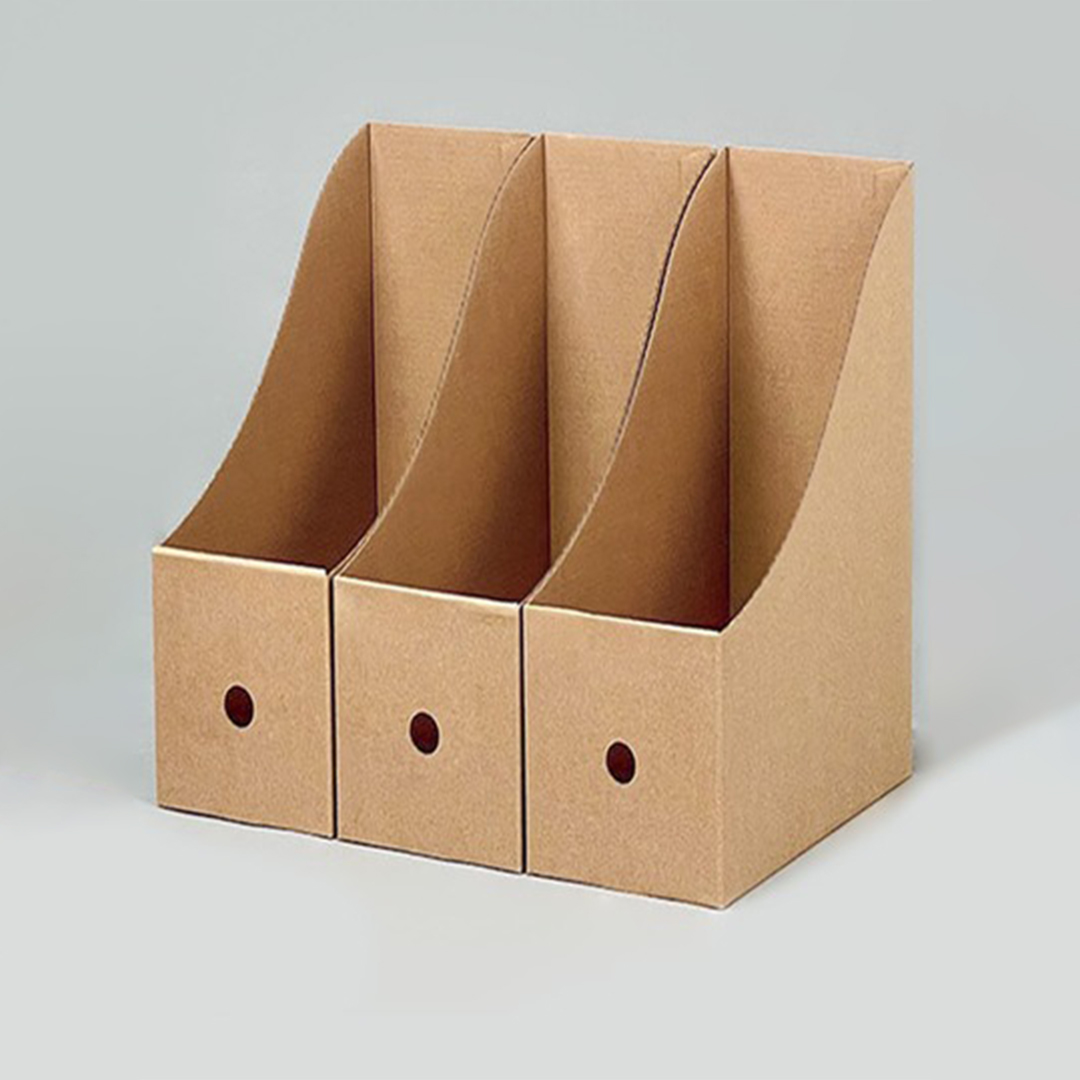
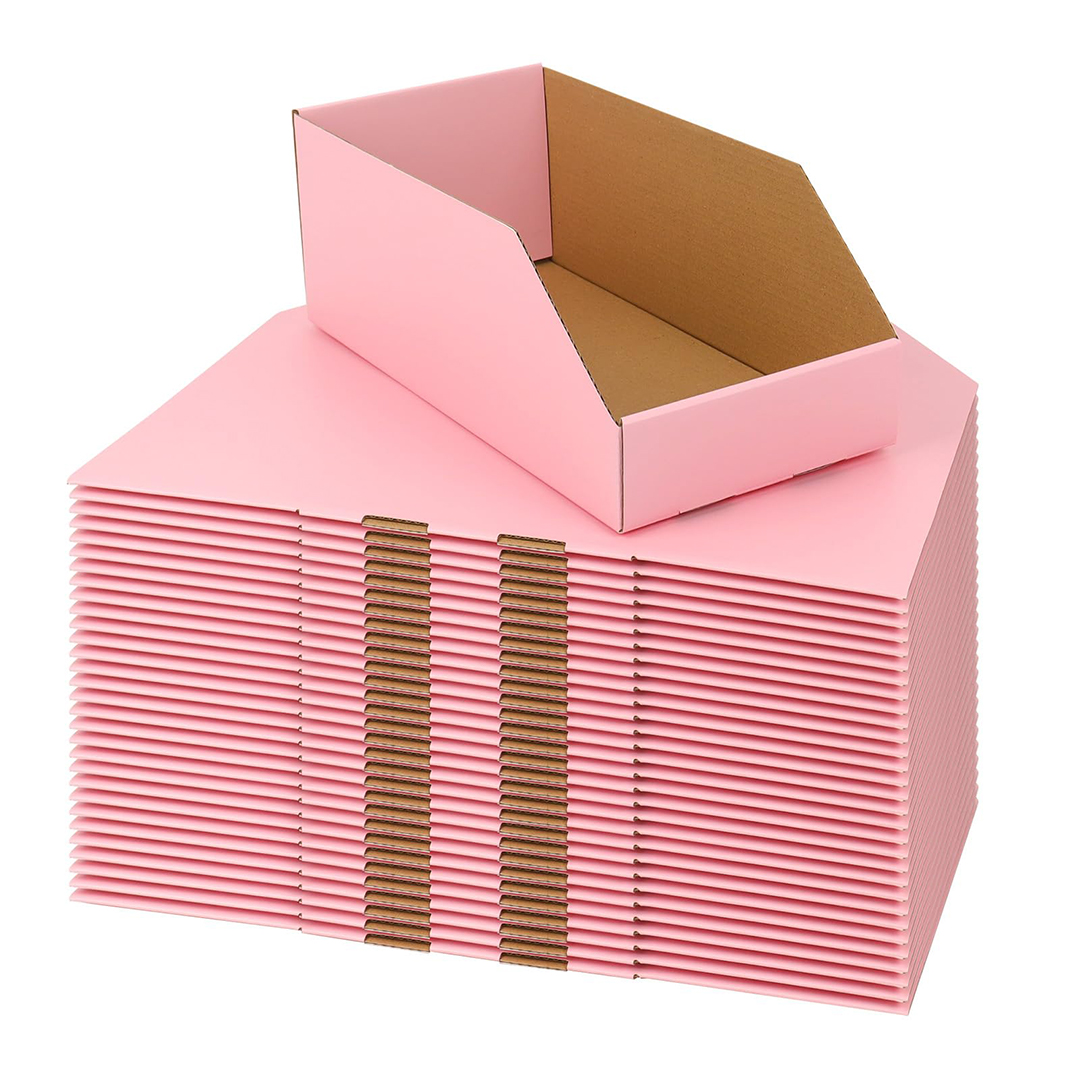
Cardboard organizer boxes help homes, offices, workshops, and brands keep small and large items in order without filling up extra space. Many teams that already rely on black cardboard boxes for outer packing also use these organizers inside shelves and racks to keep contents separated and easy to scan. Lightweight designs make it simple to move sections between rooms or departments, while the overall system still feels steady enough for daily handling. From product samples to paperwork and tools, each compartment gives items a clear home so they do not spread across desks, benches, or storage floors.
The same organizer range supports retailers, warehouses, studios, and online sellers who want storage and packaging to work together. Durable corrugated stock handles weight without bending, while white SBS and kraft options suit brands that want either a printed look or a more natural tone. A mix of sizes lets teams allocate specific boxes to cosmetic jars, hardware parts, stationery, or accessories without changing their entire layout when new products arrive. Over time, this creates a calmer background where staff know where everything belongs and how to return it after use.
How Organizer Boxes Support Everyday Product Handling
Well-planned cardboard organizer boxes turn deep shelves and wide cupboards into clear, repeatable layouts. Items sit in defined spaces instead of piling up in one large compartment, so staff or customers spot what they need quickly. Corrugated walls provide enough strength to hold tools, components, jars, or folded products without slumping at the sides, which helps labels stay visible and stops stock sliding to the back of the shelf. This small improvement can make a busy stockroom feel more manageable in day-to-day work.
Because these boxes assemble with simple folds and tabs, teams can set up fresh sections whenever stock changes or new ranges appear. White SBS takes print cleanly for branding, product names, barcodes, or basic category titles, while kraft stock supports a quieter, eco-focused look. Recycled board options help operations align organisation with sustainability targets without changing the way staff store goods. In busy rooms, this mix of order, clarity, and responsible material use quietly supports both daily tasks and long-term planning.
Core benefits of cardboard organizer boxes
- Keeps items grouped, labelled, and easy to recognise at a glance
- Reduces time spent searching through mixed cartons and drawers
- Helps shelves, racks, and benches look organised instead of crowded
- Supports many product shapes with the same basic layout style
- Provides space for printed branding, codes, and batch details
- Lifts objects off surfaces to reduce scratching and friction marks
- Fits naturally into homes, workshops, stockrooms, and studios
- Folds flat for delivery and storage until needed on site
Ways organizers improve everyday workflows
- Turn deep shelves into neat rows of small, clearly marked compartments
- Assign each slot to a product code, size, or colour variation for easy picking
- Use front panels for simple labels so contents are clear without opening boxes
- Separate incoming stock, active items, and returns to keep counts accurate
- Move full organizers between work areas instead of carrying loose products
- Adjust layouts quickly when product ranges grow or contract
- Create clear “in use” and “spare” sections for tools and consumables
- Support regular stock checks with layouts that show gaps immediately
| Feature | Detail | Material | Finish | Purpose |
|---|---|---|---|---|
| Compartment depth | Room for single units or grouped sets | Corrugated or kraft board | Matte or smooth outer feel | Neat storage on shelves and racks |
| Outer shape | Sized to fit common shelving and pallets | White SBS or kraft | Natural or lightly coated | Homes, offices, workshops |
| Assembly style | Simple folds and locking tabs | Recycled or virgin stock | Clean edges and corners | Fast set-up in new locations |
| Panel space | Area for labels and branding | Printable card surfaces | Plain or printed | Organisation and product presentation |
Cardboard Bins For Warehouse And Retail Stockrooms
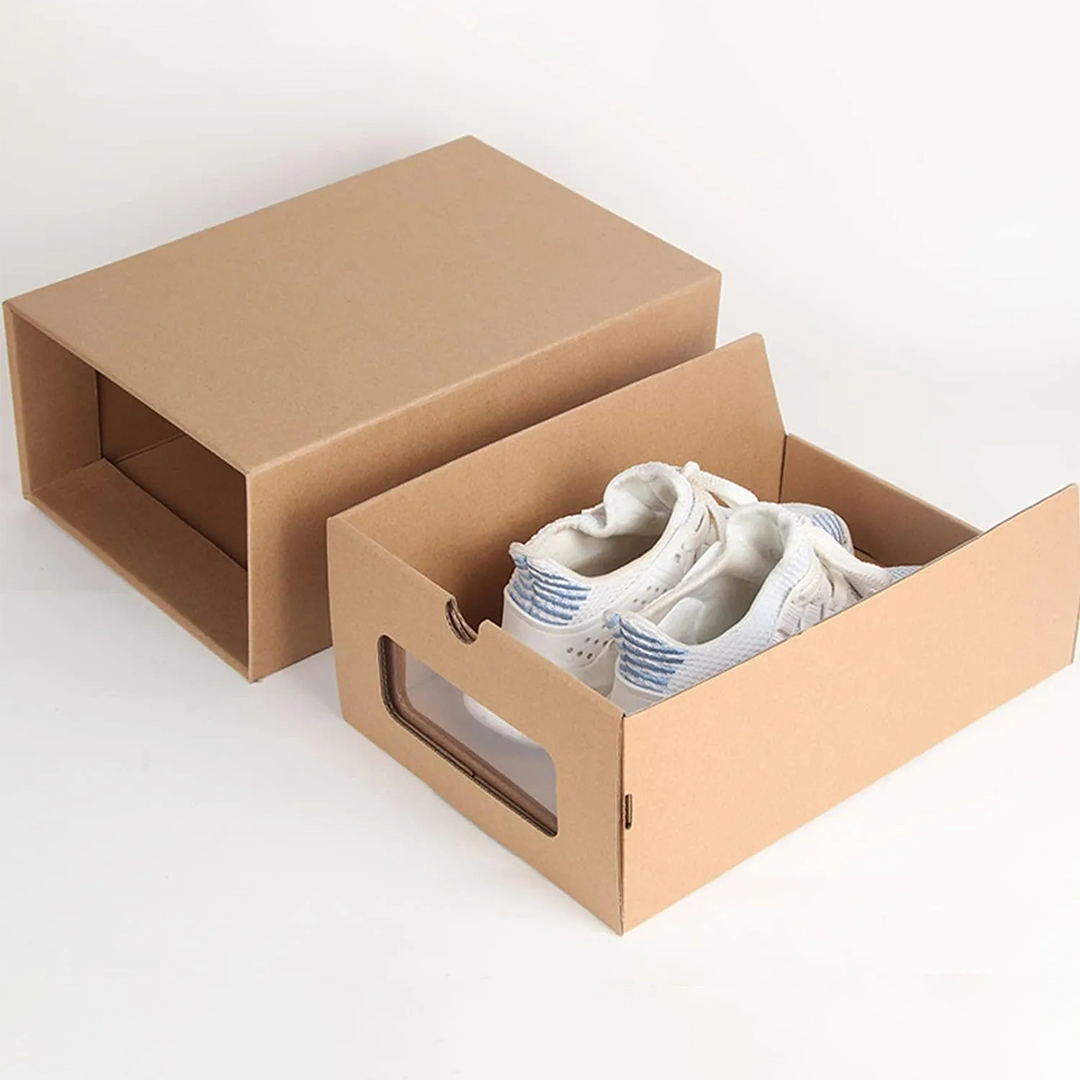
Cardboard bins for warehouse use make sorting, picking, and refilling stock more straightforward when inventory turns quickly. Many operations that plan their outer carton ranges through cardboard boxes by functionality use these bin styles on internal shelves and racks to keep items visible and ready to pick. Open-front or tray-style bins sit on racking in a way that keeps contents in view without slipping into walkways or hiding behind other cartons. Staff spend less time opening and resealing large boxes, because products are already staged in smaller, reachable sections. This helps keep aisles clear, reduces wear on outer packaging, and supports a more predictable picking rhythm.
The same bin formats adapt well to retail stockrooms and production areas, where clear labelling and quick access are part of everyday routines. Panels can carry SKUs, category names, or simple codes so each item returns to the correct place after use. Because bins are light, they can be repositioned when layouts change or new ranges arrive. Used alongside other shipping cartons, mailers, archival units, and display styles, these bins help businesses build one connected set of options for every stage of storage and movement.
Labelling And Access Advantages In Busy Warehouses
Clear labelling and front access points make a warehouse easier to understand for both new starters and experienced team members. Cardboard bins present products in shallow trays or open fronts, so pickers can see content levels without lifting heavy cartons. This smooths daily tasks such as restocking, assembling orders, or checking counts during regular audits. When the layout is intuitive, training becomes shorter and error rates tend to drop.
Printed or sticker-based labels on the front and sometimes the sides of bins help staff read locations from different angles. Category strips can run across a shelf, while individual bin labels mark specific SKUs inside that section. In some cases, the same bins can double as low-profile display trays in retail areas, allowing items to move from stockroom to shop floor without repacking. This reduces handling stages and helps keep packaging in good condition for the end customer.
Advantages of cardboard warehouse bin systems
- Reduces repeated opening and closing of large shipping cartons
- Presents products in open or semi-open trays for quick selection
- Accepts printed SKUs, barcodes, and simple location codes on visible faces
- Supports temporary, seasonal, or rotating layouts without fixed fixtures
- Absorbs light impacts and protects surfaces from minor scuffs and marks
- Stacks neatly on shelving, trolleys, or pallets where needed
- Gives staff a quick visual sense of stock levels at each location
- Works with both loose pieces and inner packed units from outer boxes
Steps to set up cardboard bin zones
- Map key product groups and assign each group to a rack, bay, or aisle
- Decide which SKUs need their own bin and which can share compartments
- Place high-movement products at easy reach to shorten picking paths
- Label the front edge of every bin with clear codes or names
- Leave gaps on shelves where future products can fit without disruption
- Test picking routes using sample orders to check comfort and access
- Adjust bin positions where traffic slows or confusion appears
- Review and update the layout as order volumes and ranges shift through the year
| Bin focus | Typical shape | Material | Front design | Usage |
|---|---|---|---|---|
| Picking bins | Open-front trays | Corrugated board | Broad label strip | Fast-moving warehouse items |
| Shelf trays | Low-profile units | White or kraft card | Compact print panel | Retail back rooms and stock areas |
| Stack bins | Deeper bodies | Strong corrugated | Reinforced edges | Backup stock on racks and pallets |
| Display bins | Front-cut presentation | White SBS or kraft | Branding and messaging space | In-store promotions and offers |
Cardboard Bin Boxes With Dividers For Parts And Sets
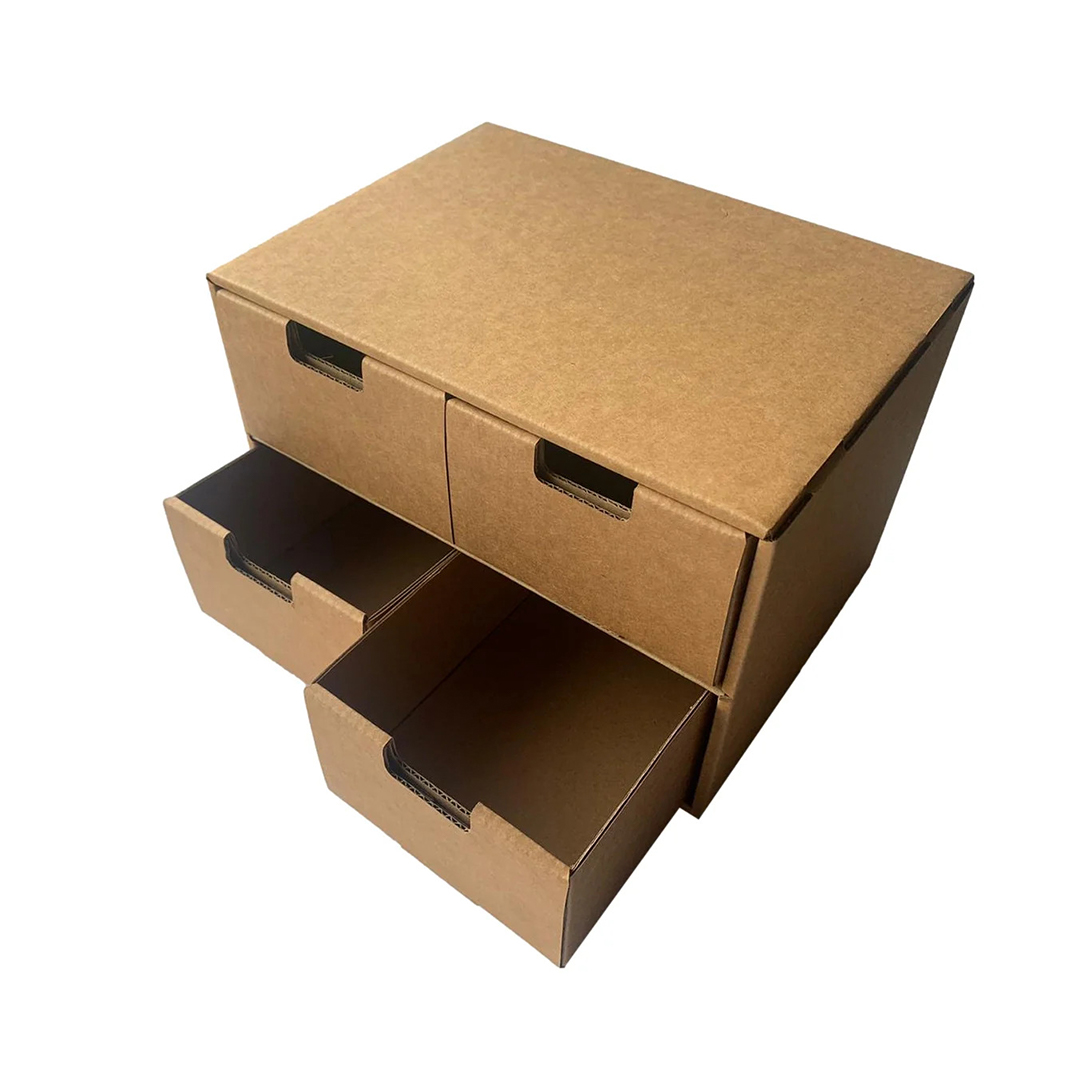
Cardboard bin boxes with dividers keep small or delicate items separated into individual slots so they do not knock together or become mixed during handling. Many brands that manage their main packing lines through shop cardboard boxes also rely on divided bin boxes to hold smaller parts, samples, and accessories in a more organised way. Divider grids can be planned for bottle storage, soap packaging, jewellery pieces, accessories, medical vials, or craft tools, giving each unit its own place. This makes it easier to pick single pieces, build sets, or refill stock without emptying an entire container. One larger outer box turns into a well-structured organiser where everything remains visible and within reach.
Custom grids are measured around product dimensions, allowing enough room for each piece to slide in and out while still staying steady. This helps reduce chips, scratches, and scuffs, which is especially important for glass, coated finishes, and decorated surfaces. In wholesale and eCommerce operations, divided boxes support quick counting and packing because staff can see at a glance how many spaces are filled or empty. Simple visual cues like this support smoother dispatch days and more reliable quality checks.
How Divider Grids Improve Counting And Packing
Divider grids create a natural counting system where each slot represents a single unit or small bundle. When all sections are filled, staff know a box is complete; when spaces are empty, it is easy to see how many items are still needed. This reduces dependence on mental counts or handwritten marks and improves confidence during busy shifts. For businesses shipping to several locations, standardised grid layouts also simplify training and inspection routines.
When used for ready-made sets, dividers give each component a fixed position so finished kits look organised as soon as the lid is lifted. Bottles, jars, tools, or accessories stay upright and face the right direction, which reassures both retail teams and end customers. As ranges evolve, grids can be adjusted or replaced so the same outer box supports new layouts instead of being retired. This mixture of stability and flexibility suits growing businesses that regularly update or widen their product mix.
Benefits of divided bin and organiser layouts
- Prevents small products from mixing, tangling, or piling at one end
- Protects delicate surfaces from repeated contact and rubbing
- Makes gaps easy to see, helping identify missing pieces or short sets
- Supports tidy presentation for gift packs, collections, and kits
- Speeds up counting during stock checks and packing sessions
- Reduces waste by reusing the same outer box with updated grid inserts
- Gives a structured home for fragile or high-value components
- Helps benches and assembly lines stay clearer and more organised
Practical uses for divider-based storage
- Allocate each grid cell to a single SKU or variation to simplify picking
- Group related components together for assembly or kitting workstations
- Add simple colour or number coding to grid sections for quick reference
- Keep sample pieces in divided organisers for showroom and sales use
- Adjust grid sizes when new products join an existing range
- Store spare dividers flat so layouts can be updated without delay
- Send divided boxes straight to stores for back-room stock control
- Use grids when dealing with returns, keeping items separate and protected
| Layout focus | Divider style | Material | Slot size approach | Main application |
|---|---|---|---|---|
| Bottle grids | Cross-shaped inserts | Strong corrugated board | Based on bottle or vial diameter | Drinks, oils, and lab products |
| Small parts trays | Straight or stepped sections | Kraft or white board | Sized for hardware and fittings | Workshops and warehouses |
| Gift and set inserts | Custom-shaped pockets | Printable card | Formed around product outlines | Retail sets and presentation boxes |
| Sample organisers | Flexible, reconfigurable grids | Recycled board | Adjustable by range and campaign | Showrooms and sales teams |
Complete Storage Systems With Matching Box Ranges
A complete storage and packaging approach often combines organiser units with plain outer cartons used for transport, archive, or bulk stock. In many operations, sorted units sit on shelves while plain boxes take over when items are shipped, stored off-site, or moved in larger quantities. Organiser boxes handle day-to-day access, while outer cartons manage longer journeys and higher volumes. Staff follow a simple flow from compartment, to bin, to outer box, which reduces confusion and keeps handling predictable.
Within wider planning, brands often build systems where different families of boxes work side by side but still share similar sizes, materials, and print choices. Organiser units, mailers, shipping boxes, archival styles, and display packaging all play distinct roles yet fit into the same overall logic. Surface options such as gloss, matte, and Spot UV help visual identity carry across from storage areas to customer-facing packs. Custom sizes and shapes, along with reliable turnaround times and design help, make it easier to keep that system aligned as product lines and storage needs change.
Why Brands Build Systems Around Organiser Boxes
Businesses that rely on cardboard organiser solutions value how they provide stable handling without heavy fixtures or complicated shelving. Precise cutting, clean folding lines, and smooth edges allow staff to assemble boxes quickly and handle them safely across long shifts. Strong board choices help each unit carry its load without twisting or sagging, so inner layouts remain trustworthy over time. When storage and packing both draw from related box ranges, the whole operation feels more coordinated and easier to maintain.
Options such as lids, open-top trays, printed fronts, and plain panels mean each business can decide how visible contents should be at every stage. Some organiser boxes stay open on shelves for fast access, while others use lids to keep dust off long-term stock. Recyclable and eco-conscious board options allow companies to align practical organisation with environmental goals. With wholesale pricing and a wide choice of quantities, these features turn a straightforward organiser range into long-term support for stock, tools, and product presentation.
Reasons brands rely on our cardboard organiser ranges
- Works across homes, studios, warehouses, and retail stockrooms
- Uses strong cardboard that keeps its shape under everyday use
- Offers open-top trays and lid styles for different storage roles
- Supports custom printing for branding, codes, and product details
- Includes guidance when new layouts or box sizes are being planned
- Supports steady lead times for small and large orders
- Provides volume-based pricing suited to growing or established teams
- Uses recyclable board options to support sustainability plans
Steps to plan a complete storage and packaging system
- List the products and components that need clear, divided storage points
- Decide which items stay in organisers and which move into plain outer cartons
- Match box sizes to existing shelves, racks, and work surfaces where possible
- Select materials and finishes that fit handling needs and visual identity
- Plan printing for logos, names, codes, and any handling instructions
- Order trial runs to test box behaviour in real working conditions
- Adjust compartment counts, divider layouts, and bin sizes based on team feedback
- Scale up quantities and size ranges once the system feels comfortable to use every day
| Feature | Details | Material options | Finishing choices | Extras available | Usage and application |
|---|---|---|---|---|---|
| Dimensions | Custom sizes for small and large item sorting | Kraft, white cardboard, corrugated board | Gloss, matte, or Spot UV | Printed labels, handles, lids | Warehousing layouts and retail display zones |
| Compartments | Single or multi-divider layouts for many SKUs | Thick corrugated flute | Anti-scratch lamination layers | Grid dividers and shelf-ready trays | Inventory control and parts organisation |
| Strength | Handles lighter stock and heavier components | Recycled or virgin board | Soft-touch or standard finish | Cardboard inserts and braces | Organising tools, accessories, and product sets |
| Printing | CMYK and PMS colour support | Kraft or coated card stocks | Offset or digital production | Barcodes, branding, and guidance text | Retail, eCommerce, and production environments |
| Quantity | From smaller runs to large multi-thousand orders | Tier-based discounts | Faster production when available | Bulk shipping arrangements | Wholesale supply and small business stocking |