





Description
Cardboard Notebook Boxes For Neat Bundle Systems
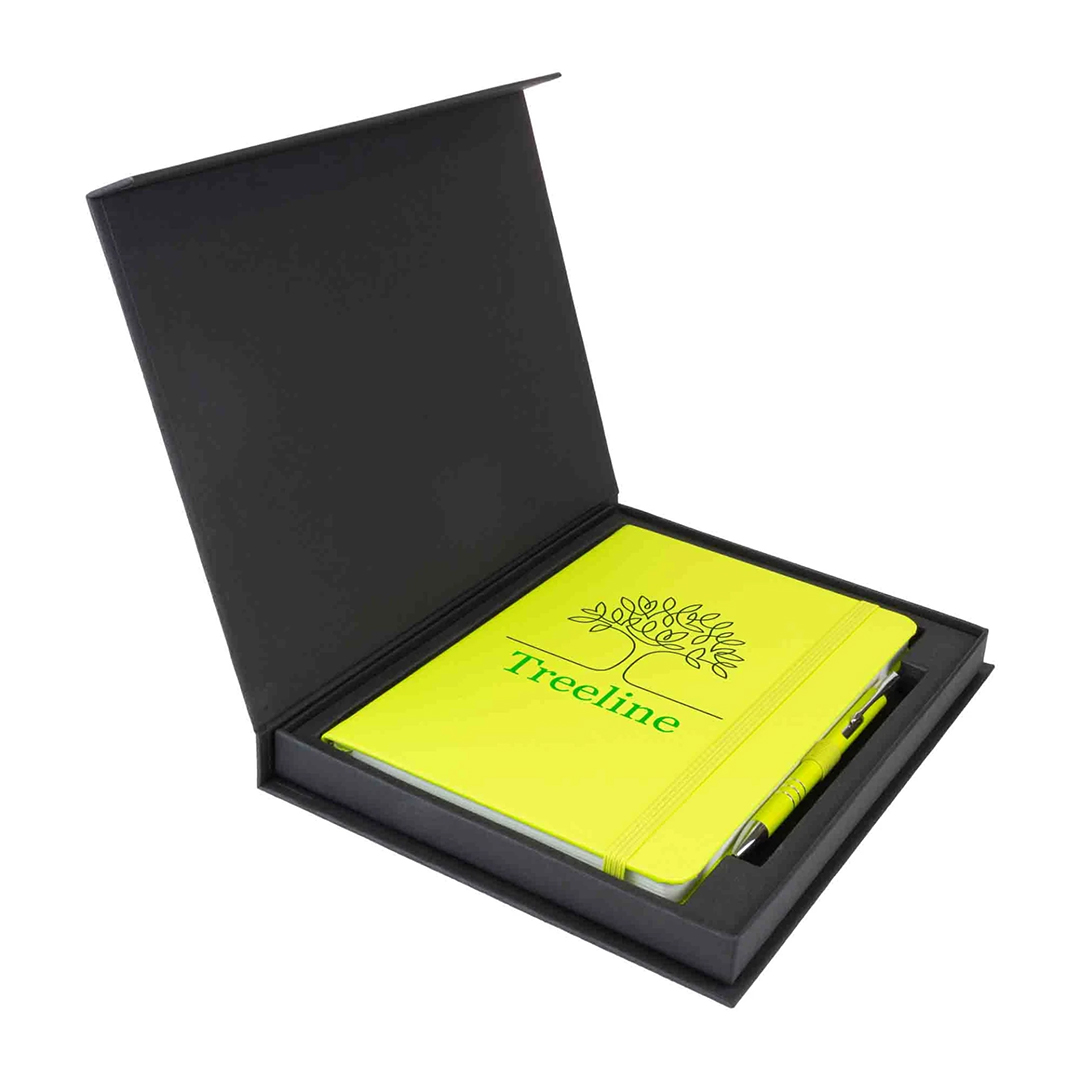
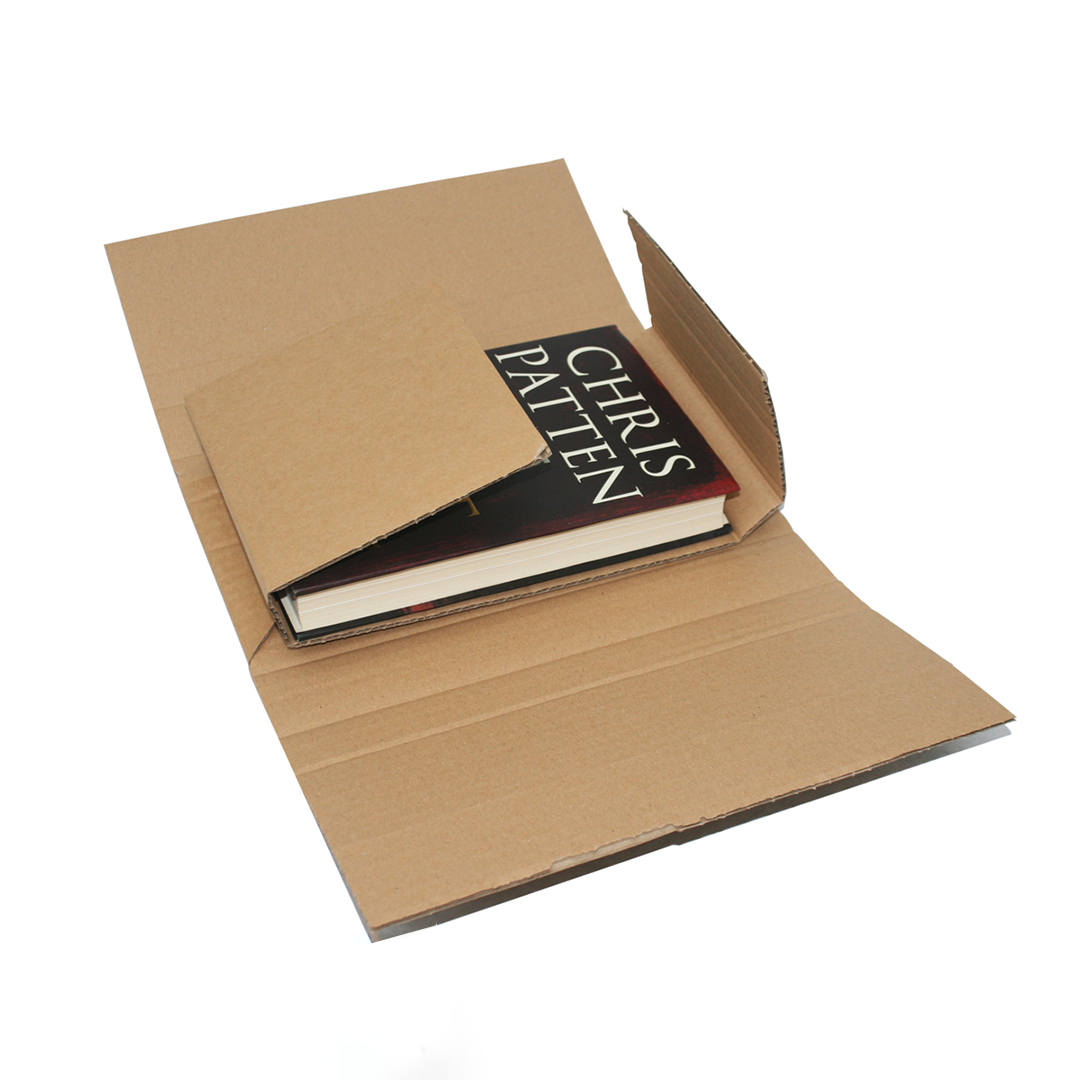
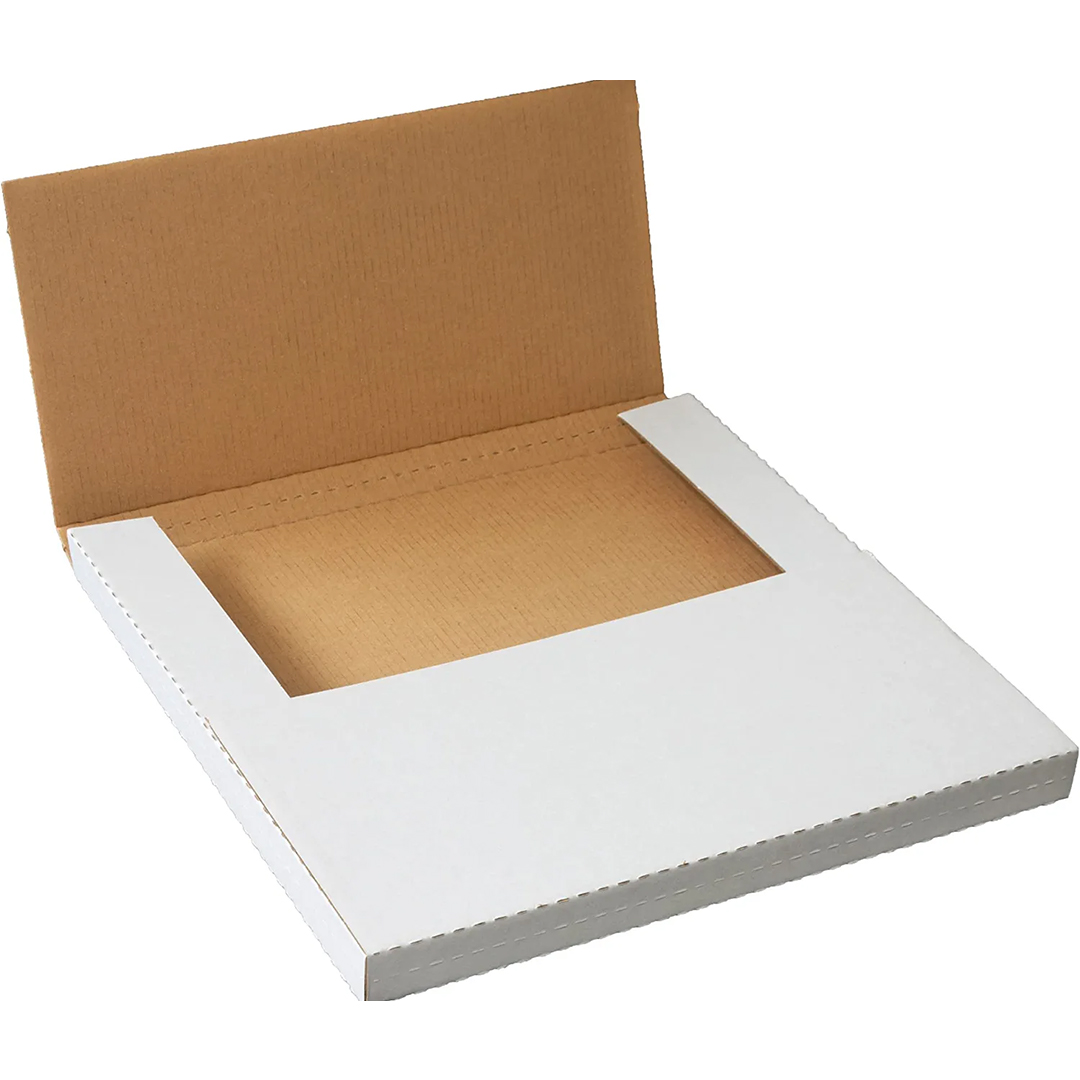
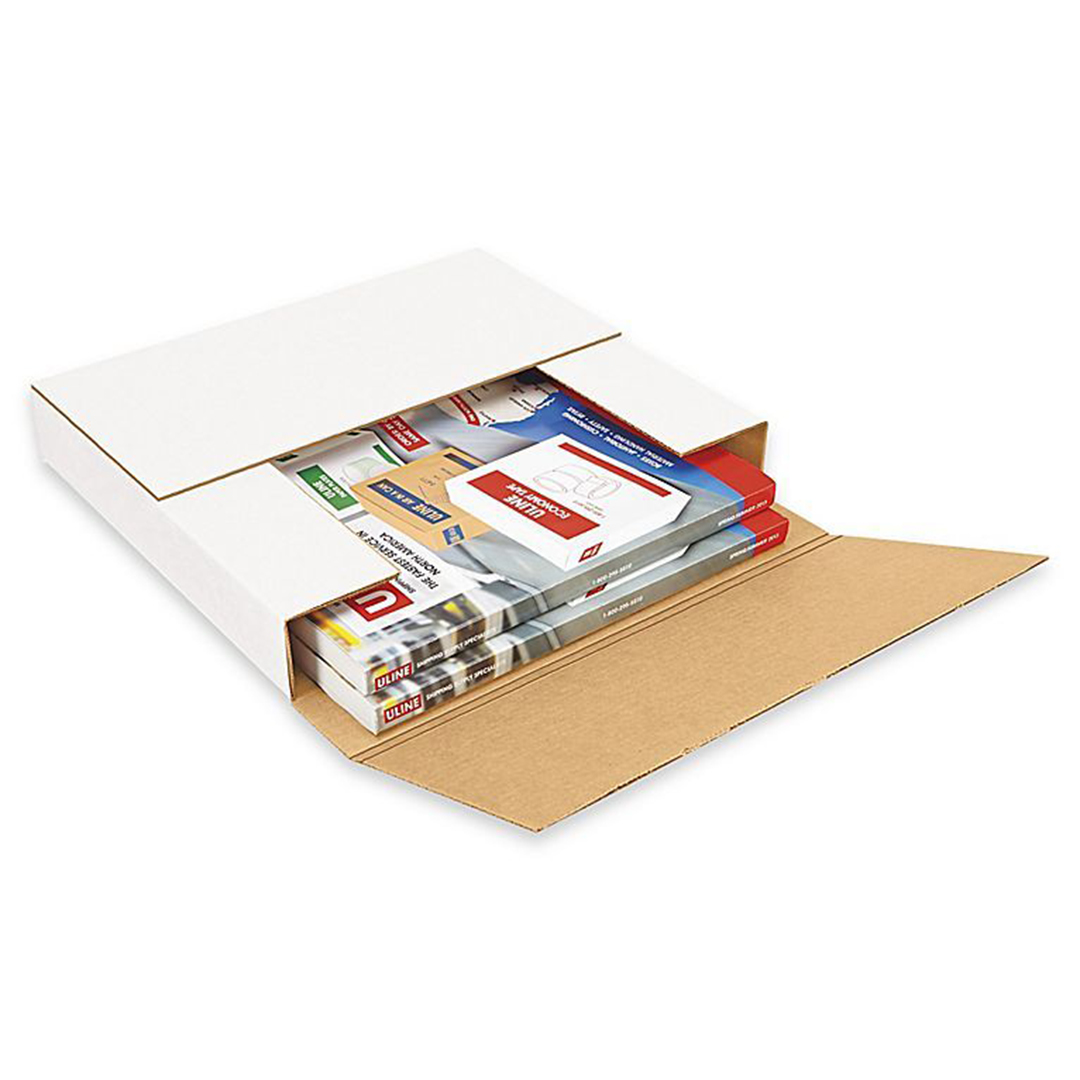
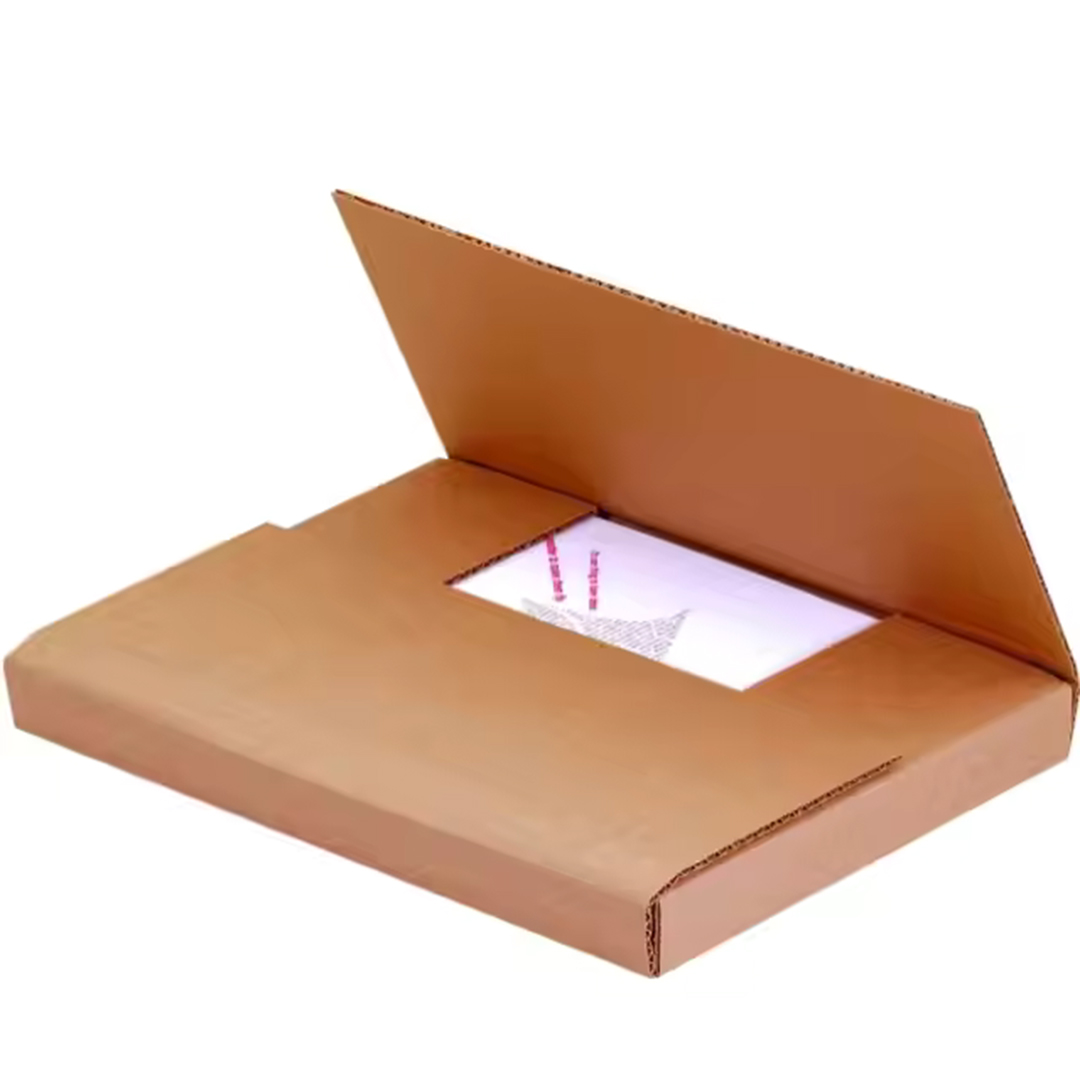
Cardboard Notebook Boxes help you pack diaries, journals, sketchbooks, planners, and slim accessories in a clean, stable format. Brands that build coordinated stationery lines often connect these cartons with Cardboard Stationery Gift Boxes so pen-and-notebook sets, study bundles, and office kits can share one consistent packaging family. Straight edges, short flaps, and dependable board grades support clear printing, easy handling, and tidy stacking across retail shelves and packing stations.
These cartons also make sense for multi-piece stationery combos where inserts, refills, stickers, or small accessories must stay protected without pressing into premium covers. Wider panels allow product labeling, cover previews, and size cues without crowding the layout. As collections grow, the same structural style can be adapted for seasonal patterns, corporate editions, or creative series while keeping the outer build familiar.
Notebook Cartons That Support Fast Packing Routines
Many teams prefer notebook cartons that hold their shape during daily movement and still look orderly in display blocks. A stable carton footprint helps staff create uniform shelf rows and predictable outer-case packing patterns. This reduces sorting time during replenishment and supports consistent brand presentation across multiple notebook variants.
When the size family stays controlled, mixed packs become easier to build without awkward gaps inside master cartons. This is useful for back-to-school lines, studio supply programs, and gifting periods where multiple formats ship together. Over time, the structure becomes a reliable base that teams can repeat without re-training or redesigning every cycle.
Key Handling Advantages
- Strong walls that protect edges and corners
- Flat tops that support clean stacking
- Wide faces for readable labeling and artwork
- Light inner pads for premium cover protection
- A consistent footprint for planned bundling
Simple Packing Steps For Stationery Sets
- Review notebook covers for dust, scuffs, or loose edges
- Place the book flat and add a light wrap if required
- Position add-ons so they do not press into the cover
- Close flaps firmly using tabs or secure sealing
- Mark the outer face with size, subject, or bundle codes
| Product focus | Recommended style | Inner support idea | Main usage scene | Handling guidance |
|---|---|---|---|---|
| Single premium notebook | Slim carton | Light wrap | Bookstores and gift shops | Keep spine orientation consistent |
| Multi-notebook study set | Wider carton | Simple dividers | Schools and supply programs | Balance the weight across the base |
| Gift pairing sets | Shallow rigid style | Segmented cavity | Online bundles | Separate hard add-ons from covers |
| Mixed stationery packs | Standard footprint carton | Layered pads | Office starter kits | Label clearly for quick sorting |
Daily Use Patterns In Offices And Retail
In offices, schools, and studios, notebooks move constantly between desks, lockers, and meeting rooms. Cardboard Notebook Boxes give each book or set a dedicated home that guards corners from bag wear, shelf scuffs, and routine handling. Clear face or spine printing helps teams identify project names, date ranges, and subject categories quickly across shared storage spaces.
Retail and e-commerce teams benefit when notebook cartons follow a structured family logic. This is where Cardboard Boxes By Functionality supports smarter planning by grouping notebook cartons into predictable sizes and performance categories. With consistent dimensions, staff can plan fixtures, racking, and pick locations more confidently during busy restock cycles.
Shared Footprints That Reduce Operational Friction
A predictable footprint allows mixed shipments to stay organized inside outer cases with fewer voids. This reduces product shifting and helps protect premium covers during longer routes. It also shortens repacking time when multiple formats land in the same warehouse zone.
Institutions appreciate this stability because repeat ordering becomes easier year after year. When carton sizes remain consistent, procurement teams spend less time re-validating load plans and case counts. The result is a cleaner distribution across campuses, corporate sites, and regional supply points.
Operational Benefits Teams Notice
- Faster shelf and fixture planning
- Less last-minute repacking in mixed orders
- Clearer labeling for subject and format sorting
- Lower risk of corner dents and edge wear
- Smoother contract renewals for institutions
Quick Pre-Dispatch Checks
- Confirm thickness against carton depth
- Add light pads for coated or textured covers
- Keep pens and hard items separated
- Seal consistently for longer routes
- Use visible outer labels for faster back-room handling
| Size family | Typical contents | Common order volume | Preferred outer case count | Stock management tip |
|---|---|---|---|---|
| Compact cartons | Pocket journals and memo pads | Frequent restocks | Higher unit counts | Link reorders to weekly reviews |
| Standard study cartons | A5 and office notebooks | Regular runs | Moderate counts | Tie volumes to term schedules |
| Large creative cartons | Oversized sketch formats | Batch-based | Lower counts | Mark for careful lifting |
Wholesale Planning For Notebook Carton Programs
Cardboard notebook cartons become far more effective when a brand or institution standardizes sizes across multiple notebook formats. This approach reduces redesign cycles and keeps storage layouts stable across seasonal updates. It also allows the same inner dimensions to remain constant while artwork refreshes for academic years, corporate campaigns, or limited-edition series.
For long-term sourcing, Cardboard boxes wholesale helps teams maintain a consistent purchasing rhythm without sacrificing presentation. When notebook cartons are ordered in bulk, organizations can control unit costs while keeping packaging aligned across departments, schools, or retail branches. This makes forecasting easier and supports smoother distribution planning.
Building Reliable Ranges For Institutions And Brands
Notebook collections often include lined, dotted, dated, undated, hardbound, and soft-cover variants. A structured carton system lets these variations feel related without confusing buyers or store staff. Repeating panel rules for size, page count, and purpose improves recognition across large assortments.
For corporate and academic buyers, stable carton geometry reduces operational friction. The same box style can be used for renewals with minimal changes to warehouse maps and dispatch rules. This consistency supports disciplined supply programs that run on fixed calendars and predictable contract cycles.
Wholesale Range Planning Points
- Group formats by size to stabilize core footprints
- Reserve one panel area for term dates or page counts
- Define case counts early to control carton weight
- Use simple icons for fast sorting
- Keep artwork systems steady across the family
Steps For Setting Up A Bulk Carton Program
- List notebook formats by size and thickness
- Assign shared footprints where practical
- Separate single packs from multi-item sets
- Approve repeatable panel layout rules
- Run pilot stacks with real outer shippers
| Program type | Typical contents | Order pattern | Preferred case logic | Extra planning note |
|---|---|---|---|---|
| Education supply runs | Class notebooks and planners | Term-based | Balanced counts | Align to academic calendars |
| Corporate starter sets | Meeting books and inserts | Contract-based | Standardized cartons | Keep branding zones consistent |
| Retail seasonal drops | Gift notebooks and curated sets | Campaign-based | Lighter case loads | Add simple inner pads |