
Cardboard Muffin Boxes

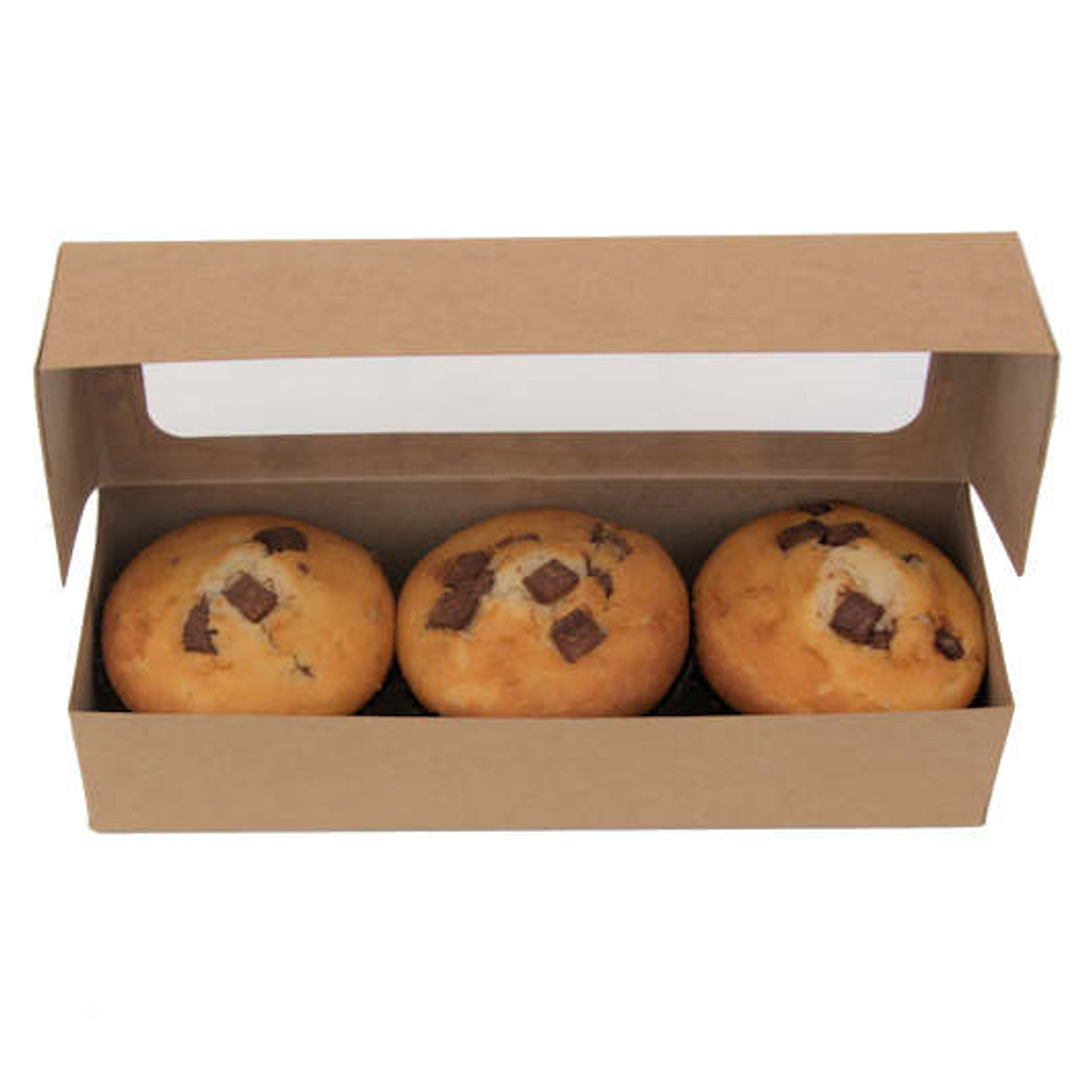
Cardboard muffin boxes help bakeries keep muffins upright, fresh, and visually appealing during transport and shelf display. Many sellers trust Shop Cardboard Boxes for consistent muffin packaging in multiple sizes, depths, and branding styles that match their bakery theme.

Description

Cardboard Muffin Boxes for Organized and Safe Muffin Presentation

Cardboard muffin boxes help bakeries organise muffins, protect delicate toppings, and maintain a presentable look for customer display. These boxes support Cardboard Donut Boxes and other related packaging styles in a single visual family, so muffins, donuts, pastries, and snack items can all follow similar colours and layouts on shelves. Short lines improve clarity, and simple structures give bakery owners clean packaging for daily sales and special orders.

These boxes handle regular, jumbo, and mixed-size muffins with layouts that keep each piece steady. Cardboard muffin boxes wholesale ranges let bakeries choose footprints and cavity styles that match their oven trays and serving patterns. This combination helps maintain topping height, prevent damage during transport, and keep the display section looking tidy throughout the day.

How Muffin Boxes Improve Daily Handling

These boxes improve the baking workflow and the customer experience by turning loose products into organised sets. Staff can pre-pack muffins during quiet periods and move ready-made boxes to counters when traffic increases. Clear outer faces allow labels, flavour names, and branding to stay easy to read for customers who make quick decisions.

By keeping muffins in separate positions, packaging reduces crushed toppings, smudged icing, and confusion between flavours. Orders become easier to track because each box shows how many pieces and which varieties are inside. This makes it simpler to handle call-ahead orders, online orders, and walk-in counter sales using the same core packaging style.

Benefits for busy bakery counters

  • Protect soft toppings from pressure during stacking and handling
  • Maintain neat shelf arrangement during rush hours and peak times
  • Keep muffins from rolling or shifting inside the box
  • Offer organised space for branding, flavour names, and labels
  • Maintain perceived product quality during delivery and takeaway
  • Help staff refill shelves faster with pre-packed sets
  • Reduce accidental damage when trays move from oven to display
  • Support labelling for assorted flavours in one box

Daily-use advantages for staff and owners

  1. Easier portion control when packing standard box counts
  2. Faster preparation of event or office orders using repeat layouts
  3. Clearer flavour separation when mixing multiple recipes
  4. Smoother stock rotation on shelves and in storage fridges
  5. Simple training for new staff using familiar box footprints
  6. Better presentation in photos for menus and online listings
  7. Reduced need for loose bags and improvised packaging
Feature Description Material Print Use
Everyday muffin pack Clean layout with simple cavity structure White or kraft CMYK Tea muffins, daily display
Deep muffin pack Extra height to support rich frostings Thick board PMS Jumbo muffins and tall bakes
Single-piece muffin pack Compact format for single servings Light board Minimal art Individual sale at counters
Gift muffin pack Decorative outer look for gifting Solid card Full colour Events, special occasions

Large cardboard muffin boxes For Bulk And Catering

Large cardboard muffin boxes help caterers and bakeries store more muffins in one structure without damaging toppings or wrappers. These boxes are planned for trays that must move quickly between kitchen, loading area, and event venue. Many event planners refer to ranges like Custom Cardboard Boxes when they want muffin packaging to align with other food items, using similar board strengths and shapes across their menu.

The large footprints give enough space to arrange multiple rows while keeping each muffin separated. Designs that resemble styles used by value-focused buyers work well when cost control matters but the product still needs stable travel support. Deeper internal space and optional inserts help keep frosting height undisturbed, especially when vehicles travel over longer routes or uneven roads.

Why Large Muffin Boxes Support Bulk Orders

Large muffin boxes reduce the time spent arranging separate small packs and make bulk orders more manageable for staff. Instead of loading many small units, teams can group whole batches into a few larger boxes, which simplifies counting and labelling. Clear outer faces allow event names, delivery notes, or flavour lists to be added where needed.

For weddings, corporate events, and school functions, bulk boxes help kitchens prepare in advance and move trays in a predictable pattern. When box sizes are standardised, it becomes easier to plan shelf space, refrigeration areas, and vehicle loading sequences. Inserts or dividers can be added to further control movement between flavours and topping styles.

Practical benefits for bulk and catering work

  • Support large quantities of muffins in one organised layout
  • Maintain separation between flavours and topping styles
  • Allow fast handling in event and catering kitchens
  • Keep frosting shapes intact during movement and stacking
  • Useful for weddings, receptions, and large catering contracts
  • Help keep assorted flavours aligned for serving staff
  • Reduce time needed for packaging individual smaller units
  • Support stable stacking in vehicles and storage rooms

Reasons catering teams rely on bulk layouts

  1. Fewer boxes to label and monitor during transit
  2. Easier distribution of portions across multiple tables or service points
  3. Better control over flavour counts per event or order
  4. More efficient use of shelving and fridge space
  5. Consistent presentation across many boxes in the same event
  6. Lower risk of misplaced or forgotten small packs
  7. Smoother clean-up and return of empty packaging
Type Size Material Finish Best Use
Large multi-unit pack Wide internal layout Cardboard Matte Catering and central kitchen work
Deep frosting pack Extra height allowance SBS Gloss Decorated muffins with high toppings
Transport pack Reinforced base and sides Corrugated Soft matte Delivery service routes
Mixed-flavour pack Dividers inside for separation White board Clean print Gift sets and varied assortments

Cupcake Boxes Individual For Retail Counters

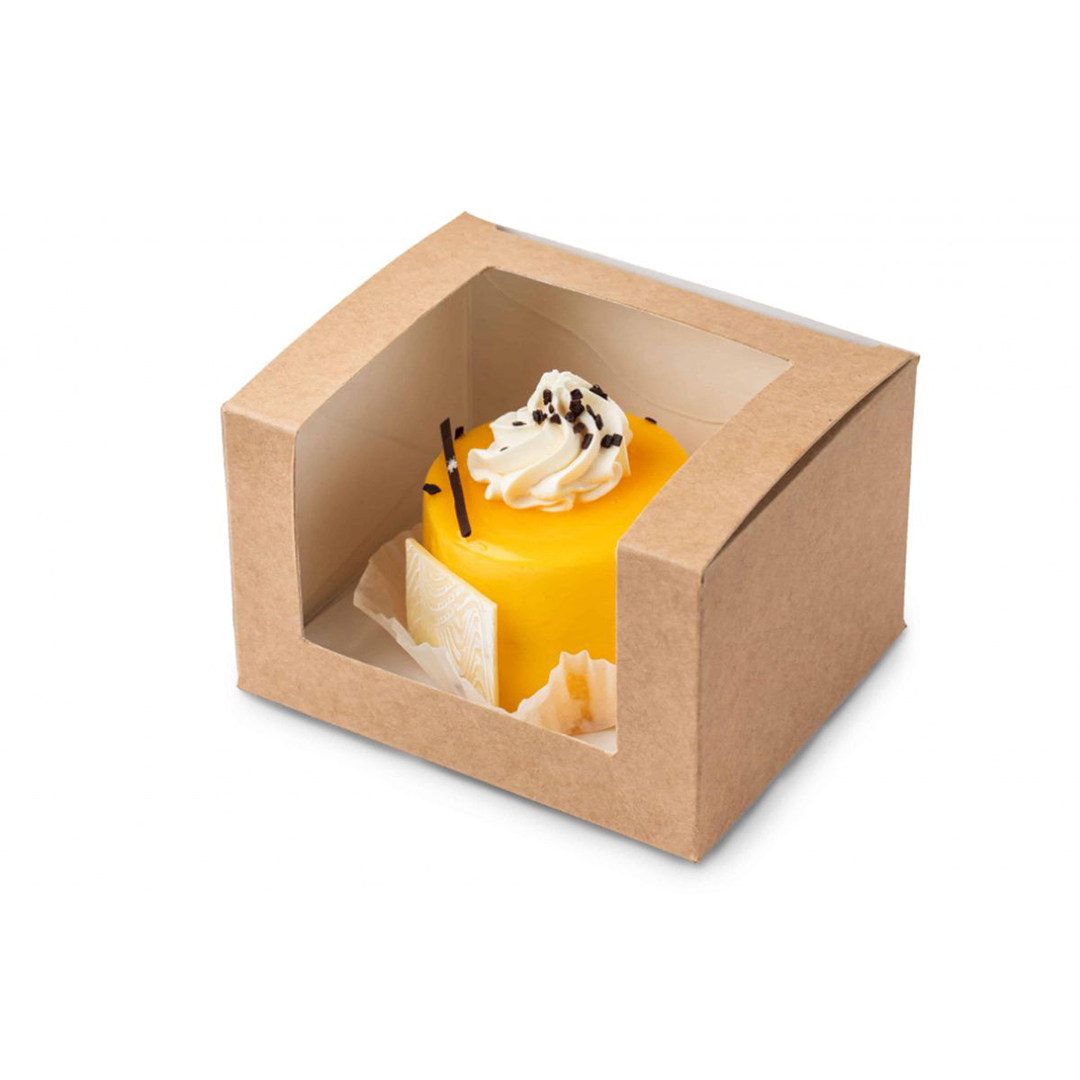
Cupcake boxes individual give customers an easy takeaway option for single muffins or cupcakes. These small boxes keep each portion separate from others, and many bakeries group this style within broader ranges such as Food Related Cardboard Boxes so muffin, donut, and pastry packaging follows a similar look across their display sections. Customers can pick one item without disturbing full assortments or larger trays.

Small footprints also help cafés and bakeries fit more units in limited counter or display space. Labels, flavour names, and small graphics can be placed on the lid or front panel, making it simpler for staff to hand over the correct item. For pop-up stalls and markets, individual units provide a clear way to present premium or showcase products.

Why Single-Serve Muffin Boxes Matter

Single-serve boxes support both customer choice and operational control. They make it straightforward to offer trial flavours, limited specials, or premium priced items without redesigning large assortments. When a buyer takes a single muffin, the box protects toppings from contact with bags or surrounding items.

These packs also help with portion control and pricing, because each unit has a clear value and presentation. For food stalls, festivals, and mobile cafés, individual boxes can be pre-packed in advance and kept ready for high-traffic times, reducing delays at the point of sale.

Benefits of individual muffin and cupcake boxes

  • Provide easy grab-and-go handling for customers
  • Keep muffins stable during short trips and commutes
  • Allow simple labelling for flavours and special recipes
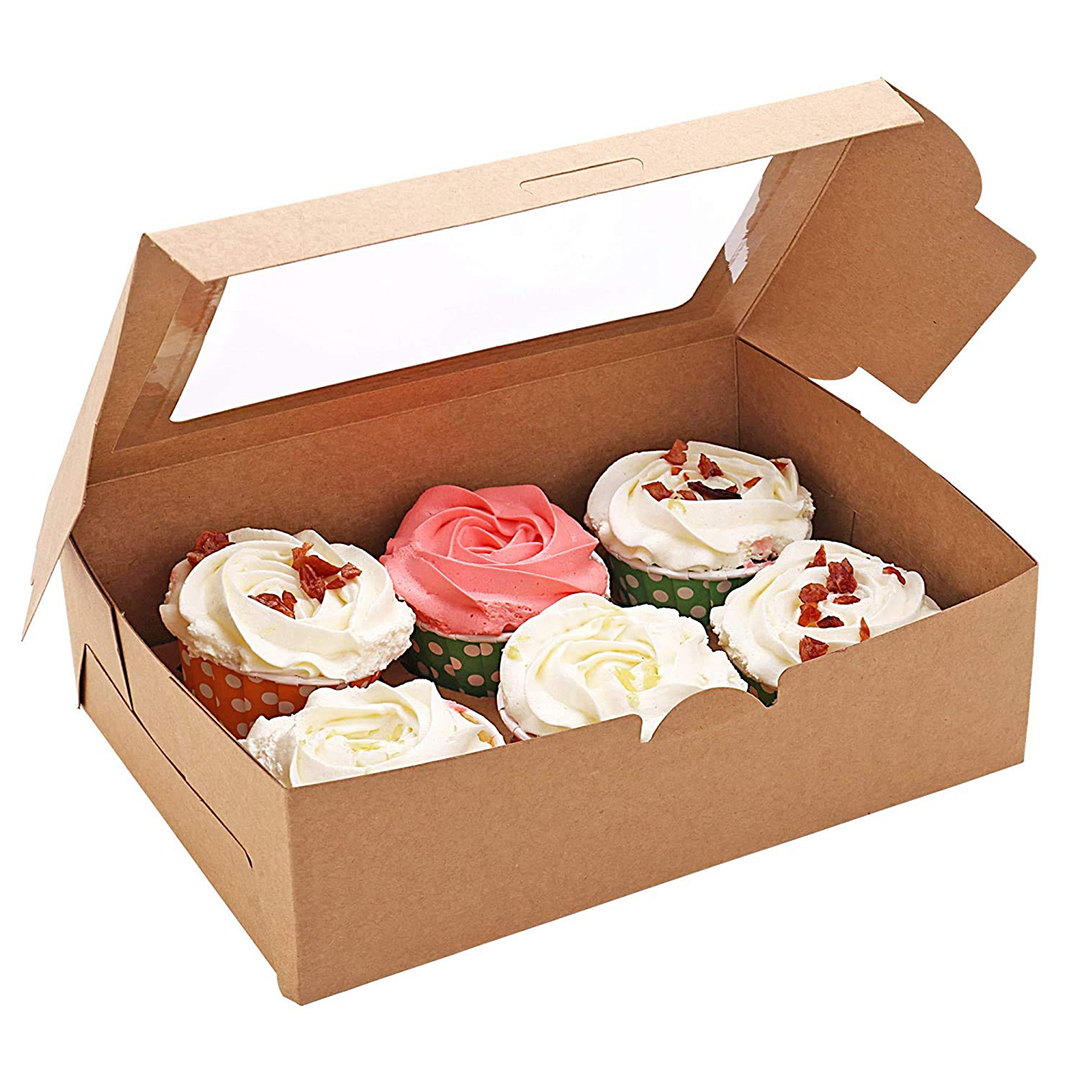
  • Support window options so buyers can see the product
  • Work well for café counters, kiosks, and pop-up stalls
  • Support food stalls during seasonal markets and events
  • Allow clean flavour separation between different recipes
  • Improve perceived value through tidy presentation

Operational advantages for single-serve formats

  1. Clear portion sizing and straightforward pricing per unit
  2. Easier upsell of drinks or side items with each muffin
  3. Simple allocation of stock between multiple display points
  4. Reduced risk of handling errors when customers choose quickly
  5. Faster packing for online or phone orders with small item counts
  6. More control over which products are promoted at the front counter
  7. Flexibility to test new recipes without changing core packaging
Unit Style Material Print Application
Single cupcake unit Window cut front or top Kraft Digital Cafés and coffee bars
Mini muffin unit Compact footprint White card CMYK Bakeries and snack kiosks
Frosting-safe unit Deep internal height Cardboard PMS Decorated muffins and cupcakes
Retail mini pack Small opening and handle SBS Full colour Market displays and fairs

Cupcake Boxes With Inserts For Extra Holding Support

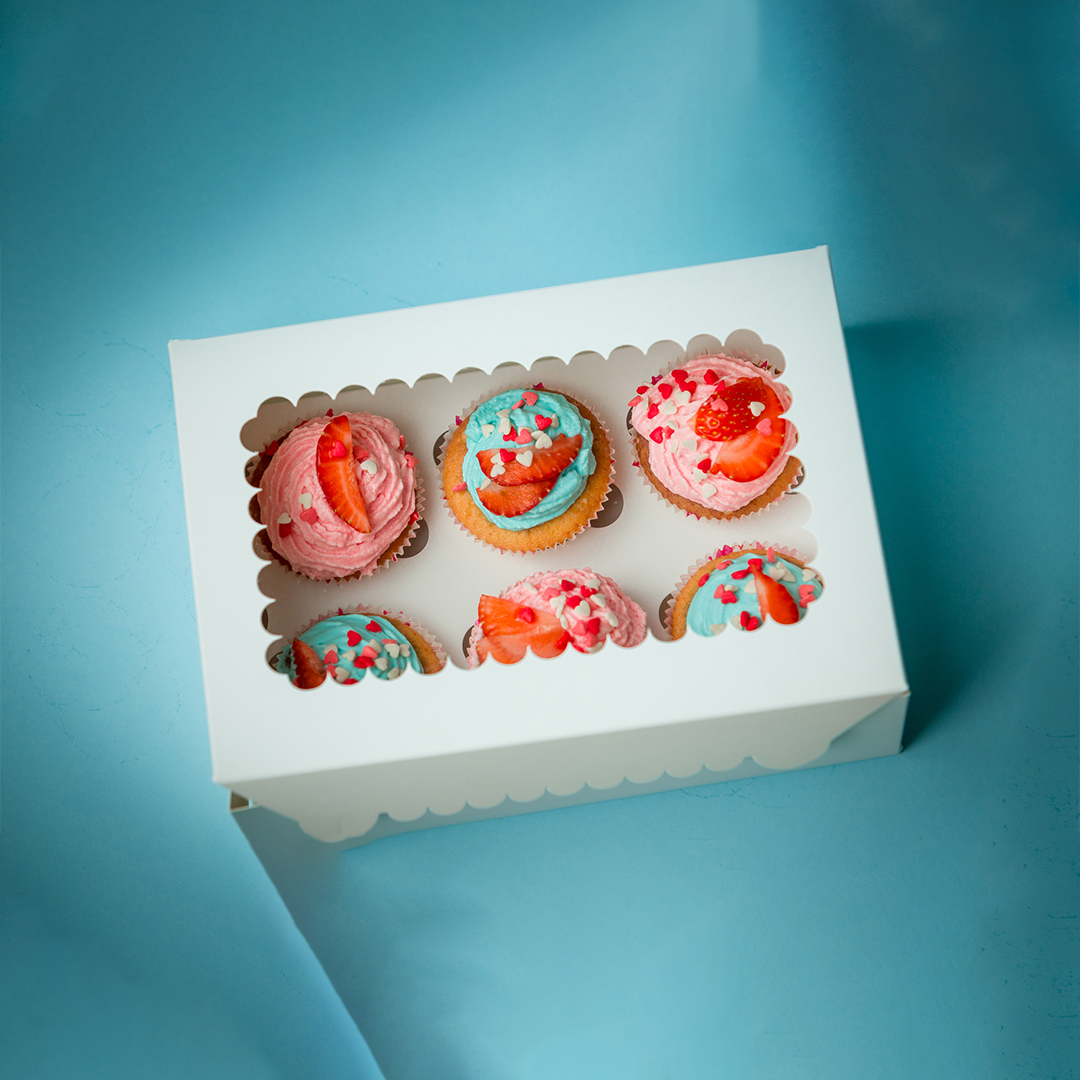
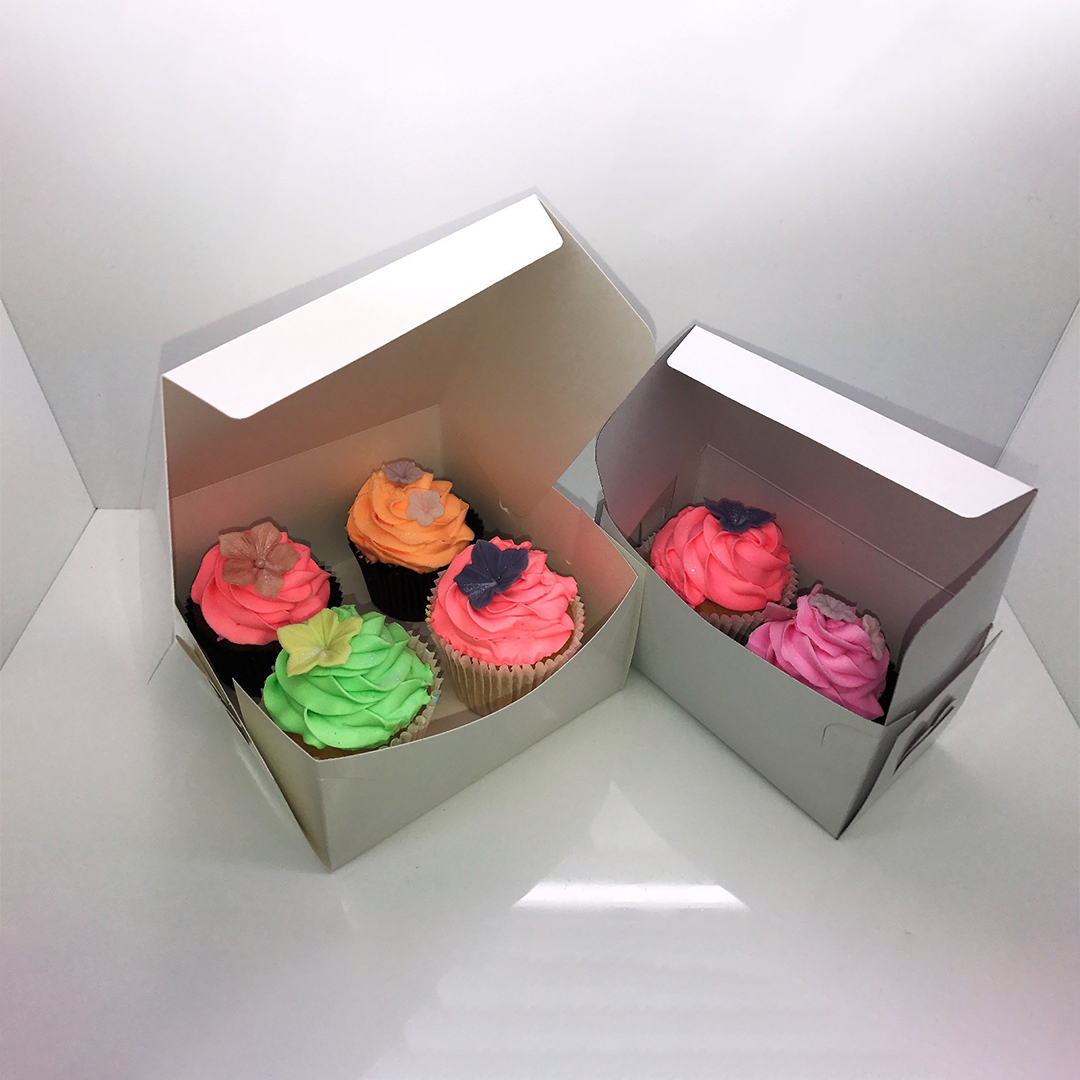
Boxes with inserts prevent muffins from sliding inside and help protect the top decoration during movement. Each cavity holds a single piece, so toppings, icing, and decorative elements have less chance of touching other items or the inside walls of the box. This structure is especially useful when products have tall, detailed frosting.

Inserts can be designed for different diameters and heights, matching the bakery’s common pan sizes. By aligning cavity spacing with the layout of the box, brands can create a regular grid that looks balanced when the lid is opened. This also helps staff load boxes quickly, because every position for a muffin is clearly defined.

How Inserts Maintain Muffin Stability

Inserts keep every muffin in its own slot so that movement does not disturb shape or decorations. When vehicles start, stop, or turn, the base of the muffin stays located in the insert cut-out instead of sliding across a flat surface. This reduces smudging between flavours and protects toppings that are sensitive to vibration.

For mixed assortments, cavity rows make it easier to plan how many pieces of each recipe are included. Flavour labels, stickers, or printed maps can match each row or column, helping customers and servers identify options quickly. This layout also supports photography, because each piece sits upright and clearly visible.

Benefits of using inserts in muffin packaging

  • Avoid smearing of frosting during transport and handling
  • Keep muffins upright and separated inside the box
  • Reduce cross-flavour smudge between different recipes
  • Provide uniform spacing that looks neat when opened
  • Useful for delivery riders and courier services
  • Ideal for assorted packs that mix multiple flavours
  • Improve shelf organisation in fridges and display cases
  • Protect themed muffins designed for events and celebrations

Reasons bakeries choose insert-supported designs

  1. More control over muffin position during long routes
  2. Easier counting and quality checks before orders leave the kitchen
  3. Stronger visual impact when customers open the lid
  4. Better protection for high-value or decorated pieces
  5. Reduced need for extra padding materials inside the box
  6. Simpler planning for multi-flavour gift selections
  7. Consistent look in photos for menus and advertising
Insert Slot Size Material Best Fit Use
Standard insert Regular cup size Cardboard Small muffins Retail boxes and counters
Jumbo insert Wide slot diameter Thick board Jumbo muffins Delivery and catering
Multi-slot insert 4–12 units per tray Rigid card Mixed packs Events and party assortments
Deep insert Tall cut for high toppings SBS Frosted muffins Catering for decorated pieces

Extra Muffin Packaging Options For Bakery Sellers

Bakers also use foldable, window-style, and decorated muffin boxes to support large menus and theme-based packaging. Different structures allow the same recipes to appear in everyday, festive, or premium formats depending on the occasion. Flat-packed options help save storage space while still opening into stable shapes at the packing table.

By planning a small family of box styles, bakeries can cover regular sales, seasonal promotions, and event work without managing too many separate packaging lines. Window openings, colour schemes, and handle styles all contribute to how products are perceived by customers walking past a display.

Packaging Characteristics That Support Muffin Sales

By using different structures, bakeries can fit muffins of various heights and flavours into boxes that make sense for each situation. Taller designs support generous frosting, while lower profiles suit simpler everyday recipes. Coordinated graphics and colours help customers recognise the brand even when box structures change.

Multi-flavour boxes also become easier to handle when dividers, inserts, or windows are chosen with purpose. Customers can see enough of the contents to make confident choices, and staff spend less time answering basic questions at busy counters. Over time, a steady mix of box styles builds familiarity and trust in the bakery’s overall presentation.

Helpful packaging features for driving muffin sales

  • Window options that show products without opening boxes
  • Strong edges to support frosting height and decoration
  • Smooth surfaces ready for printing or labelling
  • Dividers that separate assorted muffins by flavour
  • Designs that help build seasonal or themed ranges
  • Layouts that improve retail shelf order and visibility
  • Options that support multi-flavour and mixed boxes
  • Structures that make selection easier for buyers

Ways bakeries use different muffin box styles

  1. Window packs for highlighting signature or premium recipes
  2. Foldable designs for efficient storage and quick assembly
  3. Tall designs for heavily frosted or decorated muffins
  4. Colourful celebration packs for birthdays and holidays
  5. Neutral kraft styles for everyday café and bakery use
  6. Special-edition prints for short campaigns or collaborations
  7. Small-run designs to test new menu items or flavour lines
Style Description Material Finish Best Use
Window muffin pack Top or front visibility panel Kraft Matte Retail displays and signature items
Foldable design Ships flat, opens at packing time Cardboard Gloss Delivery and space-saving storage
Tall design Deep internal space for toppings Thick stock Soft matte Decorated muffins and cupcakes
Celebration pack Colourful outer theme SBS Premium print Events, parties, and seasonal ranges
Feature focus Description based on muffin box use Capacity or format range Material options commonly used Insert or divider choices Typical bakery application
Everyday muffin pack Simple layout for daily counter sales and tea-time recipes 2–12 muffins per box White card, natural kraft Optional flat base or light insert Regular bakery shelves and coffee bar displays
Deep muffin pack Extra internal height for rich frosting and tall decorations Jumbo or tall muffins in single or multi rows Thick board, SBS Deeper cavities or raised tray Signature muffins and decorated specials
Single-piece unit Compact format for single-serve portions and grab-and-go orders 1 muffin or cupcake per box Light cardboard, kraft No insert or small cut-out base Café counters, kiosks, food stall takeaway
Gift muffin pack Decorative outer look for gifting and special occasions 4–24 assorted pieces Solid card, smooth white board Branded inserts or dividers Events, birthdays, festive gifting and office treats
Bulk muffin carrier Larger footprint to move many muffins in one structure Multi-row layouts for catering volumes Cardboard, light corrugated Optional full-size tray or partition grid Catering kitchens, weddings, school and corporate events
Transport-focused box Reinforced base and sides for travel Varies by route and delivery method Corrugated with smooth inner face Flat base or snug insert Delivery services and long-distance orders
Window-style pack Clear view of products without opening lid Small to medium assortments Kraft with PET window Flat base beneath cavities Retail displays and “hero” muffins at the front counter
Insert-supported design Individual slots to keep every muffin upright 4–12 cavities per tray Cardboard, rigid card, SBS Standard, jumbo, multi-slot, or deep insert Assorted flavour boxes, decorated muffins, tasting sets


1. What are cardboard muffin boxes used for in a bakery?

Cardboard muffin boxes are used to hold single or multiple muffins in a stable, hygienic way for display and takeaway. They help keep toppings safe, separate flavours, and prevent products from rolling or squashing together. Bakeries also use them to organise orders for events, catering, and online deliveries.

2. How many muffins can typically fit in one muffin box?

The capacity depends on the chosen footprint and insert layout. Common formats include single-serve boxes, small sets of four or six, and larger assortments holding twelve or more muffins. Bakeries often select a small family of sizes so they can cover everyday sales and bulk orders with the same style of packaging.

3. Are cardboard muffin boxes strong enough for delivery services?

Yes, when the correct board grade and design are chosen, they are suitable for most local delivery routes. Reinforced bases and snug inserts help hold muffins in place so toppings and wrappers stay intact. Many bakeries test sample boxes on short runs before standardising them for regular delivery use.

4. What materials are commonly used for muffin packaging boxes?

Most muffin boxes use white or kraft cardboard, SBS, or light corrugated board depending on the weight and route to market. Thicker grades are chosen for taller muffins, heavy toppings, or bulk catering trays. Lighter stocks work well for single units and small sets that move mainly across counters.

5. Do I need inserts inside my cardboard muffin boxes?

Inserts are helpful when muffins have tall frosting or when multiple flavours share the same box. They keep each piece in its own cavity, which reduces smudging and movement during handling. For simple recipes and very short journeys, some bakeries prefer flat bases without inserts to keep costs lower.

6. Can cardboard muffin boxes be used for cupcakes as well?

Yes, the same structures can usually hold both muffins and cupcakes if the cavity sizes match the baking pans. Many bakeries choose inserts that fit standard cup diameters so one packaging line can support several product types. This makes it easier to plan stock and re-ordering across the whole menu.

7. How do window muffin boxes help with retail display?

Window muffin boxes let customers see toppings, colours, and decoration without opening the packaging. This visibility can encourage impulse purchases and makes it easier for staff to show products quickly. Bakeries often use window styles for signature recipes and premium decorated pieces near the front of the display.

8. What box styles work best for bulk and catering muffin orders?

For catering and events, larger multi-unit packs with deeper interiors usually work best. These boxes allow multiple rows of muffins to travel in one structure while inserts or dividers keep flavours separate. Reinforced bases and walls help maintain shape when boxes are stacked in storage or vehicles.

9. Are kraft muffin boxes suitable for branded printing?

Yes, kraft muffin boxes accept printing for logos, text, and simple artwork when correct inks and processes are used. The natural background gives a more rustic or handmade look that many bakeries prefer. For vivid colours and complex images, smooth white board is often selected instead.

10. How can I choose the right height for my muffin boxes?

Start by measuring the tallest muffins including frosting and any decoration on top. Add enough clearance so the lid closes without touching the surface of the product, even when boxes are moved or stacked. Testing a few sample sizes with real baked goods helps confirm the most reliable height.

11. Do cardboard muffin boxes help with flavour organisation?

Yes, they make it easier to group flavours into rows or sections so customers can see choices clearly. Inserts and dividers keep each recipe in its own position, which reduces mixing or smearing between toppings. Clear labelling on the outside of the box then completes the flavour map for staff and buyers.

12. Can muffin boxes be stored flat to save space?

Many designs are supplied flat and folded into shape when needed, which saves storage space in small bakeries. Foldable formats are especially useful for seasonal peaks, because extra stock can be kept without filling the whole storeroom. Assembly is usually quick once staff are familiar with the crease lines and locking points.

13. Are cardboard muffin boxes recyclable after use?

Most plain or lightly printed cardboard muffin boxes are widely recyclable once food residue is removed. Customers are often encouraged to empty crumbs and separate liners before placing boxes into paper recycling streams. Some bakeries also mention recycling guidance on the packaging to support responsible disposal.

14. How do muffin boxes support hygiene at busy counters?

Individual units and enclosed assortments keep products covered, protecting them from direct handling and airborne contact. This structure reduces the need for open trays that customers might accidentally touch. Sealed or semi-sealed boxes also help staff move items between display, storage, and packing areas without frequent re-wrapping.

15. What should I check before finalising a muffin box design?

Check that the box fits your most common muffin sizes, holds inserts securely, and closes without pressing on toppings. It is also important to test how the packaging behaves in stacking, transport, and cold storage if you use fridges. Printing clarity, label space, and ease of assembly should all be reviewed before placing a larger order.

Let’s work together

Get in touch today and receive a complimentary consultation.