
Cardboard Medical Device Packaging

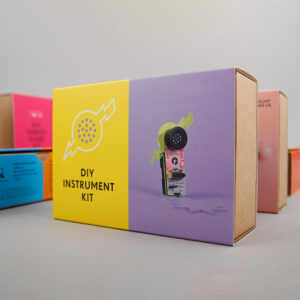
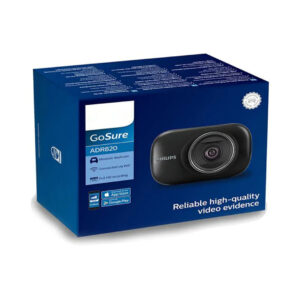
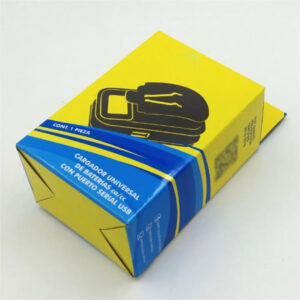
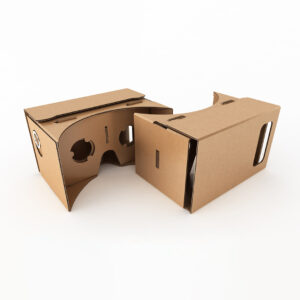
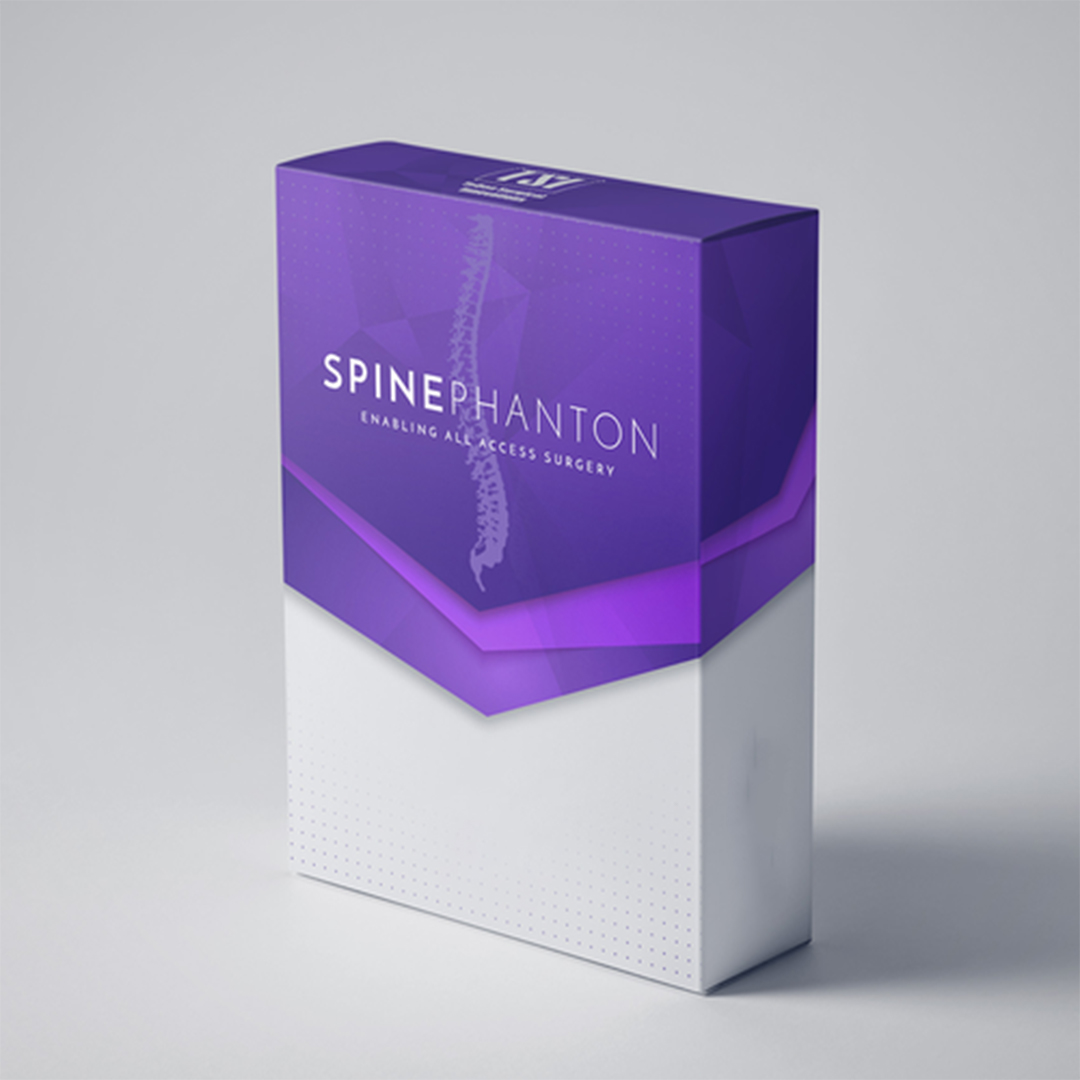
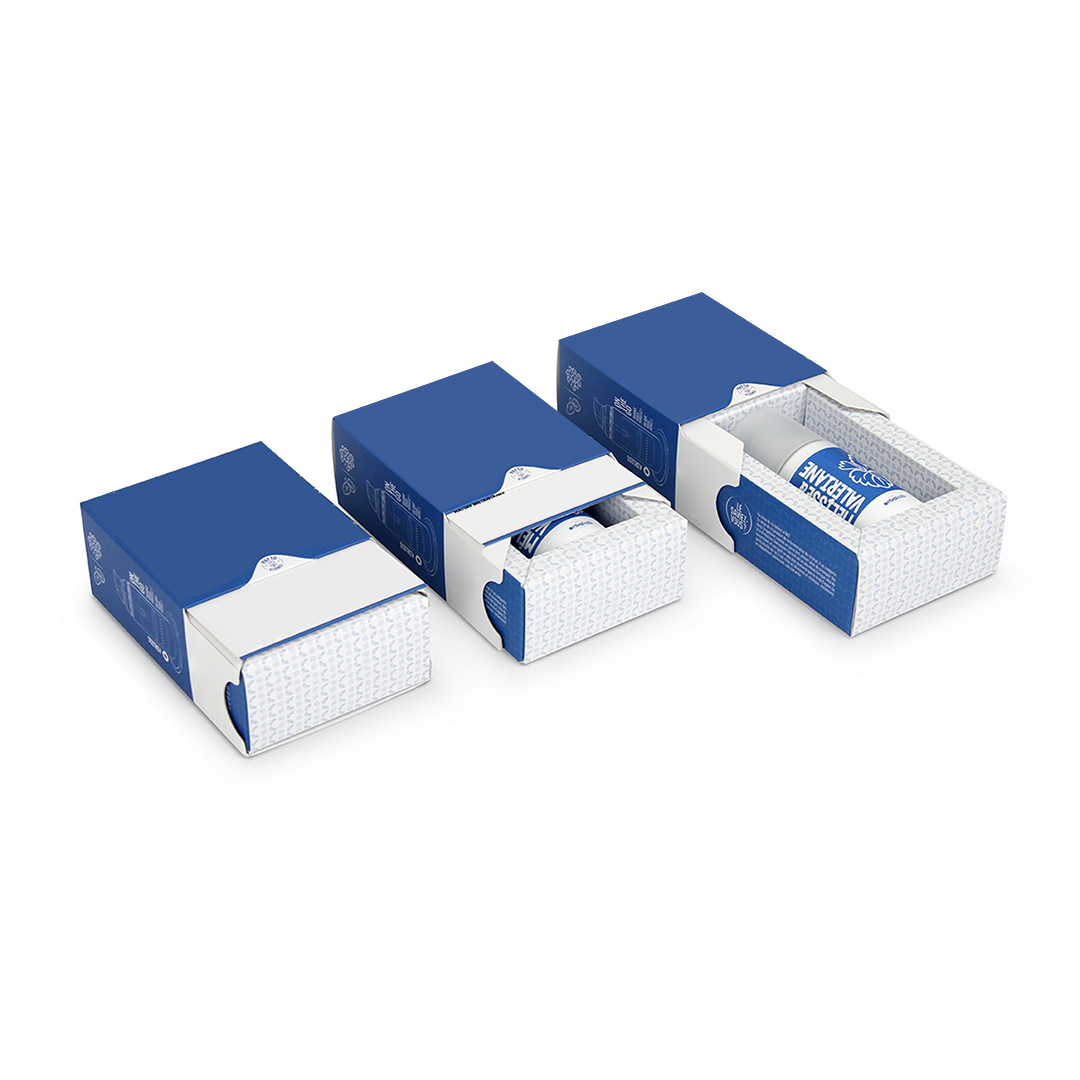
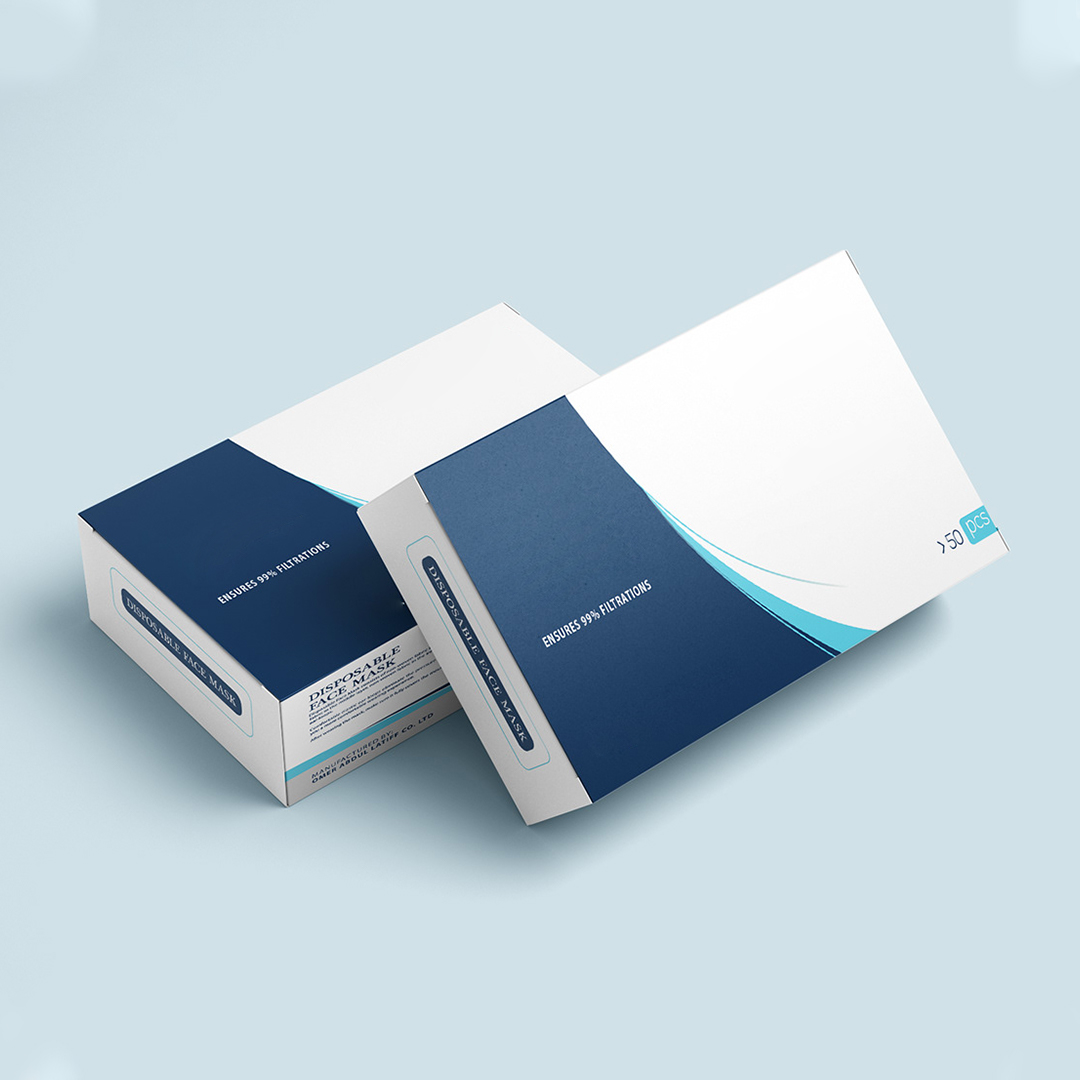
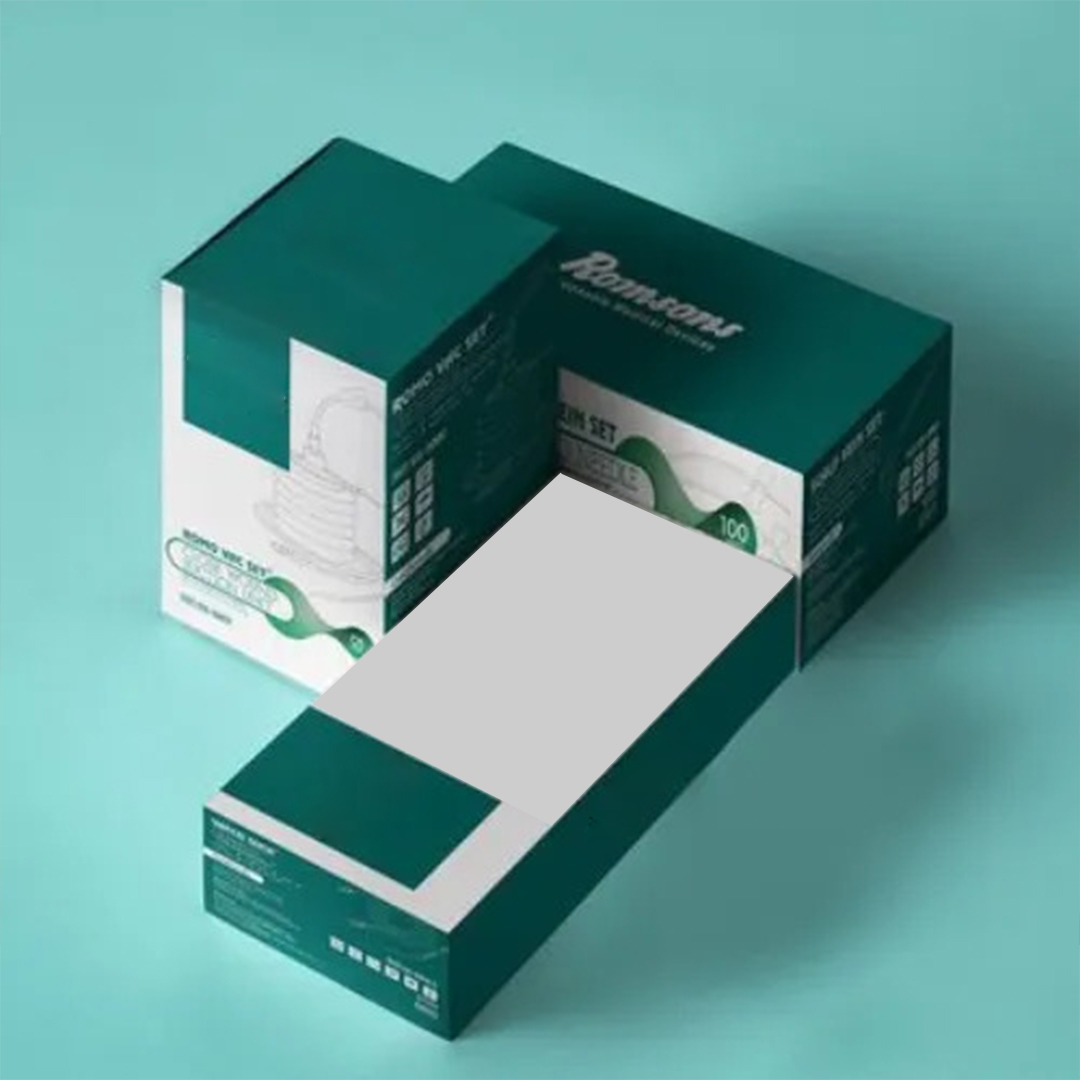
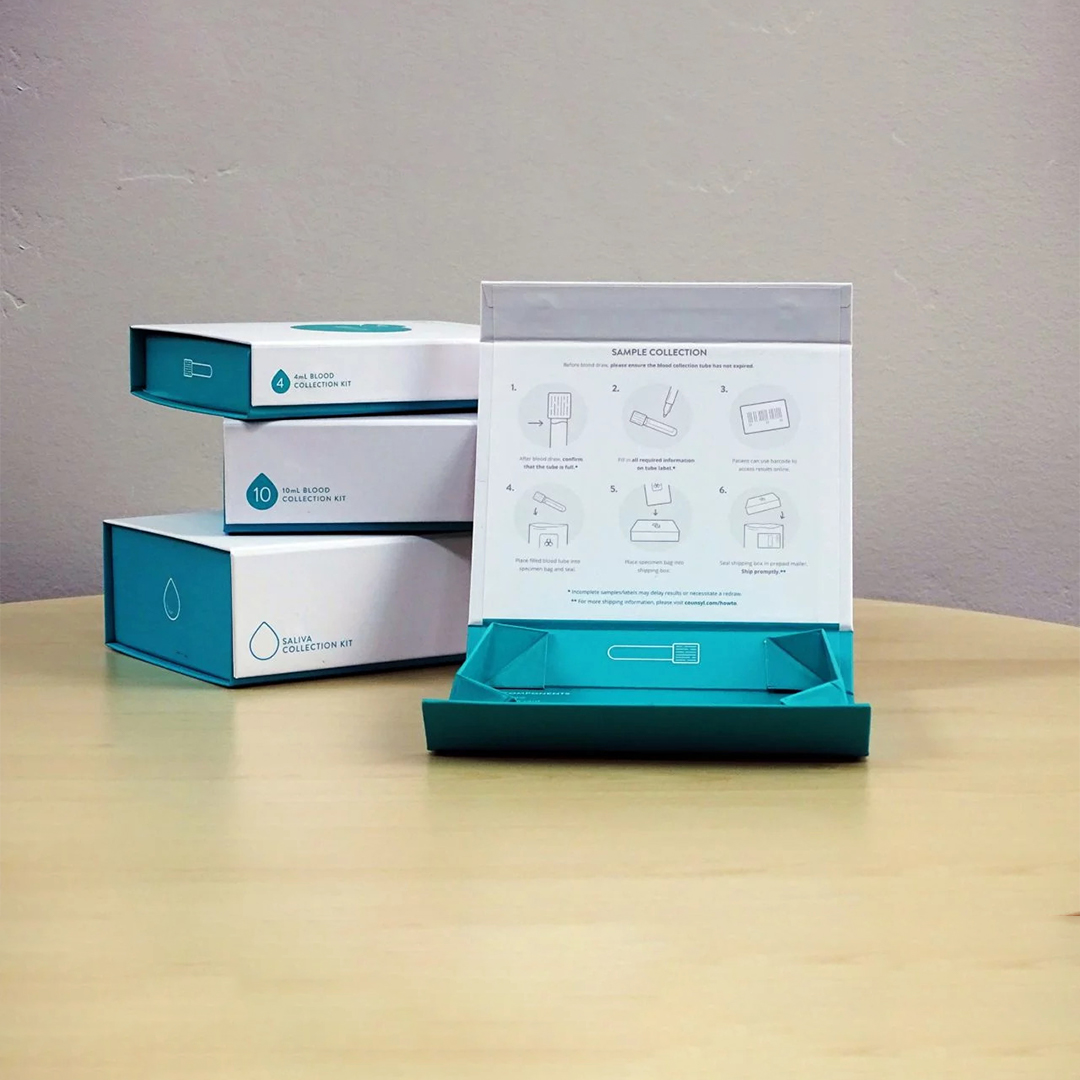
Cardboard Medical Device Packaging helps hospitals, clinics, labs, and homecare brands ship devices, procedure kits, and disposables in clean, clearly labeled cartons that protect sensitive parts during storage, handling, and transport. Through Shop Cardboard Boxes you can set up Cardboard medical device packaging manufacturers style programs with bulk runs, custom sizes, gloss or matte coatings, Spot UV, and fast lead times so your Medical packaging stays aligned from central warehouse to ward shelf and patient delivery.

Description

Cardboard Medical Device Cartons For Fast Workflows

Cardboard Medical Device Packaging helps clinics, labs, and homecare brands control how instruments, kits, disposables, and monitoring units move through daily care. Cardboard Supplement Boxes often sit alongside device cartons when healthcare brands also manage wellness ranges under one shelf style. This approach supports calm identification, quicker label reading, and safer stock rotation in busy environments where staff need the right details without opening packs.

These cartons also help teams standardize Medical packaging layouts across multiple device sizes and accessories. When footprints stay consistent, hospitals and pharmacies can plan shelves, bins, and trolley loads more predictably. This is useful for brands comparing cardboard medical device packaging suppliers and folding carton companies to unify a broad product family without compromising clarity or handling strength.

Daily hospital handling with clear panel discipline

In real wards and treatment rooms, the outer pack is part of safety and workflow. Cardboard Medical Device Packaging offers space for device name, size, sterility status, expiry dates, and key handling symbols in stable, repeatable locations. When each kit follows the same panel logic, nurses and technicians can check stock and verify details with a quick glance instead of slowing down at the shelf.

Distribution teams also benefit from carton discipline. Defined carton sizes support case counts, pallet planning, and mixed-load shipping without confusing label placement. This reduces mispicks and helps new staff learn product families faster. A structured approach is especially important for devices that move frequently between central stores, catheter labs, outpatient rooms, and homecare depots.

Handling essentials for busy clinical settings

  • Keep device name, size, and purpose on the main face for fast recognition.
  • Place barcodes on consistent panels across all related SKUs.
  • Choose board grades that support stacked loads in warehouses.
  • Reserve side zones for symbols required by Medical packaging guidelines.
  • Use inner pads or cradles to prevent shifting during transit.

Workflow steps for daily device packing

  1. Verify the device is clean, sealed, and correctly labeled.
  2. Place IFU leaflets flat against an interior wall for readability.
  3. Add simple inserts for tips, hubs, or delicate connectors.
  4. Close flaps evenly and seal for the route length and weight.
  5. Apply batch, lot, and expiry codes aligned with digital records.
Device group Recommended carton style Inner support approach Main usage scene Extra handling note
Small disposables and kits Slim folding carton Cardboard cradle or pocket Clinics and outpatient centers Keep text large for quick reading
Monitoring devices and sensors Reinforced carton Foam or board inserts Home monitoring and ward supplies Protect screens from edge pressure
Surgical trays and instruments Wide format cartons Layered boards and wraps Operating theatres and sterile units Mark wrap orientation clearly

Clinic lab and homecare device packs that scale

A scalable carton family helps healthcare brands expand product lines without redesigning the entire system each time. Cardboard Boxes By Functionality can guide planners in grouping disposables, diagnostics, and homecare kits under consistent structural rules. This approach supports faster procurement decisions and easier training for staff who manage multiple device types across different treatment environments.

As device ranges grow, consistent carton geometry also protects brand clarity at pharmacy shelves and hospital stores. When sizes are coordinated, teams can build predictable replenishment patterns and reduce empty space in cases and pallets. This discipline helps brands compare options from cardboard medical device packaging manufacturers with an eye on long-term system reliability, not only single-SKU needs.

Supplier planning for consistent carton families

Packaging partners who understand medical workflows often provide dielines and insert logic that already fit hospital routines. The best outcomes usually come from locking core footprints early and then adding controlled size extensions for new variants. This reduces artwork drift and keeps warning panels, icons, and barcode zones in familiar positions across the full device family.

A consistent system also simplifies compliance updates. If labeling rules evolve, the brand can update one structured layout across many SKUs rather than reworking each pack independently. This can be valuable for regional networks and export programs where multi-language and symbol requirements change over time.

System rules that protect quality and compliance

  • Keep icons, barcode zones, and warnings in fixed locations.
  • Use category color bands for fast sorting in stores.
  • Leave space for extra languages when needed.
  • Standardize shoulder, cradle, or pad formats for inserts.
  • Document layout rules so new artwork stays aligned.

Steps to build a reliable carton range

  1. List current devices and expected future variants.
  2. Group items into families that can share footprints.
  3. Define core dielines and insert formats with suppliers.
  4. Test samples through real courier and hospital routes.
  5. Lock successful designs for scheduled production cycles.
Device family Common carton footprint Typical order pattern Outer case count tendency Stock control note
Single-use disposables Small folding carton Frequent top-ups Higher count per case Align reorders with weekly ward use
Medium diagnostics Medium carton with inserts Planned cycles Moderate count per case Tie orders to maintenance schedules
Homecare therapy devices Wider corrugated carton Scheduled rollouts Lower count per case Track against service windows

Shipping ready cardboard systems for safer distribution

Medical device cartons must travel through warehouses, courier hubs, and on-site storage without losing shape or label clarity. Custom Cardboard Boxes can support broader logistics programs when brands want matched outer cases for mixed device and accessory shipments. When carton sizes align with common case formats, teams reduce filler use, improve load balance, and keep key data visible even on stacked pallets.

A shipping-ready approach also helps when hospital networks and homecare depots share the same device family but use it differently. Central pharmacies might break cases into shelf stock, while homecare teams may ship single cartons directly to patients. Strong, clearly labeled cardboard systems allow one design to serve both channels without confusing panel logic.

Reuse and recycling logic for healthcare storage

Cardboard Medical Device Packaging can also support internal storage planning before it enters recycling streams. Clean, intact cartons can hold non-sterile accessories, training items, or service parts in controlled backroom environments. This is most effective when brands standardize sizes and board types across the range.

Homecare depots often use returned cartons to organize spare hoses, cuffs, or patient education components. Clear marking helps staff separate reused storage cartons from live medical stock. This supports calmer storerooms and reduces unnecessary spending on temporary bins.

Shipping and storage performance priorities

  • Coordinate carton sizes with standard outer cases.
  • Keep opening points obvious to avoid blades near sterile goods.
  • Use print that stays readable after minor scuffing.
  • Ensure stacked cases still display key data on one side.
  • Align carton codes with digital scanning checkpoints.

Distribution planning steps for mixed routes

  1. Review end-to-end transport routes and handoff points.
  2. Measure shelf depths and bin sizes in key facilities.
  3. Test mixed pallets with devices and disposables together.
  4. Adjust panel layout for faster scanning in the field.
  5. Finalize sizes and lock production for ongoing supply.
Shipping context Main carton requirement Outer case approach Typical route example Handling guidance
Central hospital warehouse Strong stacking and clear labeling Standard cases on pallets Hub to main hospital stores Use large category names on sides
Clinic and outpatient Compact footprint and easy opening Mixed cases Hospital store to satellite clinics Highlight opening direction clearly
Homecare deliveries Consumer-friendly panels Smaller courier-suited cases Depot to patient address Add clear support info inside
Feature Details Material options Finishing choices Add ons and usage
Product name Cardboard Medical Device Packaging for kits, instruments, and monitoring units Strong folding boxboard, corrugated medical grade board Gloss, Matte, Spot UV on key areas Supports single devices, multi-part kits, and bundled disposables
Size and structure range Slim cartons, compact device boxes, and larger therapy pack formats Single wall and double wall structures Plain or fully printed panels Designed for clinics, hospital pharmacies, labs, and homecare depots
Inner support options Cradles, pads, layered boards, and wrap channels for devices and accessories Cardboard inserts, light foam, paper wraps Smooth print ready outer surface Keeps monitors, sensors, tubing, and connectors stable during routes
Print and identification Device name, size, symbols, lot and expiry, barcode, and category color bands CMYK, spot colors, high contrast healthcare tints Highlighted panels for warnings and icons Matches layout discipline seen at Cardboard medical device packaging suppliers and Folding carton companies
Safety and compliance focus Space for regulatory marks and multilingual instructions Boards selected to support regulated Medical packaging Clear, legible typography under ward lighting Helps staff read status quickly in theatres, wards, and treatment rooms
Logistics and stacking performance Cartons sized for racking, case counts, and pallet layouts Tested board grades for stacked loads and long routes Durable outer coatings where needed Works in hospital warehouses, regional hubs, and export operations
Supply and support Programs aligned with healthcare growth and seasonal demand Reliable sourcing aligned with healthcare supply standards Consistent batches across repeat runs Suits brands, distributors, and service teams building long term carton ranges

1. What is Cardboard Medical Device Packaging used for

Cardboard Medical Device Packaging is used to hold devices, procedure kits, and disposables in a clear, protective outer shell. It keeps sensitive parts away from crush points, vibration, and rough surfaces during transport and storage. At the same time, it presents key details such as device name, size, and expiry in a layout staff can read quickly.

2. How do Cardboard medical device packaging suppliers support hospitals and clinics

Cardboard medical device packaging suppliers work with hospital and clinic teams to match cartons with real storage spaces, trolleys, and route conditions. They help set up size families, inserts, and print rules that stay consistent across many device lines. This reduces confusion for staff and makes it easier to manage stock in central stores, pharmacies, and wards.

3. What role do Folding carton companies play in healthcare packaging

Folding carton companies provide structural designs and print setups that fit medical workflows and labeling rules. They create die cuts, flaps, and locking styles that protect the product while still opening easily in treatment areas. By standardising key elements such as barcode panels and warning zones, they help brands roll out new devices without reinventing packaging every time.

4. How does this type of Medical packaging help staff work faster

Consistent Medical packaging layouts mean staff know exactly where to look for device names, sizes, and expiry information. When boxes line up neatly on shelves with the same panel facing outward, a quick glance is enough to confirm what is inside. This saves time in busy situations and supports safer decisions in theatres, labs, and emergency departments.

5. Why do brands compare their cartons with Westrock healthcare packaging or Carton Services work

Brands often study large-scale examples such as Westrock healthcare packaging or Carton Services projects to understand best practice in layout and structure. These references show how color coding, typography, and symbols can stay disciplined across huge ranges of devices. Using similar design thinking on Cardboard Medical Device Packaging helps smaller brands reach clean, professional standards.

6. Can these cartons support both devices and related consumables

Yes, the same size family can often hold the primary device plus compatible consumables or accessories. Inserts can create separate zones for tubing, sensors, or cables next to the main unit. This keeps related parts together in one pack so staff do not waste time searching for missing pieces during setup.

7. How does this packaging work for homecare and Easy Medical Device style use cases

For homecare and Easy Medical Device style programs, the focus is on clarity for non-clinical users. Cartons can show simple instructions, large icons, and helpline details alongside regulatory marks. When patients receive Cardboard Medical Device Packaging at home, the box itself guides safe unpacking, setup, and future storage of the device.

8. Are these cartons strong enough for export routes and long distance delivery

They can be built with board grades and inserts chosen for long distance movement and stacked loads. Strong corners, carefully placed seams, and tested support pieces help keep devices secure in cases and on pallets. With the right design, one carton can handle regional delivery, national shipping, and export routes without redesign.

9. How does Cardboard Medical Device Packaging help with traceability and audits

Cartons provide fixed spaces for batch numbers, lot codes, and expiry dates that link directly to digital records. When every device family follows the same panel structure, audits become easier because information always appears in the same place. This supports traceability from factory to ward and helps when investigations or recalls are needed.

10. Can this packaging support mixed orders for many departments

Yes, size ranges can be planned so mixed orders for theatres, wards, and clinics still stack logically in cases and on pallets. Clear side and end panels allow staff to identify each device even in shared boxes. This supports central labs and stores that ship many device types in one combined load.

11. Is Cardboard Medical Device Packaging suitable for automated warehouses

It can be designed with smooth faces, scannable codes, and strong edges that work well on conveyors and automated systems. Consistent footprints and panel layouts help scanners and vision systems read labels reliably. This makes it easier for brands and distributors to upgrade to more automated storage and picking over time.

12. How can teams plan inserts and supports for delicate medical devices

Teams start by mapping contact points, sensitive areas, and cable paths for each device. From there, they design cradles, pads, or wrap channels that hold the unit while keeping pressure away from displays, connectors, and moving parts. Test shipments through real routes help refine those supports until devices arrive in a safe, predictable state.

13. What are the benefits of grouping cartons under Cardboard Boxes By Functionality

Grouping cartons under Cardboard Boxes By Functionality helps planners and buyers see which designs are used for disposables, diagnostics, pumps, or homecare kits. This gives a clear view of which structures are working well and where new formats might be needed. It also keeps future projects aligned with the same successful footprints and layout rules.

14. How does this packaging support sustainability goals in healthcare

Cardboard structures can be sized to reduce waste, standardised to encourage reuse, and marked clearly for recycling at end of life. Hospitals and clinics can flatten and sort used cartons into established recycling streams more easily than many mixed-material packs. With careful planning, this approach cuts down on excess material while still protecting devices.

15. What is a good starting point for upgrading existing medical device cartons

A good starting point is to review current boxes with staff from stores, theatres, wards, and homecare teams. Collect feedback about readability, stacking, and any damage seen in transit, then prioritise changes that remove those issues. From there, you can work with Cardboard medical device packaging manufacturers to build a focused size family that supports future growth and new device launches.

Let’s work together

Get in touch today and receive a complimentary consultation.