
Cardboard Meat Packaging Boxes

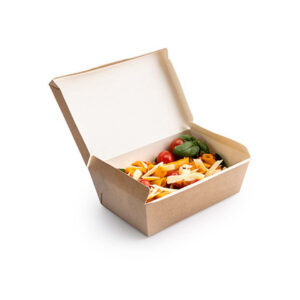
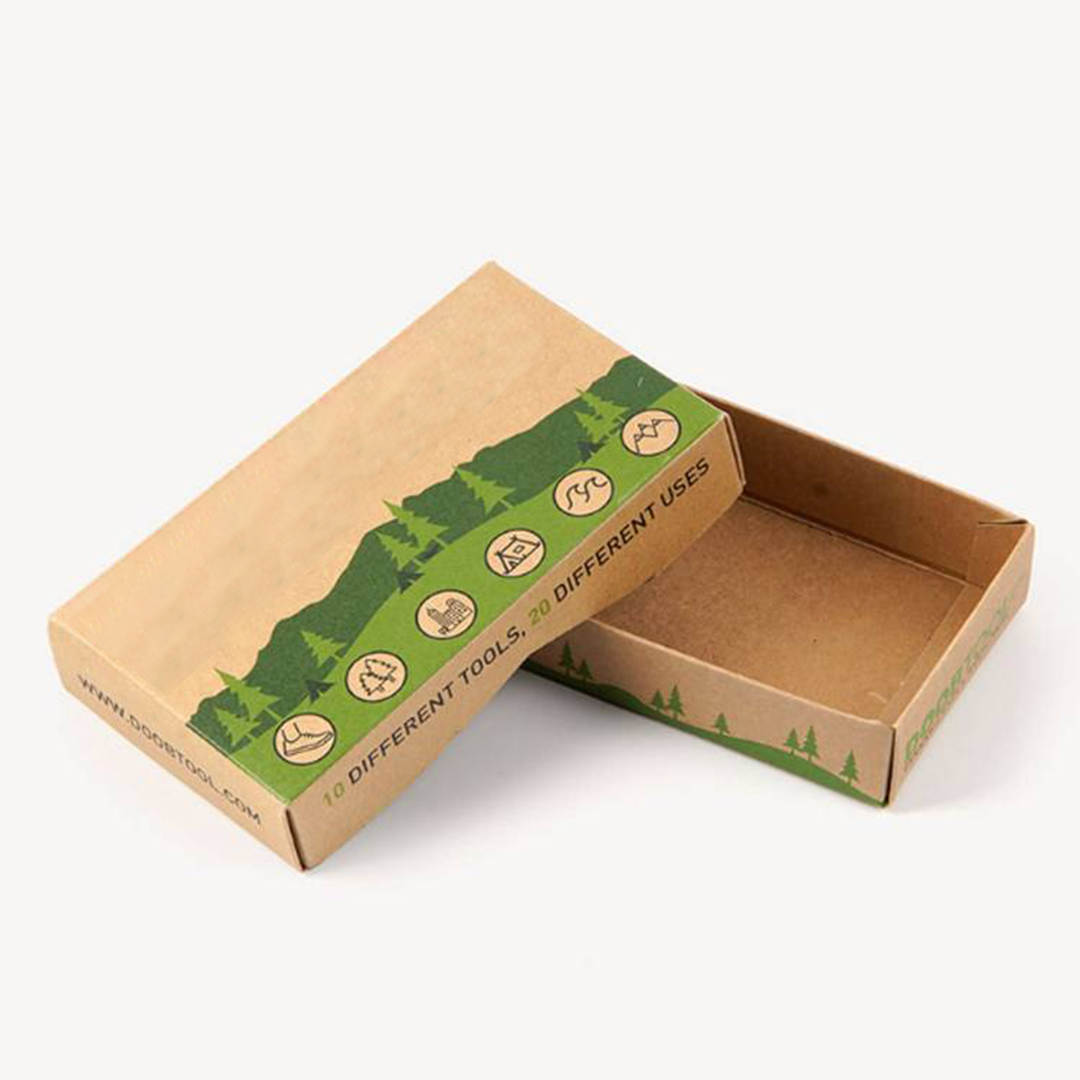
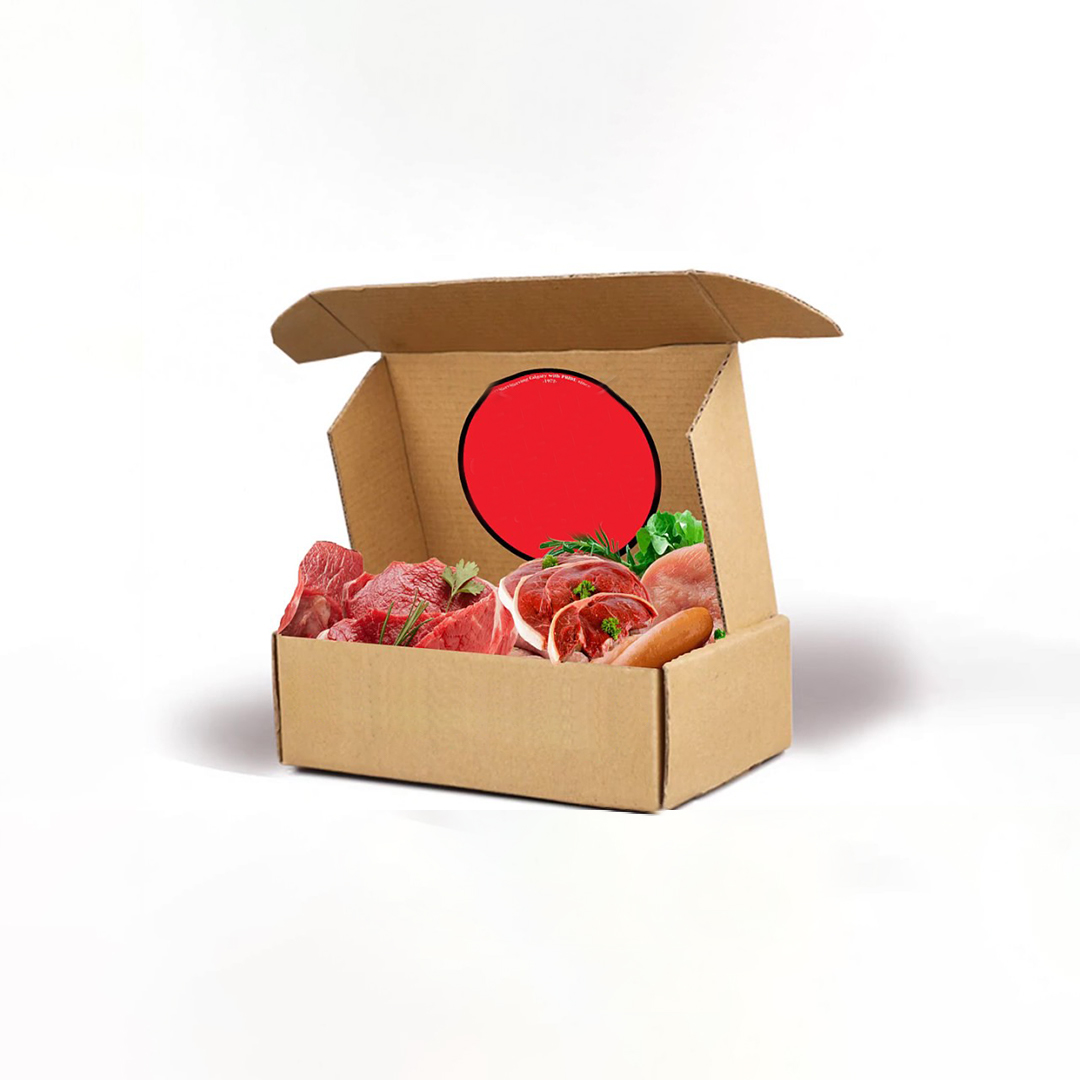
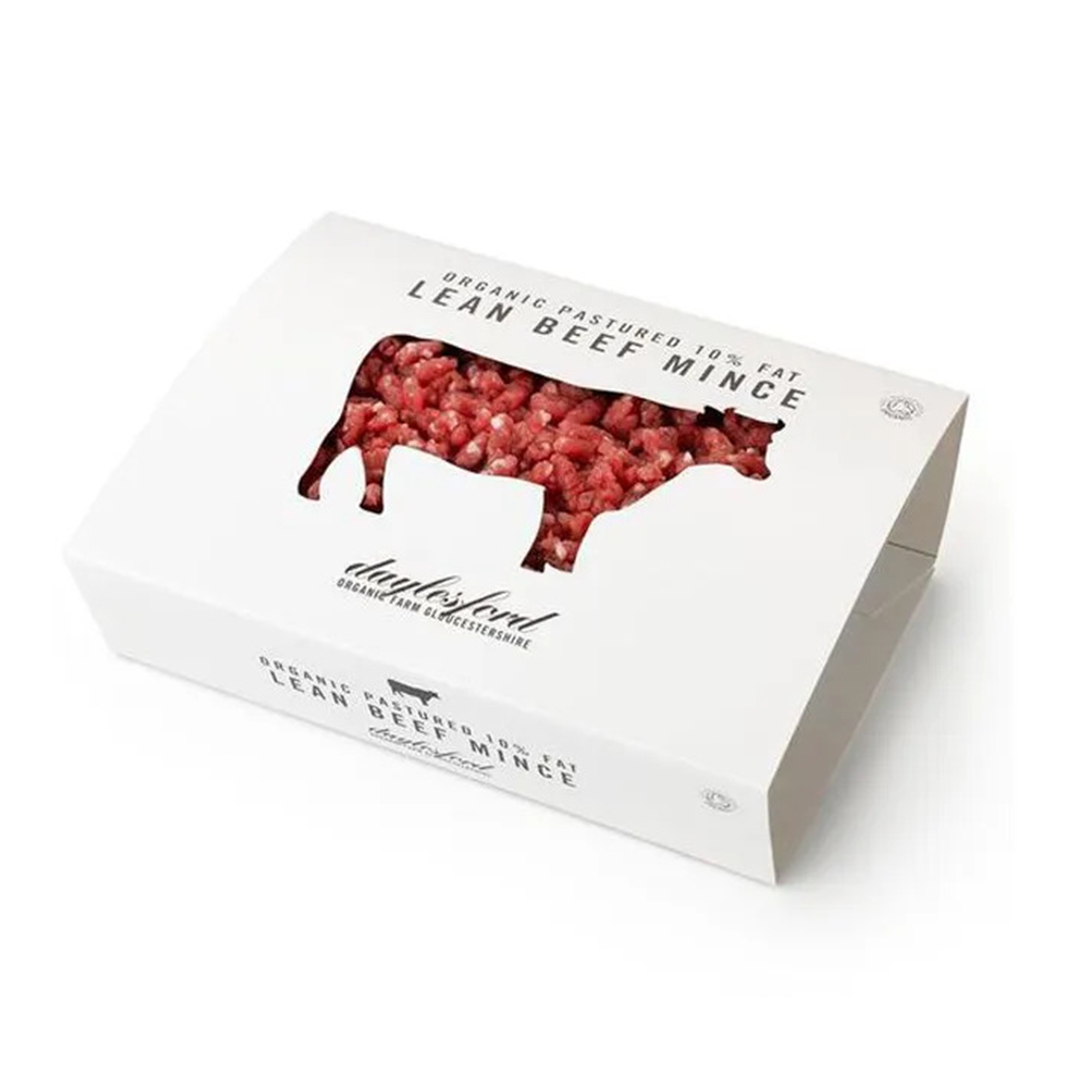
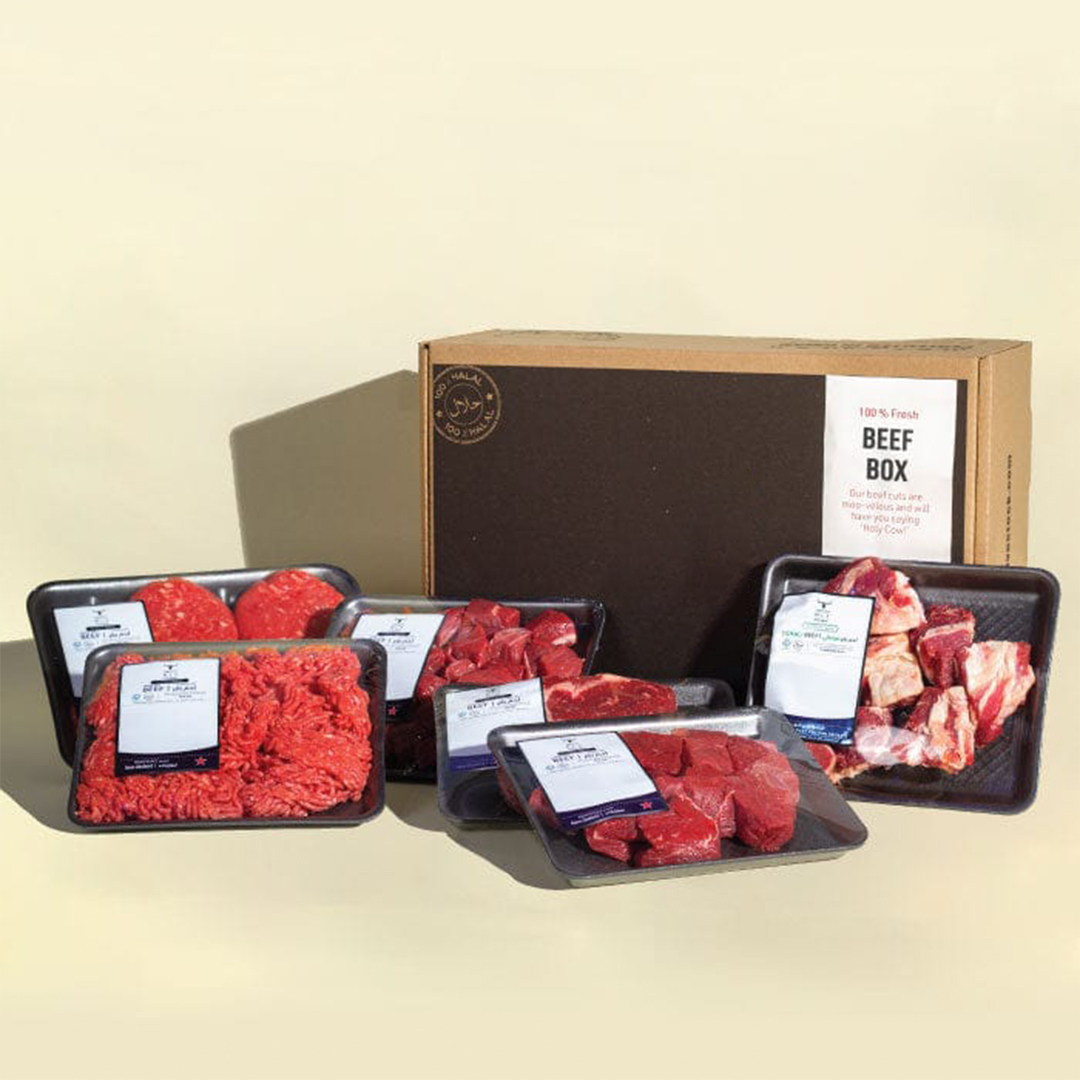
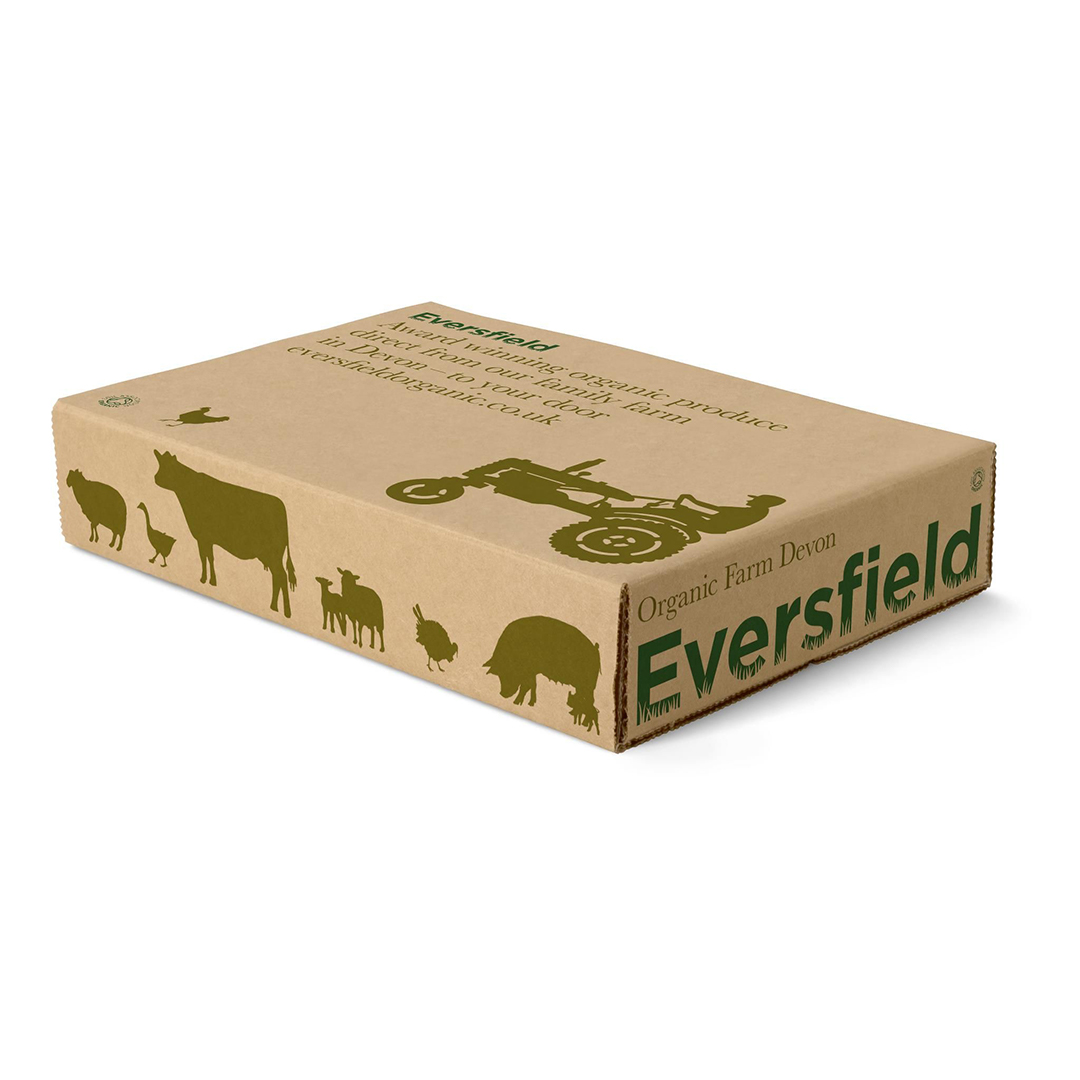
Cardboard Meat Packaging Boxes help brands pack fresh, chilled, and frozen cuts with clean structure and stable stacking for retail and wholesale handling. Many food businesses standardize their protein range using Shop Cardboard Boxes so sizing, labeling, and board strength stay consistent across daily dispatch and bulk orders.

Description

Cardboard Meat Packaging Boxes For Fresh And Chilled Cuts

Cardboard meat packaging boxes help butchers, processors, and retail meat brands pack fresh cuts with clean alignment and stable outer protection. Shop Cardboard Boxes supports these programs with board options and print layouts that keep cut names, weights, batch codes, and storage guidance easy to read across daily dispatch. The structured build helps reduce shifting inside cartons and improves stacking control in cold rooms and short-route deliveries.

These cartons suit beef, lamb, mutton, seafood assortments, and mixed protein trays where brands want a consistent outer look across multiple SKUs. Clean panel spacing helps keep compliance text visible without crowding the design. When outer sizes are standardized, warehouse sorting becomes smoother, and shelf replenishment is faster. This improves the overall presentation for chilled ranges that move quickly through retail cycles.

Why These Boxes Support Clean Meat Branding

A stable carton structure helps brands protect inner trays and wrapped portions while keeping the outer shape neat during handling. This matters for high-turnover counters where packaging is moved repeatedly between backroom storage and display areas. Stronger walls also help reduce corner wear that can make a premium meat range look inconsistent on shelves. The result is packaging that stays aligned with brand quality expectations across everyday operations.

Printing zones on the front and side panels support clear-cut identification, origin details, and storage temperature icons. This helps customers and retail staff identify products quickly without opening secondary packs. It also supports better shelf organization when several similar cuts are displayed together. Over time, consistent labeling and clean carton geometry can reduce mix-ups and improve buying confidence.

Handling And Presentation Benefits

  • Helps maintain a stable carton shape in chilled movement
  • Keeps inner meat packs aligned for cleaner storage
  • Supports clear printed cut and weight panels
  • Improves shelf-facing consistency across SKUs

Retail And Storage Priorities

  1. Supports daily chilled dispatch routines
  2. Helps reduce carton deformation during stacking
  3. Improves sorting for similar cut families
  4. Maintains clean presentation for counter displays
Feature Focus Description Material Options Finishing Choices Add-ons & Features Usage/Application
Outer stability Maintains shape during cold handling Kraft, SBS, Coated board Matte, Gloss Reinforced edges Fresh meat counters
Print clarity Clear space for batch and weight info Whiteboard, SBS Matte, Spot UV Barcode and QR zones Retail shelving
Stack control Reduces shifting in backroom storage Kraft, Thick board Smooth Corner strength Chilled stockrooms
Range consistency Uniform look across mixed proteins Kraft, SBS Matte, Gloss Color-coded panels Multi-SKU programs

Large Cardboard Meat Packaging Boxes For Bulk Distribution

Large cardboard meat packaging boxes support consolidated orders for wholesalers, restaurant supply, and regional distribution centres, where standard sizes create unnecessary handling steps. Food Related Cardboard Boxes help brands align meat, frozen items, and other food categories under consistent board direction and labeling standards. Larger footprints reduce void space and improve stability for heavier multi-tray loads during long-route shipping.

These cartons help logistics teams build pallet-friendly stacks and reduce overhang risks. When brands expand into family packs or mixed cut assortments, larger sizes allow cleaner internal planning without changing the outer brand system. This keeps packaging uniform while improving operational flexibility for bulk and multi-day programs.

How Large Formats Improve Cold Route Efficiency

Bulk distribution often involves repeated transfers across cold rooms, loading bays, and mixed-temperature vehicles. A well-designed large carton helps maintain outer geometry across these touchpoints and supports safer stacking heights. This reduces avoidable dents that can affect retail acceptance and backroom handling. It also supports faster scanning when labels stay consistent across the same face positions.

For brands running multiple sites, large formats simplify procurement because the same core size can cover several product groups. Inner fit can be adjusted with partitions or tray spacing without redesigning the carton exterior. This keeps the packaging library cleaner and reduces confusion across warehouse teams.

Bulk Handling Advantages

  • Supports heavier multi-tray and family packs
  • Helps reduce internal movement during long routes
  • Improves pallet load stability for wholesalers
  • Assists faster consolidation of large orders

Distribution Planning Points

  1. Supports restaurant and catering supply routines
  2. Helps standardize bulk dispatch workflows
  3. Improves warehouse slot and rack planning
  4. Maintains consistent outer branding across regions
Feature Focus Description Material Options Finishing Choices Add-ons & Features Usage/Application
Load capacity Built for heavier consolidated orders Corrugated, Thick Kraft Matte Reinforced bases Bulk wholesale
Footprint control Pallet-friendly outer sizing Kraft, Recycled board Smooth Custom die-lines Distribution centres
Print stability Consistent branding on large units SBS, Whiteboard Gloss, Matte Large label panels Multi-tray programs
Handling ease Safer transfers for heavier packs Corrugated Matte Optional hand-holds Regional shipping

Cardboard Meat Packaging Boxes With Lids For Cold Chain Control

Cardboard meat packaging boxes with lids help brands maintain cleaner closure control for chilled and frozen programs. Cardboard Frozen Food Boxes are often aligned with meat cartons to keep cold-chain packaging consistent across temperature categories and shared storage zones. Lid-top formats reduce accidental opening, protect printed faces, and support more stable stacking in cold rooms and transit vehicles.

These boxes are useful for brands that require clear storage guidance and dependable outer protection when inner packs include vacuum-sealed trays or wrapped cuts. A stable lid also supports cleaner labeling placement for route stickers and handling icons. This helps warehouse and retail teams manage mixed load schedules with fewer sorting errors.

Why Lids Improve Handling And Category Separation

A well-fitted lid helps maintain the box shape when cartons move through high-frequency cold handling cycles. This reduces edge softening and keeps the outer surfaces cleaner for retail acceptance. It also supports better top-surface stability for batch codes and product identifiers. For mixed cut programs, this can simplify backroom organization and reduce restocking mistakes.

Lid formats also help brands present consistent packaging across multiple weight tiers and product grades. When the exterior remains standardized, design updates become easier and faster to roll out. This supports long-term brand clarity in competitive chilled and frozen sections. The result is a more controlled packaging system that works across daily and bulk operations.

Closure And Protection Benefits

  • Helps maintain a stable top closure during stacking
  • Protects printed panels from scuffing in transit
  • Supports clean category separation for mixed loads
  • Improves backroom sorting for cold storage teams

Cold Chain Operational Points

  1. Supports mixed chilled and frozen dispatch schedules
  2. Helps reduce deformation during pallet movement
  3. Improves label visibility for faster scanning
  4. Maintains cleaner shelf-facing presentation
Feature Focus Description Material Options Finishing Choices Add-ons & Features Usage/Application
Lid fit Secure closure with clean edge alignment Kraft, SBS, Coated board Matte, Smooth Tamper label zone Chilled meat
Shape retention Stable geometry in cold racks Thick board, Corrugated Matte Reinforced corners Cold storage
Panel clarity Clean space for batch and handling info Whiteboard, SBS Gloss, Matte QR and barcode zones Retail and wholesale
Range alignment Unified look across cold categories Kraft, SBS Matte, Gloss Coordinated artwork Mixed protein lines
Feature focus Description Material options Surface finish Extra elements Typical usage
Cold-chain stability Helps maintain shape in chilled and frozen movement Kraft, SBS, E-flute corrugated, Recycled board Matte, Gloss, Spot UV Reinforced corners Meat processors, cold storage
Product identification Clear panels for cut type, weight, batch, and handling icons White board, SBS, Kraft Smooth, Matte Barcode/QR zones Retail counters, supermarkets
Inner-pack support Works with trays, wrapped packs, and vacuum-sealed portions Thick paperboard, Corrugated Matte, Anti-scuff Optional partitions Mixed cut programs
Bulk handling Enables stable pallet stacking and clean warehouse sorting Corrugated, Heavy kraft Matte Die-cut sizing Wholesale dispatch
Lid compatibility Supports secure closure for hygiene and transport control SBS, Kraft, Coated board Gloss, Matte Tamper label zone Chilled delivery routes
Range consistency Keeps multi-SKU protein families visually uniform Kraft, White board Matte, Gloss Color-coded print Brand-wide food lines

1. What Are Cardboard Meat Packaging Boxes Used For?

They are used to pack fresh, chilled, and frozen meat in a clean, structured way that supports safe handling and tidy presentation. These boxes keep inner trays or wrapped portions stable during storage and transport. Brands use them to maintain clear weight, cut, and batch labeling for retail and wholesale flows.

2. Do These Boxes Work For Chilled And Frozen Meat?

These boxes can support cold-chain handling when suitable board strength and construction are selected. Their structure helps maintain shape during temperature changes and routine warehouse movement. This can reduce dents, keep labels readable, and support orderly stacking for mixed chilled and frozen routes.

3. What Sizes Are Available For Meat Cartons?

Sizes can be customized for single packs, family packs, and bulk tray programs depending on product weight and inner packaging style. Depth and footprint can be matched to tray height to reduce empty space. This can maintain stacking balance, limit movement inside the carton, and support organised storage planning.

4. Can I Order Cardboard Meat Packaging Boxes Wholesale?

Wholesale ordering is common for butchers, processors, and multi-branch brands that need consistent sizing and stable supply. Bulk programs standardise cartons across multiple SKUs and sites. This supports inventory forecasting and keeps external presentation consistent across all meat lines.

5. Are Lids Important For Meat Packaging?

Lids provide closure control and reduce accidental opening during transit and cold storage handling. They also support uniform stacking and can protect the top panels from scuffing or compression. This is relevant for high-volume chilled deliveries and structured retail backroom systems.

6. What Materials Are Best For Meat Packaging Boxes?

Kraft is commonly used for strength and practical handling in routine chilled supply chains. SBS and white boards provide surfaces suited to detailed printing for retail-facing ranges that require clear product identification. Corrugated options are used for heavier loads, longer routes, and consolidated wholesale orders.

7. Can These Boxes Support Poultry Products Too?

Poultry lines often use similar carton systems with adjusted sizes and labeling layouts. Consistent outer formats help separate similar cuts and weight tiers in a clear way. This supports sorting accuracy, shelf organisation, and planned dispatch for mixed protein categories.

8. How Do These Boxes Help With Labeling Requirements?

They provide panels for cut name, weight, storage guidance, handling icons, and batch codes that need to remain readable through distribution. Defined print zones support clarity across similar product families. This allows retail teams to restock efficiently and supports warehouse scanning and sorting accuracy.

9. Are Empty Cartons Useful For Stock Planning?

Keeping cartons in reserve allows brands to respond to seasonal demand changes and bulk orders without last-minute packaging alterations. Standard sizes make procurement and production planning more straightforward. This also supports dispatch readiness when new cuts or special pack formats are introduced.

10. Do Partitions Help In Meat Packaging?

Partitions separate multiple trays or mixed cuts inside one outer carton, reducing direct contact and movement. This supports an ordered layout for multi-pack programs and wholesale assortments. It also helps maintain internal organisation during long-distance transit and repeated cold-storage handling cycles.

11. What Finishes Can Be Used On These Boxes?

Matte, gloss, and Spot UV finishes can be selected according to artwork style, print clarity needs, and expected handling. A suitable finish can limit surface wear and keep key text readable through shipping and storage. Balanced finishing choices support a consistent shelf-facing appearance across different ranges.

12. How Do Large Meat Cartons Improve Logistics?

Large cartons limit excessive void space for multi-tray and consolidated orders, contributing to stability during pallet stacking. They allow logistics teams to build loads with fewer gaps and reduced shifting. This supports bulk handling and predictable storage footprints in distribution environments.

13. Are These Boxes Suitable For E-Commerce Meat Delivery?

When paired with secure inner packs and appropriate board grades, these boxes are used in courier-based meat delivery systems. They support the outer structure and help maintain printed information during transport. This can limit dented corners and unreadable labels in home-delivery arrangements.

14. Can Branding Be Kept Consistent Across Protein Categories?

Standardised sizes and unified artwork systems can align meat, poultry, and frozen ranges under one packaging family. This simplifies procurement and reduces variation in structural and graphic setups across categories. It also supports a consistent retail presence where customers and staff can identify related product families.

15. What Should I Consider Before Choosing A Meat Carton Box?

Consider product weight, inner tray type, route length, storage temperature, and stacking requirements before selecting a carton style. Choose board strength and depth that limit shifting and corner wear. A consistent labeling layout can support retail accuracy and warehouse handling efficiency.

Built for protection

Material Strength and Box Structure

The strength of a cardboard box plays a critical role in protecting products during storage, handling, and transportation. Our boxes are manufactured using reliable materials and structural designs to match different load and usage requirements.

Single Wall Cardboard Boxes

Suitable for lightweight products and short-distance shipping. These boxes provide dependable protection while keeping packaging costs economical.

  • Ideal for retail and inner packaging
  • Easy to handle and stack
  • Cost-effective solution

Double Wall Cardboard Boxes

Designed for medium to heavy products that require additional strength and resistance during shipping and storage.

  • Extra cushioning and rigidity
  • Suitable for long-distance transport
  • Improved stacking strength

Triple Wall Cardboard Boxes

Built for maximum durability, these boxes are suitable for heavy-duty industrial shipping and high-load packaging requirements.

  • Excellent load-bearing capacity
  • Enhanced protection against impact
  • Recommended for bulky items

Corrugated Cardboard Boxes

Corrugated structures combine strength and flexibility, making them a reliable option for everyday shipping and storage needs.

  • Shock absorption and strength
  • Versatile across industries
  • Supports sustainable packaging
Practical applications

Where These Cardboard Boxes Are Commonly Used

These cardboard packaging boxes are designed to support multiple industries and everyday business needs. Their structure, strength, and finish make them suitable for both protection and presentation.

Food Packaging

Suitable for bakeries, takeout food, snacks, burgers, and pizza packaging where freshness and structure matter.

Retail & Shelf Display

Ideal for retail packaging, in-store display, and branded presentation of consumer products.

Shipping & Logistics

Designed to protect products during transit, stacking, and long-distance transportation.

Storage & Organization

Useful for organizing inventory, documents, seasonal items, and warehouse storage.

Gifting & Events

Suitable for gift packaging, promotional events, holidays, and special occasions.

Subscription Boxes

A reliable choice for monthly subscription services that require consistent sizing and durability.

Flexible customization

Customization Options to Match Your Packaging Needs

Choose the size, shape, printing, and finish that fits your product and branding goals. Our customization options are designed to support both standard packaging and fully branded solutions.

Sizes and Shapes

Select from standard dimensions or request custom sizes and structures to fit your product precisely.

  • Large, medium, and small boxes
  • Cube, rectangular, and specialty shapes
  • Custom dimensions available

Printing and Branding

Enhance visibility with high-quality printing that reflects your brand identity.

  • Digital and offset printing
  • Full-color CMYK printing
  • Pantone color matching

Coating and Finishes

Choose surface finishes that add protection and improve the visual appeal of your packaging.

  • Matte and gloss coating
  • Spot UV for highlighted areas
  • Soft-touch finish

Premium Add-Ons

Optional enhancements that help your packaging stand out on shelves and during unboxing.

  • Foil stamping
  • Embossing and debossing
  • Window cut-outs

Let’s work together

Get in touch today and receive a complimentary consultation.