





Description
Cardboard Keychain Boxes For Retail Sets And Custom Gift Packaging
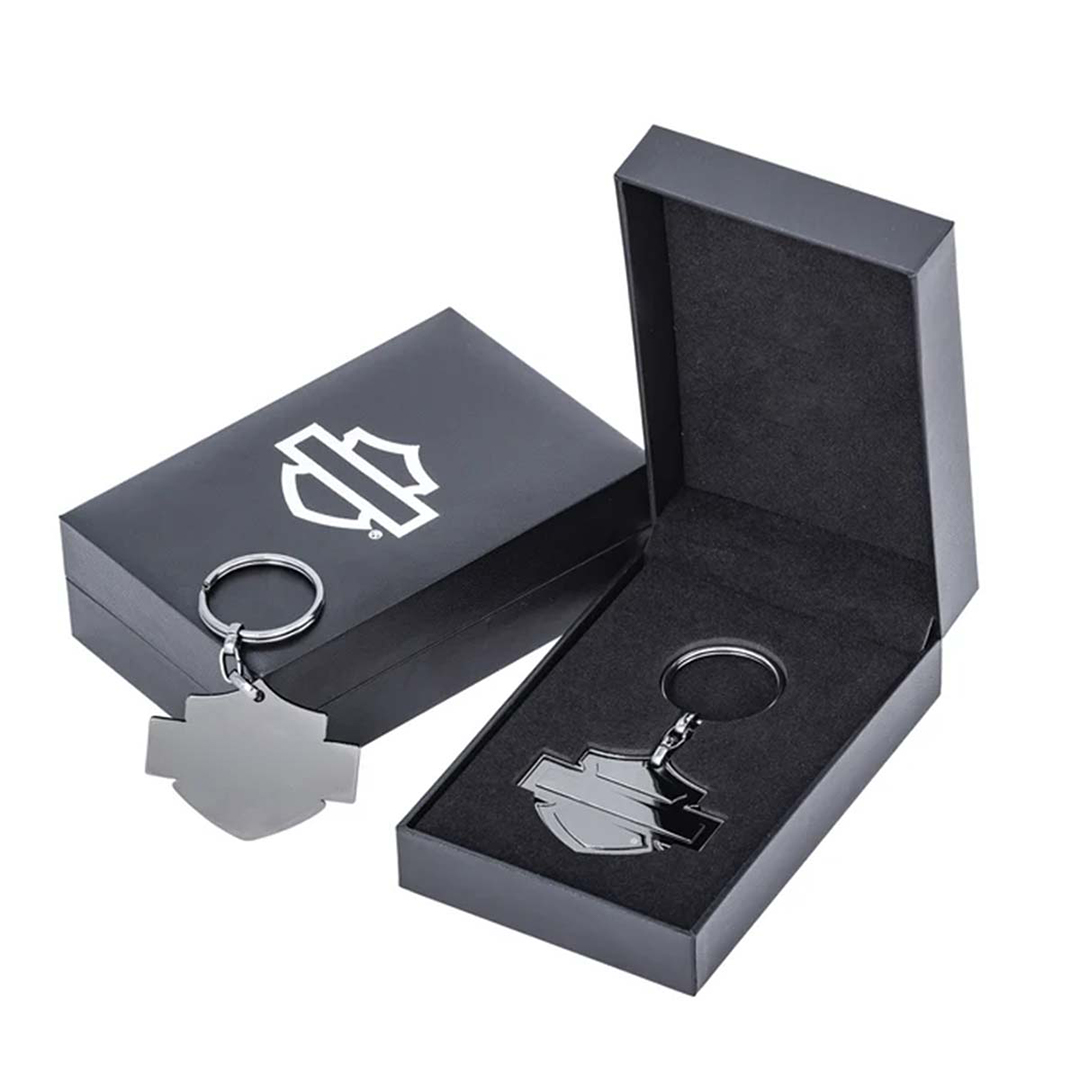
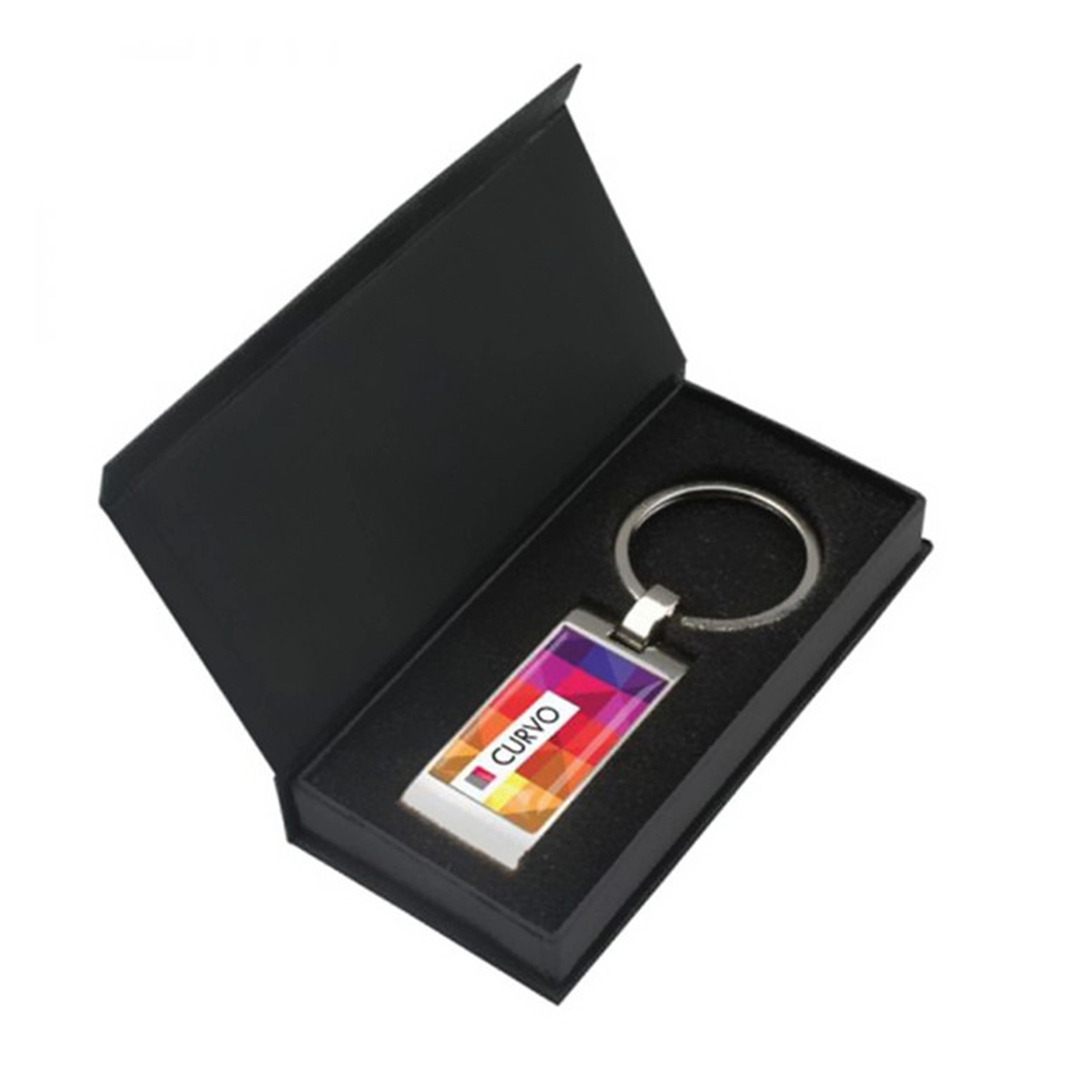
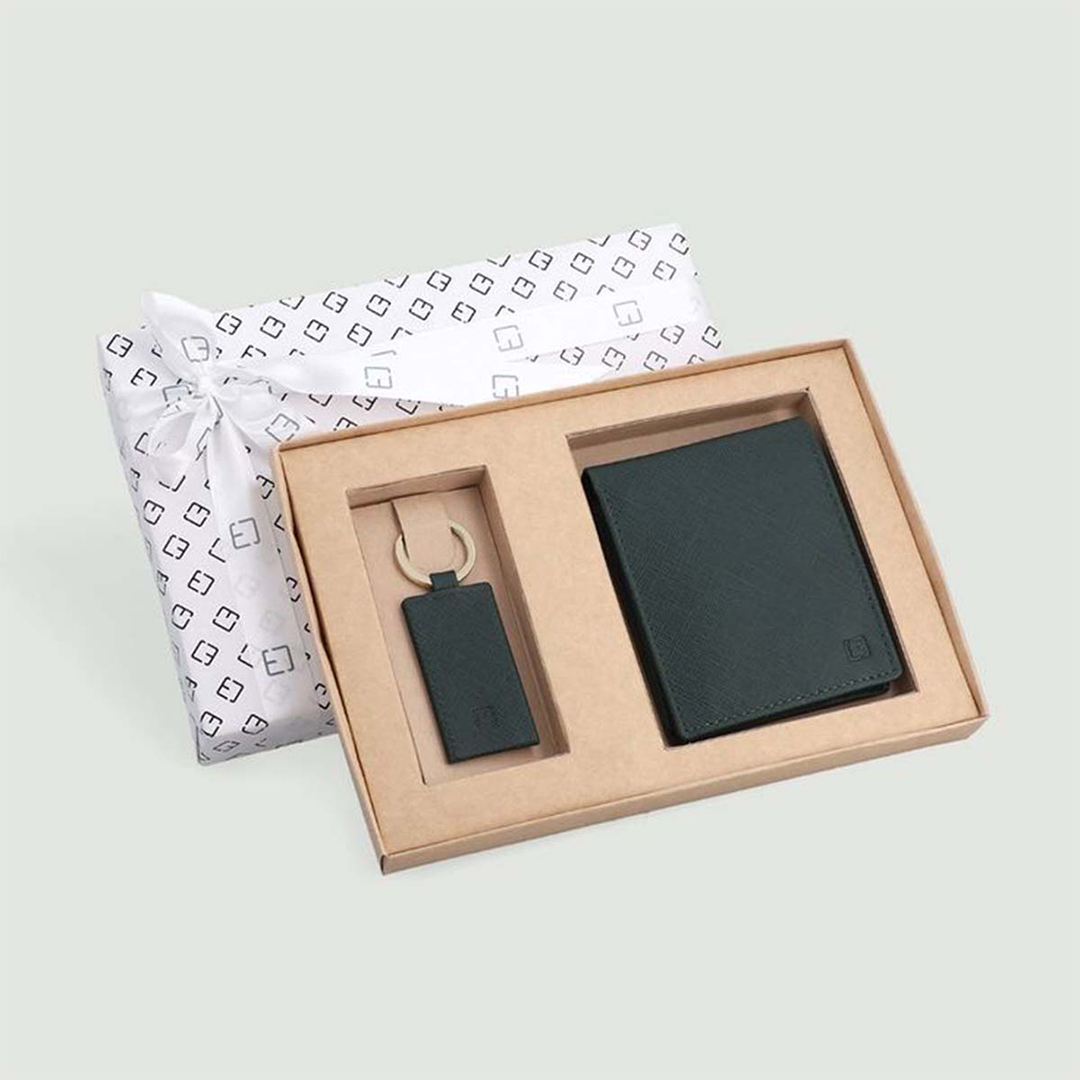
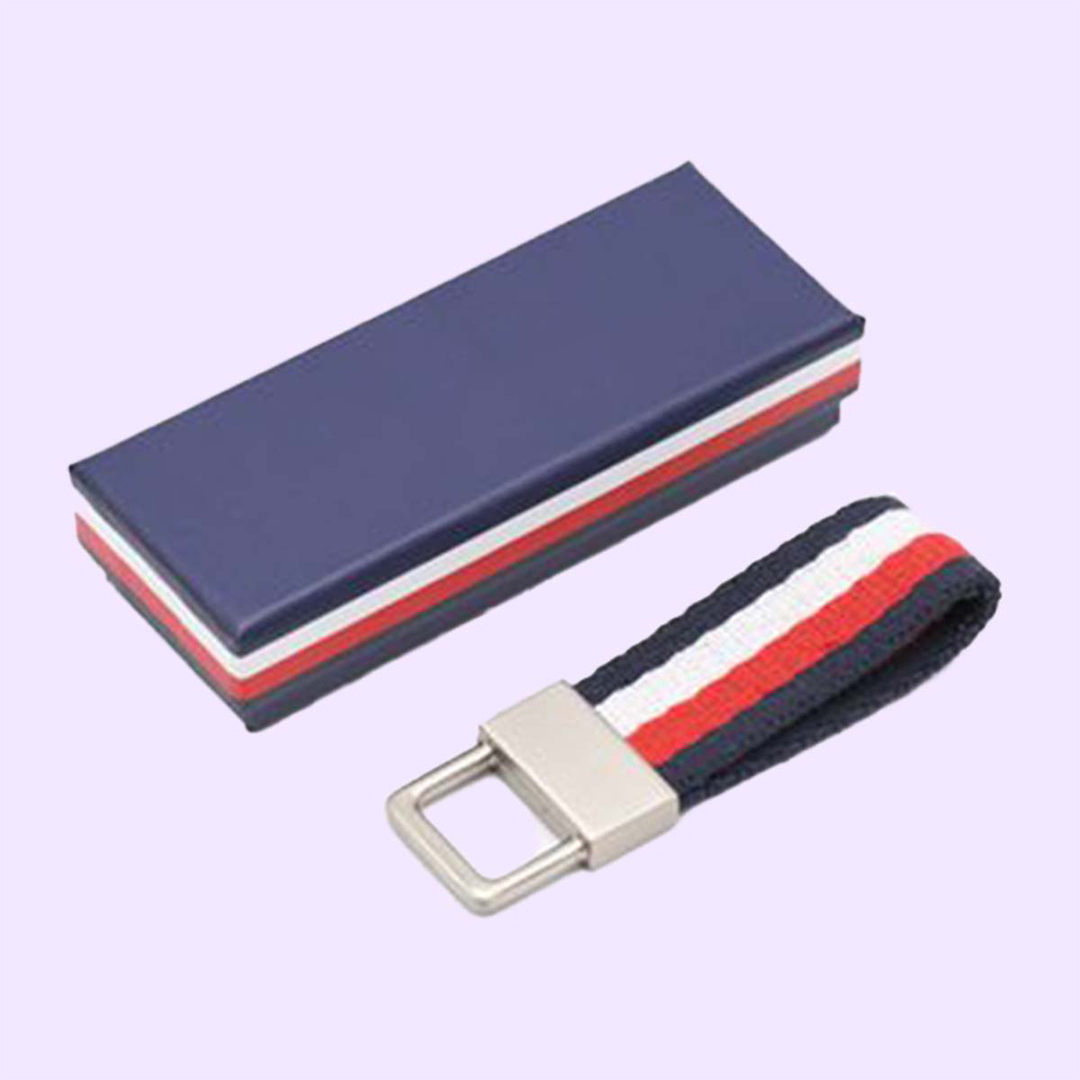
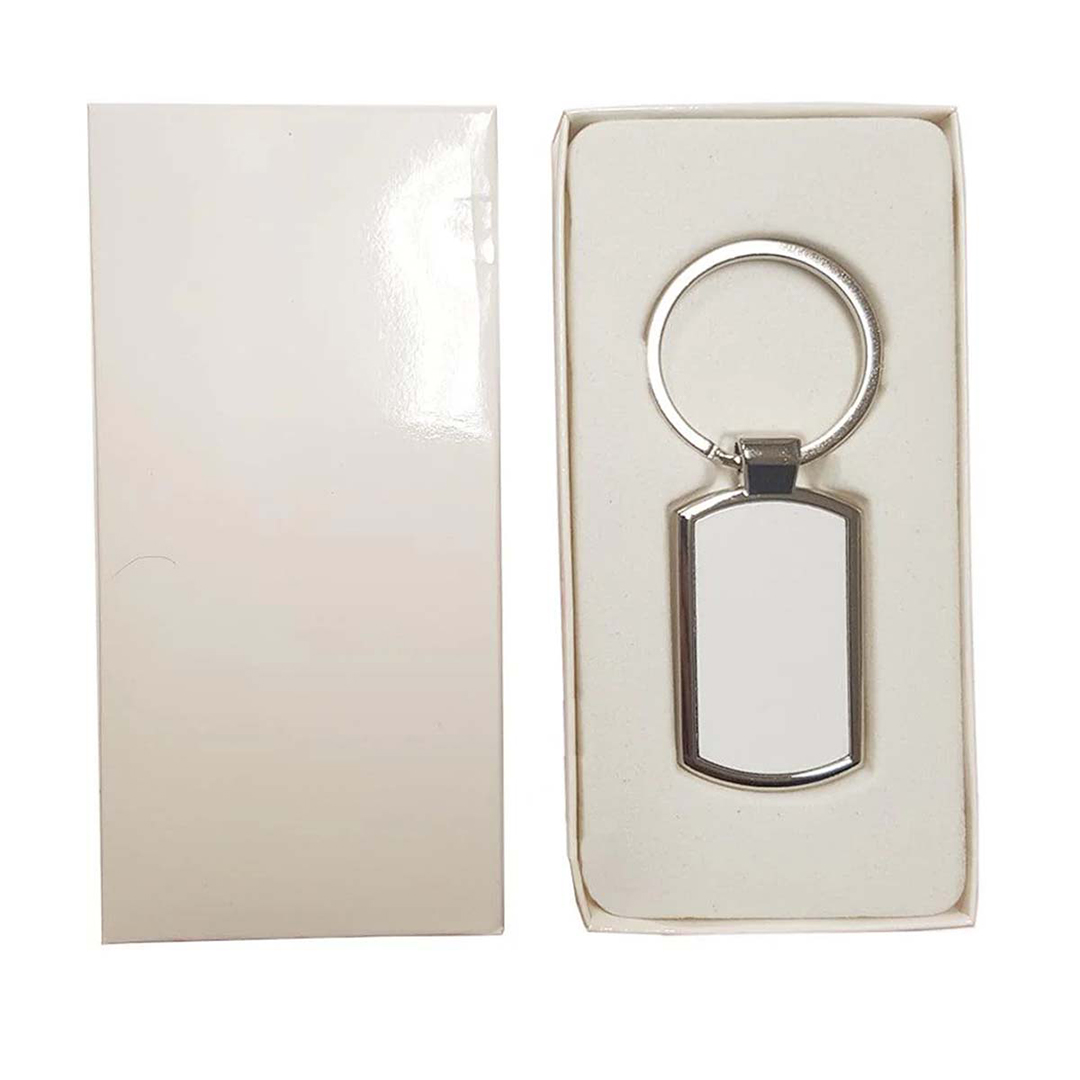
Cardboard Keychain Boxes help brands, gift shops, and online sellers pack single keychains and mixed charm sets in a neat, secure way. These cartons support branded inserts, foam cuts, and small windows so each keychain sits in a clear position instead of sliding around in outer cartons. Many ranges use Cardboard keychain boxes wholesale programs to keep shapes, print, and openings consistent across metal, leather, resin, and PVC designs.
Many accessories lines also include badges, pins, and small wearable items. Brands that already ship in Cardboard Badge Packaging Boxes often extend the same layout to Cardboard Keychain Boxes so staff can store all small merch in a shared packing system. This alignment supports faster picking, easier counting, and stable presentation in both retail displays and online order fulfilment.
Daily use of cardboard keychain boxes in shops and studios
On busy counters and stock rooms, Cardboard Keychain Boxes keep individual designs and themed sets sorted by style, color, or event. Each lid or flap panel can show artwork, character names, or brand logos while inside inserts hold keychains in a steady position. Short-run releases and long-term catalog items can share the same outer size so stores do not constantly adjust their shelving.
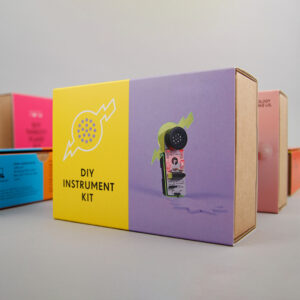
Studios and custom-print workshops also rely on Cardboard keychain boxes diy options during sampling and approval. Designers test layouts with plain or low-ink cartons first, checking how keychains sit, how prints align with die-cuts, and how the unboxing path feels. Once layouts pass internal checks, they move into Cardboard keychain boxes wholesale runs for campaigns, corporate gifting, and event merchandise.
Key points for handling and storing keychain cartons
- Board walls protect keychains from direct pressure when stacked in outer cartons
- Flat tops allow rows of gift sets to sit neatly in display trays and on shelves
- Inner slots or pads keep metal rings away from printed faces and window films
- Side panels support barcodes, style codes, and short collection names for quick picking
- Compact footprints reduce freight space while still giving room for artwork and branding
Steps for preparing Cardboard Keychain Boxes for dispatch
- Check that each keychain is clean, fully assembled, and dry before packing
- Place the keychain on its insert or pad so the main design faces upward in a steady position
- Fold or fix any extra charms and tags within the recess so they do not grab on flaps
- Close the box gently, confirm windows and artwork align, and then seal with tape or stickers
- Arrange finished cartons in outer cases in straight rows so designs remain easy to count and scan
| Keychain type | Recommended box style | Inside support approach | Common sales channel | Handling note |
|---|---|---|---|---|
| Single premium metal piece | Small rigid or tuck-end carton | Foam or card insert with cut-out | Gift boutiques and branded accessory stores | Keep metal parts away from window film |
| Character or themed charms | Windowed carton with inner tray | Multi-slot tray or slotted insert | Pop culture shops and event stands | Align prints so characters sit in frame |
| Multi-keychain gift sets | Larger two or three-piece carton | Sectioned inserts for each piece | Online bundles, seasonal collections | Use dividers so rings do not tangle in transit |
| Promotional logo keychains | Simple tuck carton or open tray | Flat pads or card panels | Corporate gifting and trade show packs | Reserve space for branded cards or leaflets |
| DIY and craft keychains | Plain cartons for Cardboard keychain boxes diy projects | Basic pads or no insert | Craft stores, workshops, and school programs | Leave enough blank space for stickers and labels |
Cardboard keychain boxes wholesale supply for merch and gifting brands
Cardboard keychain boxes wholesale programs give sellers a stable base as ranges grow from a handful of designs to a large catalog. Once core footprints are fixed, artwork can change by character, color theme, or event while packing lines and storage layouts stay familiar. Many planners group small-pack items under Cardboard Boxes By Functionality so they can see which cartons manage single gifts, mixed sets, and heavier accessories.
Retail chains and online stores often need mixed deliveries that include keychains, badges, and other small items in one shipment. With Cardboard keychain boxes wholesale planning, staff know exactly how many units fit in each outer case and how cases stack on pallets. This repeatable pattern saves time at stock rooms, reduces void fill, and supports clean, repeatable planograms across store networks.
Why brands rely on a structured keychain packaging system
A consistent system for Cardboard Keychain Boxes does more than shield metal parts and enamel faces. It also keeps artwork, labels, and barcodes in predictable positions, which helps staff restock and scan products faster. Customers see neat rows of identical cartons with clear, readable designs instead of mixed piles of loose accessories.
For merch teams and print partners, shared footprints also reduce setup time. Once die-cuts and inserts are locked in, new releases need artwork changes rather than full structural redesigns. This pattern works especially well for Cardboard keychain boxes diy model kits, where the same box can hold assembled pieces or flat components for workshops.
Planning ideas for a wholesale keychain box range
- Define a base size for single keychains, then a few larger sizes for sets and themed boxes
- Decide which ranges need window fronts and which will use fully covered panels
- Reserve inner space for brand cards, QR codes, and care tips where needed
- Align inner inserts with the most common keychain shapes to avoid frequent layout changes
- Log how many units and cases fit per pallet for local, regional, and export routes
Steps to launch a Cardboard keychain boxes wholesale program
- List all current keychain types, from single charms to multi-piece bundles
- Group them by size and weight to identify the smallest number of carton footprints needed
- Choose insert styles for metal, acrylic, leather, and resin pieces based on weight and finish
- Approve print tests with barcodes and color checks under store lighting conditions
- Plan seasonal and evergreen runs so print and production schedules stay balanced
| Range type | Main product mix | Preferred carton footprint | Typical run style | Stock and launch note |
|---|---|---|---|---|
| Evergreen logo keychains | Core logo and slogan designs | Small single-piece footprint | Repeating runs through the year | Tie re-orders to standard sales reports |
| Character or fandom collections | Licensed characters and themed charms | Small and mid-size mixed footprints | Timed with releases and fan events | Plan extra buffer for pre-orders and early spikes |
| Seasonal and event sets | Holiday, festival, or event-specific sets | Larger multi-piece footprints | Short runs around selected dates | Track leftover stock and reuse structure next year |
| DIY and workshop kits | Flat components and craft keychains | Simple cartons for kit parts | Batches for education and hobby stores | Keep art minimal to allow local customization |
| Premium collector editions | Limited metal or enamel sets | Rigid cartons with inserts | Very focused, low-volume runs | Record sizes accurately for future collector reprints |
How to make cardboard keychain boxes for small runs and workshops
How to make cardboard keychain boxes is a common question for craft leaders, small sellers, and teachers. Simple mock-ups help test layout ideas before committing to full production. With basic tools and sample board, you can mark out folds, check where keychains sit, and confirm how much space artwork needs on each panel.
Workshop leaders often build Cardboard keychain boxes diy sessions into their classes. Participants learn how to measure their keychains, cut simple patterns, and fold test cartons. These sessions teach both packaging basics and presentation skills, giving new sellers and crafters an early sense of how their products will look on shelves and in parcels.
Simple design approaches for practical DIY keychain packs
Small brands and hobby sellers sometimes handle their earliest orders by hand. They may cut short-run boxes from sample sheets or reuse plain cartons as sleeves over pouches. These early Cardboard keychain boxes diy efforts provide useful feedback on size, fit, and viewer reaction before they move to Cardboard keychain boxes wholesale supply.
Even at the DIY stage, it helps to think like a merch planner. Measuring how many boxes fit across a shelf or inside a standard outer case guides future decisions. As orders grow, the same proportions can be handed off to packaging partners at Custom Cardboard Boxes for stronger board, coated finishes, and consistent printing.
Ideas to guide keychain box layout and design
- Keep inner cavities slightly larger than the keychain body so items sit snug without stress
- Use simple rectangles or squares for early tests, then add windows and shaped cut-outs later
- Plan hanging holes or shelf-ready backs from the start if peg displays are important
- Leave clear spaces for barcodes and style codes away from main artwork elements
- Trial a mix of plain and printed inner inserts to see which shows your metal or resin best
Steps for planning a basic DIY keychain carton
- Measure the total footprint of the keychain, including ring, charms, and any backing card
- Sketch a simple net with front, back, sides, and closing flaps on light board stock
- Cut and fold the sample, then place the keychain inside to check height and movement
- Adjust panel sizes or insert placement until the item sits straight and does not rattle
- Note final sizes and panel layout so you can repeat the design or pass it to a packaging partner
| DIY focus area | Practical action | Material choice suggestions | Who benefits most | Extra tip for small teams |
|---|---|---|---|---|
| Size and fit testing | Make blank mock-ups and adjust folds | Light cardboard or off-cut sheets | Makers testing first collections | Mark measurements clearly on each prototype |
| Insert and slot ideas | Try simple slits and support cards | Thin but firm board for supports | Sellers with mixed charm shapes | Photograph each test for comparison |
| Artwork placement | Use pencil outlines before full print | Plain white or light-colored board | New brands refining logo and character use | Keep a sample wall of early designs for review |
| Peg or shelf display planning | Add small hanger tabs or back extensions | Standard board from early runs | Event and market stall sellers | Check hook spacing on real fixtures |
| Transition to bulk supply | Share final sample sizes with suppliers | Sturdy production-grade cardboard | Growing brands moving to wholesale | Include notes about inserts and charm positions |