






Description
Cardboard Insulated Cold Boxes For Reliable Cold Chains
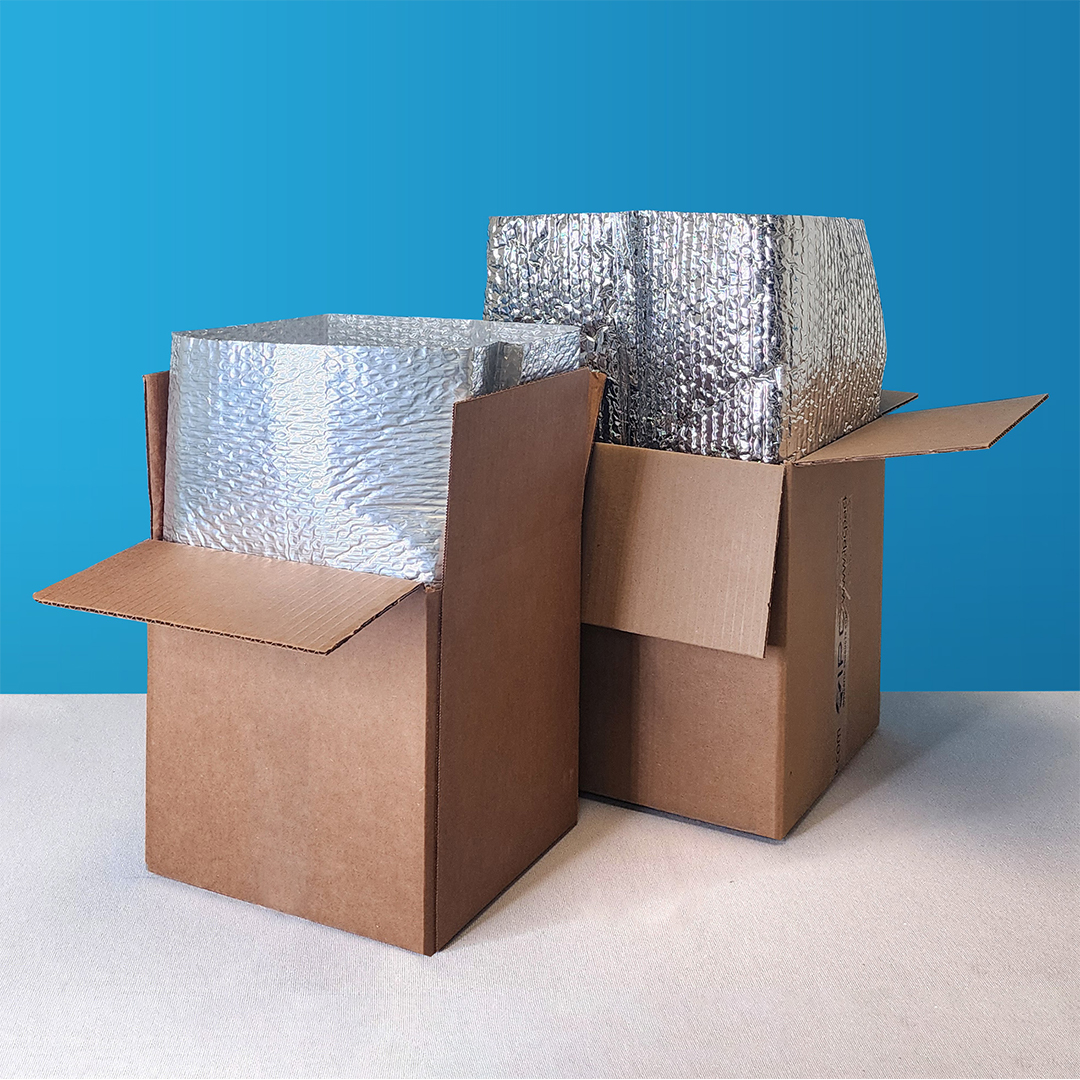
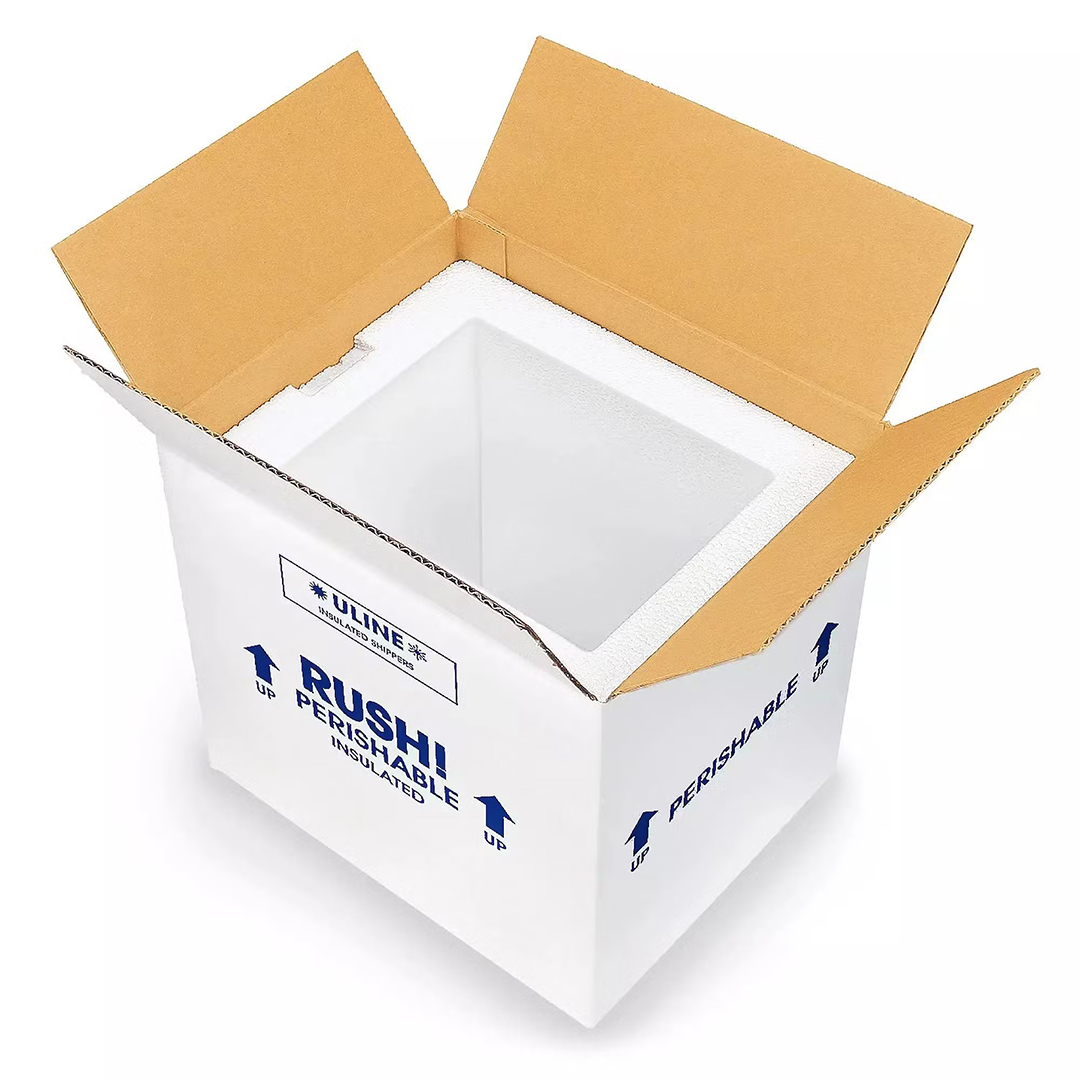
Cardboard insulated cold boxes support chilled and frozen deliveries for food, pharmaceutical, and laboratory products across local, regional, and international routes. Many logistics teams pair these designs with Cardboard Bulk Shipping Trays so inner packs stay stable while the outer shell protects temperature, whether they are preparing insulated shipping boxes for frozen food or mixed chilled loads. These solutions help businesses searching for the best cardboard insulated cold boxes balance thermal performance, packaging weight, and freight cost compared with rigid plastic coolers. People who type phrases like cardboard insulated cold boxes home depot or where to buy insulated boxes for shipping are usually trying to solve the same problem in a simple way using corrugated. By matching insulation, ice packs, and layout to the route, they gain reliable cold chains without overcomplicating their packing routine.
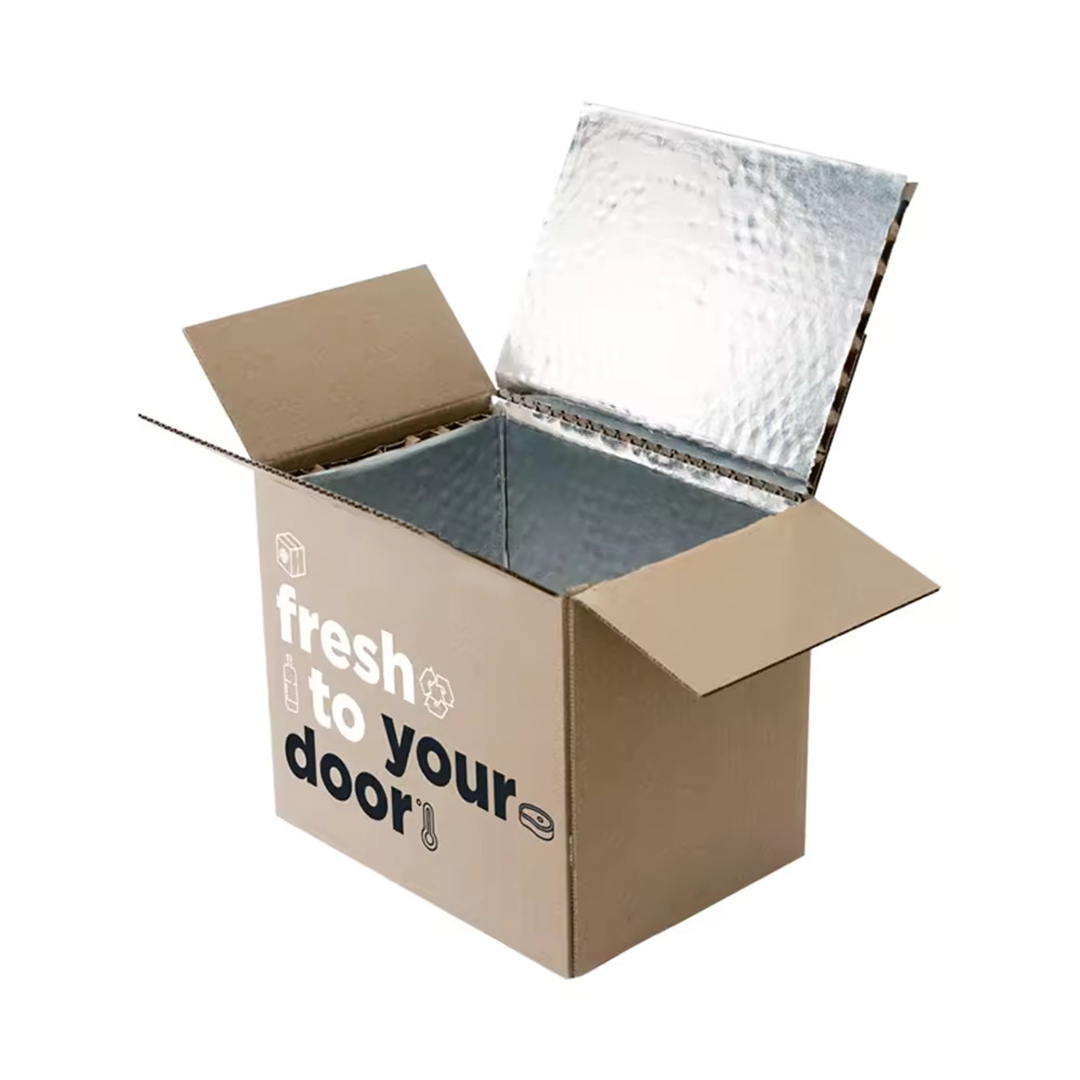
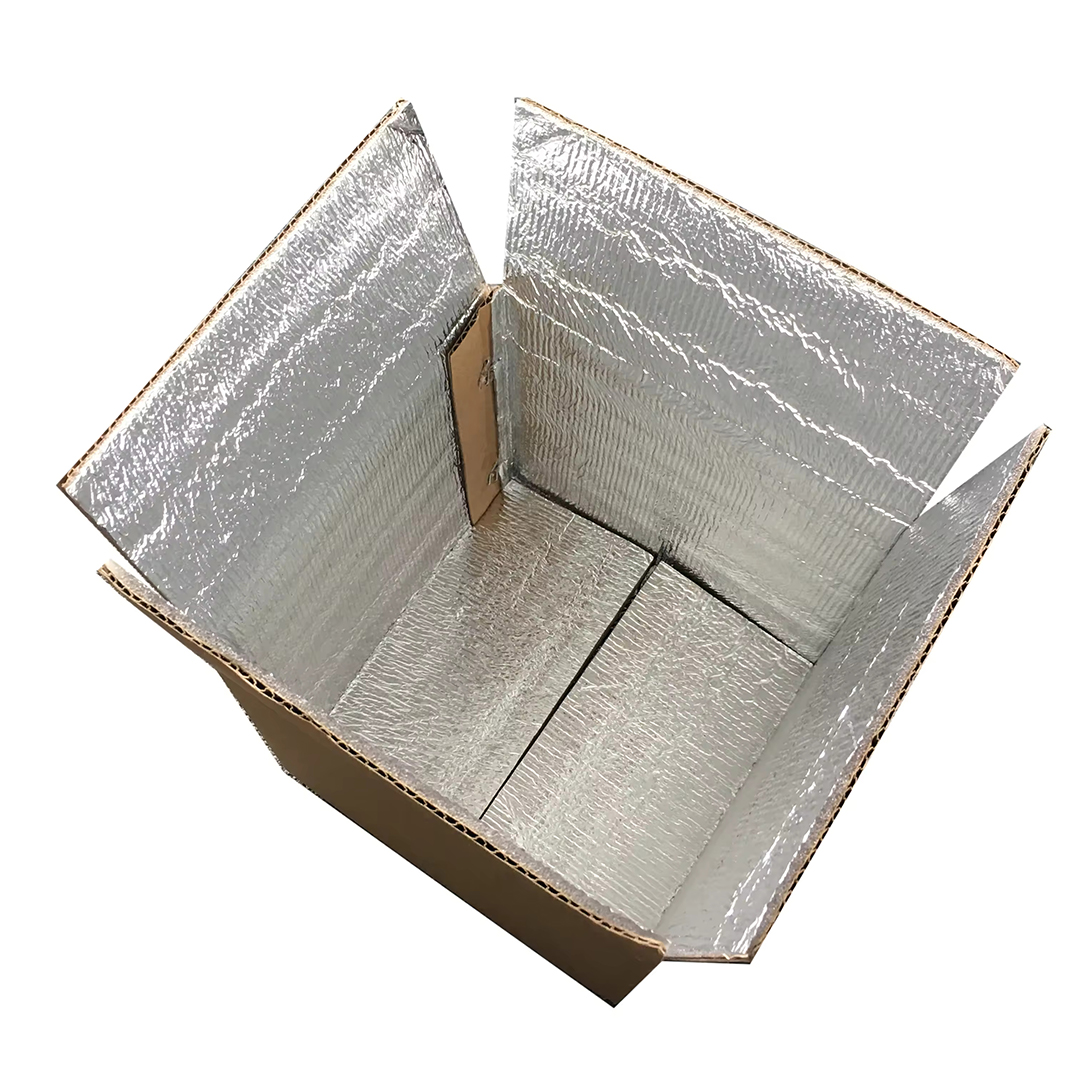
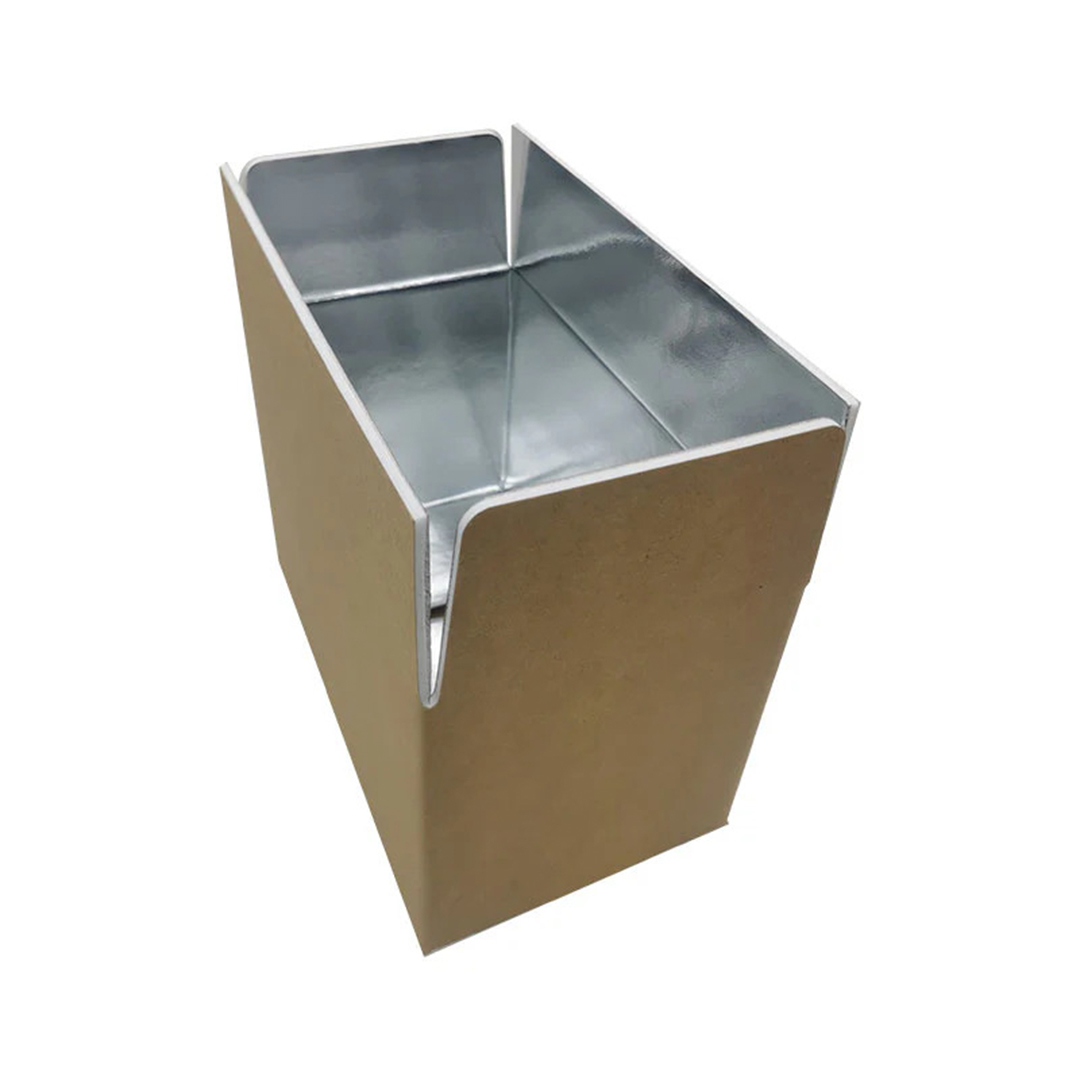
Inside each cold box, the structure combines corrugated walls with insulation panels, liners, or inserts that slow down heat transfer from outside conditions. This design holds temperature bands for chilled, frozen, or controlled ambient goods when paired with gel packs or dry ice according to the product’s needs. Lightweight construction helps reduce total shipment weight while still giving enough strength to cope with vehicle movement and handling in depots. Clear label areas on the outer faces keep carrier, route, and safety information easy to read, so boxes move smoothly through check-in points and cross-docks. With repeatable setups, packers can load orders quickly without guessing where to place coolant or how to arrange cartons inside.
Maintaining product temperature stability in transit
When shippers ask how long a cold box will keep contents within range, the answer depends on three main factors: insulation value, coolant quantity, and route conditions. Cardboard insulated cold boxes create an air and material barrier between external temperatures and the product, while gel packs or dry ice absorb heat over time. For short routes, a modest amount of coolant may be enough; for longer trips and hotter climates, higher insulation levels or extra coolant help maintain safety margins. Testing typical lane conditions gives realistic expectations, especially for insulated shipping boxes for frozen food or critical medical supplies.
Handling patterns matter as well. Cartons may sit in staging areas, move through linehaul, and wait again during last-mile delivery. Each stage adds its own temperature exposure. Careful packing limits unnecessary air gaps so cold energy works efficiently around the product. Marking boxes with clear orientation arrows and “keep refrigerated or frozen” instructions guides staff to stack and store them correctly. When operations teams monitor transit temperature data, they can adjust coolant loads or box combinations to reduce waste while still protecting the product. Over time, this turns Cardboard insulated cold boxes diy style test setups into reliable standard operating procedures.
Practical advantages of insulated corrugated cold boxes
- Support chilled and frozen shipments without relying only on heavy plastic coolers
- Keep gel packs and product loads aligned so cold energy reaches all sides evenly
- Reduce overall shipment weight while still meeting carrier packing guidelines
- Provide printable surfaces for branding, handling messages, and regulatory marks
- Allow trial-and-adjust approaches for different routes and temperature targets
Key handling steps for temperature controlled shipments
- Confirm the product’s safe temperature range and route duration before packing.
- Pre-condition gel packs or dry ice according to supplier instructions for stable performance.
- Arrange coolant around and, where suitable, above the product to avoid warm pockets.
- Close and seal the cold box carefully so gaps and leaks in the insulation path are minimised.
- Place the box in the correct area of the vehicle or container, away from unnecessary heat sources.
| Shipment scenario | Insulation level focus | Coolant style often used | Typical duration target | Main product examples |
|---|---|---|---|---|
| Local chilled food delivery | Moderate insulating liner | Gel packs or ice bricks | Same day up to overnight | Dairy, drinks, fresh snacks, meal kits |
| Regional frozen distribution | Higher grade insulated panels | Dry ice or strong frozen packs | One to several days | Frozen meals, desserts, ice cream, frozen meat |
| Pharma and sensitive lab materials | Tight temperature control design | Qualified gel system mix | Several days under monitoring | Vaccines, reagents, diagnostic kits, samples |
Cardboard insulated cold boxes diy options and setup
Many teams explore Cardboard insulated cold boxes diy setups when they want flexible ways to test new lanes or product types without locking into expensive permanent systems. As they refine these trials, they often compare insulation needs with ranges already grouped under Cardboard Boxes by Material Strength so they can match board grades and stacking strength to heavier or lighter loads. In simple tests, shippers might add foam panels, reflective liners, or honeycomb inserts inside standard outer shells to see how long they can keep frozen or chilled product stable. These experiments help answer early questions before committing to more formal insulated shipping boxes for frozen food across the network.
Once basic performance is understood, the focus shifts to repeatable packing patterns and safe handling. DIY configurations usually evolve towards standard sets of coolant amounts, box sizes, and loading rules that staff can follow without guesswork. Marking trial results clearly—such as how long UPS cold shipping boxes or other carrier shipments held their temperature—helps teams define realistic service levels. Over time, many operations move from improvised trials to dedicated insulated designs while still using the original data to size coolant loads properly. This step-by-step approach keeps costs under control while protecting shipments from temperature spikes.
Comparing insulated shipping boxes for different routes
As buyers compare options, they often look at how much insulation they truly need for each route rather than choosing one heavy-duty solution for everything. Short urban runs may rely on moderate insulation with well-placed gel packs, while long rural or cross-border routes need stronger materials and additional cool energy. Making side-by-side comparisons of time, distance, and typical ambient temperatures reveals where extra cost translates directly into improved product safety. This also helps narrow down which products can share the same insulated carton size or coolant pattern.
Another comparison involves carrier services and handling expectations. Some lanes may use UPS cold shipping boxes or similar programs where carrier guidance on packing and labelling already exists. Other lanes rely on general networks where the shipper must design the full solution alone. In both cases, cardboard insulated cold boxes that meet realistic stacking and handling requirements perform better than improvised, under-strength packaging. As questions come up about where to buy insulated boxes for shipping and how to choose between available options, teams can refer back to measured trials and documented performance rather than relying only on guesswork.
Planning points for diy and test phase cold box projects
- Start with honest route profiles including temperature, distance, and dwell times
- Treat early builds as learning tools and record results in a simple, consistent format
- Separate short, medium, and long routes so each group gets a matched cold box design
- Update internal guides and training materials as test findings lead to stronger standards
- Revisit routes regularly when products, climates, or carrier mixes change over time
Steps for moving from experimental to standard cold box setups
- Choose a small set of box sizes and insulation styles to test across typical routes.
- Run controlled shipments using data loggers or regular checks to track temperature drift.
- Analyse the results and identify which designs reached their time and range targets.
- Approve the best combinations as standard options and retire weaker performers.
- Train packing staff on the chosen methods so they can apply them consistently at scale.
| Project stage | Main objective | Key design questions | Practical actions taken | Outcome for future shipments |
|---|---|---|---|---|
| Initial diy trials | Learn how boxes behave | How long does this set-up hold | Simple test runs with varying coolant loads | Baseline data on temperature performance |
| Structured comparison phase | Compare insulation combinations | Which liner and coolant mix wins | Side-by-side route trials across conditions | Shortlist of reliable cold box designs |
| Final standardisation and rollout | Lock in repeatable solutions | How to make packing easy to teach | Clear guides, training, and packing diagrams | Stable, scalable cold chain packaging programme |
Selecting the best cardboard insulated cold boxes
Choosing the best cardboard insulated cold boxes for your operation means balancing temperature performance, handling strength, and realistic budget limits rather than chasing a one-size-fits-all idea. Many brands rely on Custom Cardboard Boxes to align their insulated solutions with core corrugated packaging so cold boxes, shipping cartons, and pallet formats all work together. By setting clear priorities—such as holding frozen goods for a specific number of hours or focusing on chilled product for regional routes—decision-makers can match insulation levels and coolant plans to genuine needs. This honest approach often outperforms generic off-the-shelf options that either cost too much or fail to perform under real conditions.
Buyers also look at sourcing convenience and availability. When people search where to buy insulated boxes for shipping, they want consistent supply, predictable lead times, and help choosing sizes that fit existing lines. Some lanes may still use carrier-branded services like UPS cold shipping boxes, but many operations gain more control by running in-house insulated packaging that matches their own pallets and storage. Support for different content types—such as insulated shipping boxes for frozen food, fresh ingredients, or temperature-sensitive non-food goods—adds flexibility as the product range grows. A well-chosen family of designs can cover most of these needs without forcing a new project for every product change.
Balancing cold protection budget and packing speed
Working teams feel the impact of packaging choices every day. If boxes are awkward to assemble or require complicated coolant layouts, packing slows down and mistakes become more likely. Cardboard insulated cold boxes that fold quickly, accept standard cool packs, and stack neatly on existing pallets help staff keep pace with order volumes. Time saved at the bench often offsets slightly higher box costs because rework, delays, and failed deliveries become less frequent. Consistent layouts also make it easier to train new staff during peak seasons.
Budget decisions benefit from a full view of cost, not only the price of each box. Replacing damaged product, handling returns, and managing missed delivery windows all add hidden cost that strong cold packaging helps reduce. When planners weigh options for Cardboard insulated cold boxes home depot style purchases against coordinated programmes built around Best cardboard insulated cold boxes suited to their own network, they often find tailored choices deliver better value over the year. Regular reviews of performance data, claims, and customer feedback keep these programmes aligned with changing business needs.
Key advantages of choosing matched insulated packaging sets
- Aligns cold boxes with carton sizes, pallet footprints, and carrier guidelines
- Reduces trial-and-error by using proven combinations of insulation and coolant
- Supports different product groups without redesigning packaging each season
- Helps packers work at speed with familiar layouts and clear instructions
- Provides a foundation for continuous improvement as routes and volumes grow
Steps for working with a specialist cold box supplier
- Share details of your core products, temperature needs, and route profiles.
- Review suggested box and insulation options, focusing on realistic test results.
- Trial recommended designs on key lanes and capture both temperature and handling feedback.
- Select a main set of cold boxes that cover most day-to-day scenarios with minimal complexity.
- Plan periodic check-ins to adjust designs, coatings, or printing as your network evolves.
| Buyer priority | Cold box selection approach | Design and printing options offered | Practical benefits for ongoing operations |
|---|---|---|---|
| Strong product protection | Higher insulation with proven coolants | Clear labelling zones and safety markings | Lower spoilage rates and fewer temperature claims |
| Branding and unboxing confidence | Clean outer surfaces for graphics | Choice of gloss, matte, or highlighted areas | Professional appearance across retail and B2B lanes |
| Flexible growth across new routes | Scalable set of box sizes and formats | Artwork that adapts as product lines expand | Easier expansion into new markets and territories |