








Description
Cardboard Heavy Duty Shipping Crates For Secure Loads
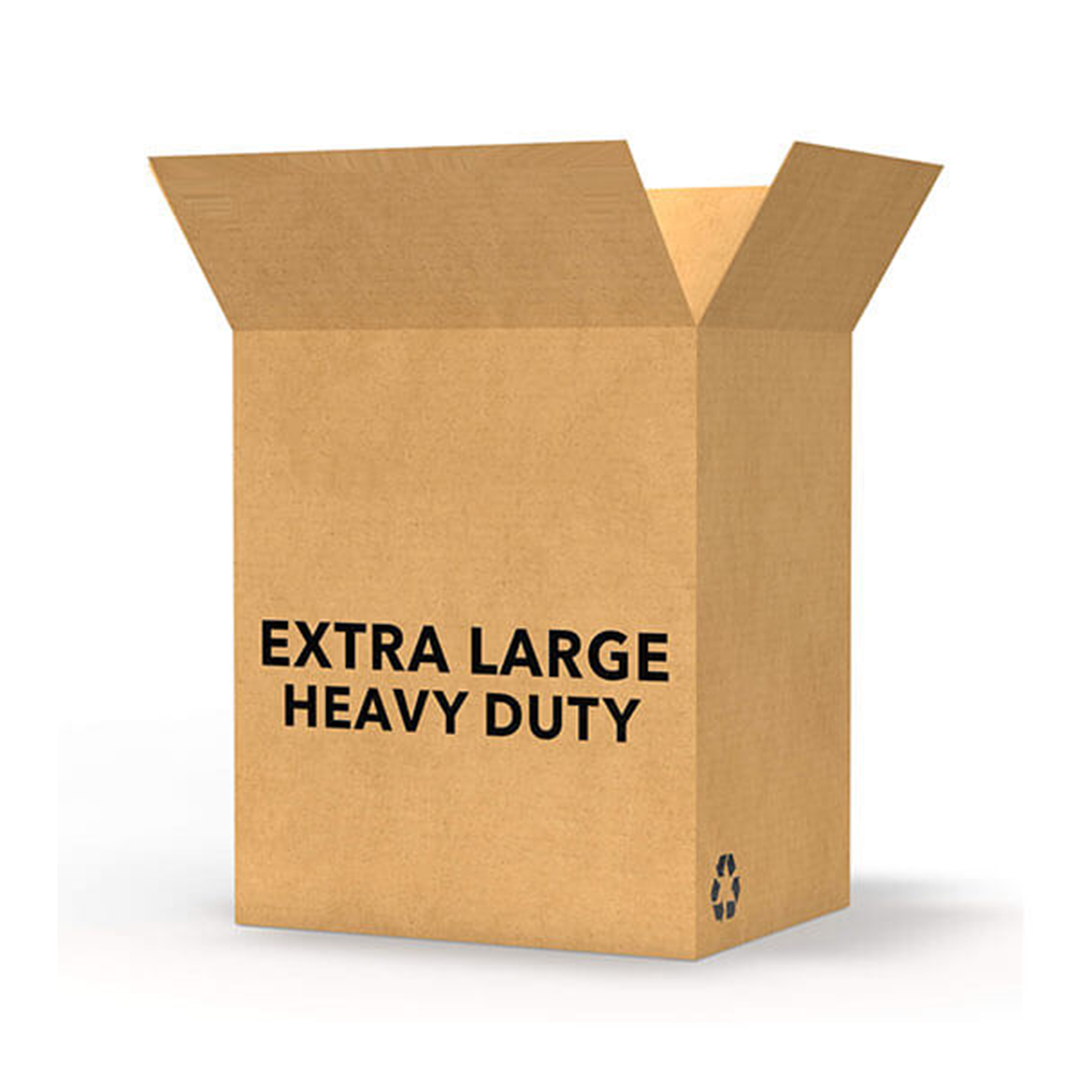
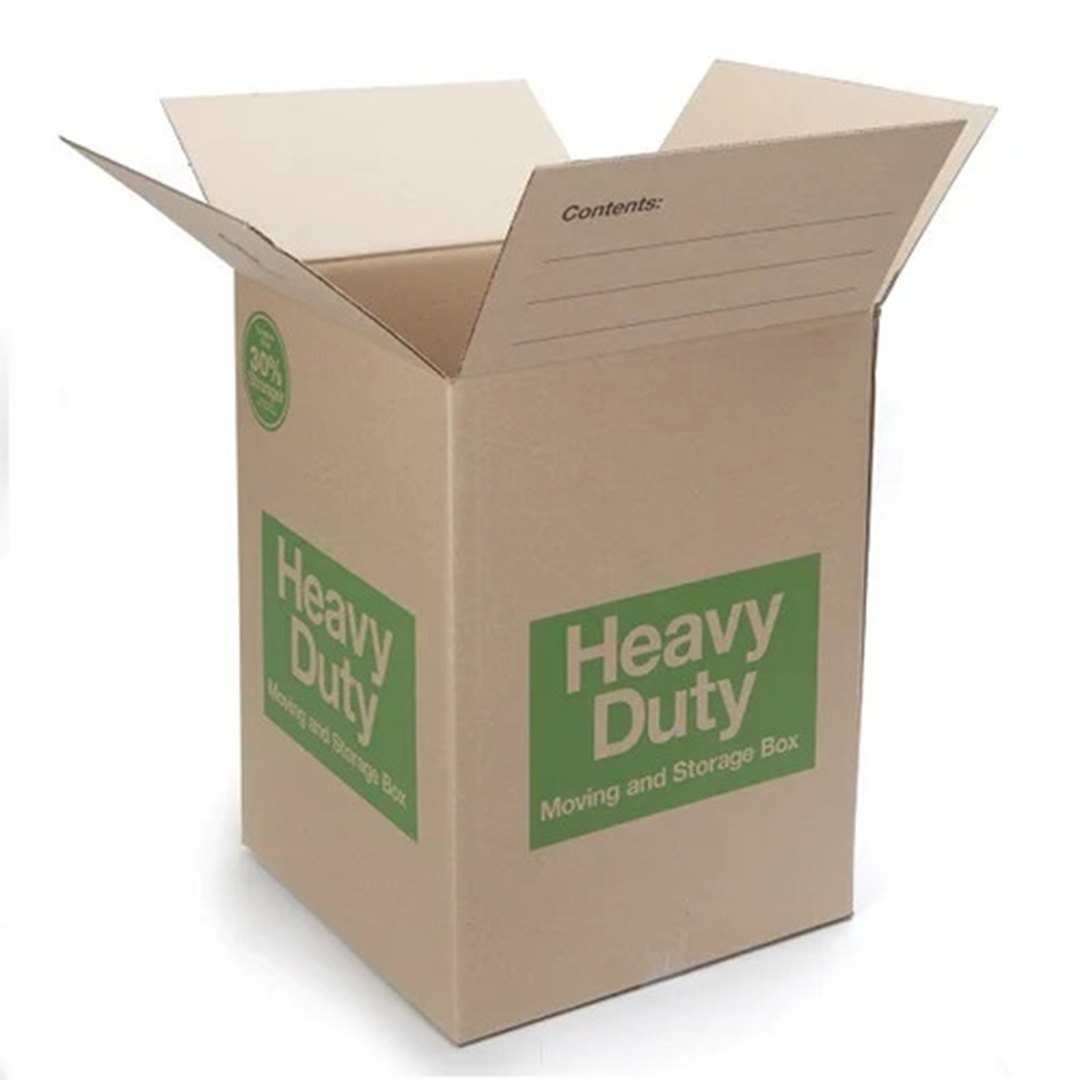
Cardboard heavy duty shipping crates help warehouses and shippers move machinery, auto parts, appliances, and dense components without crushed corners or collapsing walls. When planners compare Cardboard heavy duty shipping crates price with lighter cartons, many of them prefer stronger designs because the overall damage rate and re-packing effort usually drops across the network, especially when these crates work alongside Cardboard Corrugated Pallet Boxes on mixed pallets. Extra Large Heavy Duty shipping boxes in this range give enough space for grouped items, foam inserts, and dividers, so teams can place heavy parts, boxed units, and bundled kits on a single footprint without creating unstable towers. These crates suit long domestic journeys, cross-dock operations, and Heavy Duty boxes for international shipping where pallets may be reworked several times before arrival. With clear panel space for labels and handling symbols, they also help scanners and operators keep loads moving smoothly through busy depots.
In daily use, staff need packaging that stands up to forklift tines, tight pallet wrapping, and fast loading windows. Cardboard heavy duty shipping crates for sale are designed with firm side walls, reliable flaps, and steady bases so that weight spreads across the whole structure instead of stressing one weak point. This support reduces leaning stacks and hidden damage in lower layers of pallets. Internal fit is just as important, so many teams combine these crates with inserts, corner pads, and shock-absorbing pads that protect edges and glass or metal surfaces. When operations managers review breakage reports and transport claims, the same pattern appears again and again: stronger crates with well-chosen packing methods usually cut down on product loss, return handling, and delays caused by re-boxing.
Pallet Friendly Cardboard Heavy Duty Shipping Crates For Racks And Conveyors
Busy distribution centres need packaging that works with their existing equipment, layouts, and standard operating procedures. Cardboard heavy duty shipping crates fit easily onto racking, conveyors, and pallet trucks because the outer sizes follow practical, pallet-friendly footprints. This helps planners build stacks that stay within safe height limits while still taking advantage of every available centimetre of rack space. Extra Large Heavy Duty shipping boxes are particularly useful when a single crate carries a fully assembled unit, reducing the number of separate cartons that staff need to trace and protect. Clear faces for barcodes, routing labels, and descriptions keep scanning quick even when pallets are wrapped.
Handling patterns matter as much as the weight rating itself. Crates pass through picking zones, packing benches, stretch-wrapping stations, and loading bays, sometimes multiple times during a shift. A good heavy duty design keeps its shape even after workers lift and reposition it more than once, so that flaps still close neatly and tape remains secure. When supervisors answer questions about which box to use for heavier orders, they usually focus on how the crate behaves under repeated handling, not just on the test figures on paper. Clear internal guidance that ties certain crate grades to specific weight bands and products makes these decisions much easier for the whole team.
Benefits of using heavy duty shipping crates
- Reduces product damage during long routes, cross-docks, and warehouse transfers
- Supports neat pallet patterns that stay stable on racks and in vehicles
- Works with custom inserts, pads, and dividers for fragile or high-value goods
- Provides clear surfaces for route labels, safety messages, and barcodes
- Helps teams answer customer questions about packaging strength and reliability
Steps for preparing heavy duty crates in daily operations
- Check product weight and choose a crate size that allows cushioning on every side.
- Place a firm pad or corrugated sheet on the base so pressure spreads evenly across the floor of the crate.
- Position the product centrally and keep heavy edges away from side panels to avoid pressure points.
- Add fillers, corner pieces, or dividers so that nothing can shift when pallets move or when vehicles brake.
- Close flaps, tape along all seams in a strong pattern, and secure the crate to the pallet with appropriate strapping before wrapping.
| Use case | Crate size band | Board strength option | Inside support approach | Typical packed items |
|---|---|---|---|---|
| Compact but very heavy parts | Small to medium footprint | Strong double wall | Foam pads and corner blocks | Motor units, gear sets, dense metal parts |
| Mixed boxed products on one pallet | Medium pallet-friendly | Double or triple wall mix | Dividers and inner cartons | Electronics bundles, tool assortments, kits |
| Single large assembled equipment | Wide or tall footprint | Triple wall export grade | Blocking, bracing, and base pads | Appliances, vending units, lab or shop machines |
Cardboard heavy duty shipping crates wholesale planning
Cardboard heavy duty shipping crates wholesale programs support businesses that send repeated loads to multiple regions and need consistent performance across all their orders. Instead of mixing many unrelated carton styles, they choose one coordinated range so staff can match crate size, strength, and weight limits without guessing. To organise these options, planners often study grouped ranges such as Cardboard Boxes by Material Strength, assigning each board level to particular weight bands, stacking heights, and route categories. When combined with realistic packing rules, this approach gives clear answers to everyday questions like which crate to pick for a certain product, how many layers to stack, and what board strength to use for tall pallets.
Once a heavy duty range has been defined, the next step is linking those crates to real handling conditions. Cardboard heavy duty shipping crates price can then be evaluated against total logistics cost, not just per-piece packaging spend. For example, strong crates for dense items may raise packaging cost slightly but bring down damage claims, returns, and roll-cage or pallet rebuilds. Wholesale arrangements also help with forecast planning because buyers can block out expected usage across months and negotiate production schedules that suit their peaks. Clear, written crate rules make training simpler, so new staff quickly understand which grade belongs with which product group.
Questions buyers ask before choosing crate grades
Before committing to a long-term arrangement, buyers often ask how a small set of crates can cover both local and export needs. They may want to know whether the same size can be used in different board grades for lighter and heavier loads, or whether that would confuse staff on the floor. Many teams also ask how Extra Large Heavy Duty shipping boxes behave when stacked under smaller crates on mixed pallets, and what kind of stacking height is realistic in their own racking systems. By linking crate tests to real forklifts, racking, and wrapping habits, they can answer these concerns with practical evidence.
Other questions focus on labelling and identification. Teams need to see how well printing stands up to wrap tension, loading, and handling, especially on crates that travel long distances or sit in storage for weeks. They want to avoid situations where important codes are hidden behind straps or film. Cardboard heavy duty shipping crates wholesale setups often include standard print layouts that reserve clean zones for labels, so that scanning is straightforward at every warehouse. Over time, pictures and measurements from good pallet builds become training tools for new staff and reference points when planning new products or routes.
Key planning points for wholesale crate standards
- Group products by weight band, fragility, and stacking needs before choosing crates
- Limit size lists to a practical set of footprints that suit your pallets and racking
- Match board grades to route types, from local runs to long-distance export lanes
- Agree clear labelling zones so routing and safety messages remain visible
- Review damage and claim data on a regular schedule and upgrade grades where needed
Process for setting up a repeat heavy duty crate program
- Gather data on products, weights, existing packaging issues, and target stacking heights.
- Select trial crate sizes and board grades for each product group, keeping the list as simple as possible.
- Run packing and transport tests that copy real warehouse, vehicle, and racking conditions.
- Record successful crate and pallet combinations, then document them in simple guides for warehouse staff.
- Monitor performance over time, refine crate choices, and adjust wholesale volumes as product ranges and routes change.
| Buyer goal | Crate selection focus | Suggested board option | Helpful operational detail | Likely benefit for the business |
|---|---|---|---|---|
| Lower damage and fewer returns | Strongest grades on high-risk SKUs | Triple wall on key items | Added corner support and base pads | Reduced claims and improved customer trust |
| Simple training and control | Clear hierarchy of crate grades | Limited set of core options | Printed route and handling guidance | Faster onboarding and fewer packing mistakes |
| Better stock and cost balance | Shared sizes across product lines | Mix of double and triple wall | Neutral branding for multi-use crates | Better stock turns and easier purchasing |
Heavy duty boxes for international and export shipping
Heavy duty boxes for international shipping must stand up to longer routes, mixed handling conditions, and climate changes across borders. Shipments may travel by road, rail, air, and sea before they reach their final destination, and at each stage pallets can be moved, rebuilt, or stored for extended periods. Brands that manage both domestic and export freight often work with Custom Cardboard Boxes so they can keep heavy duty crate sizing, grade choices, and printing rules consistent across all of their sites. This helps them align packaging with real handling practices and gives them one reference point when they need new sizes, trials, or replenishment. Cardboard heavy duty shipping crates for sale in this context usually feature high edge crush strength, reliable seams, and walls that stay steady even in tall stacks. Clear outer faces also support the labelling needed for customs, safety, and routing.
Route and climate details have a direct impact on crate performance. Long sea journeys expose cartons to moisture and repeated temperature changes, so export-grade board and liners are chosen to manage these effects as well as possible. On land, road and rail movements create vibration, turns, and braking forces that can cause loads to shift if crates and internal supports are not well matched. Cardboard heavy duty shipping crates wholesale orders for export lanes often include extra attention to base support, corner protection, and adequate space for desiccant packs where humidity is a concern. When businesses test crate options in realistic conditions, they quickly see which combinations of board grade, load weight, and internal support hold up best on each route.
How routes and climate impact crate performance
Different routes challenge packaging in different ways. Short regional deliveries might only need moderate stacking strength but must allow for frequent handling at local depots and customer sites. In contrast, long mixed land and sea journeys can involve extended storage, shifting humidity, and several points where pallets are broken down and rebuilt. Heavy duty crates give planners more certainty when they are designing load plans for these situations because they know the walls will resist crushing more effectively than lighter cartons. Extra Large Heavy Duty shipping boxes are useful when a single piece of equipment or a consolidated set of parts fills one crate that stays at the bottom of the stack.
Climate conditions can also vary widely across a single export route. Goods may leave a dry warehouse, pass through a humid port, and arrive in a cooler or hotter region than where they started. Board grades for Heavy Duty boxes for international shipping are selected to balance strength, weight, and cost under these changing conditions. Planners often mark certain crate types as export-only so that staff on the floor always pick a high enough grade when preparing overseas orders. By linking each route to specific crate options and internal packing methods, operations teams can reduce the risk of surprises and keep their export performance stable over time.
Important considerations for export-focused heavy duty crates
- Match crate grades to each route type instead of using one level for every journey
- Keep label areas free from straps and major crease lines so scanning stays reliable
- Allow room for corner protection, blocking, and bracing for top-heavy or fragile loads
- Consider humidity and temperature changes when choosing board combinations
- Use repeatable pallet patterns so staff can rebuild loads consistently at different hubs
Simple planning steps for export shipments with heavy duty crates
- List export routes and classify them by journey length, climate range, and handling complexity.
- Assign crate sizes and grades to each route and weight band, linking them to clear packing rules.
- Test sample loads using real pallets, wrap tension, and handling equipment before large roll-outs.
- Record photos and diagrams of successful pallet builds so staff at all sites have visual guides.
- Review export damage records regularly and refine crate options, internal supports, and pallet patterns where needed.
| Route type | Crate focus recommended | Inside support approach | Extra measures often applied | Typical shipment scenarios |
|---|---|---|---|---|
| Short regional export by road | Medium grade heavy duty crates | Pads and simple dividers | Standard wrap and basic strapping | Nearby cross-border deliveries and B2B supply |
| Long mixed land and sea routes | Higher grade export designs | Corner protection and bracing | Strong wrap and careful load plans | Container loads to distant distribution hubs |
| Remote or high-risk destinations | Top tier heavy duty crate range | Full blocking, bracing, and pads | Extra straps and route markings | Critical machinery, service parts, key spares |