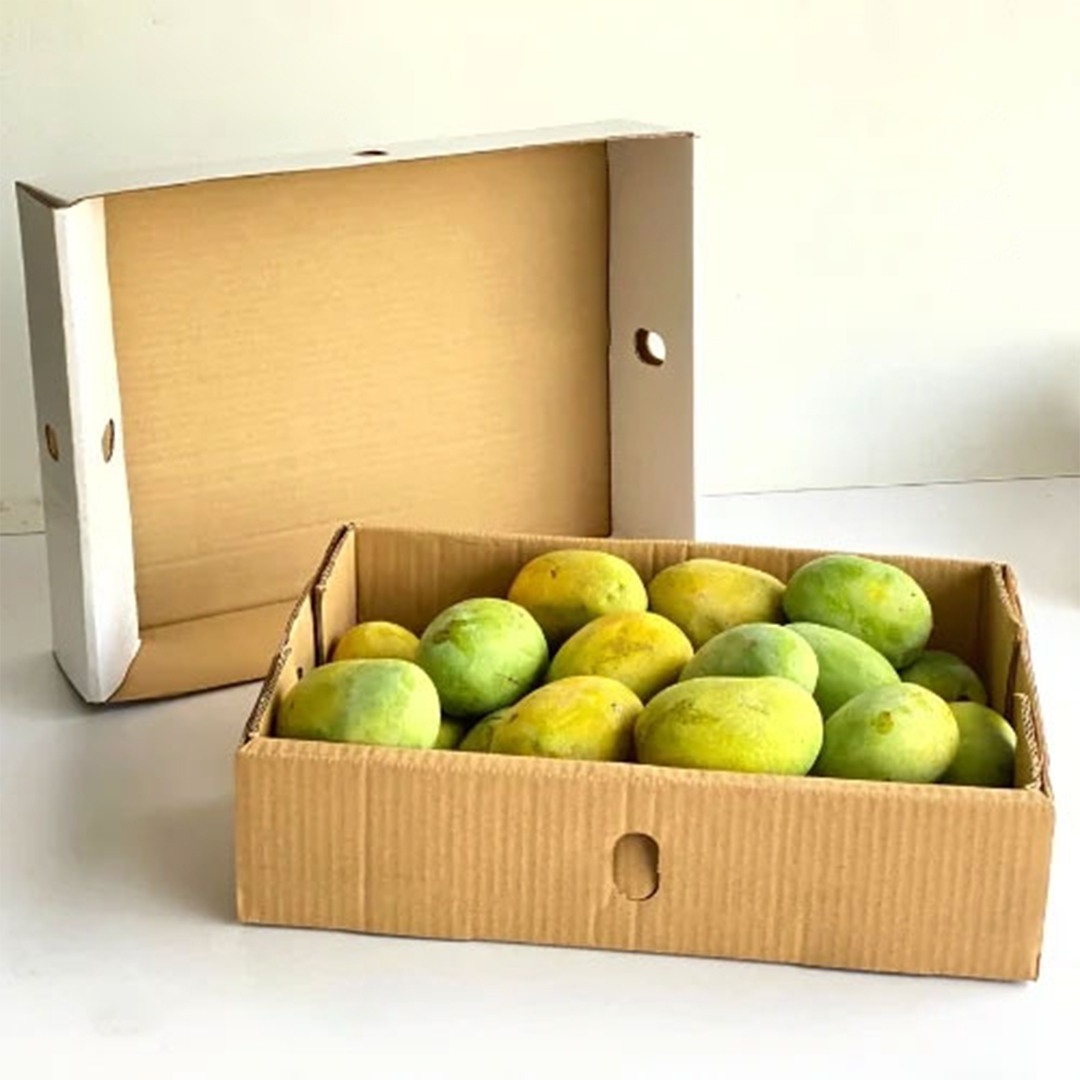
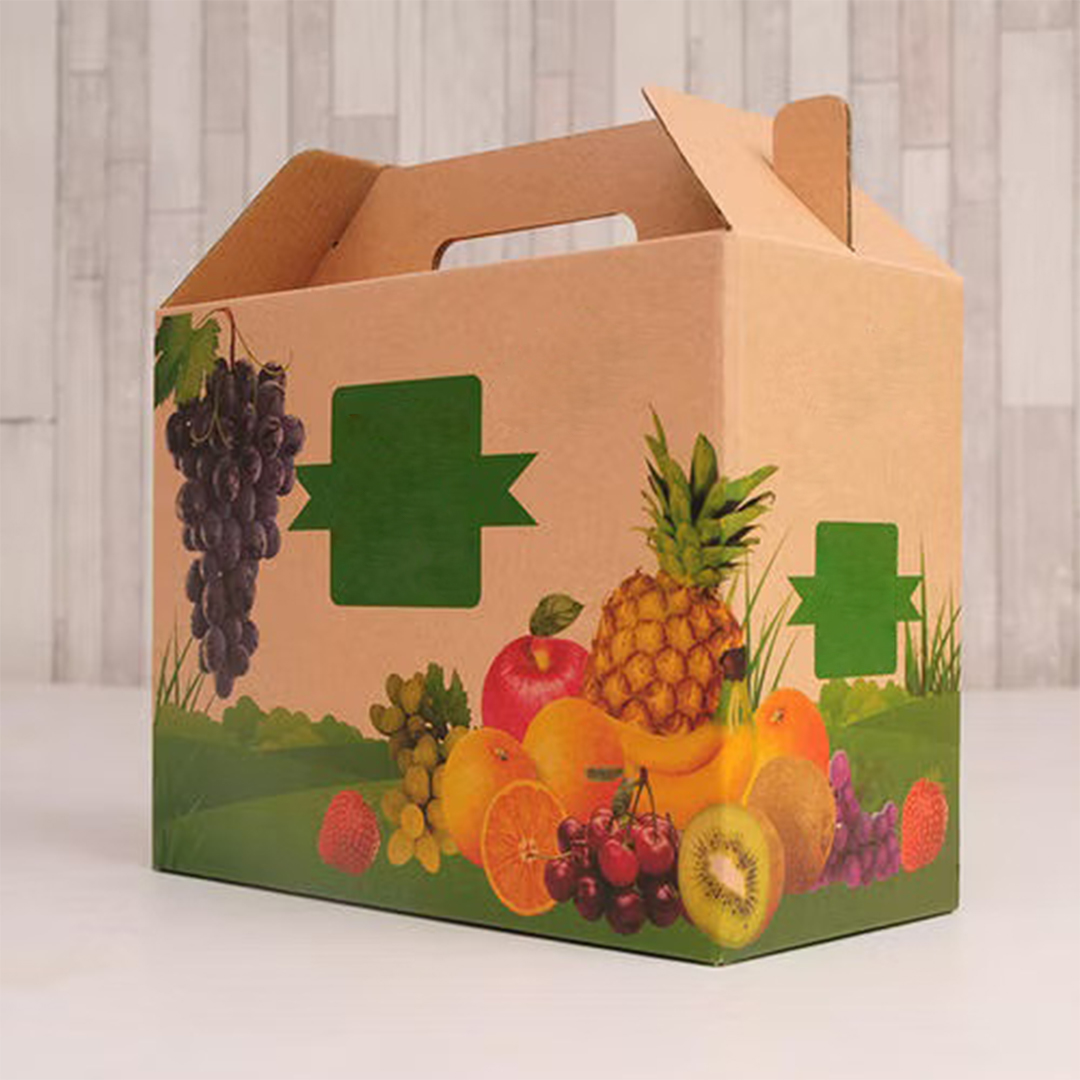
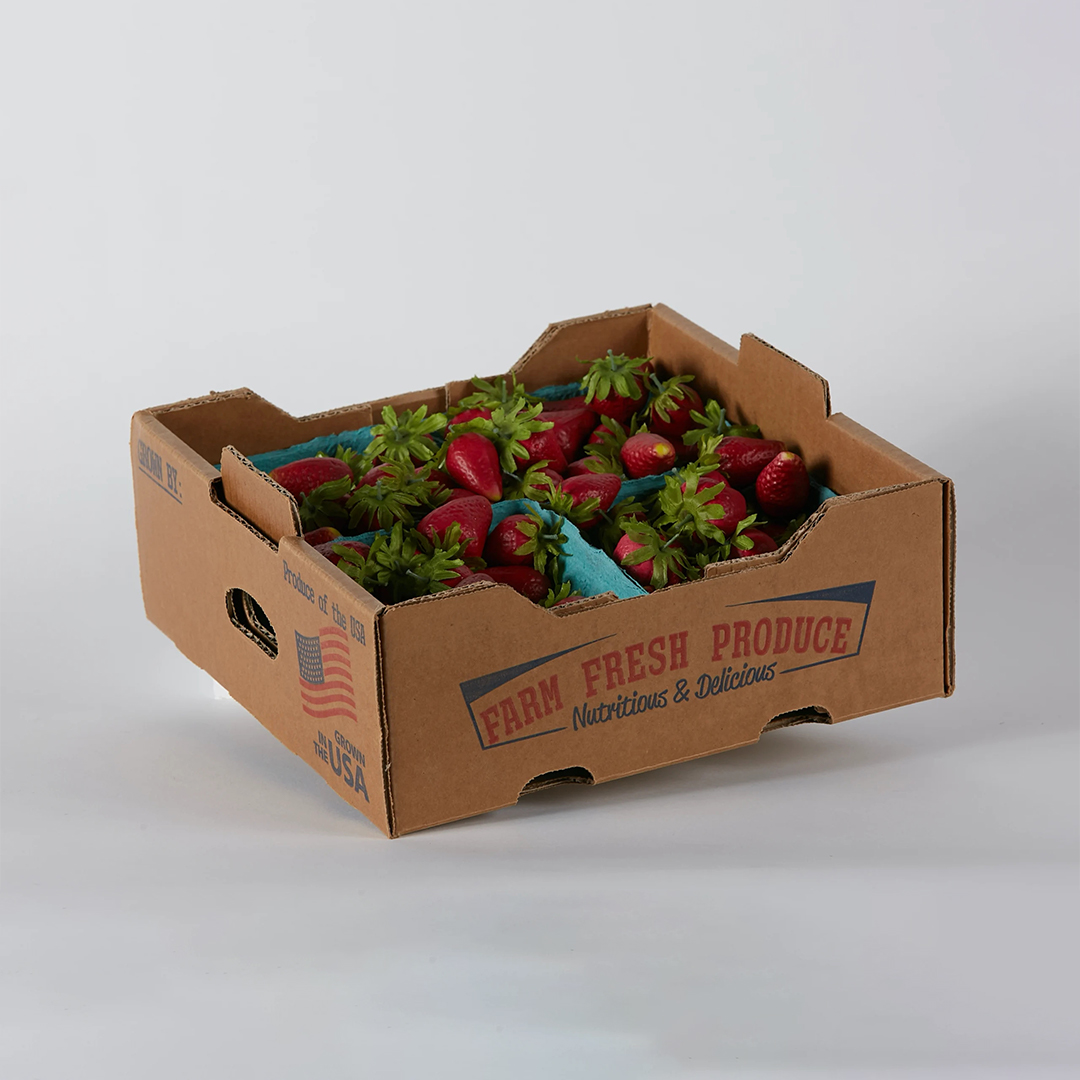

Cardboard Fruit Packaging Boxes

Fresh and delicate fruits need packaging that stays steady, protects produce, and supports clean storage for farms and retailers.
Our Shop Cardboard Boxes range helps businesses manage daily fruit handling with strong and lightweight boxes. These cardboard fruit packaging boxes support stacking, reduce bruising, and maintain organized movement from harvest to delivery. High-quality material, smooth printing, and secure edges make them reliable for small and large-scale shipments. Custom sizes, printing, Gloss, Matte, and Spot UV coatings available with fast shipping and bulk pricing.

Description

Strong Cardboard Fruit Packaging Boxes for Secure Produce Transport

Fresh fruits need stable, moisture-resistant, and clean packaging that protects them from pressure during storage and transport. Many suppliers working with delicate produce shipments also plan their carton choices alongside Cardboard Vegetable Packaging Boxes so strength, ventilation, and stacking behaviour stay consistent across different crop types.

These cardboard fruit packaging boxes help fruits stay organised, reduce bruising, and maintain freshness while moving through the supply chain. Their firm surfaces support stacking, save storage space in cold rooms and stores, and improve product presentation for both retail displays and farm sales counters.

Main advantages of sturdy cardboard fruit packaging

  • Helps fruits stay steady during local and long-distance delivery
  • Supports pressure control for sensitive produce like berries and soft fruits
  • Lightweight handling that suits daily farm and market operations
  • Easy for teams to assemble, load, and stack in storage areas

Practical reasons growers choose these fruit boxes

  1. Helps reduce moisture impact when combined with liners or wraps
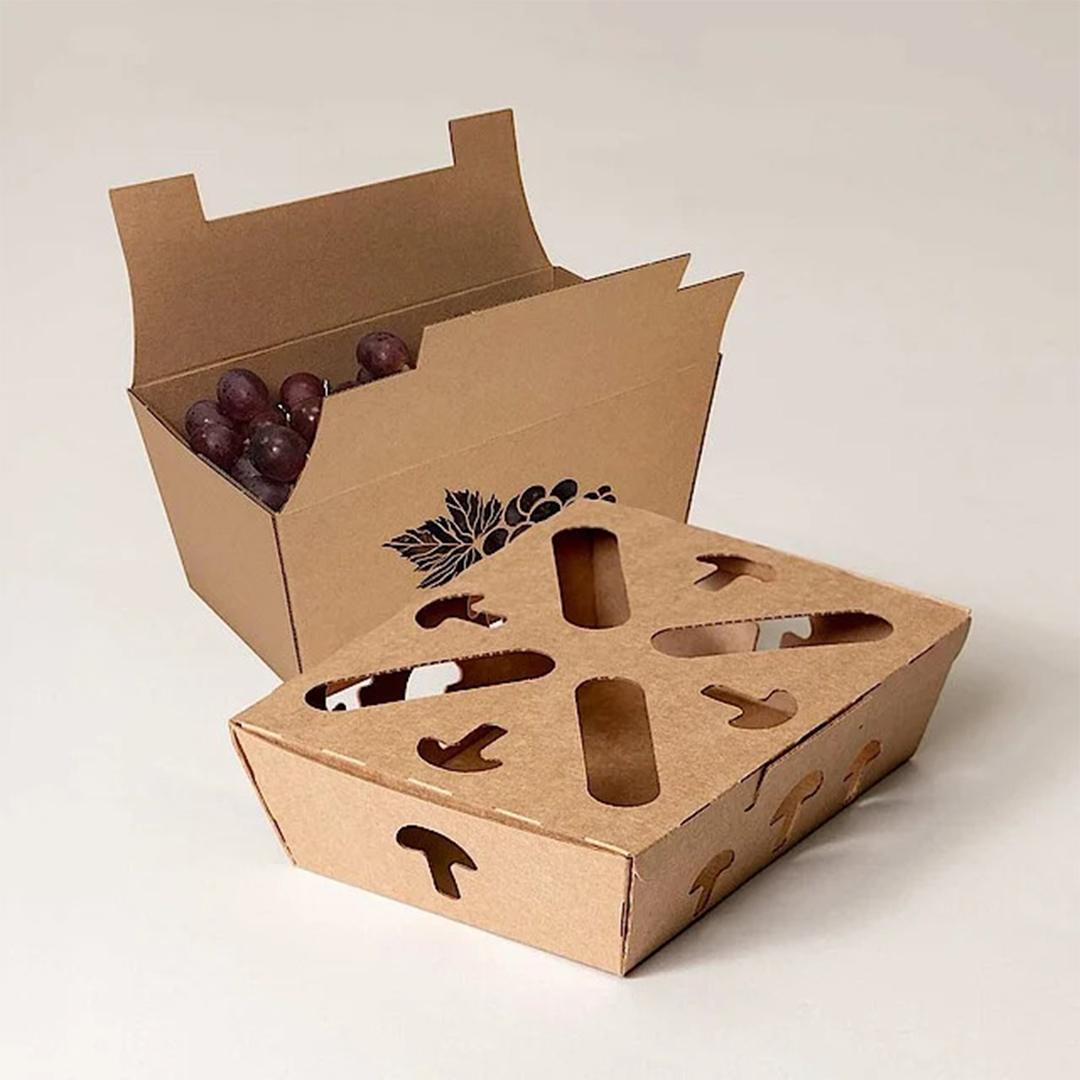
  2. Improves airflow around packed fruits using vents and cut-outs
  3. Supports branding with custom printing and colour systems
  4. Offers a low unit cost for bulk agricultural use across seasons
Feature Details Material Options Finishing Choices Add ons and Features Usage Application
Dimensions Small to large produce box sizes White board, Kraft, Corrugated Gloss, Matte, Spot UV Die cuts, ventilation holes, handles Fruit farms, retail displays, markets
Printing CMYK or PMS options 10pt to 28pt Offset or Digital QR codes, brand logos Branding, farm identity, export details
Board Stock Food grade and durable Coated board, Kraft paper Soft touch, anti scratch Smooth internal linings Apples, oranges, grapes, mixed produce
Quantities From 100 to bulk runs Flexible MOQ Bulk pricing Repeat ordering Wholesale fruit transport and distribution

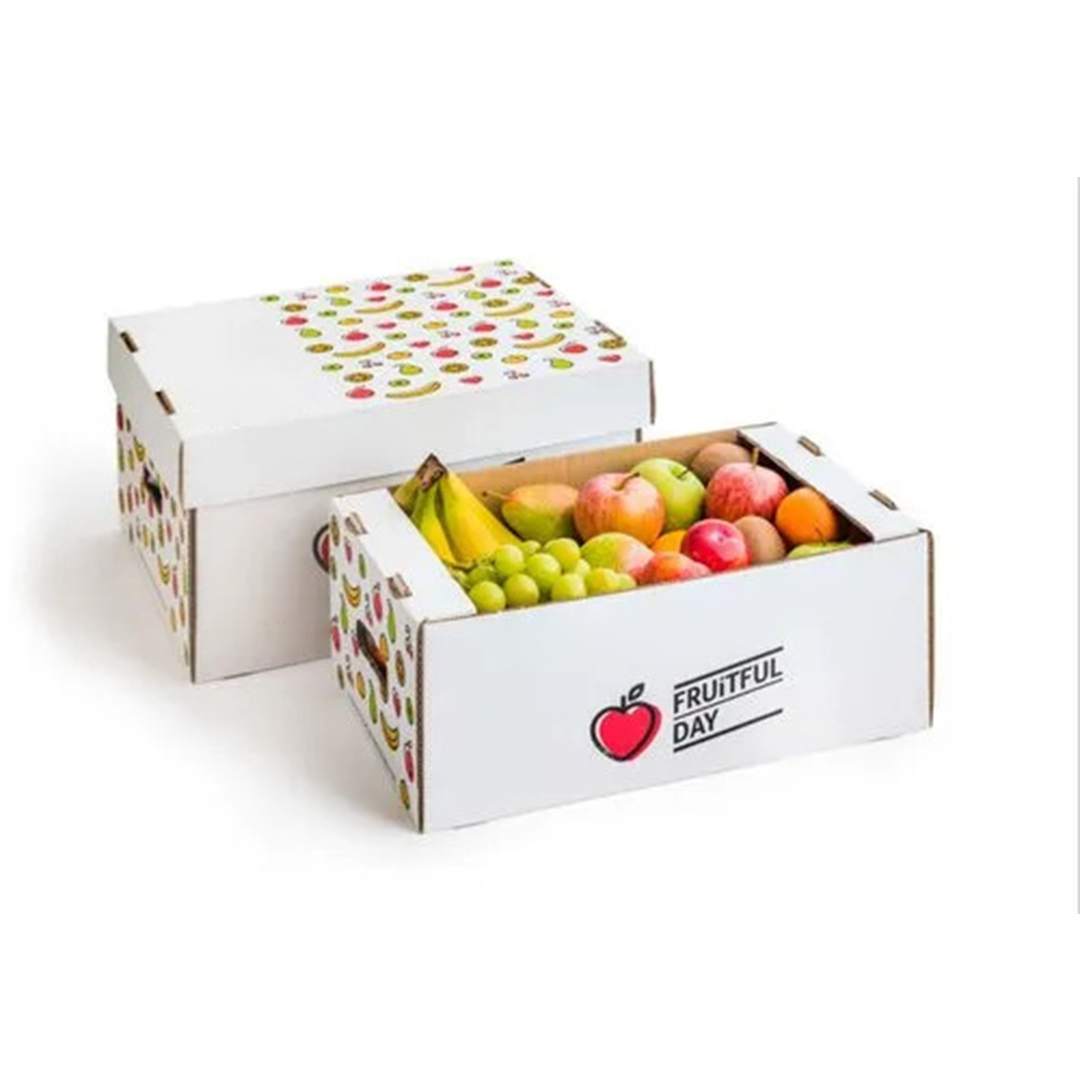
Cardboard Fruit Packaging Boxes With Lids for Freshness Control

These boxes with lids help fruits stay covered, clean, and steady during handling. The lid protects the top layer of fruit from dust and minor movement, while the base supports the weight of lower layers in cold rooms and vehicles. In many produce lines, lidded designs are planned together with ranges like Food Related Cardboard Boxes so apples, citrus, vegetables, and other fresh items share a similar packaging look and stacking pattern.

Lidded designs are widely used by farms, stores, and exporters because the box exterior stays firm even when stacked high in depots or containers. Graphics, product names, and export labels can be positioned on the top lid, giving a clear and neat appearance on pallets, in chill stores, and on front-facing retail shelves.

Benefits of lidded fruit packaging for fresh produce

  • Top layer stays protected from direct pressure during stacking
  • Clear areas on the lid for brand printing and origin details
  • Helps fruits remain steady inside export cartons and cases
  • Better airflow options when side vents and cut-outs are included

Operational reasons to pick lidded fruit boxes

  1. Helps farmers handle mixed fruit varieties within the same outer size
  2. Supports long-distance transport with more stable stacking patterns
  3. Reduces bruising when boxes are moved between storage and display
  4. Maintains visual cleanliness and order for supermarket and market shelves
Feature Details Material Options Finishing Choices Add ons and Features Usage Application
Structural Design Lidded or open top styles Kraft, Corrugated Matte, Gloss, UV Locking lid edges and flap systems Export shipments, regional distribution
Ventilation Side vents for airflow Corrugated E flute Protective coatings Reinforced bases and corners Grapes, berries, soft fruits
Weight Support Stable sides and base Heavy board Smooth lamination Extra crease lines for strength Farm packaging and crate loading
Branding Areas Full printable surface Coated board Color printing Custom labels and ID panels Market displays and retail pre-packs

Bulk Cardboard Fruit Packaging Boxes for Large Scale Distribution

Large fruit suppliers, cold storage units, and farms prefer bulk quantities because they reduce per-unit cost and keep stock ready for peak picking days. In many packaging plans, high-volume projects are grouped with families like Custom Cardboard Boxes, which provide tested board strengths and folding layouts that can be reused across several fruit lines.

Bulk options support daily operations by ensuring that fresh cartons are always available when harvesting teams arrive. These boxes ship flat, save space in warehouses, and can be assembled quickly by staff during busy hours in packhouses or grading lines. Consistent die-cuts and crease lines also make it easier to train seasonal workers.

How bulk fruit packaging supports distribution speed

  • Easy for staff to fold and prepare on packing benches
  • Reduces storage space requirements inside warehouses and cold rooms
  • Lower packaging cost for large agricultural companies and co-ops
  • Consistent supply for export programs and regular retail orders

Logistical benefits of bulk fruit boxes for distributors

  1. Helps reduce loading delays when containers or trucks are waiting
  2. Allows quick packaging for multiple fruit sizes using core box families
  3. Improves workflow during peak harvest by standardising folding steps
  4. Gives retailers and wholesalers a stable daily supply of packed produce
Feature Details Material Options Finishing Choices Add ons and Features Usage Application
Bulk Supply 100 to 500,000 units Kraft, Corrugated board Matte, Gloss Pre cuts and folding lines Wholesale fruit shipping and export
Storage Ships flat and saves space Recycled board Smooth finish Printed instructions for folding Warehouses and cold storage units
Handling Lightweight cartons for staff Strong fibers UV coat optional Grip handles and cut-outs Daily retail restocking and market runs
Durability Supports stacking in storage and transit Food safe board Soft touch where needed Hard base and reinforced corners Apples, citrus, melons, mixed cartons

Custom Printing Options for Cardboard Fruit Packaging Boxes

Businesses often require branded boxes for retail visibility, QR labels, export identification, and freshness messaging. Custom printing allows farmers and distributors to show product type, harvest information, grading, and handling guidance clearly on each face of the box. In many fresh produce ranges, print layouts are reviewed alongside Cardboard Vegetable Packaging Boxes so artwork elements like logos, colours, and icons stay aligned across fruit and vegetable lines.

Brand printing supports both small fruit farms and large export companies by making batches easier to identify and display. High-quality inks and suitable coatings help colours remain visible even when boxes are stored in chilled conditions or moved frequently through warehouses and retail back rooms.

What can be printed on fruit packaging boxes

  • Freshness dates or packing date information for traceability
  • Batch number areas to support tracking and quality checks
  • Farm logos, line names, and origin visuals for branding
  • Fruit grade labels to signal quality levels to staff and buyers

How printed details support fresh produce handling

  1. Supports exporters managing large mixed or single-variety shipments
  2. Helps staff identify fruit batches quickly during loading and rotation
  3. Improves shelf visibility in busy stores and market environments
  4. Assists customers in quick product recognition across multiple brands
Feature focus Description based on fruit packaging use Material options used for fruit cartons Surface finish choices suitable for produce Extra elements that support growers and distributors Usage / Application across fresh produce channels
Box sizing and depth Sized to hold fruit layers without crushing or loose gaps White board, kraft, corrugated combinations Matte or light gloss for practical handling Die-cut hand holes, reinforced corners, fold-in flaps Farms, grading stations, packhouses, collection centres
Ventilation and airflow Side and base vents help air circulate around packed fruit Corrugated E flute and lightweight liners Coatings that resist moisture and chill-room conditions Vent slots, punch-out holes, liner compatibility Cold stores, reefer containers, long-distance shipments
Board strength and safety Strong enough to stack while keeping contents protected Food-grade coated board, kraft paper stocks Soft touch or anti-scratch where surfaces rub Smooth interiors that reduce scuffing and abrasion Apples, citrus, stone fruit, mixed seasonal produce
Printing and identification Space for grades, batch codes, and branding details 10pt–28pt boards for different weights Offset or digital print for variable runs QR codes, barcodes, logo blocks, harvest data panels Export labels, retail identifiers, co-op and farm branding
Folding and assembly Simple folds that staff can learn quickly in peak seasons Recycled and virgin fibre blends Practical finishes that work on lines and benches Pre-creased fold lines, clear closure sequence On-farm packing, co-op sheds, warehouse loading
Bulk ordering and storage Flat-packed to save space before use Kraft and corrugated sheets in bulk stacks Smooth outer faces for pallet stacking Palletised bundles, strap-ready packs Wholesale distribution, seasonal stock build-up, year-round supply


1. What are cardboard fruit packaging boxes mainly used for

Cardboard fruit packaging boxes are used to hold, protect, and organise fresh produce from farms through warehouses to retail displays. They keep fruit in stable layers so weight is controlled and movement is reduced. At the same time, they give teams a regular shape that stacks well in chill rooms, vehicles, and store back rooms.

2. How do these boxes help protect fruit from damage

The box walls and base absorb part of the load when stacks are built, rather than letting pressure sit directly on the fruit. Vent cut-outs, smooth interiors, and sized depths help control how much the fruit can move. This combination lowers the chance of bruising and surface marks during normal handling and transport.

3. Why is ventilation important in fruit packaging cartons

Fruits continue to respire after harvest, so stale or trapped air can affect quality if not managed. Vents in the sides and bases let cooler air move around the product in cold rooms and vehicles. This circulation assists temperature control and can help maintain firmness, colour, and shelf life when paired with good storage practice.

4. Can one box size work for several fruit types

In many cases, one core footprint can support several fruit varieties as long as layers and inserts are planned carefully. Growers often standardise length and width while adjusting height or internal dividers. This keeps ordering and storage simpler while still allowing enough flexibility for different crop sizes and packing styles.

5. How do cardboard fruit boxes support branding and farm identity

The outer faces provide room for logos, farm names, and region details that travel with every shipment. Clear printing makes it easier for buyers and retailers to recognise regular suppliers across different deliveries. Over time, consistent artwork and colour use can support reputation and traceability for both local and export markets.

6. Are these boxes suitable for cold storage environments

Most fruit cartons are designed with cold storage in mind and use board grades that hold shape under chilled conditions. When correct coatings and liners are chosen, the boxes resist surface softening and maintain stacking performance. Good storage practice, including controlled humidity and handling, further extends their working life.

7. How do flat-packed boxes help during peak harvest

Flat-packed cartons occupy much less space before assembly, so large numbers can be stored near packing areas. During harvest peaks, staff can fold and set up only the number needed each shift. This reduces clutter around lines and allows operations to respond quickly when volumes rise or additional fields are picked.

8. What kind of information is useful to print on fruit cartons

Typical print includes product name, variety, grade, and origin alongside basic branding. Many producers also add harvest dates, batch codes, and handling symbols. This information supports checking, stock rotation, and traceability, while making it easier for retailers to manage mixed loads and store layouts.

9. Can cardboard fruit packaging be used for export shipments

Cardboard fruit boxes are frequently used in export chains where they are matched to pallets, containers, and handling systems. When stacked correctly and chosen to fit known weight limits, they perform well under long-distance conditions. Exporters often combine them with liners, wraps, and temperature-controlled logistics for added protection.

10. How do these boxes help staff work faster in packhouses

Simple fold patterns and repeatable footprints let staff follow the same loading steps for many batches. This reduces hesitation and training time, especially when seasonal teams join at busy periods. Consistent box design also makes it easier for forklift and pallet truck operators to handle stacks safely and predictably.

11. Are recycled materials used in fruit packaging cartons

Many fruit cartons incorporate recycled fibres while still meeting strength and food-contact guidelines. The exact mix depends on board type and destination requirements. Producers work with packaging suppliers to balance environmental targets, structural performance, and cost for each line of boxes.

12. How can growers choose the right board grade for their fruit

Growers look at fruit type, weight per box, stacking height, and expected journey length when selecting board. Heavier loads and taller stacks usually need stronger grades and reinforced designs. Trials with sample runs often help confirm whether a chosen board performs well under real handling conditions.

13. What role do hand holes and grips play in these cartons

Hand holes and grips give staff secure places to hold boxes when loading and unloading. This reduces the need to press on side panels or lids, which can transfer force onto the fruit. Better handling control also lowers the chance of drops, tilts, and sudden impacts around loading bays.

14. Can fruit cartons be reused for more than one cycle

In some operations, boxes may make short repeat journeys if they remain clean and structurally sound. However, many producers plan for single or limited use because repeated handling and moisture exposure reduce strength over time. Decisions about reuse usually consider hygiene rules, crop type, and the condition of returned packaging.

15. How do cardboard fruit packaging boxes fit into wider sustainability plans

Cardboard fruit packaging fits into many sustainability plans because it comes from fibre-based materials that can be recovered and recycled in many regions. When carton sizes match loads efficiently, they also help avoid unnecessary material use. Combined with careful logistics planning, these packaging choices support both product protection and resource awareness.

Let’s work together

Get in touch today and receive a complimentary consultation.