

Cardboard Egg Trays

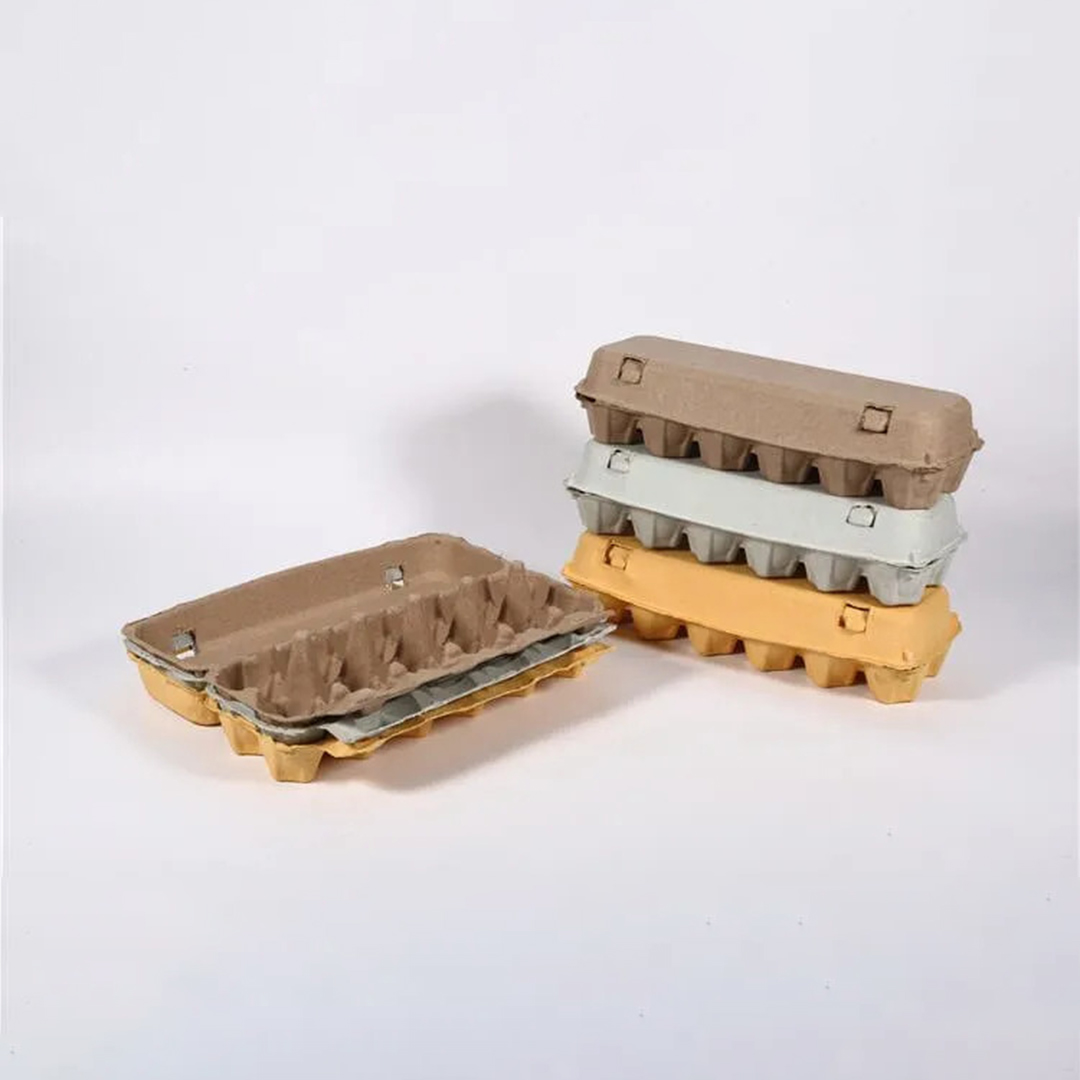
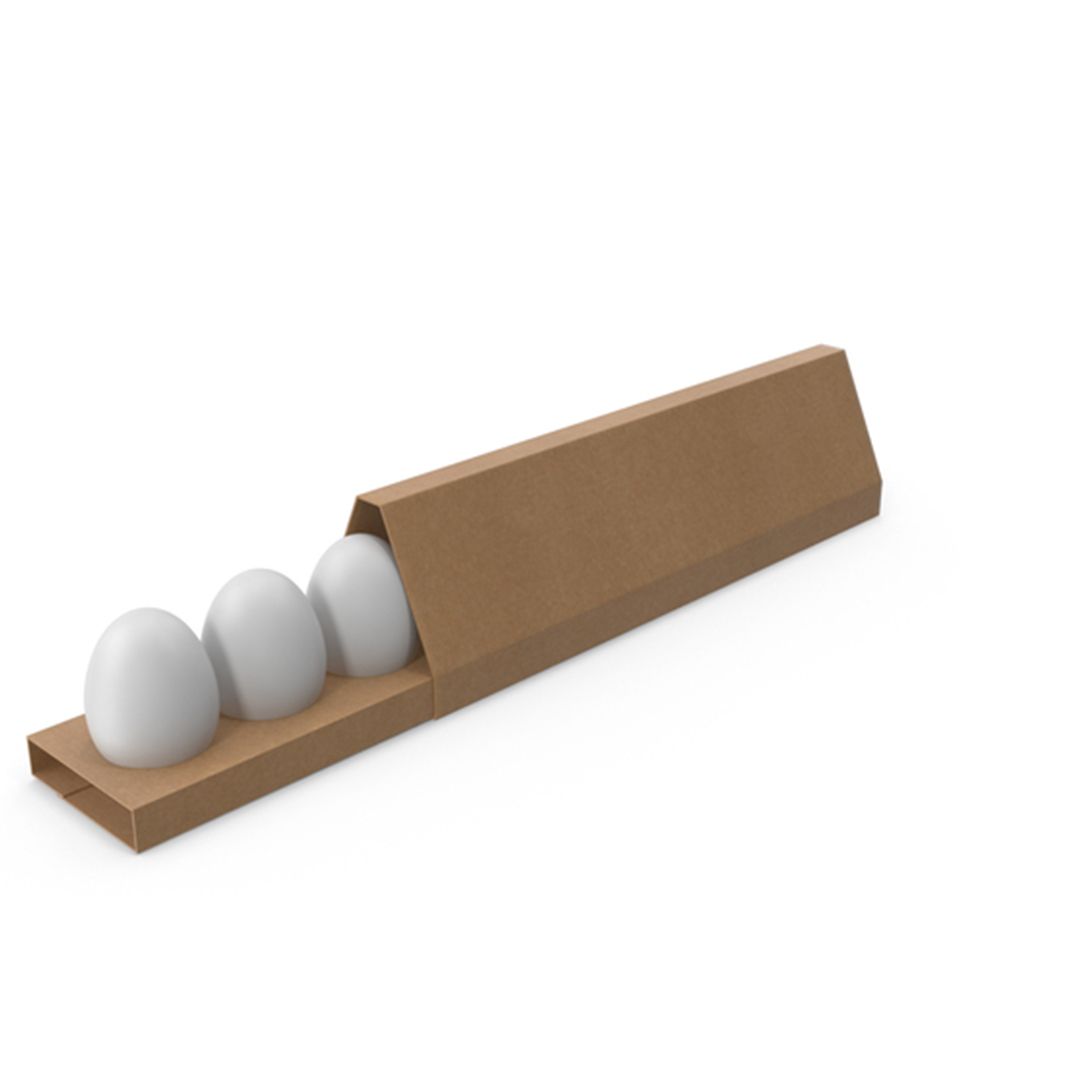
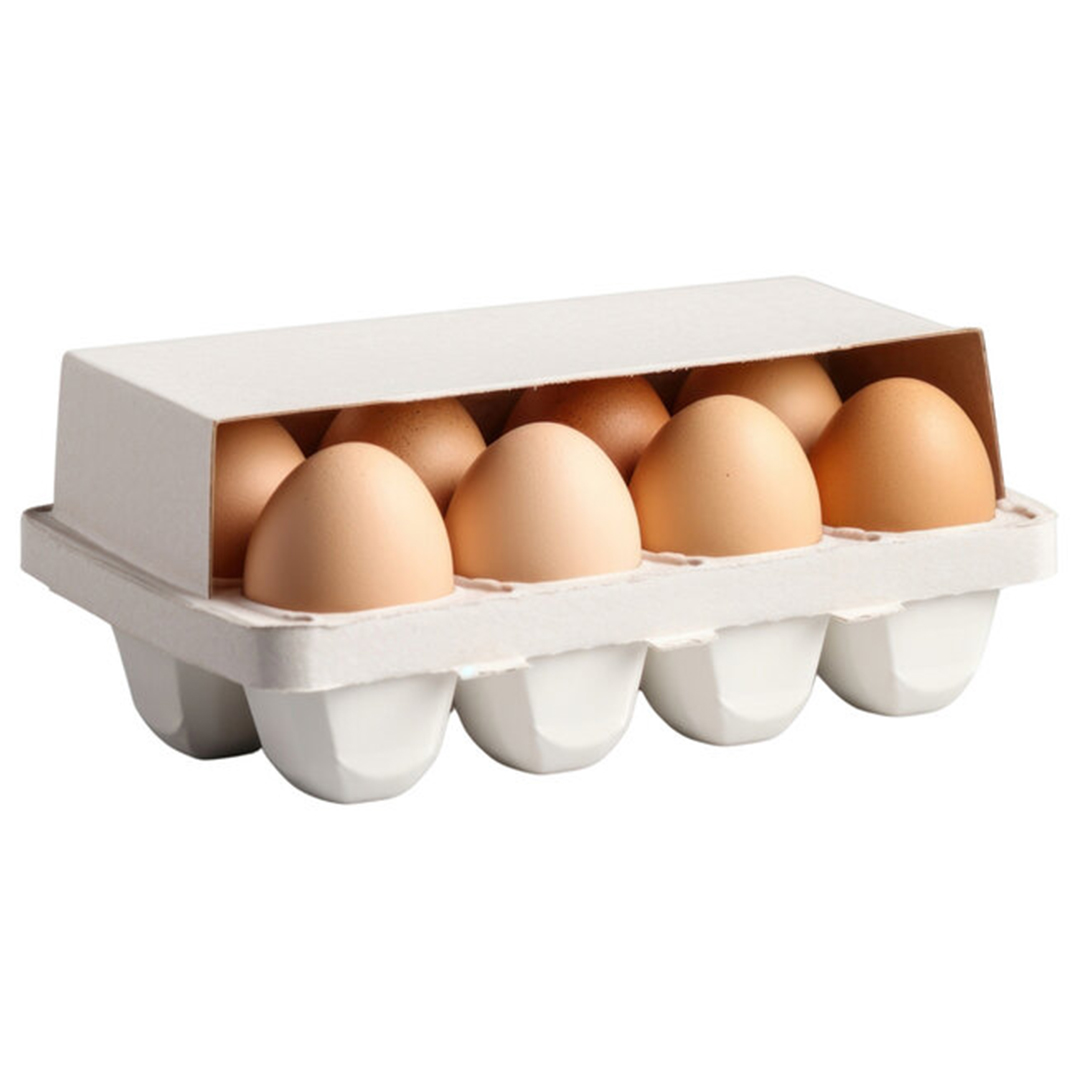
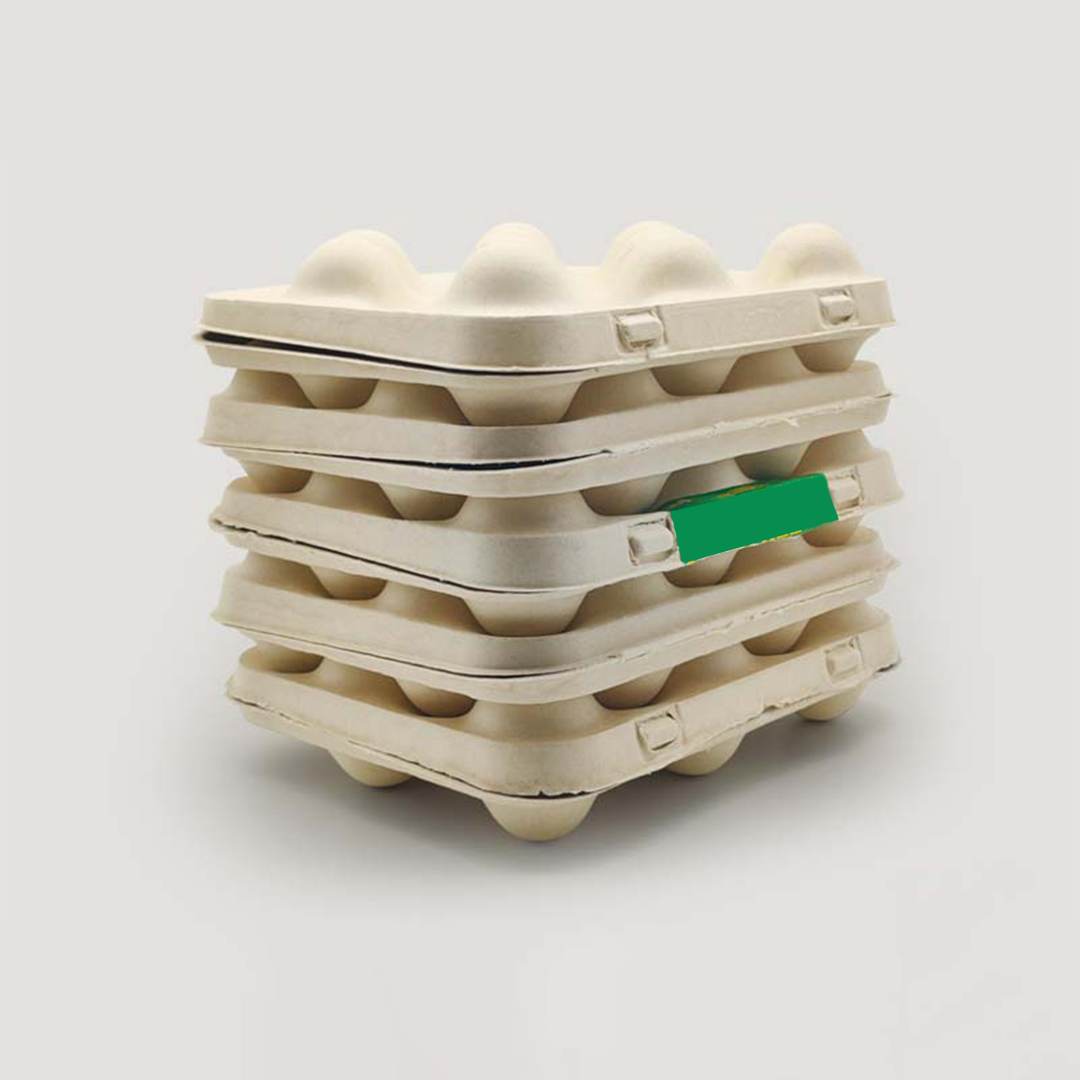
Cardboard egg trays provide steady support for eggs during farm collection, storage, and retail display. Their pocket-based design helps reduce cracks and keeps eggs arranged neatly for smooth handling. Many buyers source their packaging through Shop Cardboard Boxes, where they prefer strong and lightweight trays for daily egg movement.

Description

Strong Egg Trays For Poultry Transportation And Daily Loading

Cardboard egg trays help farms and suppliers move eggs safely from collection zones to storage rooms without cracks or pressure damage. They support bulk handling and keep eggs fixed in separate pockets for steady transport. Many poultry handlers also keep Cardboard Milk Bottle Holders in their packaging mix when they need extra support for bottle-based dairy displays close to egg counters, so both product lines stay organised in the same area.

These trays support fast collection during morning shifts and reduce the risk of egg collision during movement. Their lightweight structure gives workers control when transferring eggs from farm racks to delivery vehicles, keeping stacks stable while hands stay comfortable during repetitive lifting.

How Egg Trays Improve Farm Loading Speed

These trays help reduce handling time by allowing workers to carry multiple eggs together without fear of slipping. Their organised shape supports farm routines and keeps eggs arranged during busy hours when teams are clearing nesting areas or packing for delivery rounds.

The pockets spread weight evenly across each tray so that pressure does not collect on a single point. This balance makes it easier for workers to move stacks between tables, trolleys and vehicle bays, lowering the chance of sudden knocks turning into cracked shells.

Key handling benefits of strong egg trays

  • Helps workers move large batches of eggs easily in one grip
  • Supports safe lifting with minimum pressure on individual shells
  • Distributes weight evenly across the tray to reduce stress points
  • Improves control during quick movement in busy farm corridors

Operational advantages for poultry loading teams

  1. Helps farms manage high-volume egg shifts during peak laying periods
  2. Supports fresh egg delivery cycles with fewer damaged units
  3. Reduces unexpected breakage during loading and unloading steps
  4. Works well with both small, family-run farms and larger poultry units
Feature Details Material Options Finishing Choices Add ons and Features Usage Application
Loading Capacity Handles multiple egg layers at once Kraft, fiber sheet Matte, gloss Extra depth and support ribs Farm loading and collection points
Transport Safety Helps prevent egg collision during movement Corrugated sheet UV finish Support ridge and corner braces Delivery units and transport crates
Handling Comfort Lightweight grip for frequent lifting Fiber mesh Smooth coating Vent grid openings Poultry zones and packing sheds
Size Range From small to large grading sizes Thick board PMS print if needed Label option areas Retail storage and grading rooms

Large Cardboard Egg Trays For Bulk Storage And Market Display

These trays support farms and stores that manage large egg quantities every day. Their pocket design keeps each egg in place, helping workers build neat layers on racks and trolleys. Farm supply managers often organise related carton-based products under ranges like Food Related Cardboard Boxes when planning additional items for store inventory, so egg trays, cartons and other food packs share compatible dimensions.

Large egg trays offer space efficiency by allowing eggs to remain arranged in straight rows for clean presentation. This works both inside cold rooms and on shop shelves, where customers need to see eggs clearly while staff need stable stacks that do not shift during restocking.

Why Large Egg Trays Support Clean Market Display

These trays help sellers present eggs neatly, allowing customers to check quality easily without excessive handling. Their structure prevents rolling and maintains balance on flat surfaces, keeping rows aligned along the counter edge or inside display cabinets.

Because eggs sit in separate pockets, sellers can grade and sort more accurately. The layout makes it easier to remove damaged pieces, keep sizes grouped together and maintain overall hygiene by limiting how often customers touch individual eggs.

Display and storage advantages for retailers

  • Creates uniform rows for display counters in markets and stores
  • Supports clean arrangement in storage racks and chill rooms
  • Improves egg visibility for quick quality checks and grading
  • Maintains hygiene by limiting direct contact and extra handling

Practical reasons to use large trays in markets

  1. Suitable for egg cartons bulk cheap buyers who refill outer packs regularly
  2. Supports grading and sorting routines before packing into retail cartons
  3. Helps reduce pressure marks on shells during extended storage periods
  4. Useful for seasonal high-demand markets such as festivals and holidays
Feature Details Material Options Finishing Choices Add ons and Features Usage Application
Display Support Neat layout for sale counters and trays Kraft, fiber Matte, gloss Pocket depth tuned for egg size Retail markets and roadside stalls
Storage Strength Withstands stacked weight across layers Corrugated fiber Anti-scratch Firm grid and edge strength Poultry coolers and back-room racks
Airflow Design Helps preserve freshness with open sides Vent sheet Smooth finish Moisture control channels Egg bays and ventilated storage areas
Print Flexibility Space for grading labels and branding SBS PMS ink Logo marks or simple codes Wholesale stores and distribution centres

Balanced Egg Storage With Lightweight Cardboard Trays

Cardboard egg trays help workers organise eggs evenly in poultry barns and retail storage areas. They reduce rolling, provide a flat base and protect eggs from sudden shifts during handling. Many buyers who manage poultry sections keep their additional carton-based goods within Custom Cardboard Boxes ranges, so egg trays, outer cartons and other packaging work together as one coordinated system.

These trays maintain balance when stored on shelves, inside boxes or in warehouse racks. Workers can lift, shift and restack eggs smoothly because the layout keeps loads stable while still letting air move around each egg to support better storage conditions.

How Balanced Trays Improve Egg Quality And Handling

The design supports different egg sizes, allowing users to manage small and large eggs in the same tray style without losing order. This helps farms maintain consistency during grading while reducing the number of tray types they need to keep on hand.

By spreading contact points across the shell surface, the tray reduces localised pressure and vibration. This simple change can lessen stress cracks during longer journeys and while trays are stacked in storage bays, supporting better overall quality when eggs reach retailers and end customers.

Stacking and handling benefits for poultry operations

  • Ensures uniform placement for multiple egg sizes within one tray family
  • Reduces surface pressure on delicate shells during storage and transport
  • Supports both compact and large poultry operations with the same format
  • Improves stacking stability in storage halls and vehicle compartments

Practical reasons balanced trays help daily routines

  1. Useful for Farmtek egg cartons suppliers and similar distribution setups
  2. Helps reduce stress cracks during transport over uneven routes
  3. Allows staff to move trays quickly without upsetting egg arrangement
  4. Supports clear visual arrangement for counting and stock checks
Feature Details Material Options Finishing Choices Add ons and Features Usage Application
Egg Fit Suitable for mixed batches of different egg sizes Molded fiber Matte, gloss Deep cups to cradle shells Poultry rooms and grading lines
Strength Level Supports long storage shifts and frequent handling Kraft fiber UV coat where required Extra lining or reinforcement Wholesale centres and farm hubs
Shock Absorption Helps reduce vibration damage in transit Fiber mold Smooth finish Vent slits and flexible pockets Delivery routes and regional transport
Brand Space Optional printing zone for codes or logos Coated board PMS colors Label area or simple brand strip Retail sections and branded egg displays


Feature focus Description based on egg tray usage Material options for egg trays Surface finish choices for handling comfort Extra elements commonly added to tray systems Typical usage in poultry and retail environments
Batch loading support Holds dozens of eggs in one organised layer for quick lifting and transfer Kraft board, molded fiber, fiber mesh Plain matte for grip, light gloss where needed Deeper pockets, reinforced corners Farm collection zones, grading tables, packing sheds
Transport and impact control Helps limit shell collision during movement between farm, depot, and store Corrugated fiber, vented fiber sheet Smooth sealed finish on edges for safe handling Support ridges, interlocking profiles Delivery vehicles, regional distribution routes
Storage strength Withstands stacking on racks and pallets without crushing lower layers Thick board, dense molded pulp Durable matte surfaces for frequent stacking Firm grid layout, edge stiffeners Poultry coolers, warehouse racks, long-term storage areas
Airflow and freshness Open sides and vents allow air to move around eggs to support better storage Vent sheet, breathable molded fiber Lightly sealed surfaces that still allow ventilation Moisture-control channels, vent slits Egg bays, cool rooms, ambient store displays
Size and grading flexibility Works with multiple egg sizes and grading systems in the same tray family Kraft fiber blends, molded pulp variants Neutral finishes suitable for printed codes Label zones, printed grading marks Grading rooms, wholesale depots, mixed-size poultry operations
Branding and identification Gives optional space for codes, brands, or farm information where needed Coated board for select outer layers Ink-friendly surfaces for simple branding Logo strips, colour marks, batch identifiers Retail sections, branded egg programmes, contract packing arrangements


1. Why do poultry farms use cardboard egg trays instead of loose packing

Cardboard egg trays give each egg its own pocket, so weight is spread across the structure instead of sitting on individual shells. This organised support helps reduce cracks when workers move large batches quickly. Loose packing, by contrast, allows eggs to roll, collide, and suffer damage during normal handling.

2. How do strong egg trays improve daily loading routines on farms

Strong egg trays let workers lift many eggs at once without needing to handle each shell separately. The flat base and regular grid shape make it easier to slide trays onto racks, trolleys, and vehicle shelves. This keeps movement predictable and shortens the time needed to clear nesting areas or packing tables.

3. Are these trays suitable for both small backyard flocks and large poultry units

Yes, the same core tray design can serve small and large operations by pairing different counts and stack heights with the right material strength. Smaller flocks may use fewer layers and simpler racks, while big farms stack higher or work with palletised systems. In both cases, the pocket layout still stabilises each egg.

4. How do egg trays help reduce breakage during transport

During transport, road vibration and sharp turns can cause eggs to knock into each other if they are not held firmly. Cardboard egg trays cushion each shell and keep rows aligned so bumps have less direct impact. When trays are stacked evenly in outer cartons, forces spread across the structure instead of focusing on a few shells.

5. What role does airflow design play in egg quality

Airflow gaps around the pockets allow cooler or ambient air to move around each egg rather than trapping heat. This is especially useful in storage rooms where many trays are stacked together. Better airflow helps support overall freshness, particularly when combined with good temperature and humidity control.

6. Can the same tray design handle different egg sizes

Many tray families are shaped to hold a range of egg sizes by using pockets that grip gently at stable points on the shell. Smaller eggs sit lower in the cups while larger eggs rise slightly higher, but both remain secure. Farms can often standardise on one or two tray sizes instead of keeping many different formats.

7. How do egg trays support grading and sorting work

When eggs sit in neat rows, graders can scan for cracks, dirt, or size differences much more quickly. Trays are easy to slide along benches or grading lines, and suspect eggs can be removed without disturbing the rest. Label zones on the side help staff mark grades, dates, or flock information for each batch.

8. Are cardboard egg trays strong enough for stacking in cool rooms

Cardboard egg trays are designed to support stacked loads when used with sensible heights and stable racks. Dense molded fiber and thick board options resist crushing from the weight above. When workers stack evenly and avoid leaning piles, the structure can handle typical cool-room and warehouse conditions reliably.

9. How do these trays make store displays more organised

In store displays, trays create tidy blocks of eggs that line up along shelf edges and counter fronts. Customers can see more of the shells at once without moving products around. This ordered presentation makes quality checks easier for staff and helps the display look cared-for throughout the day.

10. Can farms reuse cardboard egg trays, or are they single-use

Many operations reuse trays internally as long as they remain clean, dry, and structurally sound. Over time, repeated stacking and washing can weaken fibres, so farms monitor condition and retire damaged units. When trays reach the end of their practical life, they can often enter fibre-recovery or recycling streams where available.

11. What is the benefit of combining egg trays with outer cartons

Outer cartons surround stacks of trays and protect them from side impacts, dust, and rough handling. The trays hold eggs steady inside, while the carton shields the overall load. This combination helps when eggs need to travel longer distances through regional hubs, wholesalers, or retailer distribution networks.

12. How do workers know how many trays to stack safely

Safe stacking height depends on tray strength, egg weight, and rack or pallet design. Many farms set internal guidelines after testing how trays behave under typical loads. Clear rules about maximum layers per stack help teams protect eggs while still using space efficiently in cool rooms and vehicles.

13. Are cardboard egg trays suitable for automated or semi-automated systems

Yes, many tray designs work well with semi-automated loaders and conveyors because their footprints and pocket layouts are consistent. Machines can place eggs into the same positions repeatedly, reducing manual handling. Smooth but stable surfaces also help trays move along rollers or belts without snagging.

14. How can retailers keep egg displays tidy when customers handle products frequently

Retailers can keep extra filled trays ready so that gaps are refilled quickly when customers pick up packs. Because each tray forms a clear block of eggs, staff can replace whole layers at once instead of rearranging scattered pieces. Regular checks for damaged shells and wiped surfaces help maintain a clean appearance.

15. What should farms consider when choosing between different egg tray materials

Farms look at strength, moisture behaviour, and compatibility with their storage and transport systems. Molded fiber often offers good cushioning and airflow, while thicker board and reinforced designs support taller stacks. The best choice usually matches local climate, handling methods, and the routes eggs must travel before reaching customers.

Let’s work together

Get in touch today and receive a complimentary consultation.