





Description
Cardboard Document Mailers For Secure Paperwork And Archive Shipping
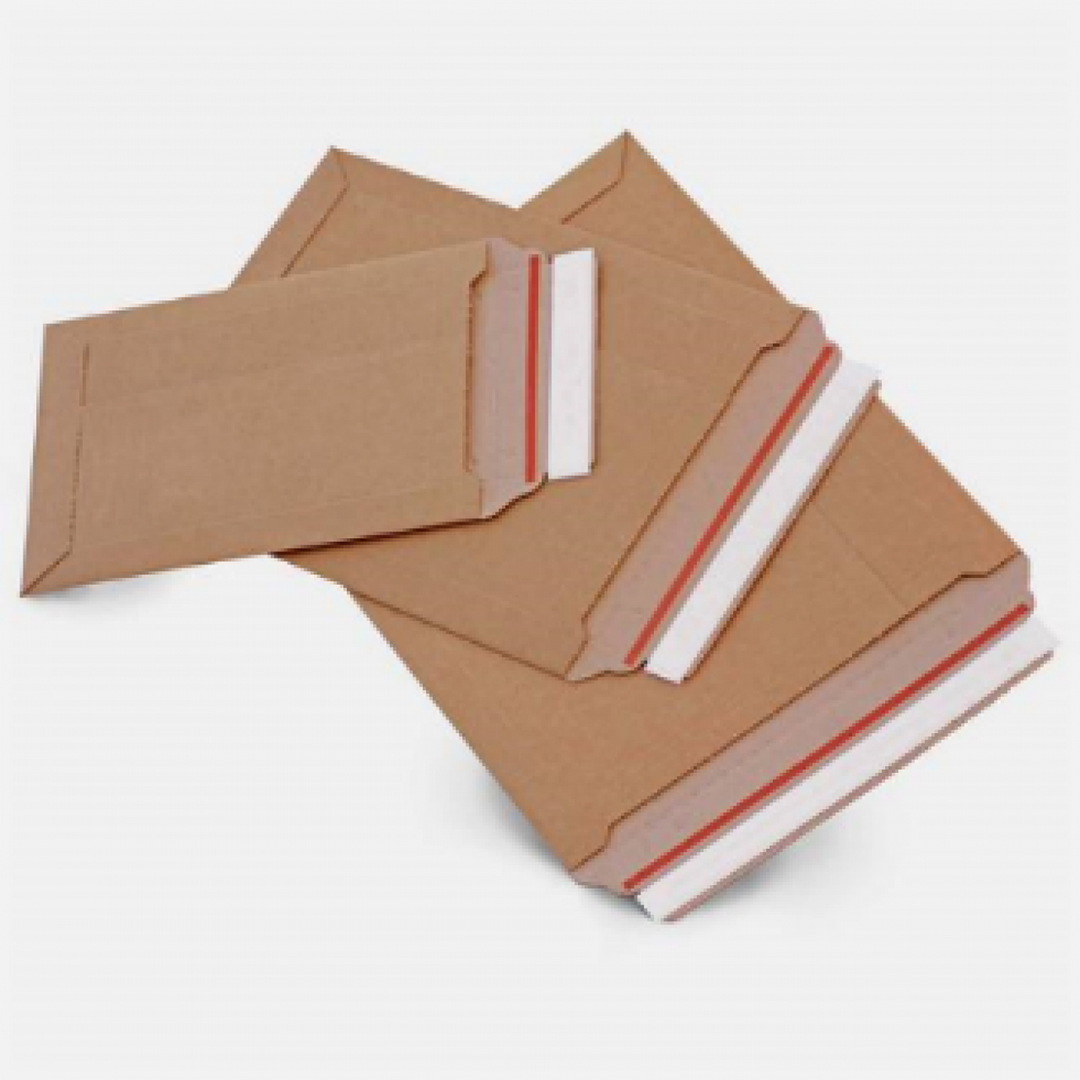
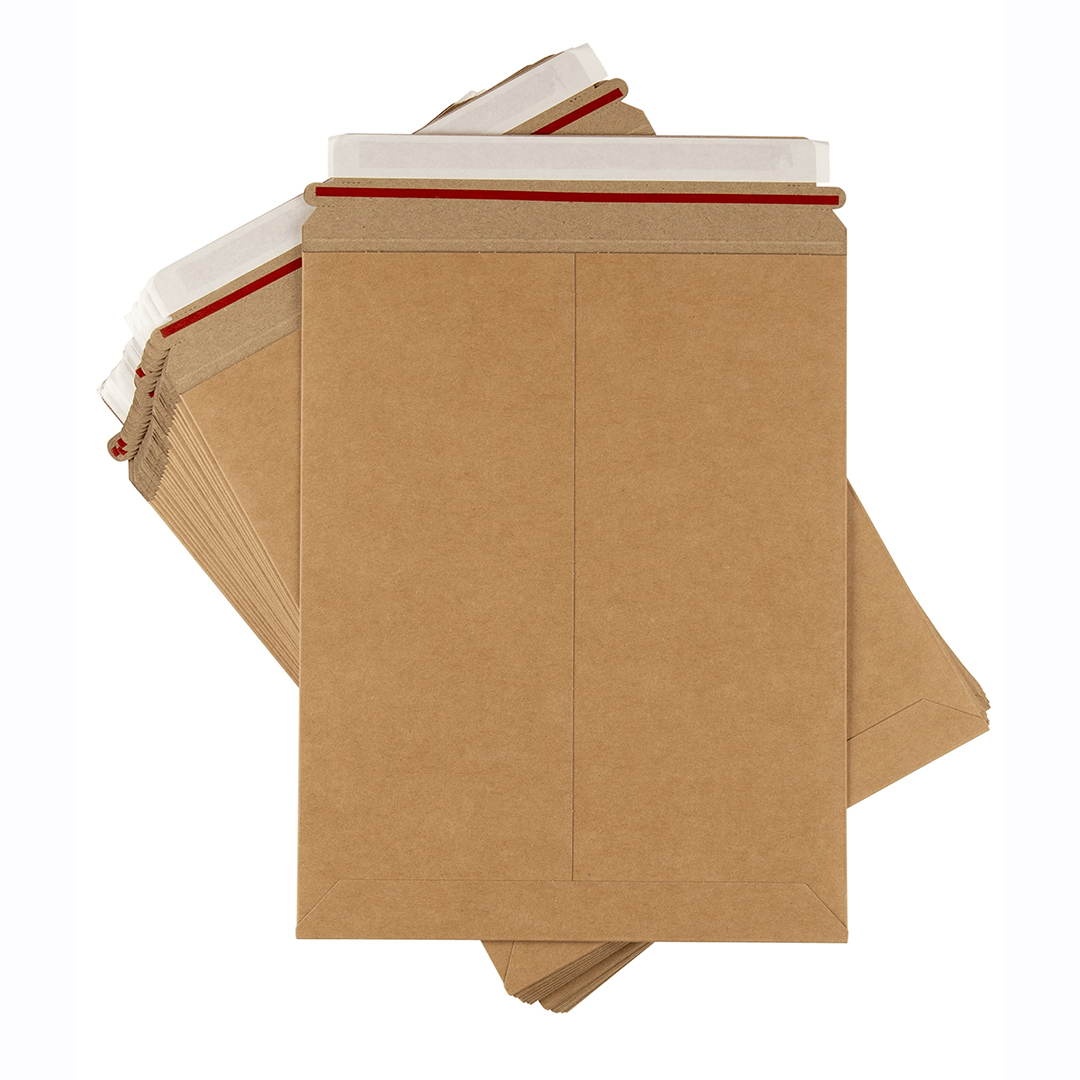
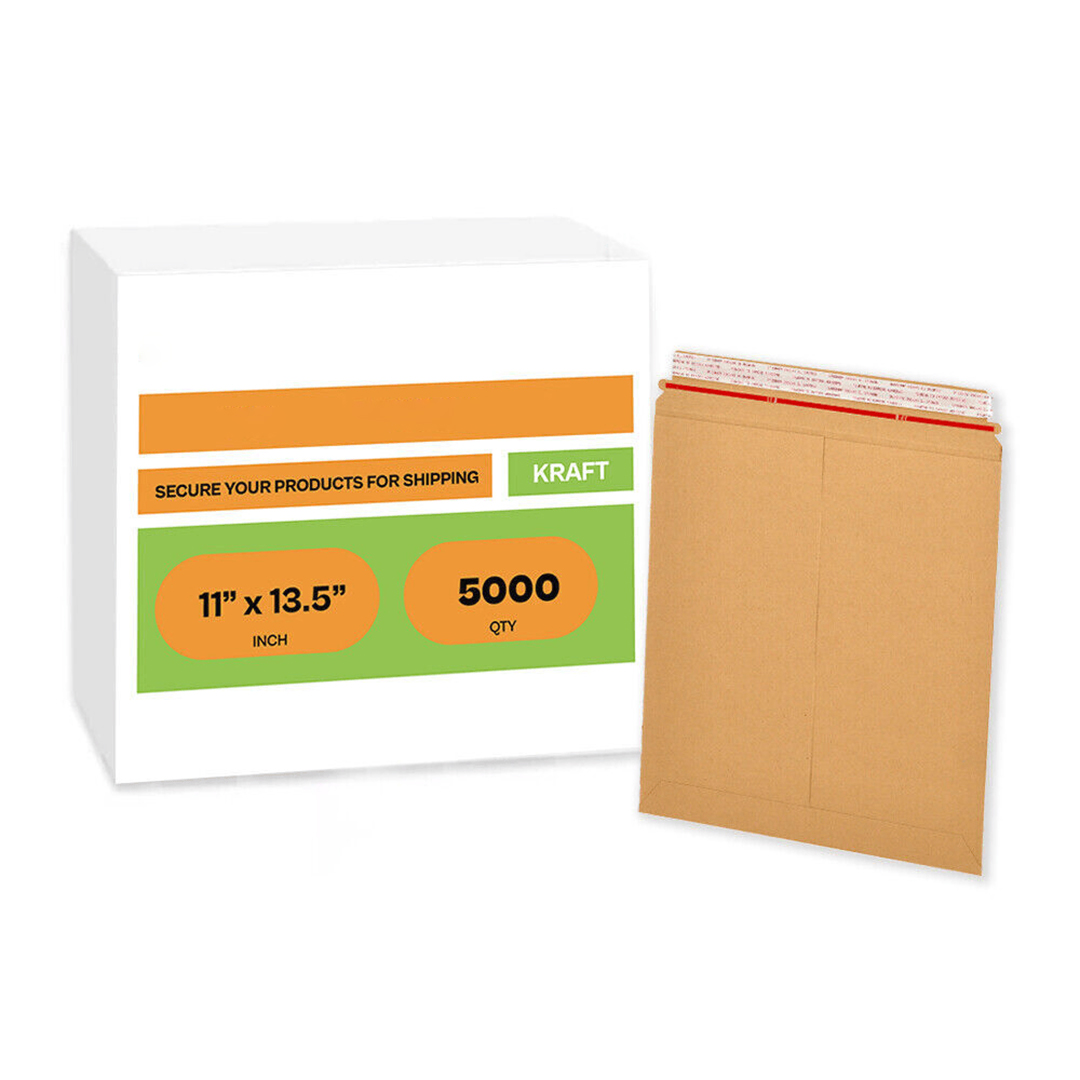
Cardboard Document Mailers help businesses, schools, and creative teams send paperwork, photos, certificates, and thin catalogs without bending or tearing. Many users rely on common postal sizes, including Cardboard Document Mailers, USPS Sizes, and Cardboard Mailers 9×12 formats, along with other rigid mailers that keep pages flat through sorting machines and courier handling. This packaging style provides a firm outer layer, clear print space, and a neat presentation that fits office mailrooms and online order workflows.
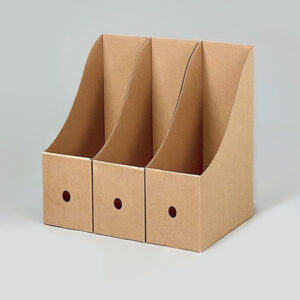
Teams that already store magazines, catalogs, and client brochures in Cardboard Magazine Storage Boxes often match their shipping tools with Cardboard Document Mailers in similar board grades and colors. This connection between storage and mailing can keep handling consistently, because staff recognize sizes quickly and can move items from shelf to shipper without changing the pack format.
Daily Use Of Cardboard Document Mailers In Offices And Mailrooms
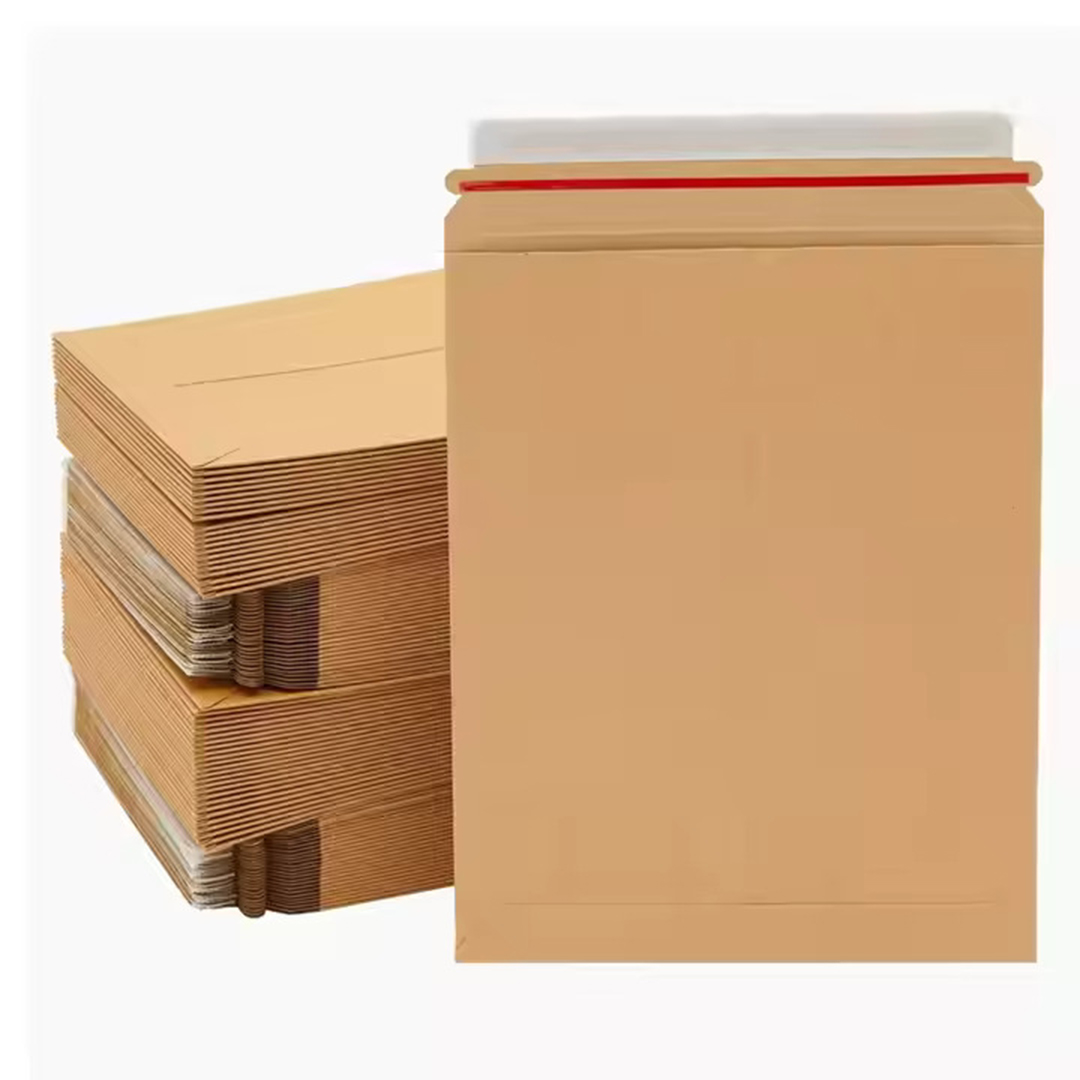
In busy offices, HR departments, finance teams, and legal desks send documents every day that cannot arrive creased or folded. Cardboard Document Mailers provide straight edges, flat faces, and a flap system that closes quickly with tape or self-adhesive strips. Clean print zones also leave room for address labels, barcodes, and sender details without overcrowding the surface.
Handling Guidance For Different Document Formats
Different document types, from signed contracts to full-color booklets, benefit from matching mailer sizes to the pack. A mailer that is too large can allow sliding and corner damage, while a mailer that is too tight can cause edge curl. Cardboard Document Mailers reduce these issues when size and board strength are matched to page count and paper weight.
Key Uses For Document Mailers In Daily Work
-
Sending signed agreements and legal packets that must arrive neat and legible
-
Protecting photo prints, certificates, and awards from moisture and bending
-
Shipping thin catalogs, menus, and brochures to clients and branch locations
-
Moving artwork samples, mood boards, and proof sets between teams
-
Handling small e-commerce orders where printed material is the main item
Steps To Prepare Cardboard Document Mailers For Dispatch
-
Check that pages are in the correct order and fully dry if recently printed
-
Align the document stack neatly and place it flat inside the open mailer
-
Add a light card insert if extra stiffness is needed for heavier paper loads
-
Fold the flap, secure edges, and use tape or an integrated peel-and-seal strip
-
Place address and barcode labels on the front face in a clear, visible area
| Mailer Size Or Style | Typical Contents | Main Usage Scene | Board Strength Note | Extra Handling Guidance |
|---|---|---|---|---|
| Standard Letter Mailer | Contracts, letters, slim reports | Office and admin mailrooms | Light to medium board | Use for single sets that are not too heavy |
| Cardboard Mailers 9×12 | Certificates, magazines, thin books | Schools, studios, subscriptions | Medium board for better rigidity | Best when items must stay flat in transit |
| Wide-Format Document Mailer | Layout boards, A3 prints, posters | Design agencies, print shops | Medium to higher board grades | Add corner pads for longer routes |
| Reinforced Rigid Mailers | High-value documents, photo sets | Legal, finance, professional use | Strong dense board | Reserve for signed or sensitive packs |
| Multi-Pocket Document Mailer | Packs with inserts and enclosures | Marketing kits, launch packs | Balanced fold strength | Sort inserts before loading |
Cardboard Document Mailers USPS Sizes And Postal Systems
Across postal systems, Cardboard Document Mailers are often selected because they follow common sorting and sizing rules while still protecting contents. Cardboard Document Mailers USPS Sizes commonly align with thickness and size bands used for letter and flat categories, which helps users plan postage while still reducing bend risk.
Planning with ranges such as Cardboard Boxes By Functionality can help organize document mailers alongside other storage and shipping cartons under one internal system. Each format supports a different job, from flat mailers for paperwork to deeper cartons for binders or files, so staff learn quickly which product fits each route and reduce packing errors.
How Postal-Ready Mailers Support Different Routes
When staff select document mailers for different items, they typically consider thickness, weight, and travel distance. A small set of brochures for local delivery may use lighter mailers, while reference reports for distant routes use rigid mailers with added stiffness. Mailers with strong corners generally handle conveyor movement and stacking more reliably.
Planning Ideas For Document Mailers In Postal Workflows
-
Match each document type to a mailer size category before busy periods
-
Use color coding or icons on flaps to indicate weight ranges
-
Keep a simple chart near the mailroom that links document sets to mailer sizes
-
Test sample mailings through each carrier to confirm handling performance
-
Increase board strength for routes with more machine handling and stacking
Process Steps For Building A Document Mailer Range
-
List the standard document sets sent during a normal month
-
Group them by flat size, page count, and weight range
-
Select a family of Cardboard Document Mailers that fits those groups
-
Agree on a print layout that leaves room for labels and postal marks
-
Set re-order points so mailrooms do not run short on key sizes
| Usage Pattern | Recommended Mailer Choice | Volume Profile | Storage Approach | Mailing Note |
|---|---|---|---|---|
| Daily internal and client mail | Standard letter and slim mailers | Steady and predictable | Small racks near office printers | Keep most-used sizes closest to common formats |
| Monthly reports and statements | Rigid mailers and 9×12 options | End-of-month spikes | Extra cases in back rooms | Prepare labels early during peak periods |
| Seasonal marketing campaigns | Printed document mailers | Short bursts tied to launches | Dedicated shelves or pallets | Keep designs consistent across the campaign set |
| Archive and legal copies | Heavy-board rigid mailers | Lower volume, higher importance | Separate secure storage section | Mark faces clearly with reference numbers |
| Creative proof sets | Wide-format and custom sizes | Project-based and irregular | Labeled bins near design desks | Add extra protection for annotated pages |
Custom Cardboard Document Mailers For Branded Mailing Programs
Custom cardboard document mailers allow teams to keep mailing tools consistent with a brand’s visual identity. Consistent colors, logos, and layouts help packets and brochures look uniform across daily shipments or batch mailings. By adjusting panel layout, you can keep space available for stamps, labels, and barcodes while still keeping artwork organized.
Options For Artwork, Finishes, And Extra Messaging
Custom cardboard document mailers can support simple or detailed artwork depending on the use case. Some teams use a small logo zone with a plain background, while others use full-face layouts with patterns or message blocks. Maintaining contrast between text and board color helps addresses remain readable under postal marks.
Ideas To Get More Value From Branded Document Mailers
-
Keep one side focused on addressing and identity, with a small area for short messaging
-
Align mailer colors with letterheads and internal presentation folders
-
Add QR codes to link to digital copies or support resources when relevant
-
Keep layouts readable for sorting marks and carrier scans
-
Use seasonal variants based on the same base layout to keep sizing consistent
Steps For Setting Up Custom Cardboard Document Mailer Artwork
-
Review current mailings and note what feels clear versus cluttered
-
Decide branding space versus the area required for postal marks
-
Build a layout that scales across multiple sizes without moving label zones
-
Print sample runs to check legibility, contrast, and ink behavior on the board
-
Finalize a small set of core designs and apply them across the size range
| Custom Aspect | Available Choices | Practical Benefit | Good Use Case | Design Reminder |
|---|---|---|---|---|
| Board color and texture | Natural kraft, white, tinted options | Aligns tone with mail visibility | Corporate and creative use | Keep label contrast strong |
| Print coverage | Single side, both sides, focused zones | Controls ink use and clarity | High-volume runs or special mailings | Avoid busy zones near barcodes |
| Coating and finish | Gloss, matte, spot UV on selected areas | Highlights small design elements | Recurring mail programs | Keep stamp/label zones uncoated |
| Closure style | Peel-and-seal, tuck flap, tape closure | Affects packing speed | Mailrooms with daily dispatch | Choose a method staff can repeat |
| Size family planning | Letter, 9×12, wide, rigid | Reuses layouts across sizes | Mixed domestic and export | Maintain safe margins for labels |
Sustainable Storage And Reuse Ideas For Document Mailers
Cardboard Document Mailers can support reuse and recycling routines in offices, schools, and remote teams. Many organizations plan sourcing and recycling around suppliers such as Cardboard boxes wholesale, so mailing tools and archive cartons share similar board types and handling standards. Flat mailers can often be reused before moving into recycling streams, especially if kept clean and dry.
In internal workflows, lightly used mailers can still hold draft documents, proofs, or training packs. Some teams keep a small tray of reusable mailers for desk-to-desk or branch-to-branch movement where appearance matters less than keeping documents flat and protected.
Ways To Extend The Life Of Document Mailers
With basic sorting, Cardboard Document Mailers can support storage as well as outbound shipping. Used mailers can hold archived forms, reference sheets, and sample sets in file cabinets and storage cartons. Old labels can be removed where possible or covered cleanly for internal re-use so content is clearly identified.
Practical Ideas For Reuse And End-Of-Life Planning
-
Sort returned mailers into “ready to reuse” and “ready to recycle” stacks
-
Store reusable mailers flat in a dry place to maintain shape and strength
-
Remove or cover old labels cleanly before internal re-use
-
Follow local guidance for cardboard recycling when light adhesive remains
-
Share successful reuse examples so teams can repeat what works
| Reuse Idea | Main User Group | Advantage For Daily Work | Extra Note | Likely Lifespan After First Mailing |
|---|---|---|---|---|
| Internal file sleeves | Offices and admin teams | Keeps related pages grouped in storage | Mark edges with project codes | Several months of filing use |
| Training packet holders | HR and learning teams | Holds handouts and workbooks neatly | Use clean mailers for sessions | Multiple training rounds |
| Reference sample holders | Print and design teams | Protects catalogs and proof sets | Store upright in racks | Many review cycles |
| Project archive bundles | Legal and project teams | Separates phases for quick review | Label spine with case/year | Long-term storage periods |
| Packing aids for framed items | Facilities and creative staff | Shields edges during local moves | Cut and tape around corners | One or more moves before recycling |