





Description
Cardboard Divider Packaging Wholesale Support For Safer Shipping
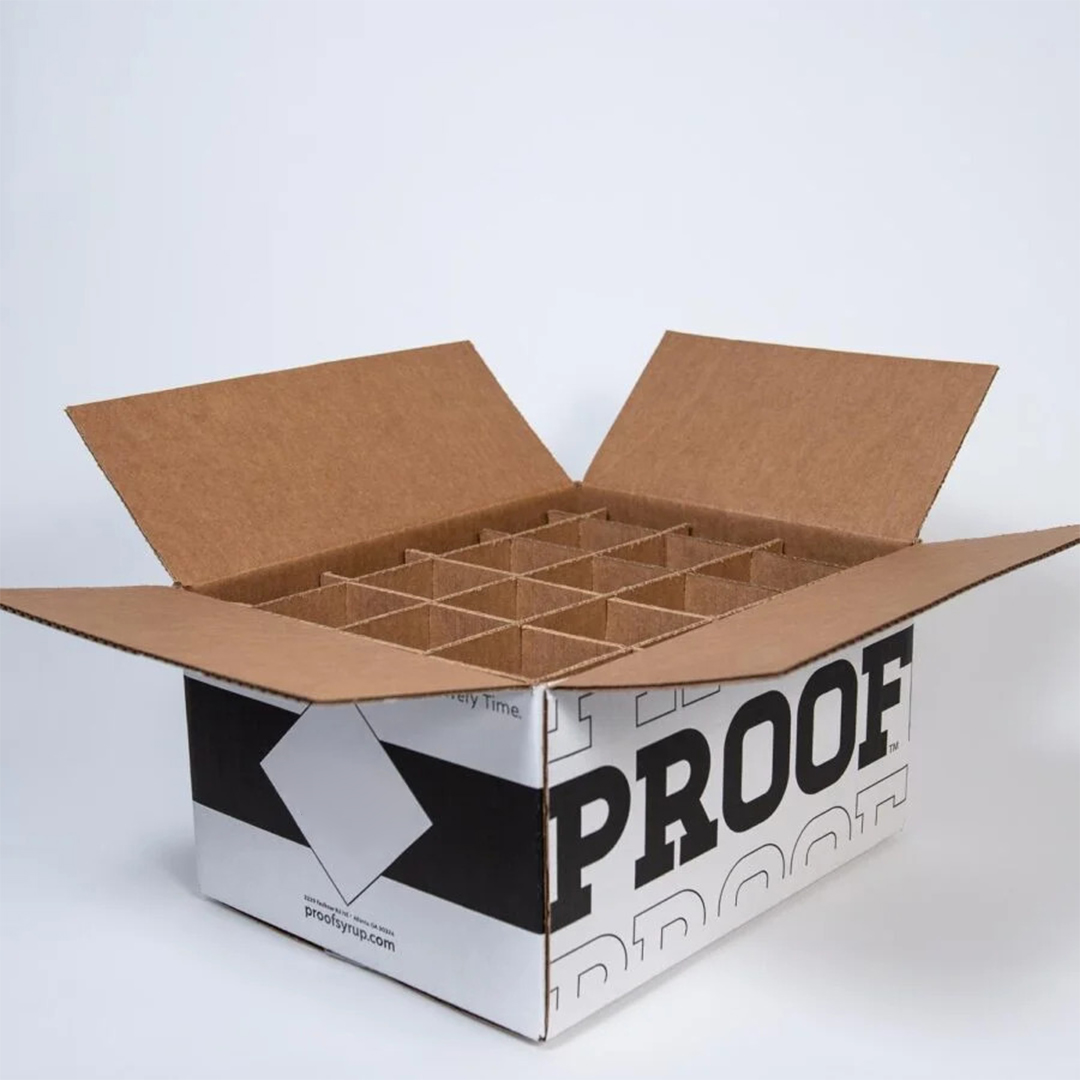
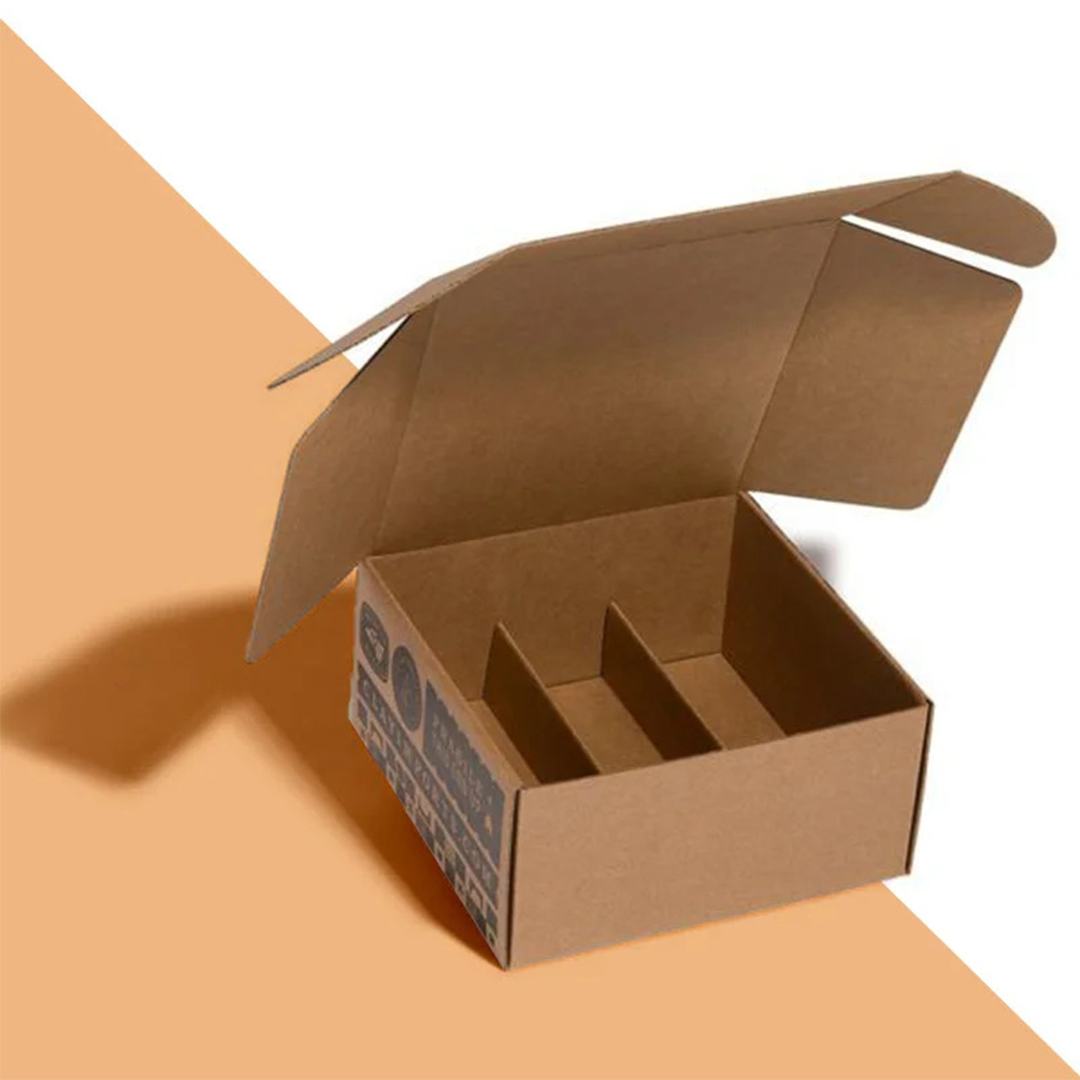
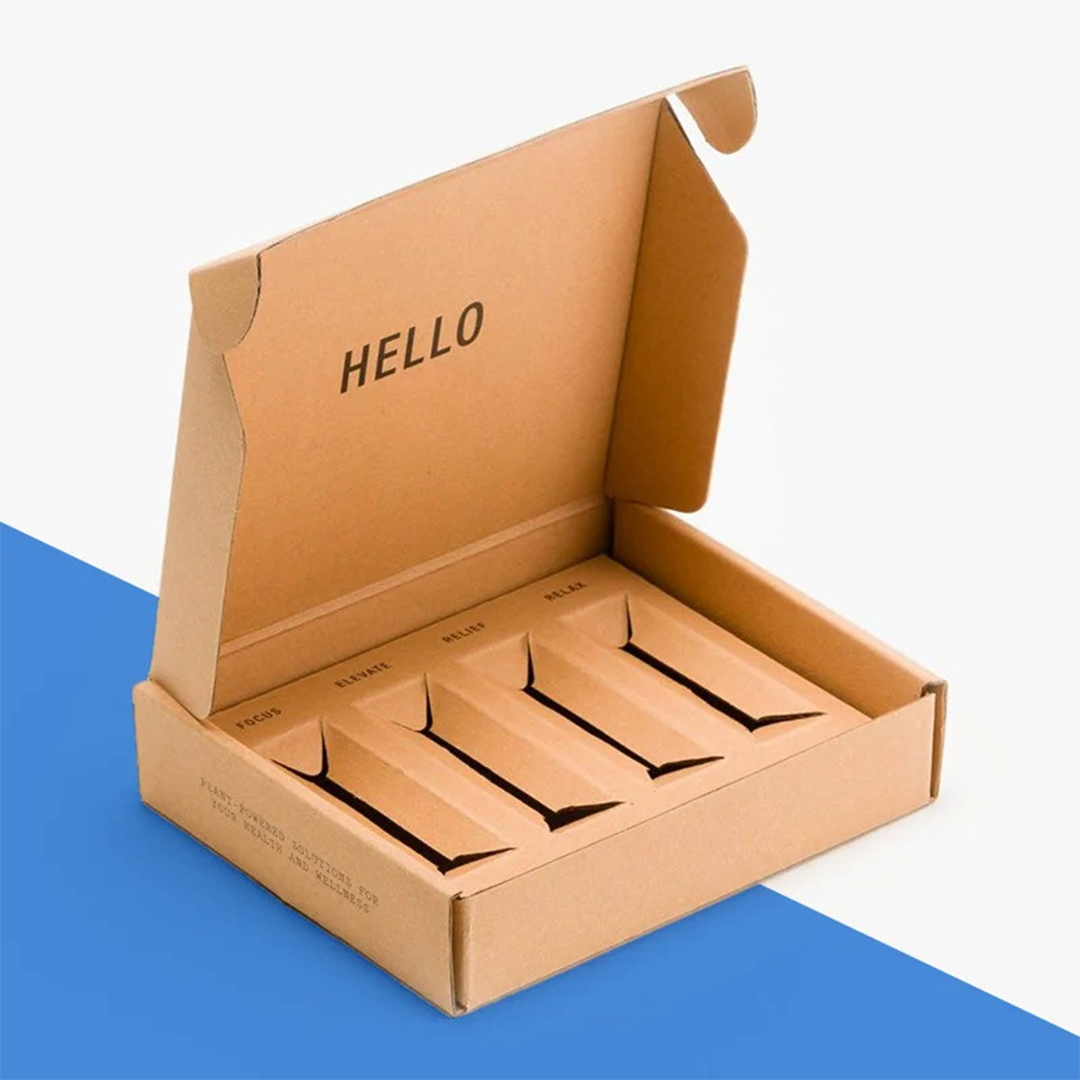
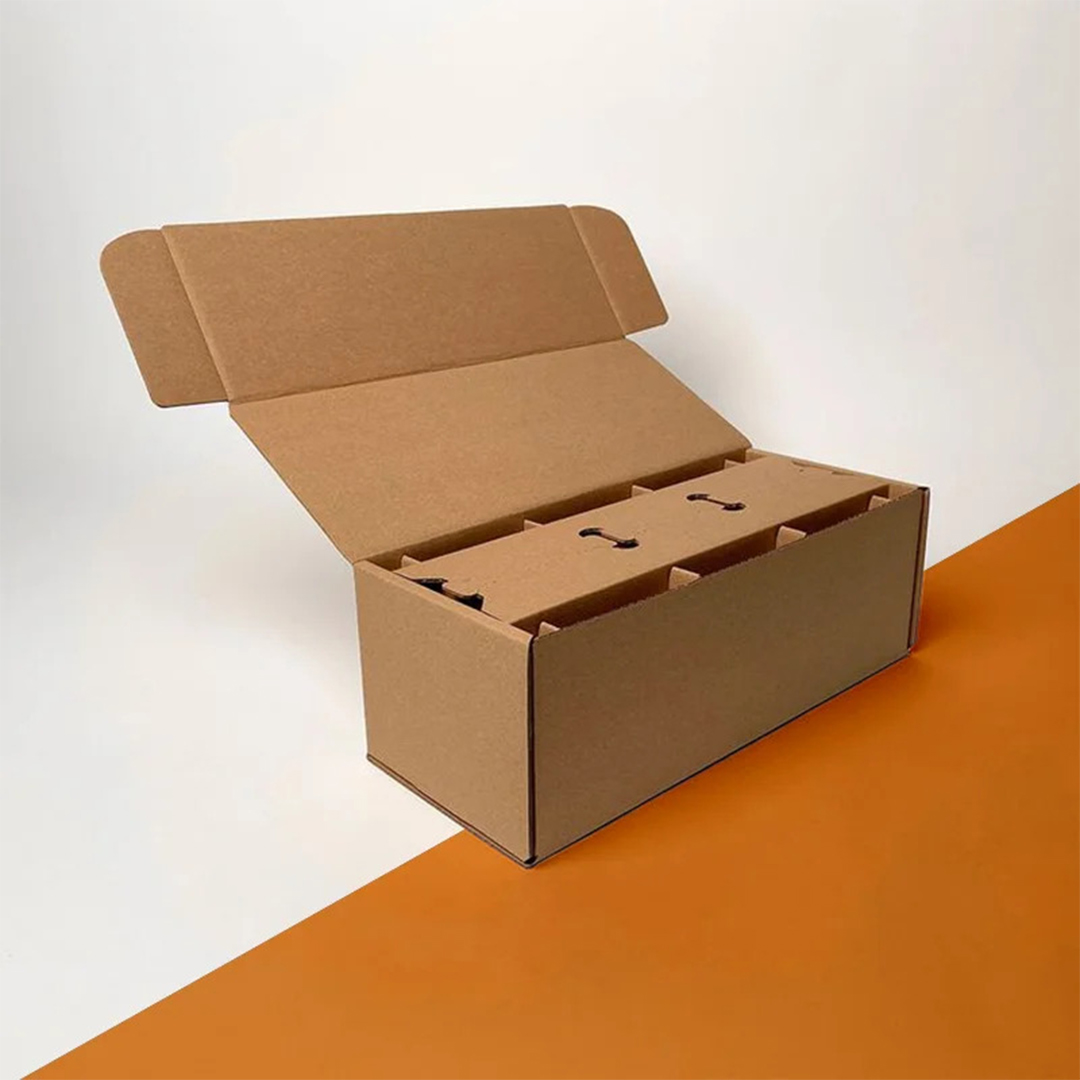
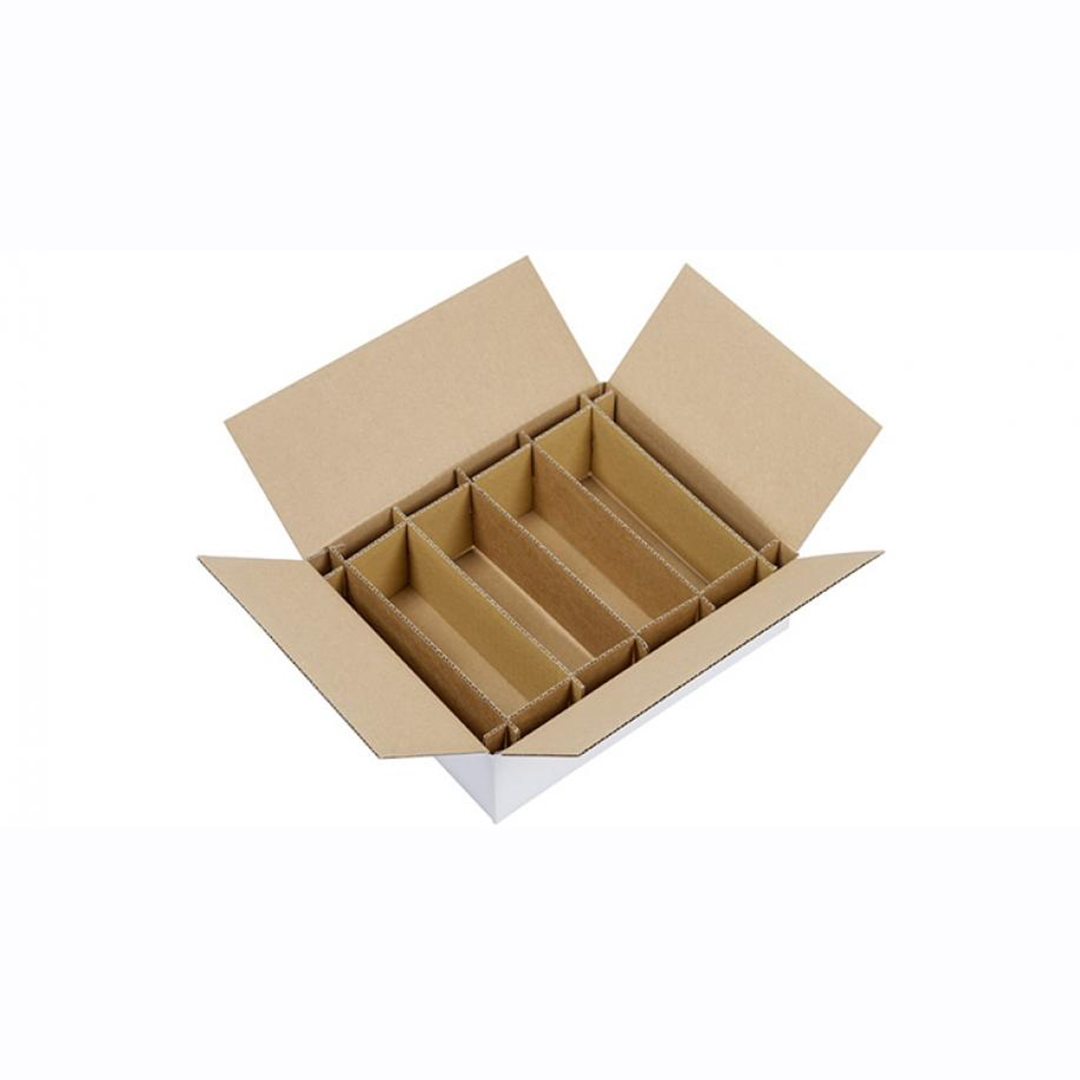
Cardboard divider packaging keeps fragile and mixed items separated, cushioned, and easy to count inside every carton. Brands that already ship sets in Cardboard Multi Compartment Boxes often rely on the same calm layout principles when they add divider grids for jars, bottles, electronics, and gift kits. The panels divide the inner space of a box into neat cells so each unit stays in its own position instead of rolling or leaning against other products.
This steady layout supports e-commerce fulfilment, wholesale replenishment, and export shipments where cartons pass through many handling points. Cardboard divider packaging wholesale runs give teams one clear pattern to follow, which shortens training time and helps keep damage levels low even when order volumes rise. Over time, this structured system reduces broken items, repacking work, and complaints while keeping packing lines and storage racks more organised.
How dividers keep fragile items under control
Cardboard Divider Packaging works by creating a light but supportive network of walls inside the carton. When the box moves, each cell limits how far a product can shift, so heavy or delicate pieces do not collide. This is important for glass bottles, ceramic jars, skincare ranges, fragrance collections, and compact gadgets that can chip, crack, or scuff when packed without internal structure.
The same idea also supports mixed orders. Cardboard divider packaging for sale allows you to place different SKUs in one carton and still keep them in neat rows. When the box is opened at a warehouse or store, receivers see aligned lines of product rather than a loose mix, which supports quick checking and more confident shelf planning.
Benefits of structured divider layouts
- Helps surfaces, labels, and corners stay clearer and less marked
- Keeps mixed product types in defined sections inside a shared outer box
- Guides packers using a visible grid, even when they are new to the role
- Supports fast counting and visual checks when cartons are opened
- Works alongside many box sizes and board grades for different weight ranges
- Can match Cardboard divider packaging diy ideas in home studios or small workshops
- Supports eco goals by using recyclable board instead of plastic or foam inserts
Process for adding dividers to your packing line
- Measure product height, width, and depth, including caps, pumps, or closures.
- Decide how many units should travel together in each carton and sketch a simple grid pattern.
- Match that pattern with an outer box size that leaves modest space for protective padding.
- Choose Cardboard Divider Packaging with cell sizes close to your product dimensions.
- Train packers to assemble the grid first, then place each unit carefully into its own cell.
- Add top padding where needed, then close and seal the carton according to your shipping method.
- Track damage rates and feedback, and adjust cell size or board grade if any weak points appear.
| Aspect | Practical role in packing | Material choices | Surface options | Typical use cases |
|---|---|---|---|---|
| Core board | Forms the grid that keeps items separated | Kraft, white board, recycled blends | Plain or lightly coated | Bottles, jars, skincare, compact devices |
| Cell structure | Holds units upright or in a set pattern | Square or rectangular cells | Printed or unprinted interiors | Food jars, glassware, curated gift sets |
| Stack resistance | Supports weight when cartons are stacked | Single or double wall strengths | Can carry handling icons | Pallet loads and longer supply chains |
| Recyclability | Fits standard cardboard recycling streams | Options with higher recycled content | Water-based inks for messaging | Brands focused on responsible material choices |
| Print potential | Shows simple guidance for packers and receivers | One colour or multi colour layouts | Smooth or slightly textured | Orientation marks, product codes, quantity markers |
| Moisture awareness | Works with lined or coated outer cartons | Boards suited to cooler and damp routes | Subtle sheen if a barrier is present | Chilled food lines, personal care, sensitive goods |
| Assembly comfort | Allows fast slotting of panels during packing | Pre-cut interlocking slits | Clean edges and accurate cuts | High-volume lines where speed really matters |
Cardboard box divider inserts for layout control
Cardboard box divider inserts form a grid inside the carton so every unit has a clear seat and can be handled or counted without disturbing neighbouring items. Many teams match these inserts with cartons from Cardboard Boxes by Size and Shape so the inner layout and outer dimensions support each other, reducing empty gaps and limiting movement. That alignment gives packers a simple visual guide while keeping material use measured and consistent.
Good layout planning begins with the products themselves. Measuring bottle diameter, jar width, or gadget size helps you choose cell widths that support each item gently without squeezing it. Once a layout works, teams can keep using the same pattern across seasons and campaigns, keeping racks tidy, pallets balanced, and back-of-store spaces easier to manage. Cardboard box divider inserts then become a normal part of the wider system that maintains calm, predictable replenishment.
Cardboard divider packaging diy planning for small setups
Many small studios and home-based businesses start with Cardboard divider packaging diy layouts cut from spare cartons. By trimming strips and slotting them together, they create simple grids for art supplies, sample jars, loose components, or stationery. These diy trials help them understand which cell sizes and patterns suit their range before they step into professionally produced divider runs.
Once a diy pattern proves useful, it can be turned into a repeatable design for larger volumes. The logic developed on a workbench or in a small office then scales smoothly into warehouse use. The move from cardboard divider packaging diy tests to commercial Cardboard Divider Packaging keeps the same spacing and counts, so staff do not need to learn a new pattern when order quantities grow.
Practical uses across different sectors
- Beverage lines sending glass bottles in multi-unit cartons
- Food brands shipping sauces, spreads, and jarred goods in bulk
- Cosmetic and skincare companies sending multi-item sets to retailers
- Electronics suppliers sending routers, gadgets, and chargers together
- Home fragrance and candle makers protecting glass and ceramic vessels
- Subscription and sampler brands combining several products in one pack
- Archive rooms and sample libraries storing many small pieces in clear rows
Steps to design a workable grid
- List core SKUs and group them by similar size and shape.
- Measure the largest item in each group to guide minimum cell width and height.
- Decide how many units should travel together in a single carton for each group.
- Sketch grid options that balance stability, weight, and material usage.
- Check how each grid aligns with chosen carton dimensions at length, width, and height.
- Run a short test with sample dividers, real products, and an actual shipping route.
- Confirm the most stable layout and roll it out as a standard for that product set.
| Layout focus | Key design thought | Cell pattern choices | Height options | Example applications |
|---|---|---|---|---|
| Bottle sets | Keep cylindrical units upright and steady | 2×3, 3×4, 4×6, 5×5 grids | Low, mid, or full neck coverage | Sauces, dressings, drinks |
| Jar assortments | Maintain lid alignment and label visibility | Square or rectangular cells | Different lid coverage levels | Jams, pickles, spreads |
| Mixed product kits | Combine several shapes in one carton | Uneven or adjustable cell widths | Stepped or level heights | Gift sets, samplers, curated bundles |
| Electronics and gadgets | Separate devices from cables and accessories | Slim channels and compact pockets | Shallow or mid-depth | Routers, accessories, starter kits |
| Cosmetic collections | Hold bottles and jars in straight rows | Narrow cells for slim bottles and sticks | Profiles that follow each container | Skincare, fragrance, beauty gift sets |
| Food service packs | Organise sauces, dips, or add-ons | Custom cells for portion cups | Low height for quick hand access | Meal kits, catering boxes, takeaway sides |
| Archive and sample storage | Track catalogued items with clear positions | Large grids with many small cells | Variable heights for stacked contents | Laboratory samples, hardware assortments, craft parts |
Cardboard divider packaging for sale and everyday operations
Cardboard divider packaging for sale supports brands that send several items in one carton and want a calmer internal layout with fewer breakages. Consistent grids reduce guesswork at the packing bench, so staff can maintain pace during busy periods while still placing every unit in the same clear pattern. When cartons reach distribution hubs or retail locations, receivers open them to find aligned rows instead of a loose mix, which supports quick checking and more confident shelf planning.
Brands that coordinate their box sizes, dividers, and outer cartons through Shop Cardboard Boxes can keep a close link between internal layouts and external dimensions. This joined-up view helps when planning pallet patterns, storage zones, and replenishment routines, because everyone works with known counts and consistent carton footprints across different product lines.
Aligning divider systems with brand and eco goals
Cardboard dividers are made from paper-based materials that suit common recycling streams in homes and commercial settings. They reduce reliance on plastic trays or foam blocks, which helps brands keep packaging more aligned with environmental messaging across product ranges. Clear details about recycled content and ink choices can also support sustainability reports and practical discussions with retail partners.
At the same time, a neat internal layout supports brand image. When customers or store teams open a carton and see products held in steady, repeatable positions, it signals care at every stage of the journey. That impression helps reinforce trust, especially for categories such as glass, prestige skincare, home fragrance, and carefully presented food gifts.
Points to review before confirming an order
- Current damage levels on key routes and how often items arrive marked or broken
- Product weights and how high pallets are usually stacked during storage or transit
- Size ranges for bottles, jars, and devices that will share the same carton
- Recycling expectations from your customers and wholesale or retail partners
- The amount of guidance packers need on orientation, count, and SKU placement
- Seasonal patterns in order volume and the need for buffer stock of dividers
- How existing diy layouts in small spaces can scale into full divider runs
Checklist for your next divider project
- Gather measurements for the main products or kits you want to protect.
- Decide which items will travel together and which need their own dedicated grid.
- Choose one or two standard grid layouts that cover most of your current range.
- Match those grids with carton sizes that support stacking and pallet planning.
- Select suitable board grades for the weight and route length involved.
- Confirm print, coating, and recycled content preferences for your outer cartons.
- Run a trial shipment and record feedback from warehouse teams and receivers.
| Planning area | Point to review | Design direction | Effect on operations | Likely result |
|---|---|---|---|---|
| Brand impression | How cartons look when opened | Plain or lightly branded dividers | Shapes expectations at unboxing | Clean, organised presentation |
| Packing accuracy | How quickly staff understand the layout | Clear grid patterns and simple visual cues | Fewer mix-ups and misplacements | More reliable order fulfilment |
| Storage and handling | How dividers stack and are picked for use | Flat-packed bundles in logical size groups | Faster access during busy shifts | Smoother packing-line flow |
| Training needs | How soon new staff feel confident | Visual layouts that are easy to explain | Shorter induction sessions | Consistent packing quality across teams |
| Cost per shipped unit | Balance between protection and material use | Board grades tuned to real weight and routes | Keeps waste and over-specification low | Lower damage without excess material |
| Sustainability goals | Share of recyclable and recycled content | Boards with recycled fibre and simple ink use | Supports environmental reporting | Packaging aligned with responsible sourcing |
| Product journey | Stages from packing bench to end user | Dividers designed for that full journey | Guides choices on cell size and strength | Products arrive ready for shelf or direct use |