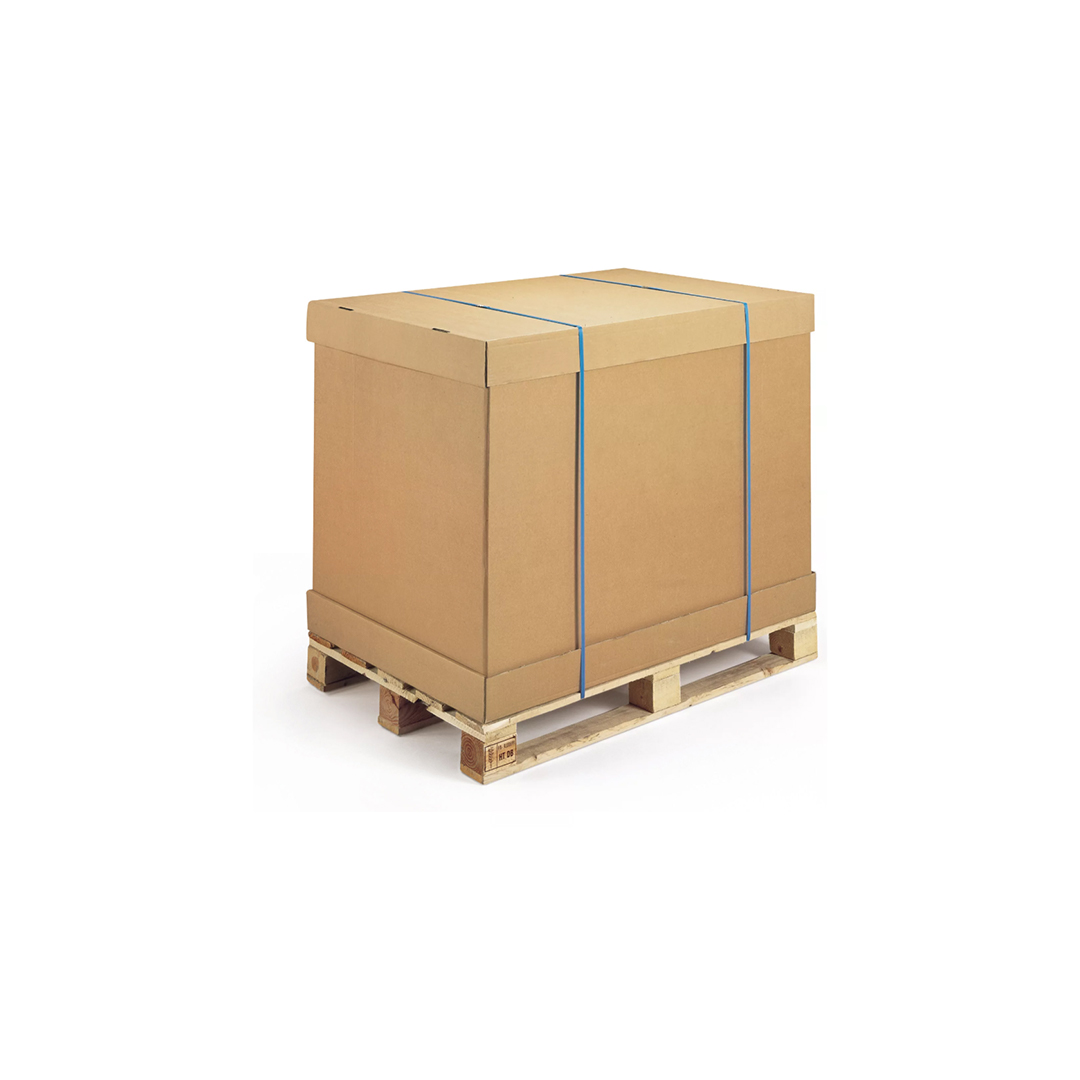






Description
Cardboard Corrugated Pallet Boxes Wholesale Handling
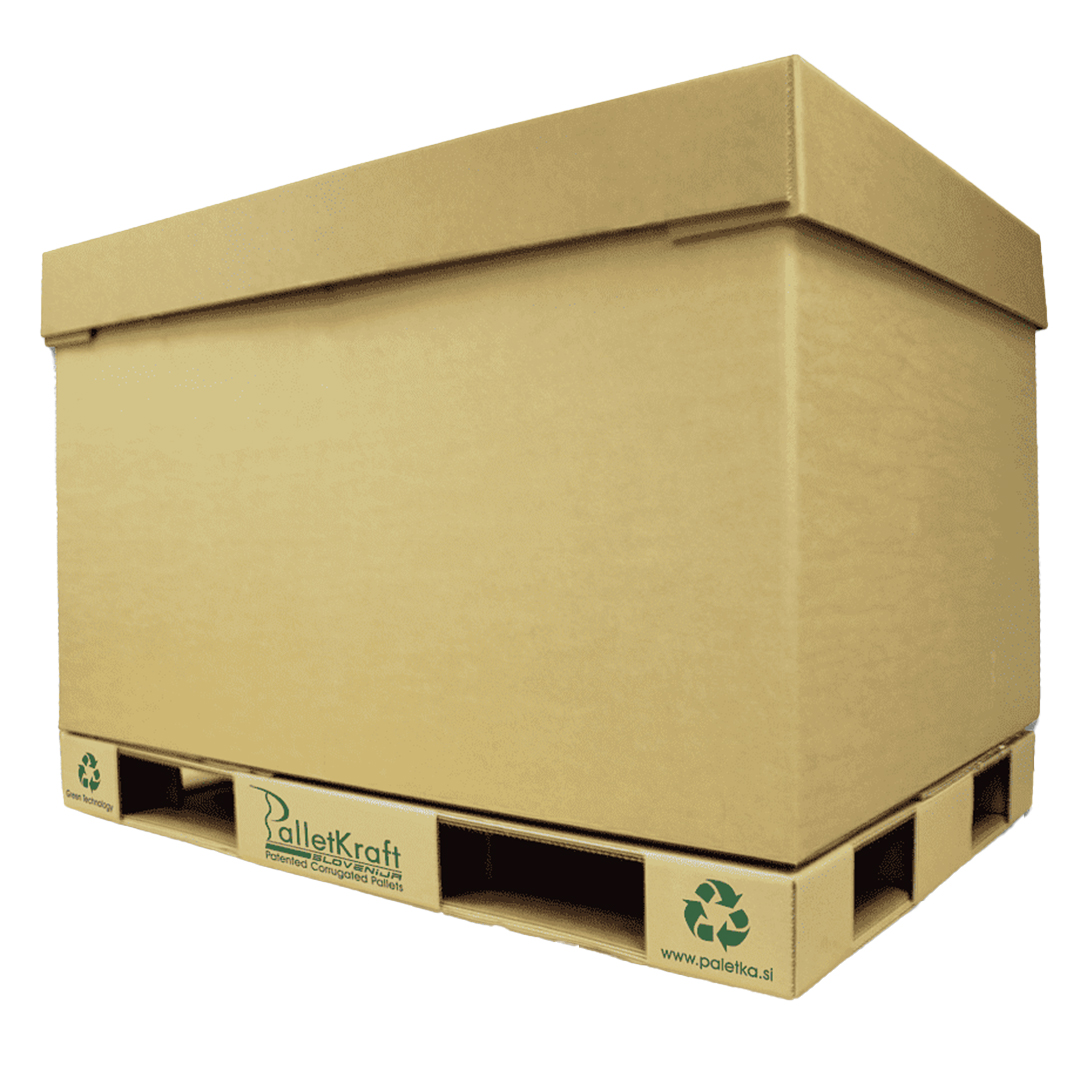
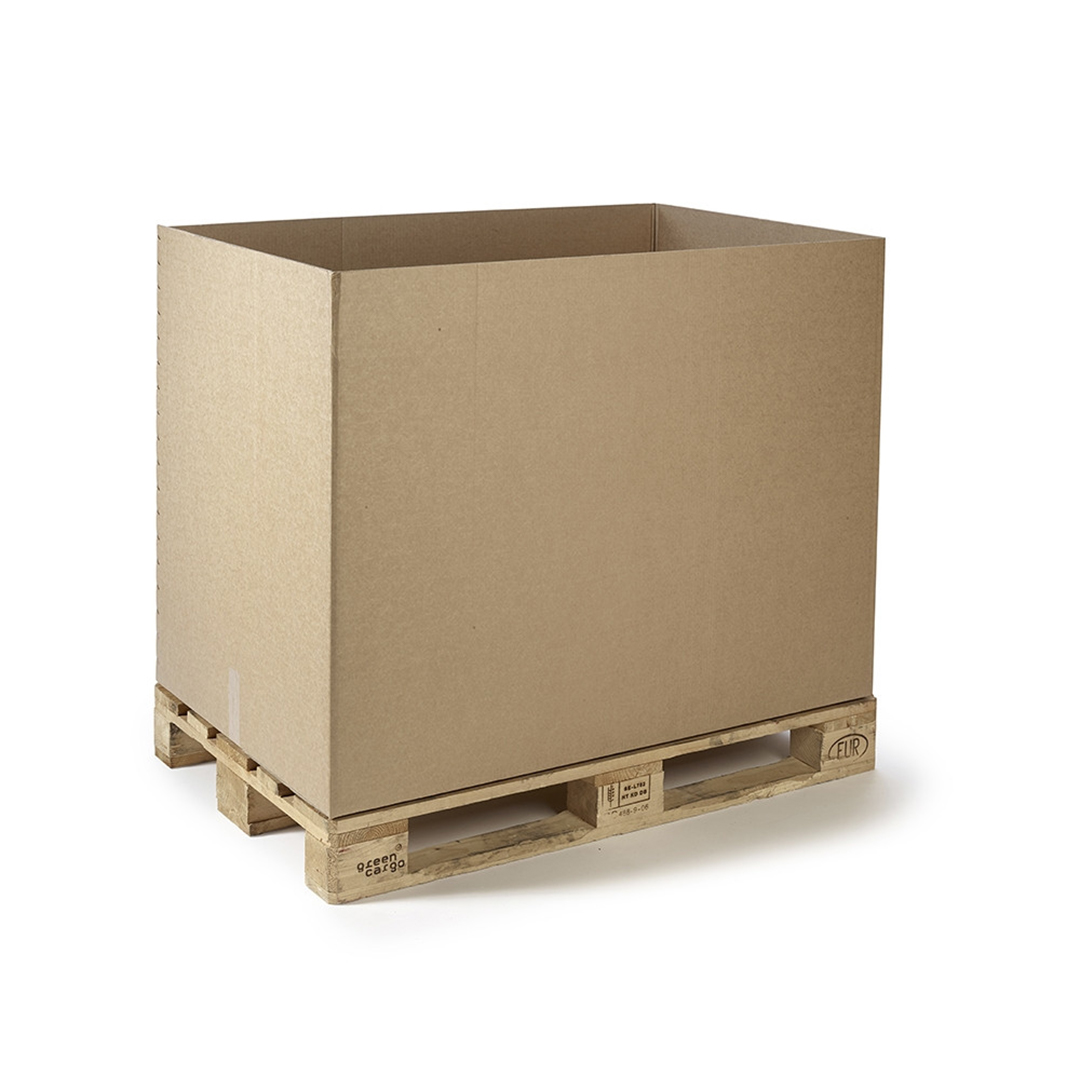
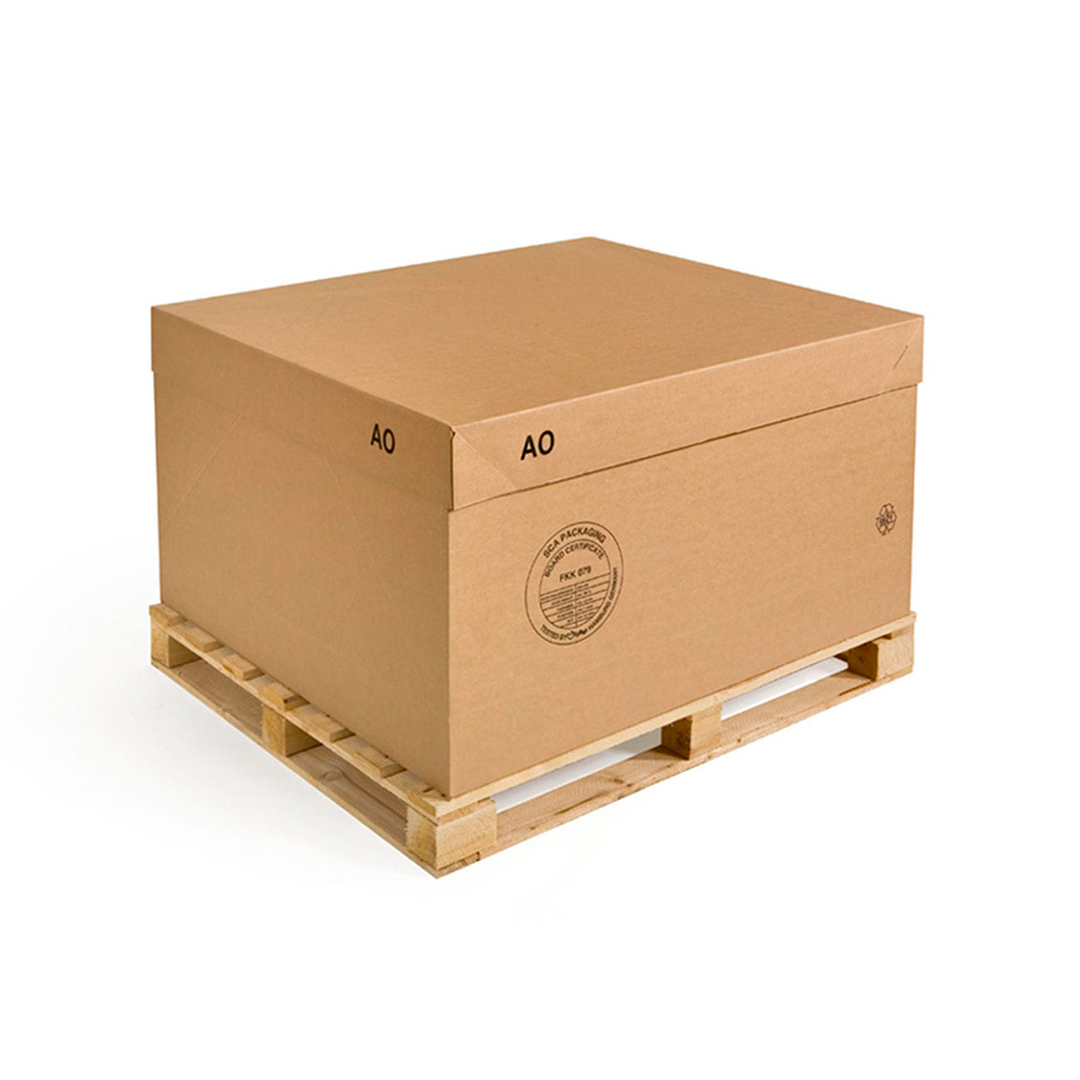
Cardboard corrugated pallet boxes wholesale solutions help warehouses, plants, and 3PL operations handle high volumes of goods with calmer movement on every route, and many teams pair these units with Cardboard Industrial Parts Packaging when they need small components and large assemblies to travel together in an organised way. Cardboard corrugated pallet boxes for sale use heavy-duty board grades and pallet-friendly footprints so staff can stack, strap, and move units with confidence while still cutting down on loose stretch wrap and complex strapping patterns. Large cardboard corrugated pallet boxes support export shipments, bulk picking, retail distribution, and returns handling, all while keeping loads grouped in clear blocks that are easier to count, scan, and place on storage racks or automated conveyors.
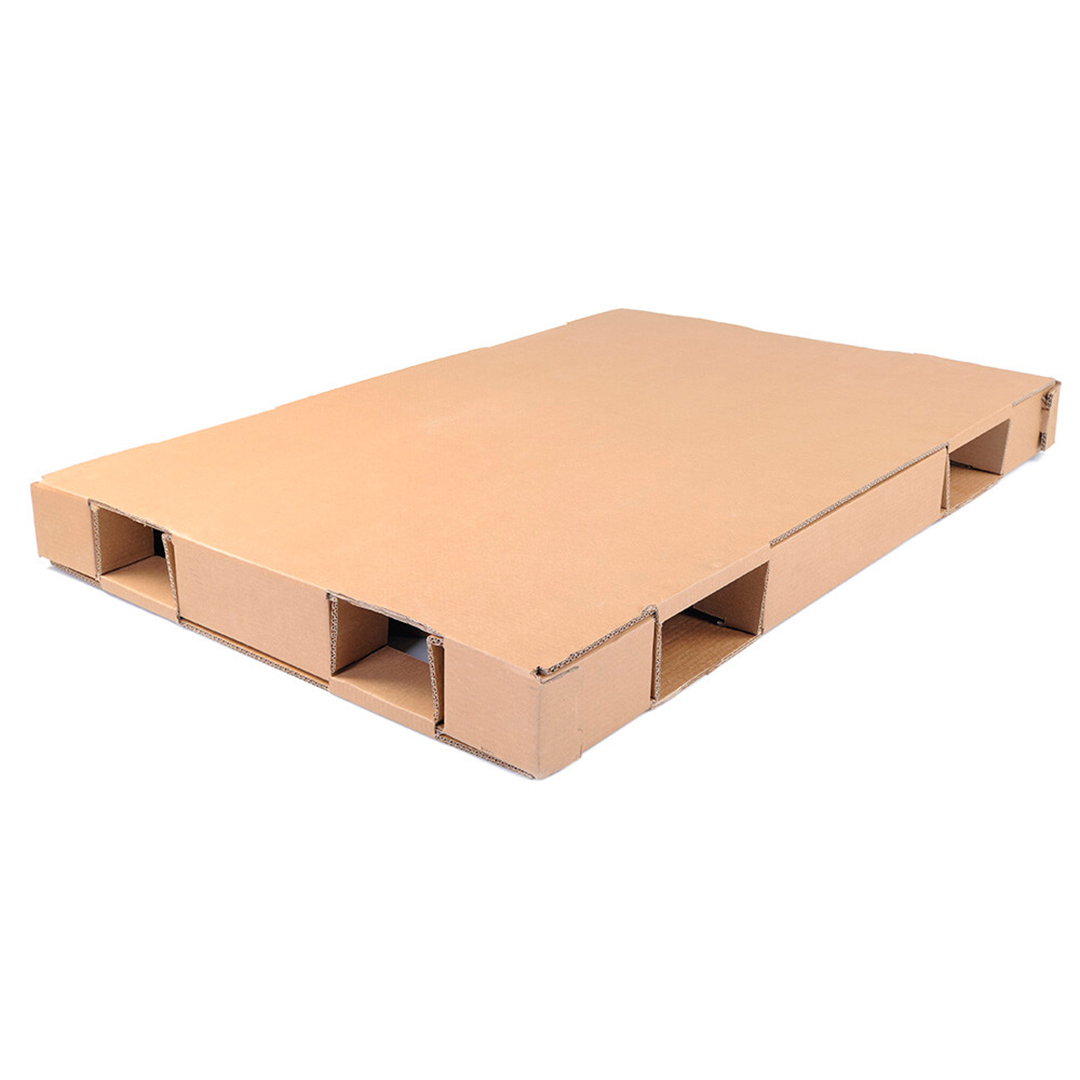
These pallet units help teams reduce re-stacking and re-boxing because a single Pallet Cardboard Box can carry a planned layer configuration that matches shelf heights or production line feeds. Cardboard corrugated pallet boxes wholesale runs often include consistent heights, so mixed loads still line up in neat layers on the same truck or within the same racking bay. When used cardboard corrugated pallet boxes reach the end of a cycle, they can often be flattened and baled with other fibre-based packaging, which keeps waste streams simple and supports sustainability targets without adding complexity for staff.
Operational gains from pallet box systems
Cardboard corrugated pallet boxes wholesale units support simple handling rules that work across shifts and regional sites. Forklift drivers and pallet-truck users see one clear outline per load, and the board walls help keep loose goods or smaller cartons in place while the pallet is moving. This layout reduces the chance of items falling into pallet gaps or catching on racking beams, which helps keep aisles open and damage levels lower.
For production planners, a repeatable Pallet Cardboard Box footprint makes it easier to calculate how many units fit in each trailer, container, or mezzanine bay. Teams can plan production batches around a set number of pallet positions, while order pickers work with known heights and weights through the day. Cardboard corrugated pallet boxes for sale also support clear labelling on each side, so scanning and visual checks take less time even in busy yards and loading zones.
Key advantages for daily pallet movement
- Helps keep loose or boxed items grouped inside a single clear outer wall
- Reduces time spent re-wrapping mixed pallets with extra film and banding
- Supports Cardboard corrugated pallet boxes wholesale programs with repeatable footprints
- Provides tall side panels for barcodes, routing labels, and handling icons
- Works with different pallet types including wooden, plastic, and presswood bases
- Allows height planning for racking beams, truck decks, and mezzanine floors
- Fits long-term material plans because fibre-based walls feed into standard recycling lines
Steps to integrate pallet cardboard box use
- Map your main product families and identify which loads need side walls instead of open pallets.
- Measure current pallet heights and check where loads feel unstable or hard to wrap.
- Choose Cardboard corrugated pallet boxes wholesale sizes that match those heights and base footprints.
- Decide how many layers or inner cartons each Pallet Cardboard Box should carry in daily use.
- Plan label placement so scanning is easy from at least two sides during busy operations.
- Trial a set of pallets across typical routes and record feedback from drivers, pickers, and supervisors.
- Adjust heights, board grades, or internal layouts, then roll out the final mix of sizes across all sites.
| Aspect | Role in pallet handling | Board and flute choices | Typical applications | Operational notes |
|---|---|---|---|---|
| Outer wall height | Contains stacked goods on the pallet | Single, double, or triple wall combinations | Bulk cartons, bagged goods, and loose packs | Helps reduce leaning loads and side collapse in transit |
| Footprint match | Aligns with pallet size and truck width | Euro, UK, and custom footprint options | Export lanes, regional delivery routes | Keeps loading patterns simple for drivers and planners |
| Top loading capability | Allows extra layers or slip sheets | Reinforced edges and corner supports | Mixed SKU loads, seasonal bulk loads | Supports predictable stacking heights on trailers |
| Access options | Controls how goods are put in or taken out | Drop doors, cut-outs, or removable sides | Picking zones, cross-docking areas | Reduces bending and re-wrapping during partial picks |
| Reusability potential | Enables multiple journeys where suitable | Heavier grades with reinforced corners | Closed-loop movements between fixed sites | Extends life of each unit before final recycling |
| Label and print zones | Holds routing and product data | Plain or printed panels on long and short sides | Third-party logistics, in-house fleets | Keeps scanning points consistent across the network |
| End-of-life handling | Simplifies disposal and recycling | Fully fibre-based walls in many designs | Sites with balers and cardboard recovery contracts | Supports sustainability messages and contract reporting |
Large cardboard corrugated pallet boxes for heavy and mixed loads
Large cardboard corrugated pallet boxes give logistics teams room to handle oversized parts, bulk-packed cartons, and high-volume consumer units in one structured block, and many operations align these units with strength categories drawn from Cardboard Boxes by Material Strength so board grades match real-world weight and stacking requirements. Cardboard corrugated pallet boxes wholesale orders can be tuned to expected load ranges, from lighter retail goods to dense industrial products that need firm support across the whole base. Pallet Cardboard Box formats often include double or triple wall constructions for the heaviest routes, which helps facilities keep damage low even when racks are tall and vehicles are fully packed.
When large cardboard corrugated pallet boxes are planned as part of a wider packaging system, inner cartons, crates, or bags can be measured so each layer fills the base area with minimal gaps. This reduces shifting, leaning, and the need for extra dunnage, which in turn saves time at loading and unloading points. Cardboard corrugated pallet boxes for sale can also be ordered in tiered heights, giving planners the option of short, medium, and tall units that all align with common rack and trailer dimensions. That flexibility supports peak periods, special projects, and long-term routine movements using the same familiar outline.
Matching board strength to real product demands
Each route places different demands on cardboard corrugated pallet boxes wholesale units. Short internal movements with well-controlled handling may work well with lighter grades, while export lanes, multi-stop deliveries, or automated systems may call for stronger walls and extra corner support. By mapping goods to expected strain levels, teams can choose Large cardboard corrugated pallet boxes that match both stacking and side pressure, avoiding over-use of heavy board where it is not needed.
Teams that handle both heavy and light goods often rely on a small set of standard footprints combined with different heights and walls, so pallet positions stay consistent across the business. Used cardboard corrugated pallet boxes can sometimes be reallocated from lighter routes to heavier ones when they still hold their shape, or the other way round depending on board grade and wear. Planning this movement in advance helps keep material costs under control while maintaining clean, safe aisles and load areas.
Strength-focused benefits for mixed pallet traffic
- Aligns load weight with appropriate board grades taken from clear strength ranges
- Helps Large cardboard corrugated pallet boxes stay steady under tall stacking plans
- Supports split loads where heavy and lighter goods sit in one framed outline
- Reduces crushed cartons and corner damage on longer or busier routes
- Gives forklift and pallet-truck operators more predictable handling behaviour
- Allows printing of handling icons, arrows, and simple text on outer walls
- Feeds into recycled material streams when boxes reach the end of their useful life
Steps to choose strength levels for pallet boxes
- List your main product groups and record typical pallet weights and stacking heights.
- Separate lanes into local, regional, and export so you can see where handling is toughest.
- Match each group with Large cardboard corrugated pallet boxes that use suitable wall grades.
- Decide how many standard heights you need to cover most loads without constant customisation.
- Arrange clear labelling that identifies strength and intended lane or customer type.
- Run tests on challenging routes, monitoring any crushing, leaning, or wall damage.
- Refine wall grades or heights based on data before rolling the mix out across all operations.
| Strength focus | Role in load control | Board grade direction | Example load types | Notes for operations |
|---|---|---|---|---|
| Light to medium duty loads | Supports everyday retail and consumer goods | Single to strong single-wall combinations | Case-packed food, personal care items | Suited to shorter routes and moderate stacking |
| Heavy industrial components | Handles dense or awkward parts | Double and triple-wall structures | Metal pieces, machinery spares, building items | Ideal for racking with higher beam levels |
| Mixed SKU assortments | Balances light and heavy areas on one pallet | Medium to strong grades with firm corners | Promotional mixes, store-specific assortments | Helps maintain shape when different weights share a base |
| High stacking requirements | Carries weight from multiple layers above | Reinforced edges and optional inner posts | Tall warehouse lanes and tightly packed trailers | Reduces crushing in the lower layers of tall stacks |
| Automation-friendly loads | Supports conveyors and automated handling | Consistent, durable board with smooth edges | Lines feeding sorters or automated storage | Keeps snagging and unexpected deformation to a minimum |
| Return and reuse cycles | Survives repeated trips between fixed locations | Higher durability grades at key stress points | Closed-loop shuttle runs | Extends lifespan before boxes are flattened for recycling |
| Export and long-distance | Endures vibration, climate changes, and handling | Carefully chosen grades with tested performance | International and multi-leg routes | Helps protect goods despite varied handling conditions |
Used cardboard corrugated pallet boxes and lifecycle planning
Used cardboard corrugated pallet boxes give operations an option to extend the life of packaging assets across multiple journeys where conditions allow, and many teams co-ordinate these reuse plans through central partners such as Cardboard boxes wholesale so sizes, grades, and footprints stay aligned with new stock. Cardboard corrugated pallet boxes wholesale programs can include a mix of new and used units, supported by inspection routines that check sidewalls, corners, and bases before boxes are released for another cycle. Pallet Cardboard Box reuse works especially well in closed loops between factories, regional hubs, and dedicated customer sites where movements are predictable and handling standards stay controlled.
When used cardboard corrugated pallet boxes are tracked within a managed system, planners can decide how many cycles each grade should complete before it is flattened, baled, and returned to fibre recovery partners. Large cardboard corrugated pallet boxes can then be reserved for higher-stress routes in earlier cycles and moved to gentler lanes as they age, making better use of material while still keeping safety at the centre of decisions. Cardboard corrugated pallet boxes for sale that begin life in demanding environments may end up supporting internal transfers, seasonal overflow storage, or returns handling once their strongest years on the road have passed.
Managing reuse, recycling, and reporting
Well-planned reuse of Cardboard corrugated pallet boxes wholesale units helps sites improve material efficiency without complicating daily work. Simple visual checks and straightforward labelling often provide enough information for staff to decide whether a box should be used again, redirected to a lighter task, or moved straight to fibre recovery. This makes it easier to hit internal sustainability metrics, reduce packaging spend, and keep disposal processes tidy, even when several facilities are involved.
At the same time, consistent footprints and wall heights help reporting and analysis, because teams can compare damage rates, cycle counts, and usage across different routes using shared reference sizes. Pallet Cardboard Box ranges that have been planned with both new and used states in mind can shift smoothly between applications as needs change, avoiding sudden shortages or over-buying. Clear communication with partners about board grades, reuse thresholds, and recycling practices completes the loop.
Benefits of planned reuse cycles for pallet boxes
- Extends the useful life of cardboard corrugated pallet boxes wholesale units
- Reduces packaging purchase volumes over time while maintaining load safety
- Supports clearer sustainability reporting with traceable material flows
- Separates high-stress and lower-stress tasks using straightforward rules
- Keeps warehouse areas tidier by directing worn units straight to recycling points
- Helps staff understand when a used cardboard corrugated pallet box is still suitable
- Strengthens collaboration with recovery partners and fibre mills over the long term
Practical steps to manage used pallet box lifecycles
- Define what “ready for reuse” looks like, including acceptable wear on edges and corners.
- Train staff to check each used Cardboard corrugated pallet box during unloading or breakdown.
- Create simple categories such as high-demand routes, light-duty internal moves, and recycling.
- Mark or label boxes once they pass certain cycle counts, so decisions stay consistent.
- Track usage patterns to see which grades deliver the most valuable extra cycles.
- Adjust buying plans so new and used units stay in balance with real-world demand.
- Share results with operations, procurement, and sustainability teams to refine targets together.
| Lifecycle focus | Key question | Approach in daily operations | Example use case | Long-term effect |
|---|---|---|---|---|
| Reuse suitability | Is this box strong enough for another journey | Quick visual checks and simple pass / fail rules | Closed-loop trips between fixed locations | Lower packaging purchases with steady safety levels |
| Route matching | Which lane suits a given used unit | Assign to heavy, medium, or light duty routes | Factory to hub, hub to store, internal shuttles | Better match between wear level and route conditions |
| Cycle tracking | How many times a unit has been used | Stamps, labels, or digital tracking where needed | High-value or long-distance movements | More informed decisions on when to retire each unit |
| Recycling decision | When to flatten and bale a worn pallet box | Clear triggers for visible damage or softening | Boxes with crushed sides or weakened corners | Cleaner waste streams and safer storage spaces |
| Data and reporting | How reuse supports targets | Regular snapshots of reuse and recycling rates | Quarterly or annual sustainability reviews | Stronger evidence for material efficiency progress |
| Supplier collaboration | How partners support reuse and recovery | Shared grades, footprints, and recovery plans | Long-term packaging and recycling contracts | Stable supply and recovery channels over many years |
| Continuous improvement | How to refine the mix of new and used units | Regular reviews of costs, incidents, and usage | Network-wide pallet and box strategy updates | More predictable budgets and better resource planning |