





Description
Cardboard Chemical Safe Packaging For Critical Goods
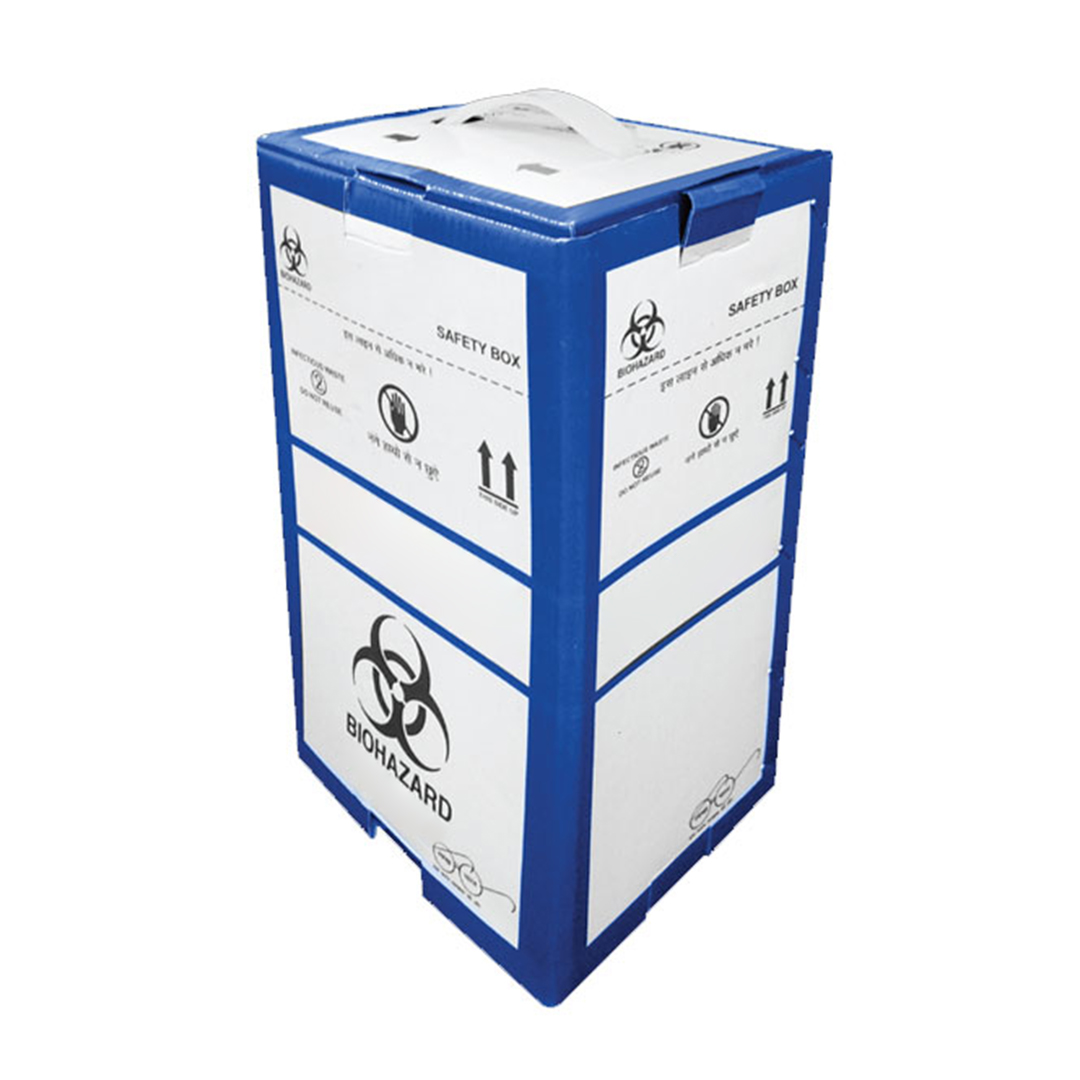
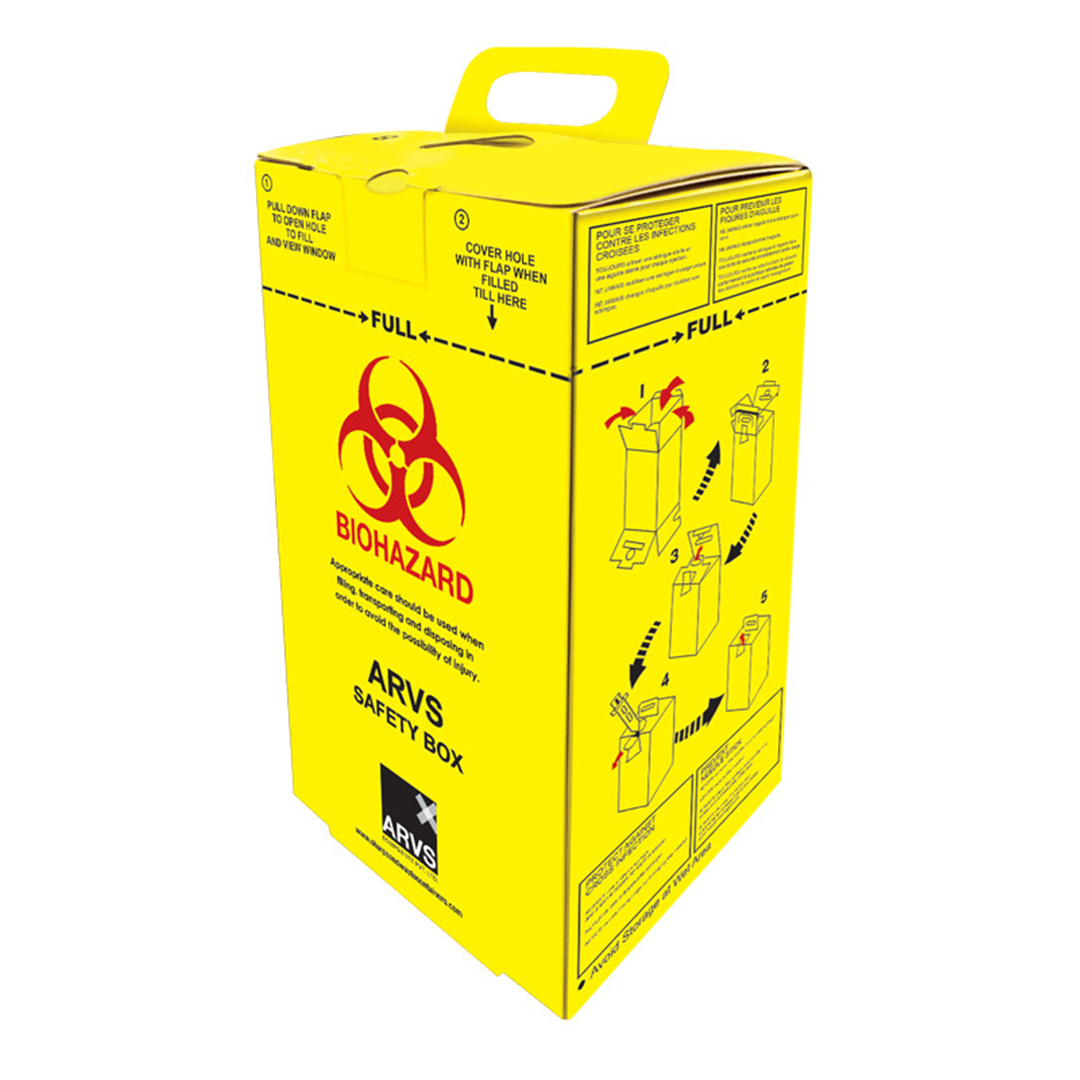
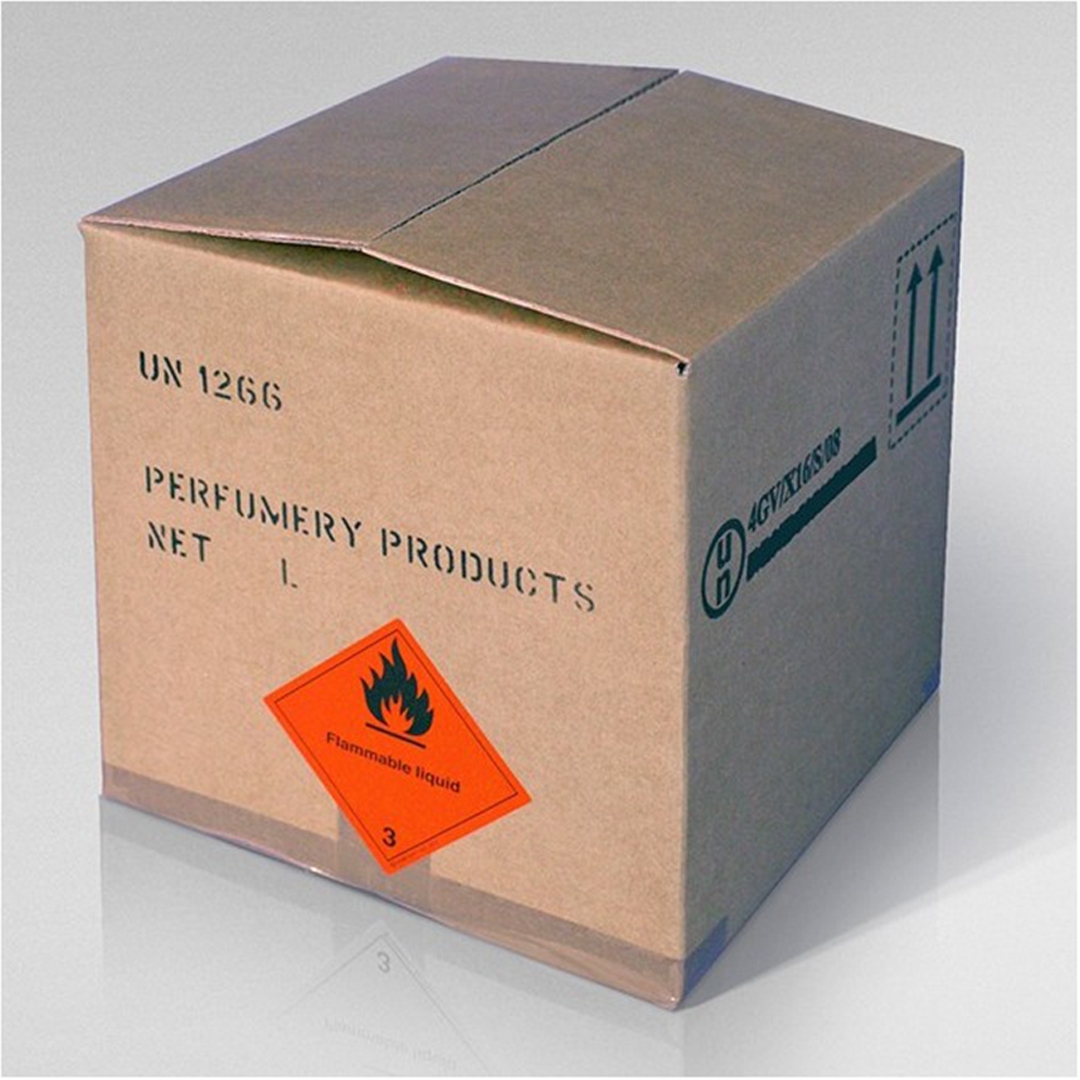
Cardboard chemical safe cardboard packaging helps labs, workshops, warehouses, and retail operations move sensitive products with confidence while keeping surfaces clean and organised. In many setups the same site needs lined drums, bottles, and packs combined with trays and outer cartons, and matching these with Cardboard Thermal Food Boxes gives planners one joined-up packaging family for both temperature control and chemical awareness. Cardboard chemical safe cardboard packaging for food and non-food items can be designed to hold labelled containers upright, separate incompatible products, and keep handling instructions visible throughout the route. When loads stay organised in this way, staff can focus on safe transfers instead of struggling with loose, unstable boxes.
This type of packaging also supports careful product segregation, especially where concentrated liquids or powders sit beside general stock. Structured cartons and inserts hold each container in its own space so accidental contact is less likely. Interior liners and coatings can be chosen to resist minor leaks or condensation, reducing the chance of staining or panel softening. Many teams use these cartons for secondary containment around bottles, canisters, or inner pouches, giving them time to react if any issue arises during storage or transit. In busy facilities, clear printing and smart layout also support training because staff see the same safety prompts and handling zones on every pack.
How chemical safe cardboard protects stored products
Chemical safe cardboard outer packs act as an extra layer between a product and the environment, helping to manage both spill risk and user concern. People often ask whether such packaging is needed, or whether simple cartons would do the job. When handling anything that could mark, stain, or irritate skin, a designed outer pack reduces accidental contact and keeps labels, hazard symbols, and usage notes intact. It also gives buyers room to address common questions like “Is cardboard toxic to humans” by clarifying which layers are intended for contact with containers and which are never meant to touch the final product directly.
Another topic that appears in safety meetings is “Is cardboard toxic to eat” and how that relates to food or supplement handling. Chemical safe outer cartons are not snacks, but they can be designed to hold certified food-contact inners, lined pouches, and jars with confidence. Clear instructions and high-contrast print remind staff and end users that only the inner packaging is meant to touch food or oral products. When teams add inserts, dividers, and impact-absorbing pads, they further reduce the chance that breakage leads to contamination across neighbouring packs, keeping both goods and staff better protected.
Practical advantages of chemical safe cardboard packs
- Help keep labelled chemical containers upright, separated, and easy to identify on shelves
- Support neat layouts so warning icons, batch codes, and handling messages stay visible
- Allow the use of liners and coatings matched to specific product families and routes
- Provide an extra buffer that reduces leak spread and surface staining during incidents
- Answer user concerns around safe handling through consistent on-pack messaging
Steps for planning chemical safe packaging choices
- List all products that may pose chemical or irritation risks and group them by type.
- Define which items need secondary containment, added liners, or reinforced corners.
- Choose carton styles, inserts, and dividers that keep each container firmly in place.
- Design print layouts that highlight hazard symbols, directions, and contact information.
- Test packed samples under real transport and storage conditions before wider adoption.
| Usage focus | Description of packaging role | Material options and safety layers | Safety emphasis in everyday handling | Typical applications and product examples |
|---|---|---|---|---|
| Secondary containment around containers | Outer cartons surrounding bottles, jars, or canisters | Corrugated board with optional liners and pads | limits spread of leaks and protects labels during movement | Lab reagents, cleaning concentrates, industrial additives |
| Organised storage for mixed product groups | Compartmented packs dividing different chemical families | Die-cut inserts, dividers, and reinforced outer walls | reduces chance of incompatible products touching or being misused | Maintenance kits, refill packs, multi-product service assortments |
| Shipping sensitive packaged food and drinks | Cardboard chemical safe cardboard packaging for food scenarios | Board grades tested for secondary food-contact roles | helps keep sealed items upright and away from rough surfaces | Sauce bottles, condiment packs, sealed snack or supplement containers |
Cardboard chemical safe cardboard packaging home depot
Cardboard chemical safe cardboard packaging home depot search terms show how often people look for reliable packs in general hardware and DIY channels rather than only in specialist catalogues. Many teams need straightforward boxes that can still handle labelled cleaners, paints, and maintenance liquids, and they compare standard cartons with graded options arranged in families such as Cardboard Boxes by Material Strength when setting up their storage rules. By mapping each product group to a carton strength and style, they avoid weak spots in racking where heavy or concentrated items might otherwise stress light packaging. This structured approach supports both compliance targets and everyday housekeeping.
For businesses that ship direct to sites, service engineers, or local stores, chemical aware cartons help loads stay tidy during long regional routes. Boxes with firm panels and correctly sized inserts keep containers away from each other, reducing the chance that shaking causes scuffs or label damage. Where customers are used to buying standard boxes from retail outlets, upgrading to clearly defined chemical safe packaging gives them more predictable results. This matters when loads must be stored for longer periods, placed in mixed company vehicles, or moved across several handover points before reaching their final location.
Comparing packaging choices for chemical safe uses
When planners compare packaging choices for chemical safe uses, they usually look at three main factors: containment, clarity, and end-of-life handling. Containment focuses on how well the pack holds its shape and controls any leaks, while clarity covers how easily staff can read warnings and batch data. End-of-life handling addresses questions such as “Is cardboard toxic to burn” and how to dispose of used packaging in line with regulations and company policies. Many teams now favour designs that keep printing simple, use clearly marked collection instructions, and support separation of contaminated and non-contaminated layers.
Environmental questions also arise, especially around Cardboard biodegradable time and what happens when packaging leaves formal waste streams. While cardboard breaks down more easily than many plastics, packaging that has touched strong chemicals may still need controlled disposal. Chemical free cardboard in its pure form can enter recycling streams more readily, but once inks, coatings, and residues are involved, local rules apply. This is why many businesses print clear disposal guidance on cartons so staff know whether to flatten and recycle, segregate as contaminated waste, or treat the pack in another approved way.
Key points when selecting chemical safe cartons
- Match board strength and style to the weight and sensitivity of the packed items
- Allow for handling realities in vehicles, storerooms, and service environments
- Use labelling layouts that highlight hazards before decorative elements
- Consider how packs will be broken down, flattened, or disposed of on site
- Review regulations for your region so disposal guidance remains up to date
Process outline for matching boxes with chemical loads
- Review your product list and separate mild cleaners, stronger agents, and specialist chemicals.
- Note where goods will be stored, how long they stay on site, and who handles them daily.
- Select carton strengths and insert styles that provide enough support without excess weight.
- Design print and layout that make safety messages obvious from every main viewing angle.
- Revisit packaging choices regularly as product ranges, storage areas, and rules evolve.
| Buyer priority | Packaging direction selected | Material and print choices aligned with needs | Operational advantages during storage and transit | Example scenarios where this approach is used |
|---|---|---|---|---|
| Strong containment and low incident rates | Higher strength cartons with deliberate inner supports | Multi-ply corrugated with durable inks | fewer leaks reaching shelves, floors, or neighbouring stock | Chemical cupboards, plant rooms, facility maintenance stores |
| Clear communication and label visibility | Cartons designed around hazard symbols and text windows | Smooth outer liners with high-contrast printing | quicker recognition of risks and safer selection by staff | Mixed hardware aisles, service vans, mobile technician kits |
| Simple disposal and recycling pathways | Packs built with easily separated cardboard components | Limited coating areas and clearly stated instructions | easier segregation of clean and contaminated elements at end of life | Home depot style outlets, light industrial and commercial workplaces |
Chemical free cardboard safety and biodegradable impact
Chemical free cardboard and controlled print areas give brands a way to address safety questions around packaging without creating confusion for end users. Many people want reassurance about what touches their products and what does not, which is why outer packs now carry clearer information on materials, inks, and recycling routes. For companies that coordinate all their shipping cartons and inserts through Cardboard Boxes Wholesale, it becomes easier to keep messaging consistent from one range to another while still tuning board grades and coatings for different load types. This joined-up approach also supports sustainability planning, because teams can track Cardboard biodegradable time assumptions, recycling rates, and any special handling rules in a single framework.
Safety discussions often extend beyond the warehouse to end-user behaviour. Questions like “Is cardboard toxic to humans” or “Is cardboard toxic to eat” show up in online searches and customer service channels, even though packaging is never meant to be consumed. Well-designed packs help answer these concerns by clarifying where direct food contact occurs and where only sealed jars, cans, or liners ever touch the board. Messaging around “Is cardboard toxic to burn” also matters, because burning printed or coated material can release fumes that are not intended for enclosed spaces. Clear warnings against this practice, along with guidance to follow local recycling or waste rules, help keep both people and the environment safer.
Answering safety questions about cardboard and toxins
When addressing questions such as “Is cardboard toxic to humans,” context is important. Plain, untreated cardboard used as an outer layer around sealed goods is not designed for direct skin contact over long periods or for ingestion, but under normal handling it does not pose a unique everyday risk. Chemical safe packaging goes further by selecting board types, inks, and coatings that are better suited to their intended role, whether that means holding secondary food packs or non-food chemical containers. Operators still follow standard precautions such as wearing gloves when handling certain products or working in ventilated areas.
For queries like “Is cardboard toxic to eat,” brands must emphasise that packaging is not food, even when it surrounds edible products. Chemical safe cardboard is chosen to minimise unnecessary additives and to work well with approved liners and containers, not to serve as a snack. Similarly, in response to “Is cardboard toxic to burn,” guidance usually discourages open burning of printed or coated board, especially indoors, because combustion can release smoke and by-products that are unpleasant or harmful. Instead, packs that qualify should move through recycling, while any items contaminated by strong chemicals follow specialist disposal channels as required.
Helpful facts about cardboard safety and disposal
- Chemical free cardboard in outer packs supports clearer handling and recycling guidance
- Outer boxes are designed for transport and storage, not for direct food or oral contact
- Clear printing can advise users against open burning of coated or printed materials
- Recycling routes are more accessible when packs use simpler, well-understood materials
- Biodegradation rates depend on environment, moisture, and contaminant levels
Simple practices for safer cardboard use on site
- Keep sealed containers upright and supported inside correctly sized cartons.
- Train staff to recognise hazard labels and follow the handling notes printed on packs.
- Separate visibly contaminated packaging from clean material at the end of each job.
- Use approved recycling or waste channels rather than burning packaging on site.
- Review incident reports to see whether packaging choices need adjustment for safety.
| Scenario in daily operations | Cardboard approach taken | Material and coating focus | Safety or environmental benefit achieved | Typical user groups applying these practices |
|---|---|---|---|---|
| Shipping sealed food in mixed loads | Chemical aware cartons around jars and packaged items | Board aligned with secondary food-contact requirements | clearer separation between food packs and other goods | Food brands, catering suppliers, grocery distribution centres |
| Handling maintenance and cleaning supplies | Strong cartons with inserts and clear hazard messaging | Durable board with inks chosen for legible warnings | reduced accidental contact and easier incident response | Facilities management teams, contract cleaners, building services |
| Managing packaging after product use | Flattened, sorted cardboard based on contamination levels | Preference for simpler, cleaner cardboard where possible | better recycling rates and controlled disposal of affected packs | Warehouses, retail back rooms, municipal and private waste handlers |