







Description
Cardboard Appliance Packaging Boxes For Home Retail And Bulk Shipping
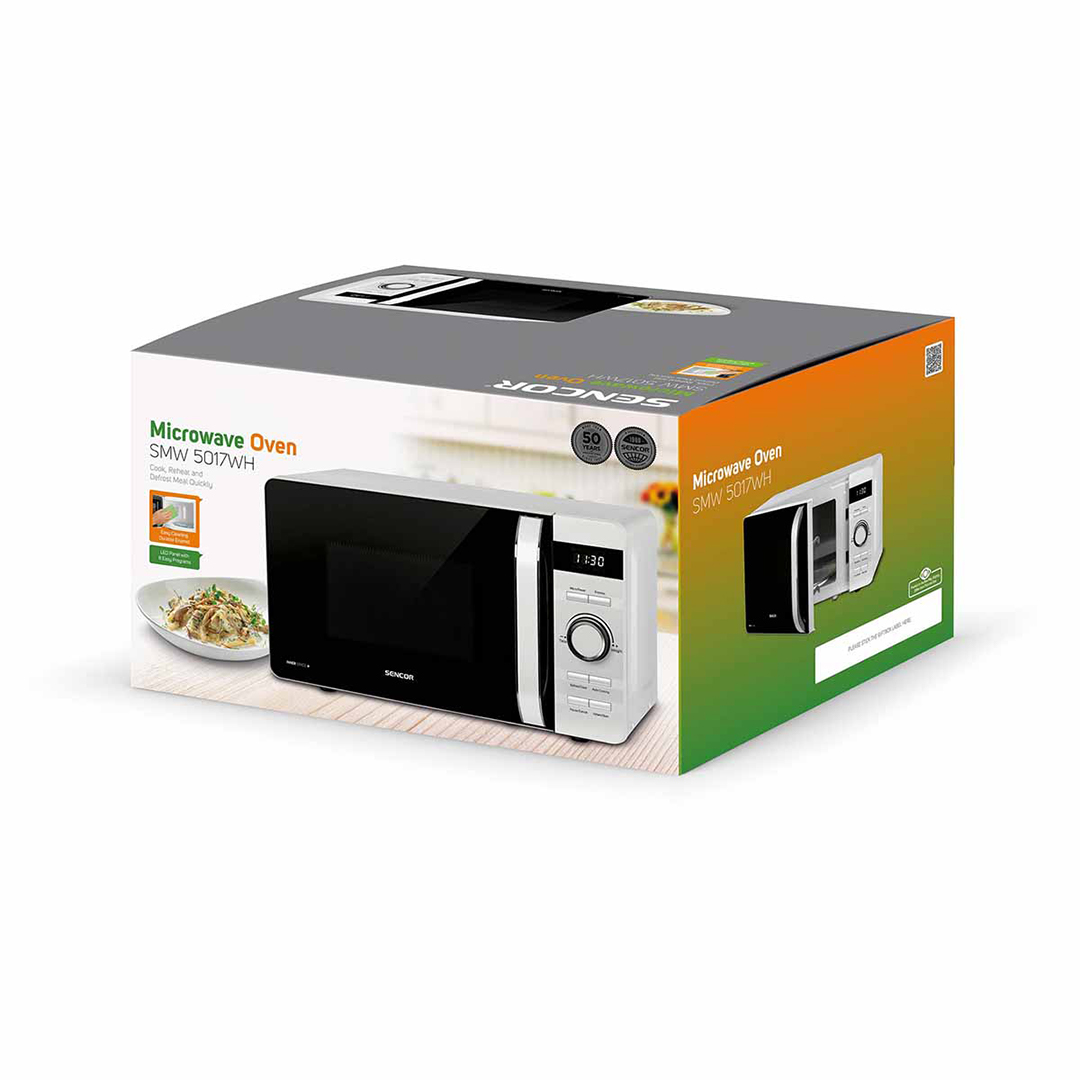
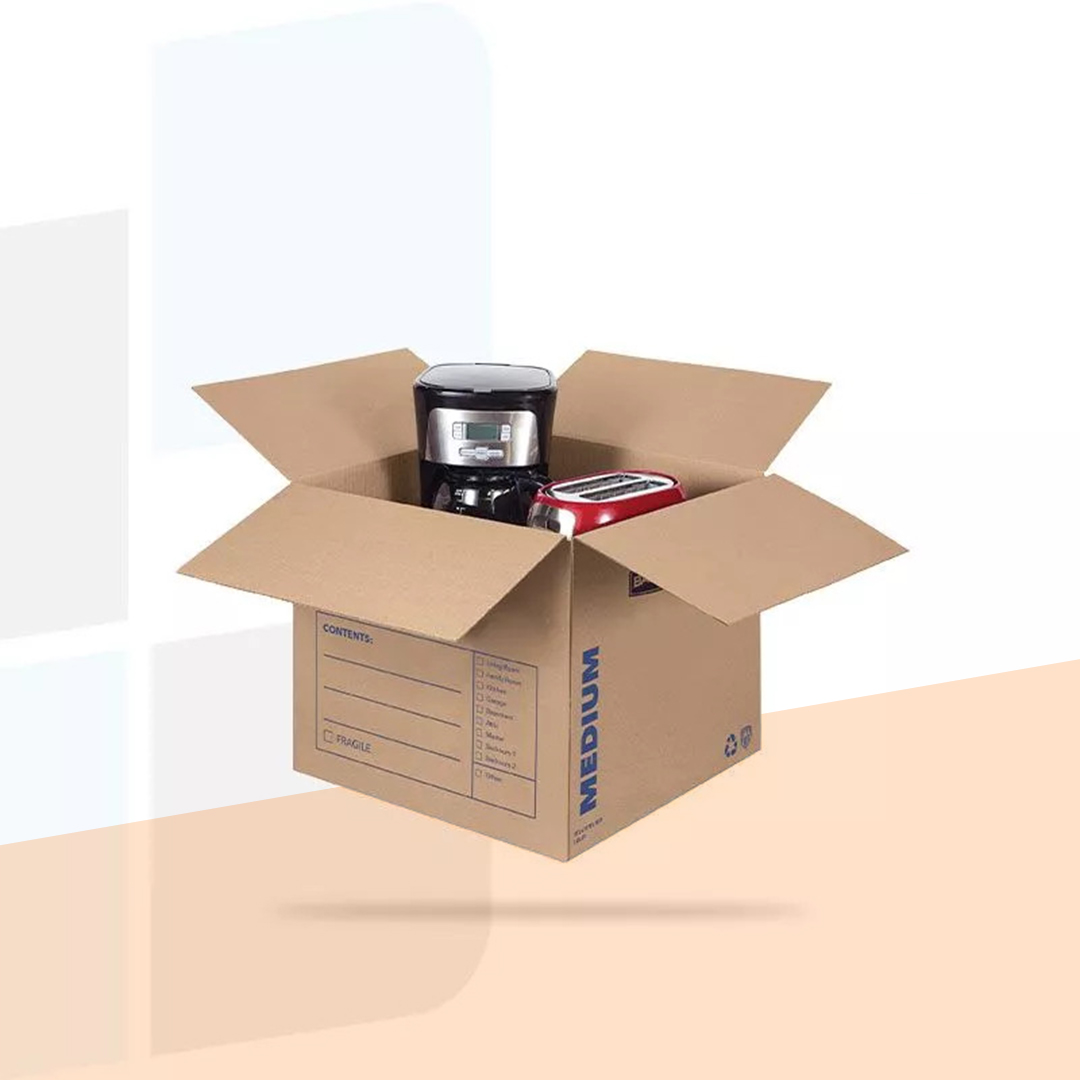
Cardboard Appliance Packaging Boxes help you move and store microwaves, air fryers, small fridges, mixers, heaters, fans, and other home or office appliances with steady protection. Strong board walls protect panels, corners, and glass doors from knocks and stacking pressure. Short, clear print on each face guides teams during picking, loading, and shelf storage so the right appliance reaches the right customer with less stress and fewer claims.
Brands that send lighting and appliances together often use Cardboard LED Bulb Packaging Boxes for bulbs and compact fixtures, while larger units move in matched appliance cartons from the same range. This keeps pallets tidy and helps staff recognize each series at a glance in busy warehouses. Cardboard appliance packaging boxes wholesale supply makes it easier to maintain one style for small devices, medium benchtop units, and larger floor-standing products across all sales seasons.
Everyday Protection For Household Appliances In Transit
Appliances pass through many hands before they reach a kitchen counter or store display. Cardboard Appliance Packaging Boxes act as steady shells during forklift moves, courier sorting, and in-store stacking. Inner pads, corner blocks, and sleeves hold each unit away from hard edges and reduce movement inside the cavity.
Cardboard Appliance Packaging Boxes for sale can be tuned for many product families, from coffee makers to compact freezers. Teams that manage multiple brands often compare board grades, flute types, and print coverage in the same way they compare service from The custom box packaging, My custom boxes, or The customized boxes, then settle on one set of options that suits their own label and logistics pattern.
Packaging Lines That Sync With Wider Cardboard Systems
Appliance brands usually work with more than one carton style. They might have small inner boxes for accessories, mid-size cartons for benchtop units, and larger outers for full height appliances. By planning these as a family, it becomes easier to match loads with delivery vehicles and store back room layouts. Many planners follow structures similar to Cardboard Boxes By Functionality, so each box type lines up with a clear use case instead of random dimensions.
Linked packaging lines keep staff training simple. Once they learn how to read symbols for fragile glass, side-up arrows, and model families on one carton, they can apply that knowledge across the entire appliance range. This saves time during seasonal rushes and supports more accurate pallet building.
Benefits of appliance cartons in modern supply chains
- Cardboard walls absorb small impacts and reduce direct hits to appliance corners
- Flat faces stack cleanly on pallets, in containers, and in stock rooms
- Surfaces accept detailed print for barcodes, handling marks, and brand graphics
- Inner pads and corner braces keep glass panels and control knobs away from pressure
- Cartons flatten easily after use, supporting storage and recycling processes
Points To Plan Appliance Shipments With Cardboard Cartons
- List each appliance by weight, height, and depth, so you understand basic load needs
- Group products into size bands, such as small benchtop, mid-range, and tall units
- Match each group with a set of Cardboard Appliance Packaging Boxes and insert styles
- Decide how many boxes fit on a pallet layer and how many layers per route you allow
- Print clear model codes and barcodes so staff can pick and check loads quickly
| Appliance type | Typical box footprint | Inner support idea | Main shipping route | Handling note for staff |
|---|---|---|---|---|
| Small kitchen gadgets | Compact rectangular footprint | Side pads with top and base card | Courier runs and parcel networks | Keep upright to protect the control dials |
| Microwave ovens | Medium depth footprint | Corner blocks and side pads | Store deliveries and home drop-offs | Avoid stacking with very heavy upper loads |
| Countertop ovens | Wider footprint with deep sides | Board cradle and corner guards | Mixed pallet loads for retail chains | Check the door side faces the aisle direction in the store |
| Small fridges | Tall narrow footprint | Full height pads with top cap | Appliance trucks and regional distribution | Secure with straps on pallets |
| Air coolers and heaters | Medium-tall footprint | Wrap and corner block combination | Seasonal campaigns and promo bundles | Mark the vent side to prevent crushing on the grilles |
Large Cardboard Appliance Packaging Boxes For Fridges, Washers, And Ovens
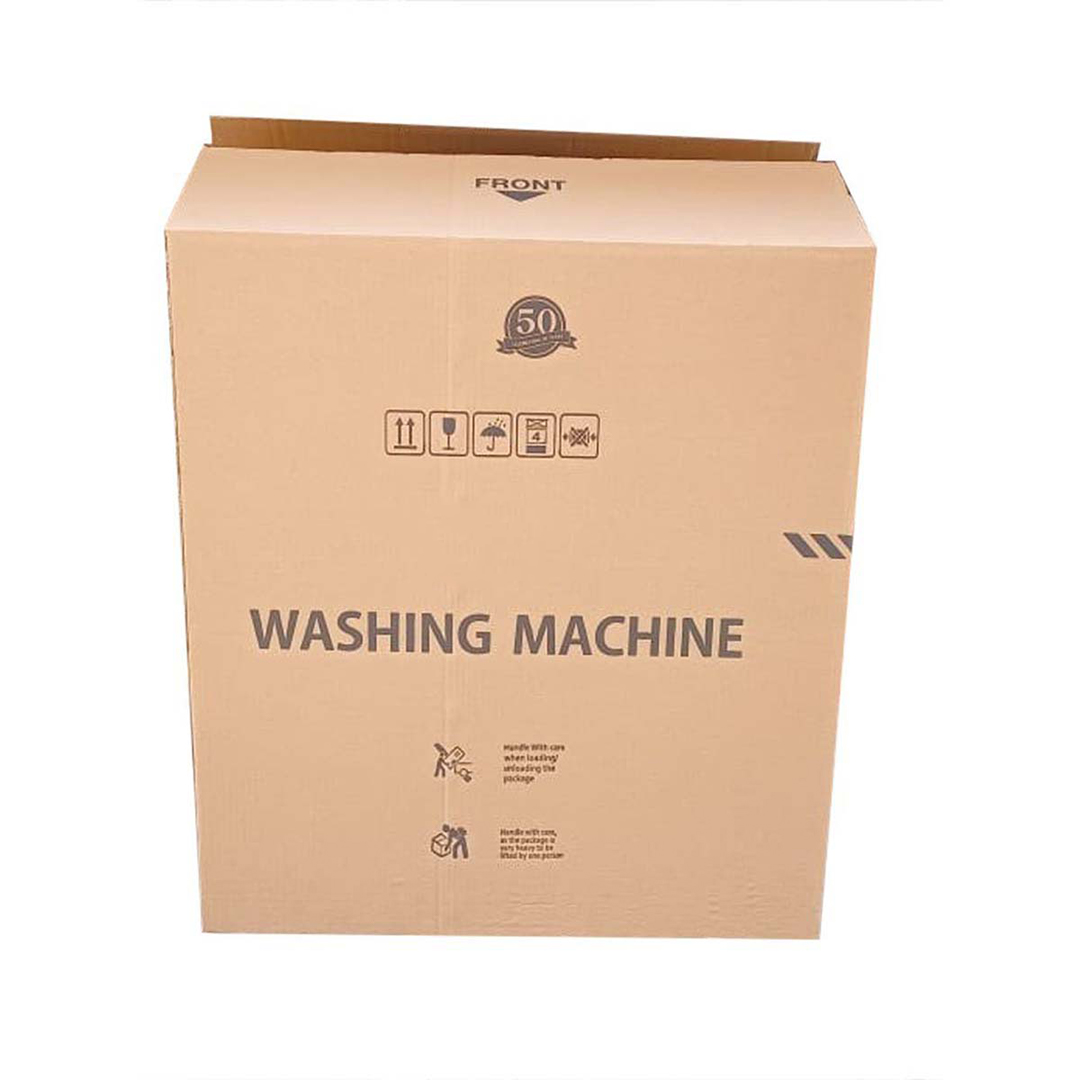
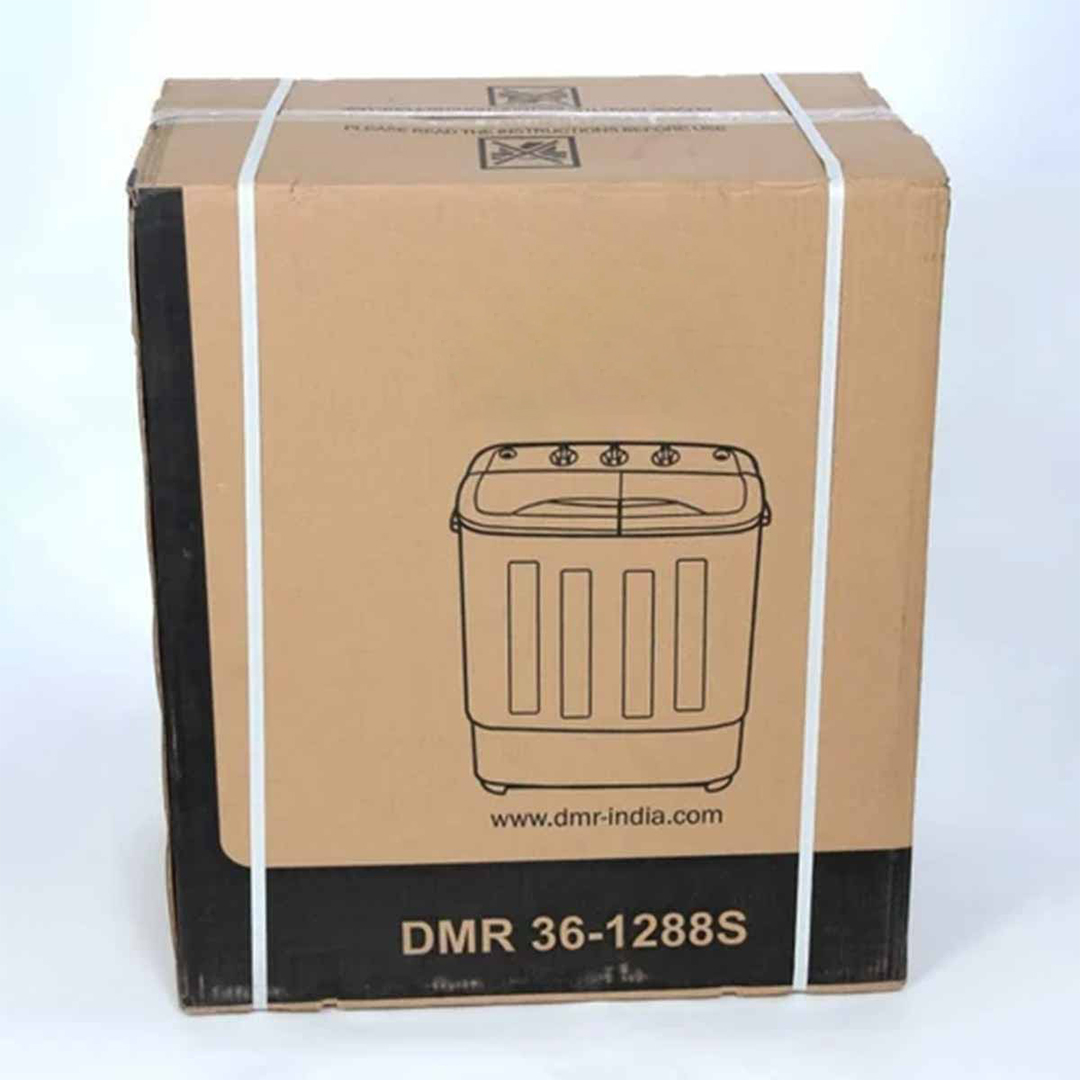
Large cardboard appliance packaging boxes handle heavy-duty units such as front-load washers, dryers, tall fridges, upright freezers, and full-size ovens. Their high walls and deep bases support strong inner supports and pallet straps during long routes. When board grade and flute profile are chosen well, these cartons can manage repeated handling cycles through distribution centers and local cross-docking hubs.
These bigger cartons also need clear orientation control. Large panels give room for bold arrows, handling warnings, and simple diagrams showing how to open and reseal the pack after inspection. Cardboard appliance packaging boxes wholesale planning helps brands keep these graphics consistent so handlers in different regions all respond the same way to each mark.
How To Prepare a Large Appliance For Boxed Transit
Many users ask how to box a fridge or washer without risking internal damage. The answer is to follow a calm, step-based approach. First, secure moving parts inside the appliance, such as trays, drums, and shelves. Then, wrap the unit in a soft layer where needed, fit the corner blocks, and slide it into the Large cardboard appliance packaging boxes cavity with enough clearance for pads.
Once the unit is seated, top caps and braces close any gaps over doors or glass areas. Straps, stretch film, or edge protectors may then be added around the outside. This full setup turns a bare appliance into a stable block that can move through stacked warehouse lanes and vehicle ramps with far fewer risks.
Key qualities of large appliance cartons
- Extra tall panels made from strong board grades suited to high stacking
- Wide bases that spread weight evenly on pallets and warehouse floors
- Inner fixtures are designed to keep heavy units away from carton edges
- Clear print zones for large icons that guide handling at a distance
- Space for airflow paths and corner vents where products require breathing room
Steps to get large appliances ready for shipping
- Disconnect water, gas, and power lines, then drain or dry any internal tanks or hoses
- Secure loose parts such as oven racks, fridge shelves, or washer drums with tapes or clips
- Wrap doors and control panels in protective film or padded sheets where needed
- Fit corner blocks, base pads, and any specified braces before sliding the unit into its carton
- Close flaps, apply straps or bands, and label all faces with route and model details before loading
| Product group | Board grade suggestion | Inner support style | Typical stacking height | Notes for pallet building |
|---|---|---|---|---|
| Front-load washers | Heavy-duty double-wall board | Base tray and side pads | Two to three units high | Place heavy washers on the lower pallet layers |
| Tall fridges | Reinforced double-wall board | Full height pad and top cap | One to two units high | Keep the same height products on each pallet |
| Upright freezers | Double wall with strong flutes | Corner blocks and wrap | One to two units high | Avoid mixing with very light outer cartons |
| Full-size ovens | Dense flute single or double | Side pads and door protection | Two units high when approved | Mark the glass side and avoid impact in that area |
| Washer dryer sets | Premium double-wall board | Twin cavity or shared pallet | One layer of pairs per pallet | Strap pairs together for stable movement |
Cardboard Appliance Packaging Boxes For Organized Warehouses And Retailers
Cardboard Appliance Packaging Boxes do more than shield appliances; they shape how warehouses and stores stay organized. Clear panel layouts help staff read model names, energy ratings, and color codes from a distance. This makes it easier to place products in the right aisle, manage stock rotation, and keep displays looking steady.
Brands that want smooth coordination from factory to store often build their packaging plans through partners such as Cardboard Packaging Boxes, so flutes, coatings, and print styles line up across different appliance families. When every carton feels similar to handle, training new staff becomes less complex, and storage space is used more effectively.
Questions Buyers Often Ask About Appliance Boxes
Buyers often ask what makes Cardboard Appliance Packaging Boxes different from general shipping cartons. The answer lies in measured fit and planned inner support. Appliance cartons are designed around each product group, with space for corner blocks, braces, and rated stacking loads. This helps control risk during long routes and busy sales seasons.
Another common question is how these cartons compare to options promoted by The custom box packaging, My custom boxes, or The customized boxes. In practice, what matters is how well the chosen board, coating, and insert plan match your own product weights, routes, and brand message. A steady design used for many seasons often delivers more value than frequent, untested changes.
Benefits Of Organized Cardboard Appliance Packaging For Stores
- Cartons show model and capacity details in large, simple type on side and end faces
- Color bands and icon sets help staff arrange products by series or feature level
- Clear labelling supports fast stock counts during audits and seasonal rebuilds
- Flap and strap layouts make it easier to open and reseal boxes without damage
- Neat stacks create safer aisles and more appealing display pallets for customers
Points For Setting Up Appliance Aisles With Cardboard Cartons
- Map each aisle or zone by appliance type, such as cooling, cooking, or laundry
- Place matching Cardboard Appliance Packaging Boxes together by model and color group
- Face handles, labels, and icons toward walking routes to guide both staff and shoppers
- Use top layers for display units or lighter boxes and heavier units on lower levels
- Review aisle flow during peak times and adjust stack positions to keep paths clear
| Area type | Main carton role | Display or storage approach | Staff focus point | Suggested labeling detail |
|---|---|---|---|---|
| Back room storage | Reserve stock protection | Tall stacks by model and capacity | Fast access and stock rotation | Large model codes and capacity markers |
| Sales floor aisles | Visible product presence and guidance | Front-facing stacks near displays | Easy reading for shoppers and associates | Clear icons showing type and size |
| Clearance zones | End of line or promo stock | Shorter stacks with clear signage | Quick identification of discounted items | Visible discount or promo tags |
| Online pick areas | Order assembly and dispatch | Shelf-based or pallet-based rows | Speed and accuracy during picking | Route barcodes and order batch codes |
| Service counters | Replacement and warranty exchanges | Limited depth stacks by category | Quick swap and inspection | Simple category and condition notes |