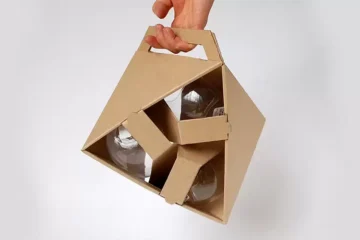
They are used far beyond their role as simple packing cases. With so many box styles available it is beneficial to know the differences. There are many various solutions to provide storage and also the extra benefits of specialty boxes. Below are various types of cardboard boxes, their uses and how you can select a box that is right for your requirements.
Understanding Different Cardboard Box Shapes
Round Cardboard Boxes
Containers come in a cylindrical shape which offers the user several benefits that are not available when a box is of the rectangular shape. Their circular shape offers specific advantages which can be beneficial in certain gift giving and storage situations.
General uses:
- Hat storage and millinery display
- Gift packaging for bottles and cylindrical items
- Craft supply organization (ribbons, yarn, trim)
- Keepsake storage for memorabilia
- Food packaging (cakes, cookies, specialty items)
- Wedding and event favor containers
Why choose round boxes:
These delicate-looking storage units are able to withstand a considerable amount of pressure due to their design. The base of the container is circular. This helps distribute the weight evenly. Items are better protected by the specially designed corners which can absorb shock than by corners that can collapse.
Size considerations:
There are various shapes and dimensions for round boxes which are normally measured by two factors – their height and diameter.
| Diameter | Height Range | Best For |
|---|---|---|
| 4-6 inches | 3-5 inches | Small gifts, ornaments and jewellery |
| 8-10 inches | 4-8 inches | Hats, medium gifts, party favours |
| 12-14 inches | 6-10 inches | Large gifts include hats, cakes and other substantial items |
| 16+ inches | 8-12 inches | Large items such as wedding dresses, luggage and oversized keepsakes |
Material quality:
The premium round box features strong reinforced sides as well as a reinforced top and bottom. Check for containers which have separate lids that fit onto the container neatly without being overly tight or difficult to remove. The circular shape of the building is preserved through the quality of the construction process.
Special cylindrical packing solutions can be fulfilled by round cardboard boxes which are designed to suit odd shaped goods which are unsuitable for normal rectangular cartons.
Rectangular Standard Boxes
General storage as well as shipping requirements are best fulfilled by the standard rectangular box. They are a practical choice for all applications due to their shape which is compact and can be stacked.
Standard measurements:
These boxes are described as length, width and height. Common sizes include:
- Small: Approximate dimensions 12 inches wide x 9 inches deep x 6 inches high (document storage, small items)
- Medium: 18″ x 14″ x 10″ (books, clothing, kitchen items)
- Large: Over-sized 24 inches x 18 inches x 18 inches (beds, appliances, etc.)
Strength ratings:
Understanding box strength helps prevent damage:
Single-wall corrugated:
- It is recommended that the bag is used for loads of 20 to 30 lbs
- General household storage
- Light to medium shipping
Double-wall corrugated:
- Designed to handle loads between 40 and 80 pounds with ease
- Heavy items and valuable goods
- Long-distance shipping
Triple-wall corrugated:
- Industrial strength for 80+ lbs
- Fragile or extremely heavy items
- Maximum protection needs
Specialty Shaped Boxes
Shoe Box Dimensions and Uses
These shoe boxes can be used for a multitude of purposes as a result of the standardised dimensions.
Standard dimensions:
- Men’s shoes have dimensions of 13 inches by 8 inches by 5 inches
- Women’s Shoes – 12 x 7 x 4.5 inches
- Kids Shoes: 10 inches long, 6 inches wide and 4 inches deep
Creative applications beyond shoes:
Craft organization:
- Sewing supplies and notions
- Scrapbooking materials
- Art supplies and small tools
- Holiday decoration storage
Home organization:
- Photos and small memorabilia
- Cables and electronic accessories
- Office supplies and stationery
- Toy storage for small items
Benefits of shoe box design:
The uniform size of these boxes enables the storage containers to be neatly stacked and arranged on a shelf. The majority of feature lift off lids offer quick access whilst also keeping dust away. Their compact size allows maximum storage on shelves and in closets.
The cardboard shoe boxes, besides keeping shoes, is perfect for storing household goods. It’s tough and large enough to be used to hold all sorts of household items.
Decorative Storage Options
Use of decorative storage boxes and chests has a dual purpose of storage and decoration in the home.
Style categories:
Herringbone pattern; decorative paper, wallpaper and fabric:
- Floral prints for feminine spaces
- Geometric patterns for modern decor
- Seasonal themes (holiday, spring, autumn)
- Textured finishes mimicking fabric or leather
Color options:
- Neutral tones (white, cream, gray, kraft)
- Bold colors (navy, burgundy, emerald)
- Pastels (blush, mint, lavender)
- Metallic finishes (gold, silver, rose gold)
When to choose decorative boxes:
In living rooms where storage is visible, consider using aesthetically pleasing units. These boxes work perfectly for:
- Open shelving in living rooms or offices
- Bedroom closet organization
- Bathroom counter storage
- Entryway catchall solutions
- Gift packaging that doesn’t require wrapping
Quality indicators:
These luxury gift boxes, which are of high quality, are characterised by reinforced corners, printed designs of a high standard and robust construction.
Decorative cardboard boxes are an elegant and tasteful option for organising your home. They fit in well with a variety of interior decorating styles and add a touch of elegance to any room.
Cardboard Box Materials and Construction
Understanding Corrugation
Made of two flat papers, the linerboard and a fluted corrugating medium, corrugated card has three layers. The use of this material maintains weight at a manageable level while producing excellent strength.
Flute sizes and their purposes:
| Flute Type | Thickness | Best Applications |
|---|---|---|
| E-flute | 1/16 inch | Retail packaging, pizza boxes |
| B-flute | 1/8 inch | Shipping boxes, gift boxes |
| C-flute | 3/16 inch | Standard storage and shipping conditions |
| A-flute | 1/4 inch | Fragile items, maximum cushioning |
Selecting appropriate flute size:
Where weight is of importance or when it is necessary to keep things compact, smaller pipes will be ideal for this type of job. Materials of thicker flute will improve cushioning and stacking strength of the voids for more fragile or heavier contents.
Cardboard vs. Chipboard
When selecting a box to use for packaging, it is crucial to consider the materials that it is made of.
Corrugated cardboard:
- Multiple layers with air space
- It has excellent shock absorbing properties
- Suitable for shipping and moving
- Higher weight capacity
Chipboard:
- Single layer compressed paper
- Smooth surface ideal for printing
- Decorative boxes and gift packaging
- Light to medium duty applications
Kraft paper:
- Natural brown appearance
- Eco-friendly aesthetic
- Good strength-to-weight ratio
- Artisan and natural products are sought after by many consumers
Selecting Boxes for Specific Uses
Storage Applications
Climate considerations:
Standard cardboard boxes are suitable for dry storage in areas with low humidity that are climate controlled. They especially require special consideration in the installation of these systems.
For humid environments:
- For humid and damp places, like basements and crawl spaces, the ideal solution would be the wax-coated kind
- Consider plastic bins for truly wet locations
- To prevent warping, consider storing it in an airtight container with silica gel packets to absorb moisture
- They should elevate boxes off the floor to avoid moisture accumulating
Long-term vs. short-term storage:
Temporary (less than six months):
- The standard carton will be sufficient for our packaging requirements
- Focus on proper sizing
- Basic moisture protection adequate
Over a longer term (6 months to years):
- Invest in archival-quality boxes
- The use of acid-free materials ensures that your photographs will not turn yellow with time
- Dense, closed foam cells provide excellent support and maintain their shape even after heavy wear
- Consider specialized storage boxes
Moving and Shipping
Packing fragile items:
Layer 1: When packing items, a base of bubble wrap or paper is placed in the box. This serves as the first layer.
Layer 2: The heaviest items are then positioned in the box next, with each one individually wrapped. This is the second layer.
Layer 3: In the third layer, the items that weigh in the middle are placed in the box with a layer of padding between each one.
Layer 4: The lightest items are placed on top in the fourth layer.
Layer 5: The fifth layer consists of filling empty spaces in the box.
Weight distribution rules:
- Never exceed box weight rating
- Boxes with heavier items inside should be smaller than those with lighter ones
- Pack lighter to have bigger boxes
- Label boxes by weight category
Box selection by item type:
| Product Category | Optimal Packaging | Additional Requirements |
|---|---|---|
| Books/Documents | Small, double-wall | Heavy items require large boxes to distribute weight evenly |
| Clothing/Linens | Medium to large | Place items in boxes (wardrobe) to hang clothes |
| Kitchen equipment | Medium, dividers | Plate boxes for dishes |
| Electronics | Original boxes preferred | Extra padding, moisture protection |
| Artwork/Frames | Picture boxes or flat | Never stack, always mark fragile |
Gift Packaging and Presentation
Matching box to gift type:
Valuables and jewellery: Luxurious items are beautifully displayed in round or square boxes which have cushioning. Consider adding an inner lining of satin or velvet for a luxurious finish.
Clothing and textiles: High-end retailers create an upscale shopping experience with tissue paper wrapped in rectangular boxes. Well-made window boxes display the homeowner’s taste in furnishings and workmanship.
Food gifts: Specialty foods and baked goods are safely packaged in boxes which feature a special grease-proof lining. It’s generally best to store cakes in round boxes. Rectangular boxes are the most suitable option for storing collections of biscuits.
Making standard boxes decorative:
Transform plain boxes into gift packaging:
- Decorative paper or fabric: Wrap exterior completely
- Ribbon and bows: Add dimension and elegance
- Custom stamps or stickers: Personalise your own stickers and stamps by writing your child’s name or the date on them
- Tissue paper: For a crisp and neat finish, use a creased line of tissue paper as the interior lining of your garment
- Gift tags: Gift tags should be tied with a ribbon or twine
Sizing Guide for Common Applications
Measuring for Perfect Fit
Step-by-step measuring process:
To determine the size of your item in shipping dimensions, follow these steps:
Step 1: Measure your item’s length
Step 2: Find the item’s width
Step 3: Measure the item’s height
Step 4: Add two inches to each of these dimensions
Example calculation:
The dimensions of the item are 8 inches by 6 inches by 10 inches.
- Add cushioning: 12″ x 10″ x 8″
- Select the case size from the list below: 10″ x 8″ x 6″ or next size up
Common sizing mistakes:
- Tight boxes are prone to crushing their contents. Items are difficult to pack and therefore will not be adequately protected
- Choosing boxes that are too large (causes item shifting, waste of packaging materials)
- Forgetting to account for packing materials
- Not considering box closure space
Multi-Purpose Size Recommendations
Choose a selection of sizes to stock:
Small boxes (12″ x 9″ x 6″):
These boxes are ideal for holding small items such as knick-knacks, mementos and other trinkets.
- Office supplies and documents
- Small household items
- Personal accessories
- Craft supplies
Medium storage boxes (18″ x 14″ x 10″):
- Clothing and shoes
- Kitchen items
- Books and media
- Toys and games
Big boxes (24 inches by 18 inches by 18 inches):
- Bedding and pillows
- Lampshades and décor
- Seasonal decorations
- Bulky lightweight items
Purchasing Considerations
Quality Assessment
Things to Check Before Making a Purchase:
Construction integrity:
- It would be good if the corners were sharp and well-cut
- No visible damage or crushing
- They should operate smoothly when folding
- It looks properly joined together
Material consistency:
- Uniform thickness throughout
- The fabric was in excellent condition; there were no missing patches
- Precise cuts along edges
- Sturdy bottom construction
Bulk vs. Individual Purchases
When to buy in bulk:
- Moving or major organization project
- Business shipping needs
- Regular storage requirements
- Cost savings on frequently used sizes
Bulk purchase benefits:
| Quantity | Typical Savings | Best For |
|---|---|---|
| 10-25 boxes | 10-15% discount | Small projects |
| 25-50 boxes | 15-25% discount | Moving, medium business |
| 50-100 boxes | 25-35% discount | Large projects, regular use |
| 100+ boxes | 35-50% discount | Business operations |
When individual boxes make sense:
- Testing size before bulk purchase
- Unique one-time needs
- Limited storage space for extras
- Specialty decorative boxes
Environmental Considerations
Recycled content options:
Stands and desks from this company can contain up to 100% post-recycled consumer waste. Products with a higher proportion of recycled materials may incur a small additional cost. However, the advantage of using recycled materials is the significantly reduced impact on the environment.
Recyclability after use:
Cardboard boxes are highly recyclable when:
- Kept clean and dry
- Tape and labels removed
- Broken down flat
- Free from food contamination
Reusability factors:
They can be used many times, reducing the need for packing materials.
- Delicate Decorative Containers: Lasting Over 5-10 Years With Proper Care
- Storage boxes: 3-5 years of regular use
- Shipping boxes: 2-3 uses before replacement
- Generally boxes are only used once due to the wear
Maintenance and Care
Extending Box Lifespan
Proper handling techniques:
- The goods should be carried by the handles on the bottom of the boxes
- Pack the heaviest items at the base of the stack
- Keep the chart to a height of three rows
- Store in climate-controlled areas
Cleaning and maintenance:
- Keep the exterior clean with a soft cloth on a regular basis
- Gently blot the stain with a clean, slightly damp cloth or sponge
- Allow to dry completely prior to storage
- Repair small tears with matching tape
Storage When Not in Use
Flat storage saves space:
Individual box components require 90% less space to store than assembled boxes. Store flat boxes:
- In garage or basement
- Between mattress and box spring
- Behind furniture
- In under-bed storage
Organization tips:
- Group by size and type
- Label with dimensions
- Keep assembly instructions if complex
- Rotate stock (use oldest first)
If you require specialty cartons, are in need of compact storage options or desire to enhance the aesthetic appeal of storage with organisation, then selecting the right carton is essential. When selecting storage containers from custom cardboard boxes, consider a pre-made container or one custom made for your business, according to storage needs and environmental conditions. Consider cost alongside functionality.