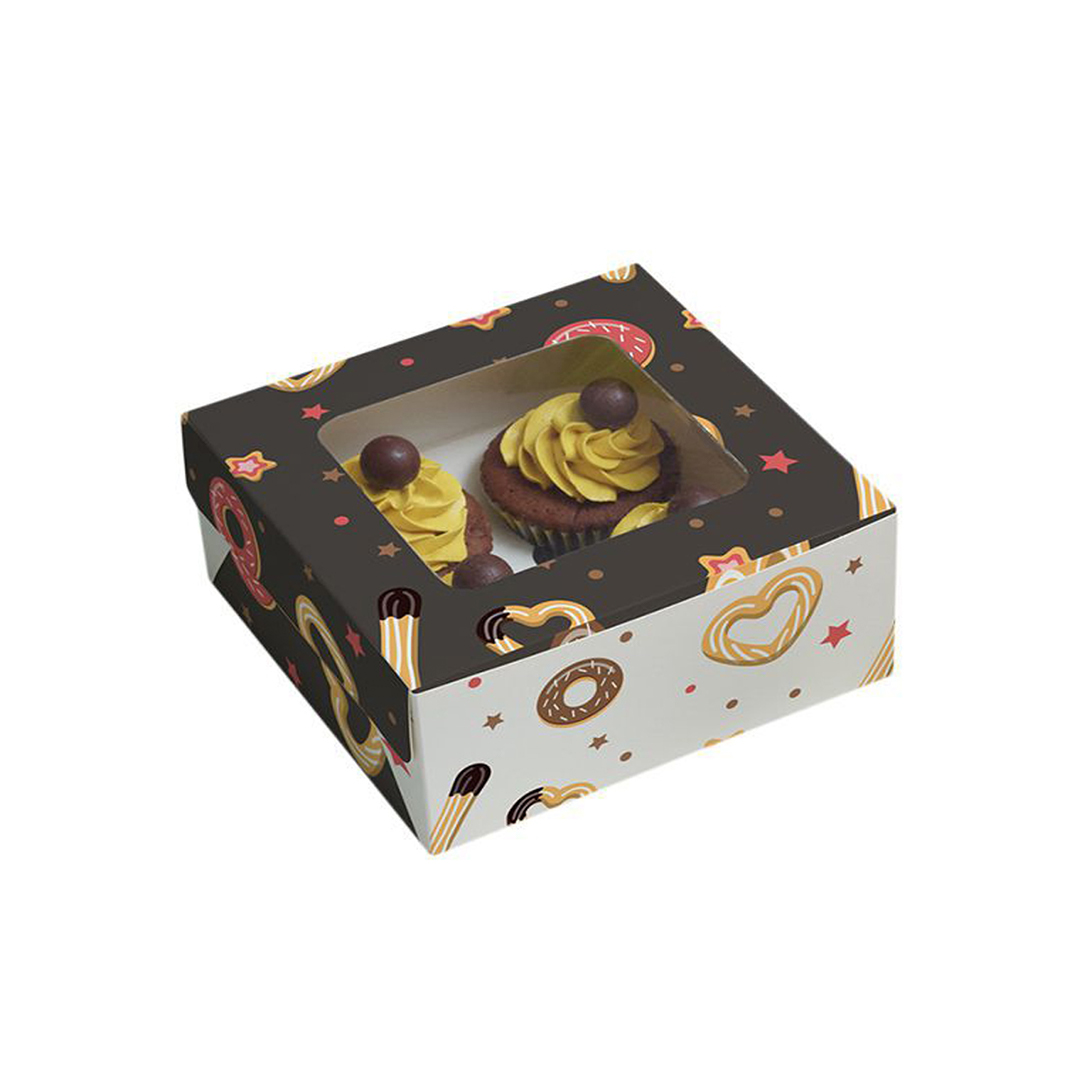






Description
Cardboard Pastry Boxes Wholesale For Bakeries And Dessert Brands
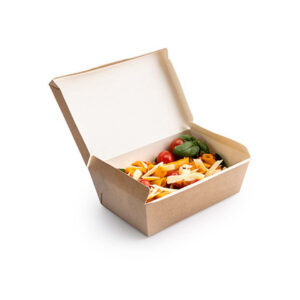
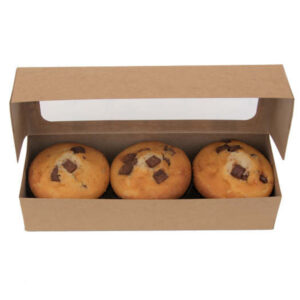
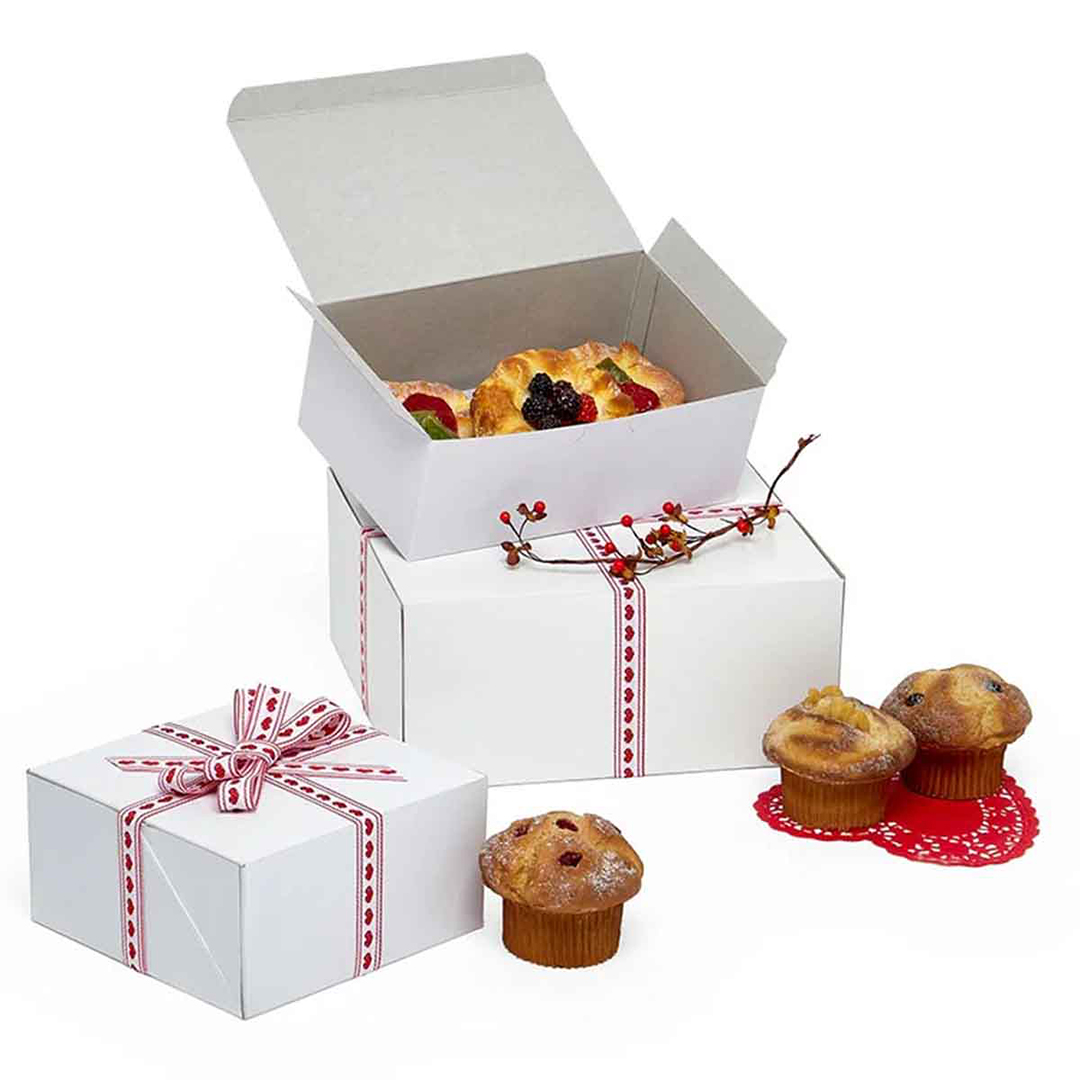
Cardboard pastry boxes with lids are used by bakeries to pack slices, tarts, and croissants for takeaway and counter display. Lighter dessert items can be packed in Cardboard Macaron Boxes, and some bakeries keep pastry cartons consistent with the same packing style across multiple dessert categories. This helps daily packing stay consistent while leaving space for branding, product labels, and care instructions.
Cardboard pastry boxes form an outer carton for cakes, pastries, éclairs, doughnuts, and assorted dessert portions. Once sizes are standardised, the same box family can be used for front-counter orders, pre-orders, delivery routes, and catering work without changing basic packing routines.
Cardboard Pastry Boxes For Daily Bakery Display And Service
Pastry counters involve steady movement from early-morning trays through lunchtime peaks and evening collections. Packaging teams often keep pastry formats consistent with Food Related Cardboard Boxes so portion counts, depth, and stacking footprints remain easier to manage across a busy menu. Fold lines and balanced dimensions help cartons sit on shelves and behind counters without compressing delicate layers.
Consistent box footprints also support storage and staging in the back room. Flat-packed cartons take up limited space until needed, then fold into predictable shapes that staff can identify quickly during busy service.
How Pastry Boxes Support Freshness And Safe Handling
Pastries often include fillings, glazes, and toppings that can shift with sudden movement. Cardboard pastry boxes with lids help reduce that risk by surrounding products with a stable barrier and limiting open gaps between the item and the side walls. When inserts or dividers are used, they create separation so surfaces do not rub together during transit. This supports cleaner presentation from counter to doorstep.
The outer carton limits exposure to light, dust, and frequent handling in busy bakery environments. Even short travel from store to home can benefit from a structured container that helps reduce smudging or crushing. When food-contact board grades are selected, the packaging supports hygiene and clear presentation in a simple format.
Everyday Performance Highlights
- Keeps slices, tarts, and small pastries aligned inside the box
- Limits contact between toppings when items are packed closely
- Provides smooth panels for branding, flavour labels, and care notes
- Stacks on counters, shelves, and delivery racks
- Helps loading during busy service windows
Damage-Free Loading Steps
- Choose a box size that matches the number and dimensions of the pastries.
- Place a liner or grease-resistant sheet if fillings or syrups may shift.
- Position heavier items first, then add lighter pastries in remaining spaces.
- Leave slight clearance where toppings rise above the main surface.
- Close and lock the lid slowly to reduce corner contact.
| Size Focus | Pastry Style | Recommended Material | Finish Choice | Handling Notes | Common Usage |
|---|---|---|---|---|---|
| Small Single Box | One pastry or slice | Food-contact cardboard | Matte exterior | Simple locking top | Single-serve and samples |
| Medium Carry Box | Two to four pastries | White or natural board | Smooth finish | Easy to stack and label | Small family orders |
| Sharing Carton | Six to eight pastries | Thicker board grade | Soft sheen | Needs stable base support | Group treats and office trays |
| Flat Dessert Box | Low-height tarts and slices | Reinforced card | Low-glare coating | Suits neat slice layouts | Display transfers and dessert presentations |
Large Cardboard Pastry Boxes For Mixed Pastry Sets
Large cardboard pastry boxes are used to arrange multiple pastry types in one container while keeping portions separated and the pack stable. Brands that want consistent sizing and material decisions across product lines may align these formats with ranges from Shop Cardboard Boxes to keep board strength, footprint logic, and print handling consistent across dessert and gifting needs. This supports weekend brunch orders, office platters, and mixed assortments with a consistent pack format.
Matching footprints across pastry, cake, and dessert cartons reduces variation during storage and dispatch. When one box family uses similar proportions, staff can stack, label, and transport mixed orders with fewer handling changes.
Mixed-Set Advantages
- Holds assorted pastries in one organised arrangement
- Provides depth for toppings and layered fillings
- Allows inserts or dividers where extra separation is needed
- Keeps bases level so slices and éclairs stay stable
- Reduces the number of separate packs for one order
Assortment Planning Steps
- Decide how many flavours and portions will share the same box.
- Allocate sections to each pastry type for clear separation.
- Place firmer pastries along edges to support softer items.
- Add dividers where fillings or icing may spread.
- Label the outside with simple flavour keys for quick identification.
| Capacity Band | Typical Pieces | Insert Option | Material Choice | Best Coating | Main Scenario |
|---|---|---|---|---|---|
| Small Assortment | 4–6 pastries | Simple divider | Cardboard | Light matte | Small family orders and gifts |
| Medium Assortment | 8–12 pastries | Grid or row insert | White board | Satin style | Office sharing boxes |
| Large Event Carton | 16–24 pastries | Multi-row tray | Reinforced board | Low-sheen protective layer | Events and catering setups |
| Extra Deep Box | Tall pastries and stacks | Custom-cut supports | Strong rigid card | Grease-resistant top layer | Layered desserts and special ranges |
Printed Pastry Cartons And Service Choices For Bakers
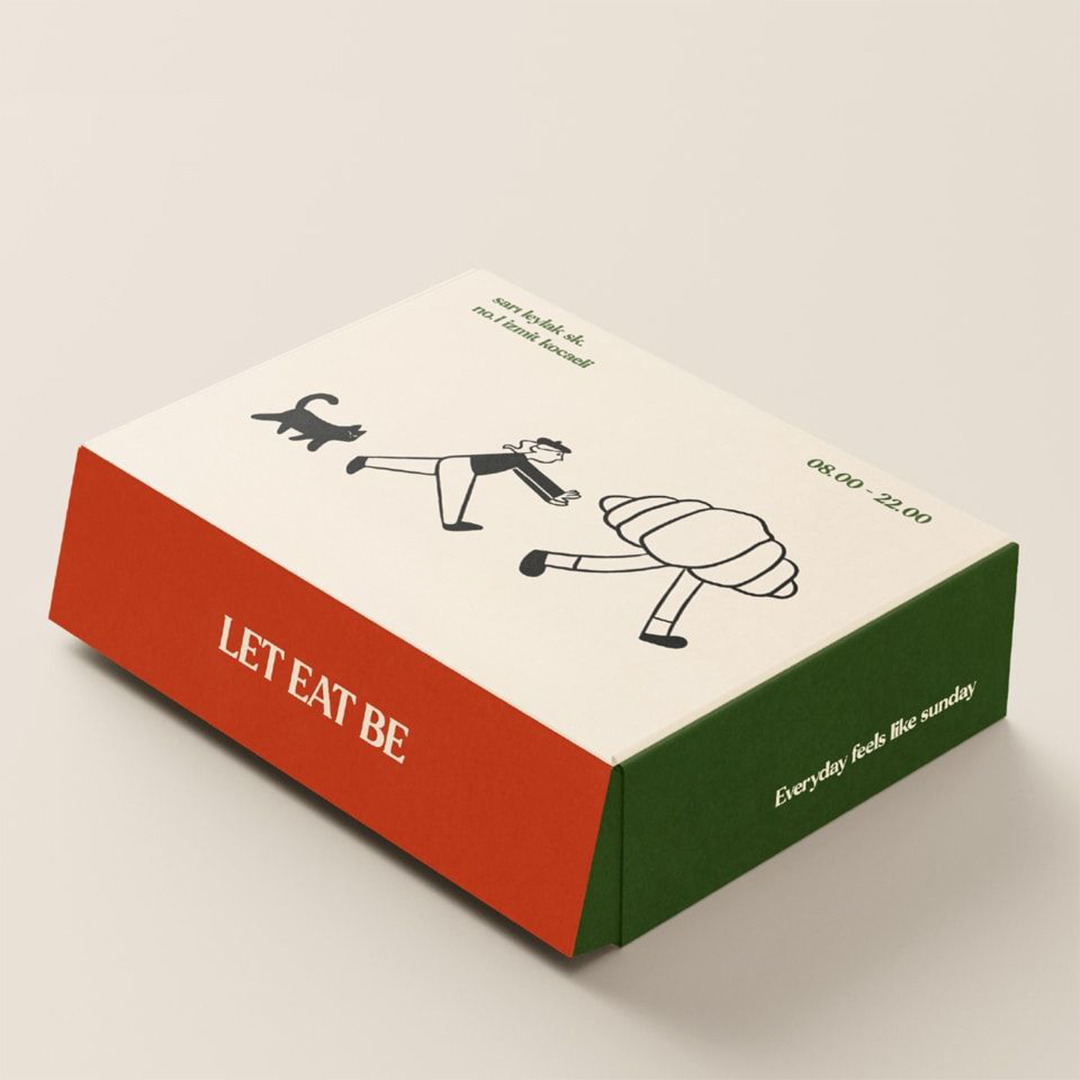
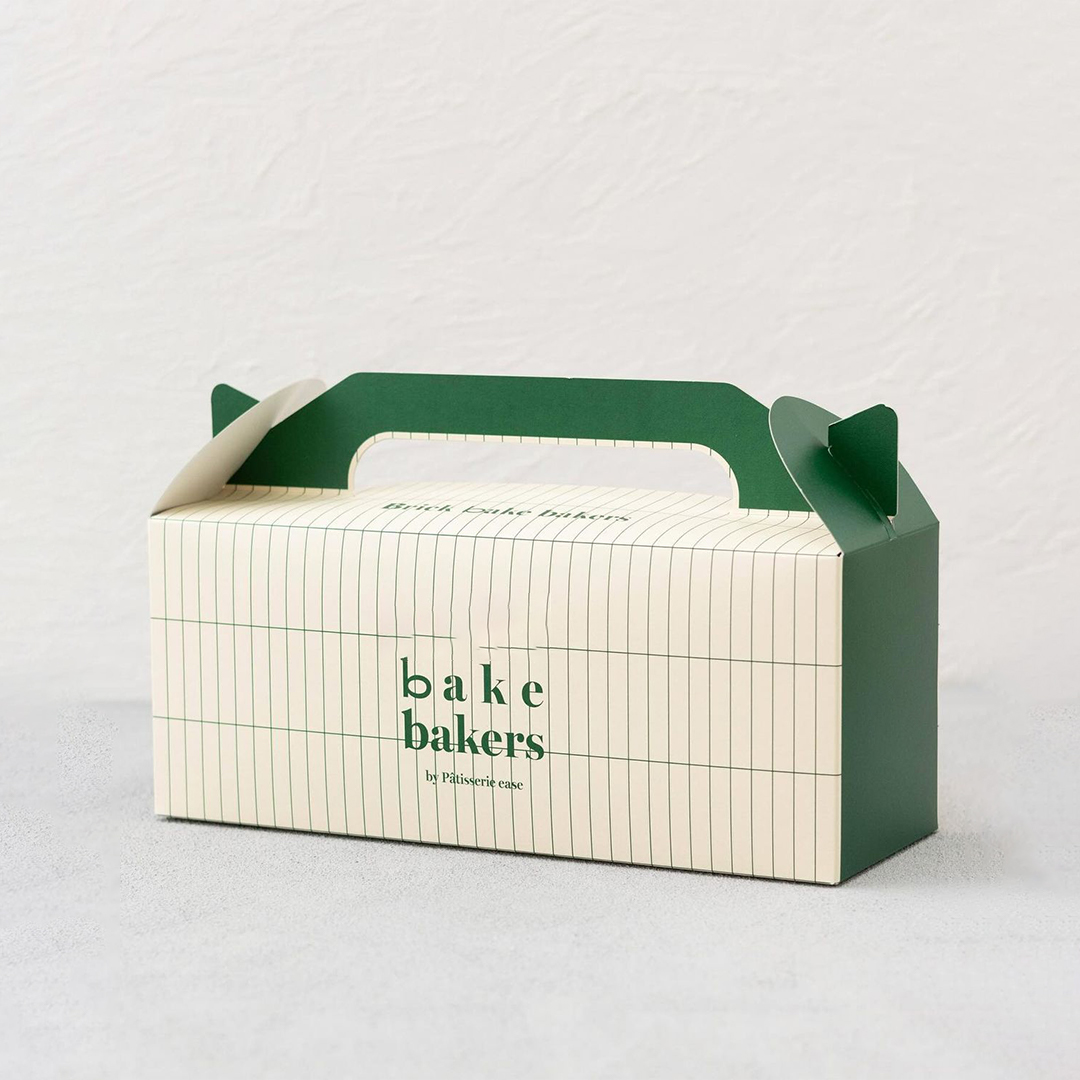
Printed pastry cartons are used to keep packaging visuals consistent with brand identity and store presentation while keeping day-to-day sizes easy for staff to recognise. Consistent printing across lids and side panels helps customers identify the brand across repeat purchases. Clear zones for flavour names, allergen notes, and short care instructions help keep everyday retail handling organised.
This approach also helps bakery teams keep pastry cartons aligned with cake and dessert packaging without changing their storage flow. When the same print rules and sizing logic are used across categories, new pastry lines can be added with fewer layout and stock adjustments.
How Service Options And Printing Support Bakery Operations
As bakeries scale, they often need packaging that stays consistent across menu changes and seasonal launches. Custom sizes, lid styles, and window options can add format flexibility while keeping the base structure consistent. Controlled colour coverage and clean typography keep designs readable under counter lighting and in menu photos.
Support for gloss, matte, and spot UV coatings allows bakeries to match surface feel to their design style. Layout guidance helps keep ingredient details and storage notes readable across small and large formats. Material selection helps cartons hold shape through repeated handling during busy service.
Brand Identity Notes
- Keeps logo placement consistent across pastry and cake ranges
- Uses colour accents that match store signage and interiors
- Provides space for flavour names and ingredient lists
- Supports seasonal artwork without structural changes
- Keeps gift orders organised and neatly packed
Service Handling Notes
- Access to gloss, matte, and spot UV coating options
- Artwork guidance for layout balance and readable text zones
- Custom sizes and styles for signature pastry lines
- Short production windows for events and seasonal menus
- Coordinated supply for multiple bakery packaging formats
| Box Style | Print Focus | Material Base | Coating Option | Extra Detail | Typical Bakery Use |
|---|---|---|---|---|---|
| Plain Lid Carton | Logo and core brand colours | White board | Matte or subtle sheen | Small side label area | Everyday pastry selections |
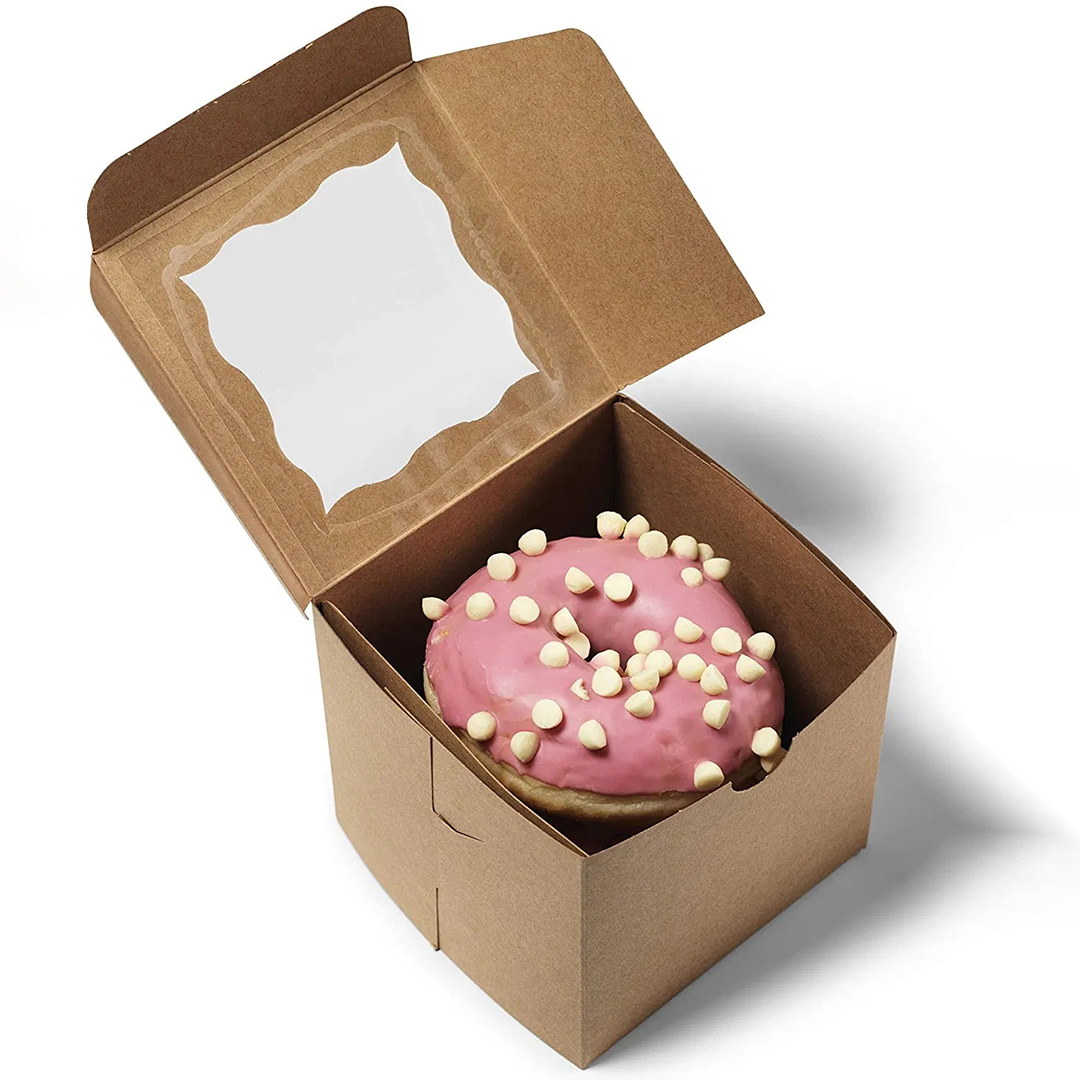
| Windowed Pastry Box | Product visibility and logo | Cardboard with PET window | Low-glare board | Printed frame around window | Retail counters and displays |
| Event Pastry Carton | Seasonal or themed designs | Strong board grade | Gloss or spot UV accents | Space for short messages | Gifting, festivals, and launches |
| Large Sharing Box | Simple branding and flavour keys | Reinforced card | Protective coating | Panel for care notes | Large orders and catered events |