





Description
Cardboard Hanging Display Packaging For Busy Aisles And Counters
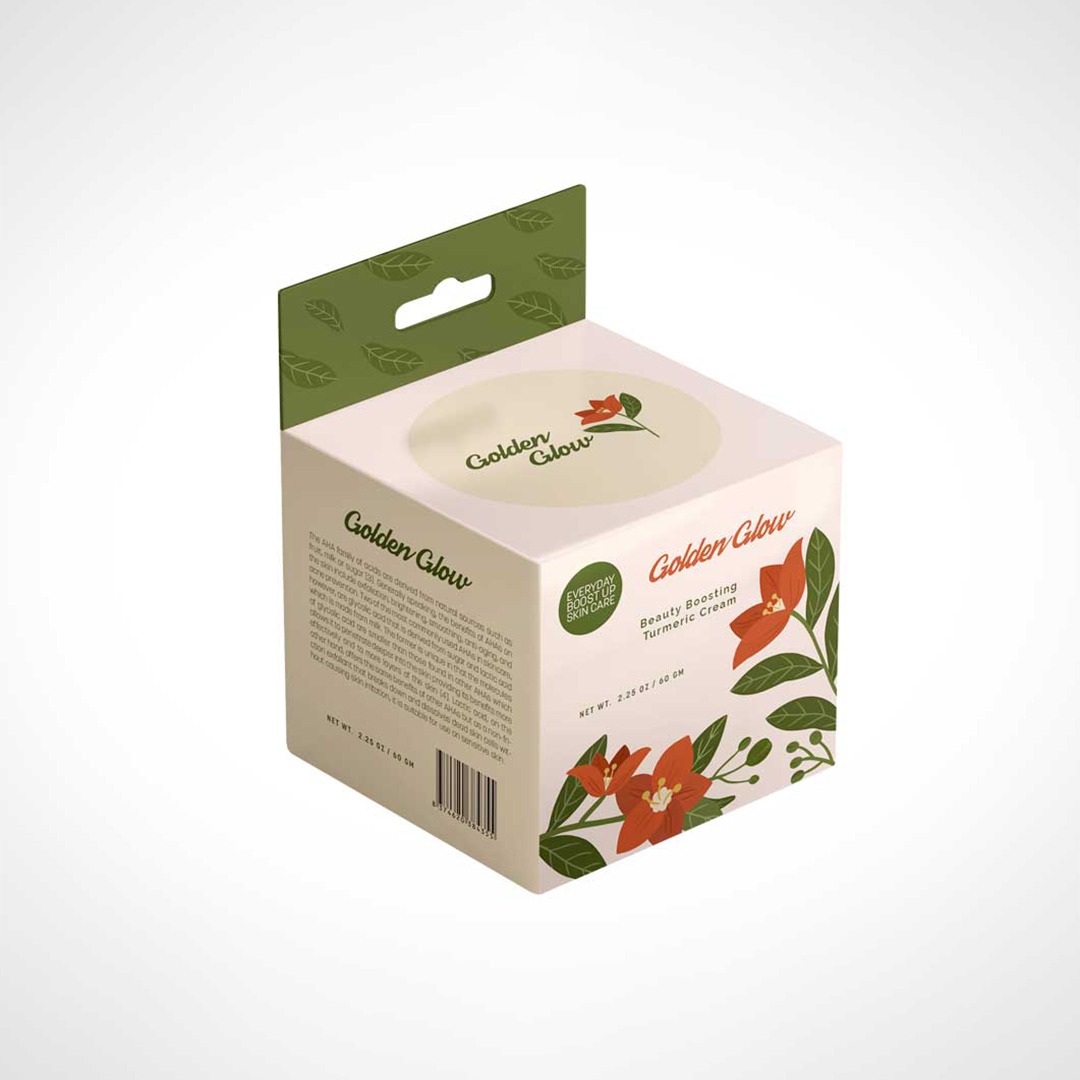
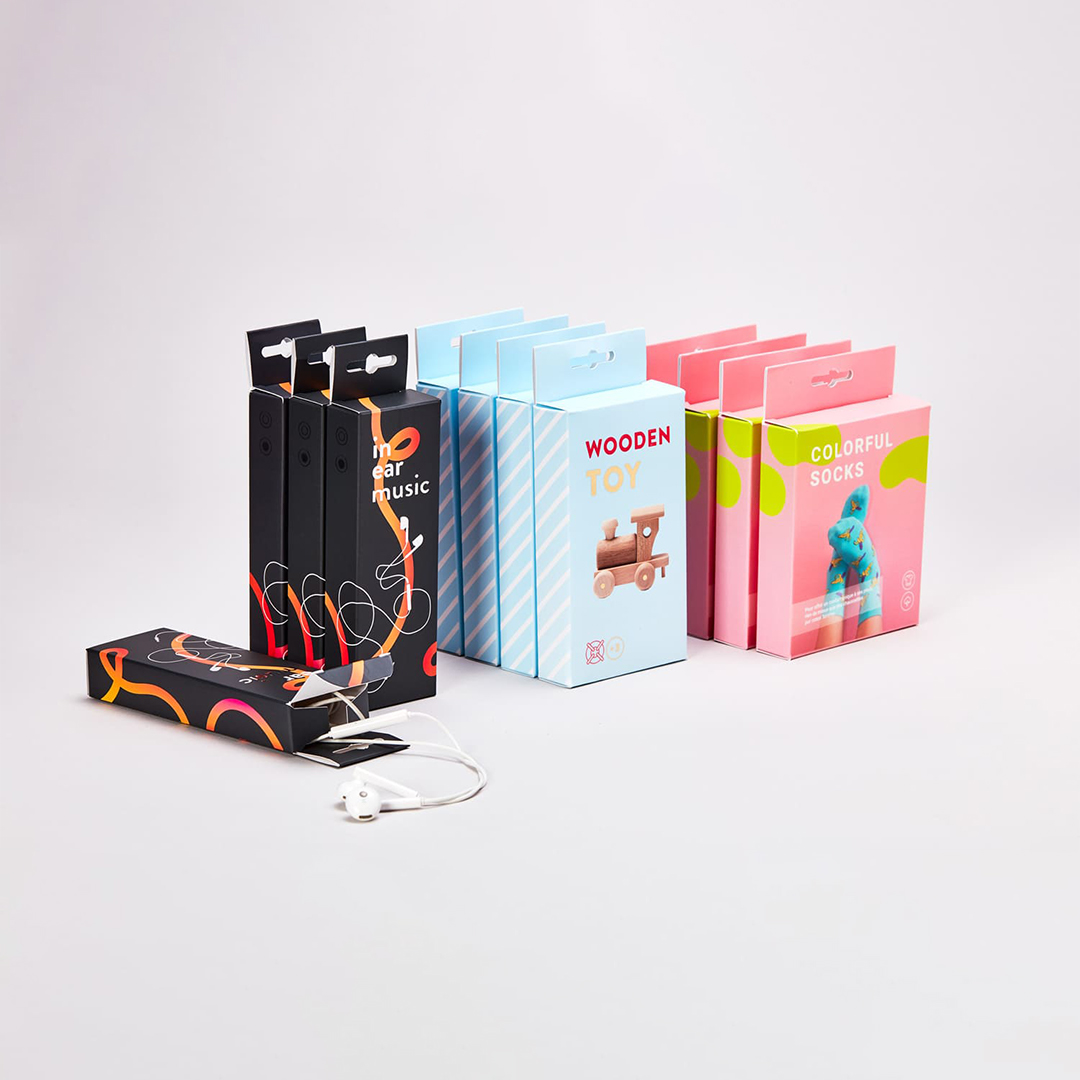
Cardboard Hanging Display Packaging helps brands move small items like snacks, cosmetics, gadgets, and accessories into the customer’s eye-line without wasting shelf space. Many retailers who already rely on Cardboard POP Display Boxes use hanging displays to fill gaps along aisle edges, queue lines, and near checkout points, especially when they want the Best cardboard hanging display packaging that still stays practical for staff. These hanging formats keep each pack in a clear holder, lifted above crowded shelves, while Cardboard hanging display packaging for sale can be cut to match hooks, pegboards, and slatwall systems in different store layouts. Because the panels hold branding, price flashes, and product messages close to eye level, impulse lines gain more attention without adding bulky fixtures.
In daily retail life, hanging packs need to be easy to refill, rotate, and replace during rush hours. Display boxes cardboard styles that combine a backing card with pockets or hook-ready holes make this work more organised for teams who manage many SKUs in limited space. Cardboard displays for retail can be grouped by colour, range, or promotion so that the story of each line stays clear, even when customers are browsing quickly. Lightweight boards support smaller products securely enough for everyday use, and when campaign cycles end, the displays can be removed and replaced with new artwork without major disruption.
Designing hanging display layouts for product stories and ranges
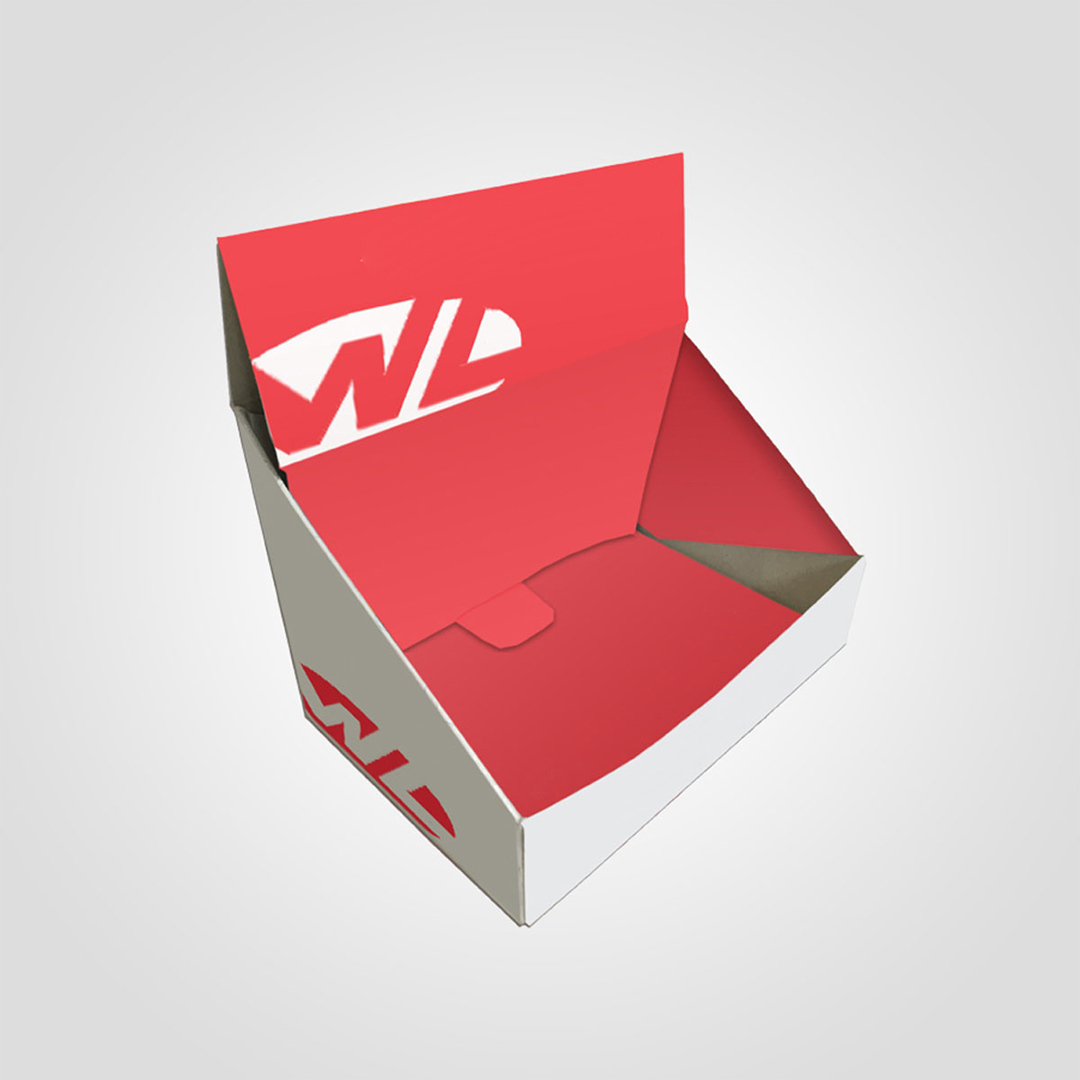
Designing layouts for hanging display packaging starts with the products themselves and the routes they follow through the store. Many teams sketch simple Cardboard display box template ideas that show how packs will sit, how they will be lifted from hooks, and how the backing card will read from different angles. By testing a few layouts at eye level, waist level, and near the counter, planners can see which arrangement tells the clearest story for each brand range. This also helps answer common user questions like which products belong together on one hanger and how to direct attention to new arrivals or limited-run items.
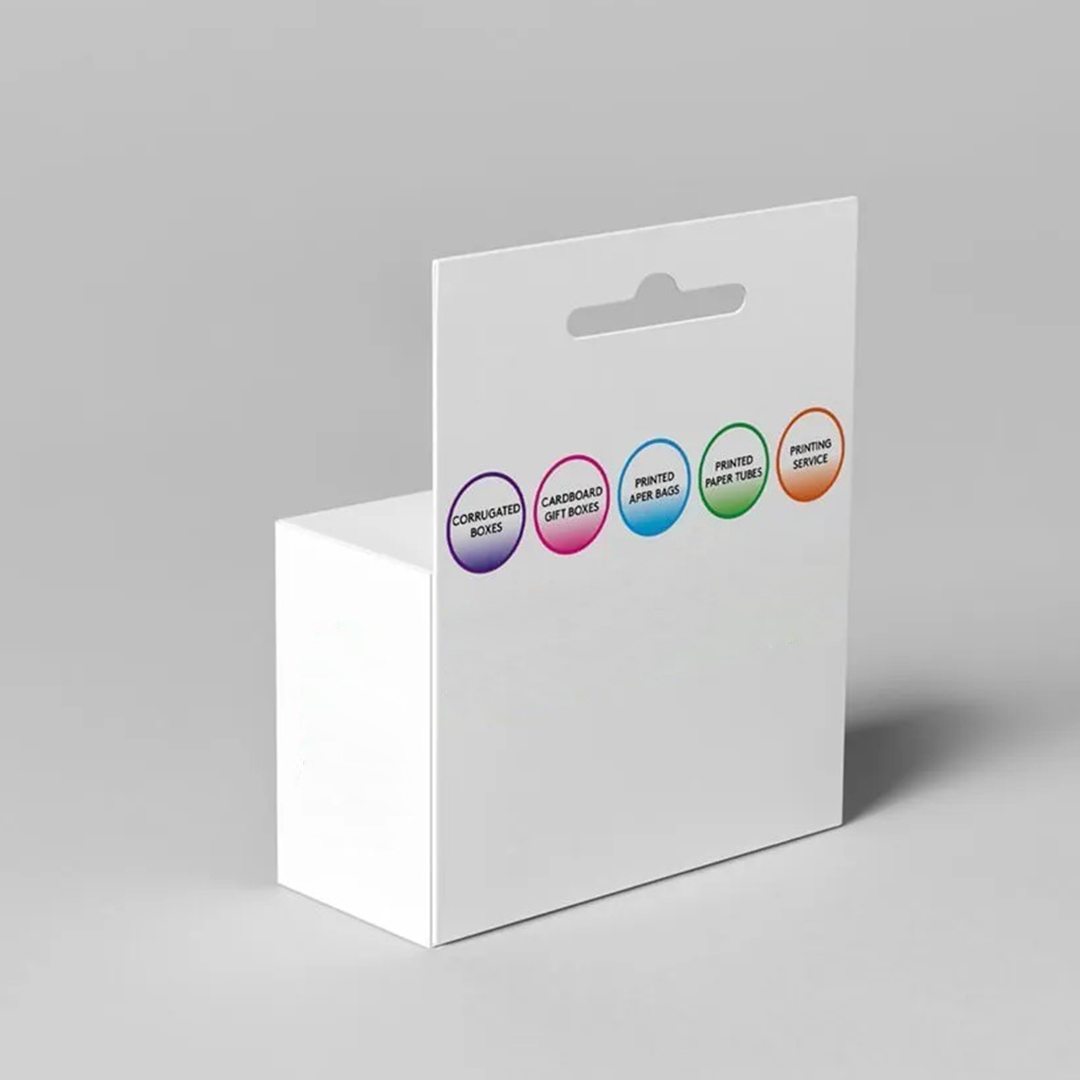
Once the basic layout is clear, details such as hang slots, euro holes, or multiple hooks come into play. Hanging boards must be strong enough around the fixing points to avoid tearing when customers pick up items repeatedly. The Best cardboard hanging display packaging balances board strength with sensible panel size so that the display stays flat, carries printing cleanly, and does not twist when it holds a full weight of products. Simple, readable text and well-placed icons support fast scanning for both staff and shoppers, which is especially useful in busy queue areas where decisions are made quickly.
Key benefits of hanging display packaging in busy retail spaces
- Moves small, high-margin items into eye-level positions without major fixtures
- Keeps individual products visible and separated instead of piling them in bins
- Uses light, recyclable materials while still supporting clear brand stories
- Works with existing hooks, pegboards, and slatwall systems in many stores
- Allows fast seasonal changes and promotions with minimal installation effort
Practical steps for planning hanging display campaigns
- List the product lines that need extra visibility and note their pack sizes and weights.
- Sketch simple layouts showing how many units should sit on each hanger or strip.
- Choose board grades and hanging slot styles that match the load and fixture systems.
- Test sample displays in real aisles or near counters to see how customers interact.
- Refine print, cut lines, and pack counts based on feedback from staff and sales data.
| Usage focus | Description of hanging layout approach | Style and format options available | Printing and coating possibilities | Extra functional elements that can be added | Typical placement within store environments |
|---|---|---|---|---|---|
| Impulse zones near checkout | Compact hangers filled with smaller add-on items | Narrow boards with single or double hook slots | Spot logo highlight areas with gloss or matte overall | Tear-off coupon panels, price flash areas | Front counter sides, queue barriers, payment points |
| Aisle-edge product extension | Strips extending core ranges into corridor space | Long vertical boards with staggered hanging pockets | Strong colour blocking and simple text hierarchies | Clip-on holders, integrated euro holes | End of aisle wings, mid-aisle uprights, cross-merchandising |
| Brand-focused storytelling | Larger panels showing full family of related products | Wide boards with grouped hooks and printed headers | High-resolution imagery with Segment-specific messages | Removable info tags, QR code panels | Feature bays, category introductions, promotion stands |
Cardboard hanging display packaging wholesale planning and pricing
Cardboard hanging display packaging wholesale programs help retailers and brand owners roll out consistent displays across many locations without redesigning every time. When planners group display needs by product type and route, they often map these designs alongside their range of Cardboard Boxes For Specific Uses to keep transit, storage, and selling fixtures aligned. Wholesale sets can include hangers for new launches, restock programs, and ongoing lines so that each shipment arrives with display pieces ready to place in store. This approach helps control the Cardboard hanging display packaging wholesale budget by linking printing volumes, board grades, and layout choices directly to campaign plans.
For brands searching for Cardboard hanging display packaging for sale that supports many outlets, wholesale planning also covers regional preferences and different store footprints. Some locations may rely more on Cardboard counter display boxes at tills, while others use hanging strips to bring small products into narrow aisles. Custom cardboard display boxes can live alongside hanging formats, with the same artwork rolled out across both, so that customers recognise the range wherever they see it. By setting clear size families and artwork zones at the start, teams avoid fragmented designs that cause confusion on the shop floor.
Balancing stock visibility with secure hanging points at every site
Balancing visibility with secure hanging is essential when displays travel between warehouses and stores. Hanging packs must stay in place during transit and still release smoothly when staff place them onto retail fixtures. Many operations build a simple Cardboard display box template library that shows hook positions, weight limits, and suggested pack counts per hanger. This library answers practical questions such as how many units sit safely on each hook, which slots work best for pull-forward movement, and how high hangers should sit above counters or shelves.
Once these guidelines exist, they make life easier for both visual merchandisers and store teams. Clear diagrams and annotated samples help staff install displays without needing specialist tools. Cardboard hanging display packaging wholesale orders can then ship with matching instructions, ensuring similar results across many branches. Stores adjust the mix of hanging panels and Display boxes cardboard depending on available space, but the core system remains familiar in every location. When sales data shows that certain hook heights or panel shapes work better, the same template library is updated for future print runs.
Planning priorities for hanging display packaging programs
- Define product groups where hanging solutions truly improve visibility and access
- Align hanging layouts with available fixtures in typical store formats and sizes
- Set simple board grade rules so heavier lines always use stronger backing panels
- Prepare clear visual guides showing hook locations, heights, and pack counts
- Review sales and handling feedback to refine shape, size, and artwork over time
Steps for building a wholesale hanging display strategy
- Identify key product categories where hanging displays will be used across regions.
- Choose a small family of board sizes and shapes that work with common fixture systems.
- Develop artwork templates that keep brand hierarchy clear while allowing local tweaks.
- Run pilot programs in selected stores and gather input from both staff and customers.
- Adjust quantities, board strengths, and layout details before confirming ongoing volumes.
| Strategy focus | Description of wholesale planning approach | Display style and structure choices | Printing and coating mix for program consistency | Helpful extras that support rollout | Typical results seen in retail networks |
|---|---|---|---|---|---|
| Launching new small products | Focused hanging kits tied to campaign timing | Slim hangers and compact counter pieces | Shared colour themes and clear product naming | Setup cards, refilling tips, easy reorder codes | Faster awareness and easier trial in multiple outlets |
| Refreshing existing categories | Updated panels and fresh artwork on proven layouts | Familiar shapes with refined cut-outs and slots | Refreshed imagery while keeping key brand markers | Dual-language print zones, promo call-out areas | Renewed interest without changing fixture hardware |
| Scaling into new store formats | Flexible designs that adapt to different floor plans | Adjustable strip lengths and clip-on display heads | Neutral base elements with space for local branding | Modular kits that can be split or combined | Smoother placement in smaller, larger, and hybrid formats |
Custom cardboard displays for retail hooks and multi-position racks
Custom cardboard display boxes and hanging boards allow brands to present products on hooks, racks, and counters using one connected visual style. Many teams combine hanging packs with floor units and Cardboard counter display boxes so that key ranges appear in more than one part of the store. When these pieces are planned together through Cardboard Packaging Boxes , artwork, dimensions, and board choices stay consistent from transit packaging to the final retail presentation. This coordination means Cardboard displays for retail can carry the same logos, colours, and informational cues whether they are suspended from pegboard, sitting on a counter, or standing as part of a freestanding structure.
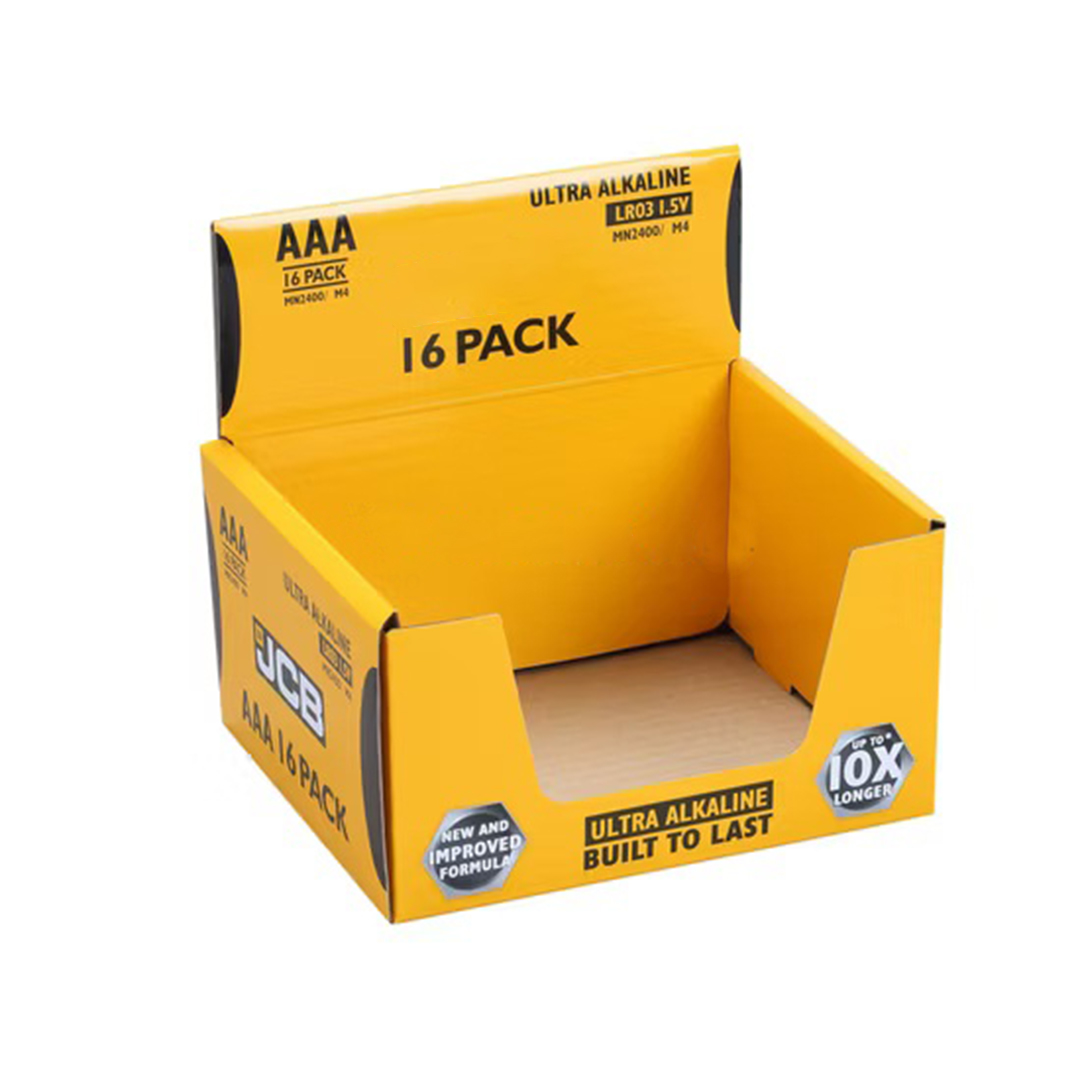
Custom designs can be tuned to the way customers move through each store, including path routes, pause points, and queue lines. For example, lighter, smaller items can hang near eye level on hook-ready boards, while display boxes cardboard units show upsell or complementary products at waist height. Cardboard display box template options help designers test different pocket shapes, header panel heights, and messaging layouts before full production. By refining these details in advance, retailers gain a system of adaptable components that still feel unified to shoppers, even when layouts differ between locations.
Comparing hanging display formats with counter display boxes in practice
When comparing hanging formats with counter units, decision-makers consider product size, theft risk, and interaction style. Hanging panels often suit items that customers can grab quickly with one hand, such as small gadgets, snack packs, or personal care refills. Cardboard counter display boxes may fit situations where staff need to oversee products more closely or where customers are likely to browse more slowly. In many cases, a combined setup benefits sales best, with hanging packs drawing attention at a distance and counter units closing the purchase at the till.
Retailers also think about replenishment speed and stock checks. Hanging boards make it easy to see gaps from a few metres away, while open-front countertop units let staff top up stock during quieter moments. Custom cardboard display boxes can mirror the artwork of the hanging pieces so that the range remains recognisable from aisle to counter. This gives shoppers a sense of continuity that can help them feel confident about trying new products or related items they may not have planned to buy at the start of their visit.
Advantages of combining hanging and counter display formats
- Reaches customers at multiple points in the store journey using linked visuals
- Uses hooks for quick-grab items and counters for closer browsing experiences
- Keeps product families recognisable even when fixtures differ between sites
- Makes stock levels visible from a distance and close-up for efficient checks
- Supports campaigns that move from aisle exposure to checkout decision moments
Steps for setting up integrated hanging and counter displays
- Map key customer paths and identify where hanging and counter units will sit together.
- Decide which products belong on hooks, in open boxes, or in both positions at once.
- Align artwork, colours, and wording so the whole range feels connected in every zone.
- Test a few layouts in pilot stores and observe how shoppers interact with each format.
- Adjust hook heights, box angles, and messaging based on real behaviour and staff input.
| Display planning angle | Description of integrated display approach | Format combinations often used | Printing and finish ideas for visual unity | Extra support elements that improve use | Common outcomes in everyday retail operation |
|---|---|---|---|---|---|
| Path-based brand storytelling | Linked displays guiding shoppers along a simple journey | Hanging strips plus front-of-aisle counter units | Shared imagery and typographic hierarchy | Directional icons, range overview headers | Better recall of product families and key features |
| Maximising checkout opportunity | Focus on last-moment decisions near payment locations | Hooks at eye level near tills, small box units | High-contrast price flashes and concise benefit text | Space for promotions, loyalty prompts, quick messages | Increased add-on sales without cluttering counters |
| Supporting seasonal promotions | Short-run displays that change with events and trends | Lightweight boards and small multiuse boxes | Flexible artwork that updates within core templates | Flat-packed kits that assemble quickly | Faster response to calendar events and local campaigns |