





Description
Cardboard Minimalist Packaging Boxes For Clear Product Focus
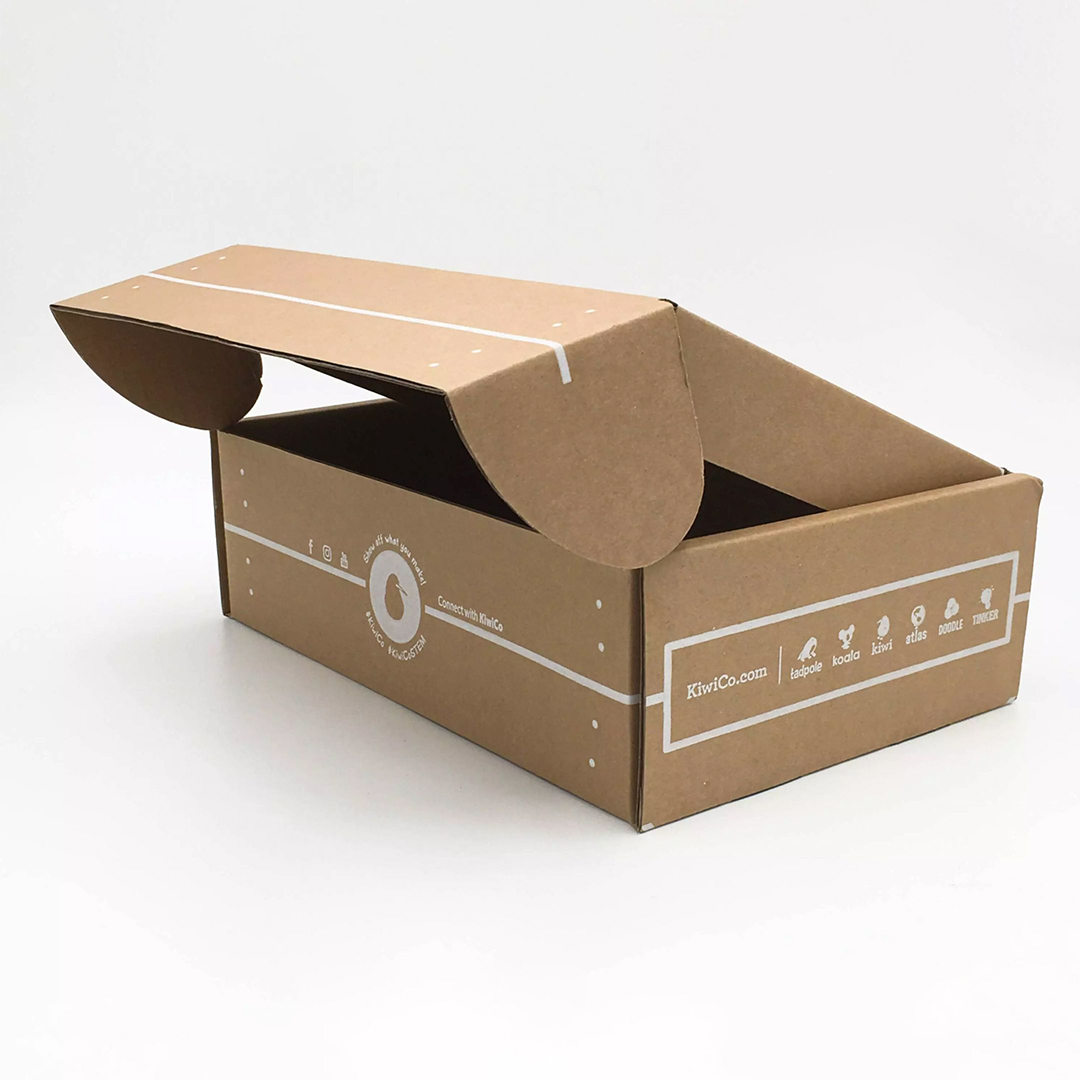
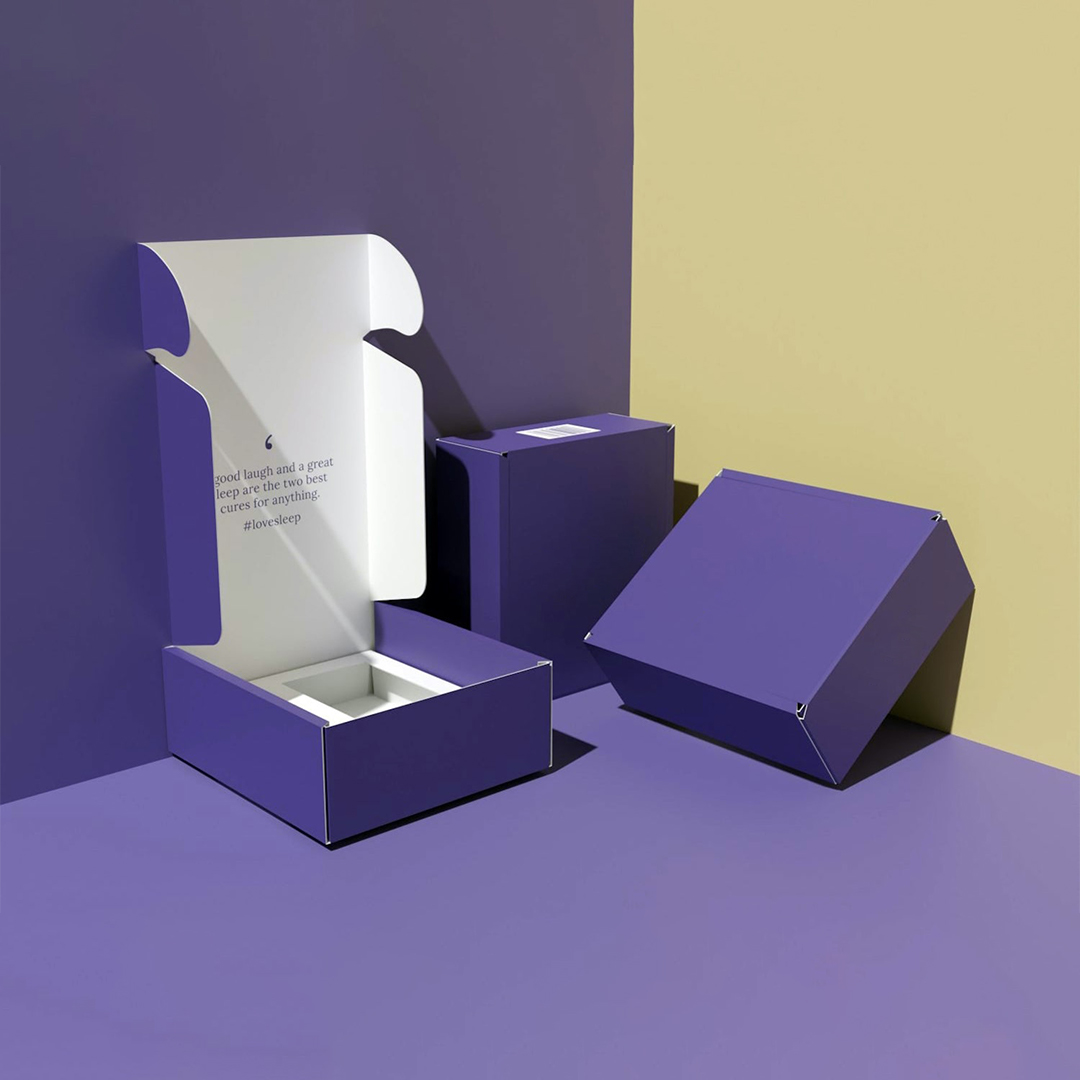
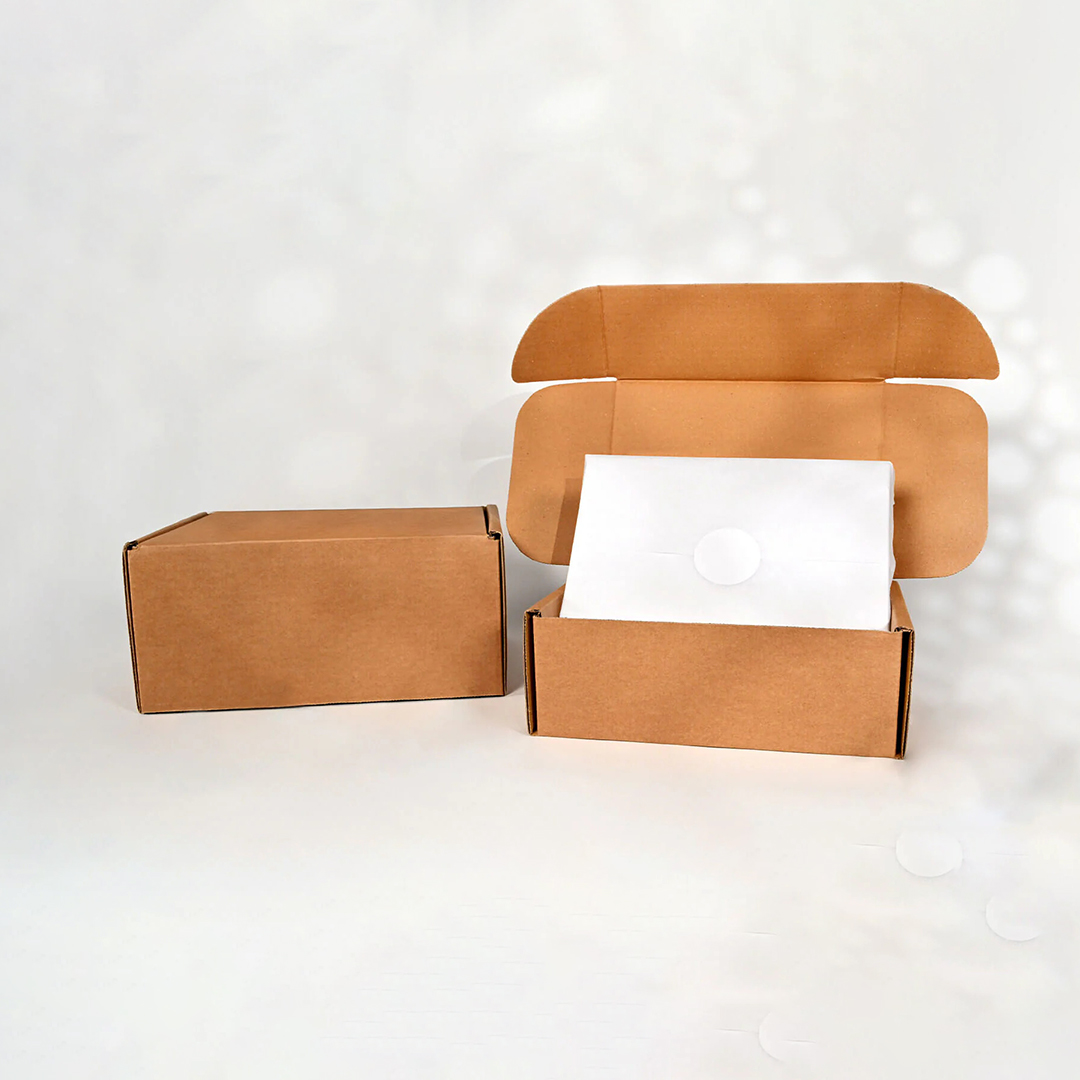
Cardboard minimalist packaging boxes keep attention on the product by using clean lines, simple print, and balanced proportions instead of heavy decoration or cluttered artwork. Brands that lean into calm, low-noise visuals often use these designs alongside eco lines built around Cardboard Recycled Kraft Boxes so their whole range tells a consistent sustainability story on shelves and online. Cardboard minimalist packaging boxes wholesale give you one family of sizes for many SKUs, from small accessories and cosmetics to lifestyle items and tech gadgets. With neat edges, precise folds, and carefully chosen board grades, these boxes show shape and structure rather than loud graphics, which helps modern retail displays feel tidy and easy to shop.
When a customer lifts one of these boxes, they notice smooth panels, clear typography, and layouts where space is allowed to breathe. Subtle branding sits in the right place without crowding the surface, and product details are easy to read because they are not competing with background patterns. For many brands, this approach supports premium positioning even when the product itself is simple, because the packaging feels calm and deliberate. With options for Custom packaging boxes with logo, Custom product boxes, and Custom packaging boxes with inserts, you can decide how quiet or expressive each range should be while still respecting a minimal overall language.
Warehouse, shipping, and retail needs for minimalist boxes
Cardboard minimalist packaging boxes must move smoothly from press to packing bench, warehouse shelf, and retail display without losing their neat appearance. Clean, flat panels help boxes glide along packing lines, stack in shippers, and sit in outer cartons without catching or creasing unnecessarily. Teams planning Cardboard minimalist packaging boxes wholesale shipments focus on sizes that tessellate neatly inside master cartons so there is little wasted air and fewer chances for corners to crush. Calm graphics also make scanning easier, because barcodes and product names stand out clearly against the quiet background.
In operations where many SKUs share the same footprint, a minimal style helps maintain order visually. When cases are opened in-store or in a storeroom, staff see rows of boxes aligned like a grid, which makes counting, picking, and merchandising more accurate. This visual order helps digital channels too, because product photography becomes easier when boxes are not overloaded with pattern. Combined with flexible insert options, Cardboard minimalist packaging boxes free your teams to adjust how products sit inside the pack without having to redraw complex artwork each time.
Practical strengths of cardboard minimalist box layouts
- Clear faces for brand name, logo, and key product facts without visual noise
- Simple, repeatable dielines that pack flat and assemble quickly on busy lines
- Calm shelf presence that supports premium or design-led product positioning
- Fewer ink-heavy zones, which can support lower material weight goals
- Easy extension into new colours or finishes without a full redesign cycle
Steps to prepare a minimalist box range for launch
- Define which product groups will use minimal artwork and where they will be displayed.
- Choose a core set of footprints for Cardboard minimalist packaging boxes wholesale orders.
- Map out one typography system and logo placement that can stretch across all SKUs.
- Decide which finishes and insert styles will apply to each tier of your product range.
- Test sample runs in real packaging lines, shippers, and store displays before full rollout.
| Focus area | Minimalist design direction | Material and board choices | Insert and internal support options | Branding and print approach | Typical product categories using this style |
|---|---|---|---|---|---|
| Core everyday product lines | Simple panels with balanced logo and text spacing | Standard white or natural kraft corrugated board | Folded card inserts or single-piece fitments | One or two spot colours with clear, open typography | Cosmetics, candles, stationery, simple lifestyle goods |
| Premium or gift-driven ranges | Extra attention to edges, lid fit, and unboxing feel | Higher smoothness outer liner in chosen shades | Custom packaging boxes with inserts for secure hold | Subtle foil or Spot UV on small logo or name areas | Gift sets, curated kits, limited seasonal collections |
| Online and subscription shipments | Boxes sized to reduce void fill and protect in transit | Corrugated grades paired with matching outers | Layered inserts for product stacks or sample sets | Clean icons and small messaging for digital-ready shots | Subscription kits, sample boxes, direct-to-consumer bundles |
Cardboard minimalist packaging boxes template for brand systems
Cardboard minimalist packaging boxes template planning starts with agreeing on a set of repeatable rules so every pack in the range feels connected. Many teams begin by grouping their shippers and outers through ranges such as Cardboard Boxes by Material Strength so they know which board grades serve which route and weight band. From there they map inner pack sizes that sit inside those shippers efficiently, ensuring no strange gaps, odd stacks, or unsupported corners. A good template set makes it easy for designers, product managers, and operations staff to speak the same language when they discuss new SKUs.
For artwork, templates define logo position, text hierarchy, and safe zones for compliance markings without locking teams into a single colour or pattern. This means a new product in a family can be briefed quickly: choose the right box size, confirm any Custom packaging boxes with logo adjustments, then drop in updated product details where the template expects them. When marketing launches a new collection, they can share mock-ups that operations can trust, because everyone is using the same blueprint. Over time this creates a strong, quietly recognisable presence on shelves and in images, even when the actual graphics are minimal.
Planning inserts and supports inside minimalist arrangements
Minimalist outside does not mean careless inside. Custom packaging boxes with inserts allow products to sit calmly in the centre of the box, supported by simple structures that do not fight the outside look. These inserts might be folded board frames, staged layers, or simple trays with small cut-outs that hold key parts in place. They make it easier to align products with windows, top panels, or opening sequences while still keeping overall material use efficient. When teams design inserts in parallel with the outer templates, they can standardise both shapes and packing instructions.
Good insert planning takes into account not only how the product looks at first opening but also how it travels. Custom packaging boxes with inserts must support items during freight, storage, and returns. Inserts that lock together neatly help teams in fulfilment centres move faster because there are fewer loose pieces to manage. When a customer opens the box, the product feels well presented without excessive layering. This quiet, organised feeling matches the outside minimalist message and helps customers associate the brand with calm, thoughtful detail instead of clutter.
Important points when shaping minimalist packaging templates
- Define a limited set of footprints that meet your key route and display needs
- Align insert design with box sizes early so internal support and outer walls cooperate
- Separate zones for brand storytelling and mandatory product or safety information
- Use consistent margins, line spacing, and typographic rules across all SKUs
- Plan for expansion so new colours or finishes can join without redesigning everything
Practical sequence for building a simple packaging template library
- List all products and group them by size, weight, and display environment.
- Choose base box sizes that serve each group and align with shipping outers.
- Create layout templates that fix logo areas, text blocks, and code positions.
- Add insert templates for core product types, from single units to small sets.
- Test a handful of SKUs through design, sample, and packing to refine the system.
| Template element | Role in the minimalist system | Material or structure choices | Insert or interior variation options | Process benefit for the team | Example use in real projects |
|---|---|---|---|---|---|
| Outer box footprint group | Controls how products share shippers and shelves | Three to six key footprints in board grades | Deeper or shallower versions for specific lines | Shorter lead times when adding new SKUs | Cosmetics ranges, tech accessories, small personal items |
| Artwork layout grid | Keeps all surface information balanced and readable | Modular panel grid built around key faces | Alternative layouts for horizontal or vertical | Fewer artwork errors and smoother approvals | Multi-language packs, compliance-heavy product lines |
| Insert and support family | Holds products in place without distracting from design | Slotted or folded board holders and frames | Options for single items, twins, or small sets | Reduced packing time and lower damage in transit | Sample kits, influencer boxes, bundled retail offers |
Minimalist packaging boxes supporting growing small brands
Many small brands move to Cardboard minimalist packaging boxes when they want packaging that feels modern without heavy graphic budgets or complicated print runs. A consistent minimal system also makes it easier to stretch from first launch into wholesale because the same designs still look clear under brighter store lighting and in busier aisles. When early decisions are made with long-term routes in mind, it becomes natural to plan reorders, adjust quantities, and manage new product introductions through Cardboard Boxes Wholesale rather than starting each packaging brief from zero again. This is especially helpful for Custom packaging for small business teams juggling online orders, marketplaces, and retail partners at the same time.
Custom boxes with logo wholesale options let small operations grow into larger territories without changing the packaging language that early customers already recognise. Subtle updates in colour, finish, or small icons can mark seasonal shifts or new lines, while the base box shapes and internal structures remain familiar. For direct-to-consumer shipments, a minimal outer with simple, clear branding photographs well in unboxing content and social feeds, reinforcing the brand’s visual consistency. Over time, this helps build trust because customers feel that the product and its packaging are part of one steady story rather than a patchwork of unrelated ideas.
Matching minimalist box features with real sales channels
Each sales channel places slightly different demands on packaging, and minimal designs need to respond without losing their calm feel. For e-commerce, Custom packaging boxes with logo and careful board choices must stand up to sorting belts and courier handling so boxes arrive neat, not crushed. For wholesale or retail channels, shelf-ready versions of Cardboard minimalist packaging boxes wholesale can include easy-open flaps or inner trays that support restocking while keeping the frontage tidy. Market stalls and pop-ups might need extra emphasis on handles or compact footprints so boxes are easier to carry and transport.
By mapping these channel expectations early, brands can avoid creating separate packaging families for each route and instead adjust a shared system. Inserts, for instance, can change between routes: more protective for shipping, more presentation-focused in-store, while outer shapes stay compatible. For small teams, this cuts down on the number of dielines, artwork files, and stock-keeping headaches they must manage. A well-thought-out minimalist system keeps every channel feeling aligned, from small online orders up to pallet-based wholesale deliveries.
Advantages of minimalist boxes for small and scaling brands
- Support a consistent visual identity across online, wholesale, and event sales
- Encourage careful editing of content so surfaces stay clear and informative
- Keep dielines and insert families manageable as the range expands
- Photograph and video well for digital marketing and unboxing content
- Allow clear upgrade paths with new finishes or small structural changes
Steps to align minimalist packaging with growth plans
- Map primary channels today and target channels for the next phase of growth.
- Choose box and insert combinations that work in at least two of those channels.
- Confirm how Custom boxes with logo wholesale orders will integrate with current stock.
- Set simple rules for when to introduce new sizes, finishes, or insert types.
- Review packaging performance regularly with customer feedback and damage data.
| Growth stage or channel | Packaging priority in that phase | Box and board selection approach | Insert and interior structure focus | Branding and finish preference | Example scenario in small business growth |
|---|---|---|---|---|---|
| Early direct-to-consumer phase | Neat, reliable shipping with good unboxing feel | Compact boxes in balanced board strengths | Simple folded inserts that protect and present | Single-colour print with clean logo placement | Startup launching first products through online store |
| Retail and wholesale expansion | Shelf impact without losing minimal visual identity | Footprints aligned with retail shelf depths | Retail-ready inserts that hold items in position | Added accent finishes on logo or product name | Brand moving into boutiques, department stores, or chains |
| Regional and export wholesale | Predictable stacking, shipping, and stock management | Board grades matched to routes and pallet plans | Stronger inserts and stacking-focused structures | Gradual extension of colour palette within template | Business shipping to distributors and partners in new regions |