






Description
Cardboard Thermal Food Boxes For Hot Meal Delivery Logistics
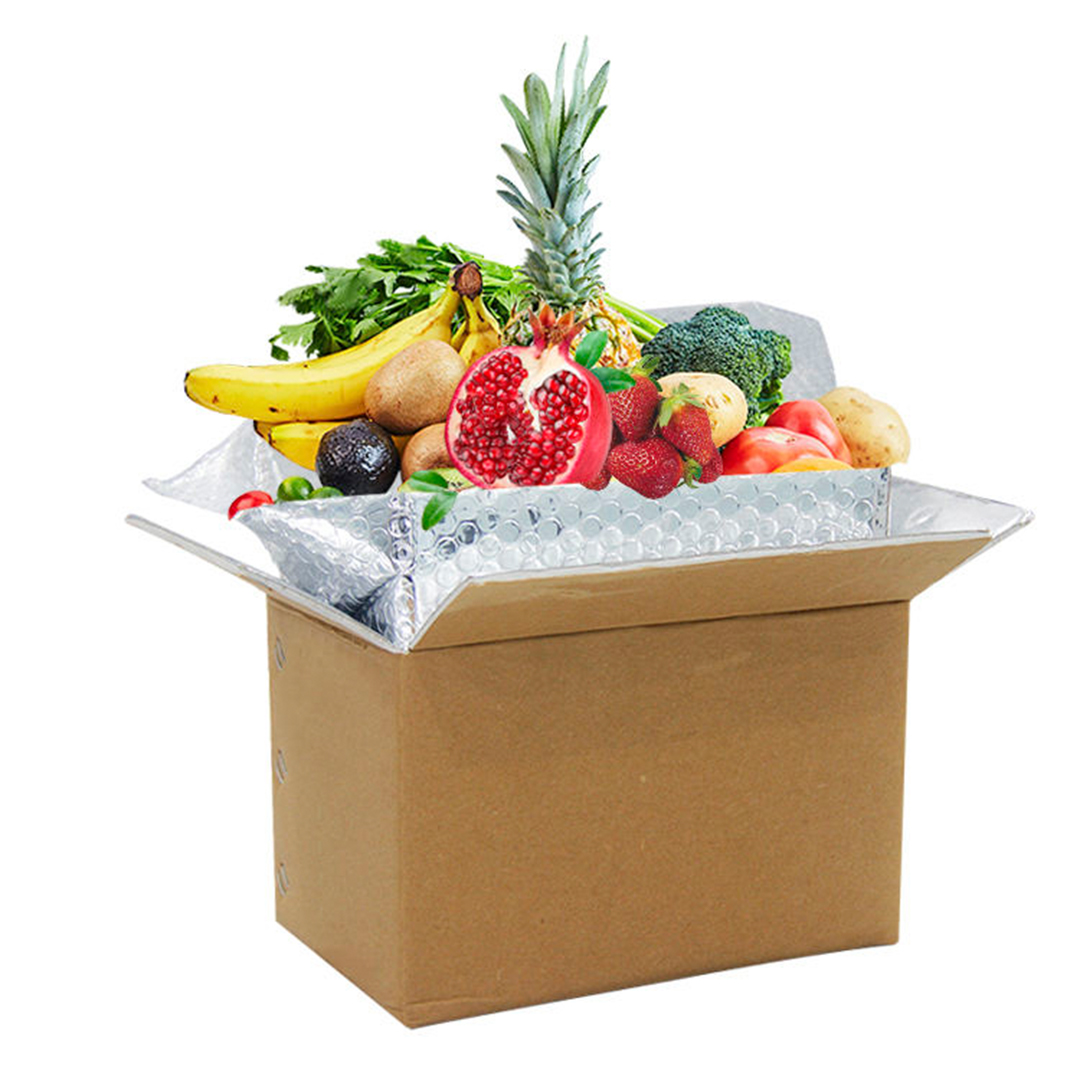
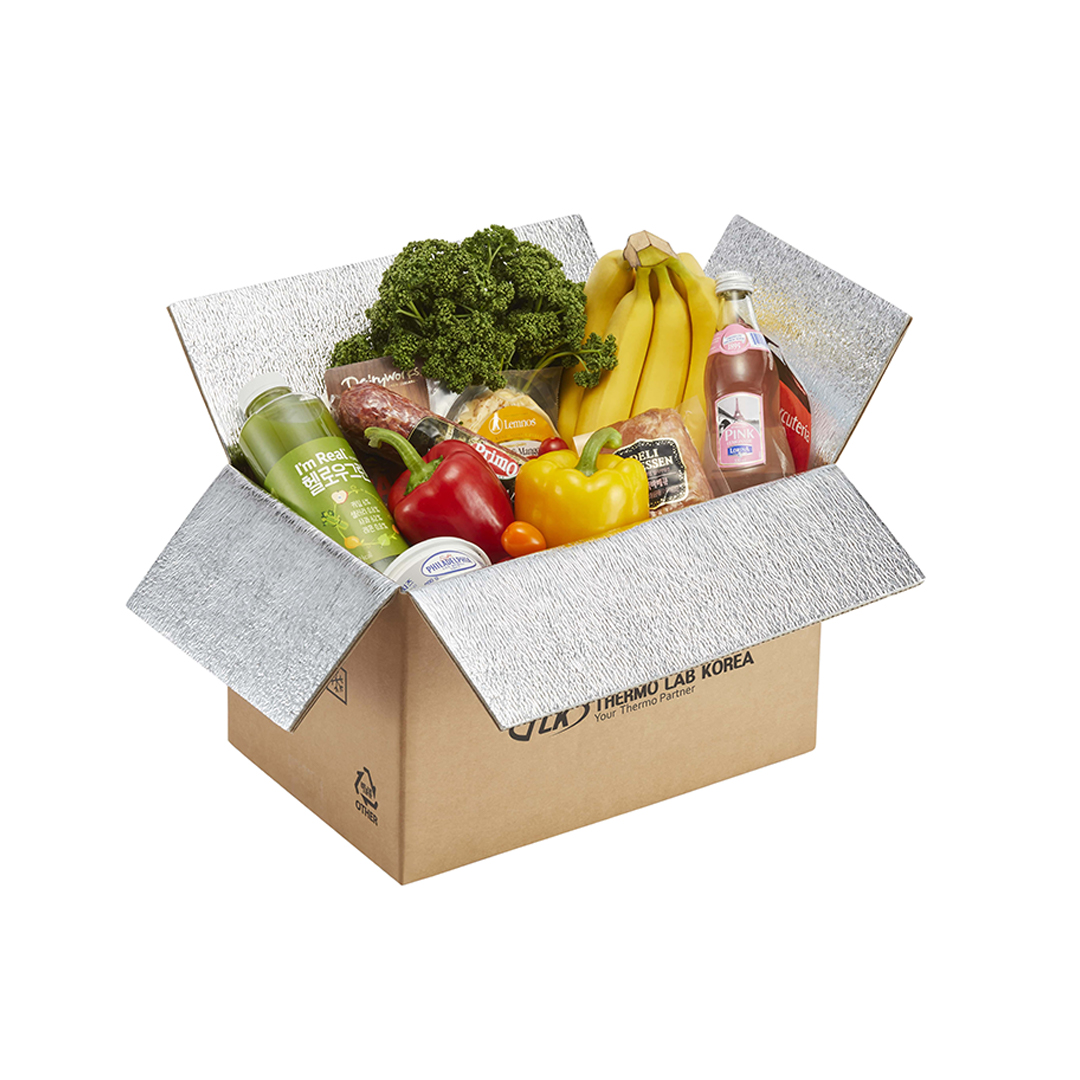
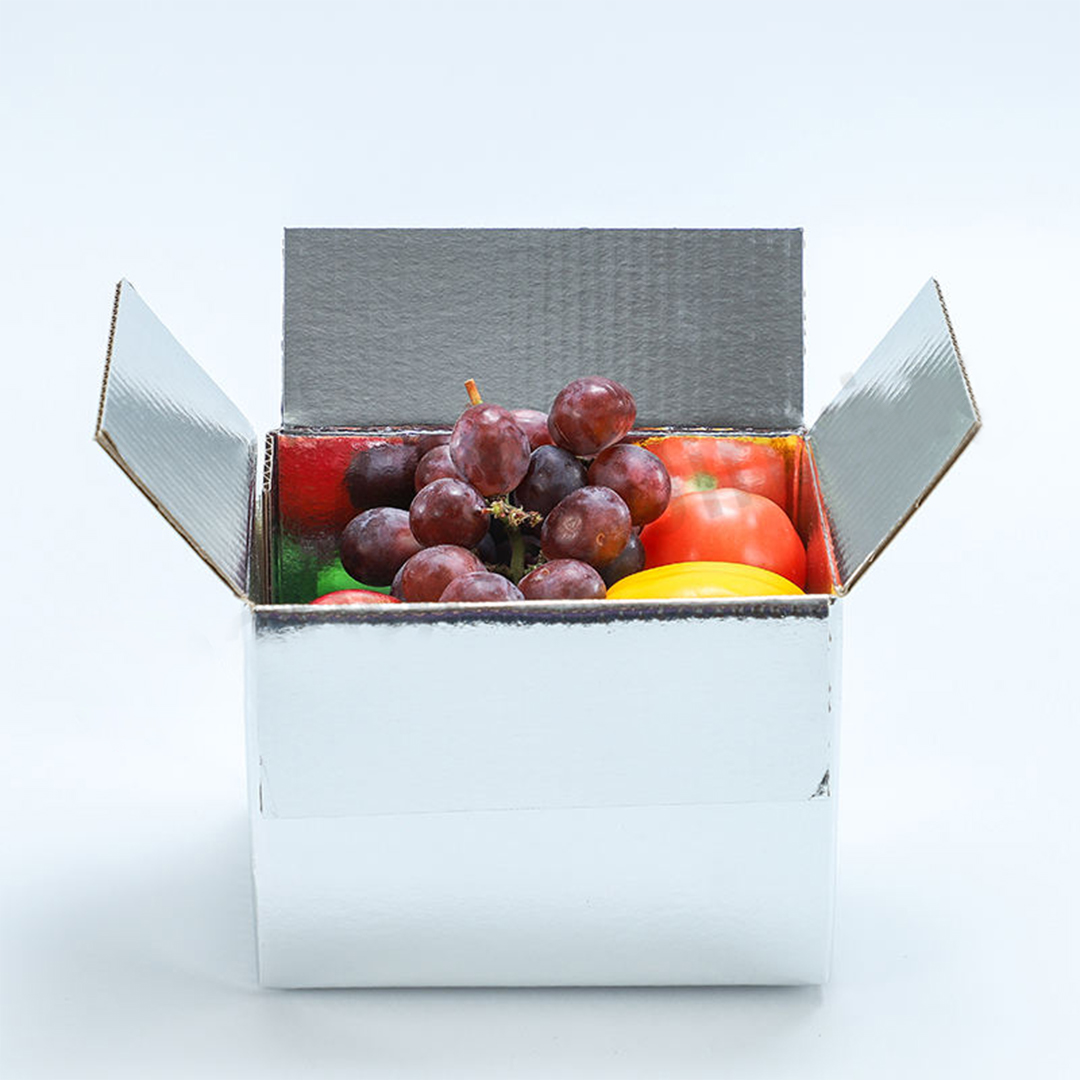
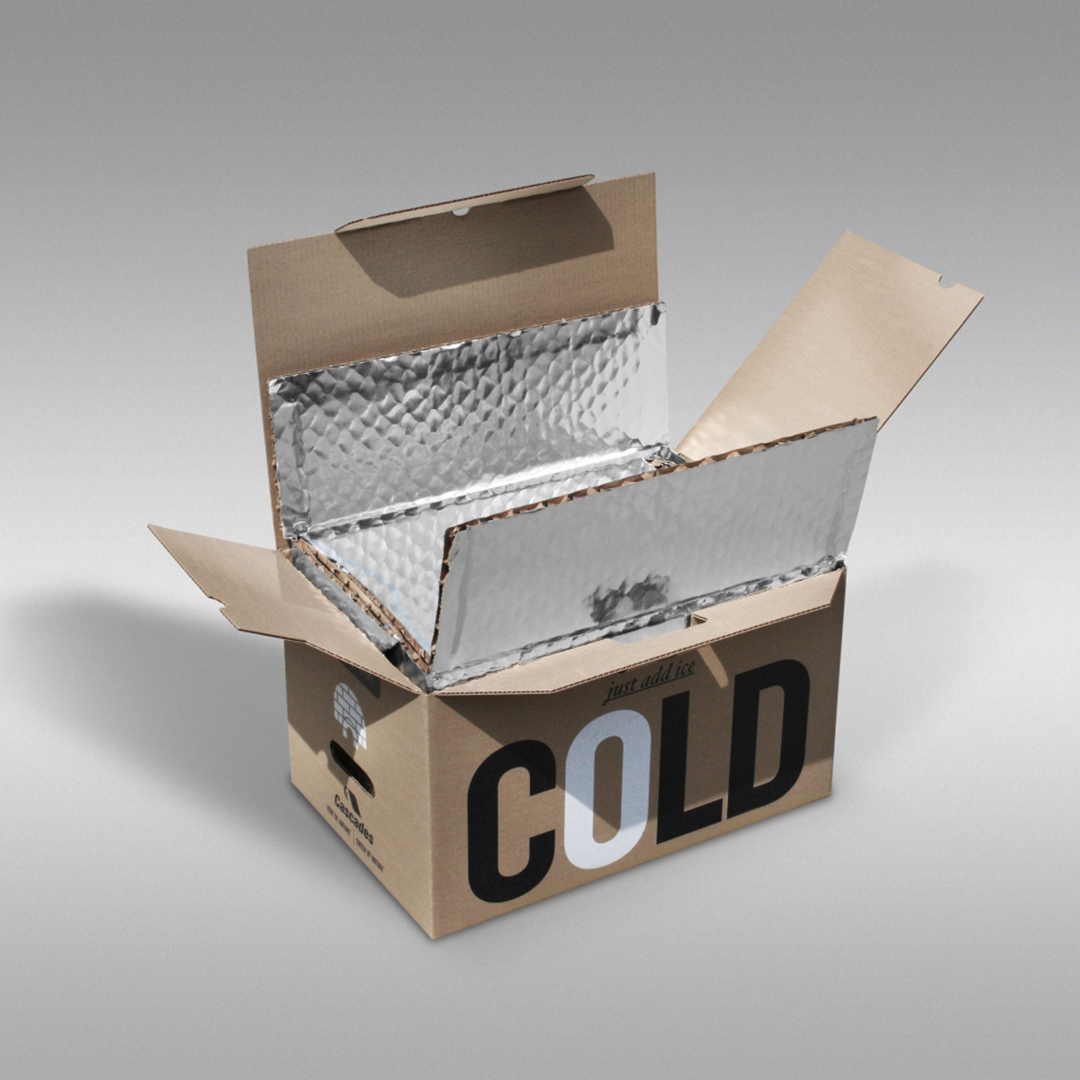
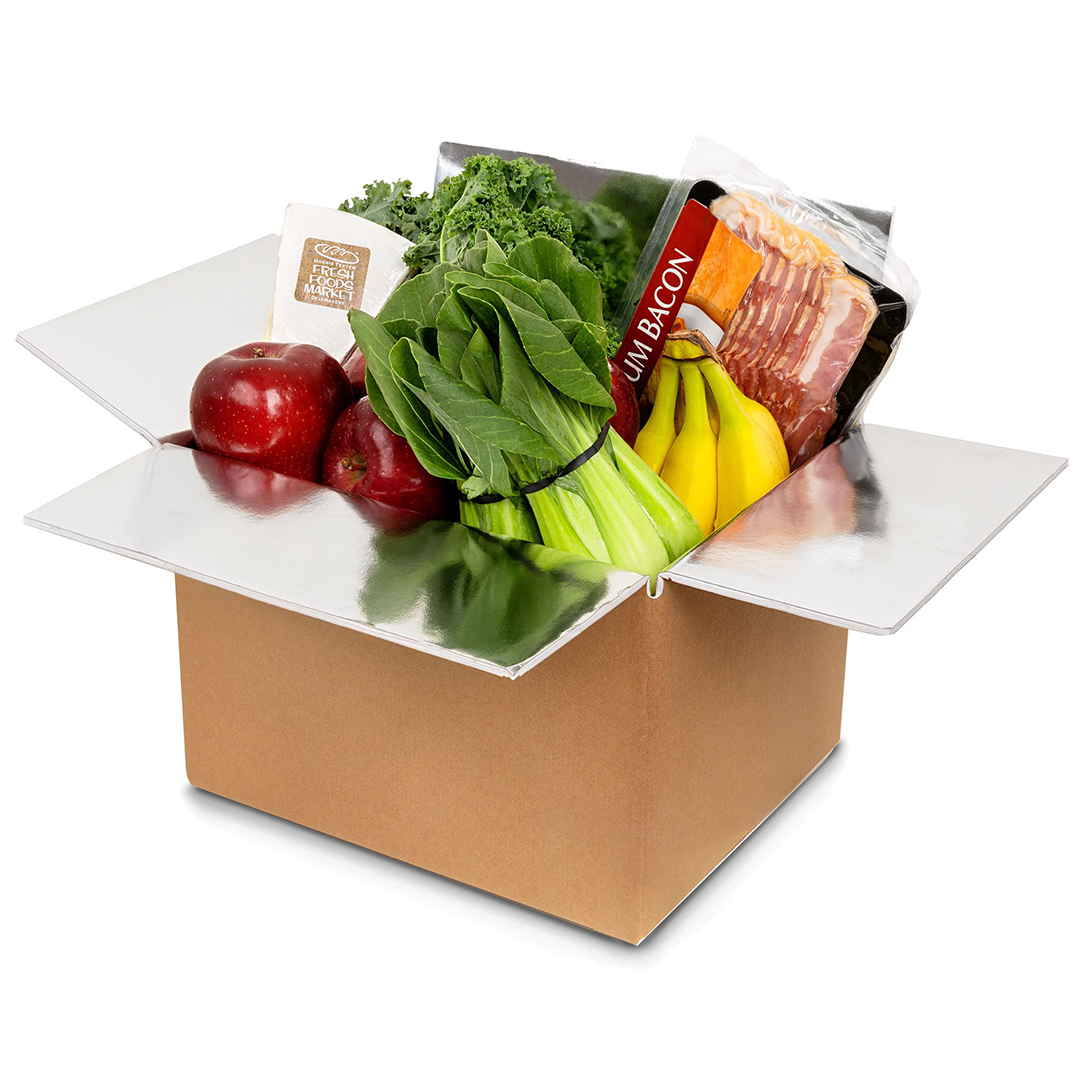
Cardboard thermal food boxes keep hot meals, warm snacks, and chilled items in a steadier temperature band while they move between kitchens, hubs, and customers. In busy delivery setups, teams comparing Large cardboard thermal food boxes against ordinary cartons quickly see why well-designed insulated packaging matters for taste, safety, and repeat orders. Many catering managers pair these containers with Cardboard Insulated Cold Boxes when they want one system for hot dishes, chilled desserts, and mixed temperature orders on the same route. Cardboard thermal food boxes bulk options help standardise packing steps so drivers, counter staff, and kitchen teams all follow the same layout. By choosing grades and inner liners that match real routes, businesses handle local drops, long shifts, and peak demand with more control and less stress on staff.
In day-to-day work, the aim is not only to hold temperature but also to keep trays, containers, and wrapped items organised inside the box. A well-chosen layout reduces empty gaps so steam and cold air do not move too quickly, and it also prevents spills during sudden stops or tight turns. Best cardboard thermal food boxes are designed with walls and bases that stay firm even when riders handle them many times in one shift. Smooth outer surfaces accept clear branding and handling symbols without making the packaging feel heavy or awkward. When routes are planned carefully, one insulated box size can cover several meal formats, which simplifies stacking in vehicles and on staging shelves during busy service windows.
Operational performance of thermal cardboard food containers
Daily operations in food delivery move very quickly, with orders coming from apps, websites, and phone calls in short bursts. Cardboard thermal food boxes allow kitchen staff to load complete meal sets while the food is still near its ideal temperature. Drivers can then focus on route timing and address accuracy instead of constantly checking loose bags and open trays. Because the outer shell stays firm and stable, heat or cold packs inside can work more effectively without fighting against sagging walls. When routes cross through traffic or involve multiple stops, this stability translates into consistent quality when customers open their meals.
Thermal designs also support food safety by slowing down extreme temperature swings. In setups where Insulated shipping boxes for frozen food share space with hot-meal containers, careful packing rules define which boxes sit on which side of the vehicle and how they are strapped or anchored. Kitchens often create standard packing diagrams so staff always know where drinks, main dishes, sides, and desserts should sit inside each box. This repeatable pattern shortens training time for new staff and reduces errors when the team is under pressure. Over time, these details help maintain a consistent reputation for quality and reliability.
Benefits that thermal food boxes bring to delivery teams
- Help meals arrive closer to serving temperature across varied delivery distances
- Keep containers upright and organised, lowering spill risks and clean-up time
- Provide a printable surface for branding, safety icons, and route labels
- Support consistent packing patterns that make training easier for new staff
- Work with both hot and chilled inserts for mixed-menu operations and events
Steps for building reliable packing routines with thermal boxes
- Map common delivery routes and estimate average time between packing and handover.
- Pick box sizes that fit standard containers without leaving large empty gaps inside.
- Define a fixed layout for mains, sides, drinks, and desserts within each box size.
- Train teams to close and secure each box in the same sequence every time.
- Review feedback from drivers and customers, then refine sizes and layouts where needed.
| Feature focus | Description linked to daily food delivery use | Material options for box walls and cores | Surface finish and inner lining choices | Extra elements supporting temperature and handling | Typical usage across restaurants and catering routes |
|---|---|---|---|---|---|
| Thermal wall construction | Multi-layer walls to slow heat loss and cold gain | Corrugated board with insulating inner liners | Plain kraft, printed outer, food-aware internal layer | Structural panels sized to match menu containers | Hot meal delivery, warm snacks, mixed orders |
| Base and lid structure | Firm base and aligned lid for repeatable closure | Strength-graded corrugated board and joint supports | Smooth outer surface for labels and codes | Fold patterns that lock without stress on edges | City routes, longer suburban runs, shared kitchen networks |
| Temperature control aids | Space for heat packs or cold packs inside the cavity | Boards selected for hot, chilled, or mixed contents | Moisture-aware inner finishes where needed | Retainers, sleeves, and holders for packs or trays | Meal kits, event catering, weekend or peak-period menus |
| Branding and communication surfaces | Panels for logos, reheating tips, and safety messages | Printable outer liners suitable for detailed artwork | Matte or gloss effects to suit brand style | Marked zones for barcodes and routing labels | Restaurant chains, dark kitchens, regional food brands |
| Handling and stacking performance | Shapes that stack without collapsing in vehicles | Board grades matched to stack height and load weight | Durable finish for repeated lifting and moving | Grip-friendly edges and balanced weight distribution | Multi-drop scooter routes, van deliveries, hub-and-spoke logistics |
| Route and menu flexibility | Sizes that accept large cardboard thermal food boxes | Flexible mix of thickness levels within one range | Neutral finishes that fit many cuisine types | Interchangeable inserts and dividers | Seasonal menus, changing offers, mixed temperature orders |
Cardboard thermal food boxes wholesale planning and control
Cardboard thermal food boxes wholesale programs allow growing food businesses to scale up from a few routes to a full regional network without changing packaging every month. Many buyers organise their insulated packaging ranges alongside graded carton collections already mapped in Cardboard Boxes by Material Strength so both thermal and non-thermal packaging follow clear strength rules. Cardboard thermal food boxes bulk purchasing then becomes a predictable part of planning, tied to route counts, average order sizes, and product mix across hot and chilled menus. By setting realistic reorder triggers, teams avoid last-minute shortages that can disrupt service.
A well-structured wholesale approach also supports financial planning. When the same pack of routes uses a defined set of sizes, finance and operations teams can track cost per delivery more accurately. This helps them evaluate the effect of new menu items, promotional offers, or packaging tweaks on overall margins. Cardboard thermal food boxes wholesale contracts often include room for seasonal adjustments so buyers can bring in additional sizes or inner inserts when cold-weather dishes or festive menus roll out. With documented packing patterns and training guides, new locations can copy proven setups quickly instead of rebuilding processes from scratch.
Route, climate, and product mix questions for thermal box buyers
Thermal packaging decisions often revolve around real conditions on the road. Buyers want to know how long boxes can help maintain acceptable temperatures on their longest routes and what happens when drivers face delays. They also ask how to balance Large cardboard thermal food boxes with smaller ones so vehicles carry enough orders without becoming hard to handle. Questions often arise about how many times boxes can be opened and closed while loading extra items or checking orders before temperature changes become noticeable. Clear test data gives confidence when choosing grades and inner systems.
Another common question concerns menu variety and storage space. Kitchens that offer hot, chilled, and frozen products on the same day need to coordinate their insulated solutions carefully. They also ask Where to buy insulated boxes for shipping when they want frozen desserts or semi-prepared items to travel through courier networks instead of only local drivers. In these cases, insulated shipping boxes for frozen food may sit beside thermal hot boxes in the same storage areas, each with defined roles. Balancing these needs requires careful thinking about how to use limited chiller space, staging shelves, and vehicle floors efficiently.
Planning points for wholesale thermal box programs
- Group dishes and menu categories by temperature requirement and route duration
- Limit the number of box footprints so kitchens and drivers can learn layouts quickly
- Set clear rules for when to use hot-only, cold-only, and mixed-temperature setups
- Match wall thickness and liner combinations to the real risk level on longer routes
- Review seasonal demand patterns so capacity and packaging formats stay aligned
Steps for setting up coordinated insulated packaging across sites
- List all menu items that need thermal protection and classify them by temperature band.
- Define standard serving containers so box interiors can be designed around fixed shapes.
- Test box and insert combinations on real routes, including worst-case traffic scenarios.
- Document successful box sizes, load plans, and handling routines with simple visuals.
- Share these guides across branches and adjust the range based on performance and feedback.
| Buyer focus area | Packaging direction to consider | Material strength and liner approach | Useful added design detail | Expected outcome for operations |
|---|---|---|---|---|
| Protecting hot meals on longer routes | Stronger walls with heat pack compatibility | Higher-grade corrugated with insulating liners | Fixed pockets or bands for heat pack placement | More even temperature on late-stop deliveries |
| Maintaining mixed hot and chilled loads | Separate zones for hot and cold box types | Range of thickness levels to match each product | Colour or icon coding for quick box identification | Fewer packing mistakes and faster vehicle loading |
| Expanding into new regions or services | Flexible range of Cardboard thermal food boxes bulk | Configurable inserts sized to standard trays | Print layouts that support multiple brands or menus | Faster rollout for new branches and menu lines |
Insulated shipping boxes for frozen and chilled food logistics
Insulated shipping boxes for frozen food help brands extend their reach beyond local delivery zones into courier and national networks. These boxes slow down heat transfer so frozen desserts, ready-to-cook dishes, and ice-based products can travel through sorting hubs and vehicles while staying within target temperature bands. Many businesses coordinate these packs with their main web ordering patterns through Cardboard Boxes Wholesale so packaging, routing, and inventory planning all follow a single logic. Careful sizing of frozen-food cartons against Cardboard thermal food boxes used for hot meals allows one system to serve both direct delivery and shipped orders. This shared structure keeps warehouse layouts and packing benches familiar for staff even as channels grow.
Beyond temperature, shipping-ready insulated cartons must handle compression and movement across longer distances. Frozen products can be heavy, which places extra demands on bases and corners during stacking. Best cardboard thermal food boxes for frozen and chilled items use strength-graded boards with inner cavities sized for cold packs or dry ice as needed. When customers ask Where to buy insulated boxes for shipping that suit both home deliveries and collection points, they are often seeking packaging that looks smart on arrival while still fitting neatly into lockers, counters, or small storage spaces. Consistent dimensions across a product family help carriers calculate loading space and avoid surprise oversize charges.
Comparing insulated shipping solutions and thermal food carriers
Businesses that offer both on-demand delivery and shipped orders often compare thermal carriers used by drivers with Cardboard thermal food boxes wholesale packs designed for courier networks. Driver-carried boxes may be opened several times in one trip, while shipped boxes are sealed until the customer or store opens them. This difference shapes decisions about closures, sealing tapes, and tamper indicators. For some routes, extra outer cartons may be added, while in others the insulated box itself becomes the outermost layer. In both cases, stability in stacks and clear labelling are vital.
Another comparison point relates to customer expectations. Direct delivery often emphasises immediate serving, whereas shipped frozen packs may be destined for freezers or chillers upon arrival. Large cardboard thermal food boxes with clear instructions help households or chefs see at a glance whether an item should be stored, thawed, or heated soon after receipt. Stable cubes simplify handling at sorting hubs where thousands of parcels pass over belts and through chutes each hour. When design, board grade, and lining are all matched to real routes, packaging can support growth across both fast local delivery and slower long-distance shipping.
Advantages of combining delivery and shipping insulated box systems
- Allows one family of cardboard thermal solutions to serve multiple sales channels
- Reduces packaging complexity, making training and stock planning easier
- Supports both hot-meal and frozen-product strategies with related formats
- Uses consistent outer dimensions that carriers and couriers can handle efficiently
- Helps present a coherent brand image at front doors, counters, and collection points
Steps for building a unified thermal and insulated packaging strategy
- Map all current and planned sales channels, from in-town routes to long-distance shipping.
- Decide which box sizes can be shared across hot, chilled, and frozen product groups.
- Develop insulated inserts and liners that adapt to different temperature needs.
- Coordinate artwork, safety messaging, and labelling areas across the full packaging range.
- Review feedback from customers, couriers, and drivers, then refine box designs and sizes over time.
| Feature focus | Description of combined insulated use cases | Material and liner combination approach | Surface and print options to support branding | Extra elements improving pack performance | Typical use scenarios across thermal logistics |
|---|---|---|---|---|---|
| Shared size families for all channels | Sizes working for drivers and parcel couriers | Board grades tuned to mixed stacking conditions | Clean, unified artwork across hot and frozen SKUs | Mix-and-match inserts and closing methods | Restaurants with local delivery and national shipping programs |
| Frozen product and meal kit movement | Formats sized for cold packs and meal components | Moisture-aware liners and sealed seams | Areas reserved for clear thawing and storage notes | Anchoring points for cold packs inside cavities | Frozen treats, cook-at-home boxes, chilled subscription packs |
| Growth into new markets and partners | Cartons that fit many carrier standard rules | Strength levels adaptable by route and region | Simple base design that partners can co-brand | Labelling zones for partner and route ID | Entry into marketplace platforms, retailer partnerships, exports |