





Description
Large Cardboard Display Window Boxes For Retail Clarity
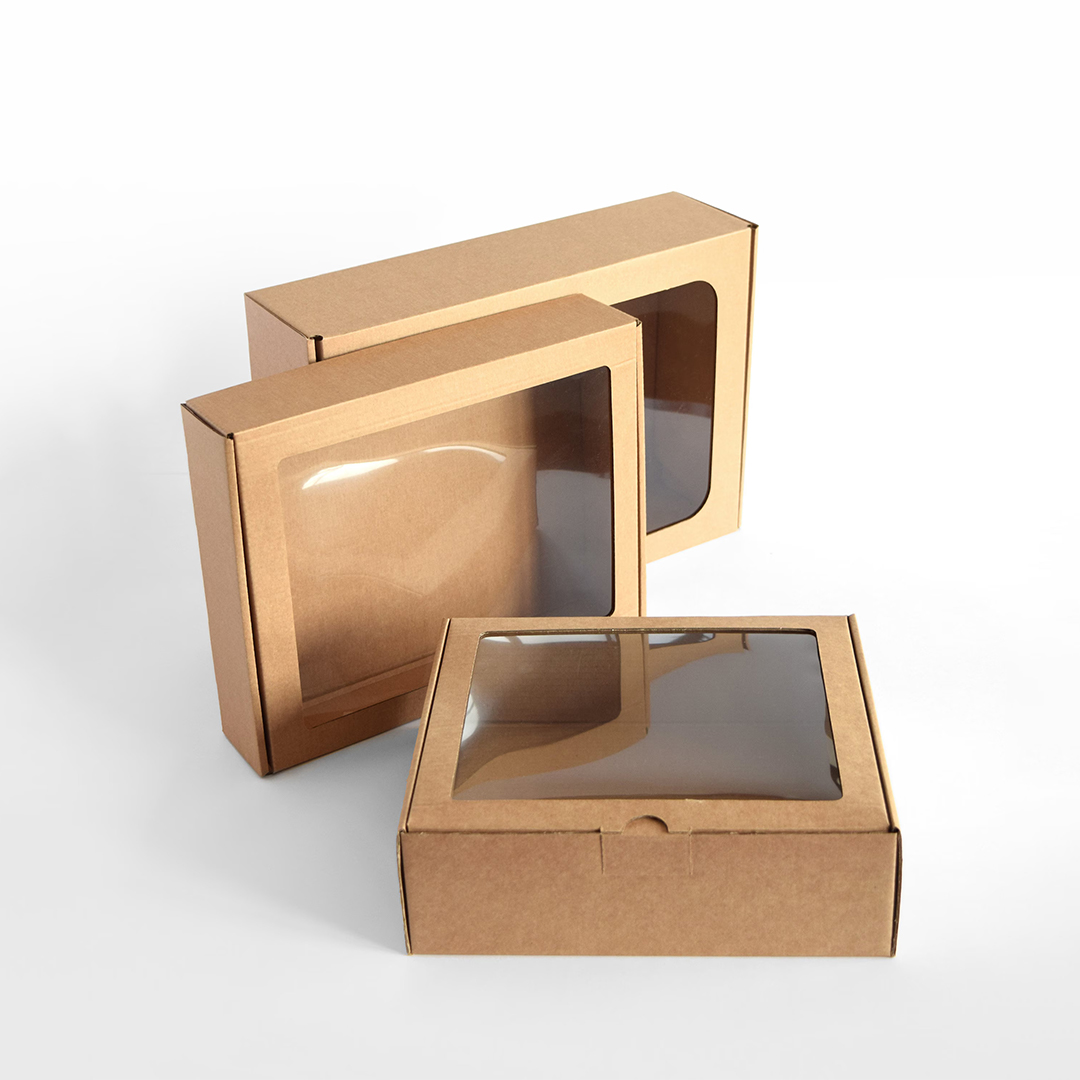
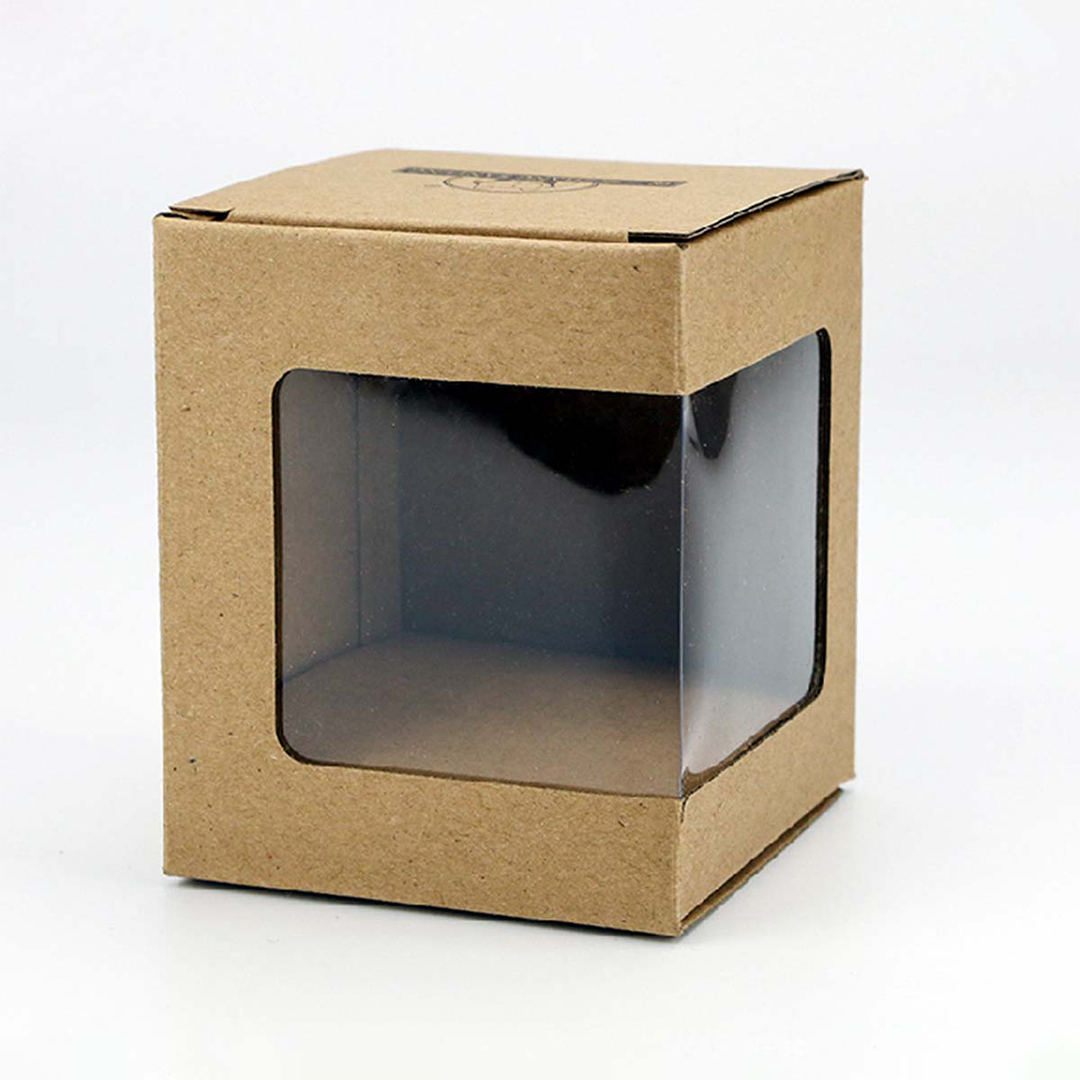
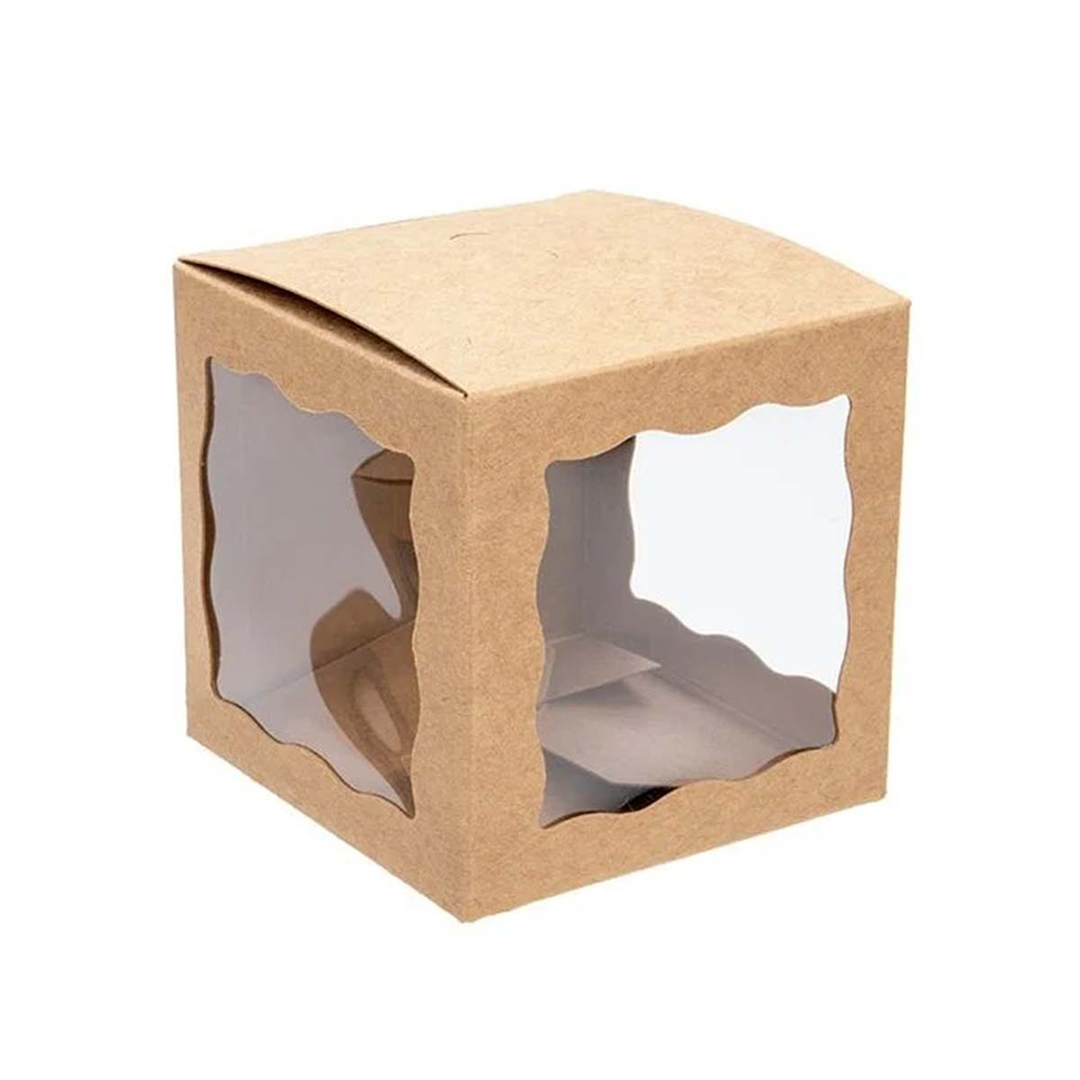
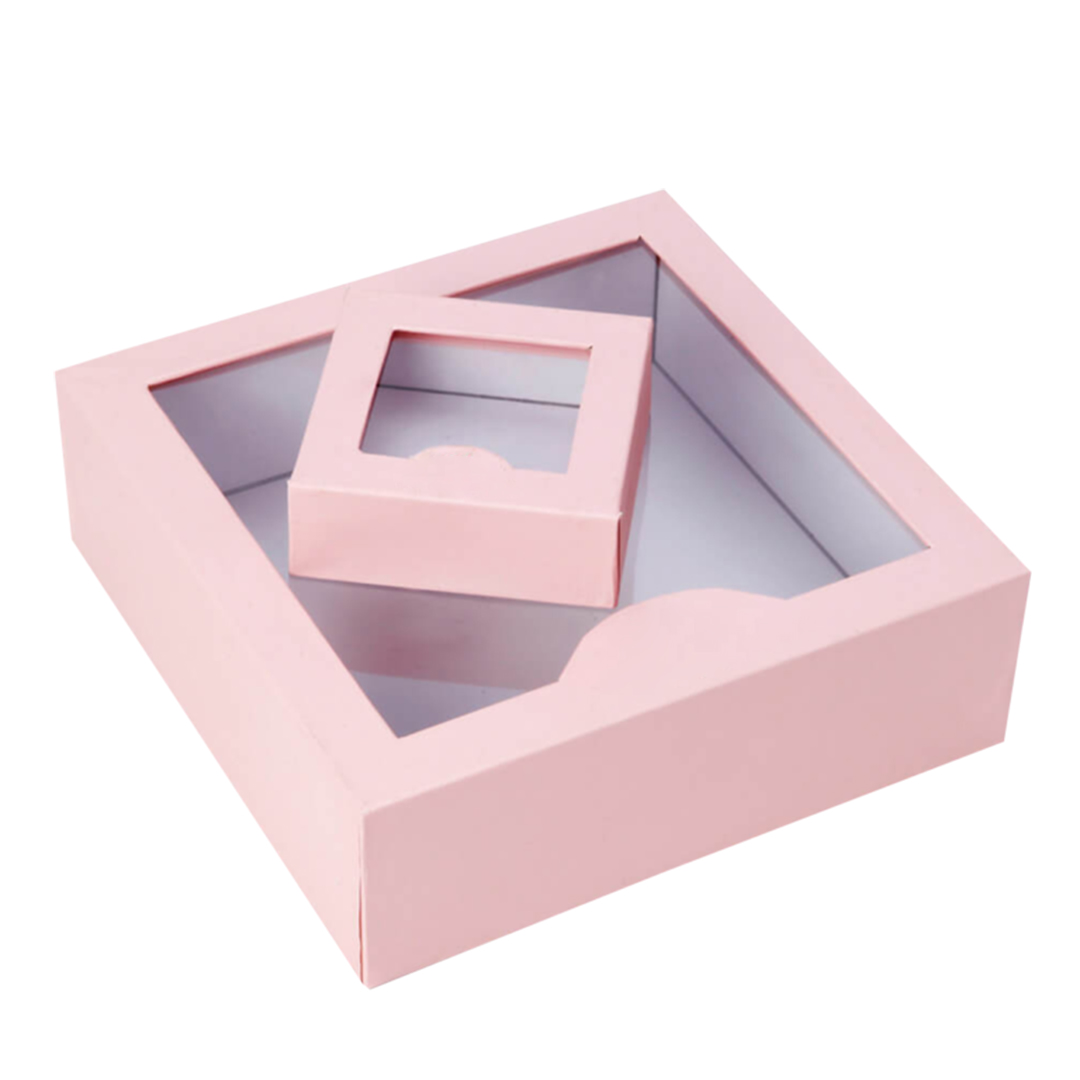
Cardboard display window boxes wholesale packaging helps products stay visible, protected, and neatly arranged from packing bench to retail shelf. Many brands that already rely on framed display styles extend this approach by pairing hero packs with formats like Cardboard Shadow Boxes so the whole range feels connected across sizes, themes, and gifting tiers. These structures combine a solid cardboard frame with a clear opening, allowing customers to see colours, shapes, and textures while the pack still manages stacking loads and day to day handling in stores and warehouses. Cardboard display window boxes for sale support both individual pieces and grouped sets, making them useful for gifts, snacks, cosmetics, toys, stationery, crafts, and lifestyle products that must look organised on shelves and in eCommerce photos.
When Large cardboard display window boxes share common footprints, retailers can plan shelf blocks, hooks, and feature bays with less guesswork. The window panel highlights the central part of the product, while side and rear panels carry information such as ingredients, benefits, usage tips, or care notes in an orderly layout. This mix of real product visibility and clear messaging answers common shopper questions quickly, supports fast comparisons between variants, and keeps packs looking tidy even after repeated handling.
Display window boxes supporting in store experience
Cardboard Display Window Boxes help customers confirm that what they see on the artwork matches the actual item inside, which matters for ranges that come in several colours, flavours, or configurations. The clear section allows a direct look at the product surface, while the cardboard body holds printing, barcodes, and practical icons without crowding the main focal area. This structure gives buyers confidence when choosing gifts, treats, or personal-use items because they can check real details instead of relying only on images or descriptions.
For store teams, rows of Cardboard display window boxes wholesale packs make it easier to maintain tidy shelves, end caps, and counter stands. The shared shape means boxes line up cleanly, while the window positions stay aligned across variants. When staff restock, they can place cartons quickly without adjusting angles for every SKU, and they can see at a glance whether labels and products are facing in the right direction behind the clear opening.
Main strengths for brands and retailers
- Keeps products visible while still protected behind a clear opening
- Supports Cardboard display window boxes wholesale orders with consistent footprints
- Reduces product handling by shoppers and staff, helping items stay clean and organised
- Carries clear branding, ingredients, and usage information around the display area
- Works for single pieces, duo packs, and themed sets in retail and eCommerce
- Adapts to coatings such as gloss, matte, and Spot UV in selected print zones
- Aligns with seasonal or limited runs by changing artwork while keeping the same shape
Simple action steps for using display window boxes
- Identify products where seeing the real colour, size, or layout will help customers decide more easily.
- Measure each item, including trays or inserts, so the window lines up with the most important visual area.
- Choose the position and size of the opening to balance product visibility with space for branding and text.
- Select board grades and window materials that suit product weight, stacking needs, and route length.
- Plan clear panel art that frames the window without blocking the customer’s line of sight.
- Run a short test batch to check packing speed, shelf impact, and unboxing experience.
- Review retailer and customer feedback, then refine shapes or print details before scaling up.
| Aspect | Role in everyday use | Material choices | Visual options | Typical applications |
|---|---|---|---|---|
| Main carton body | Protects the product and holds print and graphics | Kraft, white board, recycled fibre blends | Plain, tinted, or fully printed surfaces | Retail snacks, cosmetics, toys, craft sets, gift items |
| Window opening | Shows real product through front or top panels | Die-cut shapes on key display faces | Rounded, angular, or themed outlines | Gift Boxes with Clear Window across multiple categories |
| Clear covering | Shields contents while keeping them visible | Standard or eco-focused film materials | Glossy or softer visual feel | Gifting lines, showcase treats, display-ready assortments |
| Depth and footprint | Matches shelf space and stacking arrangements | Slim, medium, or deeper panel layouts | Straight or stepped side profiles | Single units, double packs, and compact collections |
| Brand and message zones | Carry logos, text, icons, and mandatory details | One colour or multi colour print | Matte, gloss, or Spot UV in selected areas | Window Gift Boxes wholesale programs for varied SKUs |
| Assembly and closure | Controls how quickly packs are set up and sealed | Tuck end, crash lock, or specialty closures | Clean crease lines and neat flaps | Manual and semi-automated packing lines |
| Recycling fit | Supports paper-focused material choices | Higher recycled content board options | Water-based inks and simple coating styles | Brands that focus on thoughtful packaging and disposal |
Custom window box packaging for gifting and product families
Custom window box packaging allows brands to connect many items in one visual story by coordinating structure, opening shape, and artwork. Product managers often plan these designs alongside outer shipping cartons based on Cardboard Boxes by Size and Shape so inner packs sit neatly inside transport boxes and store fixtures. Within that shared footprint plan, window style, print themes, and depth can change from small items to larger gift sets while still keeping a recognizable family look across the range.
Thoughtful custom window box packaging uses the opening to highlight the part of the product that matters most, whether it is a decorated surface, label, toy figure, or arranged gift selection. Surrounding panels hold supporting information such as ingredients, benefits, or how-to steps in clean, readable blocks that suit both quick scanning and detailed reading. Cardboard display window boxes for sale designed this way work well for long-running core lines and for short seasonal themes, because artwork can update while the main panel structure and window placement stay stable.
Custom window box packaging matching user questions
Shoppers often want clear answers to simple questions: what is inside, how big is it, how does it look in real life, and is it right for the person they have in mind. Custom window box packaging lets the real product answer many of these points through the opening, while surrounding text confirms features, usage, and care instructions. This arrangement helps gift buyers and regular users feel confident, because they can see the product directly and read concise guidance without searching across multiple sides of the pack.
For teams planning large or repeated runs, aligning several sizes of Cardboard display window boxes wholesale around a common design system simplifies pallet builds, shelf planning, and eCommerce content creation. Photographers can shoot many SKUs in similar setups, while warehouse staff work with predictable dimensions when organising stock and preparing orders. This consistency keeps operations smoother even when ranges expand or change over time.
Design benefits for custom window box packaging
- Keeps product families consistent while allowing variety in artwork and content
- Uses window placement to highlight key product features across multiple SKUs
- Balances real product visibility with strong brand and information areas
- Adapts readily to Paper Box with Window concepts for lighter or smaller items
- Works for simple items, compartmented trays, and layered inserts in one system
- Supports clear barcode placement, icons, and regulatory details without clutter
- Helps transition smoothly between core ranges and limited edition themes
Practical planning steps for a new custom window collection
- Group products into families that should share the same window-based structural idea.
- Decide which side or angle of each item should appear behind the opening for the strongest effect.
- Test several window outlines on mock-ups to see how they interact with logos and imagery.
- Choose board and window materials that match stacking needs, weight, and shipping conditions.
- Place essential information in consistent positions so staff and shoppers know where to look.
- Check how quickly packs can be assembled, filled, and closed in real packing environments.
- Launch a trial set and gather feedback before making final adjustments and reprint decisions.
| Focus area | Design question | Possible routes | Operational impact | Expected outcome |
|---|---|---|---|---|
| Window size and position | How much of the product should be visible | Compact highlight or wide opening | Changes art space and privacy level | Clearer emphasis on the most attractive product details |
| Internal support | How the product is held inside the carton | Simple sleeve, tray, or formed insert | Affects packing time and material choice | Steady presentation with less movement in transit |
| Graphic structure | How artwork frames and supports the opening | Central, offset, or wrap-around layout | Guides typography and image placement | Readable, balanced pack fronts in store and online |
| Surface finishes | How coatings add focus without overpowering design | Matte, gloss, or localised Spot UV | Adjusts cost and surface reflections | Logos and key elements stand out in shelf lighting |
| Information layout | How packs answer who, what, where, when, why, how | Short phrases, icons, and grouped sections | Helps users and staff find answers quickly | Smoother decisions in busy retail environments |
| Storage and reuse | How long recipients might keep the box | Durable folds, tidy openings, and strong edges | Influences board grade and flap styles | Packs that can double as neat storage or gift keepers |
| Update potential | How often designs will be refined or refreshed | Stable base template with adjustable artwork | Supports long term print and stock planning | Recognisable range with room for seasonal or trend tweaks |
Kraft box with window and paper box with window choices
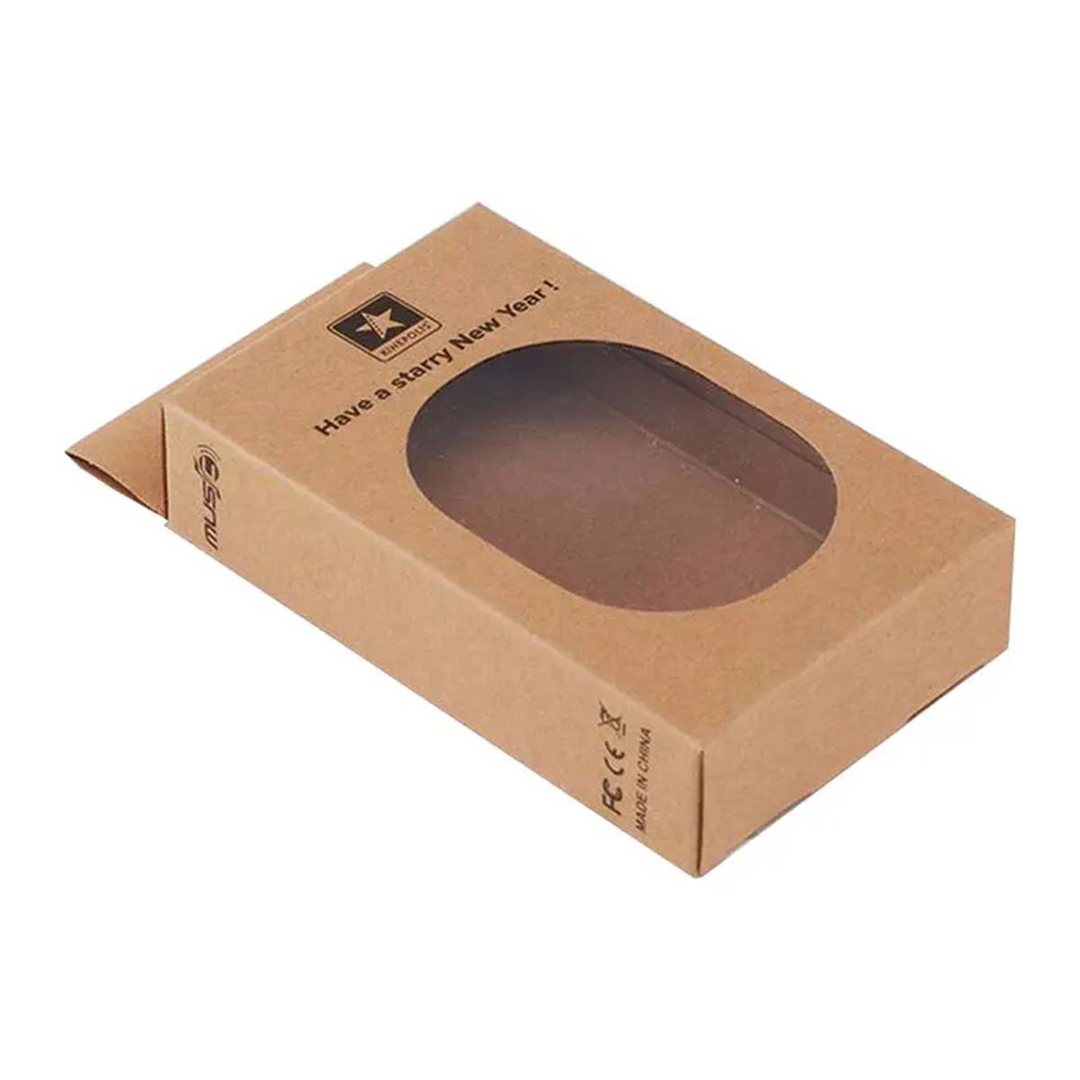
Kraft Box with Window and white Paper Box with Window styles give brands two distinct visual directions built on the same practical structure. Natural kraft board works well for bakery pieces, handmade crafts, simple snacks, and products that lean toward a gentle, grounded look, while smooth white or coloured board suits brighter graphics for cosmetics, tech accessories, and seasonal gifting. Many teams prefer to organise these options in a single packaging system and rely on Custom Cardboard Boxes as a central source for coordinated sizes, inserts, and window layouts that cover both everyday and special ranges.
Once a set of key footprints is confirmed, kraft and white variants can share die-lines while using different artwork, colours, and finishing touches. Kraft Box with Window formats often favour minimal printing with clear typography and selective matte or gloss areas, while white Paper Box with Window versions may use more saturated imagery, patterns, and precise Spot UV over logos or details. In both types, the window gives shoppers direct sight of the contents, helping Window Gift Boxes wholesale programs feel coherent in store and online even when products vary widely.
Window styles that match different audiences
Different customer groups read packaging cues in different ways. People choosing bakery goods, handmade candles, or craft items often respond to simple, honest materials and subtle printing that lets the product stand out behind a kraft frame. Buyers of beauty sets, tech gadgets, or colourful seasonal boxes may look instead for bold artwork and polish, which a printed Paper Box with Window can deliver while still revealing the item inside. In both cases, the opening answers questions about size, arrangement, and content without requiring the pack to be opened on the shelf.
From an operations perspective, planning Cardboard display window boxes wholesale across kraft and white ranges keeps stacking, storage, and transport more predictable. Shared footprints help build efficient pallets, cartons, and display units, while a consistent approach to depths and widths supports both standard shelves and special feature units. Gift Boxes with Clear Window in multiple board styles can then appear across counters, aisles, and promotional zones without needing a new structure each time.
Reasons to use kraft and white window cartons together
- Offers two visual moods while relying on compatible structural layouts
- Helps separate natural, craft, or bakery-focused lines from graphic-heavy segments
- Keeps Window Gift Boxes wholesale assortments in a single design language
- Supports varied print coverage from minimal art to full-panel graphics
- Allows flexible use of gloss, matte, and Spot UV finishes where they make most sense
- Works for continuous ranges and short-run promotions without structural changes
- Makes it easier to plan stock, storage, and future artwork refreshes across the brand
Planning route for kraft and white window packaging
- Decide which product categories will use kraft board and which will use white or colour-coated board.
- Group items by size so a limited family of footprints can support most SKUs.
- Choose window outlines that look strong on both kraft and white without major redraws.
- Align inner supports such as trays or inserts with the shared footprint strategy.
- Select coating mixes that match each segment’s story, from subtle to highly polished.
- Coordinate runs so kraft and white versions move through production efficiently.
- Track shopper and retailer feedback, then adjust shapes, finishes, or graphics as ranges evolve.
| Focus area | Point to consider | Options to explore | Effect on workflow | Result across the full packaging range |
|---|---|---|---|---|
| Overall tone | What first impression each line should create | Natural kraft, clean white, or coloured board | Guides artwork style and ink density | Clear visual story for each category or theme |
| Category placement | Which products belong in kraft or white formats | Bakery, crafts, snacks, cosmetics, tech items | Easier organisation of shelves and displays | More intuitive merchandising and range navigation |
| Window alignment | How the opening frames product features | Centered, offset, or shaped outlines | Affects die-line and internal support layout | Product details stay easy to see at a glance |
| Graphic intensity | How visually busy each pack should feel | Minimal designs or richly detailed artwork | Influences printing approach and timing | Balanced shelves without visual overload |
| Finishing approach | Where special finishes should be placed | Logos, borders, or pattern accents | Changes perception of touch and shine | Important elements remain legible and attractive |
| Transit and stacking pattern | How packs travel and rest before reaching stores | Single-layer, multi-layer, or display-ready | Guides board weight and closure decisions | Boxes stay in shape through transport and display |
| Refresh and update rhythm | How often designs will change or grow | Stable structure with phased artwork updates | Supports long term production planning | Packaging that feels familiar while staying current |