






Description
Cardboard Triangle Packaging Boxes For Sale For Modern Product Displays
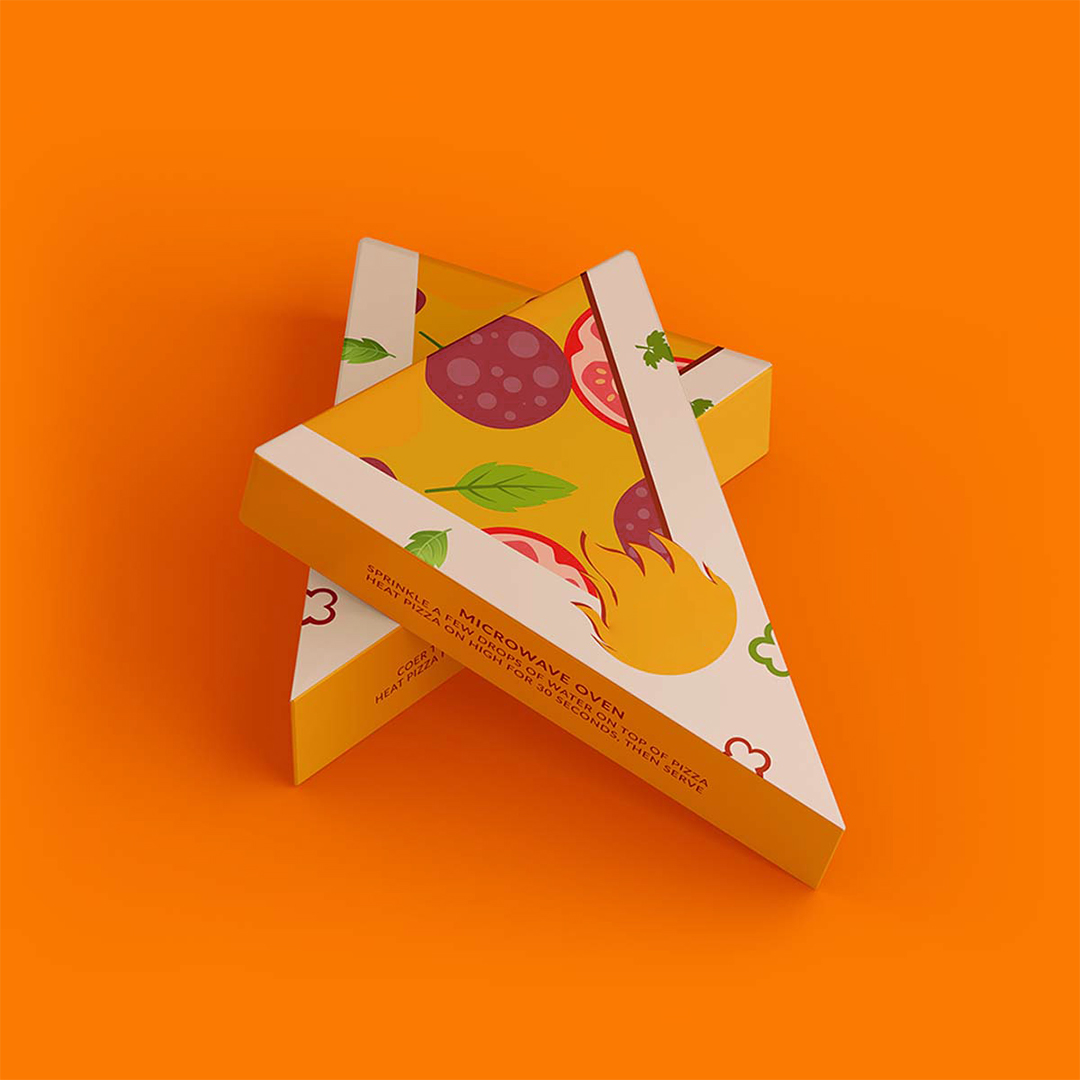
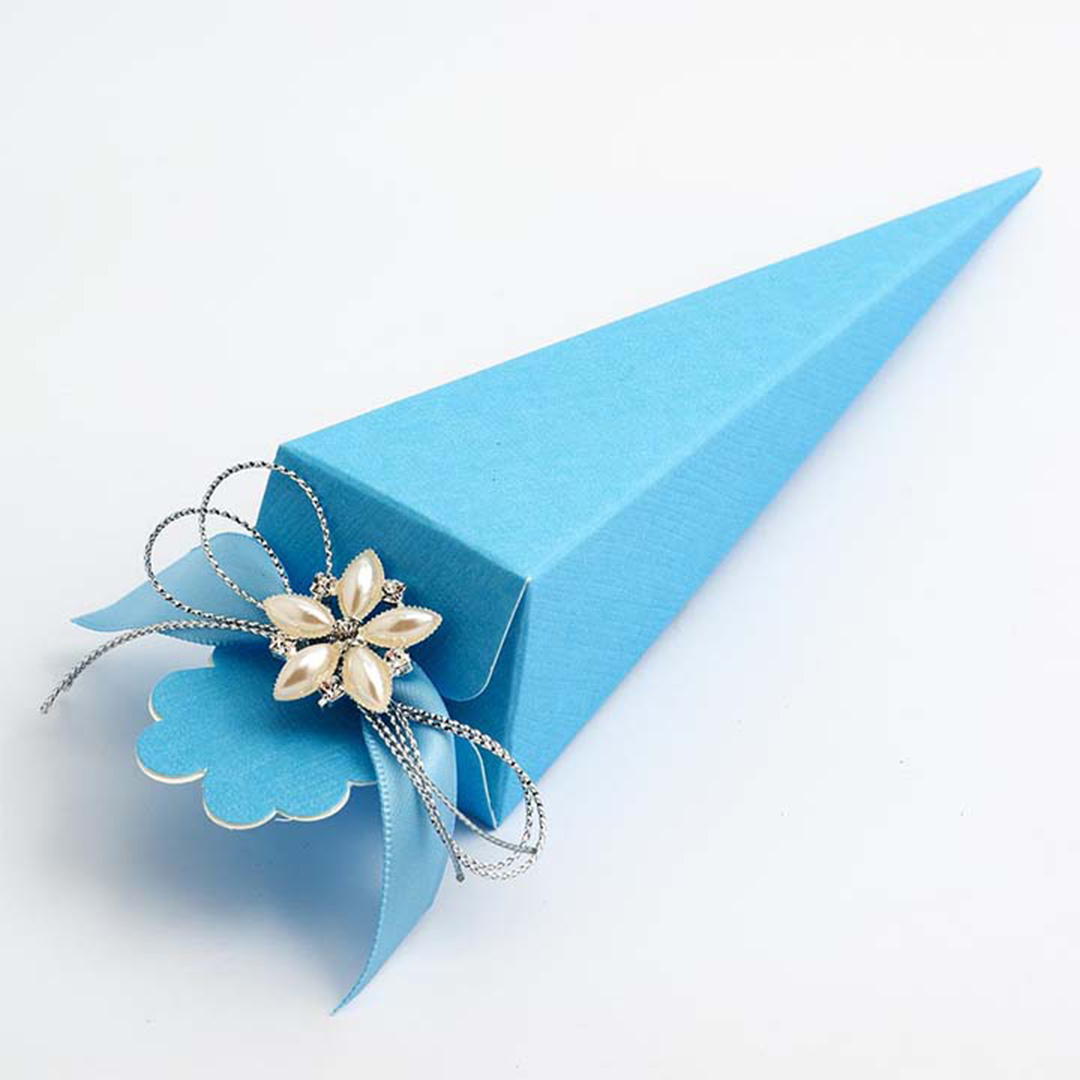
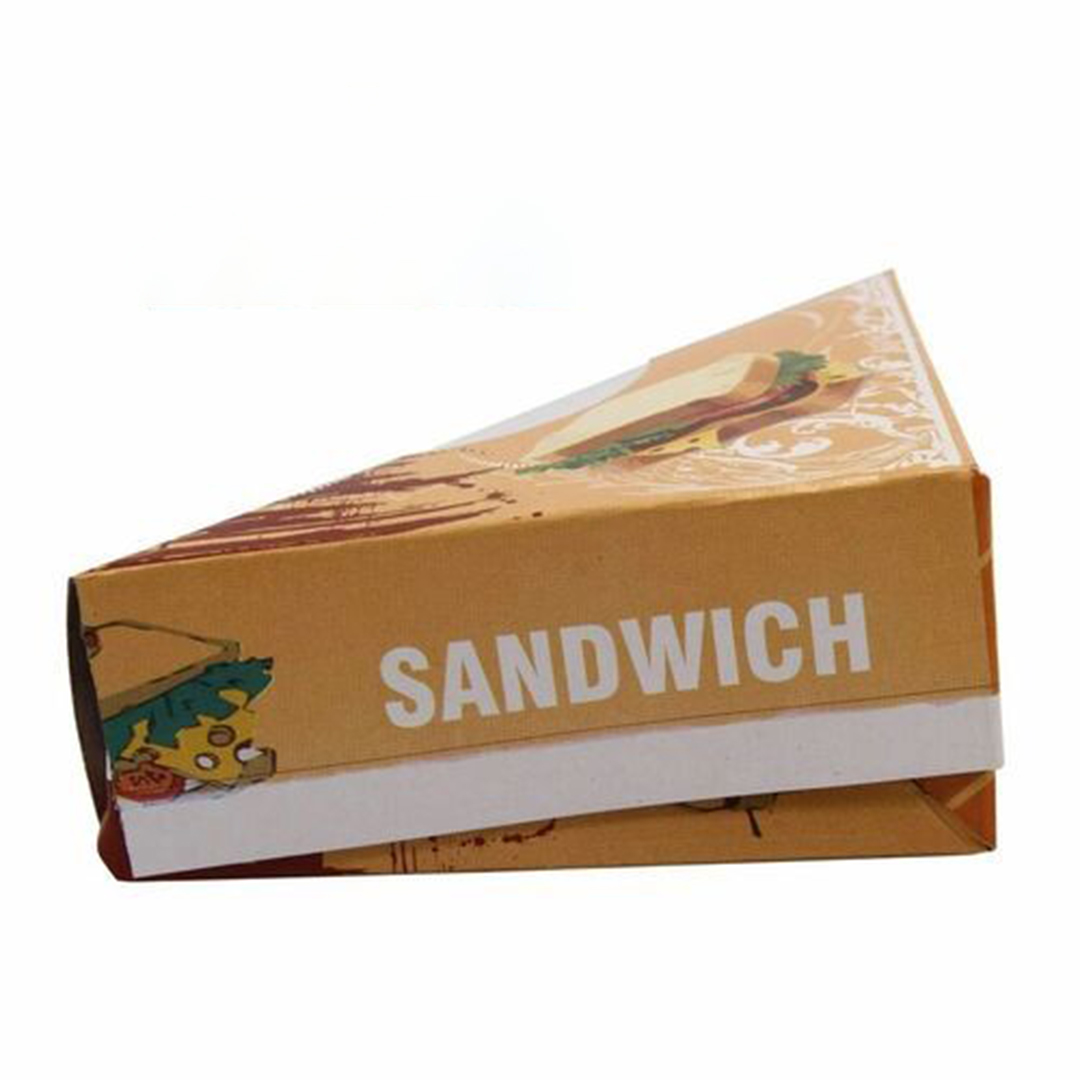
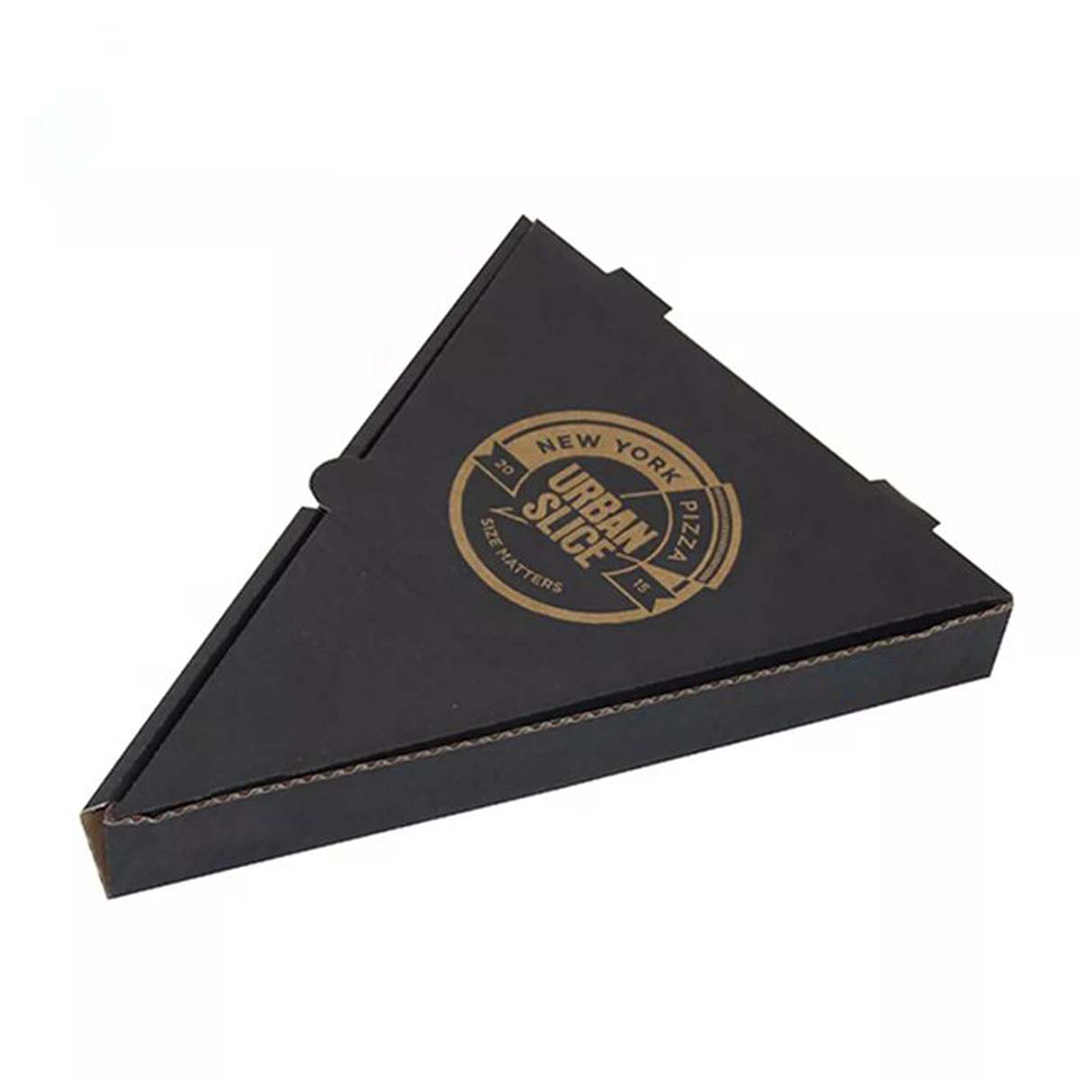
Cardboard Triangle Packaging Boxes help brands present long, slim, or angled items in a neat way that stands out on shelves and during delivery. Many businesses that already use Cardboard Cylindrical Boxes for round items extend their range with triangle box packaging to cover pens, cosmetics, posters, and gift sets in a matching style. These angled cartons use stable panels and sharp edges so products stay aligned inside, even when boxes move across conveyors or vans. A clear title tag such as Cardboard Triangle Packaging Boxes Wholesale | Shop Cardboard Boxes works well for search and browser display. Within the first few seconds, buyers can see that these units handle unusual shapes without fuss.
Each unit gives you three strong faces for branding, handling notes, and barcodes, which turns a simple carton into a helpful guide for staff and customers. Long items that might roll or slide in flat cartons gain a calm resting place inside a triangle form. The structure supports end caps, sleeves, and inserts where needed, and it can fold flat for transport before packing. This keeps storage lean for warehouses and online sellers who manage many product variations.
Uses of triangle box packaging in retail and shipping
Triangle box packaging works well when you want to pack items that do not sit happily in plain rectangles. Posters, rolled documents, stationery sets, small bottles, and beauty tools all fit neatly into angled profiles. The three visible faces allow you to highlight brand marks on one side, usage notes on another, and barcodes on the third, so every angle offers useful information during handling.
Retail teams appreciate how these cartons stack and line up on shelves without rolling. The angled form also helps online buyers identify product ranges quickly when boxes arrive at the doorstep. For shipping teams, the stable geometry sits nicely in larger outer cartons, so damage risks remain low even during long routes. When customers open the box, items appear stable and well presented, which supports repeat orders.
Everyday benefits for packed products
- Better control over slim, long, or rolled items during transit
- Three clear panels for branding, instructions, and safety notes
- Reduced movement inside the carton when stacked with other units
- A distinct shelf presence compared to plain rectangular cartons
- Space for inserts or dividers where sets or bundles are involved
Simple process to get started with triangle cartons
- List the products that often roll, slide, or feel loose inside standard units.
- Measure length, width, and height so the new carton gives a close but comfortable fit.
- Decide which panel will carry the main brand mark and which will show product details.
- Choose a board grade that matches how often goods ship and how heavy they are.
- Plan artwork with clear titles, usage icons, and barcodes for scanning.
- Order a sample run to test assembly, filling, and shelf presentation.
- Finalise wholesale quantities once your team is happy with the layout and handling.
| Product type | Typical length range | Suggested triangle size band | Main usage focus | Extra notes for packing |
|---|---|---|---|---|
| Posters and art prints | 20–36 inches | Long slim profile | Rolled print protection | Use tissue around edges if needed |
| Beauty and cosmetic tools | 6–12 inches | Compact angle unit | Neat retail display | Add inner sleeve for glass items |
| Stationery gift sets | 7–14 inches | Medium profile | Bundled pens and markers | Keep elastic bands around bundles |
| Small bottles or vials | 4–10 inches | Short sturdy profile | Grouped samples or kits | Consider inner dividers |
| Craft and hobby tools | 8–18 inches | Medium to long profile | DIY and workshop kits | Print usage icons on one panel |
| Rolled documents | 12–24 inches | Long protective profile | Certificates and legal forms | Use label seal on end flaps |
| Light textile items | 10–20 inches | Medium protective profile | Scarves or fabric strips | Fold carefully before insertion |
Triangle box packaging for branding and shelf impact
Triangle box packaging gives designers three connected canvases that wrap around products in a continuous story. Many product teams study the wider range shown under Cardboard Boxes by Size and Shape and then choose triangle forms to highlight limited editions, seasonal kits, or compact gift lines. Each panel can carry part of the design, creating a smooth flow of colour, patterns, and text as shoppers move around the display. This makes it easier to group related items, such as pens with notebooks or small bottles with gift cards, in one tidy zone.
Because the angled structure stands steadily even when boxes are narrow, you can design displays that step up or down in height without losing balance. This supports creative layouts on shelves, counter units, and gondola ends. It also helps online sellers who want their packed parcels to look special when customers open outer cartons at home. The same artwork that draws attention on a shelf can delight buyers again when they handle the pack during unboxing.
How triangle cartons support brand stories and ranges
Triangle cartons allow you to arrange artwork so that each side carries a different layer of the message. One side might show the logo and product name, another side might explain usage, and the third might carry care tips or environmental notes. When placed together, multiple cartons form a repeating pattern that stands out in retail aisles or photos.
This structure also supports product families across sizes. Smaller units can echo the design language of larger ones, making it clear that all packs belong to the same range. Triangle box packaging also works nicely with ribbons, stickers, and sleeves, which lets you adapt the same core carton for special campaigns without changing the main structure.
Brand and design advantages
- Three faces to split product information into clear sections
- Easy alignment across different sizes in the same family
- Strong visual rhythm when multiple units sit side by side
- Room for icons that answer quick questions such as who, what, and how
- Layouts that photograph well for online listings and social content
Planning design layouts for triangle packs
- Decide which side will face customers first on shelves or in photos.
- Place logo and product name on that face in a clear, readable scale.
- Use one panel to answer simple questions such as what the product does and who can use it.
- Reserve the third panel for usage tips, ingredients, or compliance details.
- Keep colour choices consistent across all sizes in the range.
- Add simple icons to help buyers understand key points at a glance.
- Check print proofs under normal store lighting before final approval.
| Design focus | Recommended panel usage | Visual goal | Helpful elements | Where it helps most |
|---|---|---|---|---|
| Brand recognition | Front-facing panel | Strong, quick identification | Logo, product name, tagline | Retail shelves and displays |
| Product explanation | Secondary side | Clear understanding of purpose | Short description and icons | Online listings and leaflets |
| Care and compliance | Third side | Honest, transparent guidance | Instructions and contact details | After purchase reading |
| Seasonal promotions | Added labels or sleeves | Highlight limited campaigns | Stickers, ribbons, themed art | Holiday and event sales |
| Eco messaging | Any supporting panel | Show material awareness | Recycling icons and short notes | Brands with sustainability focus |
| Cross selling cues | Lower panel sections | Suggest related items | Small product family images | Range-building campaigns |
| Barcode and logistics | Rear or lower area | Smooth warehouse handling | Barcode, SKU, batch codes | Distribution and stock checks |
Triangle tool box styles for storage and organised kits
Triangle tool box layouts use angled cartons to hold sets of tools, craft items, or hardware pieces in a snug way. Many businesses manage their bulk orders and repeat runs through Cardboard boxes wholesale so triangle units, rectangles, and other forms follow the same board quality and print standards. This makes it easier to build full kit lines where tools, accessories, and refill packs all share linked packaging styles. Kits stay orderly in warehouse bays, workshop cabinets, and retail racks, even when many hands touch them each day.
Inside a triangle tool box, items can sit in foam, card, or pulp inserts that match angles and lengths. This stops parts from falling into corners or rattling during transit. Clear printing on the outer faces helps users know which kit they are picking, whether it holds craft knives, brushes, screws, or small assembly components. For teams that share tools, the carton becomes a quick visual signal that reminds people to return pieces to the right place after use.
How triangle tool box designs support real work
In workshops and studios, staff often need to move tools between benches, storage, and packing areas. A triangle tool box uses its angled form to create a compact, easy-grip unit that fits into hand trolleys, van shelves, or lockers. The stable shape is less likely to roll or tip when compared to long round containers.
For online and retail buyers, a neat triangle box makes tool sets feel organised from the first moment. When the lid opens, items can appear in a clear order that guides use, such as lighter tools at the top and heavier pieces at the base. Over time, people learn this layout and can see at a glance if parts are missing, which supports safety and inventory control.
Practical benefits for tool and kit storage
- Firm structure that resists rolling on benches and van floors
- Room inside for inserts that hold each piece in place
- Panels ready for icons showing safe use and key warnings
- Compact footprint that fits onto narrow shelves or cubbies
- Easy branding across different tool sizes and kit levels
Planning triangle tool box layouts
- List all items that will sit in each kit and group them by size and weight.
- Decide where lighter and heavier pieces should sit within the carton.
- Work out whether foam, card, or pulp inserts will give the best support.
- Place diagrams or simple icons on the outer panels to explain contents.
- Include clear handling notes for who should use the kit and in which setting.
- Check that the closed unit fits into common storage spaces in your workplace.
- Review test units with staff and adjust placements before final runs.
| Kit type | Typical contents | Insert style suggestion | Main storage location | Usage pattern |
|---|---|---|---|---|
| Craft knife sets | Knives and spare blades | Foam or dense card | Studio drawers and shelves | Frequent daily access |
| Brush and pen kits | Brushes, pens, markers | Light card grid | Art classrooms and studios | Shared between users |
| Light hardware assort | Screws, nails, anchors | Pulp or card dividers | Workshop walls and racks | Grab-and-go for quick jobs |
| Electronics repair kits | Drivers, tweezers, bits | Foam with cut-outs | Tech benches and service bays | Careful, repeated use |
| Hobby model sets | Small tools and parts | Mixed insert styles | Hobby shops and home shelves | Occasional but long sessions |
| Training tool bundles | Basic multi-use tools | Reinforced card layout | Training centres and labs | Group training and practice |
| Sample or demo kits | Selected tools and pieces | Custom flexible inserts | Sales team vehicles and cases | Demonstrations and client visits |