





Description
Daily Handling Flow For Maple Syrup Bottle Cartons
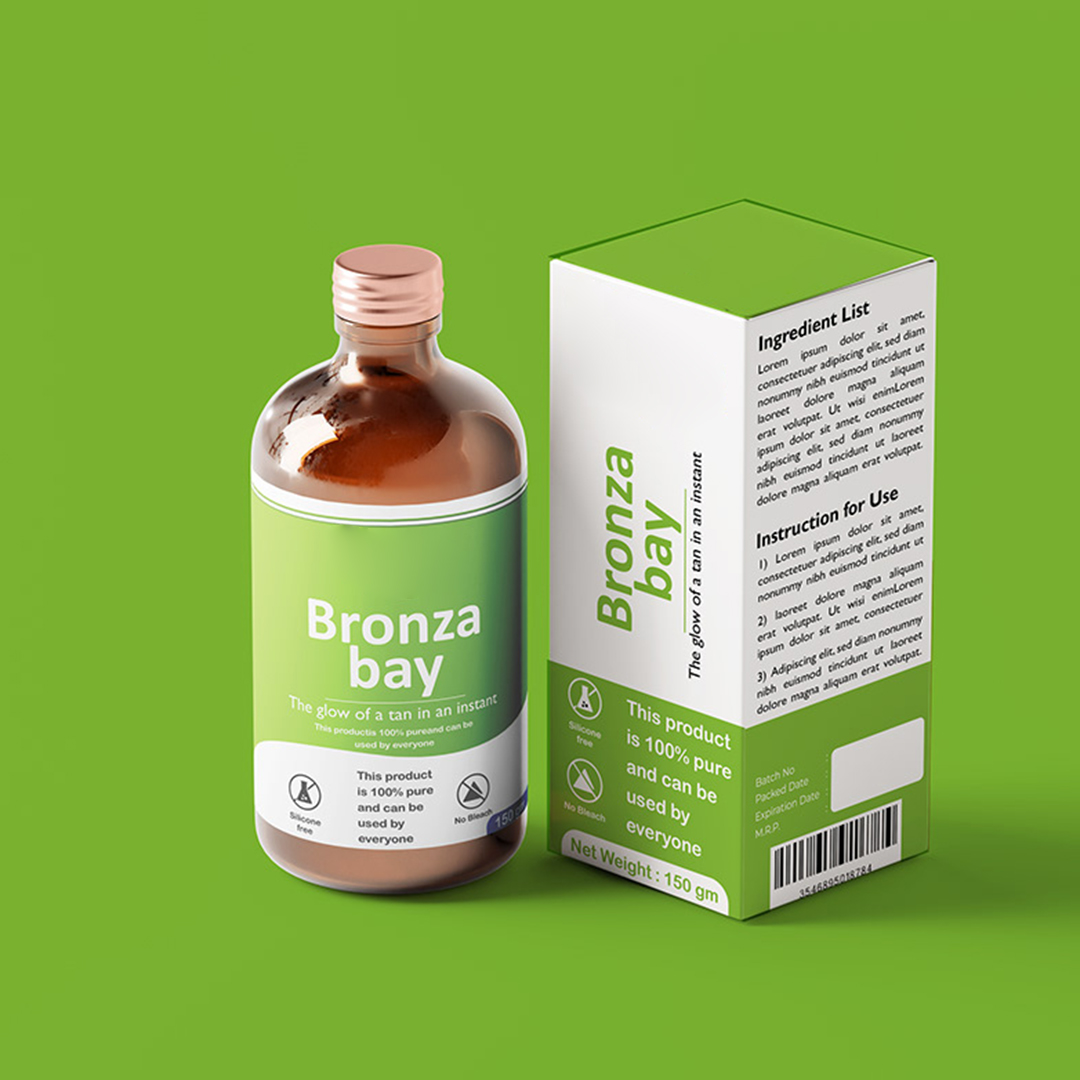
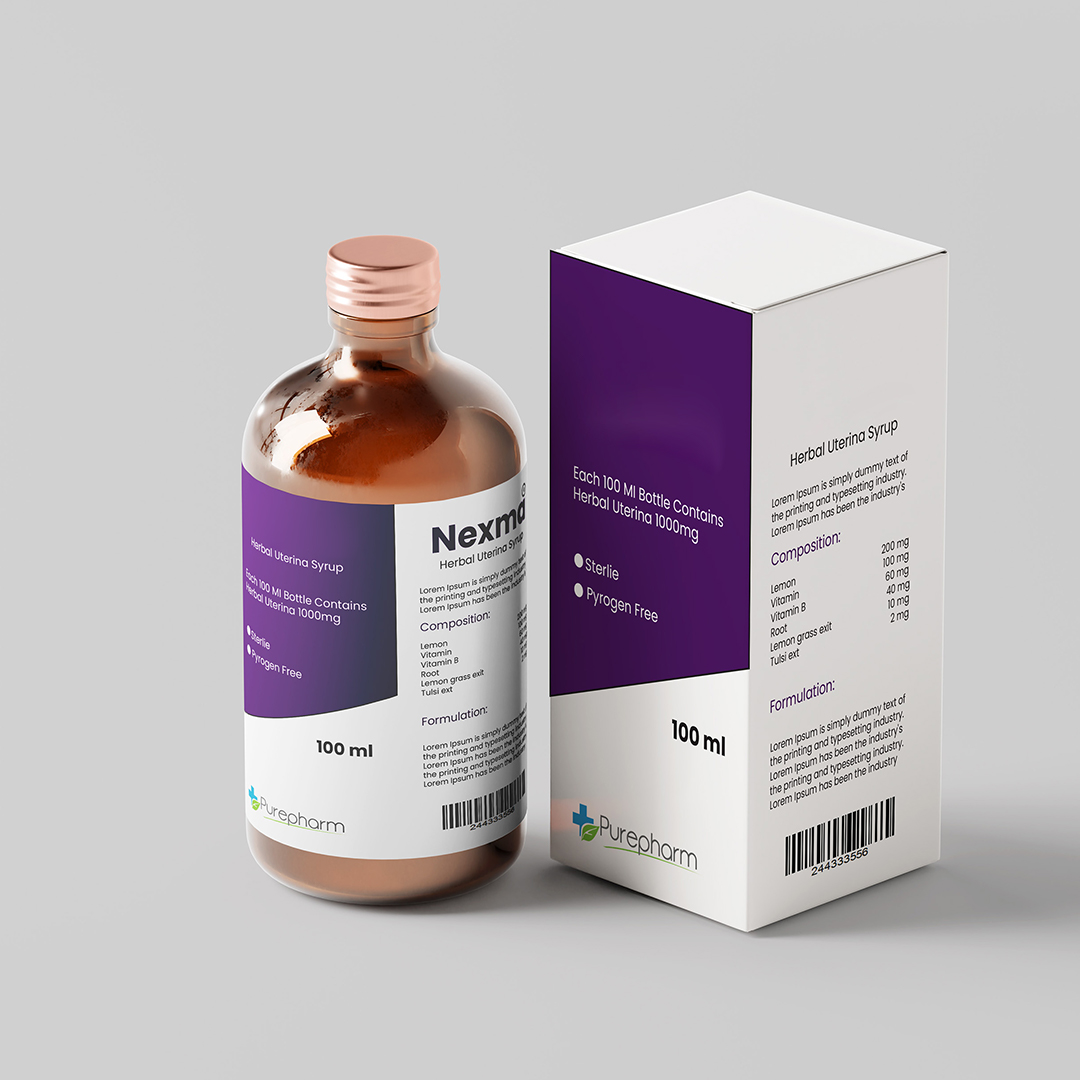
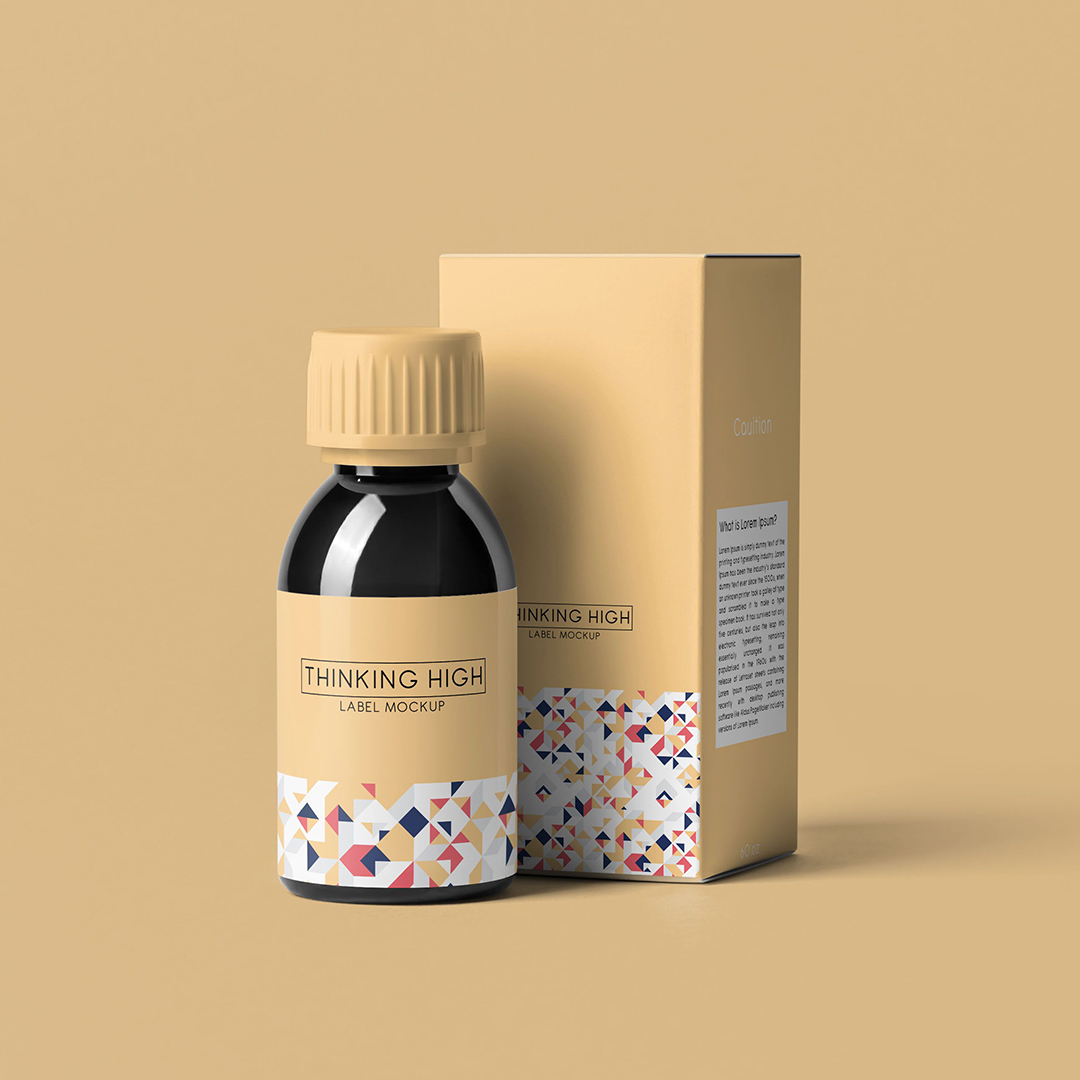
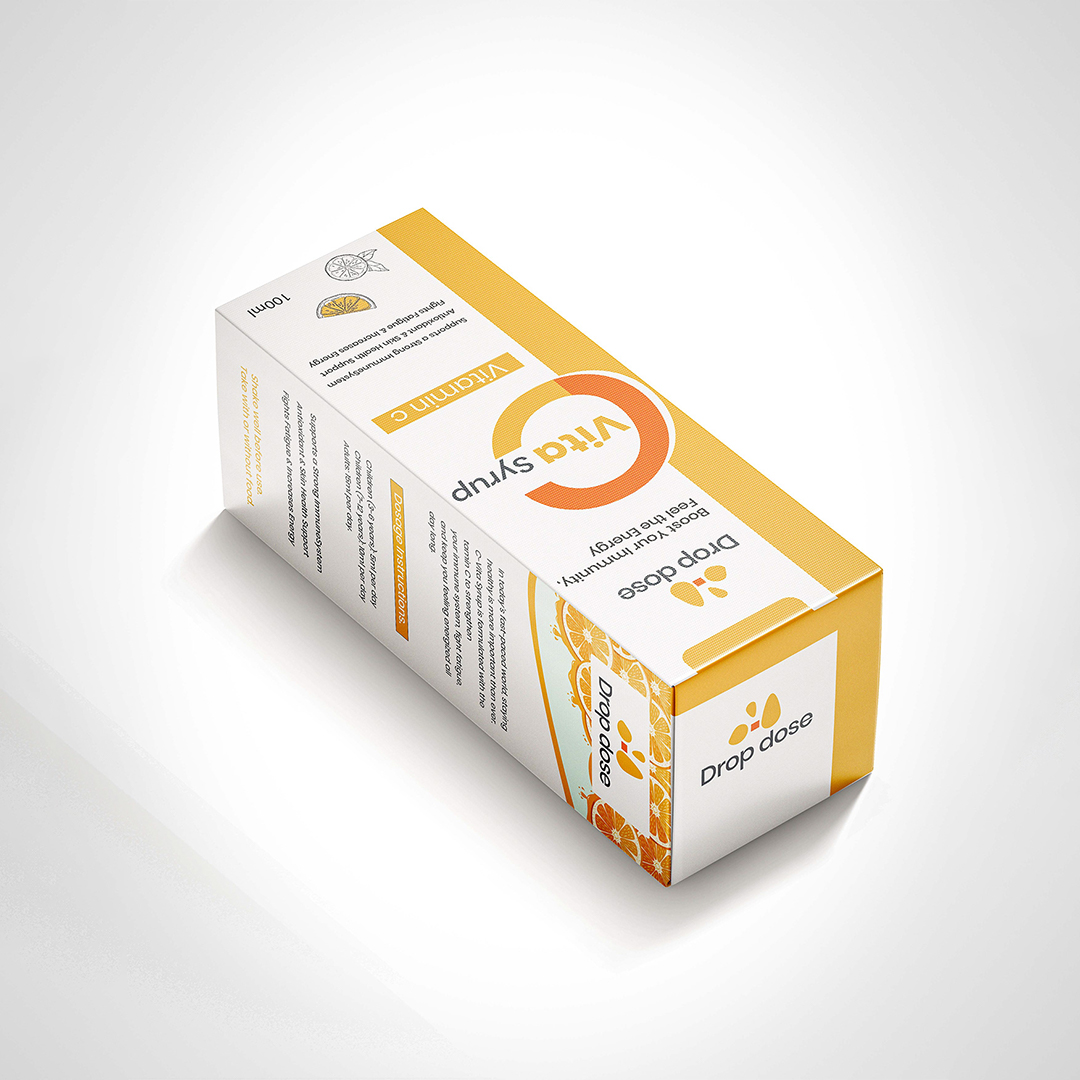
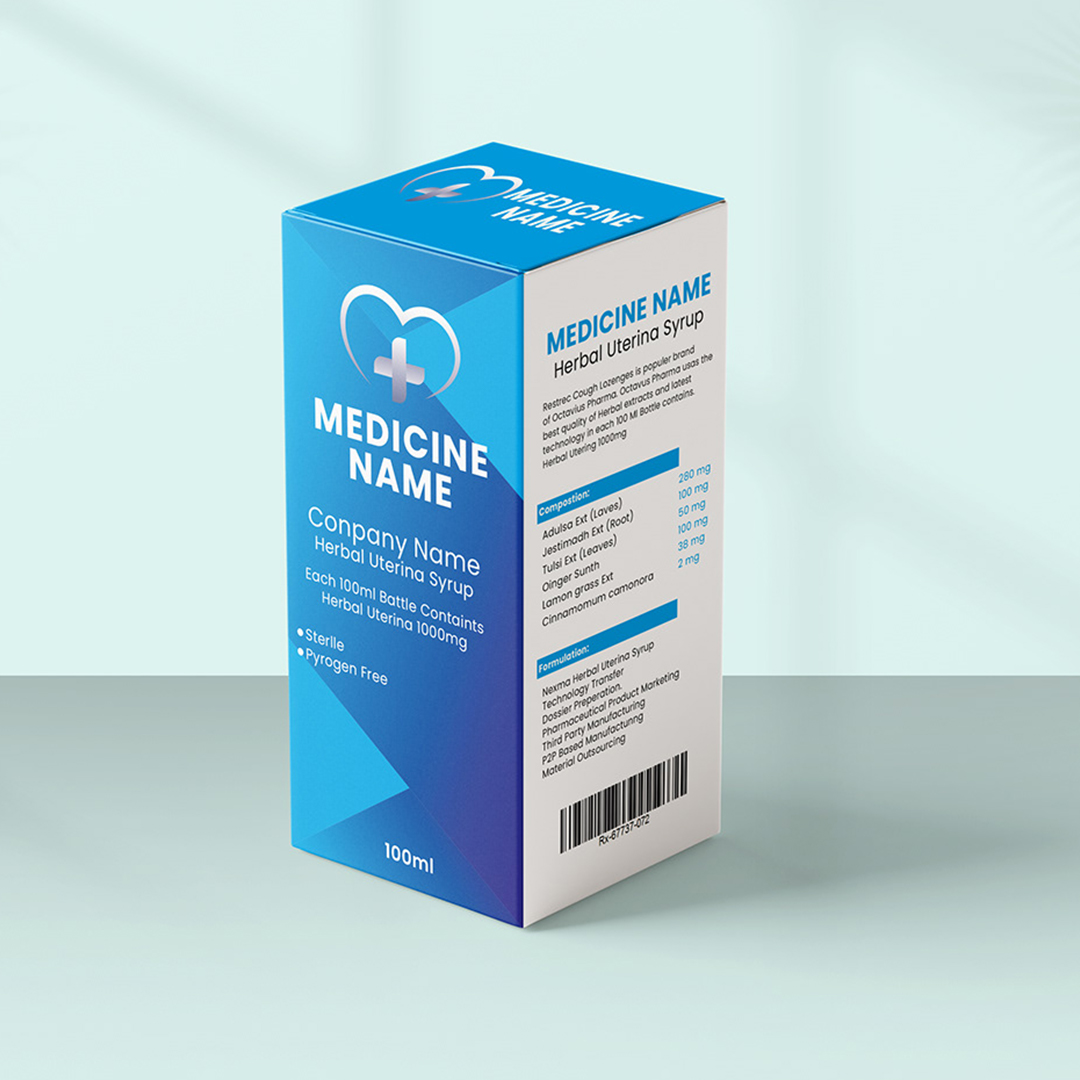
Cardboard Syrup Packaging Boxes help maple and flavored syrup brands move glass and PET bottles with steady control from filling lines to shelves and online orders. Many teams align these cartons with Cardboard First Aid Kit Boxes footprints so warehouse training, case picking, and mixed-category stacking stay simple across multiple product lines. This approach keeps labels clean, corners protected, and cases easy to count, even when bottle sizes change across seasonal launches.
Inside daily operations, the biggest advantage is speed with structure. Flat-packed cartons store in low space and fold into shape without slowing the line. Strong panels reduce bottle-to-bottle contact and support consistent case heights for pallet layers. This helps brands keep freight weight sensible when planning around shifting maple syrup prices in 2025.
Bottling Room Efficiency With Flat-Pack Carton Builds
In bottling rooms, staff need cartons that guide quick placement without guesswork. Clean scoring, squared corners, and stable bases allow teams to load 16-oz bottles and specialty sizes in a repeatable rhythm. When multiple flavors run back-to-back, consistent cavity planning helps avoid bottle tilt and cap collisions during tight packing windows.
Cold rooms and warehouses then benefit from cases that align in neat rows and columns. Matching outer dimensions simplifies lane planning and minimizes wasted air gaps on pallets. Labels, batch codes, and allergen panels stay visible on outward-facing sides. That reduces checking time during dispatch and returns handling.
Key points for syrup packaging and handling
- Cardboard walls reduce side knocks during transit.
- Flat tops support stable pallet layering.
- Panels carry nutrition, batch, and region blocks cleanly.
- Optional windows can showcase the bottle shape safely.
- Dividers protect caps and neck rings from rubbing.
Steps for packing syrup bottles in cartons
- Confirm each bottle is filled, capped, and wiped clean.
- Group bottles by size and flavor for consistent loading.
- Fold cartons on scored lines and lock the base.
- Place bottles upright with dividers where required.
- Close flaps firmly and apply route and batch labels.
| Syrup pack style | Recommended carton | Inner support | Main usage scene | Handling focus |
|---|---|---|---|---|
| Single flavor retail | Straight tuck bottle carton | Neck brace or base pad | Farm shops and supermarkets | Keep bottles upright |
| Assorted flavor sets | Multi-bottle divider carton | Full-height dividers | Gift and tasting packs | Arrange flavors logically |
| Food service bulk | Reinforced outer case | Layer and side pads | Cafés and catering | Support repeated stacking |
| Mini sampler sets | Small cavity carton | Tray or grid insert | Tourism and seasonal displays | Protect label edges |
Wholesale Planning For Seasonal Syrup Demand Cycles
Cardboard syrup packaging boxes wholesale planning becomes easier when brands group SKUs using Cardboard Boxes By Functionality so breakfast syrups, dessert toppings, and sampler sets share a few reliable case footprints. This cuts redesign fatigue and keeps packing teams confident during harvest festivals, holiday gifting, and breakfast event surges. With stable shapes, designers can refresh artwork without rebuilding the entire structure each season.
Operationally, predictable case dimensions help map how many units fit per pallet layer and how routes should be staged. Brands can run smaller premium batches and larger everyday lines while keeping storage logic consistent. This supports smoother procurement decisions when demand spikes unexpectedly. It also reduces bottling downtime tied to packaging changeovers.
Board And Divider Choices For Rush Season Stability
Board grade selection matters most when cases carry heavier glass in high-volume cycles. A stronger board improves edge resilience and reduces compressive wear during long-haul stacking. Dividers add another layer of control by keeping shoulders, caps, and neck bands from rubbing under vibration.
For mixed glass and PET programs, brands often use shared outer cases with adjusted internal supports. This keeps the warehouse system stable while allowing flexibility across bottle formats. A small change in inserts can cover multiple SKUs. That means fewer cartons to manage and fewer mistakes during peak-week picking.
Reasons syrup producers rely on organized systems
- Seasonal production still needs year-round shelf consistency.
- Shared case footprints reduce training and packing errors.
- Clear outer panels support faster barcode checks.
- Stable case heights improve pallet integrity.
- Insert planning keeps premium labels and seals clean.
Steps for setting up wholesale supply cycles
- List bottle sizes, closures, and route requirements.
- Group SKUs into families that share outer footprints.
- Choose board grades based on stacking and weight.
- Approve print samples under store lighting.
- Schedule bulk runs ahead of export and holiday peaks.
| Product family | Common bottle format | Typical order pattern | Case count guidance | Stock approach |
|---|---|---|---|---|
| Classic breakfast maple | 16 oz glass | Year-round with peaks | Mid-level count per case | Tie reorders to seasonal history |
| Light and flavored syrups | Mixed glass and PET | Frequent promos | Flexible by route | Use color coding for quick ID |
| Organic and specialty | Premium glass | Smaller high-value runs | Lower counts | Track batches tightly |
| Food service formats | Large bottles | Contract-driven | Heavier reinforced cases | Maintain dedicated pallet zones |
Lidded Premium Cartons For Gifting And Online Orders
Cardboard syrup packaging boxes with lids give premium bottles a stronger presentation while protecting inserts during courier handling. Many brands align these sets with Custom Cardboard Boxes so lidded kits, retail cases, and event packs share the same board story and visual tone. This keeps the full range unified even when a hero bottle moves into a higher-value gifting format.
A lidded structure also supports calm unboxing. Bottles, recipe cards, and mini tasters sit in planned positions. The lid prevents shifting during restock and transit. For brands experimenting with cylinders or shaped enclosures, lidded trays can work alongside standard cases without disrupting broader warehouse logic.
Retail Presentation Benefits Of Trays And Lift-Off Lids
In-store, lidded kits help staff place complete stories on shelves and end caps. A main bottle paired with a sampler and serving ideas looks tidy and deliberate. The rigid feel adds weight to the presentation. This matters for premium maple grades and limited collaborations.
In back rooms, these packs also reduce loose-item handling. Inserts keep bottles separated. Printed inner panels can carry origin notes or pairing guidance. The overall result is a small curated unit that remains stable through cleaning, rearrangement, and seasonal display changes.
Guidelines for choosing premium pack structures
- Match lid depth to bottle shoulder height.
- Use inserts that separate caps and necks.
- Keep heavier components close to the base.
- Plan unified lid and base artwork alignment.
- Test shelf fit and shipping durability together.
Steps for building a premium syrup range
- Select which SKUs merit upgraded gifting formats.
- Measure bottle geometry to set cavity tolerances.
- Decide on inserts, pads, and add-on cards.
- Align premium kits with outer case footprints.
- Gather retailer feedback and refine the next run.
| Pack format | Main product usage | Enclosure style | Shelf effect | Handling priority |
|---|---|---|---|---|
| Rigid lidded bottle box | Single premium bottle | Lift-off lid + deep tray | Strong gift-ready presence | Ensure clean lid seating |
| Twin or trio set | Flavor bundles | Tray with snug cover | Encourages multi-flavor trial | Use stable full dividers |
| Windowed lidded kit | Visual syrup showcase | Lid with front panel | Let shoppers view safely | Protect film edges |
| Cylinder enclosure | Round glass formats | Tube with top cap | Tall compact profile | Check crush resistance |