
Cardboard First Aid Kit Boxes

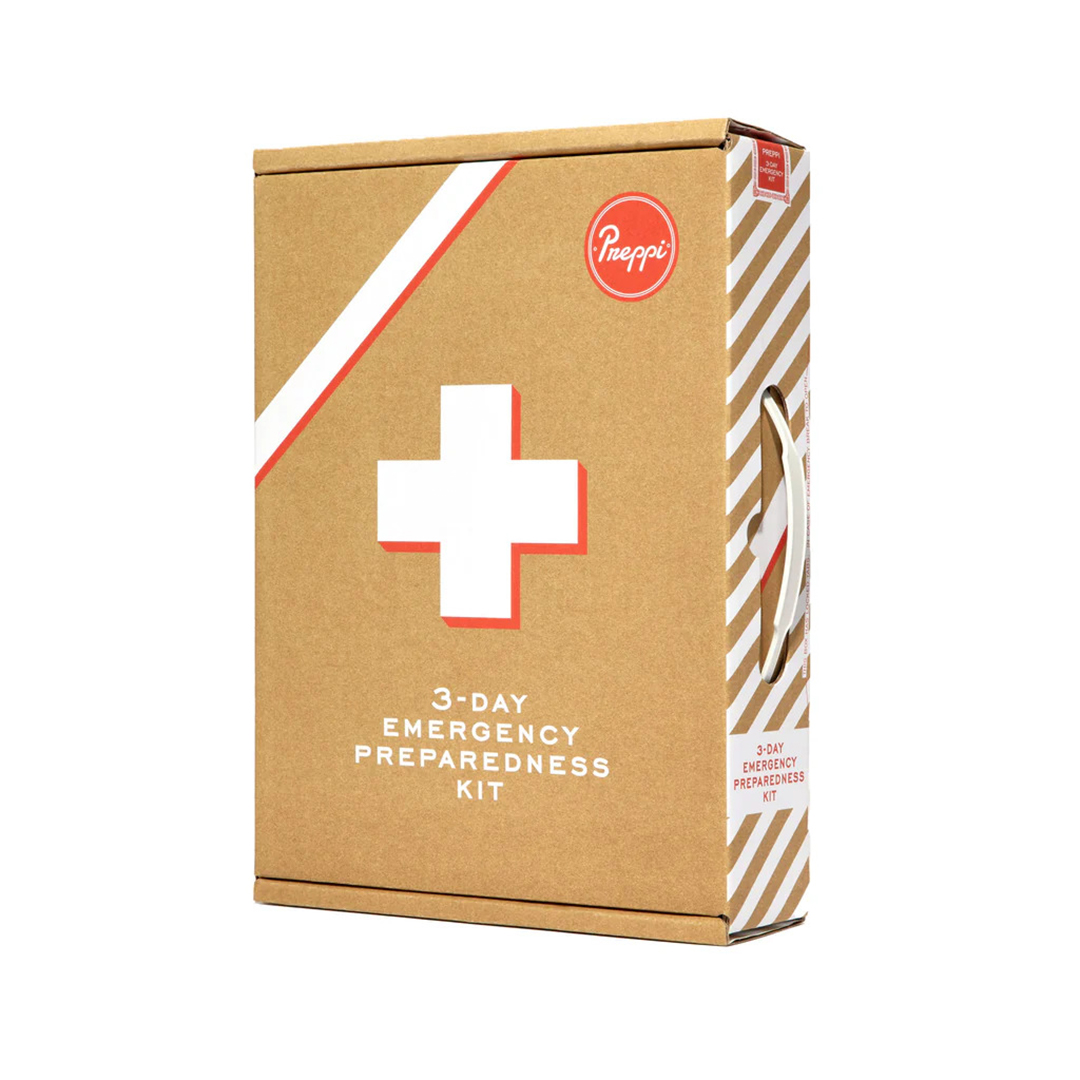
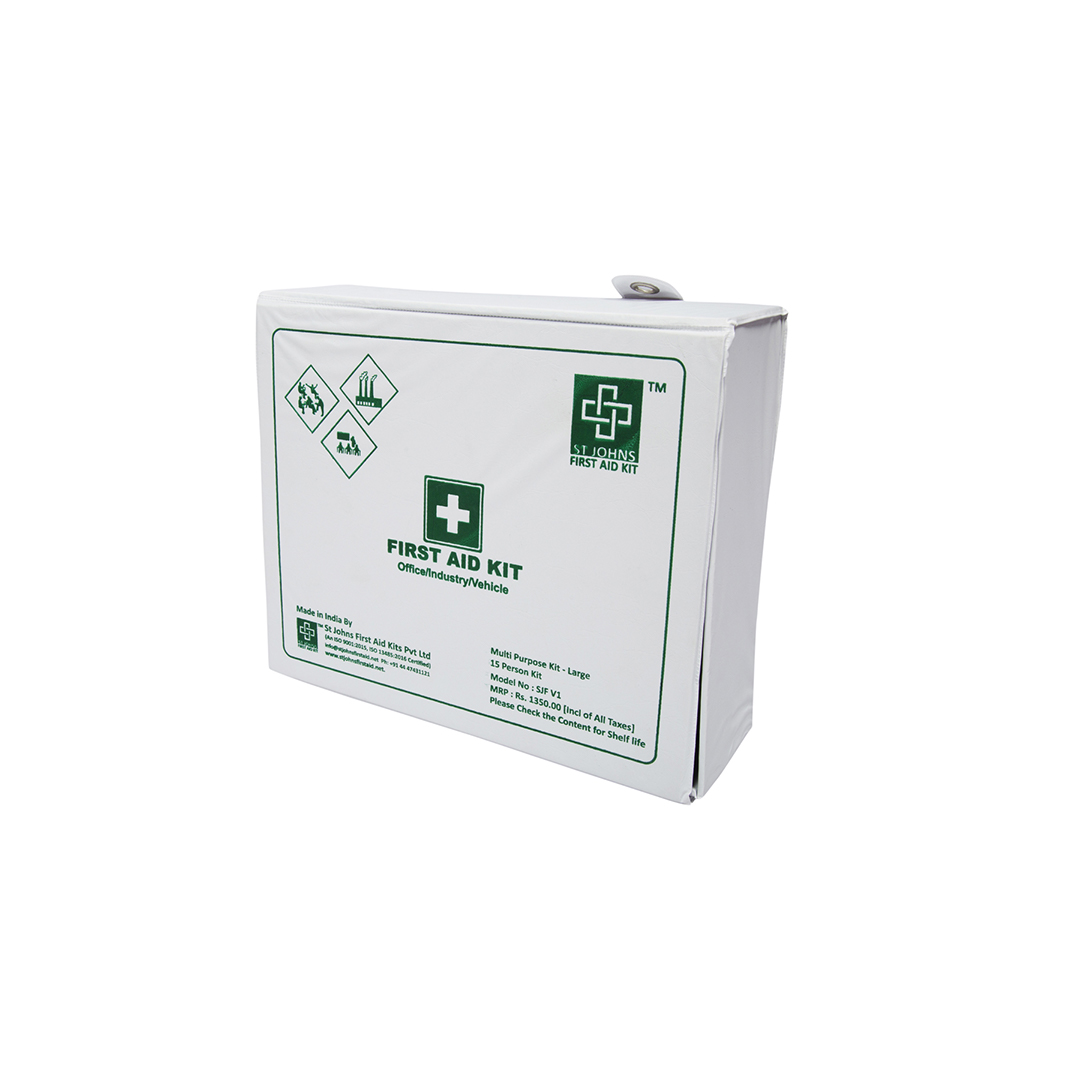
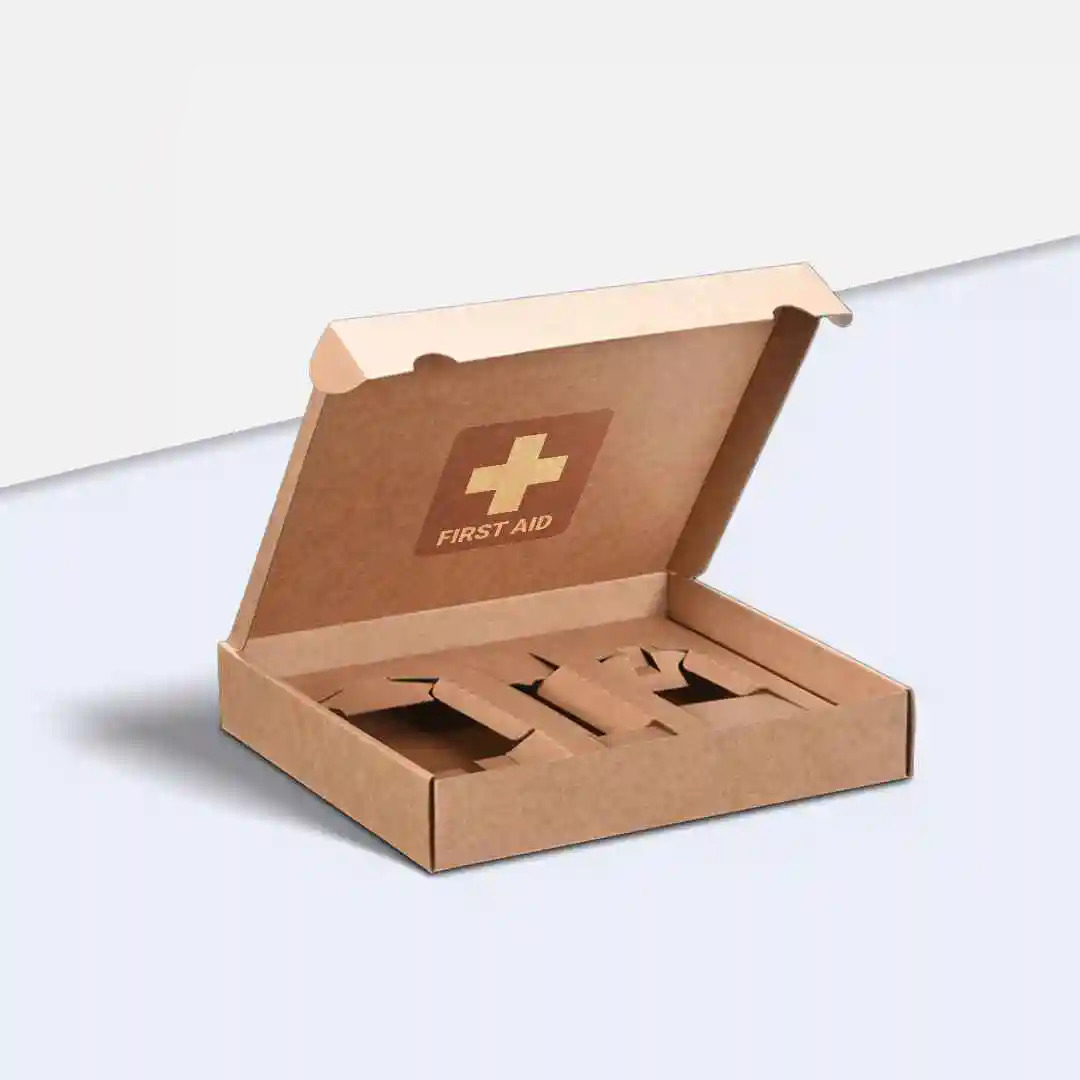
Cardboard First Aid Kit Boxes help you organize bandages, wipes, gloves, ointments, and small tools in a clear, steady pack for homes, workplaces, vehicles, and school projects. With support from Shop Cardboard Boxes you can set up printed first aid cartons in custom sizes, with gloss or matte coatings, Spot UV safety icons, free design help, fast turnaround, and strong board options that suit both serious use and First aid box for kids activities.

Description

Cardboard First Aid Kit Boxes For Homes, Schools, And Workplaces

Cardboard First Aid Kit Boxes help keep bandages, dressings, gloves, ointments, and small tools together in one stable pack. These cartons work well for wall-mounted kits in offices, grab-and-go boxes in vehicles, and compact first aid sets used at home or in classrooms. People often look for ideas like how to make a first aid box with cardboard or how to make a first aid box from a shoebox, and those same ideas can guide how you plan labels, layout, and compartments inside printed cartons.

Health brands and safety teams that already use Cardboard Medical Device Packaging often keep first aid cartons aligned with the same sizes and print style. This supports a consistent look across plasters, instruments, and devices on shelves and in storage areas. It also helps when placing repeat orders by keeping finishes, icons, and box styles uniform across different kit types.

Everyday Use Of Cardboard First Aid Kits In Clinics, Classrooms, And Vehicles

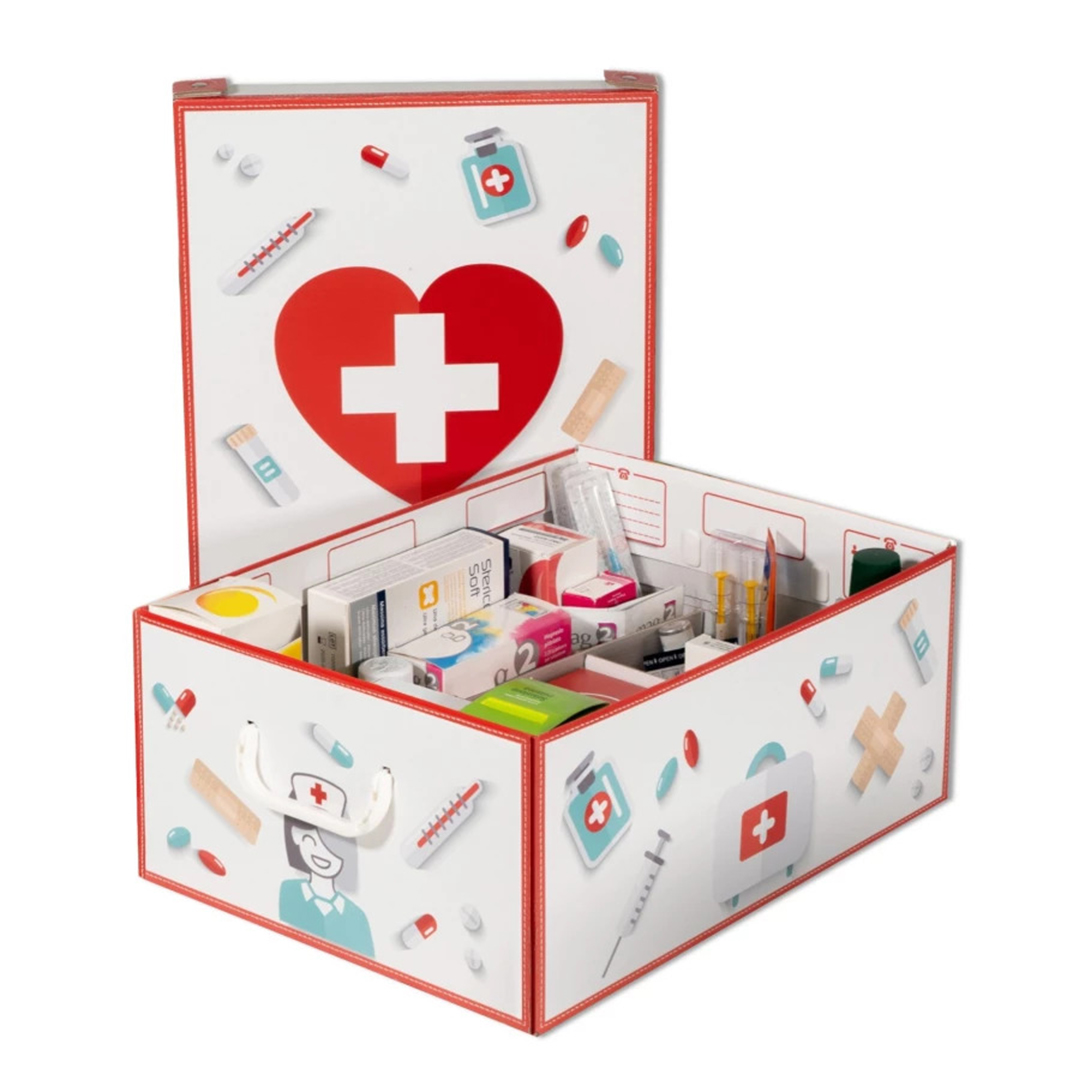
In clinics and small practices, first aid boxes need to open quickly and show their contents without confusion. Cardboard First Aid Kit Boxes can include clear labels on panel edges so staff can identify where burn dressings, eye washes, and wound pads are placed. Simple inner trays or dividers help stop items from sliding to the bottom, which matters in busy rooms.

Classrooms and home learning spaces use these cartons in a different way. Teachers and parents often build first aid kit project ideas around them, showing children what each item does and how to store it. Many school guides that list first aid box items with images use cardboard layouts because the material is easy to label, decorate, and replace when lessons change.

Key Points For Organizing First Aid Kit Contents

  • Use separate sections for dressings, cleaning items, tools, and extra supplies

  • Keep elastic bandages and wraps near the top so they are easy to see and reach

  • Place gloves, masks, and basic protection items close to the opening flap

  • Print simple symbols and color bands on panels so users can identify each section at a glance

  • Reserve one corner for checklists and refill notes so boxes stay updated over time

Steps For Packing Cardboard First Aid Kit Boxes For Transport

  1. Lay out all items on a clean surface and group them by use, such as wounds, burns, and eye care

  2. Place heavier items like bottles at the base and lighter dressings and pads toward the top

  3. Add dividers or trays so scissors, tweezers, and small tools do not press into bandages

  4. Close the box and gently shake it to check for movement, then adjust gaps with pads if needed

  5. Mark the outside with kit type, use location, and review date so staff know when to check contents

First Aid Kit Type Primary Users Recommended Box Style Internal Support Idea Example Contents
Home And Family Kit Parents and household members Compact tuck-end carton Simple tray with two or three sections Plasters, small bandages, wipes, basic tools
Workplace Wall Kit Office and warehouse staff Medium wall-shelf friendly carton Lift-out tray plus rear label panel Mixed dressings, eye wash, gloves, tape, scissors
Vehicle Or Travel Kit Drivers and field teams Slim, sturdy carry carton Tight compartments and elastic loops Travel-size dressings, wipes, foil blankets, gloves
Sports And Activity Kit Coaches and community leaders Wider box with strong side walls Side pockets and long strip sections Wraps, cold packs, large pads, cohesive bandages
First Aid Box For Kids Projects Teachers and students Shoebox style or hinged lid box Card dividers and labeled pockets Sample plasters, cotton, bandage rolls, safe props

Cardboard First Aid Kit Boxes For Bulk Programs And Emergency Planning

Cardboard first aid kit boxes support safety teams, distributors, and health brands when they plan larger, repeat orders. These boxes can be grouped with related ranges, such as Cardboard Boxes By Functionality, so teams can track which sizes match wall kits, vehicle kits, refill packs, and training sets. This makes it easier to map storage areas, plan case packing, and schedule restocks across multiple locations.

Larger runs also support consistency when a safety range expands. The same outer sizes can be used across offices, clinics, gyms, and schools with small artwork changes for each setting. Inner layouts can stay similar while icons, language, and checklists are adjusted to match local requirements and user groups.

How Bulk Packaging Supports Workplaces And Community Sites

In large offices and factories, first aid boxes are often placed in fixed, easy-to-find locations. When Cardboard First Aid Kit Boxes share a consistent outer design, staff can recognize them quickly in corridors and shared areas. This also helps safety officers record placement and track inspection dates.

Community sites such as sports clubs, libraries, and training centers may rely on volunteers. Boxes with readable panels and steady internal layouts can help volunteers locate items faster when needed. Clear review dates and refill instructions support readiness without adding unnecessary paperwork.

Planning Tips For A First Aid Carton Range

  • Separate kit families for home use, workplace needs, schools, and sports clubs

  • Decide which kits need wall labels, window cut-outs, or solid-panel cartons

  • Keep side panels clear for contents lists and simple care symbols

  • Use consistent color coding for kit level, such as small, standard, and extended

  • Match outer sizes to common shipping cases so cartons pack neatly in each layer

Steps For Setting Up A First Aid Kit Supply Program

  1. List all current and planned kits, including contents and target locations

  2. Group them into size families, such as home, workplace, vehicle, and training kits

  3. Choose base carton sizes and inner supports that can be used across multiple kit types

  4. Approve print layouts that leave room for checklists, refill instructions, and safety icons

  5. Arrange production cycles that match your inspection, review, and refill schedule

Size Family Typical Placement Common Contents Case Count Guidance Stock Control Note
Compact Home And Desk Kits Small homes, desks, and personal lockers Basic dressings and cleaning wipes High count per outer case Link reorders to routine household restocking
Standard Workplace Kits Offices, shops, and shared building areas Dressings, gloves, and basic tools Moderate count per case Align with safety checks and audit cycles
Extended Site Kits Warehouses, factories, and gym floors Higher-volume dressings and support items Lower count per case Track usage against incidents and busy seasons
Mobile And Vehicle Kits Cars, vans, buses, and field teams Compact travel-ready contents Mixed count per case Tie orders to fleet size and maintenance routines
Training And Classroom Kits Schools, clubs, and community centers Practice items and sample supplies Flexible case counts Adjust for seasonal projects and class schedules

School Project First Aid Box Items And DIY Ideas

Cardboard First Aid Kit Boxes also support learning activities when adults plan first aid kit project ideas with children. Teachers and parents can turn simple cartons into labeled kits that explain what each item does and when it may be used. Many school guides that list first aid box items with images are easy to follow using cardboard layouts because the box can be divided and labeled clearly.

A project can start with a plain shoebox or a ready-made carton. Children learn how to make a first aid box at home, or how to make a first aid box from a shoebox, by adding dividers, label strips, and simple drawings. They can practice sorting bandage shapes, cotton pads, and safe props into the right sections, building organization habits and basic awareness.

How To Make A First Aid Box With Cardboard For School Projects

When teachers plan a class activity, they usually want steps that are easy to follow and safe to complete. Cardboard First Aid Kit Boxes provide a solid base because they are simple to cut, fold, and decorate. Inner walls can be made from leftover board pieces so each item group has its own space.

Some classes start by sketching or printing item labels with small drawings. These can be placed on dividers or lids so children can match the name to the picture. The same box can be reused later for lessons about emergency numbers, safe storage, and what should not be used without adult guidance.

Project Ideas And Decoration Tips For First Aid Boxes For Kids

  • Use colored card strips to mark sections such as “wounds,” “burns,” or “sprains”

  • Add simple heart, cross, or bandage icons on the front to make the box easy to spot

  • Invite children to create decoration ideas using stickers and safe pens

  • Leave blank spaces so students can add new labels during future lessons

  • Use one side panel as a “what to do first” zone with large, clear text

Simple Steps For A Classroom First Aid Kit Project

  1. Choose a plain carton and mark areas for each item type with light pencil lines

  2. Ask students to place labels, drawings, and colored strips on the sections they will manage

  3. Add sample items or safe props to each section and explain their purpose

  4. Store the finished project box in a visible place for future lessons

  5. Review the box at term end, update labels, and reuse or recycle the cardboard where suitable

Sustainable Storage And Reuse Ideas For First Aid Kit Cartons

Cardboard First Aid Kit Boxes support systems that are easier to maintain and more mindful of resources. Many organizations align reuse and recycling steps through Custom Cardboard Boxes, so sizes and materials remain consistent while kits move through inspection and replacement cycles. Once contents are refreshed or moved to new cartons, older boxes can still be used in practical ways.

In offices and clinics, clean empty cartons can become sorting boxes for spare dressings, training materials, or practice kits. Vehicle and outdoor teams may keep older boxes to hold restock supplies, ready to refill main kits after heavy use. At home, retired first aid cartons often become storage for craft supplies or school project pieces.

Ideas For Reusing Empty First Aid Cartons In Different Spaces

  • Assign one carton in each department or classroom for refill items that top up main kits

  • Use smaller cartons to store training props and laminated instruction cards

  • Turn decorated project boxes into reminder displays for health and safety events

  • Flatten worn cartons and keep them as material for new dividers and labels

  • Collect clean end-of-life boxes for recycling and follow local disposal guidelines

Reuse Idea Who Benefits Most Main Advantage Extra Note Typical Life After First Use
Refill And Review Stock Box Safety officers and supervisors Keeps restock items separate and easy to count Place near storage or audit points Several inspection cycles
Training And Practice Demonstration Teachers and first aid trainers Helps explain items during sessions Combine with classroom item sets Multiple terms
Craft And Learning Storage Families and clubs Stores labels, props, and guides neatly Works well for school projects Many months
Event And Awareness Display Community groups and workplaces Supports safety awareness days Use clear, readable panels Several events
Recycling And Material Recovery Facilities and sustainability teams Supports responsible end-of-life handling Flatten cartons to reduce space Final stage after reuse
Feature Details Material options Finishing choices Add ons and usage
Product name Cardboard First Aid Kit Boxes for homes, schools, workplaces, vehicles Single wall or double wall cardboard Gloss, Matte, Spot UV Holds mixed first aid contents including dressings, wipes, tools, and instruction leaflets
Kit styles and layouts Desktop, wall-shelf, vehicle, and School project first aid box layouts Kraft, white-coated board, colored outer stock Plain print or full-color artwork Fits home kits, office boxes, First aid box for kids sets, and training kits
Inner supports and sections Trays, dividers, pockets, and long strip sections Card dividers, folded board inserts Smooth print-ready surfaces Keeps burns, wounds, eye care, and tools in separate, clearly marked areas
DIY and learning projects How to make first aid box with cardboard and shoebox style projects Easy-cut board that accepts pens, stickers, labels Matte finish for easy writing Suits How to make first aid box from shoebox and First aid kit project ideas in class and at home
Print and information panels Contents lists, checklists, review dates, and simple icon systems CMYK plus spot colors for crosses or warning marks Spot UV on main symbols and title areas Supports School project first aid box items names with images references and quick-scanning panels
Sizes for different locations Compact home kits to larger workplace and sports kits Light-to-medium strength board grades Consistent coating across all sizes Designed for shelves, cupboards, wall brackets, lockers, boot storage, and equipment rooms
Supply and wholesale options Bulk runs for safety teams and health brands Boards from monitored, reliable sources Repeatable finishes for long-term ranges Works with standard shippers and pallet plans in emergency planning and community distribution

1. What Are Cardboard First Aid Kit Boxes Used For?

Cardboard First Aid Kit Boxes are used to store and present first aid essentials in one clear, labeled container. They hold bandages, wipes, gloves, ointments, and small tools so users can see the contents at a glance. In this way, families, staff, and students can find specific items more easily during minor incidents and training sessions.

2. How Do These Boxes Support “How To Make First Aid Box With Cardboard” Projects?

When people search “How to make first aid box with cardboard” they usually look for a simple structure that is easy to cut, fold, and decorate. These cartons already have solid walls and defined panels, so students only need to add labels and inner dividers. Teachers can turn each box into a project that explains item placement, safe storage, and basic safety notes.

3. Can I Adapt A Shoebox Style For “How To Make First Aid Box From Shoebox”?

Yes, the same basic ideas behind “How to make first aid box from shoebox” can be applied to printed first aid cartons. The outer shell can act as the main kit while inner sections are built from spare card. This keeps the project familiar for students while using packaging that is suitable for everyday handling.

4. How Do These Cartons Help With “School Project First Aid Box Items Names With Images”?

Cardboard First Aid Kit Boxes provide flat panels and inner dividers where labels and pictures can be placed. For “School project first aid box items names with images,” each section can carry both the name and a small drawing or printed icon. This arrangement can make it easier for children to remember what each item does and to understand the kit during lessons.

5. What Are Some “First Aid Kit Project Ideas” That Use These Boxes?

First aid kit project ideas can include building mock kits, sorting safe sample items, and working through simple practice scenarios. Students can set up sections for wounds, burns, and sprains using labeled spaces inside the box. Later, the same carton can be used as a display during health-themed weeks or reused for additional classroom activities.

6. How Can I Add “First Aid Box Decoration Ideas” Without Hiding Important Information?

Decoration can be kept around the outer edges and corners while leaving key text areas clear. “First aid box Decoration ideas” may focus on symbols, borders, and color bands rather than dense artwork across labels. This approach allows the kit to look visually engaging while dosage notes, emergency numbers, and contents lists remain easy to read.

7. Are These Boxes Suitable For A “First Aid Box For Kids” At Home?

Cardboard First Aid Kit Boxes can be used for a “First aid box for kids” when adults control and monitor the actual contents. Parents can add child-friendly icons and color coding to explain what each section holds. Under adult supervision, children can learn where items are stored and when they should ask for help, without treating the kit as a toy.

8. How Do These Cartons Fit Into Workplace Safety Plans?

In workplaces, these cartons support safety plans by providing a clearly marked location for first aid supplies in each area. Boxes can be sized for desks, corridors, or wall brackets and printed with review dates and location notes. Safety officers can list each box on inspection checklists so checks and refills follow a consistent pattern.

9. Can I Use Cardboard First Aid Kit Boxes In Vehicles And Field Work?

Yes, they can be adapted for vehicles by using tighter, more secure inner layouts. Travel-focused kits often use slim boxes that fit into glove compartments, seat pockets, or boot organizers. With firm lids and organised compartments, items are less likely to move out of place when vehicles travel over uneven roads.

10. How Do These Boxes Help With Training And Drills?

Cardboard First Aid Kit Boxes are often used in training because they resemble the layout of real kits while remaining light and easy to handle. Trainers can place demonstration items and laminated instruction cards into separate compartments to show how to search the box in a calm, ordered way. After each drill, items can be returned to the same sections so learners become familiar with the layout over time.

11. Are These Boxes Strong Enough For Regular Opening And Closing?

They can be produced with board grades that suit frequent use in busy environments. Hinges, tuck flaps, and reinforced edges can be specified so the box tolerates repeated checks and refills. When a carton eventually wears out, it can be replaced with a new unit while inserts and labels are transferred, keeping the internal arrangement similar.

12. How Do Cardboard First Aid Kit Boxes Support “School Project First Aid Box Items” Work Over Several Terms?

Because the material is easy to write on and update, the same kit can be used across multiple rounds of lessons. Teachers can refresh labels, change sample items, and add extra guidance cards as classes progress. When the box is no longer in good condition, its layout and components can inform new “How to make first aid box at home” projects using replacement cartons.

13. Can These Boxes Be Used With Other Medical Packaging Ranges?

Yes, they can be grouped with outer shippers and related health packaging such as device or medication cartons. A consistent style across cardiac kits, burn sets, and general first aid boxes makes shelves and cupboards easier to scan. In this way, storage areas can be arranged so different types of medical support items are kept in clearly defined positions.

14. How Should I Choose Sizes For Home, School, And Workplace Kits?

A simple method is to list what each kit needs to contain and group items by location and risk level. Home kits and “First aid box for kids” projects usually require fewer components than large workplaces or sports venues. By matching contents to a small set of standard sizes, storage and refilling can be kept more orderly.

15. Are Cardboard First Aid Kit Boxes Suitable For Recycling After Use?

Many of these cartons can enter standard cardboard recycling streams once labels and any non-board parts are removed, subject to local rules. Before they are recycled, they can be reused for storage, training props, or “School project first aid box items” displays. This layered use means each box can serve several roles before reaching its end-of-life stage.

Built for protection

Material Strength and Box Structure

The strength of a cardboard box plays a critical role in protecting products during storage, handling, and transportation. Our boxes are manufactured using reliable materials and structural designs to match different load and usage requirements.

Single Wall Cardboard Boxes

Suitable for lightweight products and short-distance shipping. These boxes provide dependable protection while keeping packaging costs economical.

  • Ideal for retail and inner packaging
  • Easy to handle and stack
  • Cost-effective solution

Double Wall Cardboard Boxes

Designed for medium to heavy products that require additional strength and resistance during shipping and storage.

  • Extra cushioning and rigidity
  • Suitable for long-distance transport
  • Improved stacking strength

Triple Wall Cardboard Boxes

Built for maximum durability, these boxes are suitable for heavy-duty industrial shipping and high-load packaging requirements.

  • Excellent load-bearing capacity
  • Enhanced protection against impact
  • Recommended for bulky items

Corrugated Cardboard Boxes

Corrugated structures combine strength and flexibility, making them a reliable option for everyday shipping and storage needs.

  • Shock absorption and strength
  • Versatile across industries
  • Supports sustainable packaging
Practical applications

Where These Cardboard Boxes Are Commonly Used

These cardboard packaging boxes are designed to support multiple industries and everyday business needs. Their structure, strength, and finish make them suitable for both protection and presentation.

Food Packaging

Suitable for bakeries, takeout food, snacks, burgers, and pizza packaging where freshness and structure matter.

Retail & Shelf Display

Ideal for retail packaging, in-store display, and branded presentation of consumer products.

Shipping & Logistics

Designed to protect products during transit, stacking, and long-distance transportation.

Storage & Organization

Useful for organizing inventory, documents, seasonal items, and warehouse storage.

Gifting & Events

Suitable for gift packaging, promotional events, holidays, and special occasions.

Subscription Boxes

A reliable choice for monthly subscription services that require consistent sizing and durability.

Flexible customization

Customization Options to Match Your Packaging Needs

Choose the size, shape, printing, and finish that fits your product and branding goals. Our customization options are designed to support both standard packaging and fully branded solutions.

Sizes and Shapes

Select from standard dimensions or request custom sizes and structures to fit your product precisely.

  • Large, medium, and small boxes
  • Cube, rectangular, and specialty shapes
  • Custom dimensions available

Printing and Branding

Enhance visibility with high-quality printing that reflects your brand identity.

  • Digital and offset printing
  • Full-color CMYK printing
  • Pantone color matching

Coating and Finishes

Choose surface finishes that add protection and improve the visual appeal of your packaging.

  • Matte and gloss coating
  • Spot UV for highlighted areas
  • Soft-touch finish

Premium Add-Ons

Optional enhancements that help your packaging stand out on shelves and during unboxing.

  • Foil stamping
  • Embossing and debossing
  • Window cut-outs

Let’s work together

Get in touch today and receive a complimentary consultation.