





Description
Cardboard Camera Lens Boxes For Storage And DIY Camera Projects
Cardboard Camera Lens Boxes help photographers, studios, and learners keep lenses safe, sorted, and easy to handle. Some mixed tech shipments also use Cardboard WiFi Device Boxes so camera gear and small network devices can follow one stable packing system that stacks cleanly on shelves and pallets. Each box supports the lens body, protects glass elements, and provides a neat surface for labels, barcodes, and product details.
These boxes work well for primes, zooms, macro lenses, and specialty units when brands want consistent outer sizing and clear identification. The sturdy cardboard structure reduces dents during routine storage and helps keep lens accessories from rubbing against the barrel. This supports a cleaner organization flow in retail back rooms and rental shelves.
Daily Use In Studios, Rentals, And Training Spaces
In busy studios and rental houses, a clear home for every lens makes check-outs and returns easier to manage. A slim box for primes, a longer box for telephoto zooms, and a medium height format for macro lenses help keep shelves tidy and reduce mix-ups. When the outer panels carry readable focal length and mount details, new staff can place items in the correct row without guessing. This improves the speed of sorting during peak production schedules. The consistent shapes also help reduce accidental stacking pressure on delicate lenses.
Education spaces also benefit from the same organized format. Schools and workshops store demonstration lenses and training kits in labeled cartons so items don’t shift between classes. The boxes can move between storage and hands-on learning without losing their shape quickly. This keeps lesson materials easier to track across multiple sessions. Over time, the same packaging supports both careful handling and simple classroom management.
Lens Storage And Handling Highlights
- Strong yet light board helps protect lenses without adding heavy shipping weight
- Flat tops and clean edges support stable stacking on racks and in outer cartons
- Plain inner walls make it easier to add foam rings or simple board cradles
- Clear outside print supports quick recognition in studios and rental stores
Packing Workflow Notes
- Check lens caps and hood are fitted before placing the lens in its box
- Seat the lens against the insert or pad so it cannot roll inside the cavity
- Close flaps firmly and apply tape or locking tabs based on your packing style
- Place boxes upright in shipping cases so labels remain visible from above
- Mark outer cartons with lens counts and series names for faster stock checks
| Lens Category | Typical Box Style | Insert Or Padding Idea | Main Use Case | Extra Handling Note |
|---|---|---|---|---|
| Kit zoom lenses | Short rectangular format | Simple end pads | Entry-level camera bundles | Keep labels facing front on retail shelves |
| Fast prime lenses | Compact narrow format | Single cavity cradle | Wedding and portrait kits | Mark the focal length clearly on the side panels |
| Telephoto zoom lenses | Long reinforced format | Full-length barrel cradle | Sports and wildlife shipping | Add side supports for long-distance moves |
| Macro and close-up | Medium height format | Center ring with soft wrap | Product and detail studios | Store upright to protect focus assemblies |
| Vintage and rare | Custom-measured format | Foam lining with soft wrap | Collector storage and resale shipments | Note the mount and year on the outside |
Cardboard Camera Lens Boxes For Bulk Storage And Shipping Programs
Cardboard camera lens boxes wholesale supply helps studios, rental houses, and online sellers keep storage and shipping plans steady across seasons. Many brands align these cartons with Cardboard Boxes By Functionality, so camera gear, gadgets, and accessories follow a related packing pattern that teams can learn once and apply across the warehouse. Bulk availability ensures spare cartons are ready when new stock arrives or when older packaging wears down after heavy use.
Standardized footprints also support consistent stacking inside master cases and on pallets. When each lens family has a known box size, packers can predict layer counts, reduce space, and lower the risk of movement damage during transport. This supports smoother launches and faster restocking cycles.
Why Professional Teams Rely On Dedicated Lens Cartons
Professional teams move lenses constantly between shelves, cases, and shipping lines. Dedicated cartons give each lens a stable shell that can handle daily handling without frequent replacement. Labels and printed icons guide staff toward the correct model while keeping the barrel separated from harder objects around it. This reduces avoidable cosmetic scuffs and packaging wear. The result is a system that supports both speed and care.
Rental houses also use consistent cartons to separate series by type and size. A simple visual and size-based organization method helps staff spot missing items quickly by looking for gaps in orderly rows. This reduces last-minute errors when kits return in a hurry. It also keeps inventory checks more predictable. Over time, the same structure supports better operational control.
Wholesale Planning Highlights
- Align outer sizes with common shipper cartons to reduce filler needs
- Use consistent panel positions for barcodes and tracking IDs
- Keep side text short for faster shelf scanning during stock checks
- Match board thickness to lens weight and shipping distance
Set Up Steps For A Consistent Program
- List all lenses and divide them into practical size groups
- Choose shared outer dimensions for each group to simplify cutting
- Select insert styles that match the lens shape and route needs
- Plan print layouts so key information appears in the same positions
- Test trial quantities in real packing conditions before scaling up
| Size Group | Outer Box Footprint | Insert Approach | Typical Order Style | Stock Control Note |
|---|---|---|---|---|
| Compact lens series | Small footprint | Simple cavity with pads | High repeat rental orders | Easy to count in tight shelf rows |
| Mid-range lens series | Medium footprint | Board cradle with end pads | Mixed studio and retail distribution | Works well in layered master cartons |
| Long lens series | Extended footprint | Full-length cradle and wraps | Lower volume, higher unit value | Mark cartons clearly for careful handling |
| Education lens sets | Mixed footprint group | Flexible dividers and wraps | Bulk orders for schools | Label by kit type for each course |
| Collector lens runs | Custom footprint | Foam lining and stiff pads | Limited special batches | Record sizes for future repeats |
Sustainable Use And Classroom Builds With Camera Lens Cartons
Cardboard Camera Lens Boxes also support long-term reuse in studios, schools, and home setups. Many teams coordinate their broader cardboard ranges through Shop Cardboard Boxes, so storage formats remain consistent while cartons rotate from shipping to shelf storage and later recycling. This approach supports a cleaner internal system without changing box logic across departments.
Before they reach end-of-life, cartons often serve as storage for filters, small tools, and accessories. In classrooms, they can also support simple learning builds that introduce lens care and light basics in a low-cost way.
Reuse Ideas For Education And Creative Learning
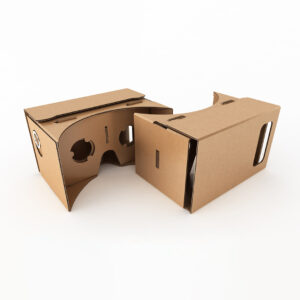
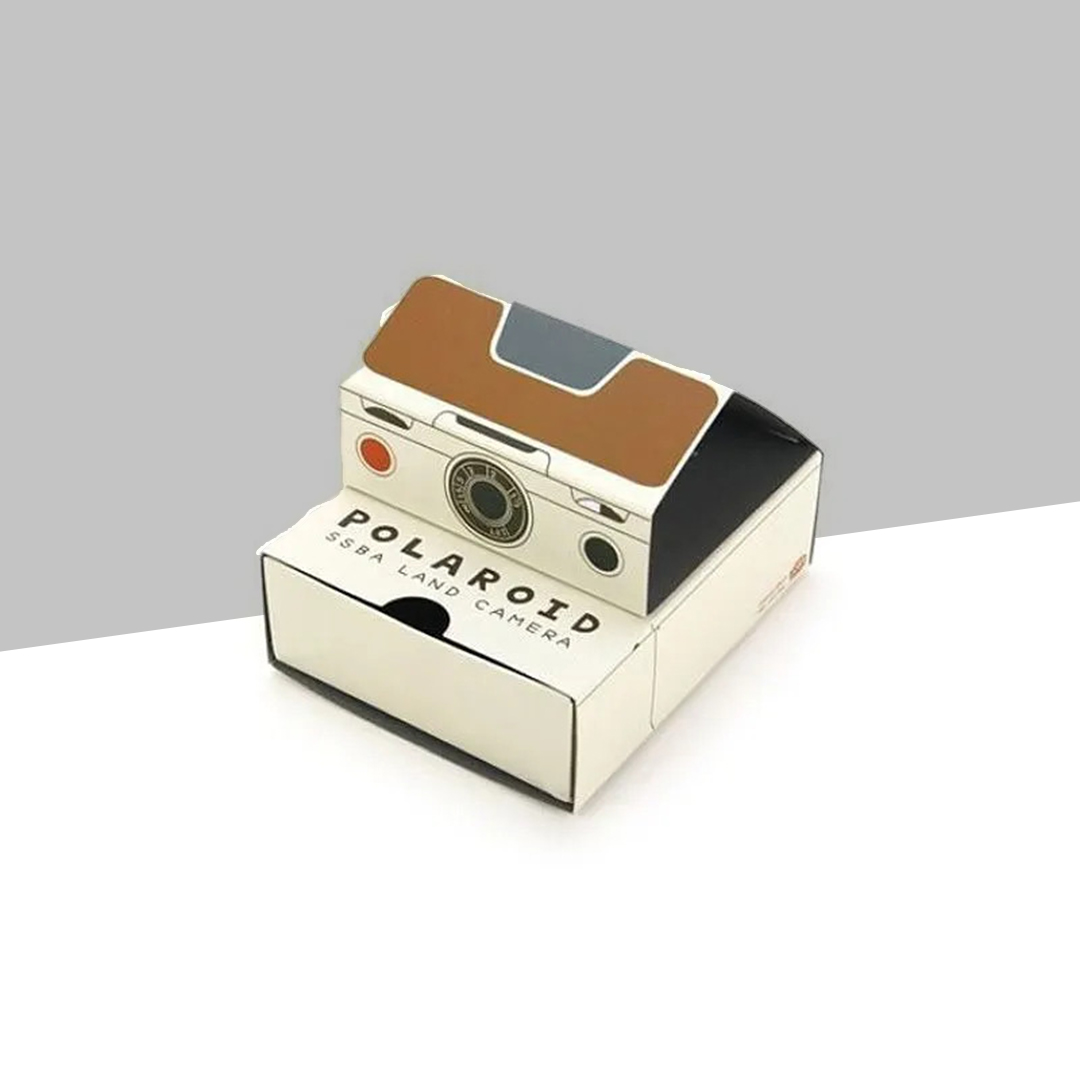
Cardboard camera lens boxes diy ideas often grow from these same shapes after the original product cycle ends. Empty cartons can turn into a Cardboard Camera Template for hands-on lessons, a Cardboard Movie Camera Prop for basic set design, or a simple Pinhole camera box using scissors, tape, and paper. Teachers and parents use these builds to explain framing, handling discipline, and how light travels before learners work with expensive equipment. This also keeps class materials organized by project type. The same cartons can be labeled by course or activity for easier reuse.
At home or in studios, spare cartons are often kept for resale, shipping or safe storage during moves. When a box finally wears out, it flattens easily and fits cleanly into recycling streams based on local rules. Simple material notes on the panel can help users sort it correctly. This supports a tidy loop from first use to second life and then disposal. The overall value extends well beyond a single shipment.
Reuse And Care Highlights
- Store flattened cartons in a dry, clean space to keep them usable
- Label sides clearly when boxes shift from lens storage to project storage
- Group reused cartons by size to simplify stacking in cupboards
- Encourage teams or students to suggest new reuse ideas for workshops
- Track which sizes last longest to guide future ordering
Simple Reuse Workflow
- Inspect boxes for corner weakness before reusing for shipping
- Assign boxes to lens, accessory, or project categories
- Add soft pads for delicate parts if the box becomes a storage box
- Keep a small reserve for resale or emergency packing needs
| Reuse Idea | Who Benefits Most | Main Advantage | Extra Note | Typical Life After First Use |
|---|---|---|---|---|
| Long-term lens storage | Photographers and studios | Guards lenses during moves and travel | Label with focal length and mount | Many years if kept dry |
| DIY camera and science projects | Schools and families | Extends packaging into learning tools | Supports simple light demonstrations | Several school terms |
| Craft and art supply storage | Hobby groups | Keeps small items sorted and stackable | Easy to label and rearrange | Varies by project cycle |
| Resale and shipping support | Second-hand sellers | Protects lenses in resale delivery | Original branding supports clarity | At least one more shipping cycle |