






Description
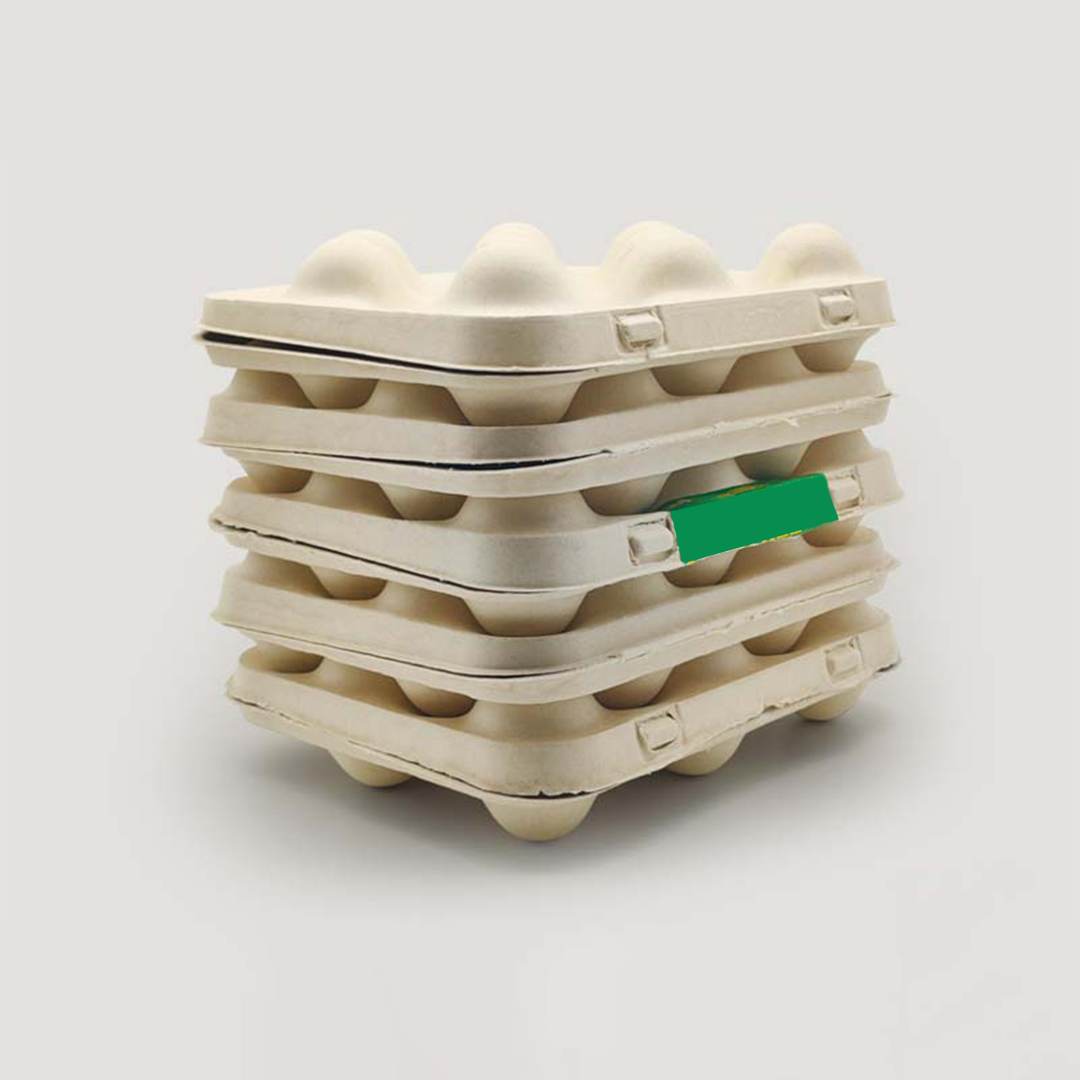
Strong Egg Trays For Poultry Transportation And Daily Loading
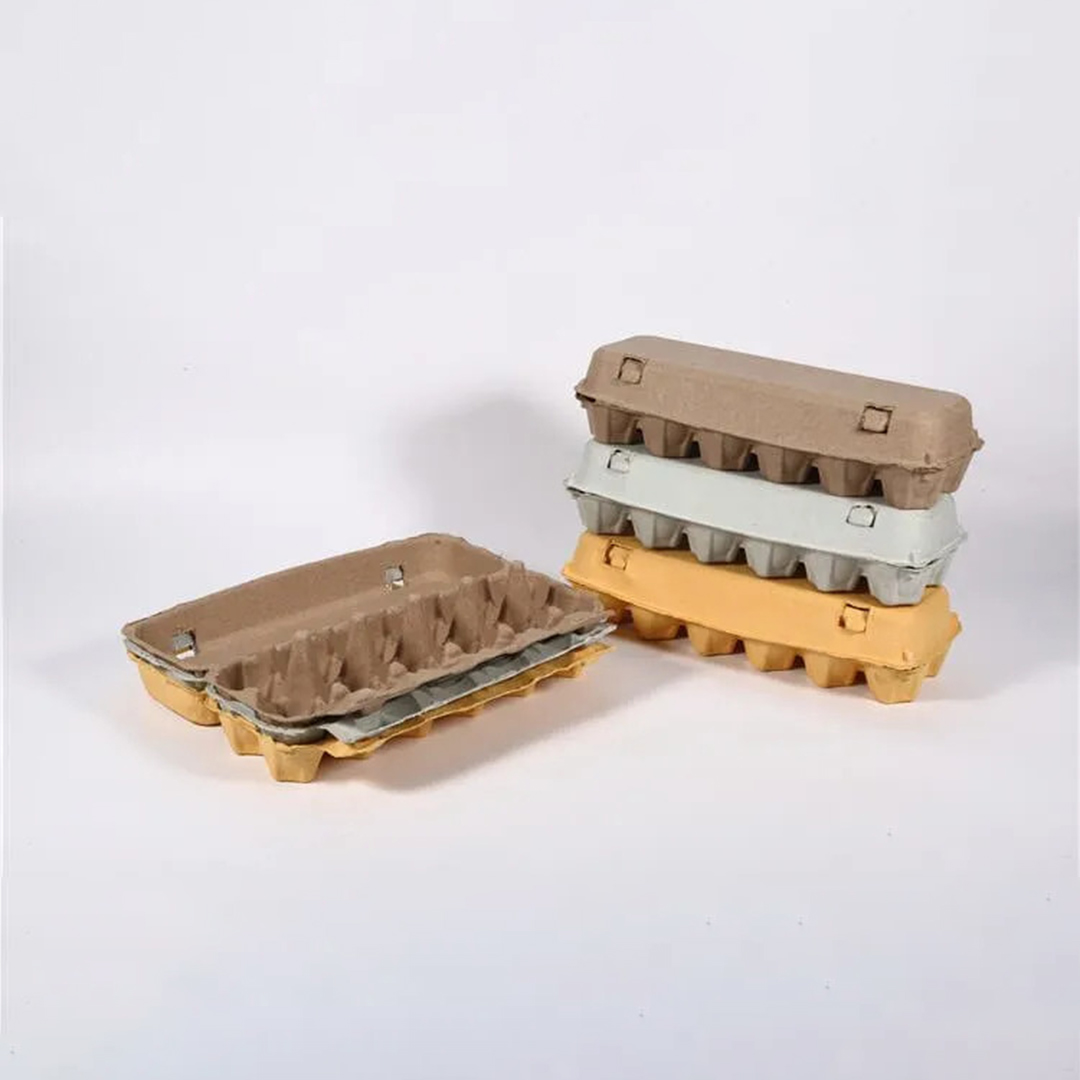
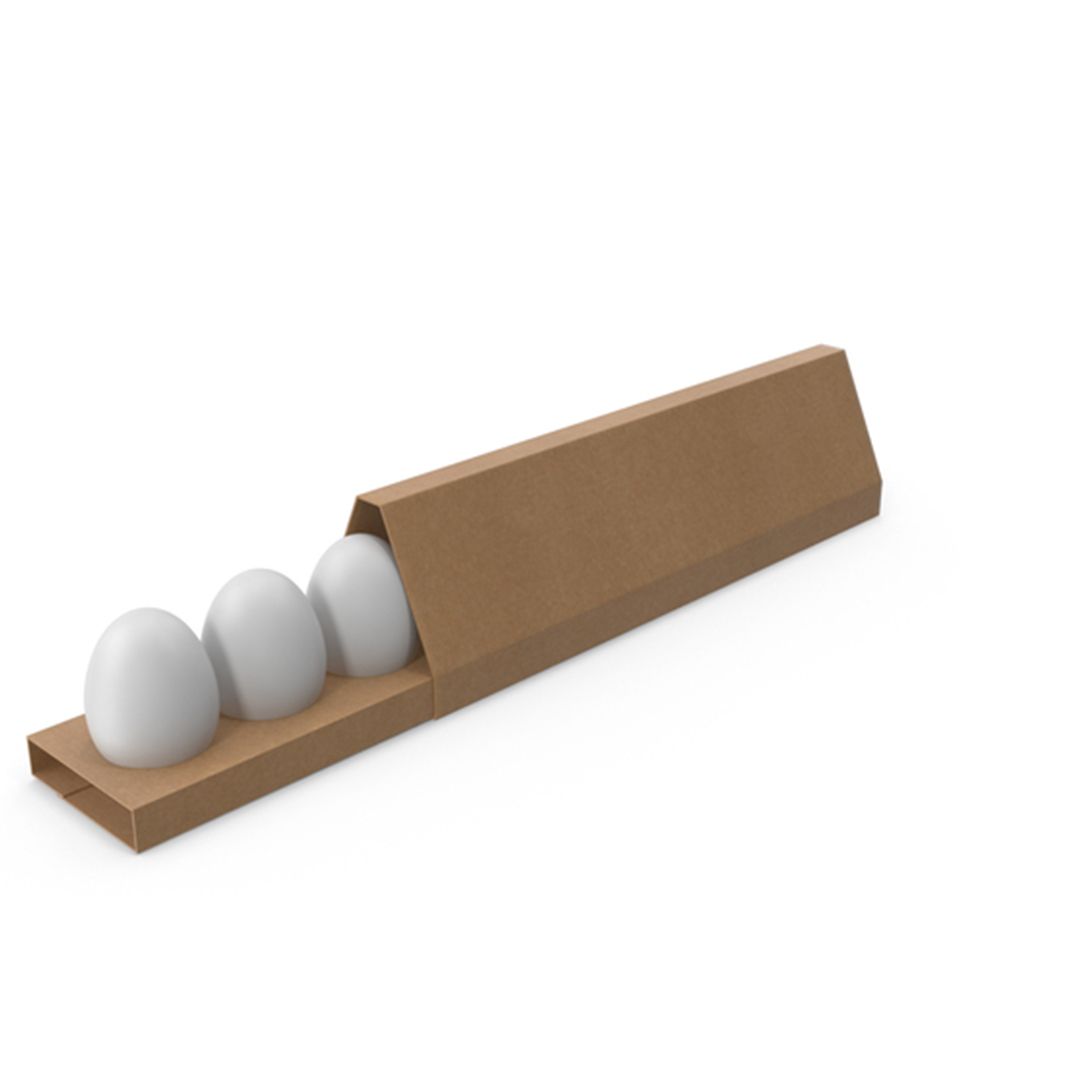
Cardboard egg trays are used by farms and suppliers to move eggs from collection zones to storage rooms with fewer cracks and pressure marks. They support bulk handling and keep eggs separated in individual pockets to reduce contact during transport. Some poultry counters keep Cardboard Milk Bottle Holders nearby when dairy bottles are displayed close to egg counters, so both product lines remain arranged within the same area.
These trays are used during morning collection shifts and can reduce egg-to-egg contact during movement. Their lightweight structure makes lifting and stacking easier when eggs are transferred from farm racks to delivery vehicles, especially during repetitive handling.
How Egg Trays Improve Farm Loading Speed
These trays can reduce handling time by letting workers carry multiple eggs together while keeping them separated in pockets. Their organized shape supports farm routines and keeps eggs arranged during busy hours when teams are clearing nesting areas or preparing delivery rounds.
The pockets spread the weight across the tray, so pressure is not concentrated on a single point. This helps workers move stacks between tables, trolleys, and vehicle bays and can reduce the chance of knocks leading to cracked shells.
Key Handling Benefits Of Strong Egg Trays
-
Helps workers move large batches of eggs in one carry
-
Supports lifting with less pressure on individual shells
-
Distributes weight across the tray to reduce stress points
-
Improves control during quick movement in busy farm corridors
Operational Advantages For Poultry Loading Teams
- Helps farms manage high-volume shifts during peak laying periods
- Supports regular delivery cycles with fewer damaged units
- Reduces breakage during loading and unloading steps
- Works for both small farms and larger poultry units
| Feature | Details | Material Options | Finishing Choices | Add-Ons And Features | Usage Application |
|---|---|---|---|---|---|
| Loading Capacity | Holds multiple egg layers at once | Kraft, fiber sheet | Matte, gloss | Extra depth and support ribs | Farm loading and collection points |
| Transport Safety | Reduces egg contact during movement | Corrugated sheet | UV finish | Support ridge and corner braces | Delivery units and transport crates |
| Handling Comfort | Lightweight format for frequent lifting | Fiber mesh | Smooth coating | Vent grid openings | Poultry zones and packing sheds |
| Size Range | Covers small to large grading sizes | Thick board | PMS print if needed | Label option areas | Retail storage and grading rooms |
Large Cardboard Egg Trays For Bulk Storage And Market Display
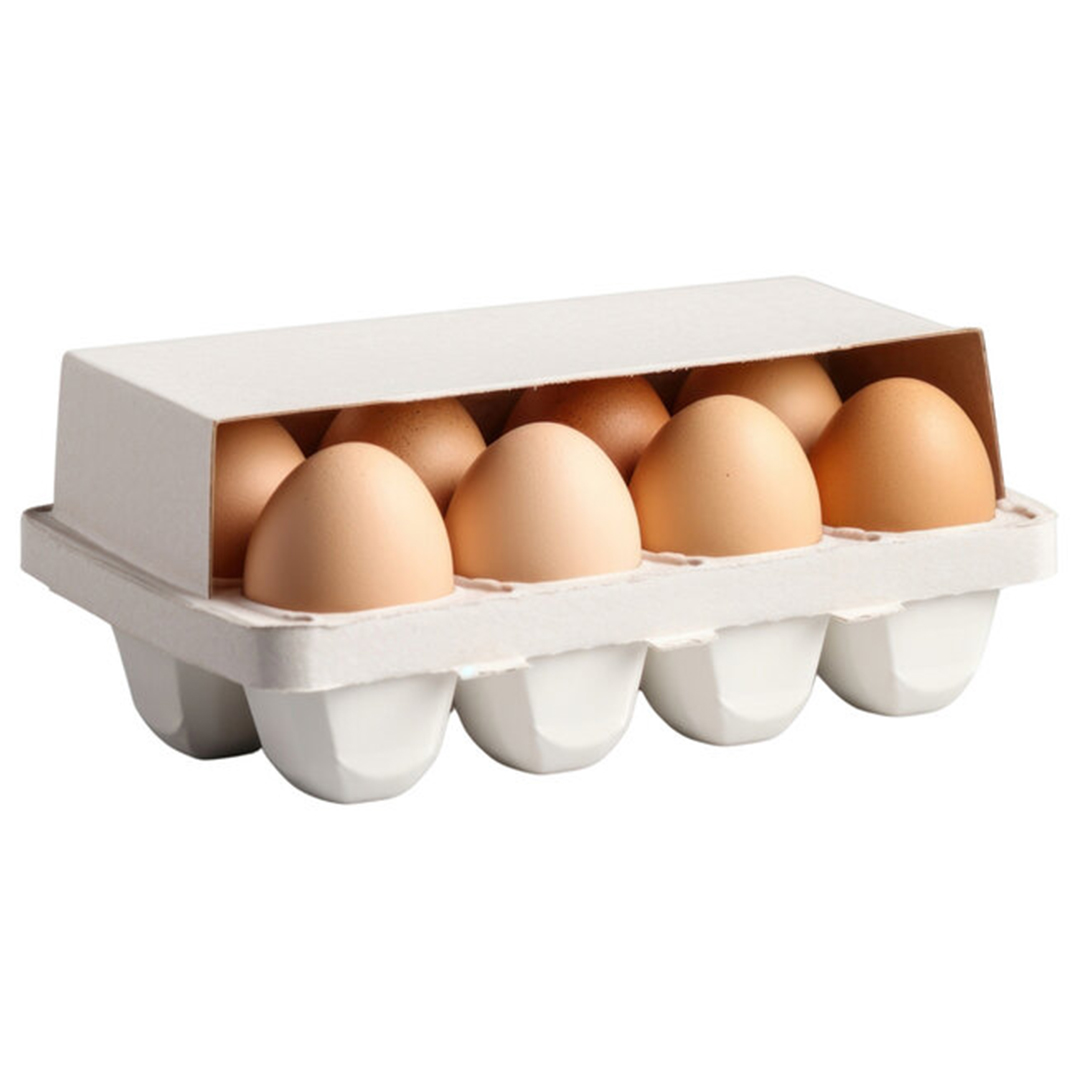
These trays are used by farms and stores that manage large egg quantities each day. Their pocket design keeps eggs separated, which helps workers build neat layers on racks and trolleys. Farm supply managers often group related carton-based items under ranges like Food Related Cardboard Boxes when planning store inventory, so egg trays, cartons, and other food packs follow compatible dimensions.
Large egg trays allow eggs to stay arranged in straight rows during storage and shelf placement. This supports cold rooms and shop shelves where eggs need to remain visible while staff need stable stacks during restocking.
Why Large Egg Trays Support Clean Market Display
These trays help keep eggs arranged so customers and staff can see them without repeated handling. The pocket layout limits rolling and helps trays sit evenly on flat surfaces, keeping rows aligned along counter edges or inside display cabinets.
Because eggs sit in separate pockets, grading and sorting can be done with more consistency. The layout makes it easier to remove damaged eggs, keep sizes grouped, and limit direct contact with individual eggs during routine checks.
Display And Storage Advantages For Retailers
-
Creates uniform rows for display counters in markets and stores
-
Supports arranged storage on racks and in chill rooms
-
Improves visibility for quality checks and grading
-
Limits repeated handling of individual eggs during sorting
Practical Reasons To Use Large Trays In Markets
- Useful for buyers who refill outer cartons regularly
- Supports grading and sorting routines before packing into retail cartons
- Helps reduce pressure marks on shells during longer storage periods
- Useful for seasonal high-demand periods such as festivals and holidays
| Feature | Details | Material Options | Finishing Choices | Add-Ons And Features | Usage Application |
|---|---|---|---|---|---|
| Display Support | Neat layout for sale counters and trays | Kraft, fiber | Matte, gloss | Pocket depth set for egg size | Retail markets and roadside stalls |
| Storage Strength | Holds stacked weight across layers | Corrugated fiber | Anti-scratch | Firm grid and edge strength | Poultry coolers and back-room racks |
| Airflow Design | Open sides for ventilated storage | Vent sheet | Smooth finish | Moisture control channels | Egg bays and ventilated storage areas |
| Print Flexibility | Space for grading labels and codes | SBS | PMS ink | Logo marks or simple codes | Wholesale stores and distribution centres |
Balanced Egg Storage With Lightweight Cardboard Trays
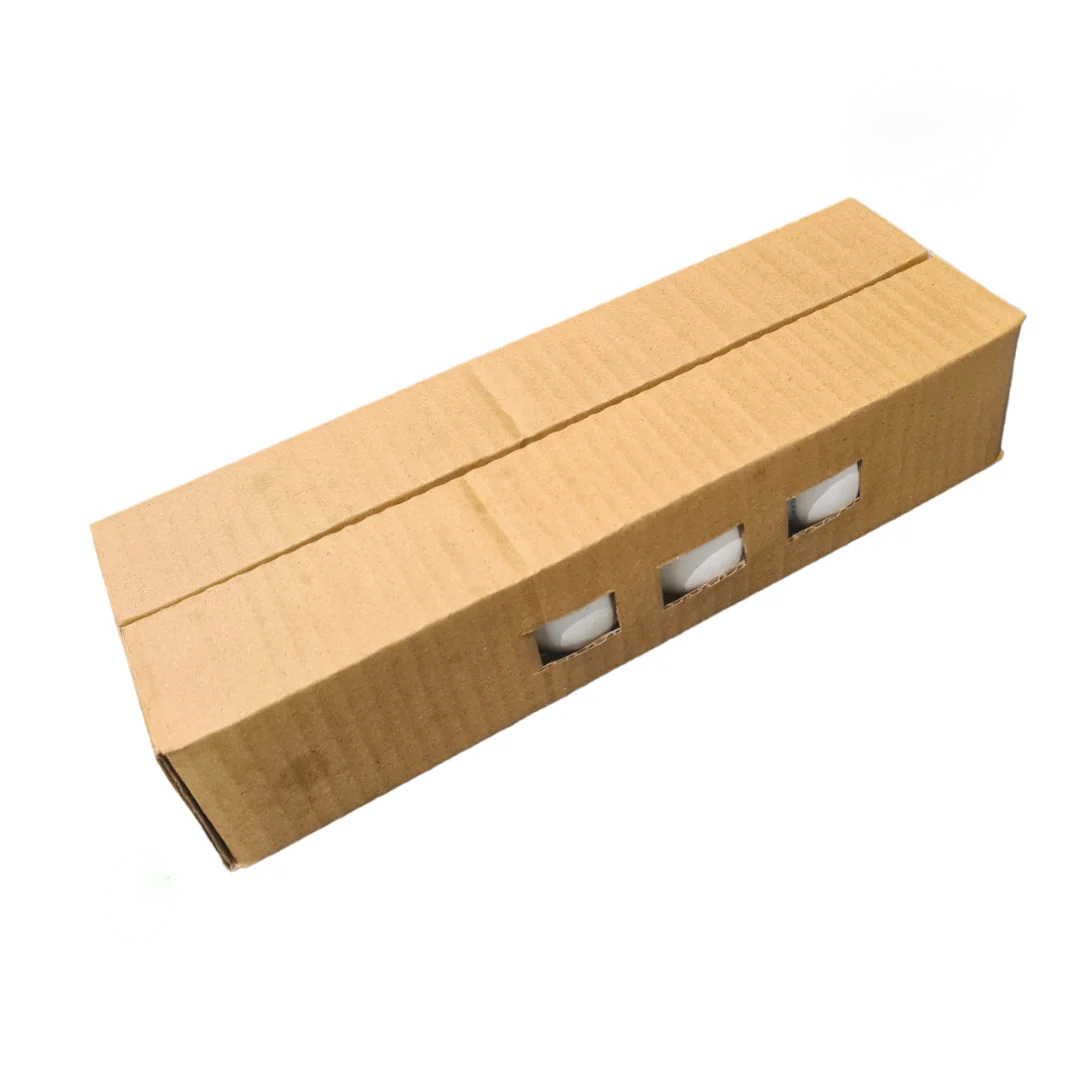
Cardboard egg trays help workers arrange eggs evenly in poultry barns and retail storage areas. They reduce rolling, provide a flat base, and reduce shifting during handling. Many buyers who manage poultry sections keep related carton-based goods within Custom Cardboard Boxes ranges, so egg trays, outer cartons, and other packaging formats work together within the same system.
These trays maintain balance when stored on shelves, inside boxes, or in warehouse racks. Workers can lift, shift, and restack eggs more smoothly because the layout helps keep loads stable while still allowing airflow around each egg in ventilated storage.
How Balanced Trays Improve Egg Quality And Handling
The design supports different egg sizes, allowing small and large eggs to be managed in the same tray style while keeping order. This can help farms maintain consistency during grading and reduce the number of tray types they need to keep in storage.
By spreading contact points across the shell surface, the tray reduces localized pressure and vibration. This can reduce stress cracks during longer journeys and while trays are stacked in storage bays, which helps eggs arrive with fewer shell issues for retailers and end customers.
Stacking And Handling Benefits For Poultry Operations
-
Ensures uniform placement for multiple egg sizes within one tray family
-
Reduces surface pressure on delicate shells during storage and transport
-
Works for both compact and large poultry operations in the same format
-
Improves stacking stability in storage halls and vehicle compartments
Practical Reasons Balanced Trays Help Daily Routines
- Useful for egg carton suppliers and similar distribution setups
- Helps reduce stress cracks during transport over uneven routes
- Allows staff to move trays quickly without upsetting egg arrangement
- Supports clear visual arrangement for counting and stock checks
| Feature | Details | Material Options | Finishing Choices | Add-Ons And Features | Usage Application |
|---|---|---|---|---|---|
| Egg Fit | Suitable for mixed batches of egg sizes | Molded fiber | Matte, gloss | Deep cups to cradle shells | Poultry rooms and grading lines |
| Strength Level | Supports longer storage and frequent handling | Kraft fiber | UV coat where required | Extra lining or reinforcement | Wholesale centres and farm hubs |
| Shock Absorption | Reduces vibration damage in transit | Fiber mold | Smooth finish | Vent slits and flexible pockets | Delivery routes and regional transport |
| Brand Space | Optional zone for codes or logos | Coated board | PMS colors | Label area or simple brand strip | Retail sections and branded egg displays |