






Description
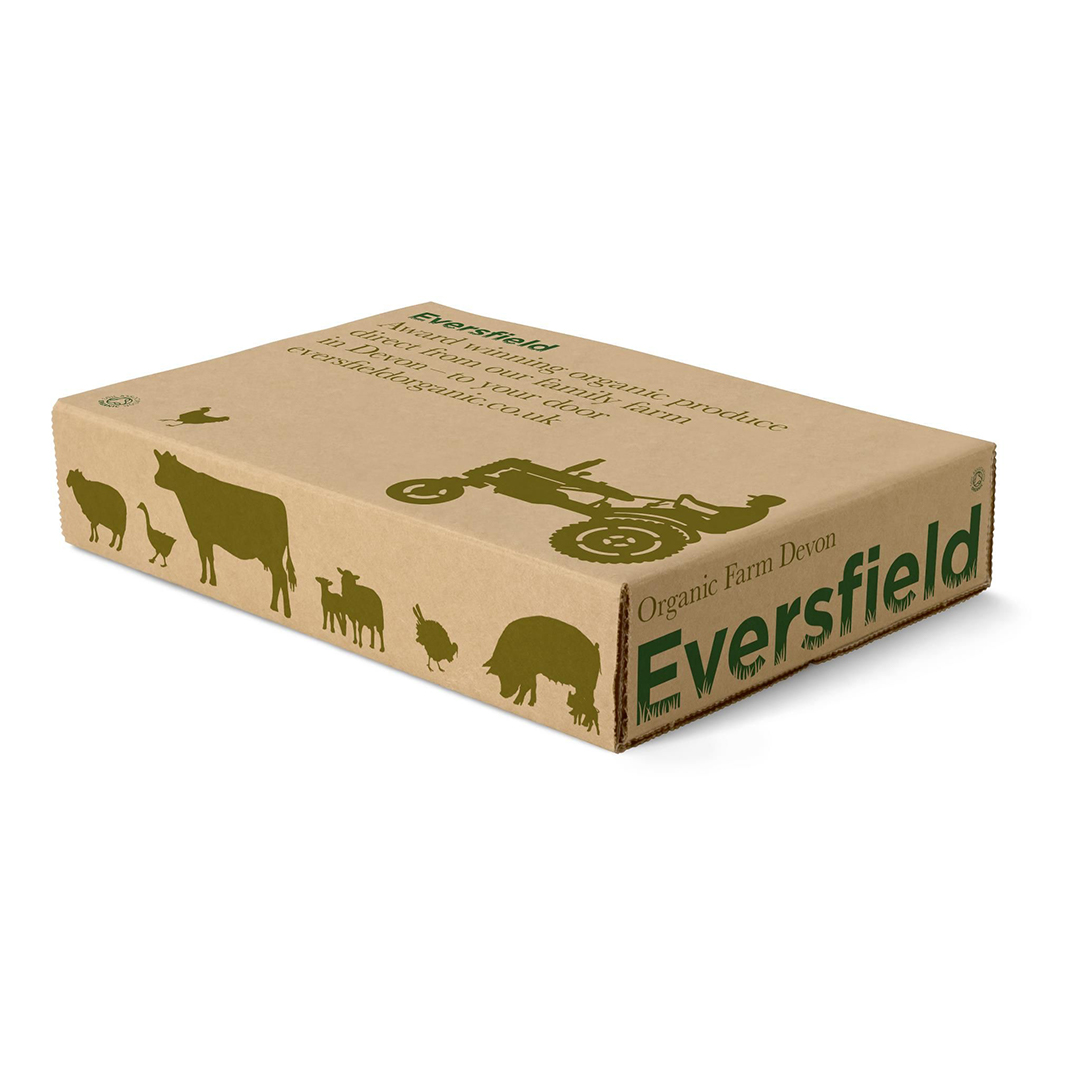
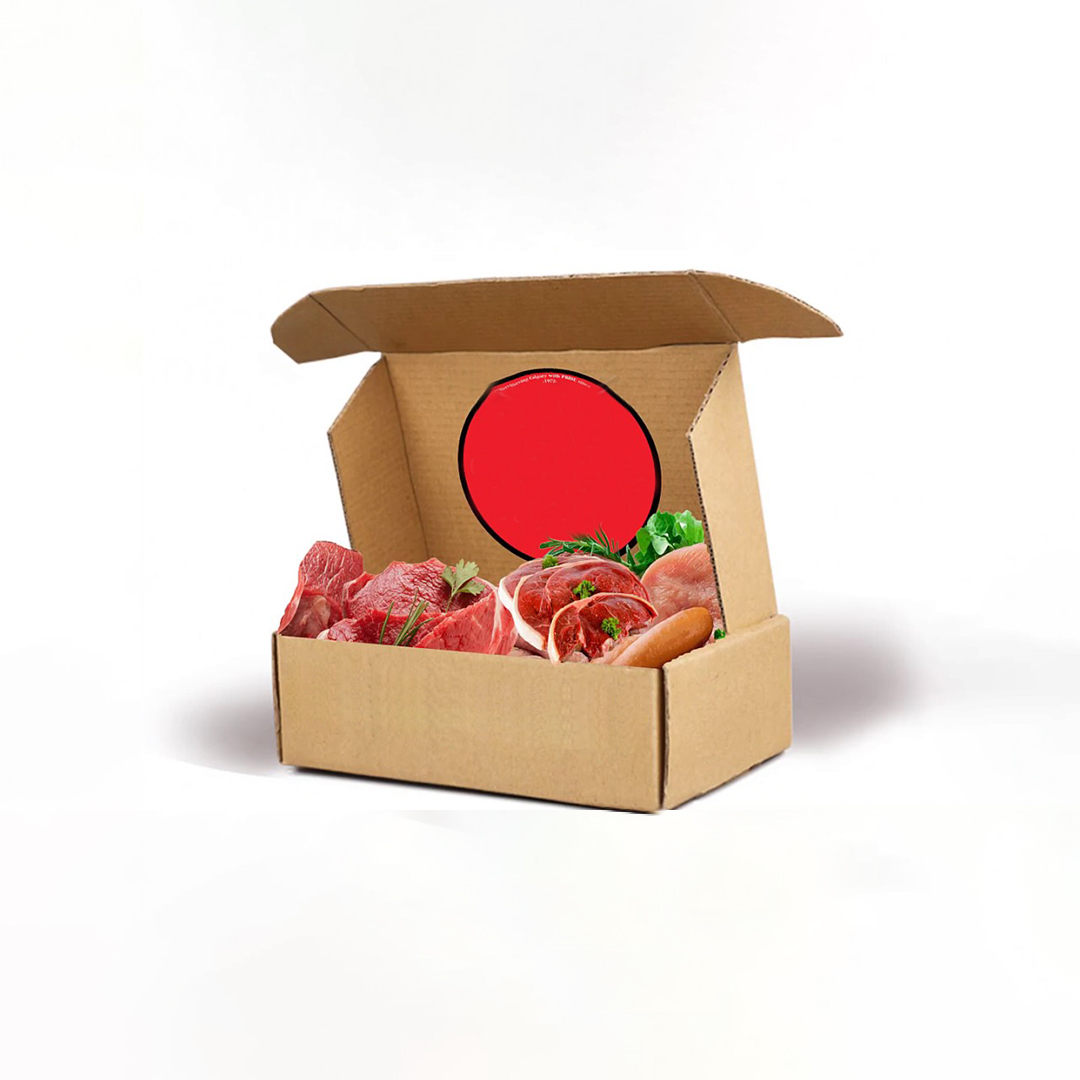
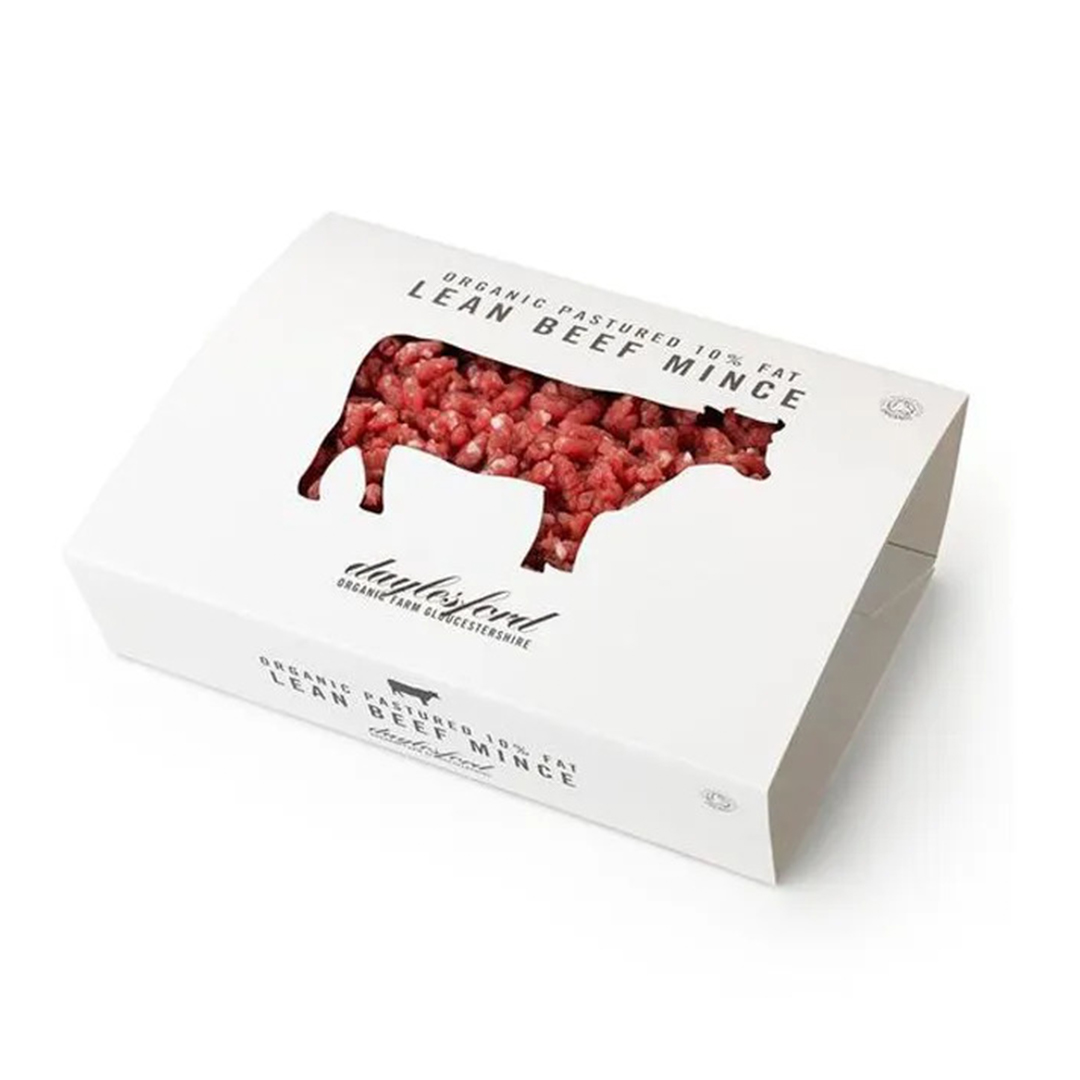
Cardboard meat packaging boxes for hygienic handling
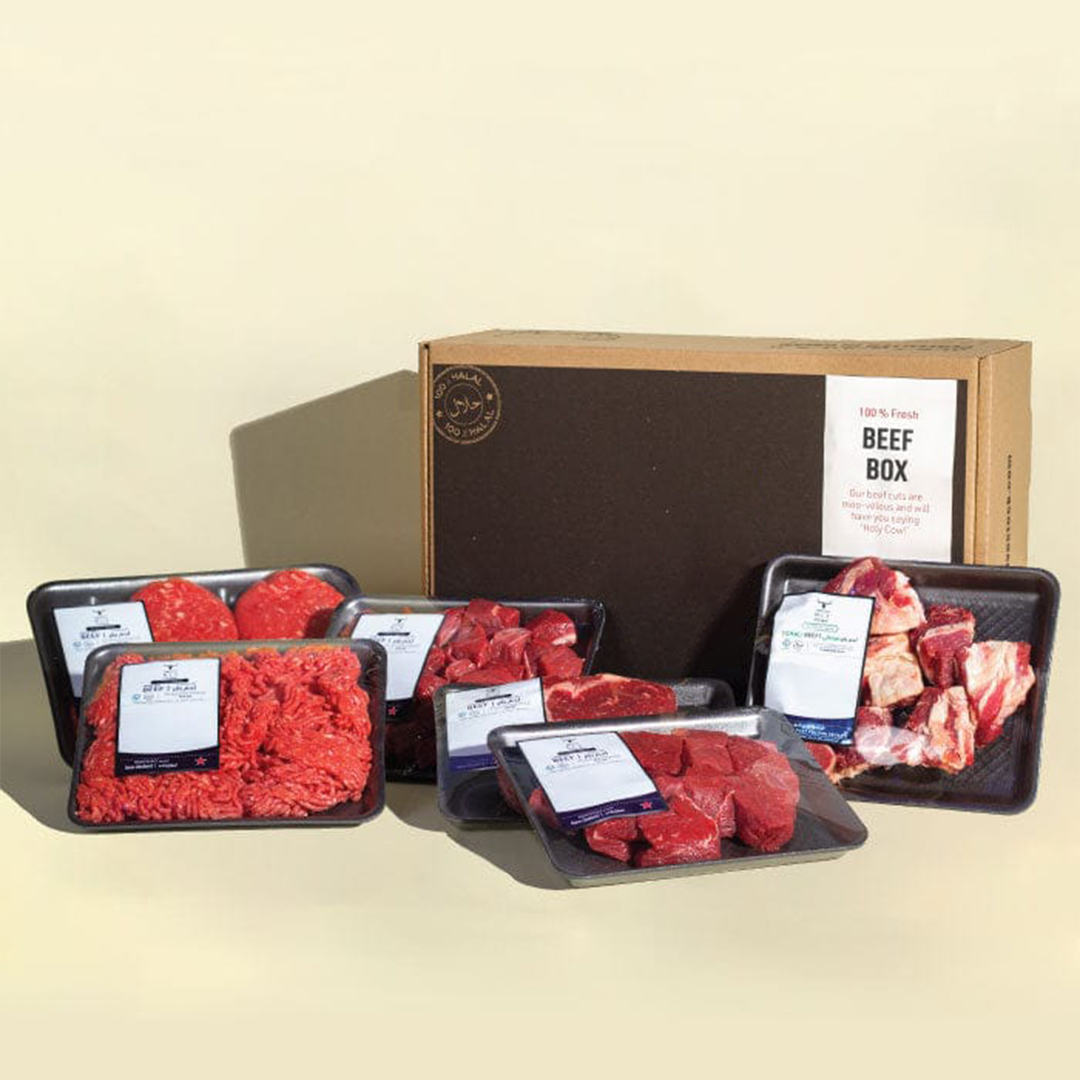
Cardboard meat packaging boxes help butchers, supermarkets, and wholesalers keep meat products stable and presentable from prep bench to cold store. Many counters arrange fresh trays alongside Cardboard Catering Trays so poultry pieces, mixed cuts, and prepared portions all sit in the same calm, coordinated display. Strong cardboard walls support chilled meat, marinated items, and frozen packs so they do not sag or press into each other during busy trading hours. This structure helps staff load shelves quickly while still keeping products properly separated and easy to scan.
These boxes work with wrapped portions, vacuum-sealed packs, and bulk meat cartons without needing different handling routines for each format. Firm bases give heavy cuts the support they need, while clean inner surfaces keep packets sitting straight in chilled and frozen units. With Cardboard meat packaging boxes wholesale supply, sellers can plan stock for peak seasons, build clear labelling systems, and maintain a consistent look across all aisles. Over time, this steady approach makes it easier to rotate, date-check, and present meat lines in a way customers recognise and trust.
Stable structures for daily butchers and meat sellers
Butcher counters and meat rooms depend on packaging that stays square even when stacks get high. Cardboard meat packaging boxes give each layer enough strength so trays and packets are less likely to tilt or crush under weight. The wide base keeps cuts arranged in simple rows, which makes it easier for staff to reach the right product without disturbing the rest. In chilled cabinets, this steadiness helps the display remain tidy through constant door openings and refills.
The same structure supports wrapped primals, portioned packs, and pre-trayed poultry without demanding new systems for every product type. Boxes can move from cutting room to blast chiller, on to storage, and finally to retail display while keeping their shape. Label-friendly panels provide clear spaces for product names, batch information, and safe-handling notes. When everything is laid out in a predictable grid, teams can restock, check dates, and serve customers with less back-and-forth during peak hours.
Clean handling benefits of meat packaging boxes
- Helps stabilise meat trays when shelves or racks are fully loaded
- Supports wrapped and vacuum-sealed pouches without sagging sides
- Allows quick stacking in cold rooms and on pallets for transport
- Maintains clean arrangement so different cuts stay clearly separated
- Reduces pressure on delicate or marinated portions inside cartons
- Improves shelf organisation for easy date and batch checks
- Keeps product groups divided by cut, species, or quality grade
- Fits a wide range of weight categories with appropriate board strength
Ways these boxes support day-to-day operations
- Provide a consistent outer format for many meat SKUs across the store
- Help staff move loaded boxes through cold corridors with confidence
- Make it easier to create front-facing, tidy displays in service cabinets
- Reduce repacking because cartons travel well between storage locations
- Support clear labelling so teams can read codes even in low temperatures
- Allow quick identification of high-demand items during rush periods
- Help maintain hygiene by keeping packs aligned and off direct surfaces
- Create a more organised look that reassures customers about handling standards
| Feature | Description | Material | Finish | Use |
|---|---|---|---|---|
| Reinforced sides | Extra support for heavier meat loads | Strong cardboard board | Matte outer feel | Packed meat portions and mixed cuts |
| Wide base | Stable footprint for large trays | Kraft-based food board | Smooth surface | Poultry boxes and family packs |
| Label panel | Flat area for print and stickers | SBS or print-ready card | Light gloss or satin | Retail pricing and safe-handling details |
| Deep frame | Added internal height for bulk | Rigid board grades | Natural or lightly coated | Frozen cartons and wholesale bulk cuts |
Large cardboard meat boxes for strength and storage
Large cardboard meat packaging boxes hold multiple meat units together in one stable frame for chilled and frozen storage. Many distribution teams plan ranges alongside Food Related Cardboard Boxes so cartons carrying poultry, mixed meats, and prepared products all share a compatible packing language. Deeper and wider formats give space for stacked trays and grouped packs, helping them travel through cold rooms, vehicles, and unloading bays without slipping out of place. This makes it easier to manage both everyday orders and seasonal demand peaks.
Bulk boxes are built to handle wrapped primals, export-ready packs, and heavy mixed loads that would strain lighter materials. Corrugated and rigid board combinations support stacking on pallets and shelving without bowing at the sides. Printed panels can carry safe-handling instructions, storage temperatures, and product descriptions so warehouse teams see key details at a glance. In wholesale hubs and cross-docking centres, large cardboard meat packaging boxes become a steady part of how stock is moved between suppliers, processing plants, and retail branches.
Distribution-focused design for chilled and frozen routes
Cold chain distribution calls for packaging that behaves predictably under weight and moisture. Large meat cartons give warehouse staff clearly defined edges for lifting, sliding, and stacking, which reduces accidental damage to individual packs. Board grades are chosen to tolerate condensation and temperature shifts, helping boxes stay firm even when moved between chillers, freezers, and loading docks. This reliability is critical when shipments must cover long distances or support multiple delivery drops in one route.
The simple rectangular geometry helps operations teams plan pallet layouts and truck loading patterns efficiently. Matching footprints make it easier to calculate how many units fit in each lane or level, which improves planning for busy seasons. Export cartons with reinforced corners provide extra reassurance when loads will be handled by several carriers before reaching their final destination. Together, these design details help large cardboard meat boxes support a smoother distribution rhythm.
Advantages of larger meat distribution boxes
- Keep groups of trays aligned for easier pallet and rack loading
- Support high-volume demand without constant repacking or over-wrapping
- Stabilise heavy meat packs so they move with less shifting in transit
- Reduce internal collisions between frozen or chilled portions
- Make stacking more comfortable and predictable for warehouse teams
- Protect chilled stock during multi-stop routes and restocking cycles
- Handle seasonal order spikes with sizes already tested in real use
- Help reduce handling errors by keeping product groups clearly bundled
Planning ideas for bulk and export meat cartons
- Assign specific carton sizes to defined weight ranges and product types
- Use reinforced versions for export or long-distance transport routes
- Coordinate footprints so pallets and racks stay fully and evenly loaded
- Keep one side clearly marked for storage temperature and safe-handling notes
- Test sample loads under real cold chain conditions before large rollouts
- Align carton print with internal batch and traceability systems
- Review stacking limits regularly to avoid overloading in busy seasons
- Record which box types perform best and standardise them across locations
| Type | Capacity | Board | Insert | Best use |
|---|---|---|---|---|
| Bulk meat carton | High load for mixed or large cuts | Corrugated heavy-duty board | No insert needed | Wholesale distribution and storage |
| Poultry delivery box | Medium capacity for birds and packs | Strong kraft-based board | Optional divider sections | Meat shops and regional hubs |
| Multi-pack carton | Mixed sizes in one outer shell | Rigid or high-strength card | Inner support or tray | Supermarkets and cash-and-carry locations |
| Export carton | Heavy-duty build for long routes | Reinforced rigid board | Extra corner strength | Long-distance and export shipments |
Printed meat packaging solutions for busy operations
Meat sellers rely on structured cartons for raw cuts, poultry, marinated portions, and frozen items that must all travel safely through the same supply chain. Many processors and wholesalers work with Cardboard Boxes For Packaging when they want branding zones, reinforced sides, and clear labelling areas designed directly into their box styles. These cartons organise the way product sits in cold rooms, supports simple stacking, and flows from processing lines to shop floors without needing constant relabelling or repacking.
Meat packaging boxes support vacuum-sealed packets, tray-ready portions for retail shelves, and pre-packed poultry units heading towards supermarkets or food service clients. With Meat packaging boxes wholesale ordering, businesses can keep common layouts for their core ranges while adjusting print and codes for different customers. Empty boxes can be delivered flat to processing plants, then assembled and filled on-site so each facility runs its own packing schedules. This approach keeps visual standards aligned while still allowing flexibility in how and where stock is prepared.
How printed meat boxes support business organisation
Printed areas help staff understand what is inside each carton before opening it. Clear front panels can carry brand names, product descriptions, and key storage notes in a format that is easy to read even in cold environments. Side walls provide room for safe-handling statements and handling directions, while top flaps can carry batch codes and date marks. Together, these zones create a language that warehouse, store, and transport teams can read quickly during fast-paced shifts.
Consistent layouts across multiple products also support smoother restocking and stock checks. Teams learn where to look for cut type, weight, and date information rather than scanning the entire box every time. This reduces delays when moving goods from delivery bays to cold rooms or from storage to display cabinets. A steady printed style also helps reinforce the brand identity for any cartons that customers may see, such as cases used in wholesale or food-service environments.
Organisational strengths of printed meat cartons
- Make it easier for staff to pick the right product group on the first try
- Provide dedicated zones for storage directions and handling notes
- Support clear batch marking that improves traceability and recall readiness
- Help streamline warehouse flow between incoming and outgoing lanes
- Keep product lines separated visually even when stacked together
- Support brand consistency across multiple plants and distribution centres
- Reduce training time by using the same layout on different carton types
- Help retailers align outer packaging with in-store shelf labels and systems
Print and layout tips for meat packaging programs
- Reserve front zones for brand names, key cuts, and main category wording
- Use side panels for safe-handling text, storage notes, and small icons
- Keep top flaps free for batch codes, dates, and quick-scan markings
- Place more detailed information on rear panels where there is space
- Match board grades to the level of moisture and handling expected
- Test legibility of fonts and colours in low-light cold room conditions
- Align carton colours with product families, such as beef, poultry, or mixed meats
- Review print layouts regularly as ranges grow or regulations change
| Panel | Board | Finish | Use | |
|---|---|---|---|---|
| Front zone | Branding and main product text | Kraft or white card | Matte or soft satin | Retail-facing and wholesale cartons |
| Side panel | Safe-handling and storage wording | Strong cardboard stock | Smooth, easy-to-label surface | Cold room and warehouse organisation |
| Top flap | Batch code, dates, simple markers | SBS or similar board | Light gloss or sealed finish | Stacking, scanning, and fast checks |
| Rear panel | Information block and extended details | Rigid or high-density board | Natural or lightly coated | Distribution, export, and audit records |
Poultry and meat carton options for cold chains
Poultry suppliers and mixed-meat processors need cardboard boxes that handle a wide range of cut sizes, whole birds, wrapped portions, and frozen units. Many of these operations plan their lines in step with Shop Cardboard Boxes so meat cartons, poultry boxes, and related packaging formats all work together in storage and transport. Firm frames keep packets aligned when stacked inside freezers, chillers, delivery vans, and backroom areas. This stability helps protect delicate cuts and prevents soft packs from being squeezed out of shape.
Meat carton box styles with reinforced corners and deeper frames give extra support for heavy loads and longer routes. These cartons move from processing halls to distribution centres, then on to shops and food-service clients while keeping units separated and upright. Poultry boxes with broad footprints can handle whole birds or larger packed pieces without creating pressure points along the sides. Together, these options help cold chain networks maintain hygiene standards and product order at every stage.
Carton choices that support poultry and mixed meat lines
Different meat categories benefit from slightly different carton characteristics. Poultry cartons often need wide internal spaces so trays or bagged birds sit flat, while beef or mixed-meat cartons may call for deeper walls that hold heavier cuts securely. Freezer-safe builds rely on rigid or corrugated board with reinforcements at stress points so the box stays square even when frozen products are stacked several layers high. The aim is always the same: keep units organised and easy to handle without compromising product safety.
These carton choices help backroom teams maintain clear zones for each species and cut category. Labelling areas and printed guides support quick placement in the right freezer section or cold room row. When transport teams load vans or trucks, predictable dimensions make it simpler to build stable loads that stay intact throughout the route. Over extended periods, this orderliness supports hygiene checks, temperature logging, and overall confidence in how meat and poultry have been handled.
Benefits of using poultry and meat cartons
- Support poultry packs and mixed meats with structures sized to each range
- Help manage freezer and chiller storage by keeping lines neatly separated
- Keep units aligned so boxes can be stacked without leaning or crushing
- Maintain clean stacking patterns in backrooms and distribution spaces
- Reduce pressure on delicate cuts, marinated portions, and soft packs
- Improve organisation behind the counter, in cold rooms, and in vehicles
- Provide clear zones for labelling, coding, and category markings
- Assist during repeated transport cycles and multi-stop deliveries
Selection pointers for carton types across the range
- Match carton strength to product weight and route length
- Use wider fits for whole birds and bulky mixed poultry portions
- Reserve deep, reinforced options for heavy beef or mixed cartons
- Choose freezer-rated builds where stacking height will be significant
- Align carton footprints so they share shelves, pallets, and van layouts
- Keep labelling panels consistent so staff know exactly where to look
- Trial new carton styles on smaller routes before full adoption
- Review performance after peak seasons and refine the mix if needed
| Style | Strength | Material | Fit | Use |
|---|---|---|---|---|
| Poultry carton | Medium strength for regular loads | Kraft-based food board | Wide internal space | Chicken cuts, whole birds, mixed poultry packs |
| Heavy meat box | High strength for dense product | Corrugated heavy-duty board | Deep format | Bulk beef and assorted heavy cuts |
| Mixed meat carton | Strong build for varied contents | Quality cardboard board | Multi-size internal capacity | Butcher stores and mixed wholesale orders |
| Freezer-safe carton | Reinforced for cold chain stacking | Rigid or composite board | Stable footprint | Frozen items and long storage cycles |